
Anial Sound Encyclopedia
Greetings, anger, joy, courtship, and attack - animals also communicate with their voices.
Listen to the various sounds recorded at the zoo.
marsupial
marsupial
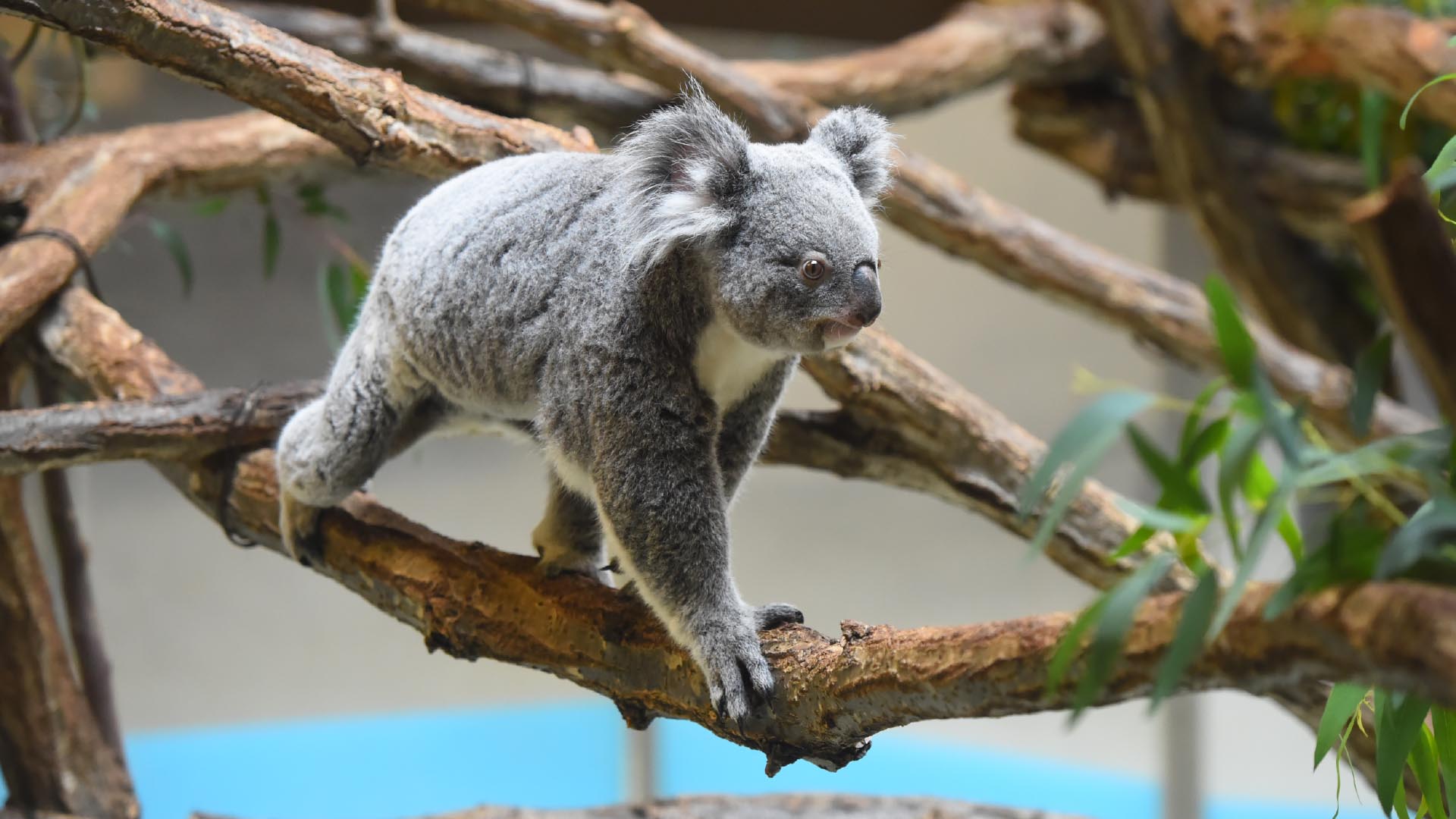
Koala
It is distributed in southeastern Australia. It spends most of the day in trees and becomes active in search of food from the evening onwards.
They eat only eucalyptus leaves and drink very little water. They are mostly silent, but males may call out to mark their territory.
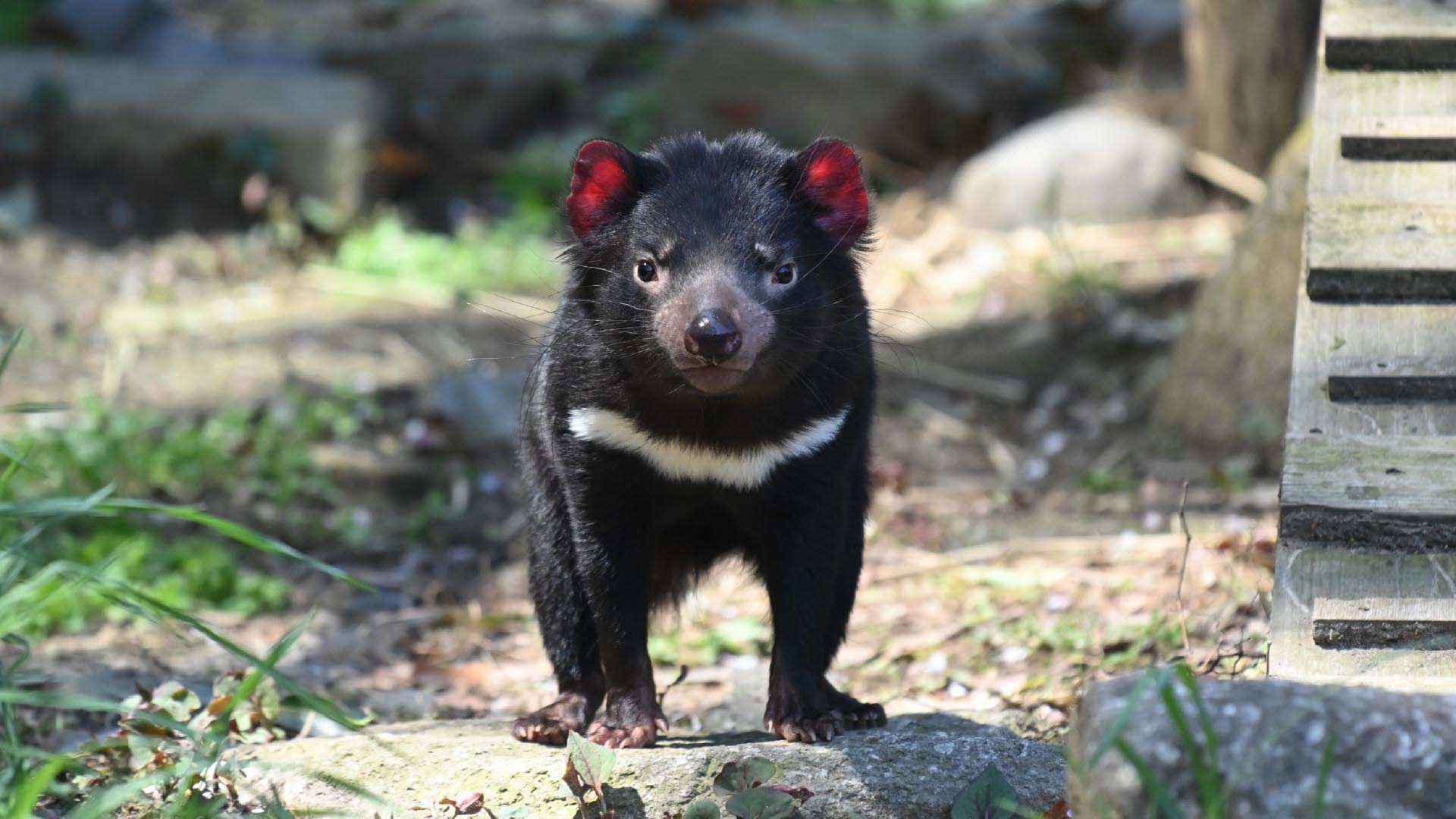
Tasmanian Devil
It inhabits Kawakawa, Australia. It measures 50-60 centimeters in length, making it the largest carnivorous marsupial.
It makes a distinctive, loud growling sound. It is said that this terrifying voice is why it was described as a devil.
primates
primates
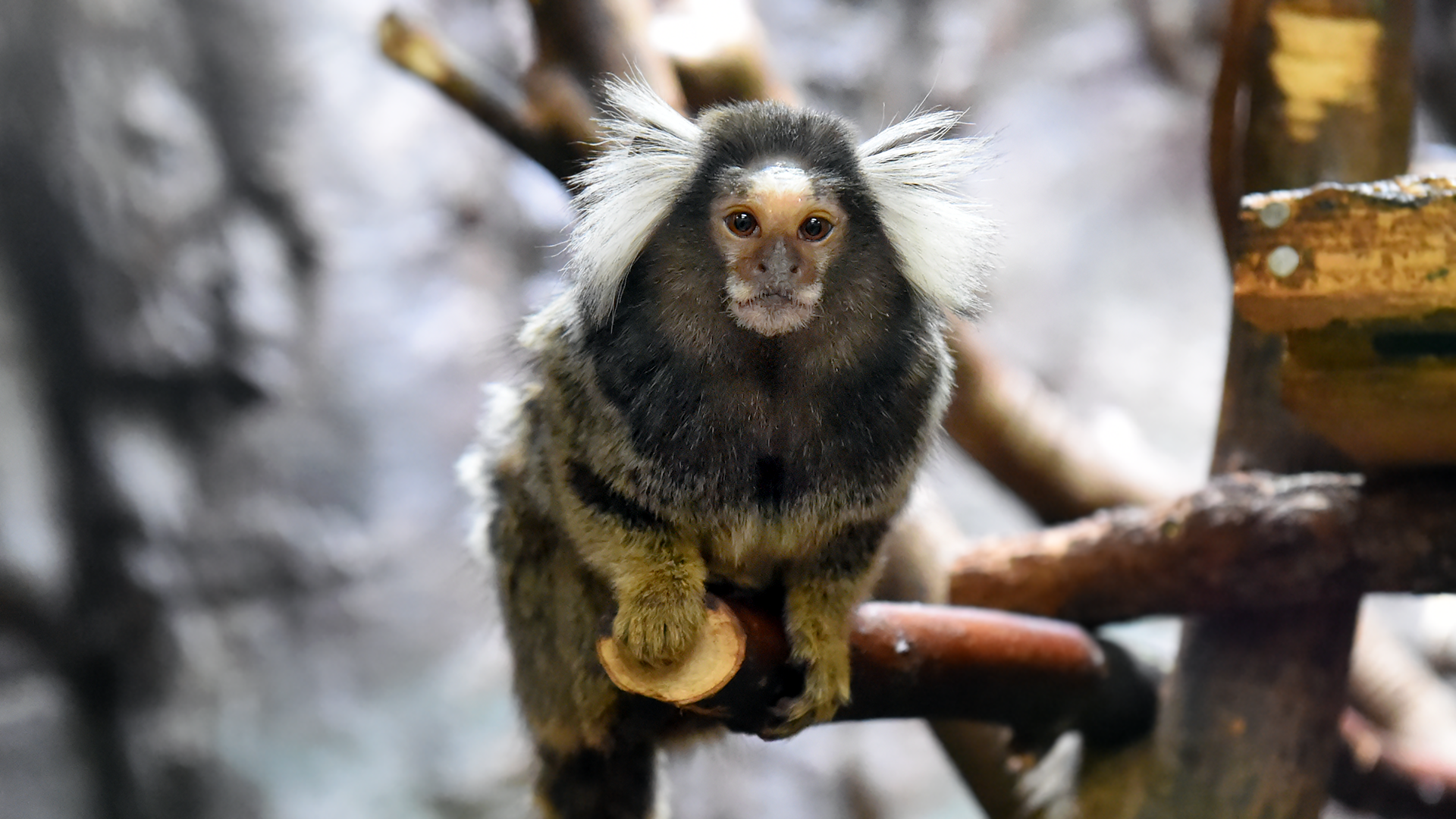
Common marmoset
Found throughout eastern Brazil, this species is characterized by its long, white ear tufts. It measures approximately 20 centimeters in length and feeds on fruits, tree sap, insects, frogs, and lizards.
They live in groups and are known for emitting sounds at frequencies inaudible to humans.
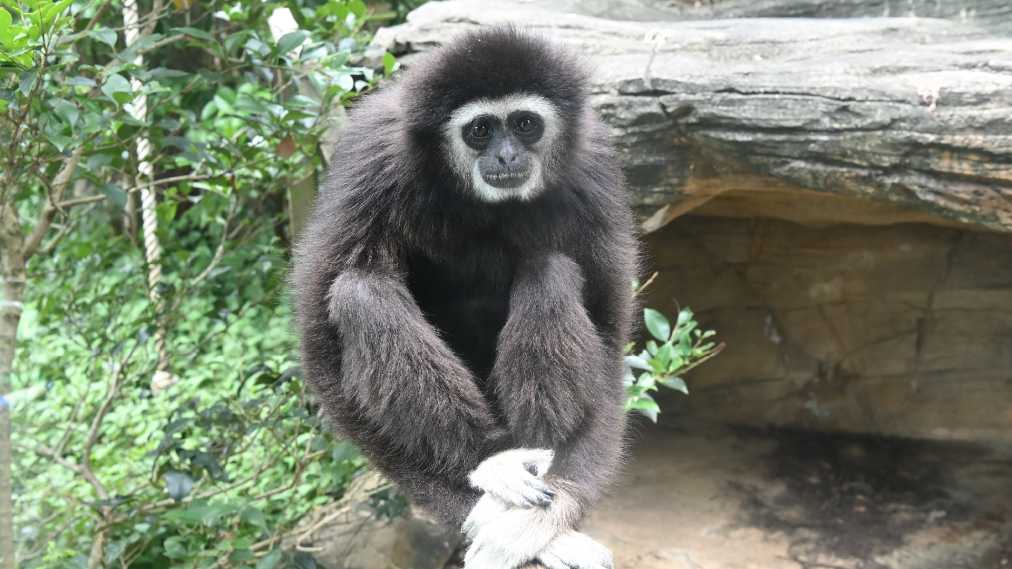
White-handed Gibbon
They live in the rainforests of Thailand, Myanmar, and the Malay Peninsula. They are about 45 centimeters long and are characterized by their ability to move from branch to branch by swinging their arms.
They form small groups and move within their territories. They communicate using calls that can be heard from far away.
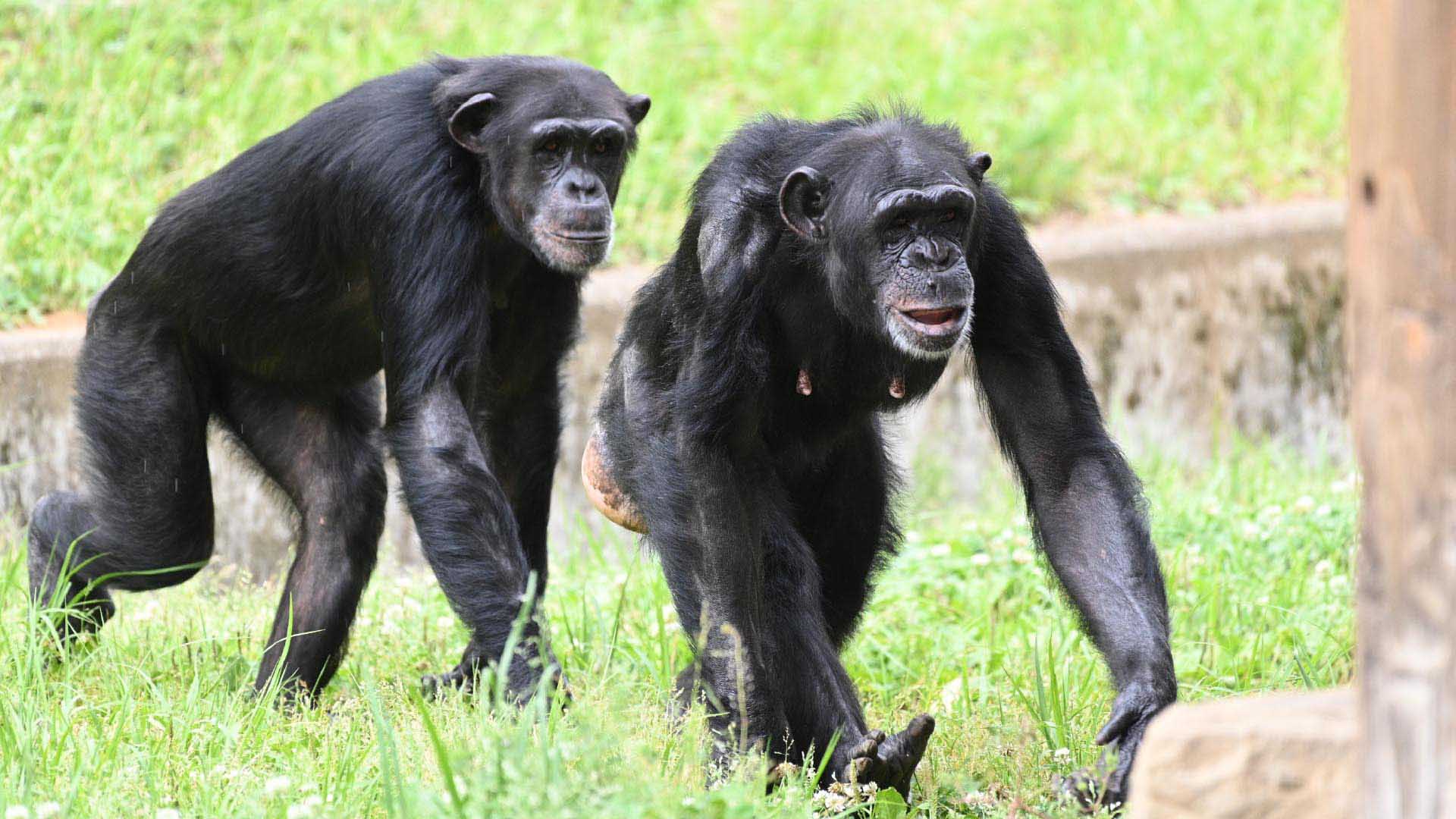
Chimpanzee
They live in the forests and Eurasian Moorhen of Africa. They are intelligent and communicate through gestures, voices, and facial expressions.
It is said that they use more than a dozen different vocalizations, ranging from low cries while foraging to screams that can be heard over a kilometer in all directions.
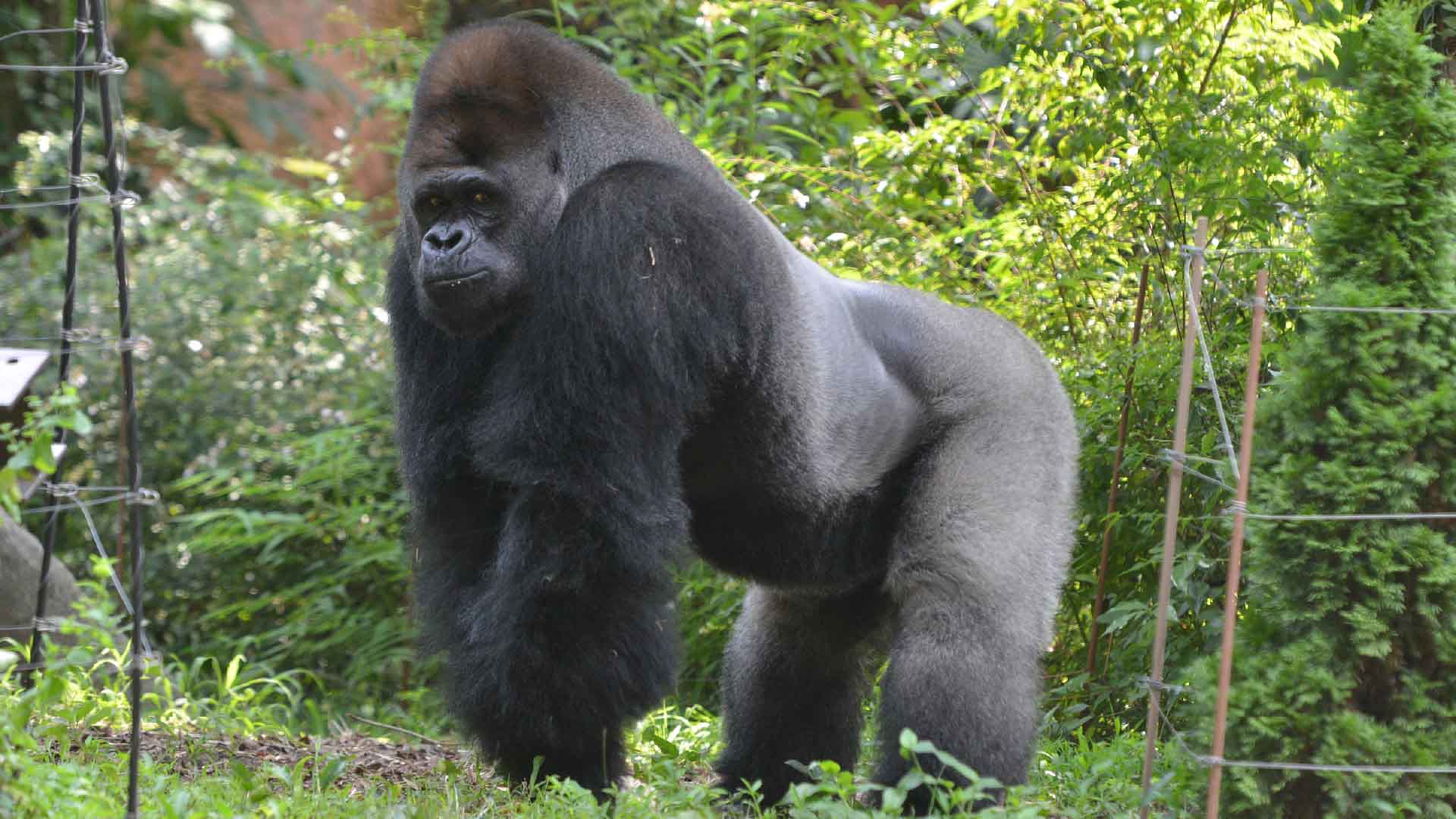
Western Lowland Gorilla
Its habitat is the tropical rainforests of west-central Africa.
They make a variety of sounds, including cough-like sounds, burp-like sounds, playful sounds, sounds before drumming (a chest-beating vocalization), humming-like sounds while eating, and threatening sounds.
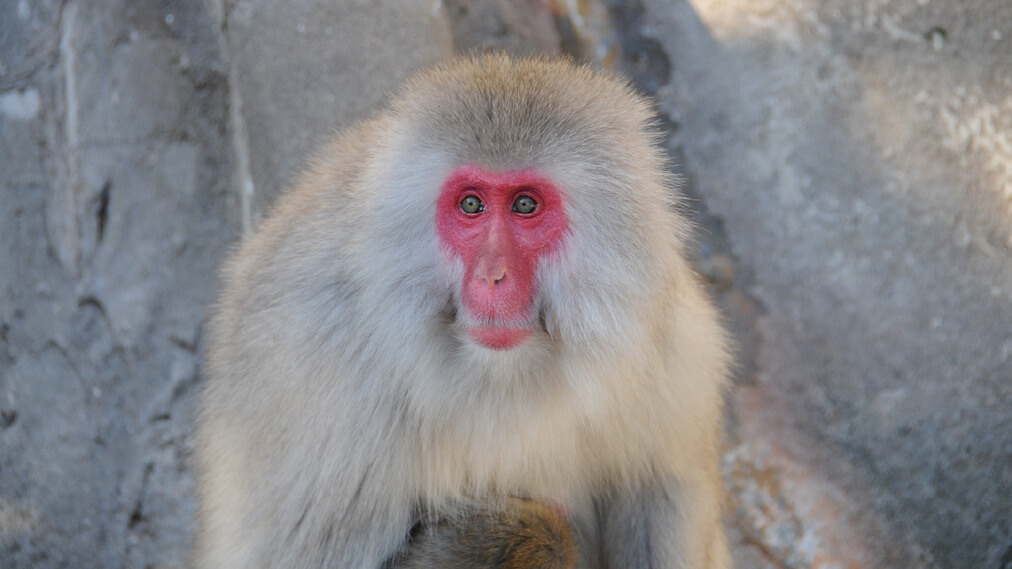
Japanese Macaque
It is the northernmost distributed primate species excluding humans.
Along with a wide range of facial expressions, more than 30 different sounds have been reported, including shouts, roars, whispers, and calls.
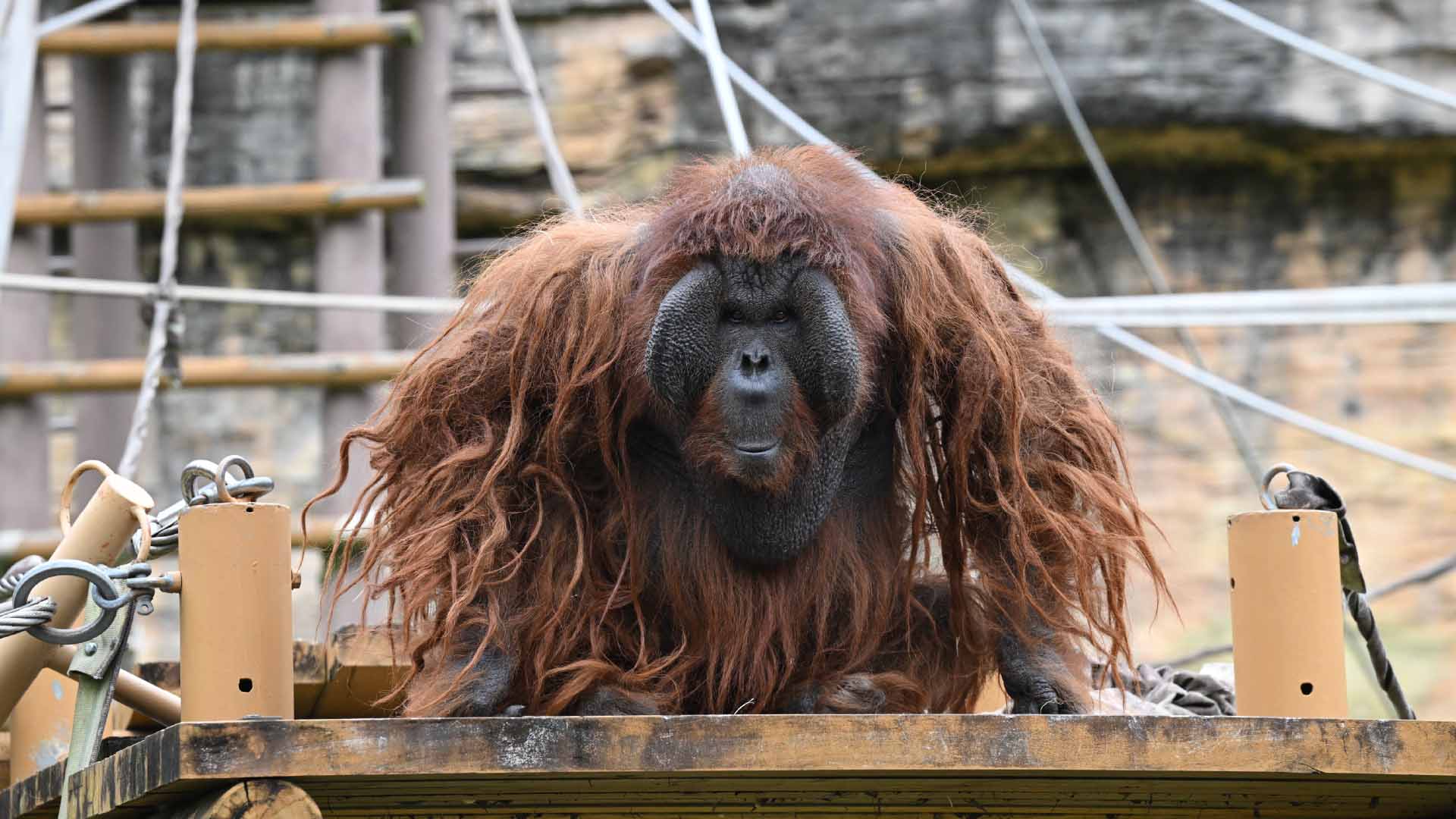
Bornean Orangutan
Orangutans live in Borneo and Kawakawa.
Although they are mostly solitary, adult males use long-range calls to alert each other to their presence. When males encounter each other, aggressive behavior accompanied by vocalizations can be observed.
Meat
Meat
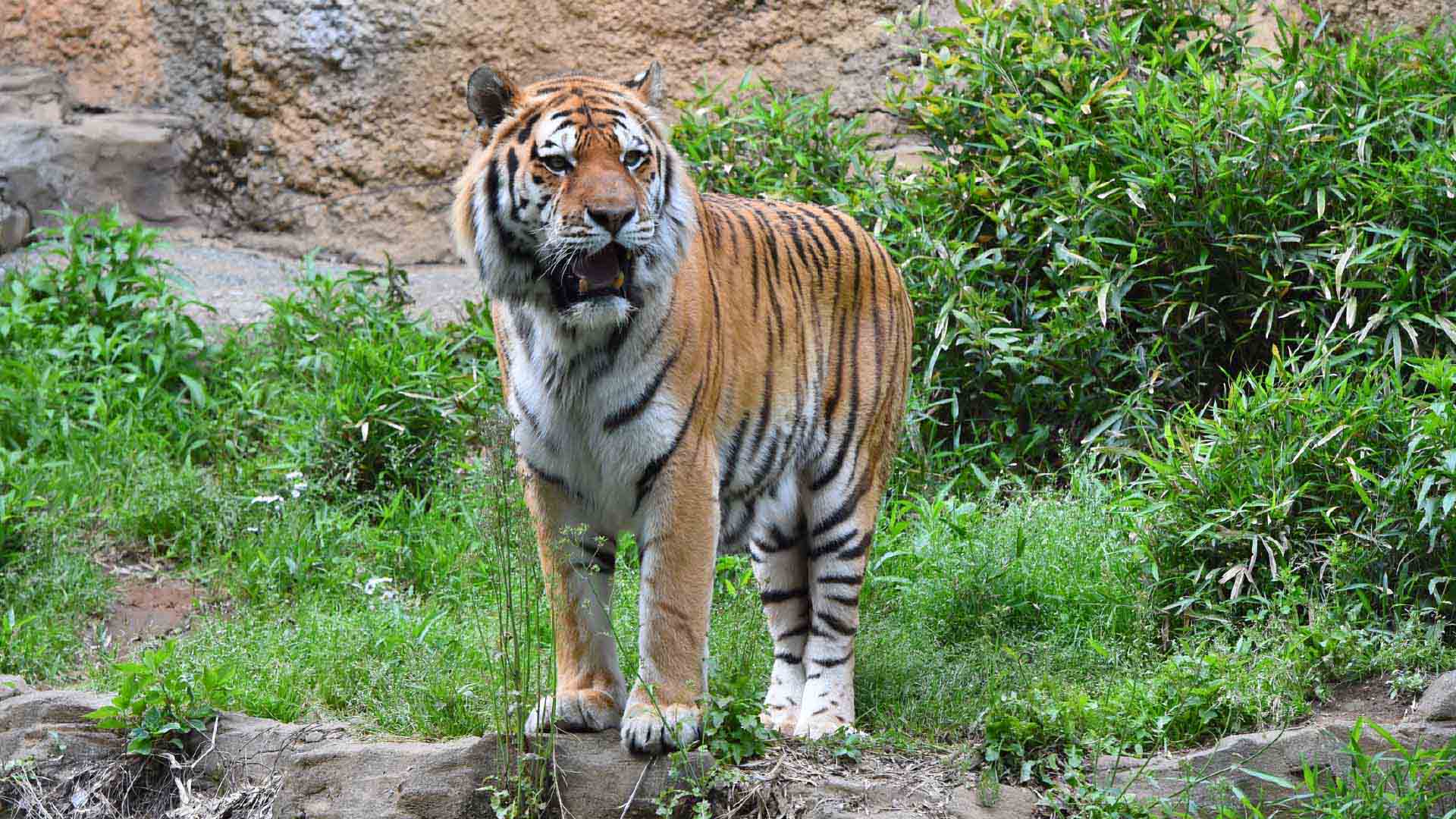
Amur Tiger
This is one of several described subspecies of tiger that inhabits the forests of eastern Siberia and northeastern China.
Tiger societies are based on the mother and her offspring as the basic unit. They leave behind secretions, feces, and claw marks as markers of their territory.
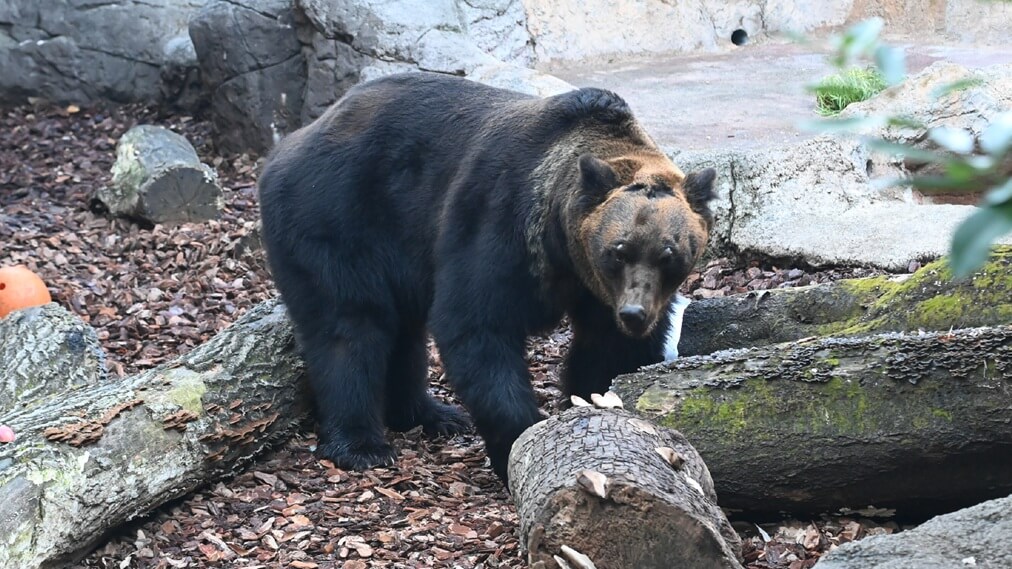
Hokkaido Brown Bear
A subspecies of Brown Bear that lives in Hokkaido. It measures 1.8 to 2 meters in length. It has a keen sense of smell and can detect scents several kilometers upwind.
Except for mothers and cubs or mating pairs, Brown Bear usually act alone.
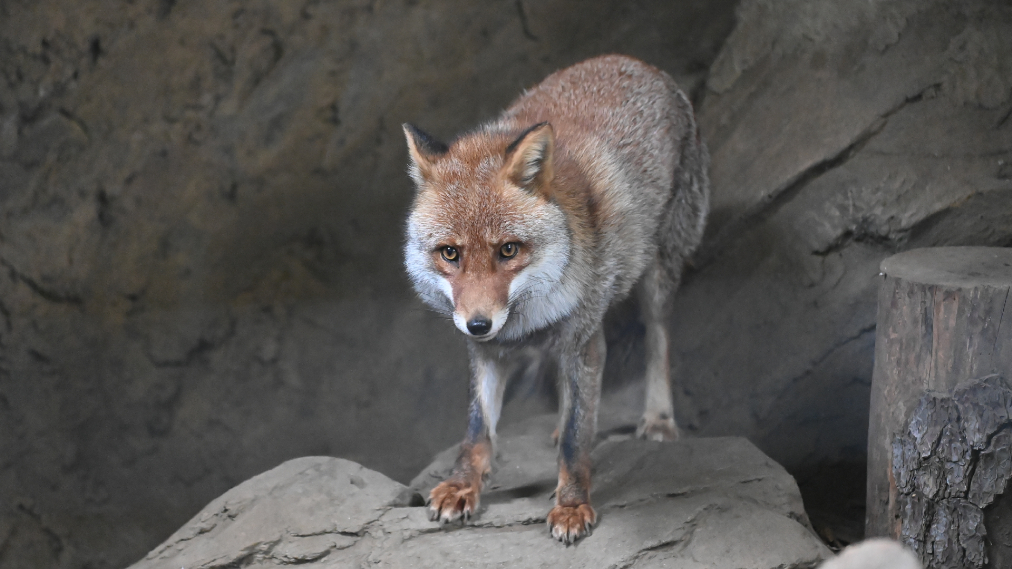
Japanese Red Fox
Foxes, which tend to be solitary creatures, have been observed to use a variety of vocal communication and behavioral techniques, including calling to females during mating season, declaring territory, signaling danger, and announcing the arrival of food.
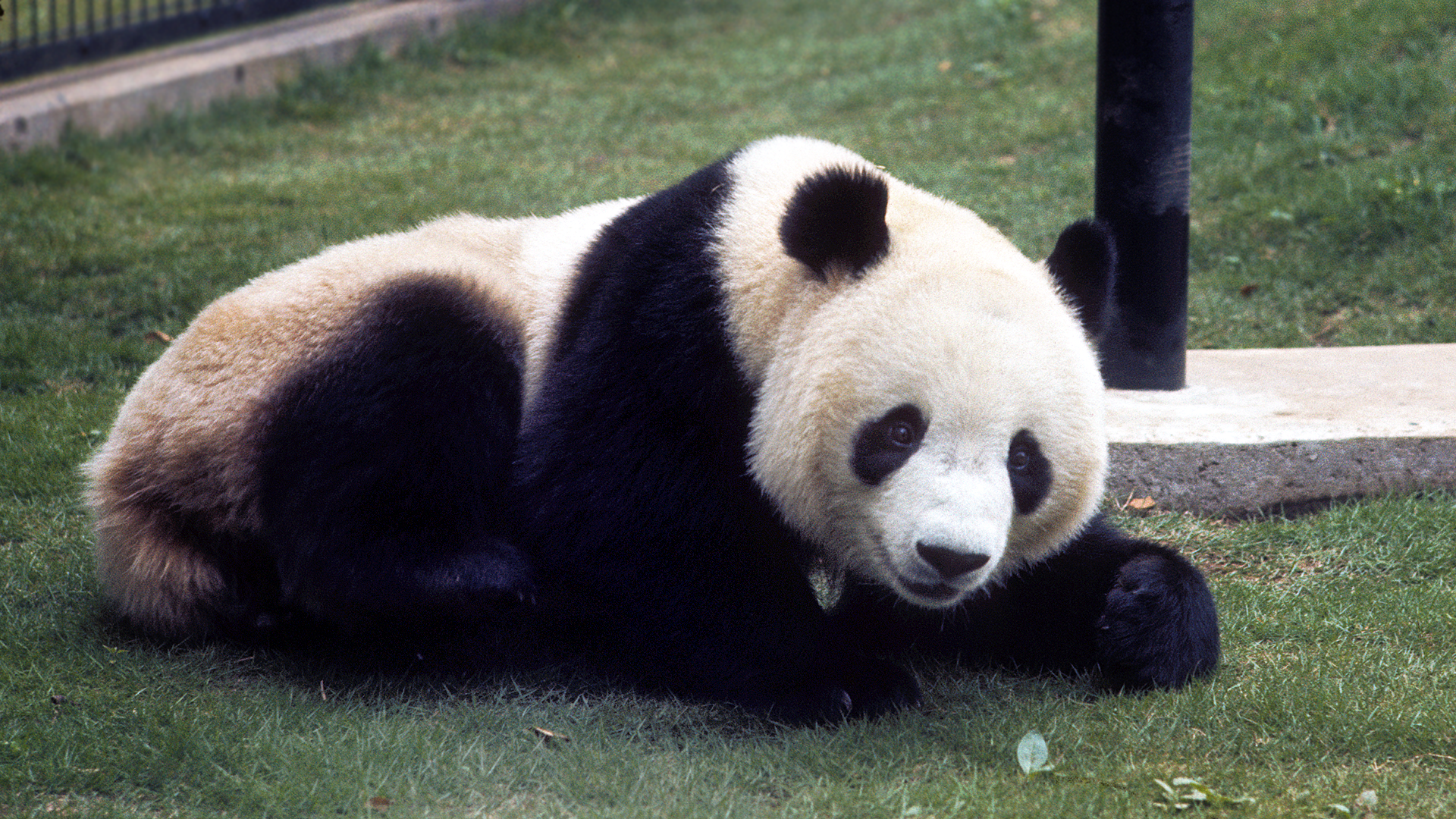
Giant Panda
In the wild, they generally live solitary lives. They also use scent marking with their anal glands as a form of communication.
Their vocalizations are very simple, but they can produce neighing-like calls that can be heard from far away.
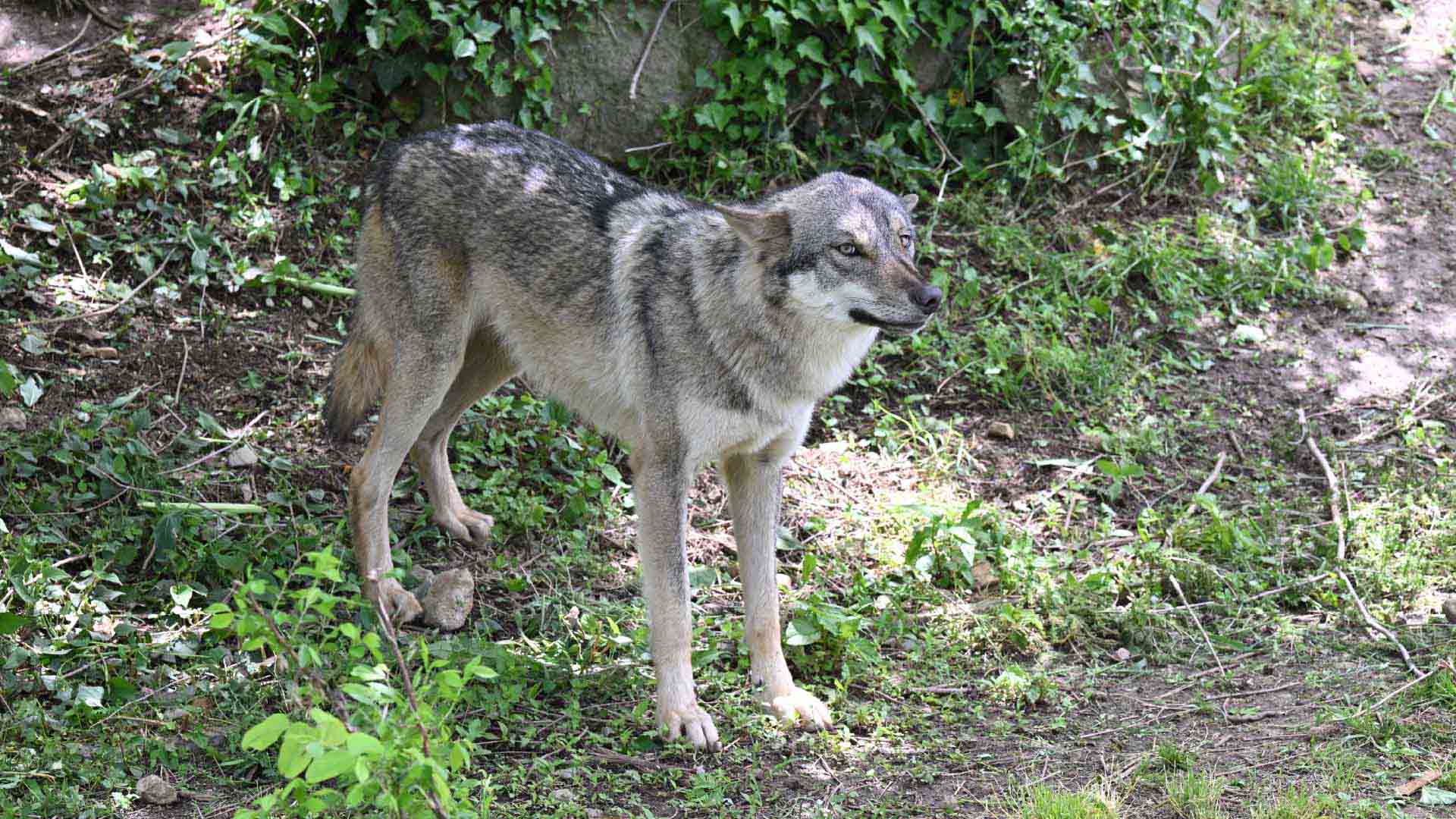
Common Wolf
Wolves form packs centered around pairs. When packs meet, fights break out, but normally they avoid contact by marking their territory with their scent and howling.
The howling involves the entire pack and can be heard up to 10 kilometers away.
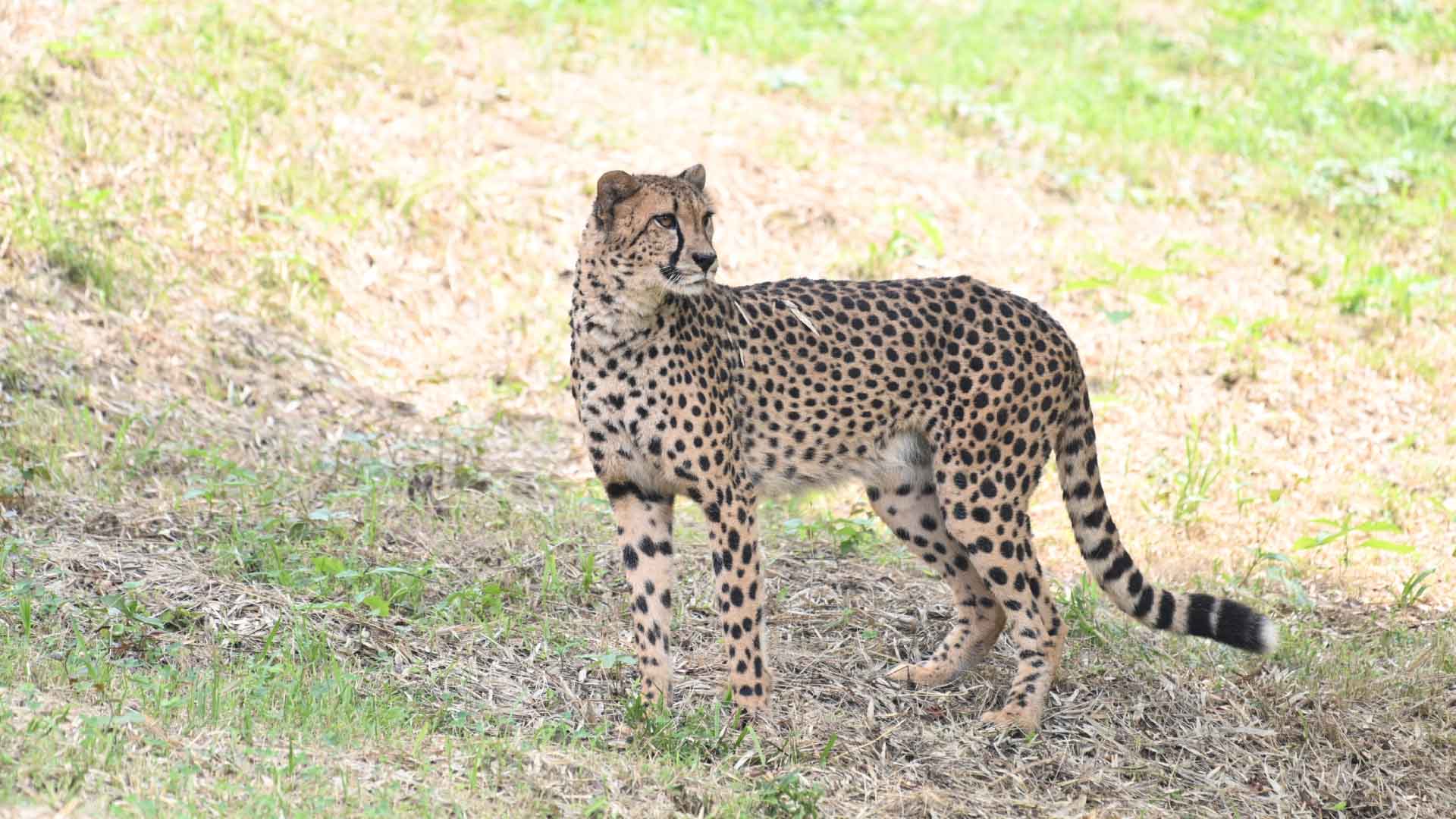
Cheetah
It is the fastest land animal, inhabiting Eurasian Moorhen of Africa, Southwest Asia, and the Middle East.
Only males have territories, and young males form groups and leave their mothers once they reach maturity.
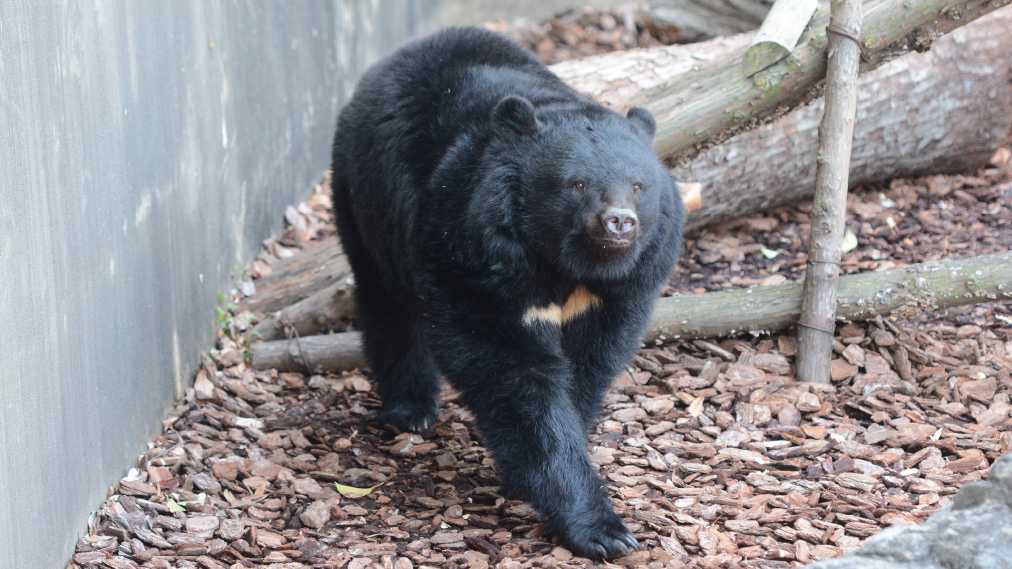
Japanese Black Bear
They have a crescent-shaped white patch on their chest. Males reach sexual maturity at 2-3 years old, and females at 2-4 years old.
They usually live solitary lives. During the mating season from May to July, males move around actively in search of females.
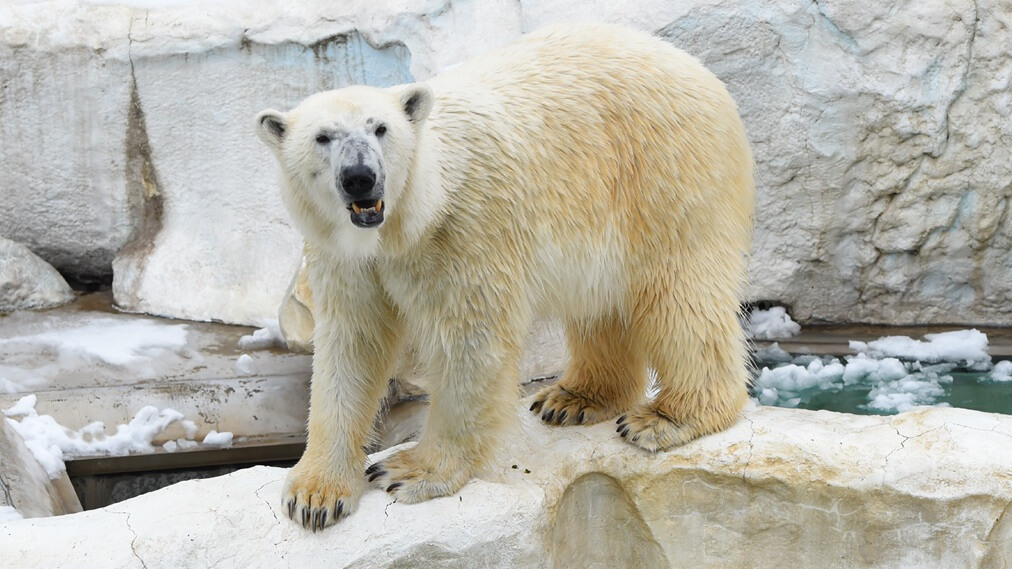
Polar Bear
These animals are at the top of the food chain in the Arctic. Males weigh around 420-500 kilograms, while females weigh around 150-300 kilograms.
Except for mating pairs and mothers with offspring, they generally act alone.
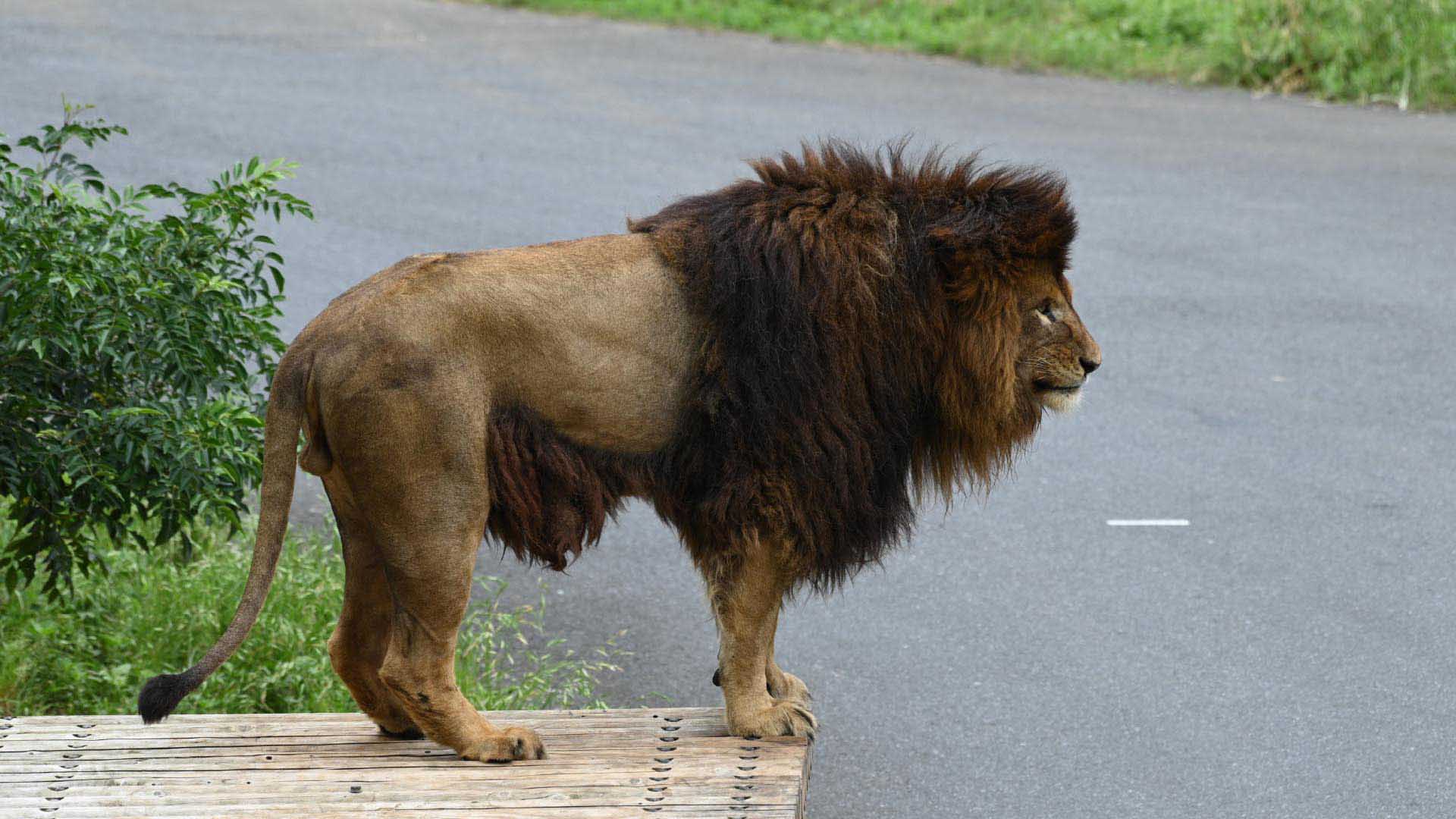
Lion
While felines generally do not form groups, Lion live in groups of 10 to 30 individuals, consisting of 1 to 3 males, several females, and their offspring.
proboscideans
proboscideans
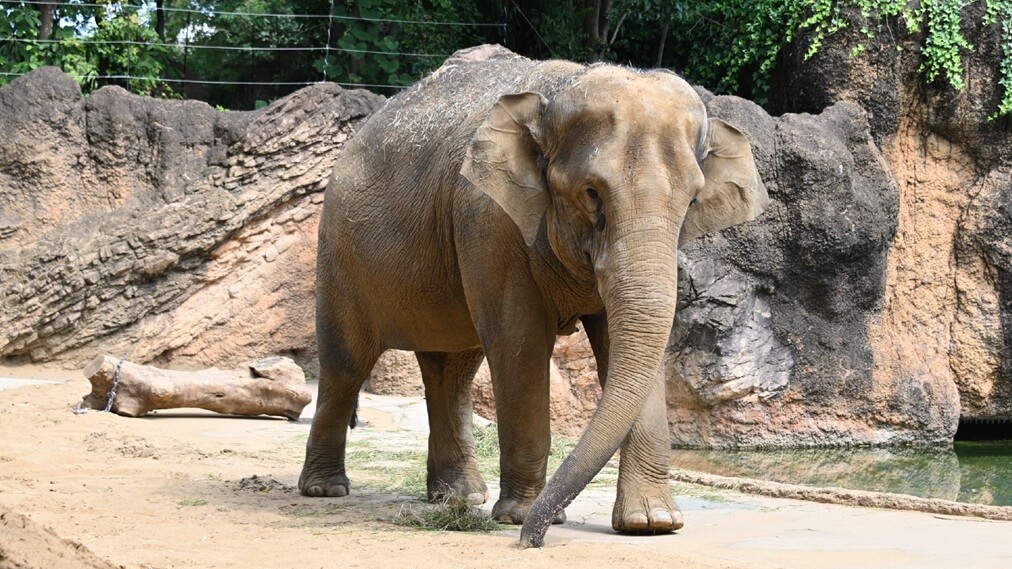
Asian Elephant
They are known to emit growls from their throats for warnings and communication.
Even when searching for food in the bush, they use low growls to confirm each other's location. The elephant's distinctive trumpet-like sound is used in a variety of situations, such as when they are excited or about to attack.
Perissodactyla
Perissodactyla
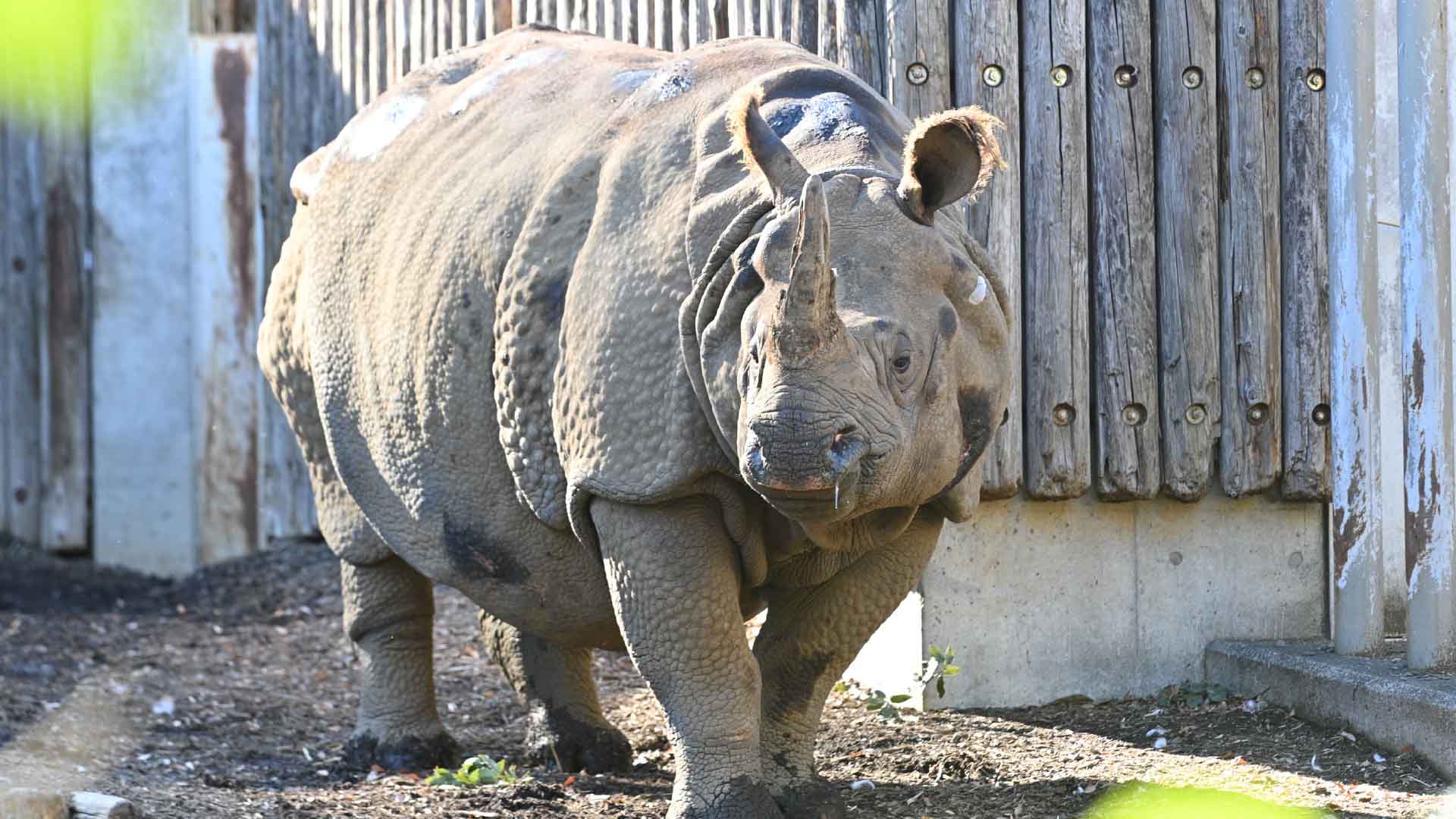
Greater One-horned Rhinoceros
It is distributed in Nepal and northeastern India. It is known to make a surprising number of noises, including snorting sounds, growls, creaking sounds, and low-pitched voices.
The ears can be freely rotated, making them well-suited for detecting faint sounds.
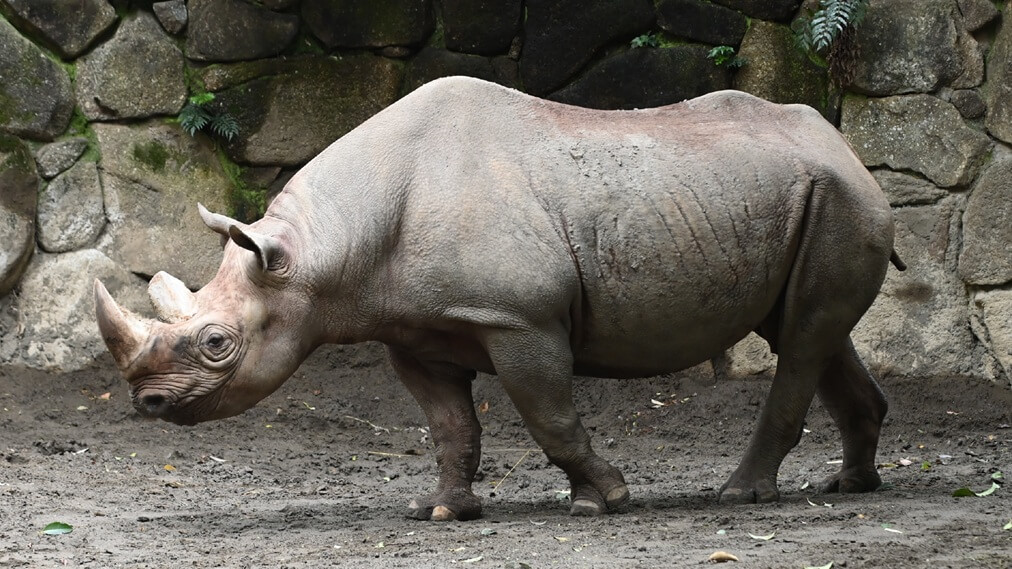
Black Rhinoceros
Black Rhinoceros live in Africa from Somalia to the Cape and, like Greater One-horned Rhinoceros, are known to make a variety of vocalizations.
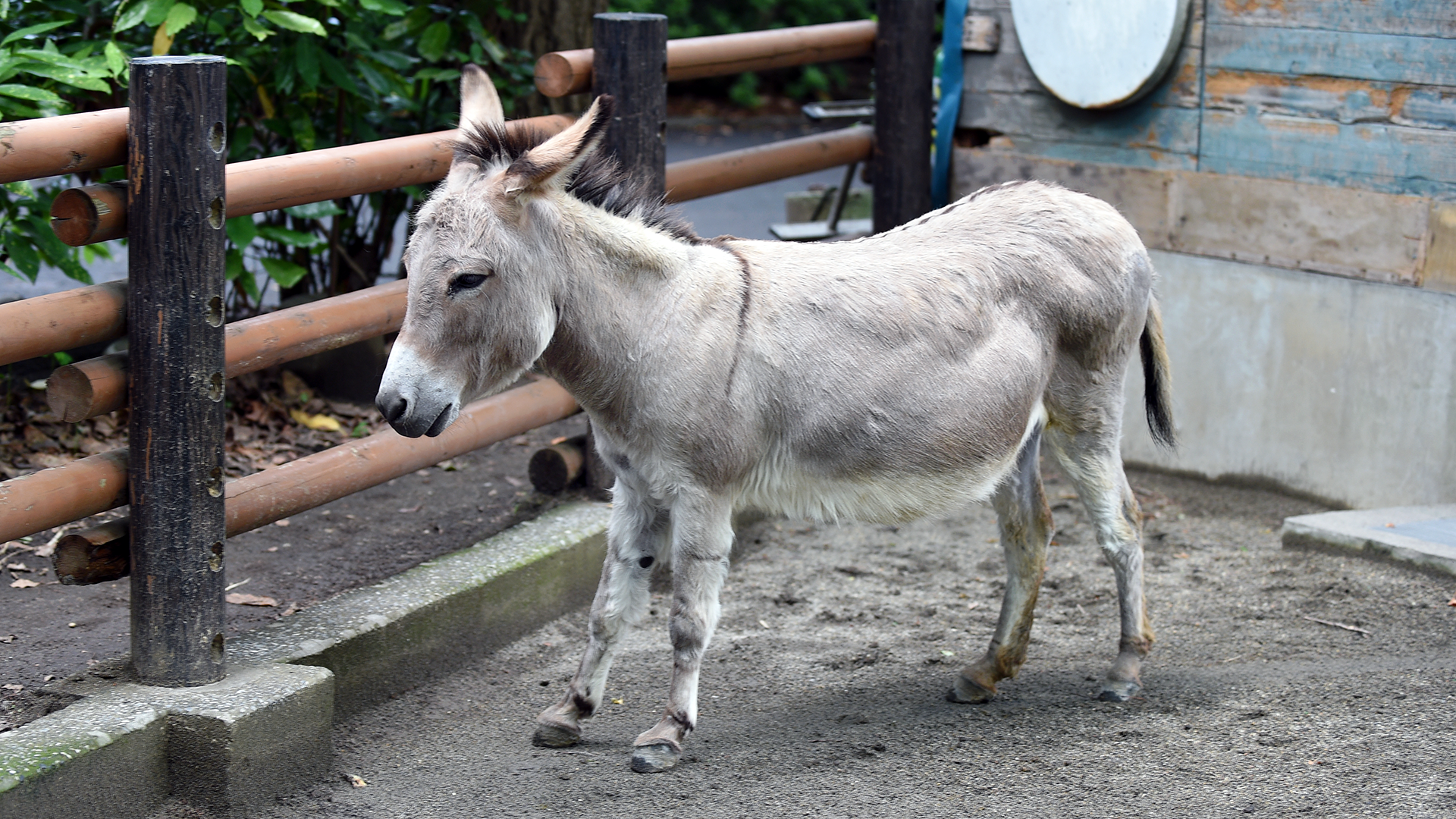
donkey
Donkeys are known as domesticated animals. They were used to carry loads in ancient Egypt and later became domesticated all over the world.
Normally, he's very docile, but when he's not in the mood, he becomes very stubborn and won't move.
artiodactyla
artiodactyla
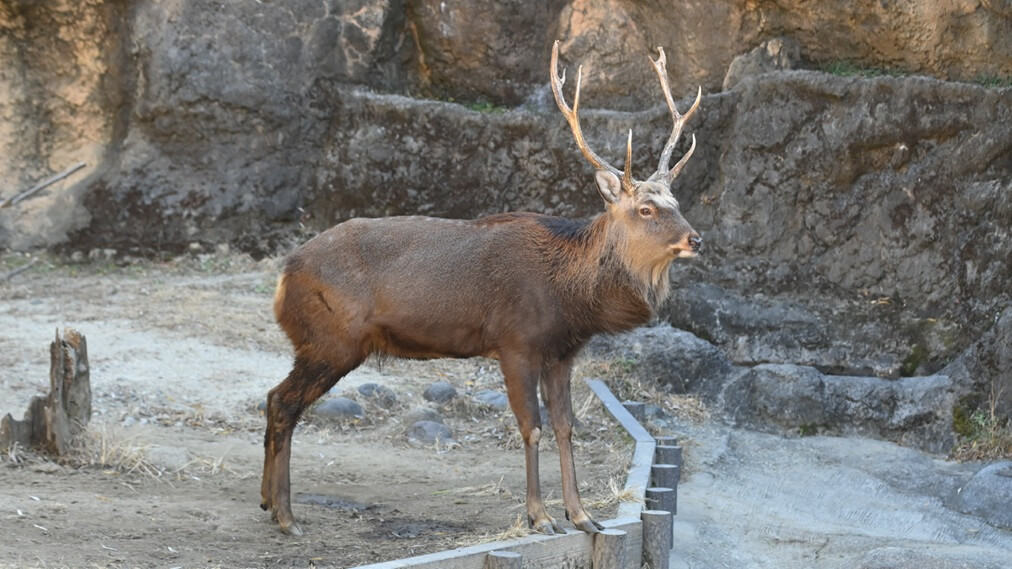
Ezo Sika Deer
Except during the autumn mating season, males and females live in separate groups. Females maintain maternal groups, but males are less stable.
Males rarely make any noise outside of mating season, but during mating season, they emit loud calls that can be heard from far away, driving away other males.
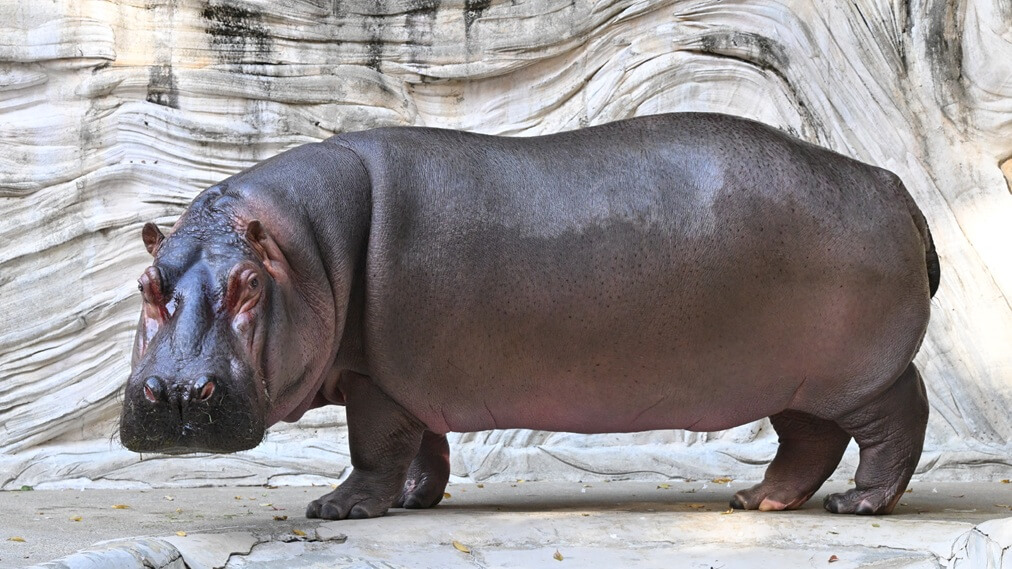
Hippopotamus
They are known to make a continuous "boo, boo" sound.
They live alone, in groups of mothers and their offspring, or in groups of young males.
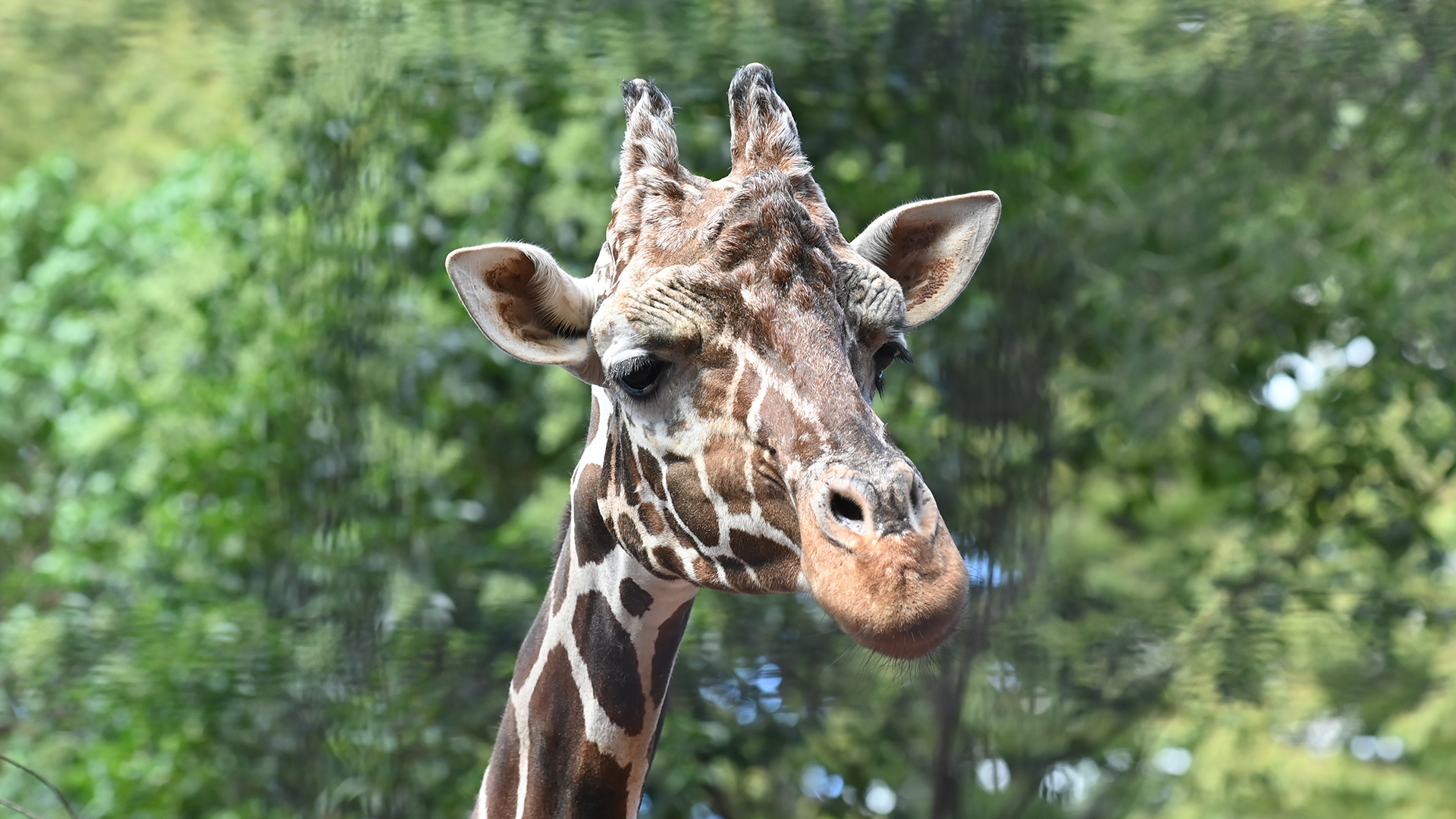
Giraffe
They rarely make any noise, but occasionally they will produce various sounds such as growls or nasal noises.
It is known that children sometimes make sounds like "baa."
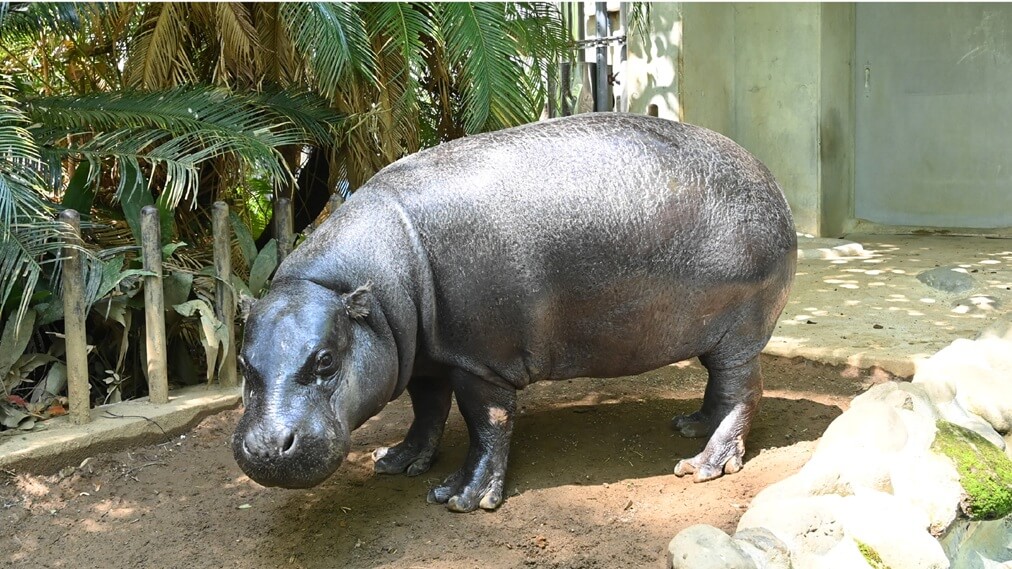
Pygmy Hippopotamus
While Hippopotamus form herds of a dozen or more individuals, Pygmy Hippopotamus live alone or in groups of two or three. However, the details of their social life are still not well understood.
rodents
rodents
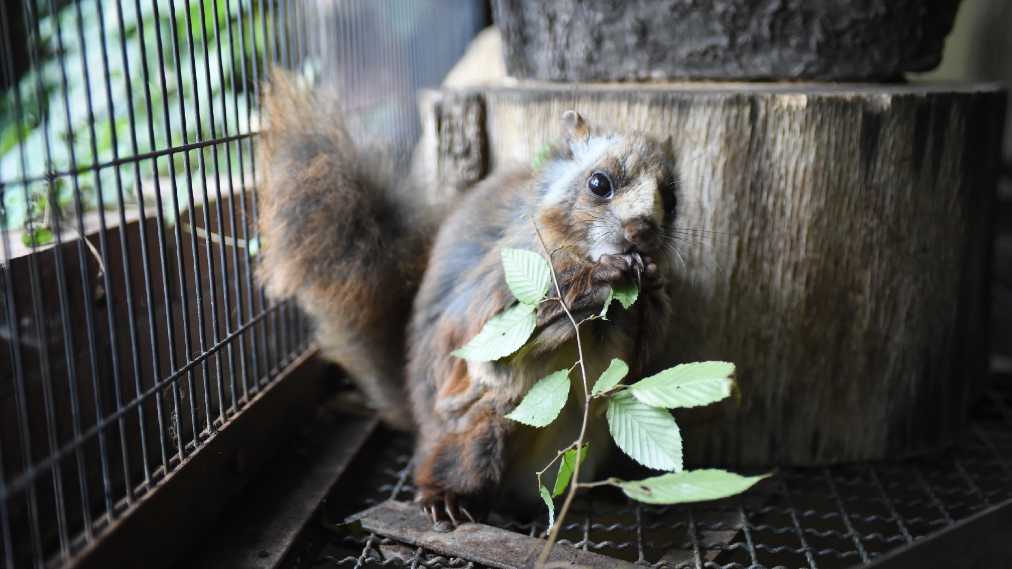
Japanese Giant Flying Squirrel
You can hear them making a "grrrrr" sound after they leave the nest in the evening.
Mating season occurs twice a year, in early summer and winter. On mating days, the dominant male will make a "kyurururu" sound near the female, and the female will make a "kuu kuu" sound.
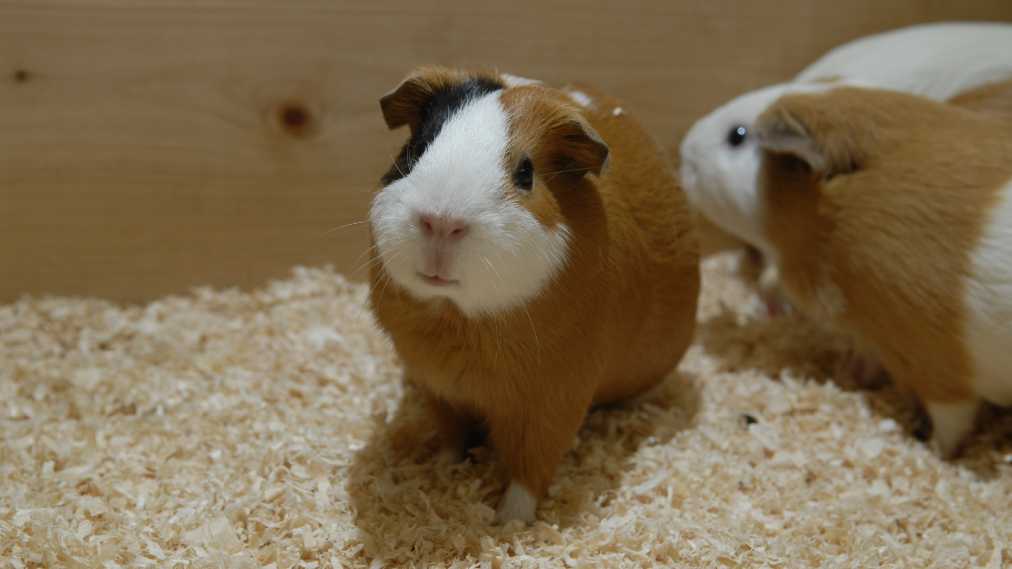
Domestic Guinea Pig
An animal that has been domesticated from the wild species Domestic Guinea Pig.
They are known to make a variety of sounds, such as "Kyuui," "Kee," "Kui," and "Kurukurukuru."
birds
birds
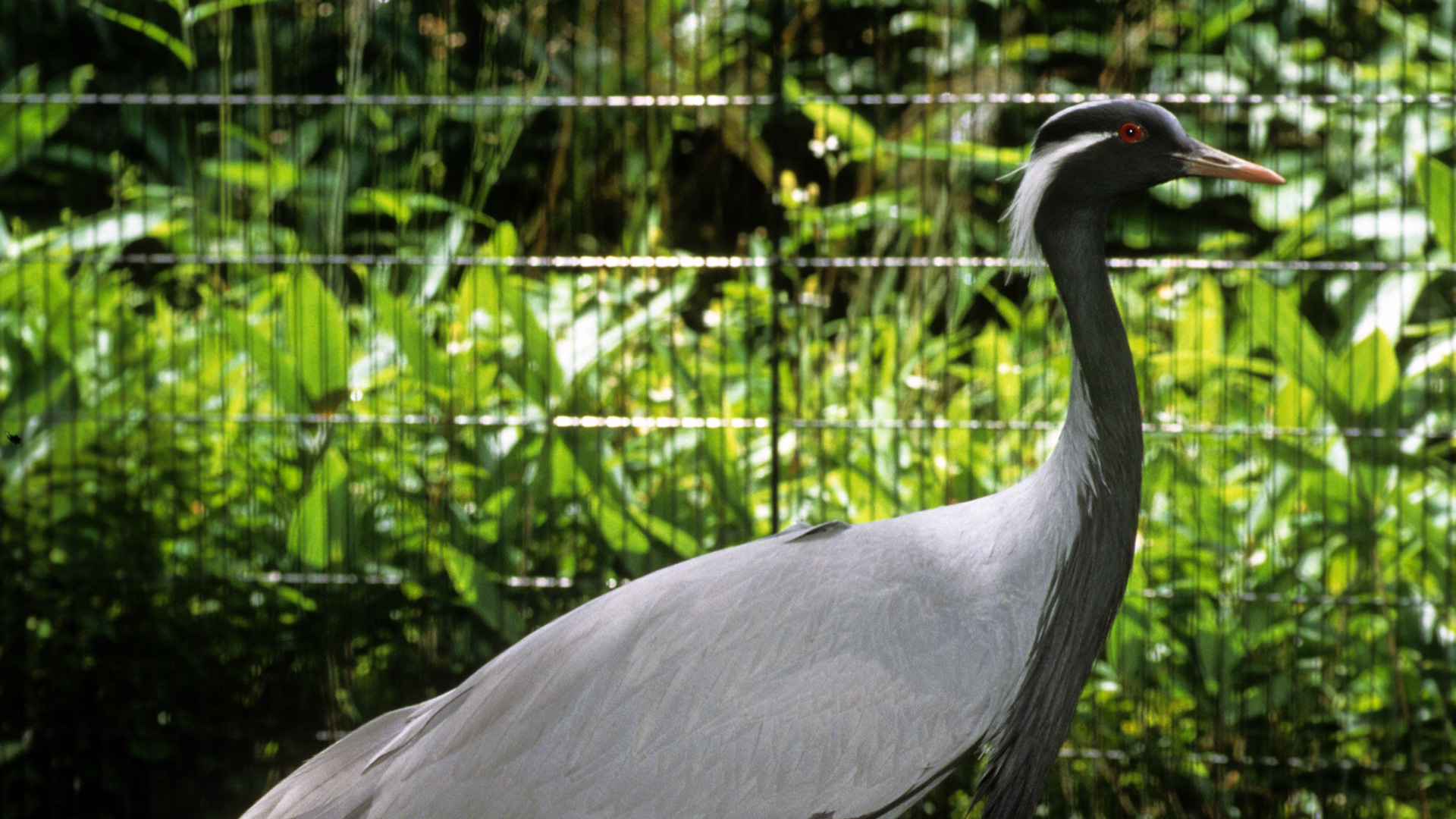
Demoiselle Crane
They are about 90 centimeters long. They breed in the grasslands of Central Asia and North Africa, and migrate to East Africa, the Middle East, and South Asia in winter.
They live in wide grasslands and feed on grains and seeds. They build their nests on the ground in grassy areas relatively close to water.
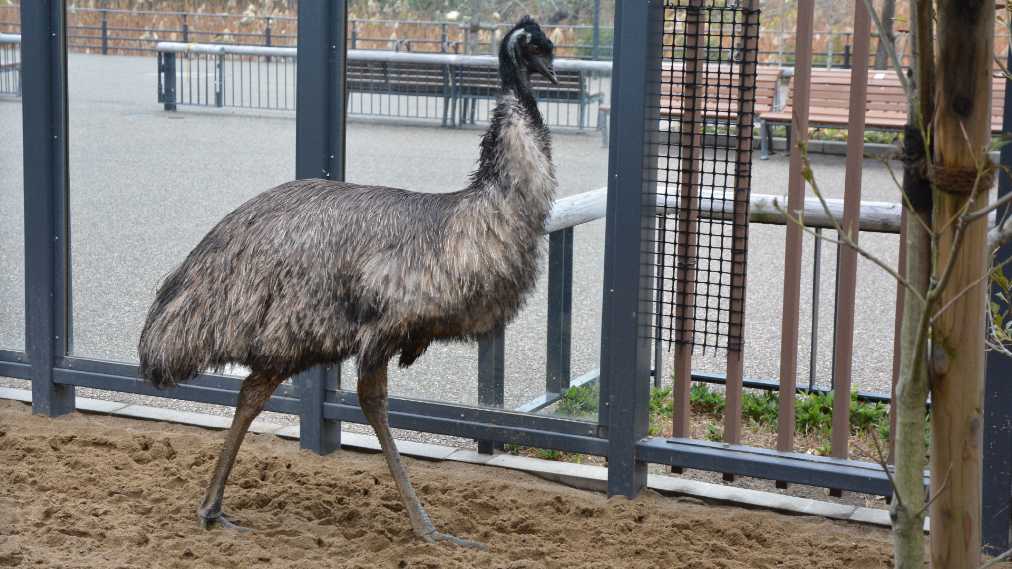
Emu
A species of flightless bird found in Australia. It stands 1.9 meters tall, making it the second largest bird species after the ostrich.
They make sounds like "boo-boo" and "shoo." Females are known to have particularly resonant calls.
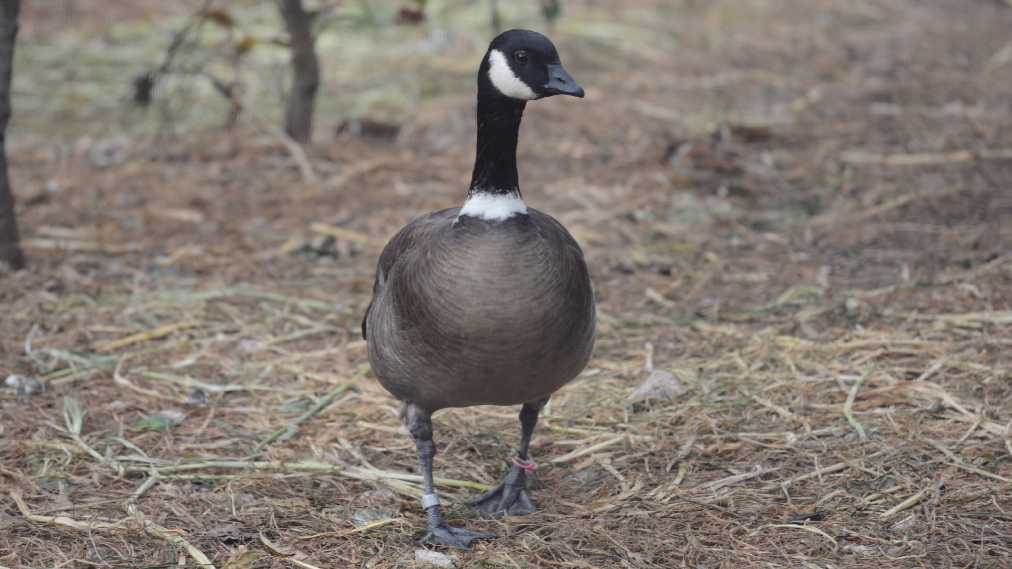
Canada Goose
These are North American geese. They form large flocks in their wintering grounds.
A subspecies called Cackling Goose which breeds in the Aleutian Islands, has been seen migrating to Japan in the past, but it is now considered a vagrant.
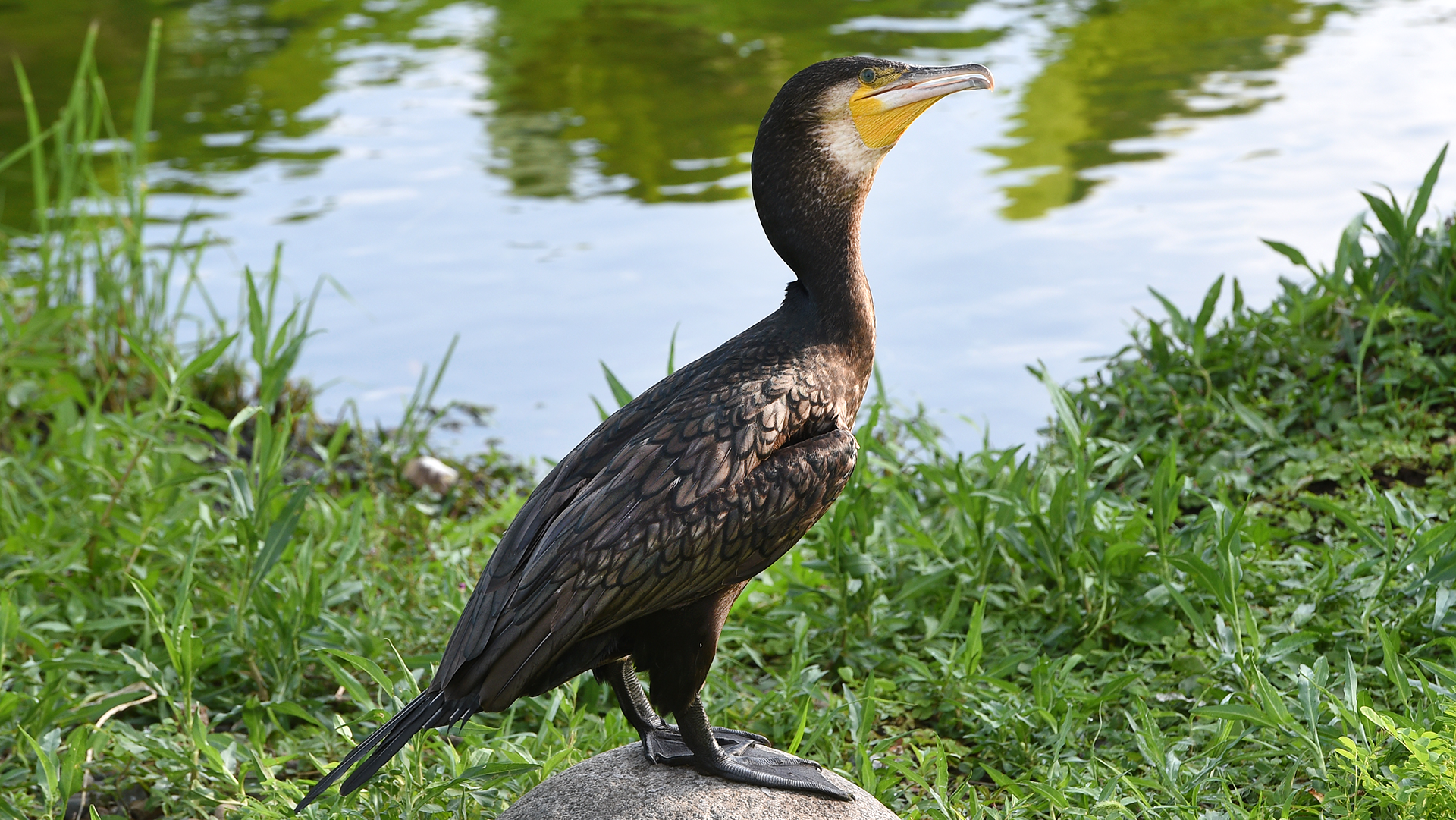
Great Cormorant
They build their nests in groups in trees in inland forests near the coast or lakes, using these nests as their roosting places, and foraging for fish in rivers and inland areas.
It catches fish underwater, and can stay submerged for about a minute.
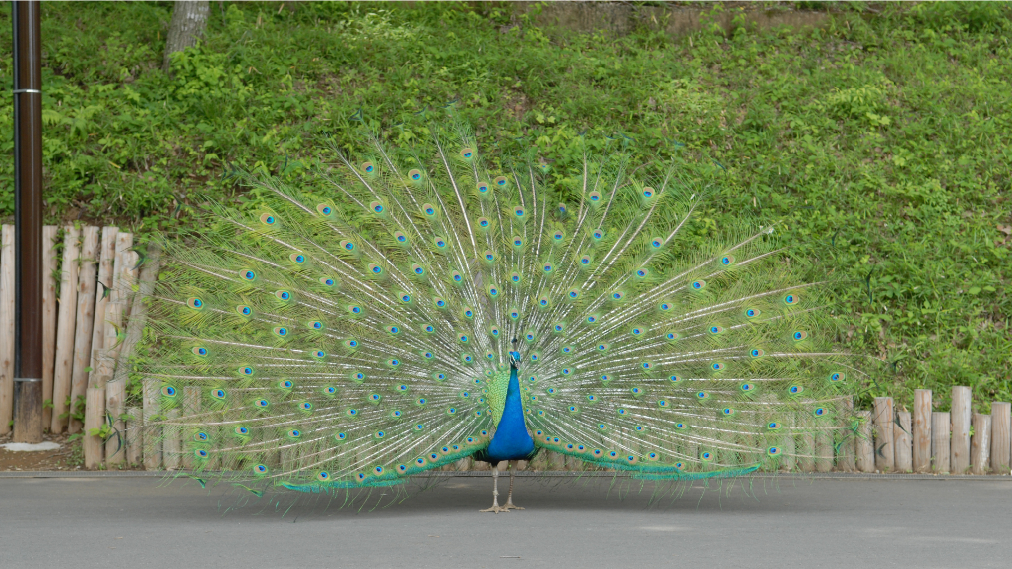
Indian Peafowl
I'm not very good at flying.
In the evening, they leap from tree to tree, making loud, trumpet-like calls, and return to their treetop roosts. They are kept in zoos all over the world.
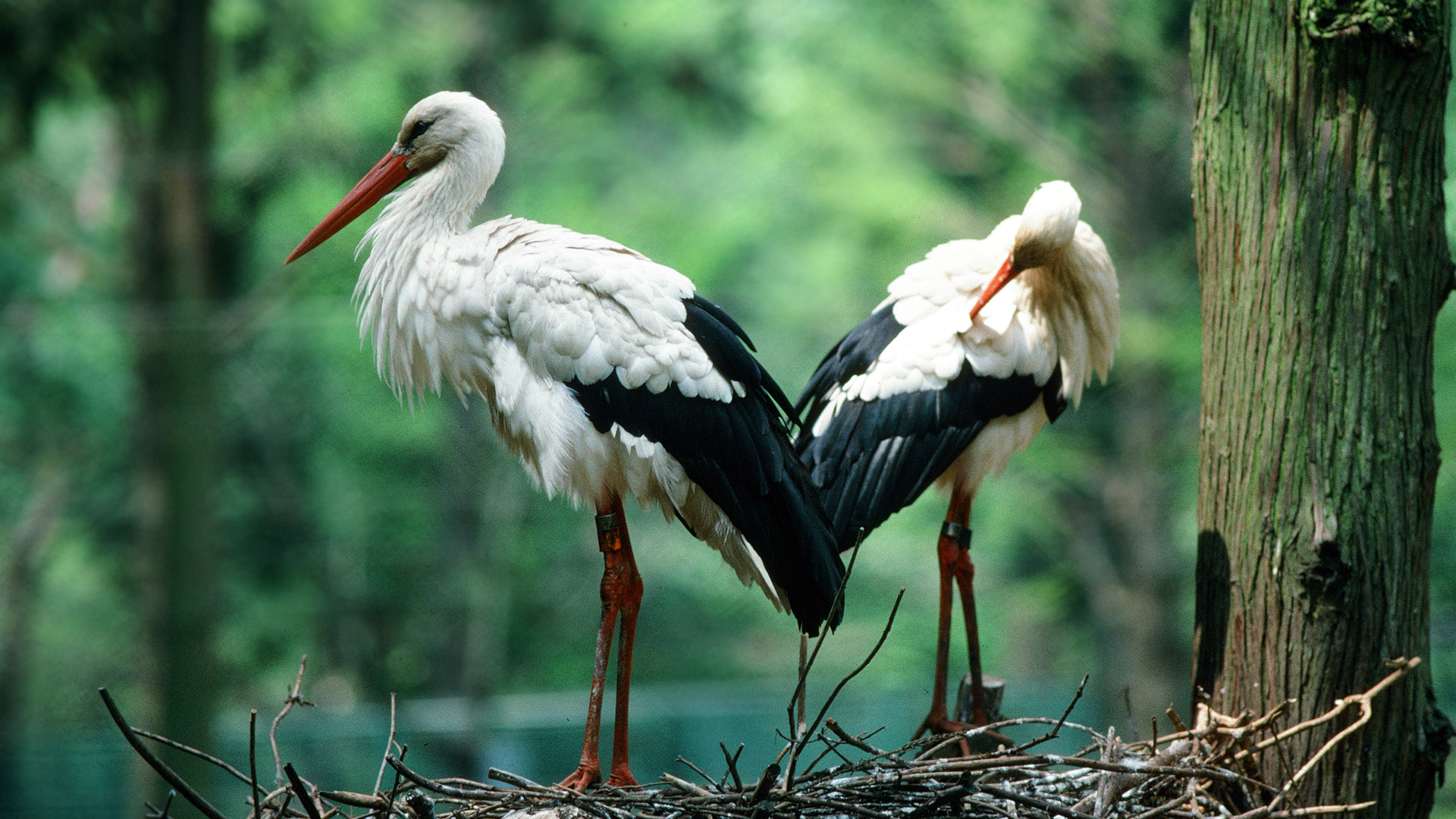
White-spotted stork
A subspecies of the stork species Ciconia ciconia. It breeds in Europe and North Africa and migrates to south-central Africa to overwinter.
They are about 1 meter long. They often build their nests on the rooftops of houses and on top of chimneys.
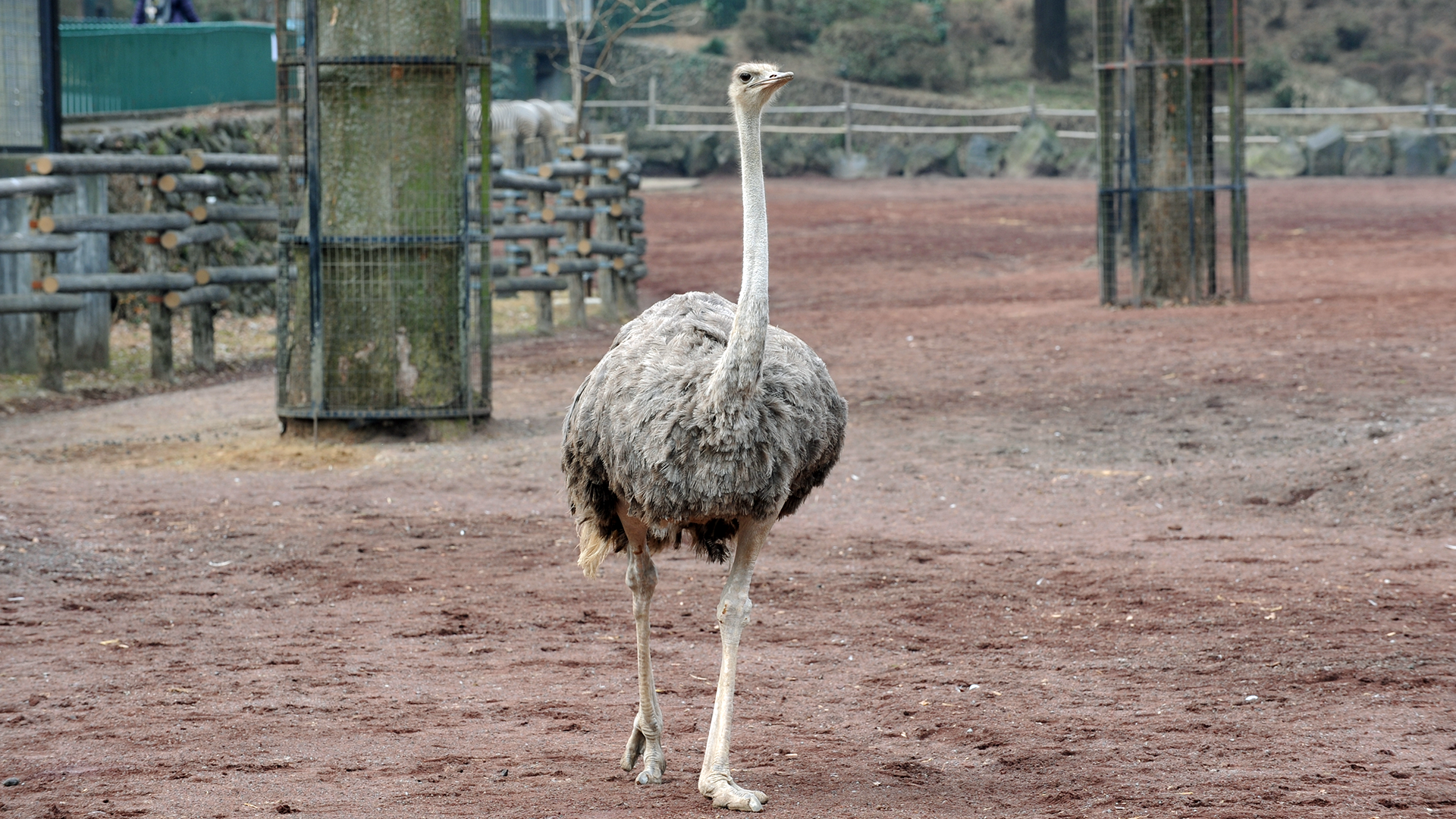
ostrich
Standing approximately 2.5 meters tall, it is the largest bird species. It can run at speeds exceeding 50 kilometers per hour.
During the breeding season, they puff up their necks and emit a loud, low-pitched sound to defend their territory.
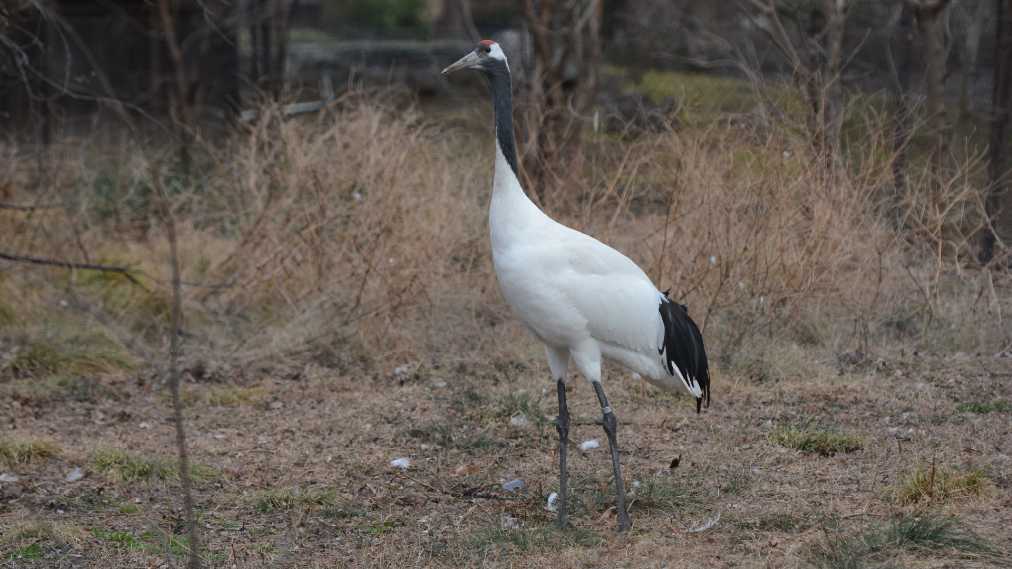
Red-crowned Crane
In early spring, males and females repeatedly perform dance-like displays while calling to each other, forming pairs and establishing territories in the wetlands.
Once a pair has formed, this duet is used as a form of intimidation.
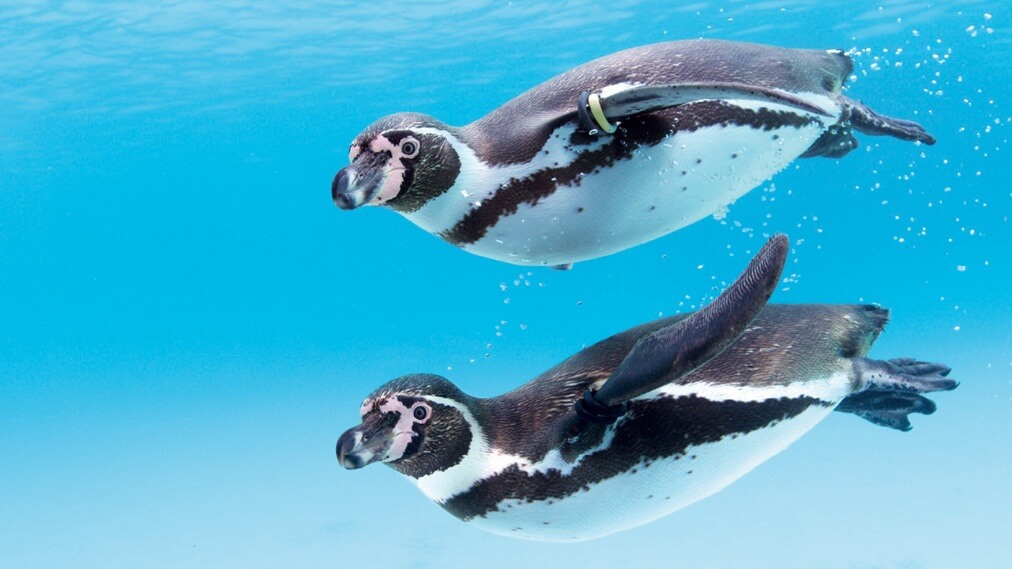
Humboldt Penguin
They are distributed along the Humboldt Current, which flows from south to north along the Pacific coast of South America, and live in burrows they dig in the roots of cacti and other plants on dry coastlines.
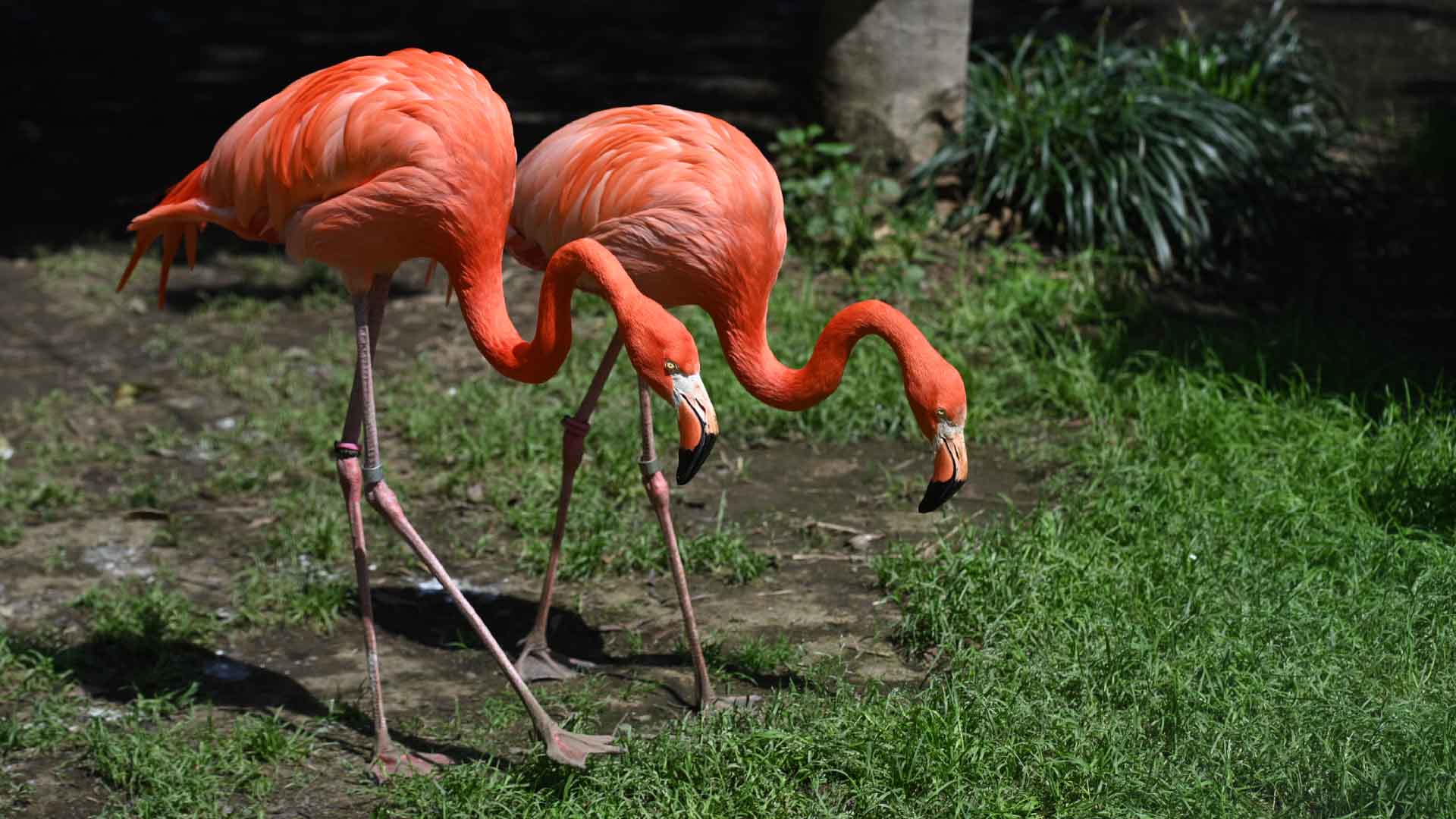
American Flamingo
They are the largest of the flamingo species. During the breeding season, they build nests by piling up mud and lay a single white egg.
The chicks are raised by drinking the red "flamingo milk" produced by their parents.
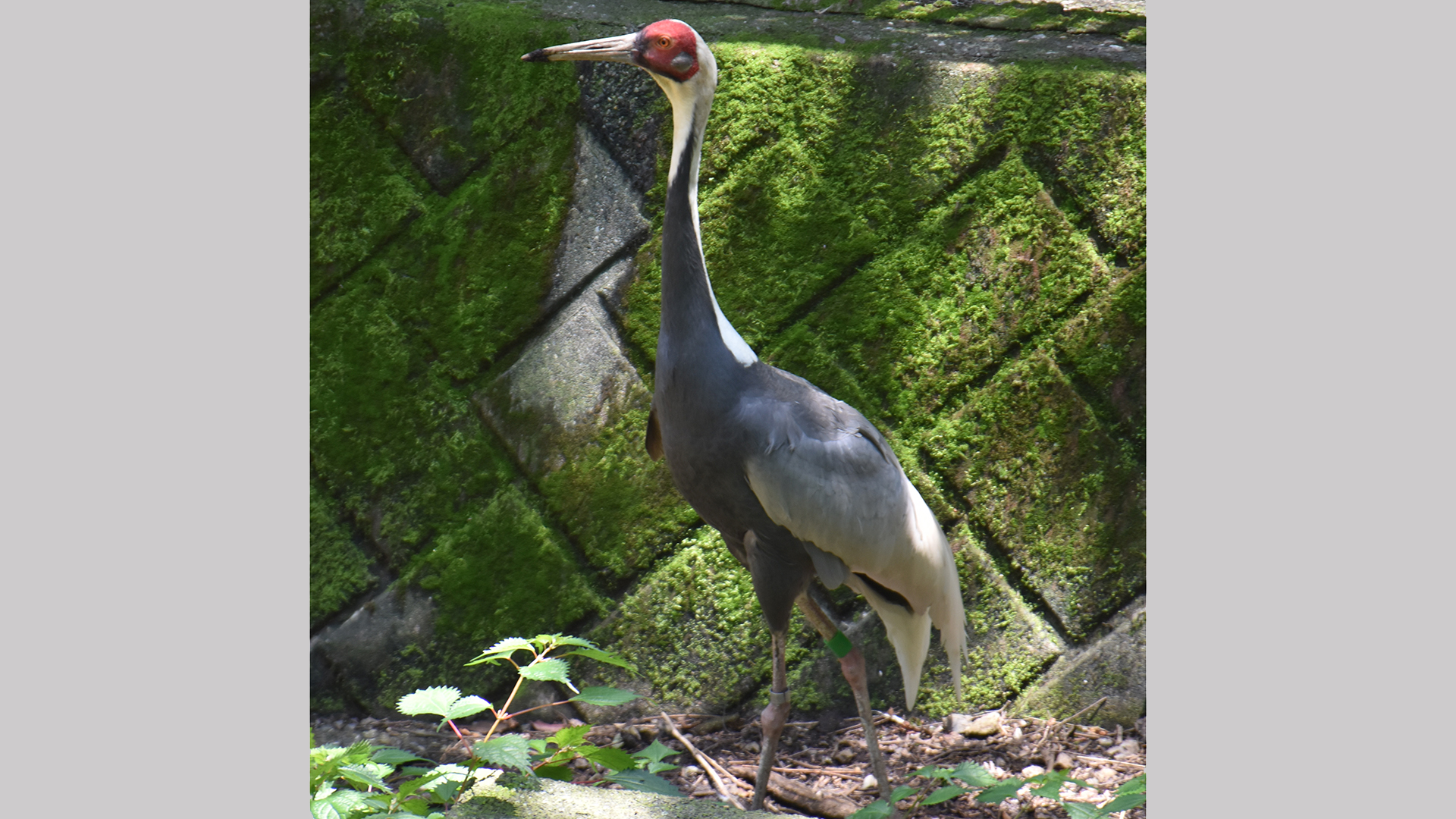
White-naped Crane
They breed in northern China and Mongolia, and overwinter in eastern China, the Korean Peninsula, and Japan.
The breeding season is from April to July. They lay one or two eggs in a nest made of dry grass and other materials. In Japan, they mainly overwinter in Izumi City, Kagoshima Prefecture.
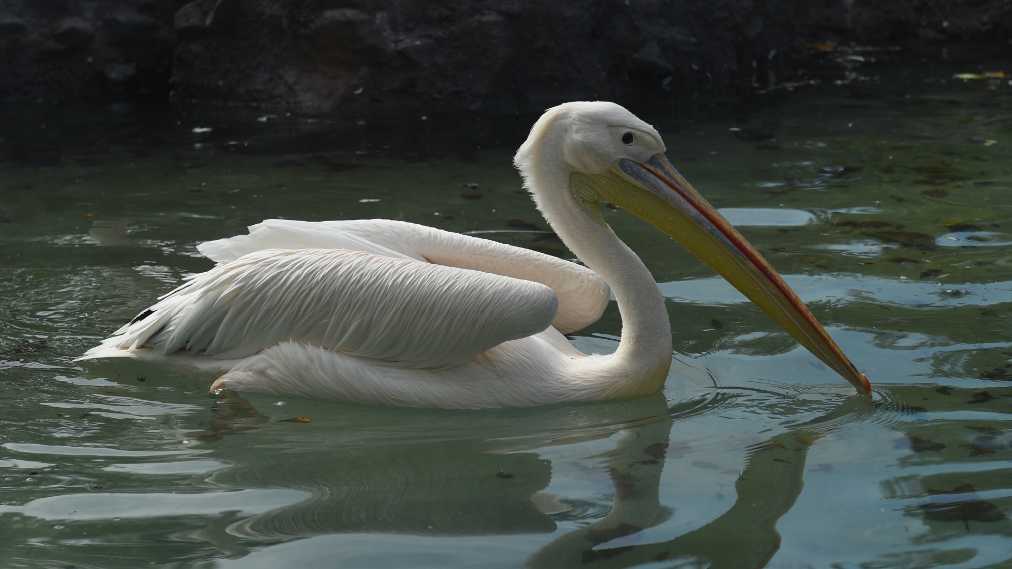
Great White Pelican
This large bird is distributed across a wide area, including Africa, Southern Europe, and Central Asia, and breeds in inland lakes and estuaries.
They form a line and use their wings to slap the water's surface, driving the fish into shallower areas.
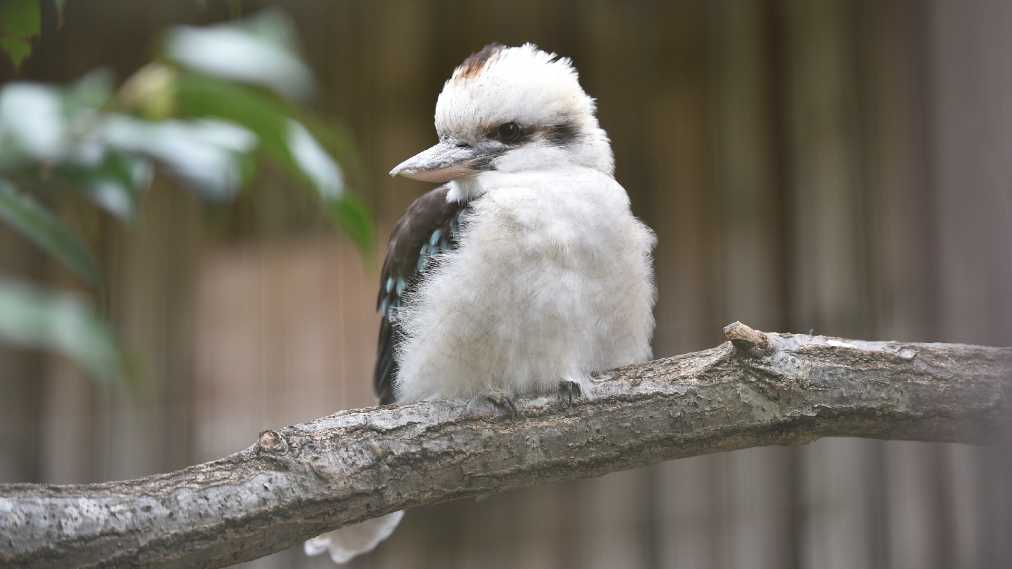
Laughing Kookaburra
This bird lives in the forests of eastern and southern Australia. It measures approximately 42 centimeters from the tip of its beak to the tip of its tail.
This bird is well known for its call, which resembles human laughter. Many individuals sing in large choruses at specific times, such as at dawn and dusk.