

Zoo Stock Species and the Red List
Zoo Stock Species and the Red List
Zoo Stock

This indicates that the species is included in the Second Zoo Stock Plan, which was formulated by the Tokyo Metropolitan Government in 2018. The plan sets goals for the next 10 years in three areas: "species conservation," "contribution to wildlife conservation," and "environmental education and conservation awareness." 124 animal species are included.
What is the Red List?
Based on scientific research, this is a list of wildlife classified by rank (category) indicating the degree of risk of extinction.
Livng Things Encyclopedia shows the categories (mainland and islands) assessed by the IUCN (International Union for Conservation of Nature) at the global level, the Ministry of the Environment for Japan, and the Tokyo Metropolitan Government for Tokyo.
The higher the category in each table, the higher the risk of extinction, and CR, EN, and VU are the three categories known as "endangered species." In Tokyo, species that are not at the NT (near threatened) level but are relatively rare are considered "species of concern."
|
IUCN categories |
|
|---|---|
|
EX |
extinction |
|
EW |
Extinction in the wild |
|
CR+EN |
— |
|
CR |
Serious crisis |
|
EN |
crisis |
|
VU |
emergency |
|
NT |
Near Threatened |
|
LC・○ |
Low Concern |
|
DD |
Data shortage |
|
LP |
— |
|
Japan (Ministry of the Environment) Category |
|
|---|---|
|
EX |
extinction |
|
EW |
Extinction in the wild |
|
CR+EN |
Endangered species |
|
CR |
Critically Endangered |
|
EN |
Endangered species |
|
VU |
Endangered species |
|
NT |
Near Threatened |
|
LC・○ |
— |
|
DD |
Lack of information |
|
LP |
Endangered |
|
Tokyo Category |
|
|---|---|
|
EX |
extinction |
|
EW |
Extinction in the wild |
|
CR+EN |
Endangered species |
|
CR |
Critically Endangered |
|
EN |
Endangered species |
|
VU |
Endangered species |
|
NT |
Near Threatened |
|
LC・○ |
Unranked |
|
DD |
Lack of information |
|
LP |
Endangered |
Creatures at Tama Zoo
Creatures at Tama Zoo

Tiger
Subspecies: Amur Tiger
Tiger
Subspecies: Amur TigerPanthera tigris altaica
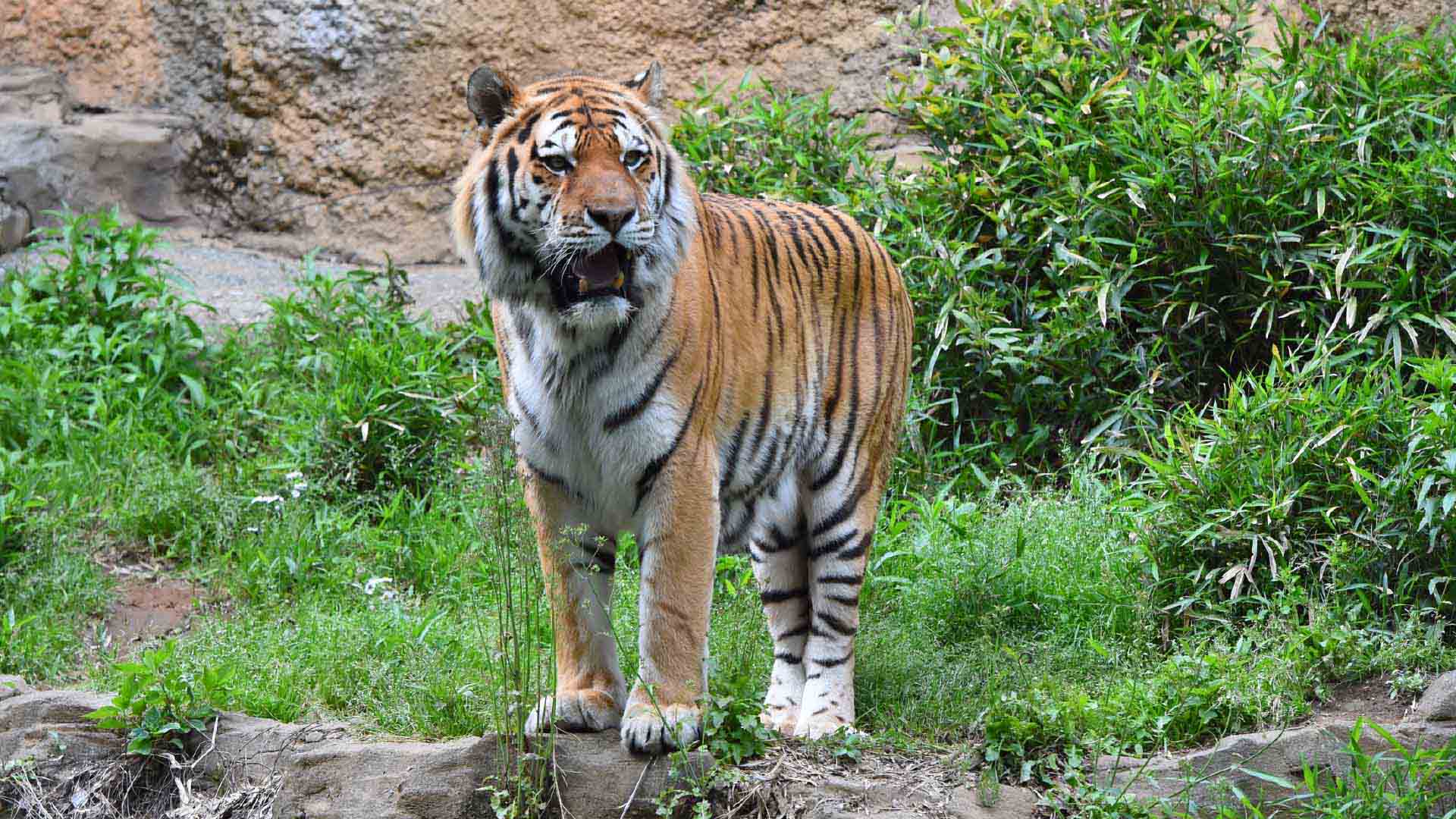
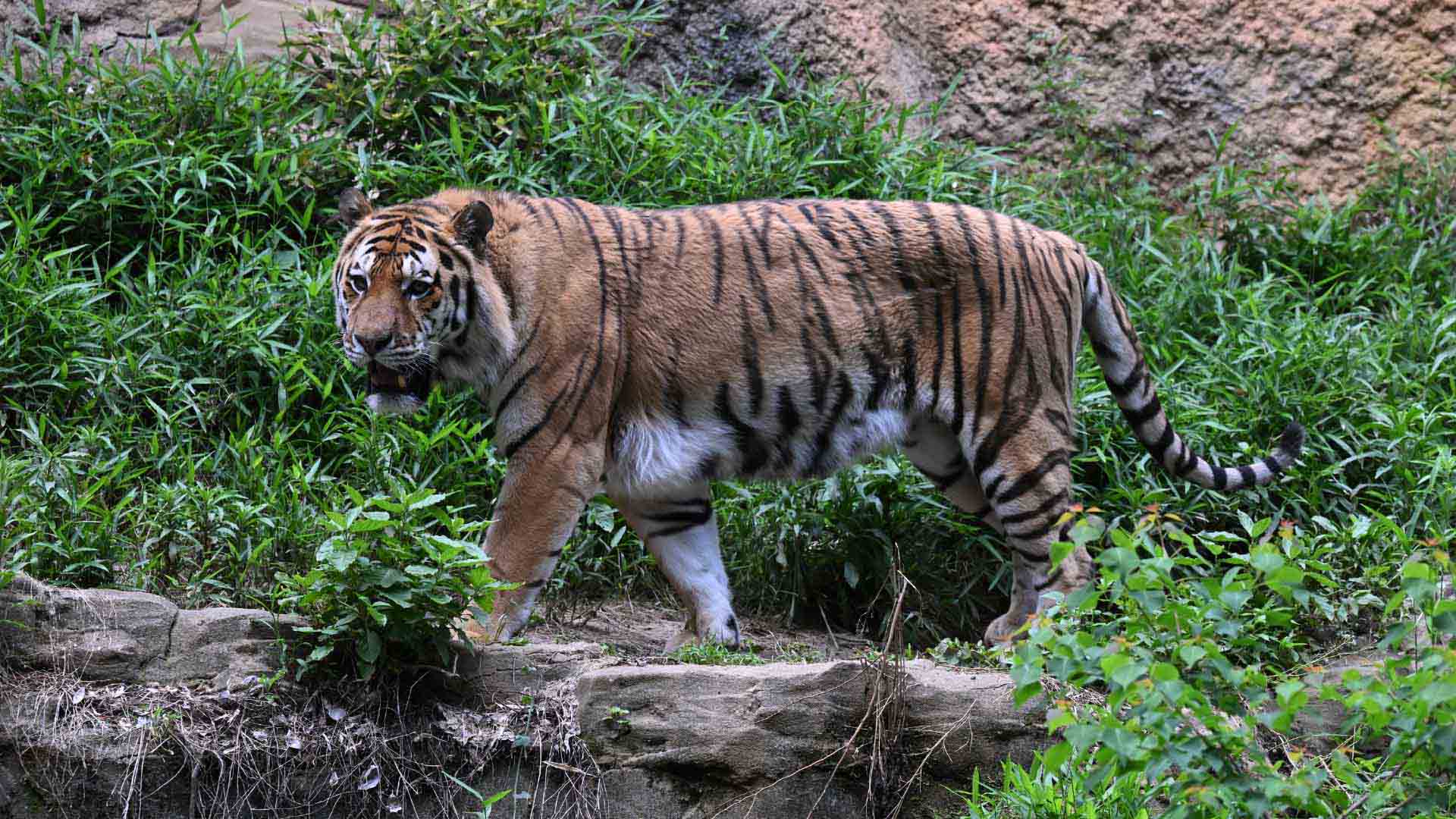
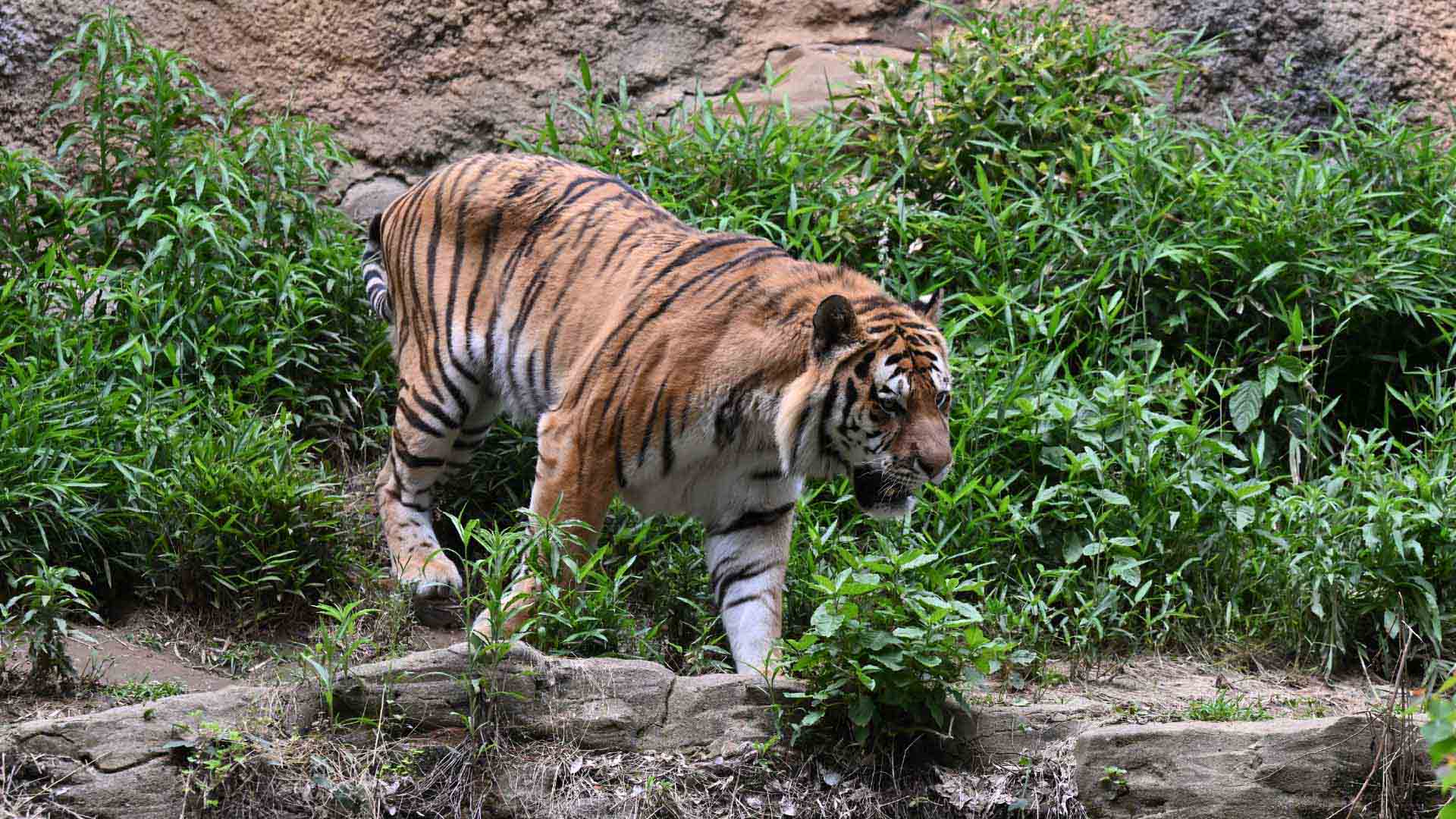
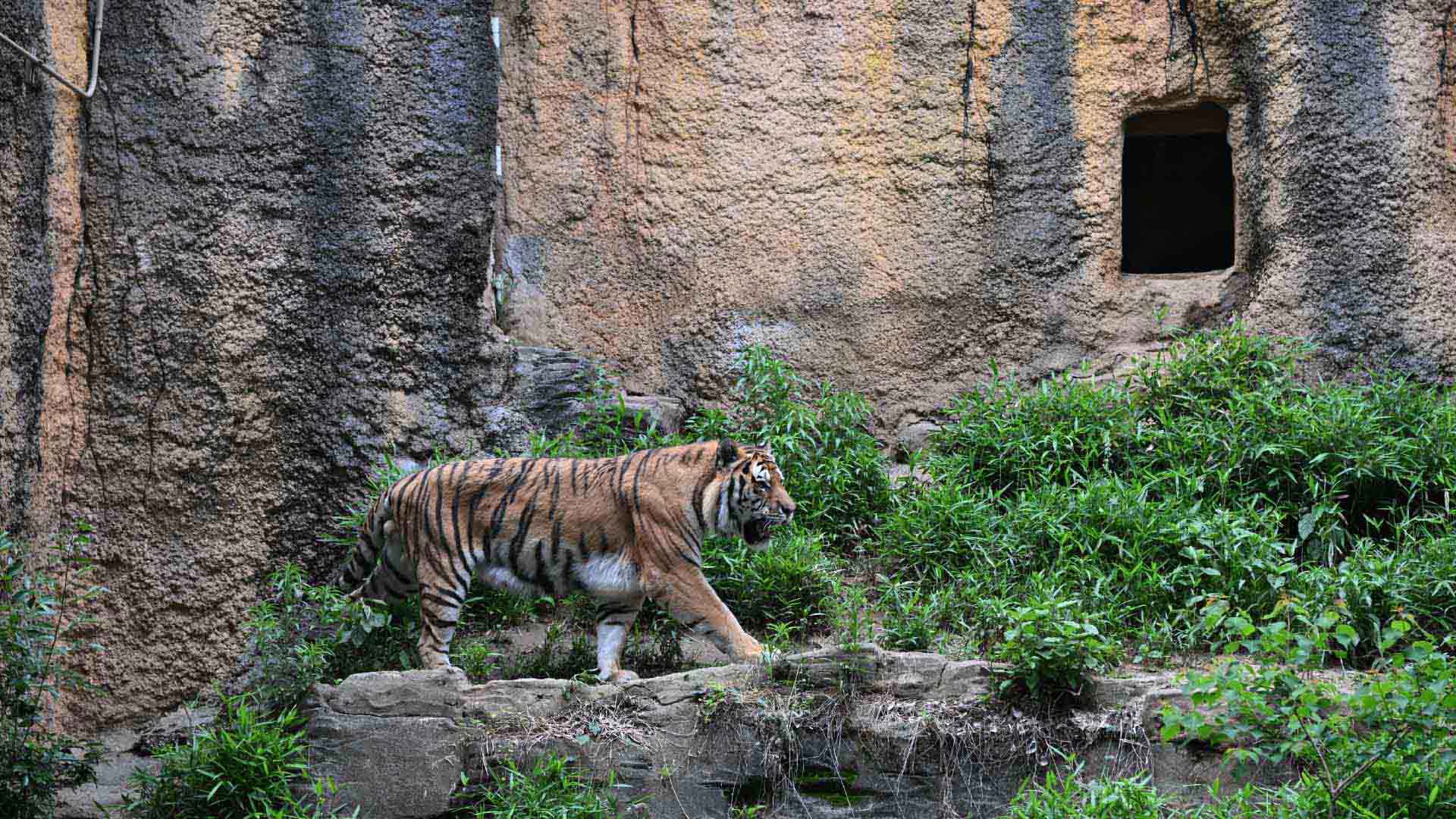
One of the largest cats in the world, this subspecies lives in the coniferous forests of the Russian Far East and China. Its thick fur and large feet have allowed it to adapt to snowy environments, and it lives alone and roams over vast territories. With sharp claws and strong limbs, it is not only an excellent hunter but also an excellent swimmer.
| classification | Mammalia, Carnivora, Felidae |
|---|---|
| English name | Amur Tiger |
| distribution | Amur and Ussuri river basins in Primorsky Krai and Khabarovsk Krai in the Russian Far East, and northeastern China |
| Residence | forest |
| Size |
Head and body length: Males 2.7–3.3m, Females 2.4–2.75m
Weight: Males 180-306 kg, Females 100-167 kg |
| food | Wild Boar, deer, small animals |
| Red List |
IUCN: EN (crisis)
|
Patterns and roles
Their bodies are yellowish-brown to pale orange with black stripes, which act as a protective color in the forest. The width and shape of these stripes vary from individual to individual, allowing them to be used for identification, like fingerprints.
Breeding and rearing
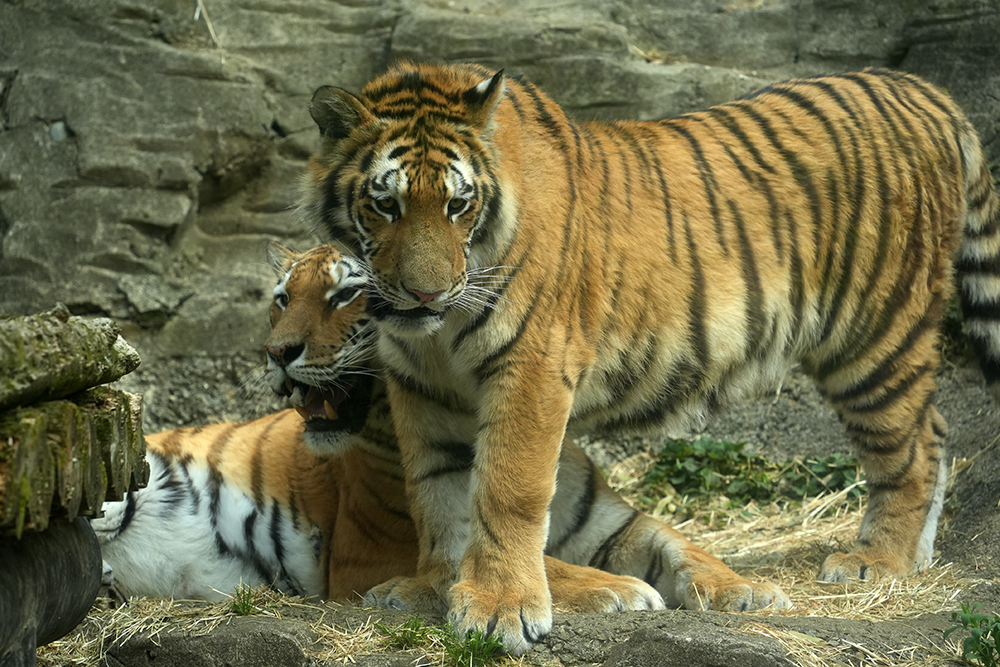
They usually live alone, but males and females will be together for a short period during the breeding season. The gestation period is about 3 to 3.5 months, and they give birth to 2 to 4 babies at a time (sometimes up to 6). The mother raises the babies alone, and the babies become independent after about 2 years.