
Zoo Stock Species and the Red List
Zoo Stock Species and the Red List
Zoo Stock
This indicates that the species is included in the Second Zoo Stock Plan, which was formulated by the Tokyo Metropolitan Government in 2018. The plan sets goals for the next 10 years in three areas: "species conservation," "contribution to wildlife conservation," and "environmental education and conservation awareness." 124 animal species are included.
What is the Red List?
Based on scientific research, this is a list of wildlife classified by rank (category) indicating the degree of risk of extinction.
Livng Things Encyclopedia shows the categories (mainland and islands) assessed by the IUCN (International Union for Conservation of Nature) at the global level, the Ministry of the Environment for Japan, and the Tokyo Metropolitan Government for Tokyo.
The higher the category in each table, the higher the risk of extinction, and CR, EN, and VU are the three categories known as "endangered species." In Tokyo, species that are not at the NT (near threatened) level but are relatively rare are considered "species of concern."
|
IUCN categories |
|
|---|---|
|
EX |
extinction |
|
EW |
Extinction in the wild |
|
CR+EN |
— |
|
CR |
Serious crisis |
|
EN |
crisis |
|
VU |
emergency |
|
NT |
Near Threatened |
|
LC・○ |
Low Concern |
|
DD |
Data shortage |
|
LP |
— |
|
Japan (Ministry of the Environment) Category |
|
|---|---|
|
EX |
extinction |
|
EW |
Extinction in the wild |
|
CR+EN |
Endangered species |
|
CR |
Critically Endangered |
|
EN |
Endangered species |
|
VU |
Endangered species |
|
NT |
Near Threatened |
|
LC・○ |
— |
|
DD |
Lack of information |
|
LP |
Endangered |
|
Tokyo Category |
|
|---|---|
|
EX |
extinction |
|
EW |
Extinction in the wild |
|
CR+EN |
Endangered species |
|
CR |
Critically Endangered |
|
EN |
Endangered species |
|
VU |
Endangered species |
|
NT |
Near Threatened |
|
LC・○ |
Unranked |
|
DD |
Lack of information |
|
LP |
Endangered |
Creatures at Ueno Zoo
Creatures at Ueno Zoo

Giant Panda
Giant Panda
Ailuropoda melanoleuca
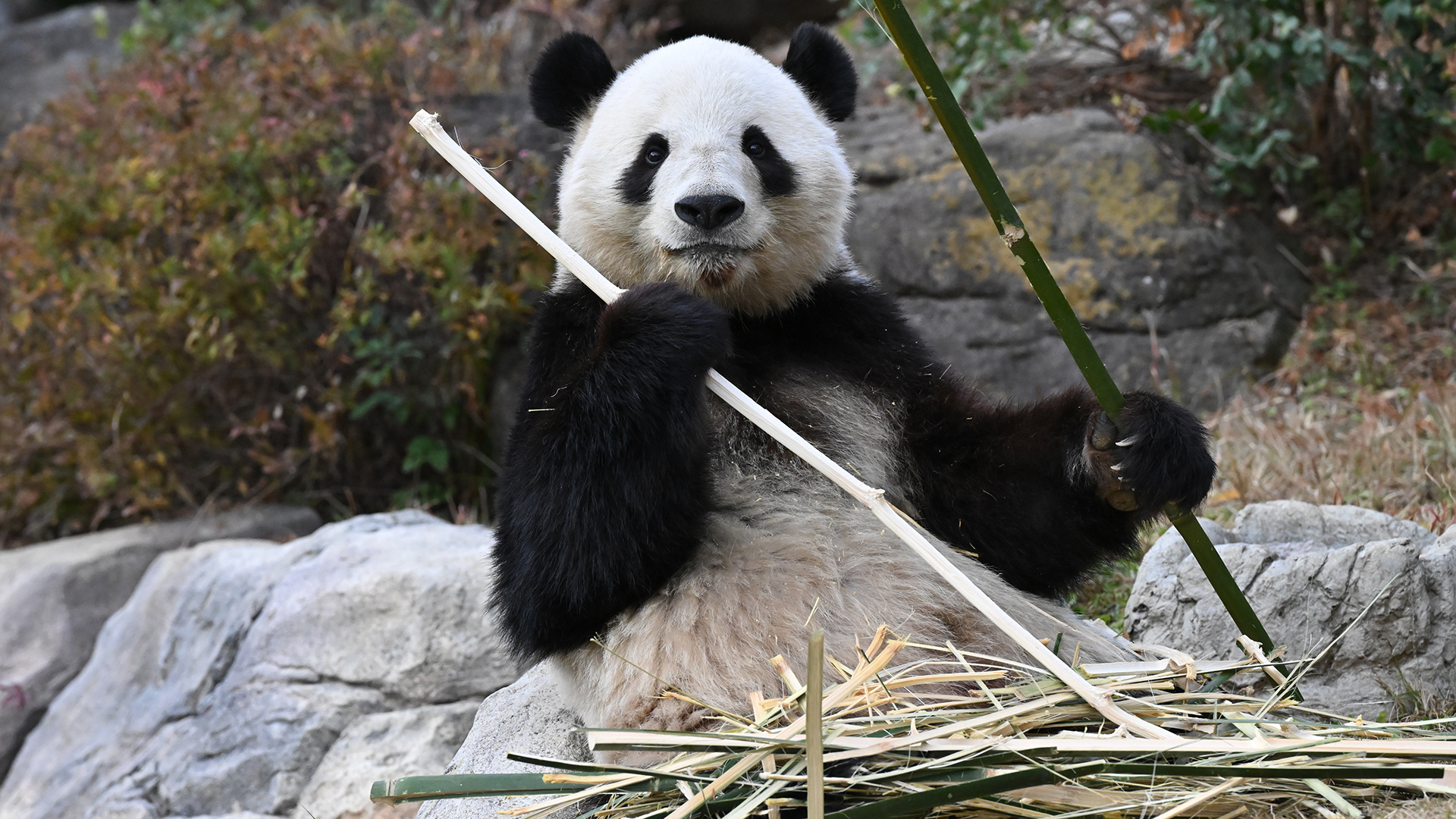
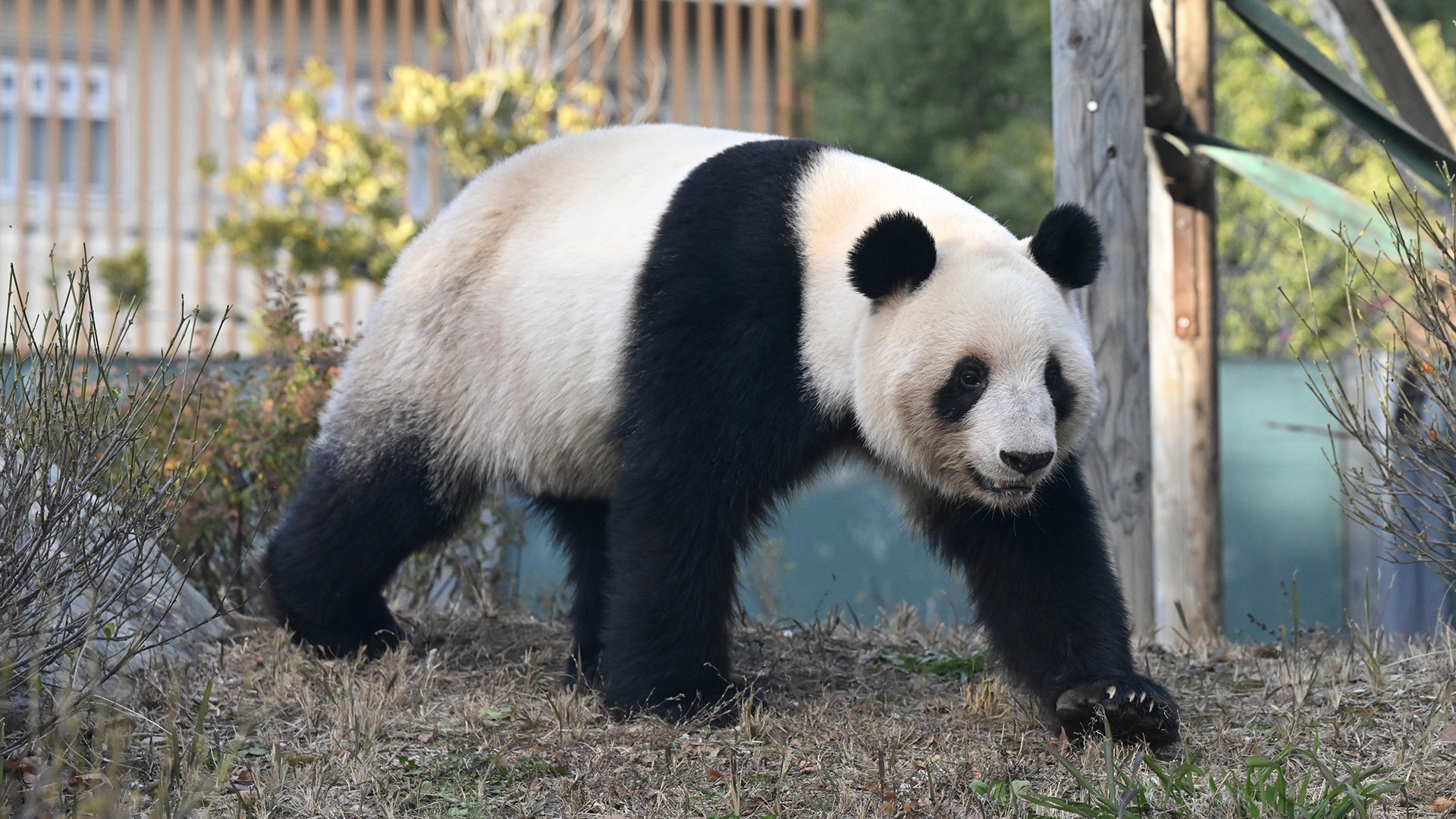
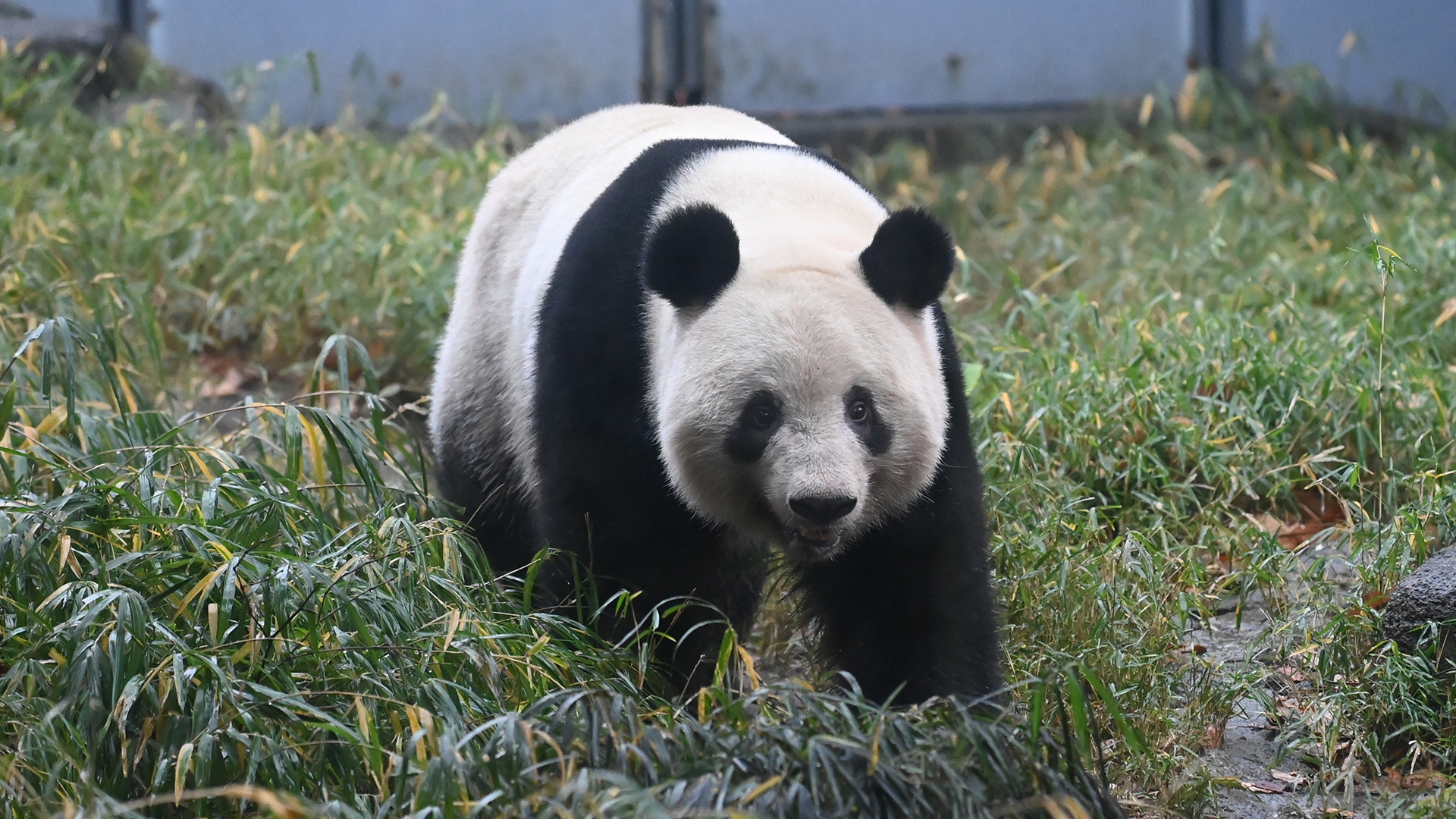
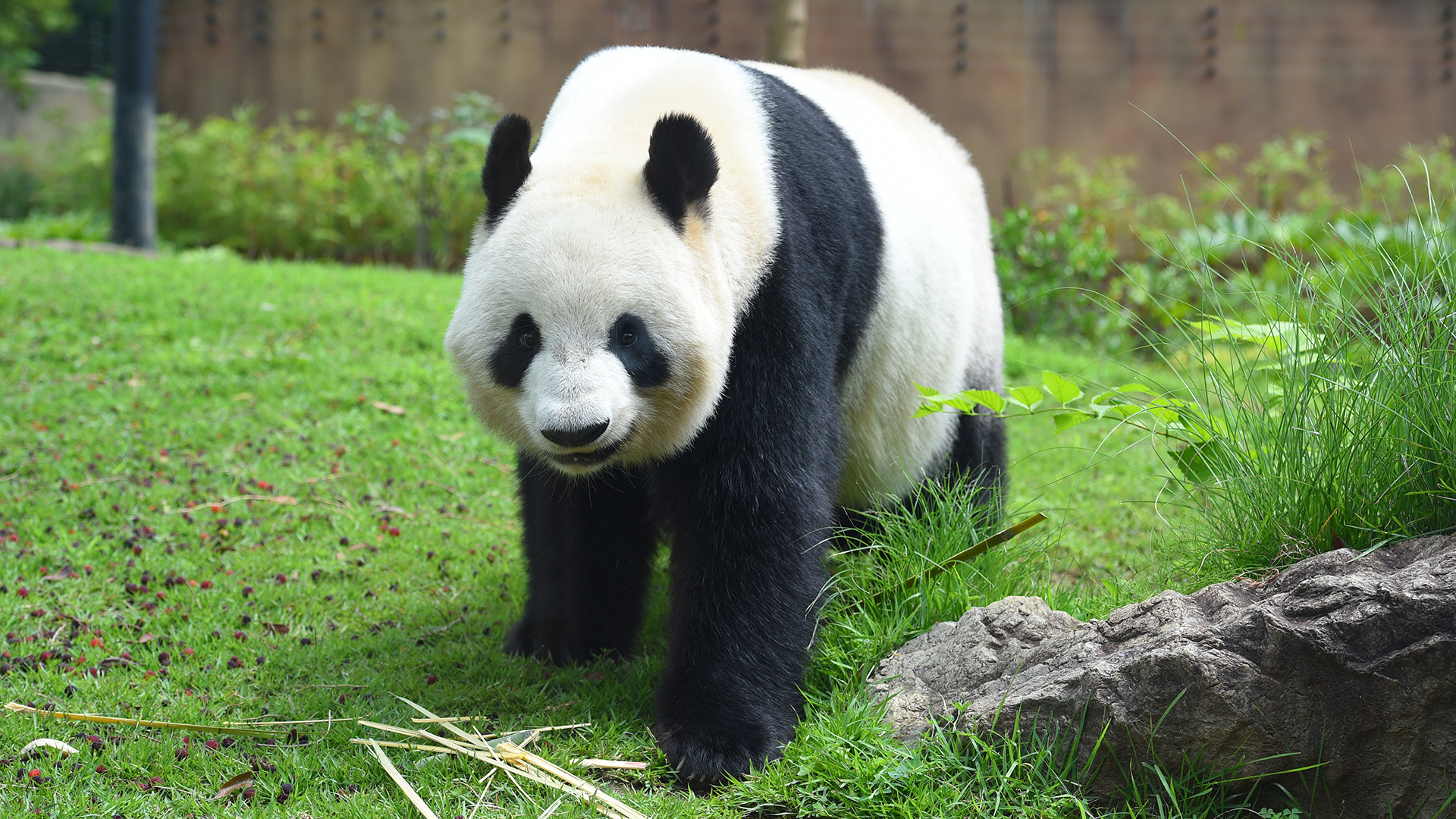
Ueno Zoo does not currently keep Giant Panda.
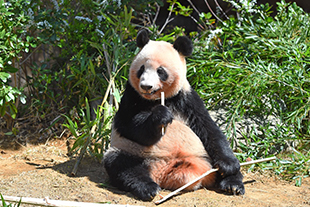
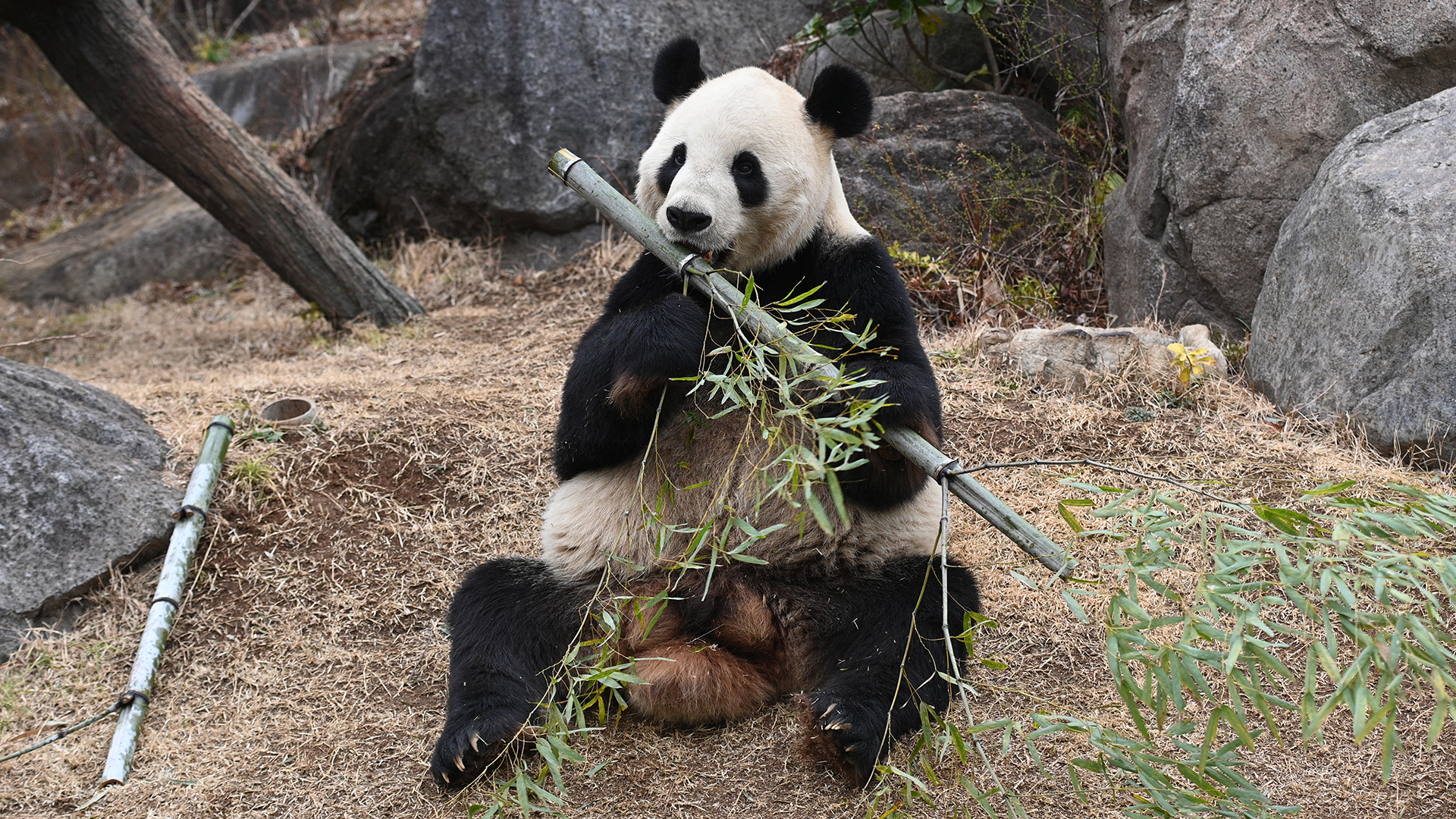
They live in cold, high-altitude mountains and their main diet consists of bamboo, which is readily available there. However, they are naturally carnivores and cannot properly digest plants. Therefore, they spend much of their day foraging and eating large quantities, and the rest of the time they rest to conserve energy. In addition to their five toes, their front paws have a projection called a "sixth toe," which they use to grasp bamboo very skillfully and bring it to their mouths.
| classification | Mammalia, Carnivora, Ursidae |
|---|---|
| English name | Giant Panda |
| distribution | High mountain valleys in parts of Sichuan, Shaanxi, and Gansu provinces in southwestern China |
| Residence | Deciduous broadleaf forests, mixed coniferous and broadleaf forests, and coniferous forests mainly found in mountainous areas above 1,800 meters above sea level |
| Size |
Head torso length: approx. 150cm
Tail length: 10-15 cm Shoulder height: approx. 90cm Weight: Males 100-120 kg, Females 90-100 kg |
| food | Bamboo leaves, culms (stem-like parts), and bamboo shoots |
| Red List |
IUCN: VU (Very)
|
How do you sit?
When eating bamboo, they throw both legs forward and place the back of their hips on the ground. In this position, they do not need to place their front legs on the ground, and can use both front legs freely to handle the bamboo.
Pay attention to your head while eating!
While they are eating, take a look at the top of their heads. They move up and down in time with the movement of their jaws. The muscles needed to chew and crush the tough bamboo are thick and extend all the way to the top of their heads.
Conservation Information
Due to habitat loss and poaching, there are only about 1,900 left in the wild. China is working to conserve their habitat, breed them in captivity, and return them to the wild. Ueno Zoo is cooperating with these efforts, and has successfully bred them in 2017 and 2021.