

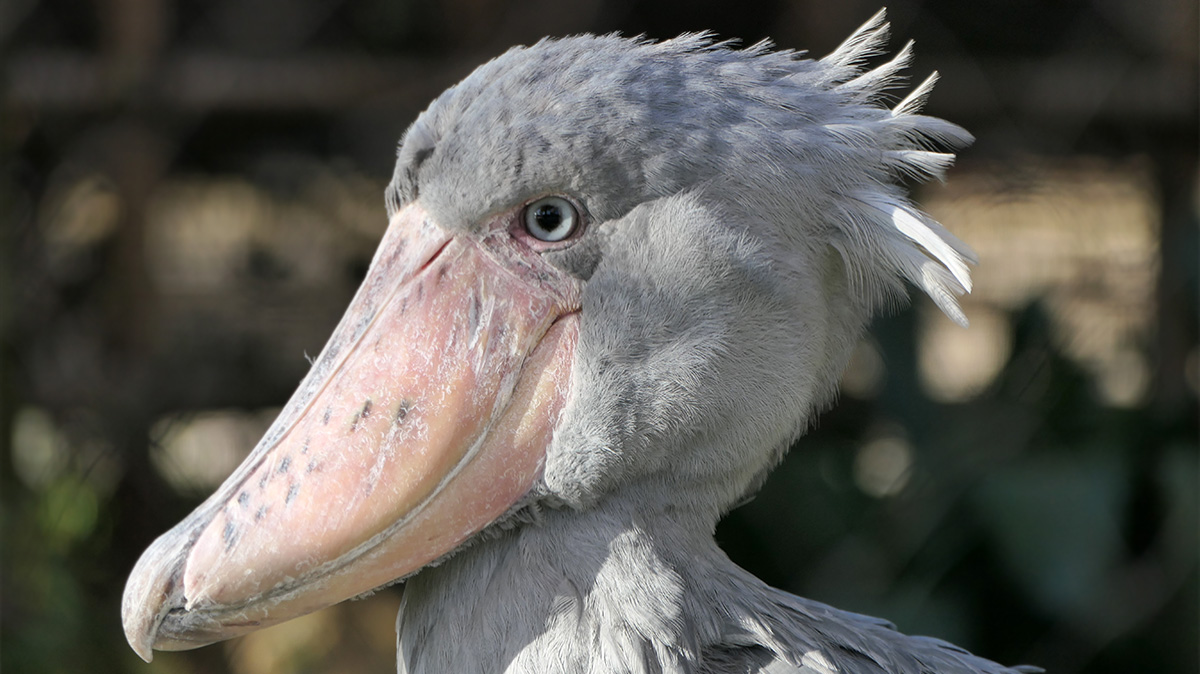
Welcome to Shoebill Research Lab!
Shoebill is often called the "bird that doesn't move." Do you know what kind of bird it is?
The "Shoebill Research Lab" provides detailed information about Shoebill.
Let's think together about what we can do to protect the future of Shoebill.
Welcome to the Shoebill Research Lab. This is a fictional online research lab dedicated to observing and studying Shoebill kept at Ueno Zoo. One of our goals is to increase the number of people who want to help protect the future of Shoebill by conducting research at the zoo and sharing information about their lives in the wild.
Learn about this unique bird through quizzes and explanations, and aim to become Shoebill expert!
Observing animals in person, not just online, can lead to new discoveries. Please try observing them at Ueno Zoo!
Aim to become Shoebill expert!
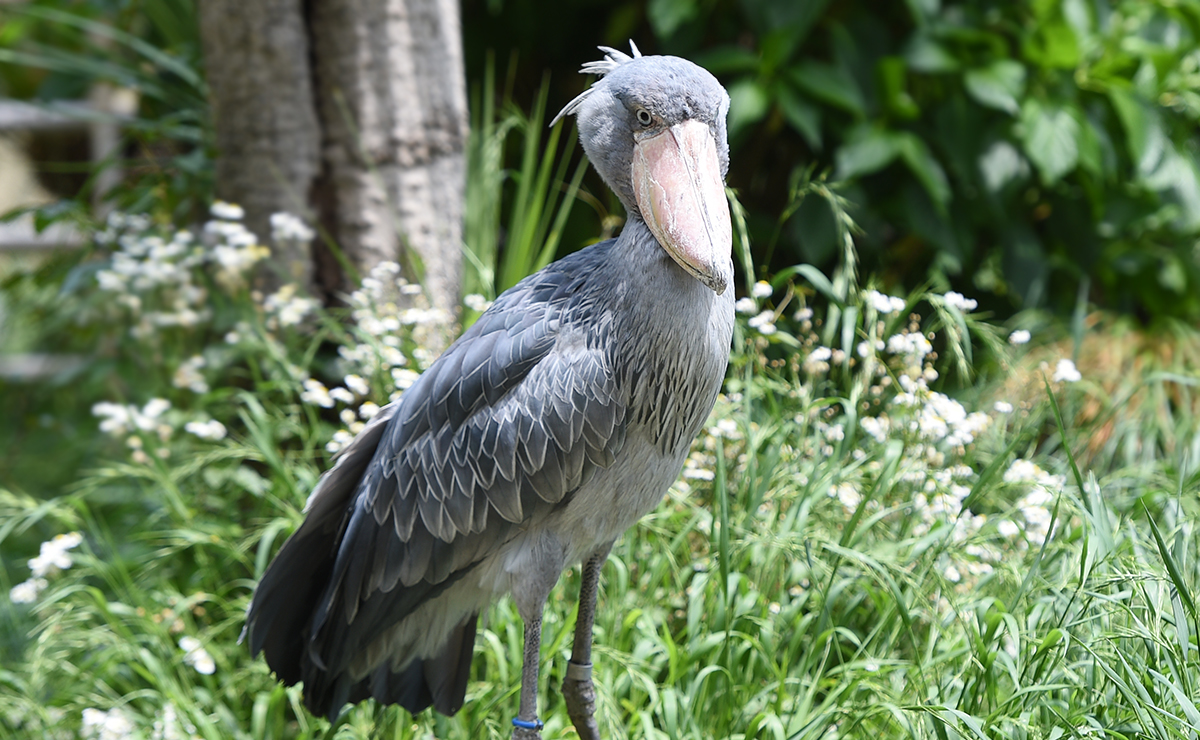
Basic Edition
Apprentice Researcher Course: Learn the basics of Shoebill!
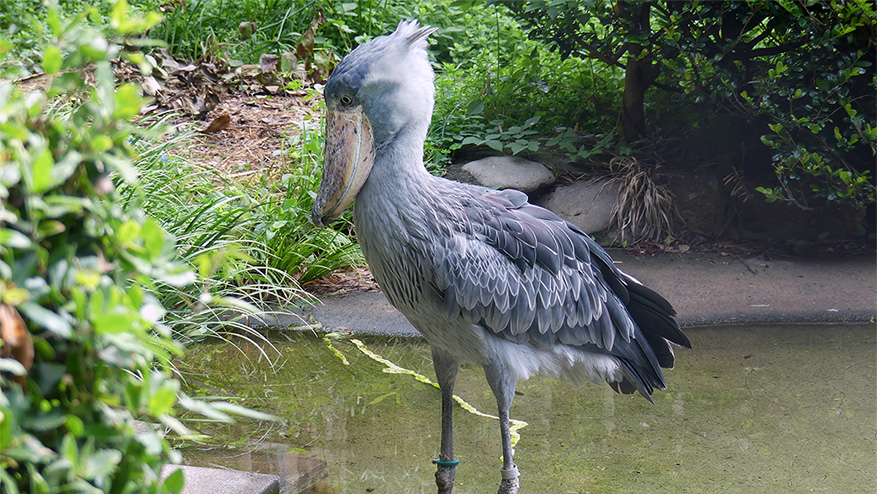
Intermediate edition
Researcher Course: Let's delve deeper into the life of Shoebill! (To be released in July 2026)
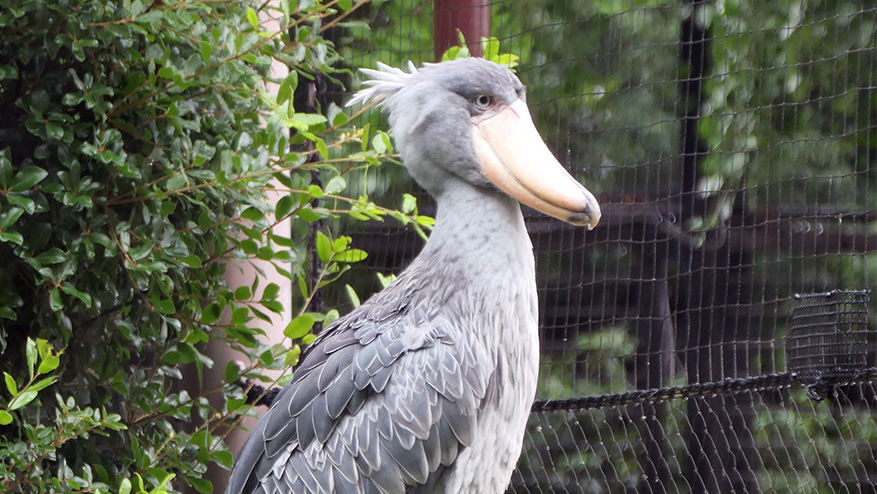
Advanced version (in preparation)
Doctoral Course: Let's learn about the current situation of Shoebill and think about what we can do to protect them! (To be released around November 2026)
Livng Things Encyclopedia
Ueno Zoo has four Shoebill: one male and three females.
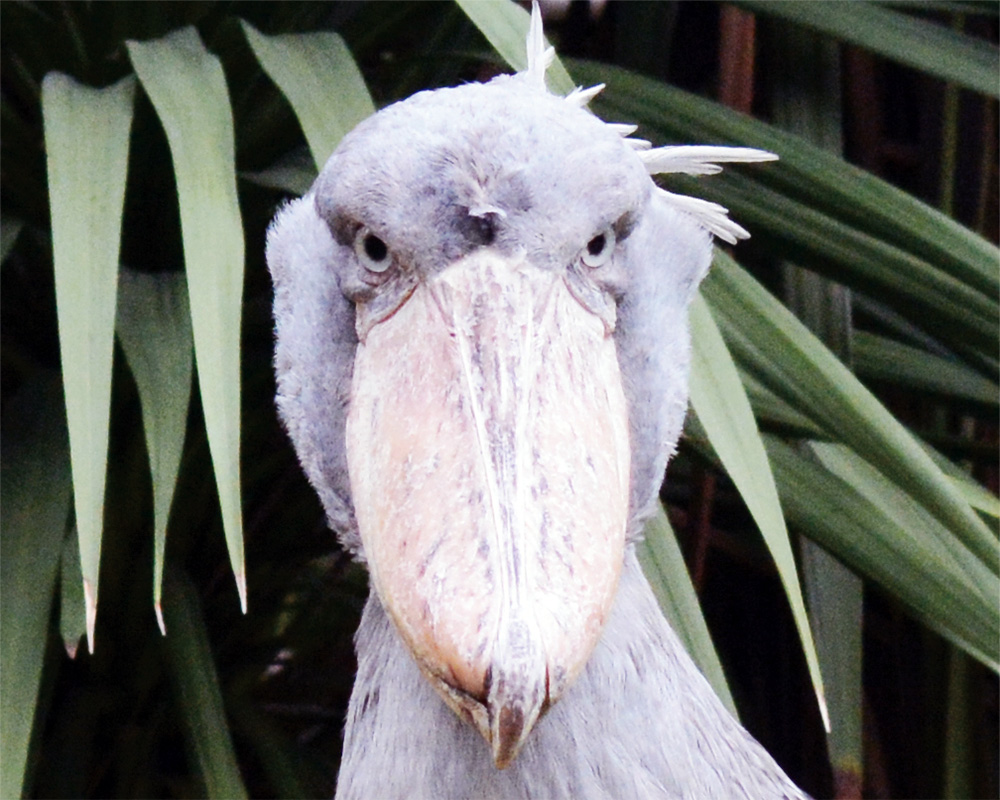
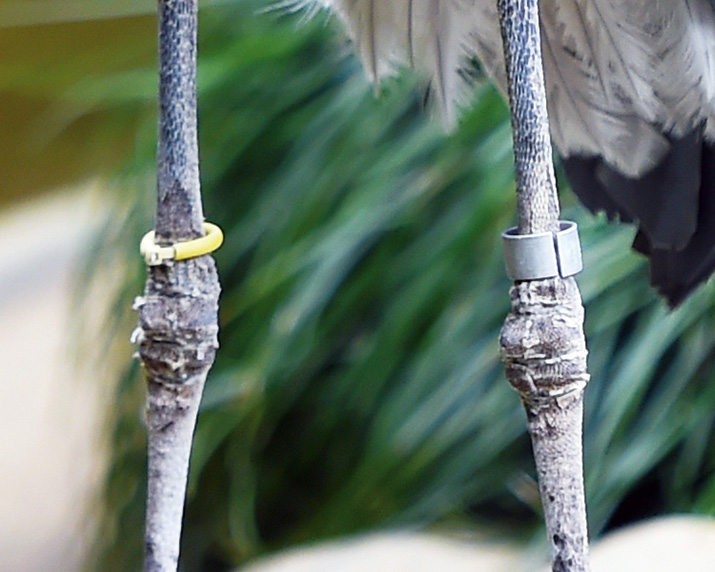
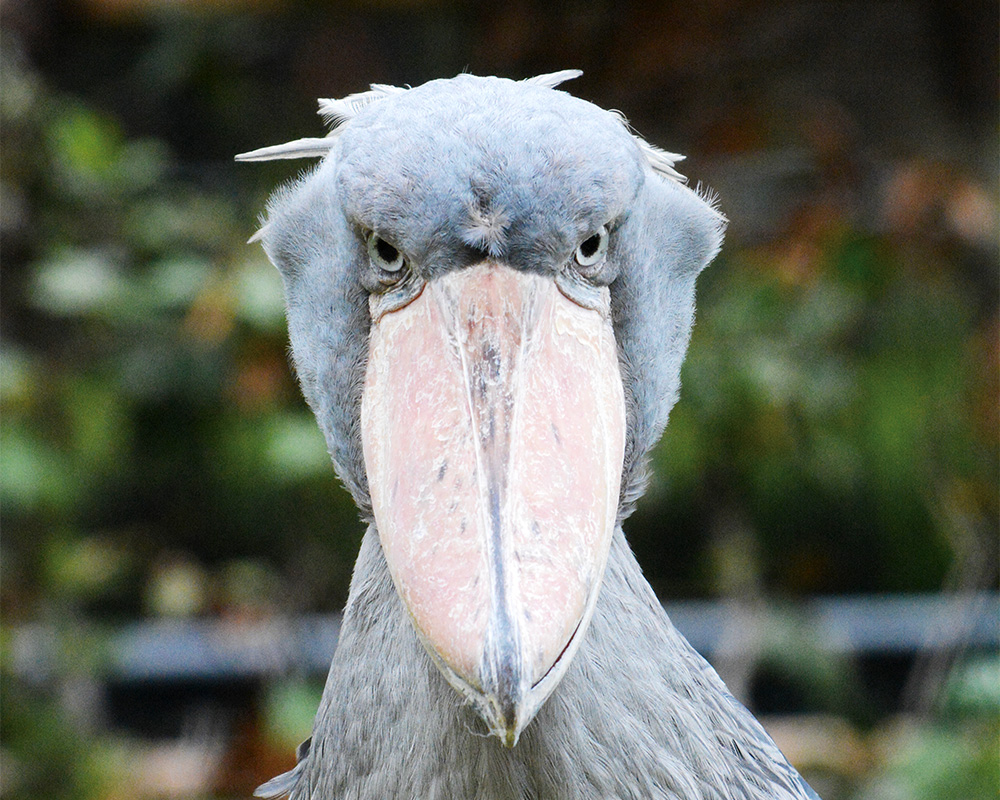
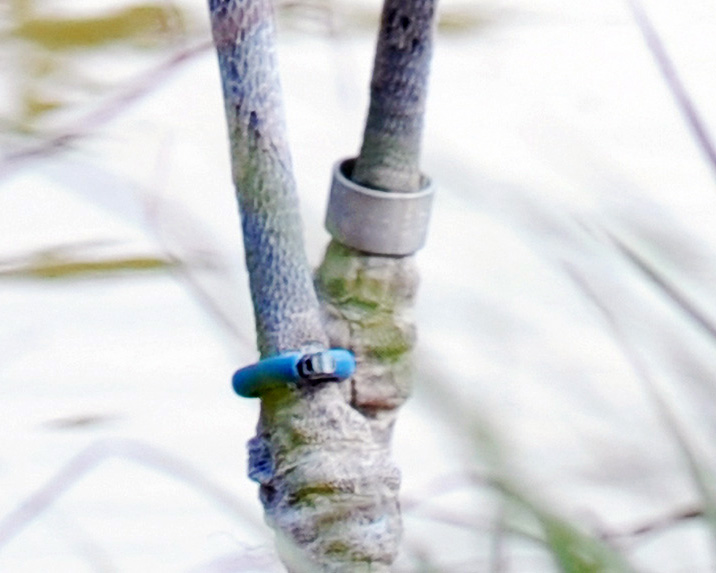
Each bird can be distinguished by the color and number of rings on its right leg. The patterns (spotting) and size of their beaks also differ from bird to bird. Let's compare them.
Asante (female)
The tip of its beak is slightly curved.
There is a yellow ring on the right foot.
Sana (female)
It does not have any spots (patterns) on its beak.
There is a single blue ring on the right foot.
Millie (female)
The dots (patterns) on the left half of the beak are connected in a chain.
There is a green ring on the right foot.
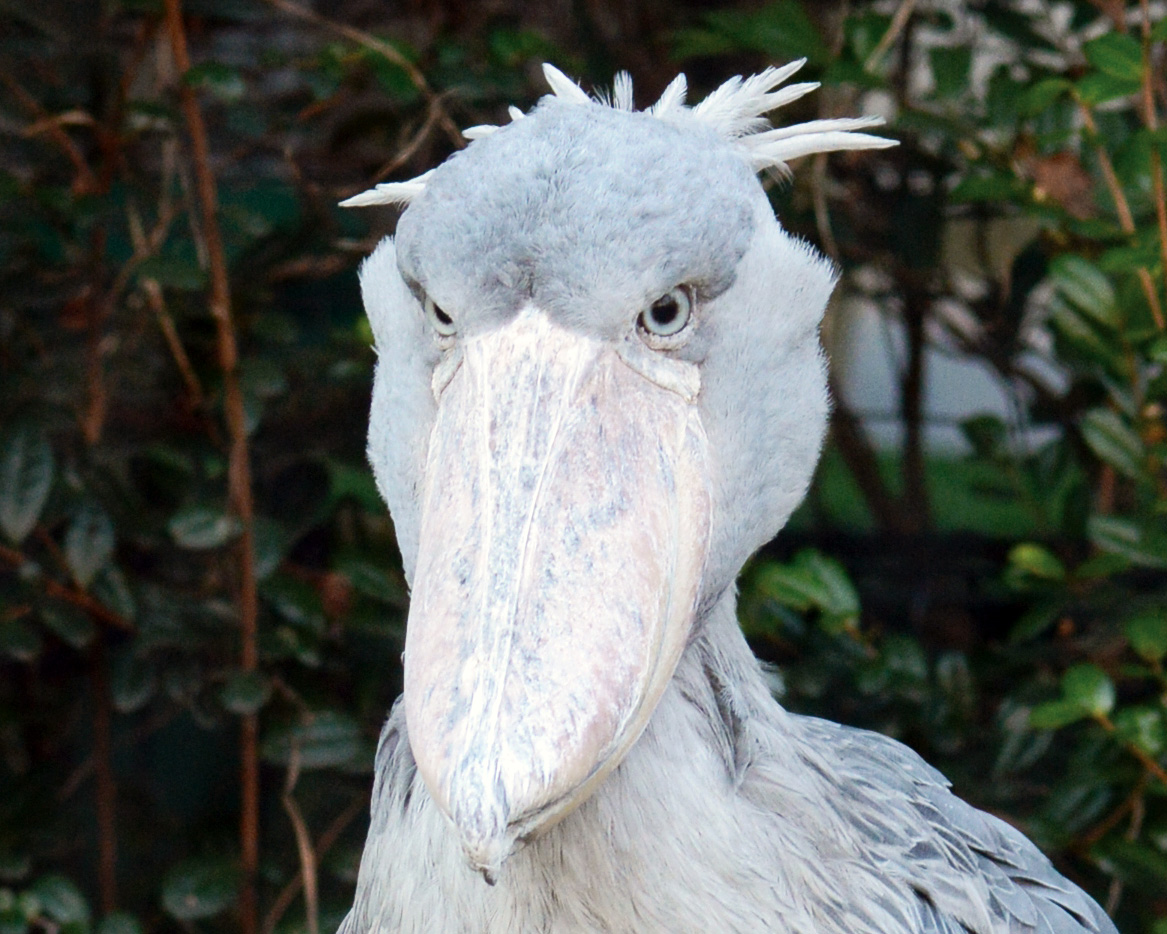
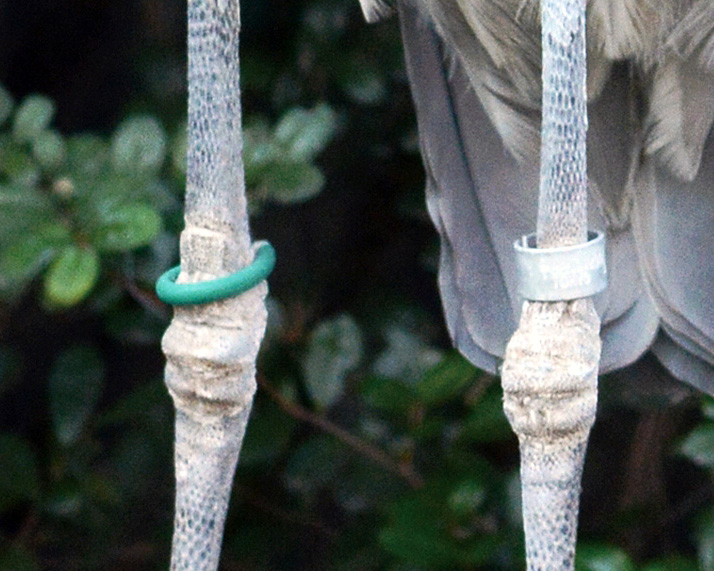
Hatuwe (male)
This is the largest individual, both in body size and beak.
There are two yellow rings on the right foot.
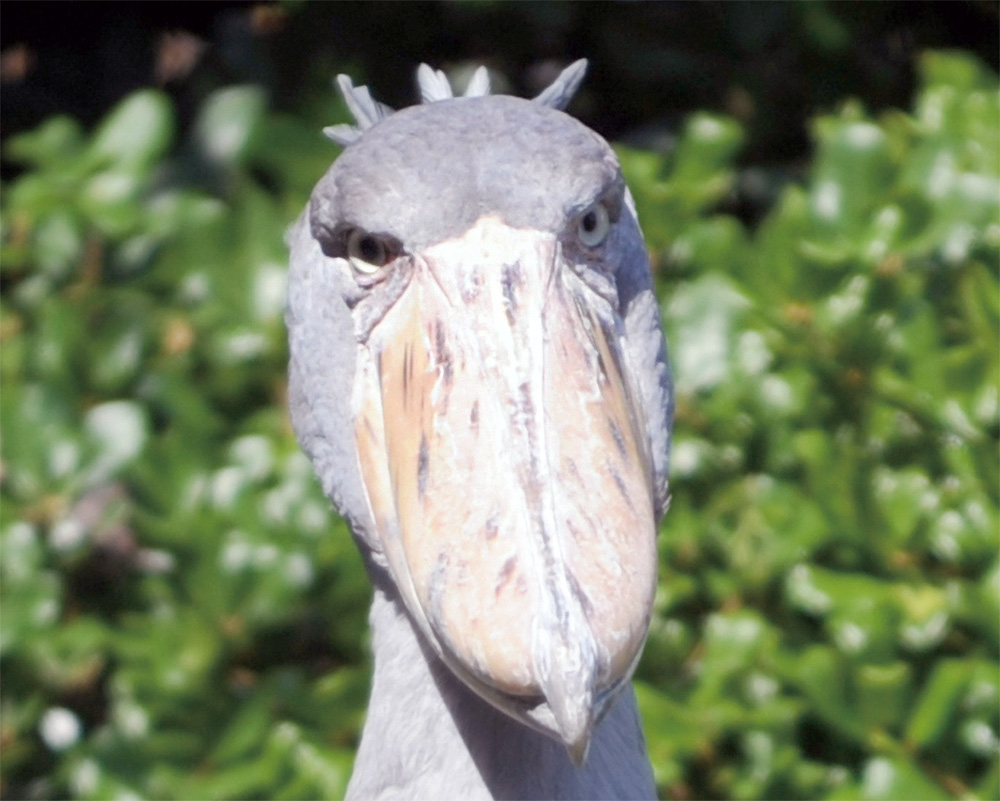
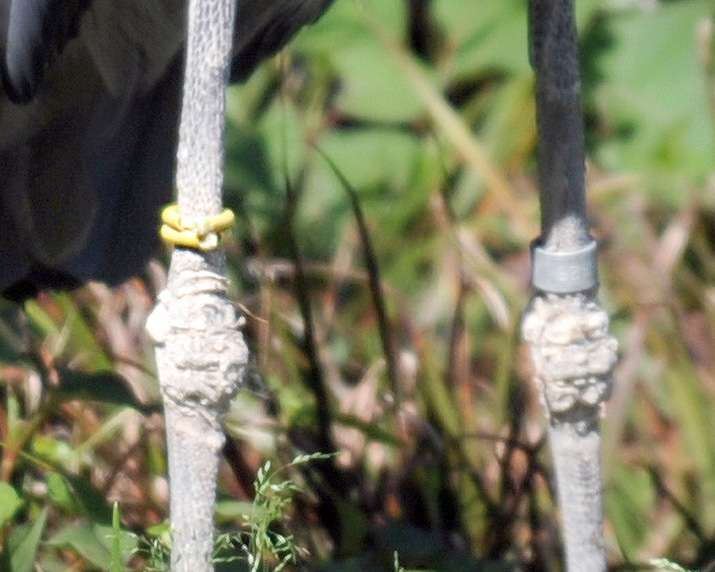
Here are some past articles about Shoebill that were published on Ueno Zoo official website.
Web page article
movie
In April 2026, the Tokyo Metropolitan Government created Shoebill character based on four Shoebill from Ueno Zoo.
Please watch this promotional video featuring Shoebill character, produced by the Tokyo Metropolitan Government.