

Zoo Stock Species and the Red List
Zoo Stock Species and the Red List
Zoo Stock

This indicates that the species is included in the Second Zoo Stock Plan, which was formulated by the Tokyo Metropolitan Government in 2018. The plan sets goals for the next 10 years in three areas: "species conservation," "contribution to wildlife conservation," and "environmental education and conservation awareness." 124 animal species are included.
What is the Red List?
Based on scientific research, this is a list of wildlife classified by rank (category) indicating the degree of risk of extinction.
Livng Things Encyclopedia shows the categories (mainland and islands) assessed by the IUCN (International Union for Conservation of Nature) at the global level, the Ministry of the Environment for Japan, and the Tokyo Metropolitan Government for Tokyo.
The higher the category in each table, the higher the risk of extinction, and CR, EN, and VU are the three categories known as "endangered species." In Tokyo, species that are not at the NT (near threatened) level but are relatively rare are considered "species of concern."
|
IUCN categories |
|
|---|---|
|
EX |
extinction |
|
EW |
Extinction in the wild |
|
CR+EN |
— |
|
CR |
Serious crisis |
|
EN |
crisis |
|
VU |
emergency |
|
NT |
Near Threatened |
|
LC・○ |
Low Concern |
|
DD |
Data shortage |
|
LP |
— |
|
Japan (Ministry of the Environment) Category |
|
|---|---|
|
EX |
extinction |
|
EW |
Extinction in the wild |
|
CR+EN |
Endangered species |
|
CR |
Critically Endangered |
|
EN |
Endangered species |
|
VU |
Endangered species |
|
NT |
Near Threatened |
|
LC・○ |
— |
|
DD |
Lack of information |
|
LP |
Endangered |
|
Tokyo Category |
|
|---|---|
|
EX |
extinction |
|
EW |
Extinction in the wild |
|
CR+EN |
Endangered species |
|
CR |
Critically Endangered |
|
EN |
Endangered species |
|
VU |
Endangered species |
|
NT |
Near Threatened |
|
LC・○ |
Unranked |
|
DD |
Lack of information |
|
LP |
Endangered |
Creatures at Ueno Zoo
Creatures at Ueno Zoo

Shoebill
Shoebill
Balaeniceps rex
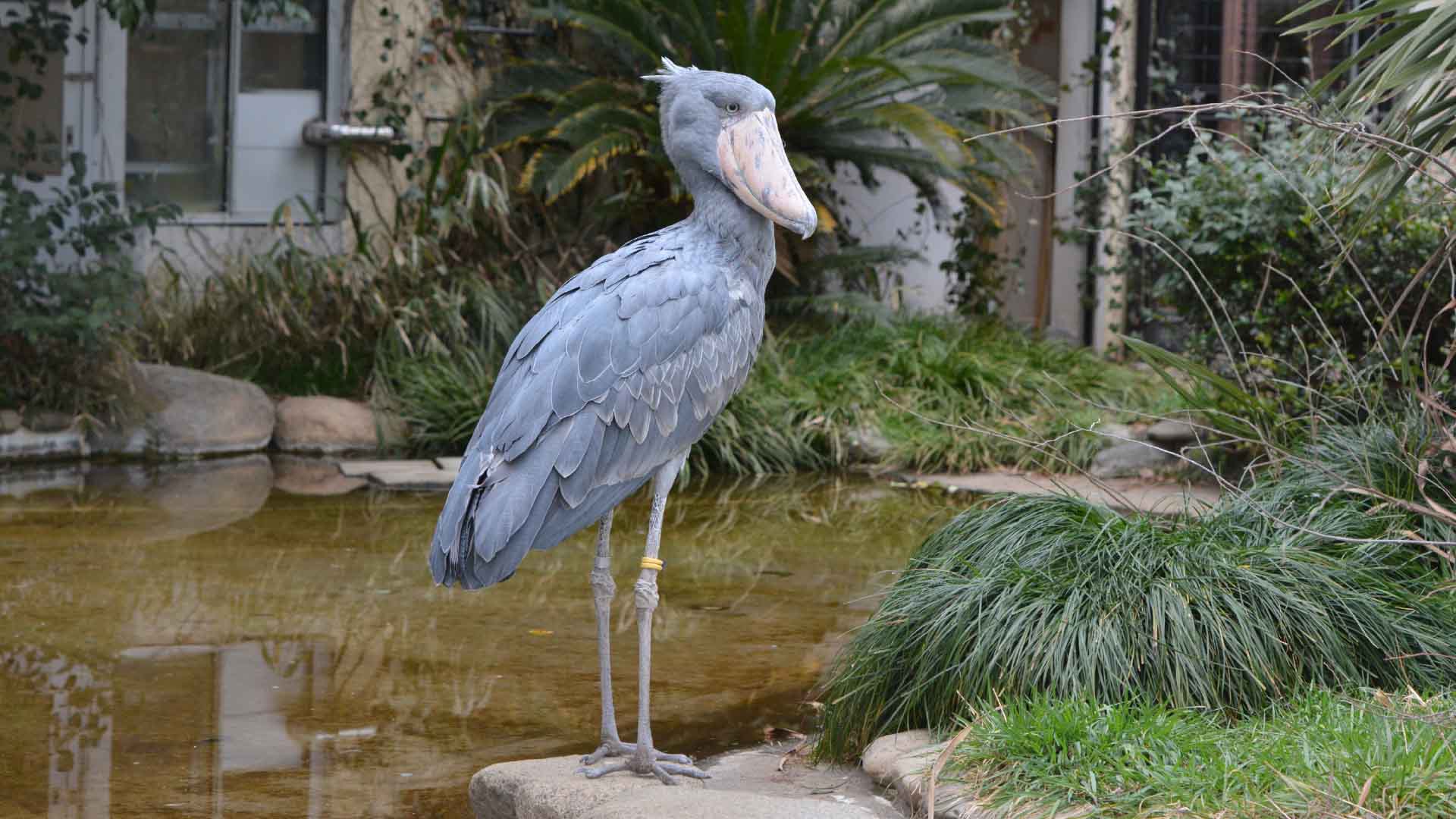
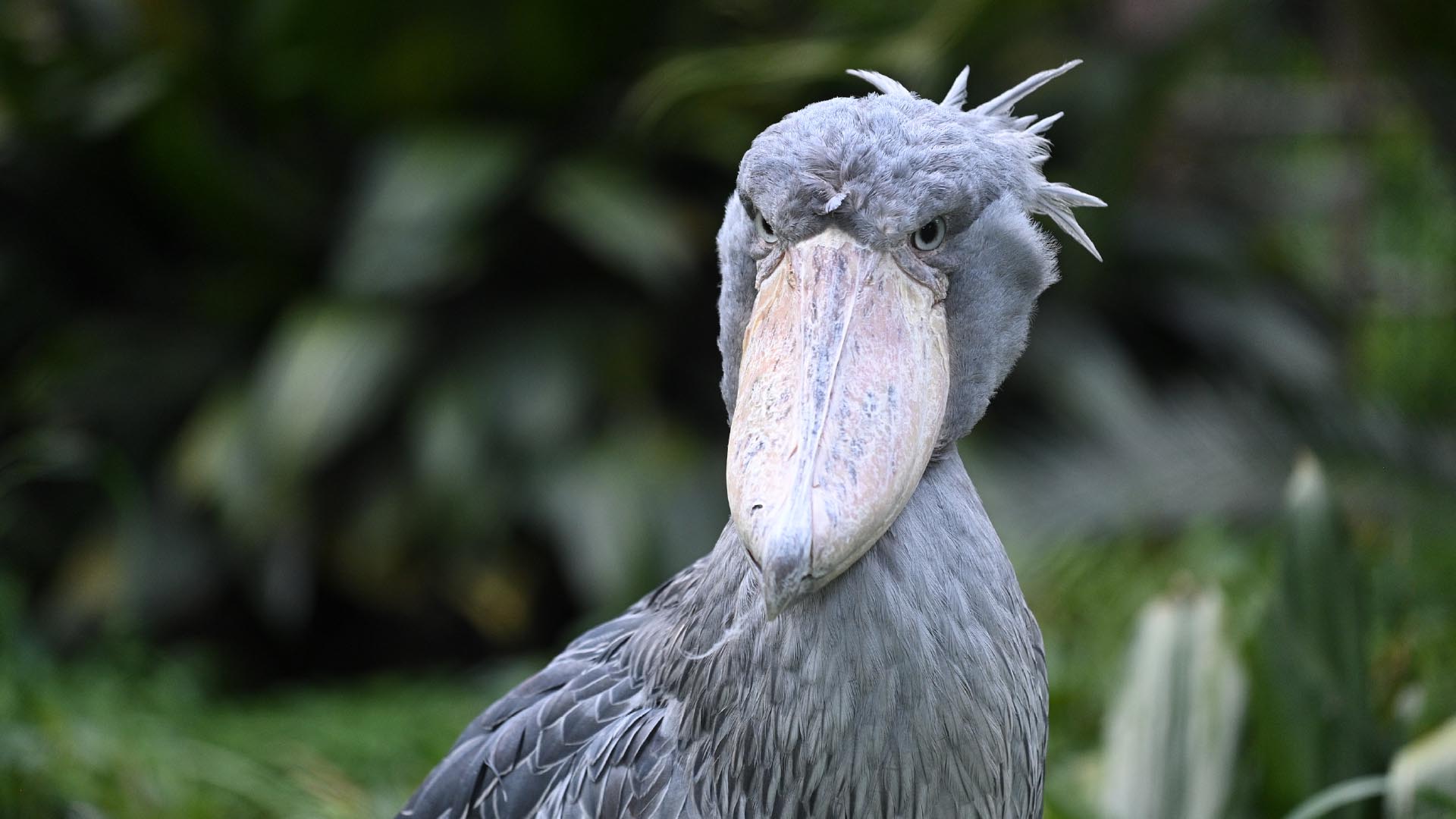
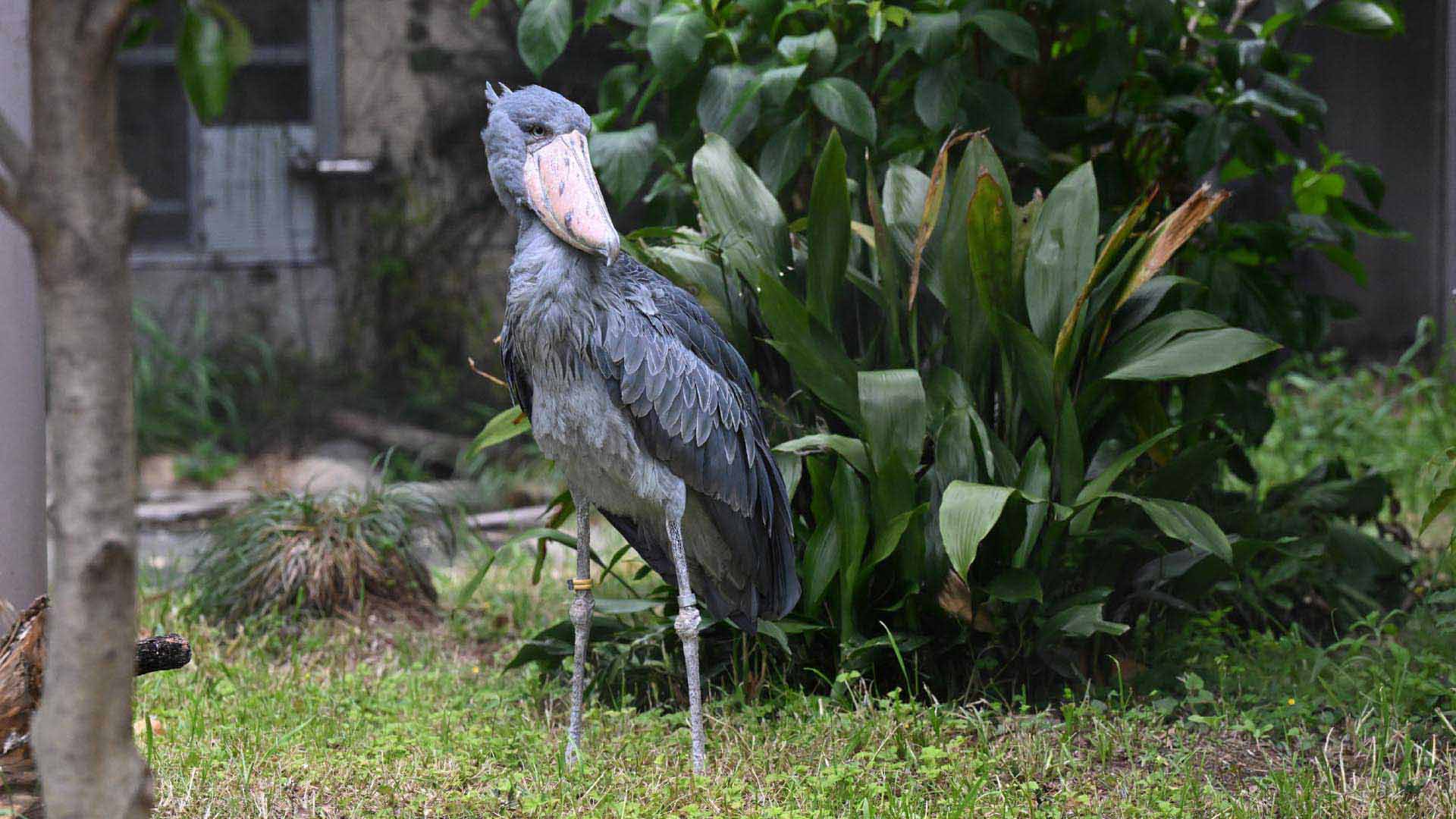
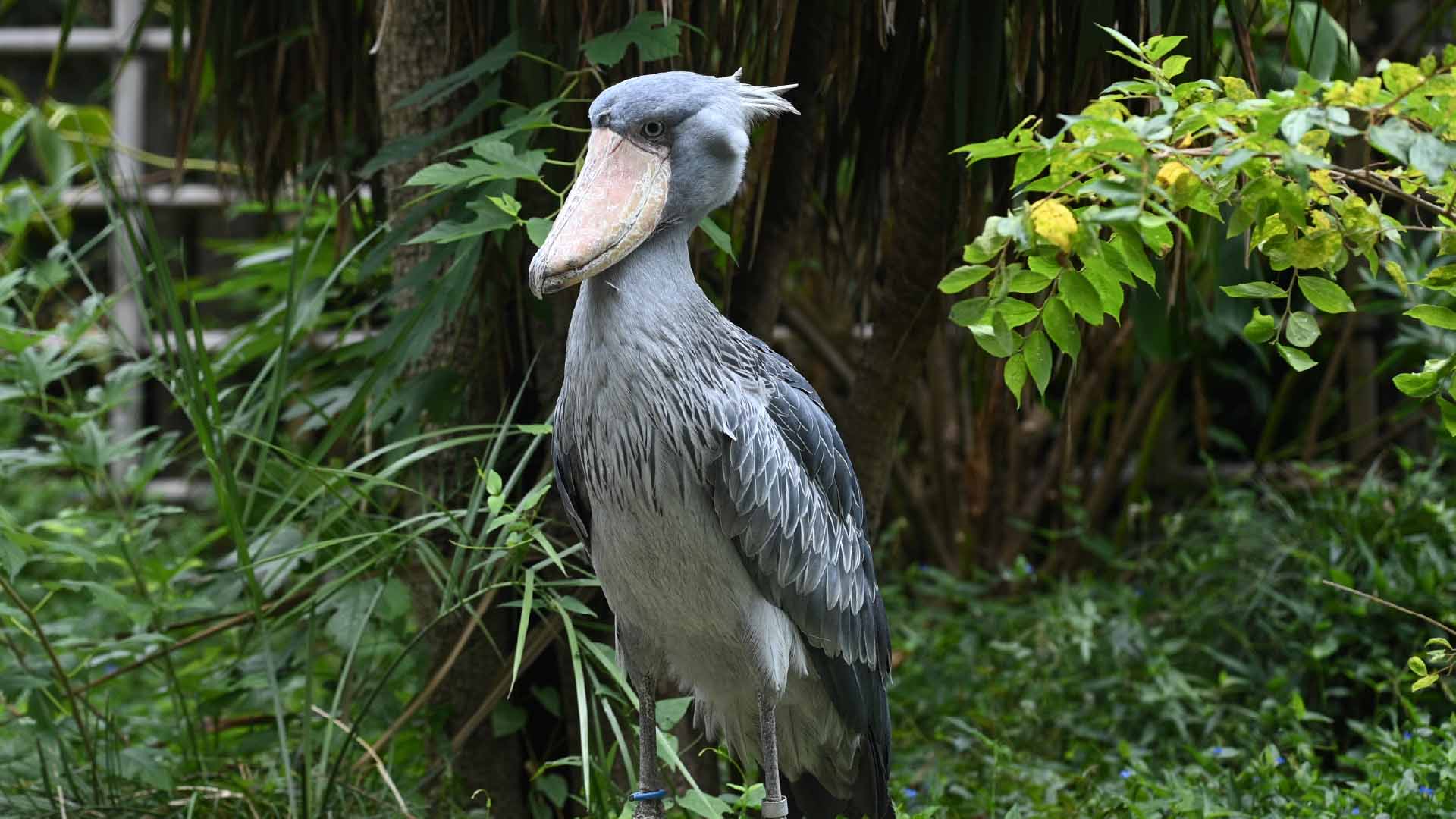
Its large beak and head, which are out of proportion to its body, are the origin of its English name "Shoebill," which means "shoe beak." It uses this beak to quickly capture fish such as lungfish and catfish in rivers and swamps and swallow them whole.
| classification | Birds, Pelecaniformes, Shoebill |
|---|---|
| English name | Shoebill |
| distribution | East and Central Africa |
| Residence | Wetlands with many aquatic plants, rivers, lakes and marshes |
| Size |
Total length: 1.0-1.4m (Height to head: 1.1-1.4m)
Weight: Approximately 5.6 kg for males, 5 kg for females Wingspan length: 2.5m Beak length: 14-28cm |
| food | Fish such as lungfish and catfish, and amphibians |
| Red List |
IUCN: VU (Very)
|
Does it work? Does it not work?
They don't move much because they are a bird that sits still and waits for fish, but if you look closely you will see them blinking every now and then, preening their feathers, and even flying.
tip of beak
Take a closer look at the tip of its large beak. It is curved and sharp. When it catches a fish, it uses this part to firmly grip the fish.