

About Ueno Zoo
Our goal
Our goal
As Japan's leading zoo, we will continue to lead the country and, as a "living museum," exhibit rare and distinctive species in a balanced manner.
A comprehensive zoo where everyone from children to adults can have fun and learn
Features
Features
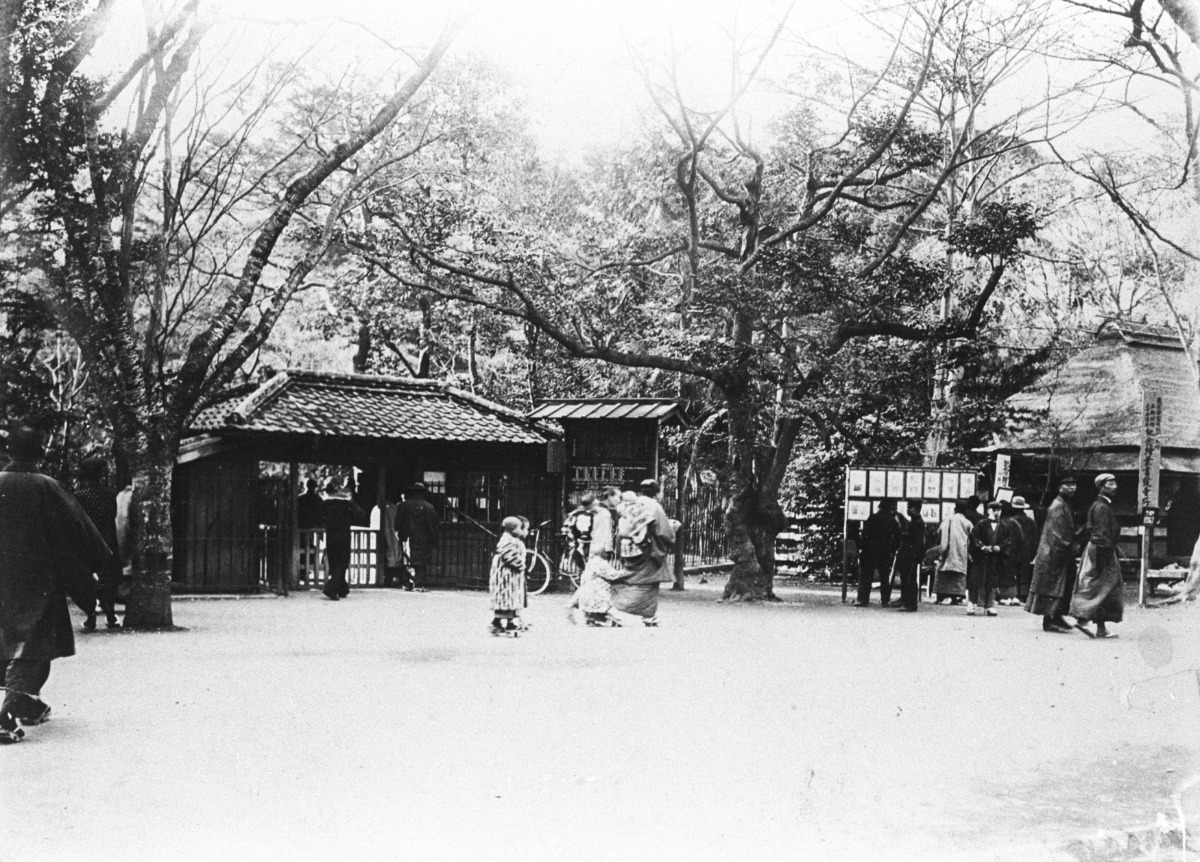
Ueno Zoo is an urban zoo located in the heart of Tokyo that has managed to preserve its natural surroundings and landscape, and is home to approximately 3,000 animals from 300 different species.
East Garden is located in the hills of Ueno Park, which are densely covered with giant trees, and is home to Gorilla Woods and Tiger Forest, a forest Bear Hill Elephant Forest, a hill of bears, Polar Ber and Seal Oceans.
West Garden is located on the north side of Shinobazu Shinobazu Pond, a scenic area dotted with islands and covered with lotus flowers. It houses African animals such as Giraffe, Hippopotamus, Shoebill, shoebills, Aye-aye, as well as a Vivarium, Small Mammal House and reptile house, and a children's zoo mainly featuring livestock animals.
A new facility, "Panda Forest," opened in September 2020.
The history of Ueno Zoo
The history of Ueno Zoo
Ueno Zoo is Japan's first zoo, having opened in 1882 (Meiji 15) as an annex to a museum under the jurisdiction of the Ministry of Agriculture and Commerce. In 1886 (Meiji 19), it came under the jurisdiction of the Imperial Household Ministry, and in 1924 (Taisho 13), it was bestowed upon the City of Tokyo to commemorate the marriage of the Crown Prince (Emperor Showa).
During World War II, there was a tragic event known as the culling of dangerous animals, but up until now, Ueno Zoo has been a "living museum," exhibiting a variety of animals gathered from all over the world.
Furthermore, despite being a metropolitan zoo, it also functions as one of Japan's leading zoos. In 1972, Giant Panda arrived to commemorate the normalization of diplomatic relations between Japan and China, which generated a great deal of excitement.
Ueno Zoo has successfully bred many animals, and utilizing the breeding techniques it has cultivated over many years, it is working to create fascinating exhibits of various animals and convey the importance of wildlife conservation while allowing many people to enjoy themselves.
From the Meiji to the Taisho era: Under the Imperial Household Ministry Museum
From the Meiji to the Taisho era: Under the Imperial Household Ministry Museum
In 1882 (Meiji 15), a museum was opened in Ueno Park, and Ueno Zoo was established as an affiliated facility of the museum.
This museum originated as a place to display products gathered from all over Japan for exhibition at the Vienna World's Fair, for the purpose of "enlightenment" of the general public. Therefore, the animals collected in the zoo were mainly native to Japan.
Furthermore, because it was under the jurisdiction of the Ministry of Agriculture and Commerce, emphasis was placed on "promoting industry," and livestock were added to the exhibits.
Since coming under the jurisdiction of the Imperial Household Ministry in 1886 (Meiji 19), rare animals from foreign countries, including tigers, have been collected there.
Furthermore, gifts from foreign royal families and spoils of war from the Sino-Japanese and Russo-Japanese Wars were presented to the Imperial Household Ministry, and a large number of animals came to be on display.
1882 明治15年
It opened on March 20th as a zoo attached to the museum.
The area is about 1 hectare and is under the jurisdiction of the Ministry of Agriculture and Commerce.
In September, Japan's first aquarium, the Fish Viewing Room, was opened to the public. It became popularly known as "Uonozoki."
1886 明治19年
It will be under the jurisdiction of the Imperial Household Ministry.
1887 明治20年
A tiger born during a performance in Kanda and Akihabara was acquired from the Italian Charine Equestrian Troupe in exchange for Brown Bear. This was the zoo's first visit.
1888 明治21年
The Shifu elephant (Four-Face Elephant), a gift from the Qing Dynasty, arrives at the zoo.
A pair of Asian Elephant, a gift from the Emperor of Siam, visits the zoo for the first time.
1890 明治23年
Around this time, lamps began to be lit in the park.
1895 明治28年
Bactrian camels arrived as spoils of war during the Sino-Japanese War.
First visit.
1898 明治31年
First visit of an orangutan.
1900 明治33年
Short-beaked Echidna, Common Brushtail, wombats, and other animals have arrived from Australia.
1902 明治35年
Twelve species, including Lion, Polar Bear, and ostriches, were purchased from Hagenbeck Zoo in Germany, and Lion proved extremely popular.
1906 明治39年
Lion will be handed over to Kyoto City's Kien Zoo for 1,500 yen.
1907 明治40年
Giraffe arrive from Hagenbeck Zoo.
1909 明治42年
Proboscis monkeys have arrived.
1911 明治44年
I bought Hippopotamus, my first visit.
By this time, the zoo's area had grown to about 3 hectares.
1919 Taisho 8
Hippopotamus named "Kyoko" arrives at the zoo from Changgyeonggungwon Zoo in Gyeongseong, Korea (present-day Seoul).
From the end of the Taisho era to the beginning of the Showa era - under the rule of Tokyo City
From the end of the Taisho era to the beginning of the Showa era - under the rule of Tokyo City
During the Great Kanto Earthquake of 1923 (Taisho 12), there was no major damage except for one gatepost at Main Gate gate that fell down. The animals were also unharmed, with the only concern being that Hippopotamus was so startled that it dove underwater and didn't come up for a long time.
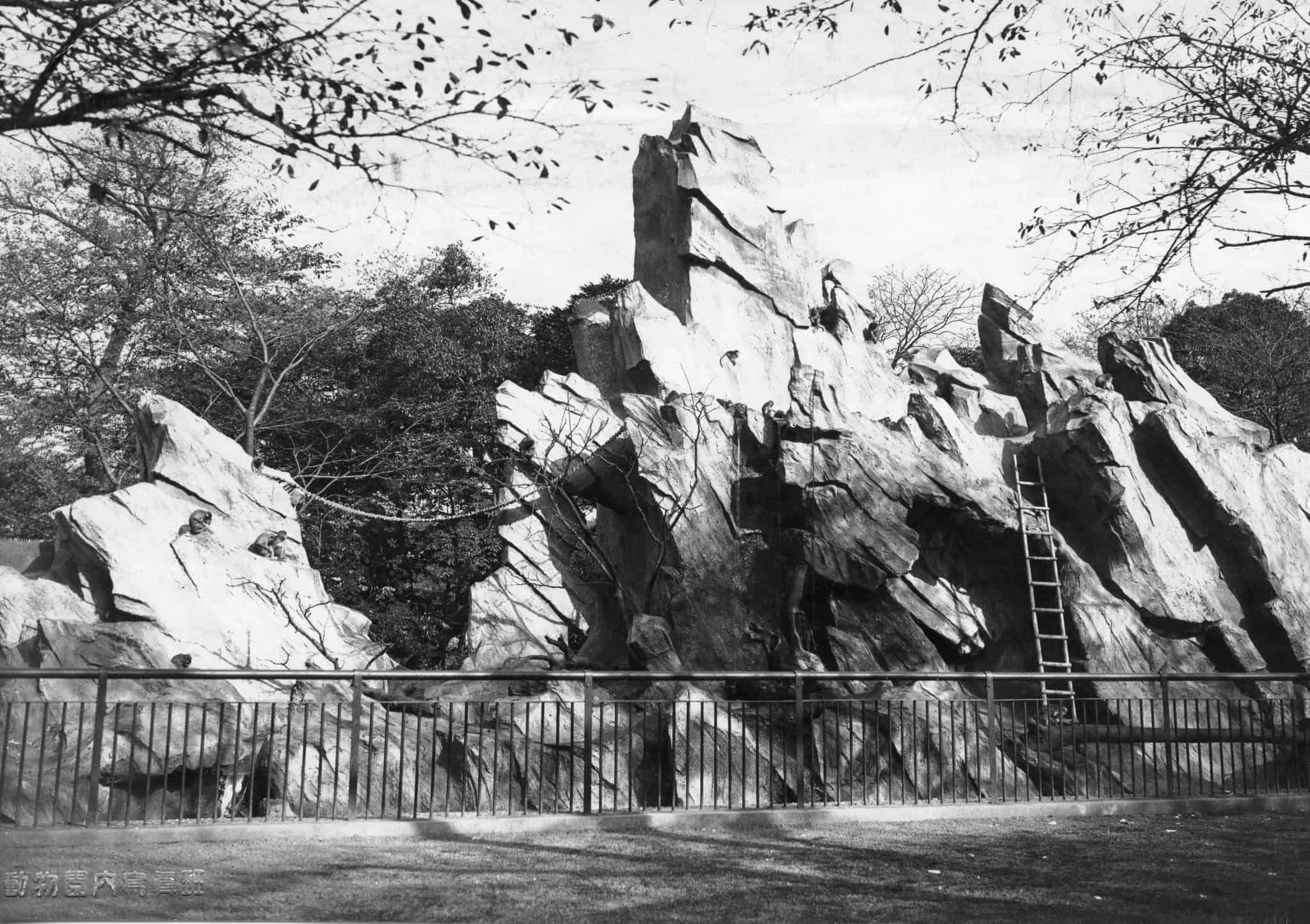
The following year, in 1924 (Taisho 13), to commemorate the marriage of the Crown Prince (Emperor Showa), Ueno Ueno Zoo, along with Ueno Park, was bestowed upon the City of Tokyo. Around that time, major renovations were carried out within the zoo's facilities, and Polar Bear enclosure and monkey mountain were built.
Furthermore, with the addition of enjoyable exhibitions and events held in spring, autumn, and during the New Year's holiday, it has become a popular recreational spot for citizens, and the number of users has increased significantly.
1923 Taisho 12
The Great Kanto Earthquake occurred on September 1st. The park was closed from the following day, September 2nd, until December 9th, but was open free of charge from December 10th to December 25th.
The male elephant is transported to Asakusa Hanayashiki.
1924 Taisho 13
To commemorate the marriage of the Crown Prince (Emperor Showa), the zoo, along with Ueno Park, was bestowed upon the City of Tokyo and became known as Ueno Imperial Park Zoo.
Between this time and 1938 (Showa 13), a period of 15 years, most of the facilities from the Meiji and Taisho eras were reborn, becoming enjoyable places of relaxation for the citizens.
1925 Taisho 14
Asian Elephant elephant calves "John" and "Tonky" visit the zoo.
1927 昭和2年
Polar Bear enclosure was completed as the first step in the modernization of the park's facilities.
Released the following year.
1932 昭和7年
Monkey Mountain (now known as Monkey Mountain) is completed.
*It was previously thought to have been completed in 1931 (Showa 6), but a re-investigation revealed that it was actually completed in October 1932 (Showa 7).
1933 昭和8年
That same year, the company purchased Giraffe, Andean Condor, baboons, flamingos, and other animals from the Hagenbeck Circus, which was visiting Japan.
1935 昭和10年
Asian Elephant (female, "Hanako") donated by the Thai Youth Group has arrived.
1936 昭和11年
A black panther escaped, but was safely captured 14 hours later.
1937 昭和12年
Giraffe giraffe is born.
First in Japan.
1939 昭和14年
Donkeys, Przewalski's Horse, and Bactrian camels arrived as animals of war merit in China.
One of the donkeys was "Ichimonjigo," who later became famous for wearing dentures in old age.
1940 昭和15年
Annual attendance exceeds 3 million for the first time.
1941 昭和16年
December: The Pacific War begins.
1942 昭和17年
Nilgai, Domestic Horse, etc. arrived from the Sultan of Johor, Malaysia, via the Southern Army.
During and after the war: the tragedy of war and the restoration of peace
During and after the war: the tragedy of war and the restoration of peace
In 1943 (Showa 18), the city of Tokyo, which had jurisdiction over Ueno Zoo, merged with the prefecture to become Tokyo Metropolis.
In the same year, by order of the Tokyo Metropolitan Governor, a culling of dangerous animals was carried out, resulting in the deaths of not only bears, Lion, and tigers, but also elephants, which were popular attractions at zoos.
Furthermore, Hippopotamus that escaped culling at that time were also culled after the Great Tokyo Air Raid in March 1945, due to the resulting lack of feed.
After the war, Ueno Zoo 's recovery was remarkable, and with the slogan "Zoo is the Peace," it was able to bring a breath of warmth to people exhausted by the chaos of the postwar period.
1943 昭和18年
In the summer, elephants and wild animals are culled during the war.
1945 昭和20年
In March, after the Great Tokyo Air Raid, Hippopotamus were also disposed of.
The war ends in August.
1947 昭和22年
In June, the zoo's name was changed to Ueno Zoological Gardens.
In order to collect the feed that was in short supply, an initiative was also implemented in which people were allowed to enter the park with just one cup of pumpkin seeds.
1948 昭和23年
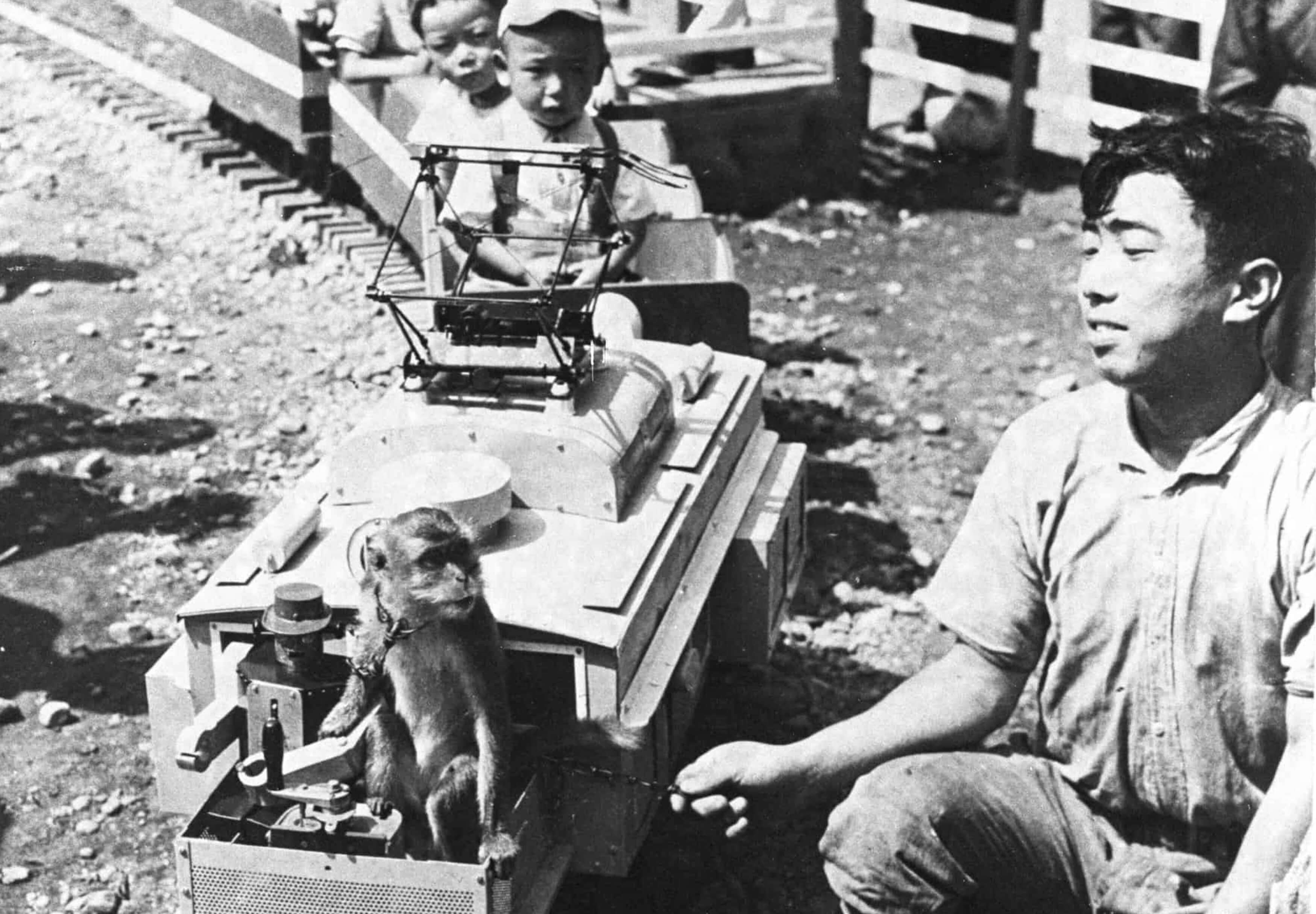
The Children's Zoo opens and the Monkey Train begins operation.
The annual attendance exceeds 2 million people.
1949 昭和24年
Lion, pumas, coyotes, and other animals gifted from Salt Lake City, Utah, USA, have arrived.
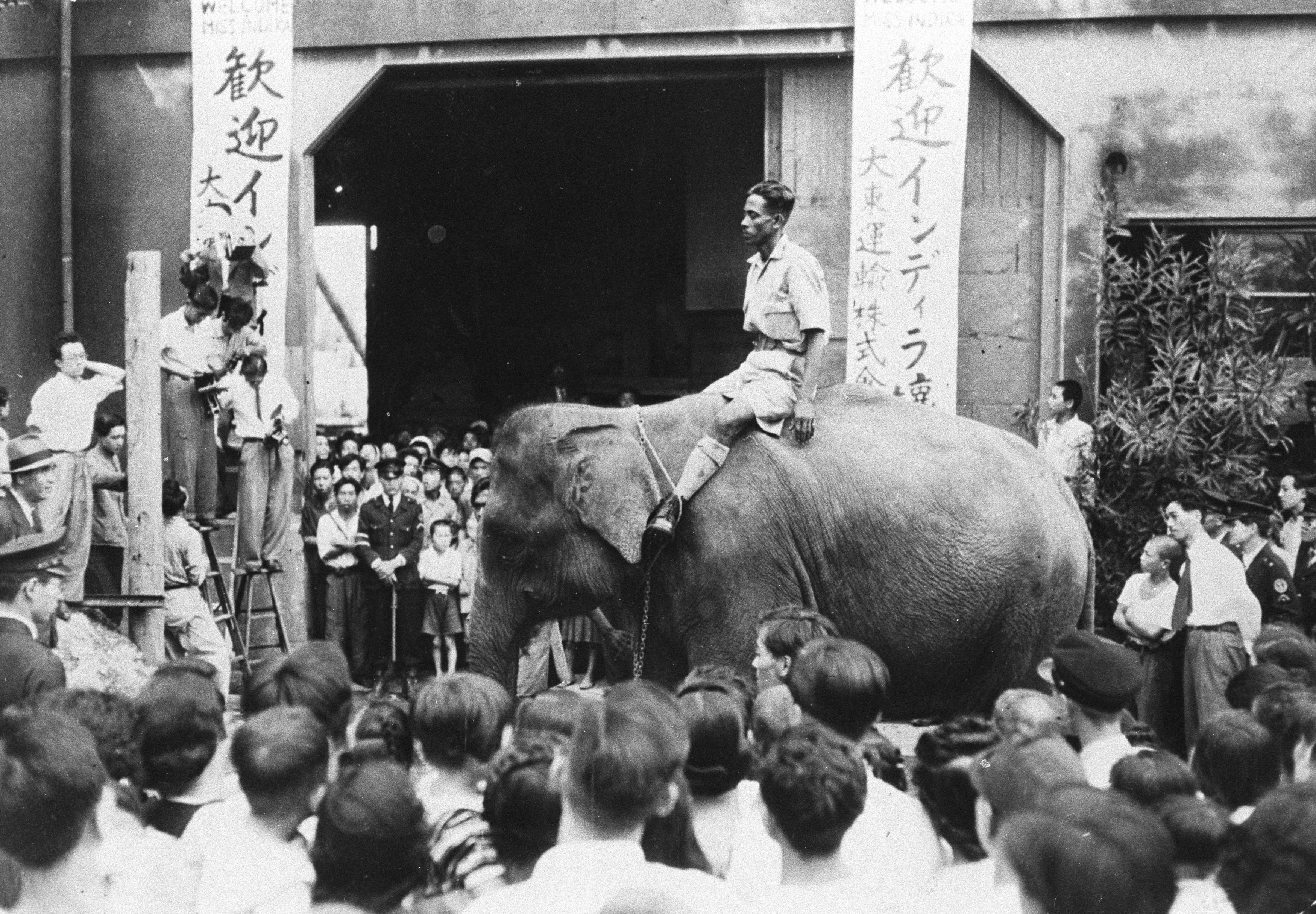
Asian Elephant named "Indira," a gift from Indian Prime Minister Nehru, has arrived.
The park attracts over 3.5 million visitors annually.
From this year until 1951 (Showa 26), the park area was greatly expanded, extending from the area around Toshogu Shrine to the northern shore of Shinobazu Pond.
From the 70th anniversary celebration to the opening of the large aquarium: an era of development
From the 70th anniversary celebration to the opening of the large aquarium: an era of development
The 70th anniversary celebration held in 1952 (Showa 27) was an event that symbolized the revival of Ueno Zoo.
With the expansion of the zoo grounds that began in 1949 (Showa 24), it became four times larger than before the war by the time of the anniversary festival, and a saltwater aquarium was also opened. Furthermore, in the summer of the same year, animals from Africa arrived, and the zoo became very lively.
Following this, a period of development began for Ueno Zoo. Major projects such as the purchase of gorillas, the opening of the monorail, and the construction of Aesop Bridge coincided, and to commemorate the zoo's 80th anniversary, a large aquarium (aquarium and reptile house) was opened. As a result, the number of animals kept at Ueno Zoo increased dramatically.
1952 昭和27年
A grand celebration will be held to celebrate the 70th anniversary of the park's opening, and a saltwater aquarium will open.
In summer, Hippopotamus, Giraffe, Black Rhinoceros, Domestic Horse arrive from Africa.
1957 昭和32年
The first monorail in Japan opens.
Gorillas arrive at the zoo.
1961 昭和36年
"Aesop Bridge" completed.
The name was chosen through a public contest and judged by poet Hachiro Sato.
1964 昭和39年
The Great Aquarium opens.
The zoo's major renovation project and the arrival of pandas: a stepping stone to the second century
The zoo's major renovation project and the arrival of pandas: a stepping stone to the second century
The facilities built during the modernization efforts of the early Showa period were showing signs of aging by this time, and a major renovation plan was devised in preparation for the park's 100th anniversary.
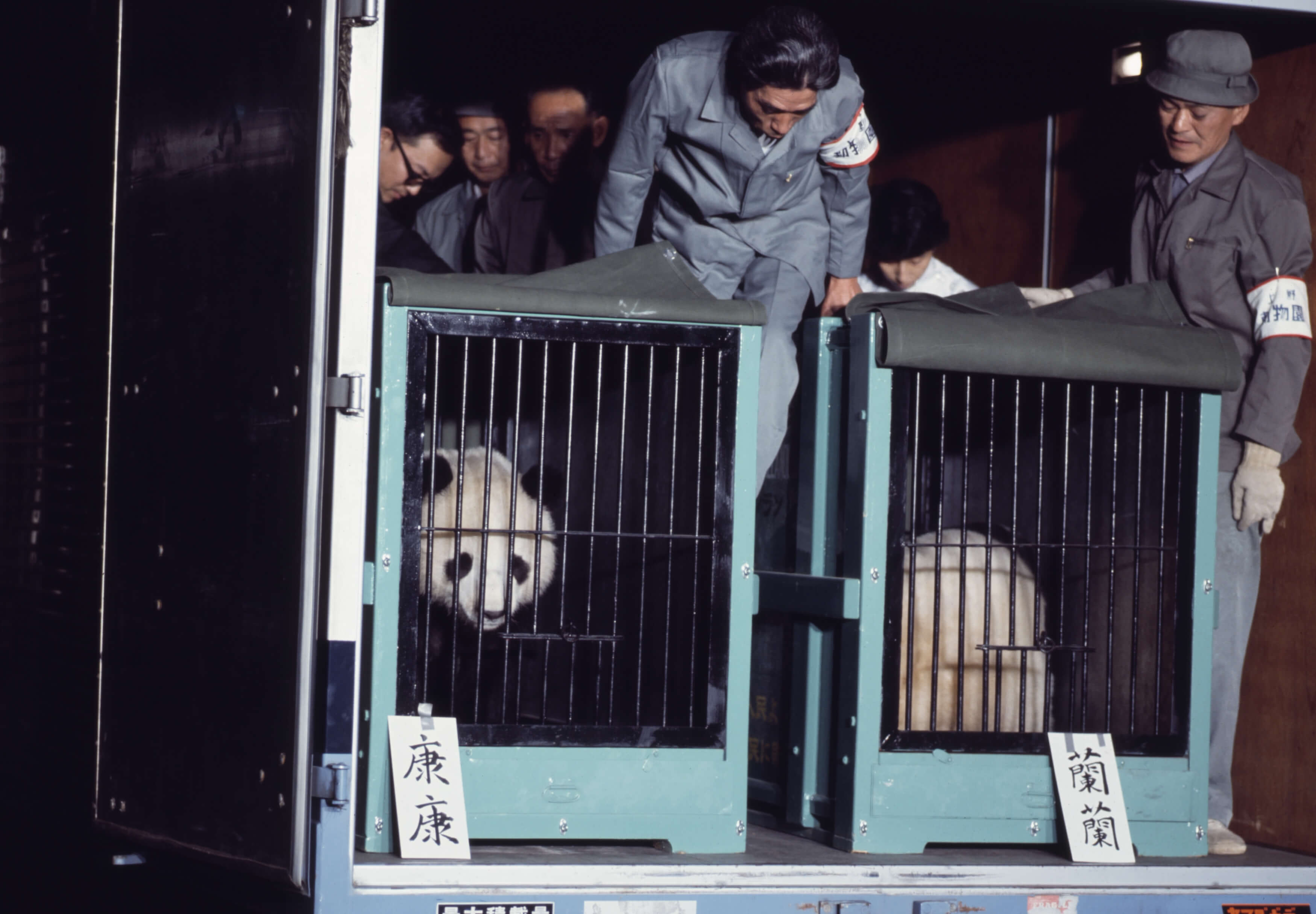
The completion of the elephant enclosure marked the beginning of a gradual transformation of the park's landscape. In 1972, to commemorate the normalization of diplomatic relations between Japan and China, Giant Panda "Kang Kang" and "Lan Lan" arrived, and the number of visitors quickly increased. In 1977, renovations to the northern part of the west West Garden, primarily focused on earthquake countermeasures, began, and a new group of animal enclosures, including a small animal enclosure, was constructed.
In 1982 (Showa 57), Ueno Zoo celebrated its 100th anniversary and entered its second century.
1968 昭和43年
The elephant house is completed.
1972 昭和47年
To commemorate the restoration of diplomatic relations between Japan and China, Giant Panda Kang Kang and Ran Ran visited the zoo.
Since then, the number of visitors has exceeded 7 million per year.
1977 昭和52年
Renovation work West Garden begins.
1979 昭和54年
Giant Panda "Lang Lang" dies.
1980 昭和55年
In January, a new female Giant Panda, Huan Huan, arrived at the zoo.
In June, the male Giant Panda Kang Kang died.
In July, the renovation West Garden was completed.
1982 昭和57年
A ceremony commemorating the 100th anniversary of the park's opening was held on March 20th.
In November, Giant Panda named Fei Fei arrived from Beijing Zoo.
1984 昭和59年
Female Asian elephants Asher and Daya have arrived Asian Elephant.
1986 昭和61年
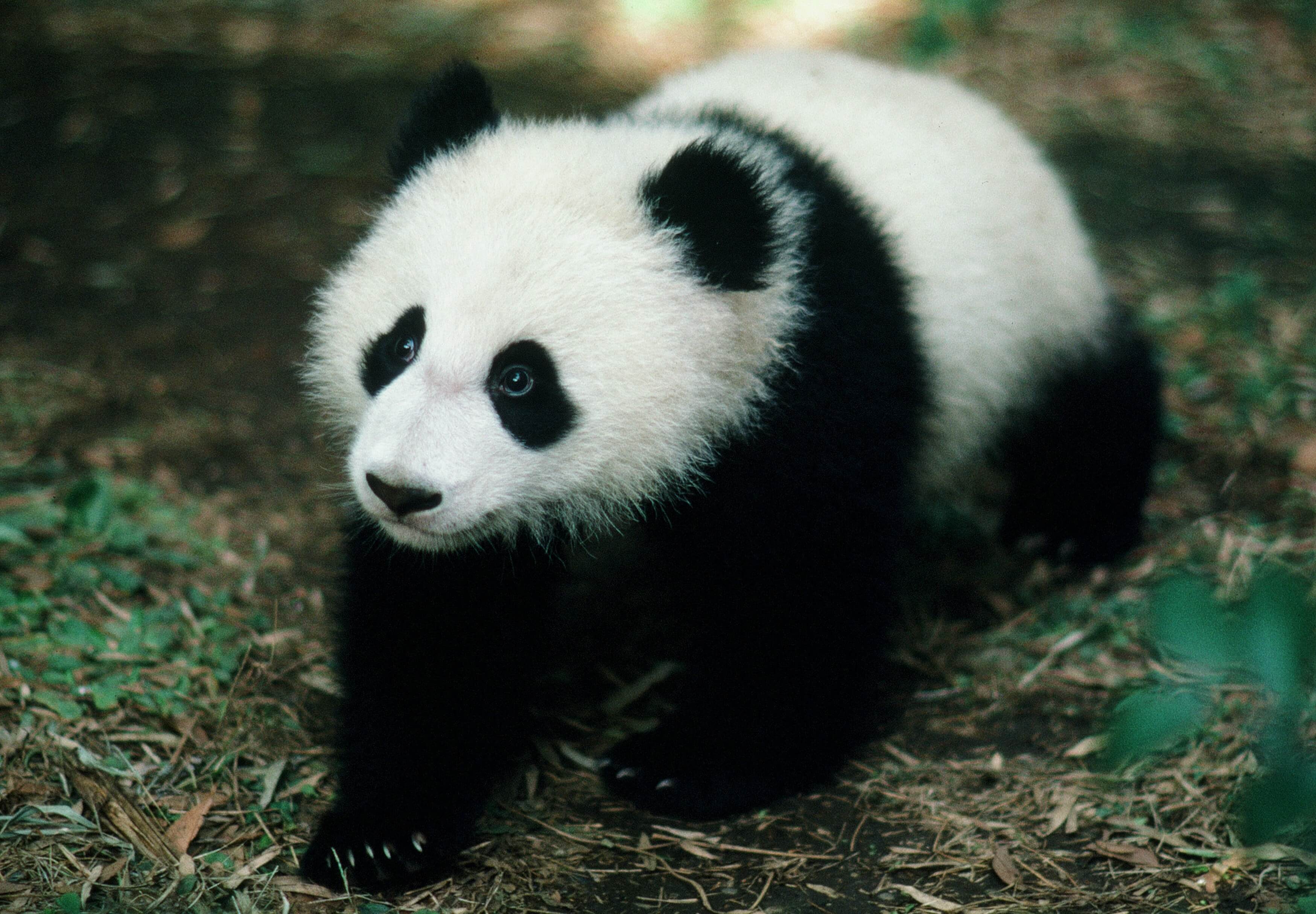
In June, a Giant Panda was born.
It was named "Tonton" and opened to the public in December.
The name contest received over 270,000 submissions.
1988 昭和63年
In June, a Giant Panda named Yuyu was born.
1989: The first year of the Heisei era
In October, Tokyo Sea Life Park opened as part of the park's 100th anniversary celebrations.
Ueno Zoo 's transformation since its 100th anniversary
Ueno Zoo 's transformation since its 100th anniversary
Since the 1970s, zoos have come to recognize the important role of preserving rare animal species, and in 1989, Tokyo launched the "Zoo Stock Project," in which metropolitan zoos share the responsibility of breeding and raising animals.
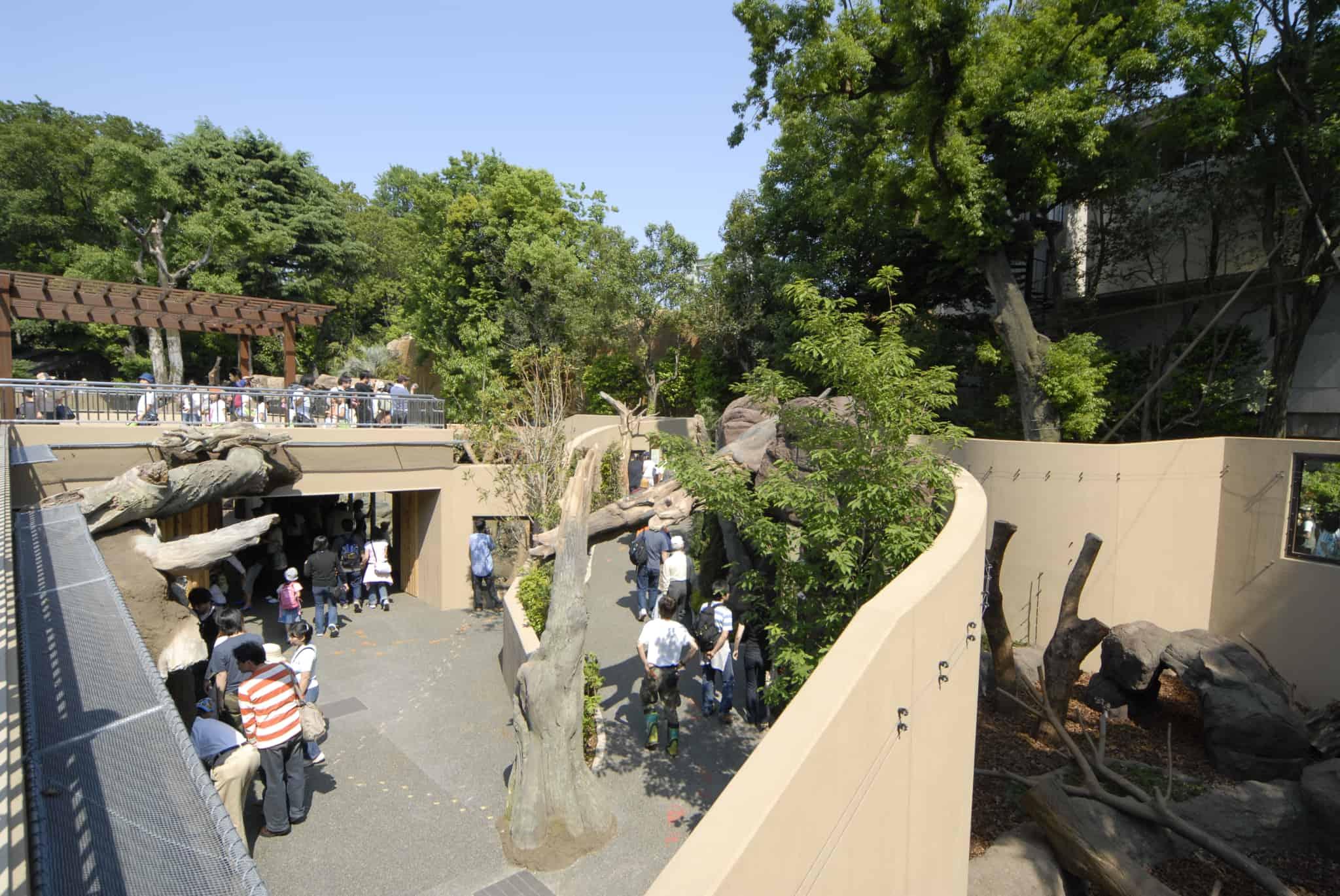
As a result, several new facilities have opened that prioritize animal welfare, including "Gorilla Woods and Tiger Forest," Vivarium (vivarium), "Elephant Forest," and "Bear Hill."
In April 2011, the zoo opened its doors to the public with two Giant Panda for the first time in approximately three years.
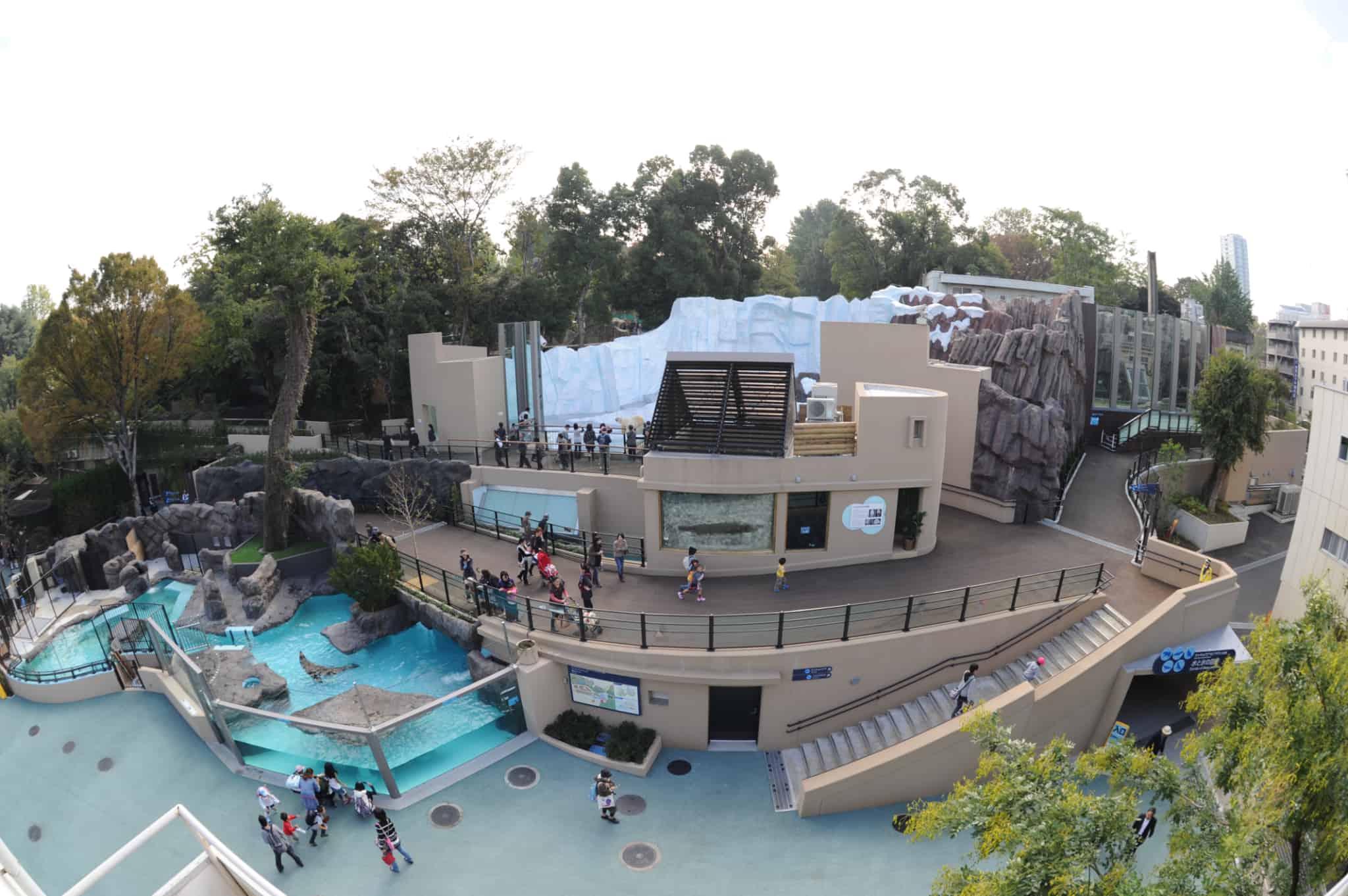
In October of the same year, "Polar Ber and Seal Oceans" which features a large enclosure, also opened.
1991 平成3年
Based on the Zoo Stock Plan, Lion were moved to Tama Zoo.
1992 平成4年
In November, Giant Panda Ling Ling arrived and Yu Yu went to the Beijing Zoo.
1996 平成8年
In April, the "Gorilla Woods and Tiger Forest" opened.
1999 平成11年
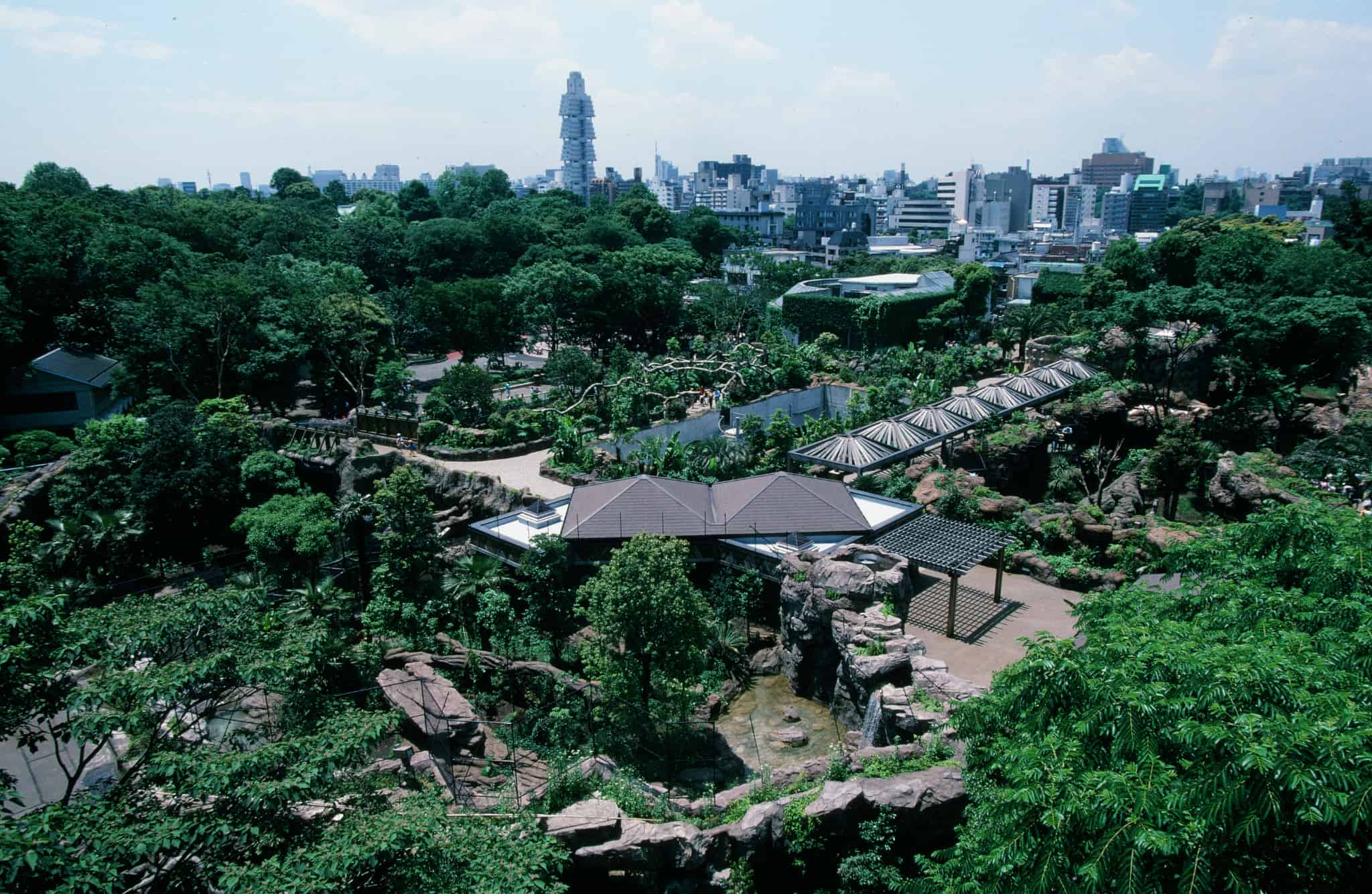
Vivarium (vivarium) open.
2000 平成12年
In July, Western Lowland Gorilla Momoko gave birth to a male.
He was named "Momotaro" and released to the public in October. In July, Giant Panda "Tonton" died.
2001 平成13年
Aye-aye and grey gentle lemurs have arrived from Madagascar.
In November, Giant Panda Ling Ling was loaned to Mexico's Chapultepec Zoo as part of a cooperative breeding program.
2002 平成14年
The Indian Lion exhibit begins.
Western Lowland Gorilla Momoko and Momotarou, mother and son, return to Chiba City Zoo.
2003 平成15年
In December, Giant Panda named "Shuang Shuang" arrived from Chapultepec Zoo in Mexico.
They stayed there until 2005 (Heisei 17) as part of a joint breeding program.
2004 平成16年
"Elephant Forest" completed.
2005 平成17年
Supporter-funded improvements to the exhibits include the completion of the "Otter Tube" and the Canadian Porcupine exhibit.
2006 平成18年
"Bear Hill" opens.
In December, a hibernating Japanese Black Bear was successfully exhibited.
2007 平成19年
New flamingo house opens.
Haoko, a male Western Lowland Gorilla, arrives from Taronga Zoo.
2008 平成20年
Male Giant Panda Ling Ling dies.
A female Sumatran Tiger, Manis, arrives from Taman Safari in Indonesia.
2009 平成21年
Eastern Black Rhinoceros "Argo" gives birth to his first baby, a female named "Mimika".
"Aye-aye Forest" opens.
Western Lowland Gorilla Momoko gives birth to a female who has been named Komomo.
2010 平成22年
The museum begins exhibiting Japanese Macaque of the Shimokita Peninsula, a natural monument.
Fossa unveiled in Japan for the first time.
2011 平成23年
Giant Panda Ri Ri and Shin Shin visit the zoo.
Due to the effects of the Great East Japan Earthquake, the zoo was closed from March 17th to 31st, and when it reopened on April 1st, Giant Panda were also put on display.
"Polar Ber and Seal Oceans" opens.
2012 平成24年
Event commemorating the 130th anniversary of the park's opening.
Giant Panda pair, give birth but die within 7 days
2013 平成25年
Western Lowland Gorilla Momoko gives birth to her third child, a female, and names her Momoka.
Giant Panda Shin Shin showed signs of pregnancy, but it was determined to be a false pregnancy.
Short-beaked Echidna on display for the first time in 105 years.
2014 平成26年
The management office relocated to West Garden on March 10th, and the zoo hall was closed and demolished on June 23rd for earthquake-proofing purposes.
Keahi, a male Sumatran Tiger owned by the Honolulu Zoo in Hawaii, has arrived at the zoo on a breeding loan.
2015 平成27年
Bentenmon Gate will be temporarily closed from August 18th due to facility maintenance West Garden.
2016 平成28年
Earthquake-proofing work is now in full swing.
The main gate will be temporarily closed from April 1st to August 8th, and Former Mail Gate will be used as a temporary gate during the construction period.
The free rest area East Garden will be closed from April 1st.
Asian Elephant elephant Utai becomes pregnant but miscarries.
2017 平成29年
Giant Panda Shin Shin gives birth to a female panda named Xiang Xiang.
Momoko, Western Lowland Gorilla, gives birth to a male and names him "Riki."
The Children's Zoo has been relocated and reopened as "Children's Zoo STEP."
2018 平成30年
A temporary gate has begun to be used due to renovation work on the main gate.
In order to protect rare animals, a male okapi named Bakkari was brought to the zoo from the White Oak Conservation Center in the United States, and a male Sumatran Tiger Park.
2019 Heisei 31/Reiwa 1st year
Japanese rock Rock Ptarmigan, which began being raised in 2015 for protection and propagation, will be open to the public from March.
Acceptance of credit card and electronic money payments at the admissions counter for purchasing admission tickets and annual passes
Monorail service suspended - Shuttle bus service begins
2020 令和2年
Giraffe "Hikari" is born
East Garden free rest area and Saruyama Kitchen open
Giant Panda Ri Ri and Shin Shin move from East Garden Panda House to West Garden Panda Forest
Asian Elephant "Arun" is born
2021 令和3年
Giant Panda twins born, named "Xiao Xiao" and "Lei Lei"
Online ticket sales begin with online payment
Japan's first artificially inseminated Japanese rock Rock Ptarmigan
2022 令和4年
Giant Panda twins reopen to the public
Western Lowland Gorilla Momoko gives birth to baby Sumomo
Certified as a "rare species conservation zoo, botanical garden, etc." by the Ministry of the Environment
2023 令和5年
Giant Panda "Xiang Xiang" returned to Japan
Sumatran Tiger "Mimpi" gives birth to "Asa".
Sumatran Tiger "Mimpi" gives birth to "Alona," "Abadi," and "Makumul."
2024 令和6年
Giant Panda Xiao Xiao and Lei Lei will be exhibited individually
Japan's first successful semen collection and artificial breeding of wild Japanese rock Rock Ptarmigan
Giant Panda "Ri Ri" and "Xin Xin" returned
The exhibition of Japanese Macaque kept at Monkey Mountain has been discontinued.
2025 令和7年
Bonin Flying Fox on public display for the first time in 45 years
Pygmy Hippopotamus Natsume gives birth to baby Kobushi
80th Anniversary of the End of the War Project "Passing the Baton of Peace from the Zoo"