

Zoo Stock Species and the Red List
Zoo Stock Species and the Red List
Zoo Stock

This indicates that the species is included in the Second Zoo Stock Plan, which was formulated by the Tokyo Metropolitan Government in 2018. The plan sets goals for the next 10 years in three areas: "species conservation," "contribution to wildlife conservation," and "environmental education and conservation awareness." 124 animal species are included.
What is the Red List?
Based on scientific research, this is a list of wildlife classified by rank (category) indicating the degree of risk of extinction.
Livng Things Encyclopedia shows the categories (mainland and islands) assessed by the IUCN (International Union for Conservation of Nature) at the global level, the Ministry of the Environment for Japan, and the Tokyo Metropolitan Government for Tokyo.
The higher the category in each table, the higher the risk of extinction, and CR, EN, and VU are the three categories known as "endangered species." In Tokyo, species that are not at the NT (near threatened) level but are relatively rare are considered "species of concern."
|
IUCN categories |
|
|---|---|
|
EX |
extinction |
|
EW |
Extinction in the wild |
|
CR+EN |
— |
|
CR |
Serious crisis |
|
EN |
crisis |
|
VU |
emergency |
|
NT |
Near Threatened |
|
LC・○ |
Low Concern |
|
DD |
Data shortage |
|
LP |
— |
|
Japan (Ministry of the Environment) Category |
|
|---|---|
|
EX |
extinction |
|
EW |
Extinction in the wild |
|
CR+EN |
Endangered species |
|
CR |
Critically Endangered |
|
EN |
Endangered species |
|
VU |
Endangered species |
|
NT |
Near Threatened |
|
LC・○ |
— |
|
DD |
Lack of information |
|
LP |
Endangered |
|
Tokyo Category |
|
|---|---|
|
EX |
extinction |
|
EW |
Extinction in the wild |
|
CR+EN |
Endangered species |
|
CR |
Critically Endangered |
|
EN |
Endangered species |
|
VU |
Endangered species |
|
NT |
Near Threatened |
|
LC・○ |
Unranked |
|
DD |
Lack of information |
|
LP |
Endangered |
Creatures at Tama Zoo
Creatures at Tama Zoo

Asian Black Bear
Subspecies: Japanese Black Bear
Asian Black Bear
Subspecies: Japanese Black BearUrsus thibetanus japonicus
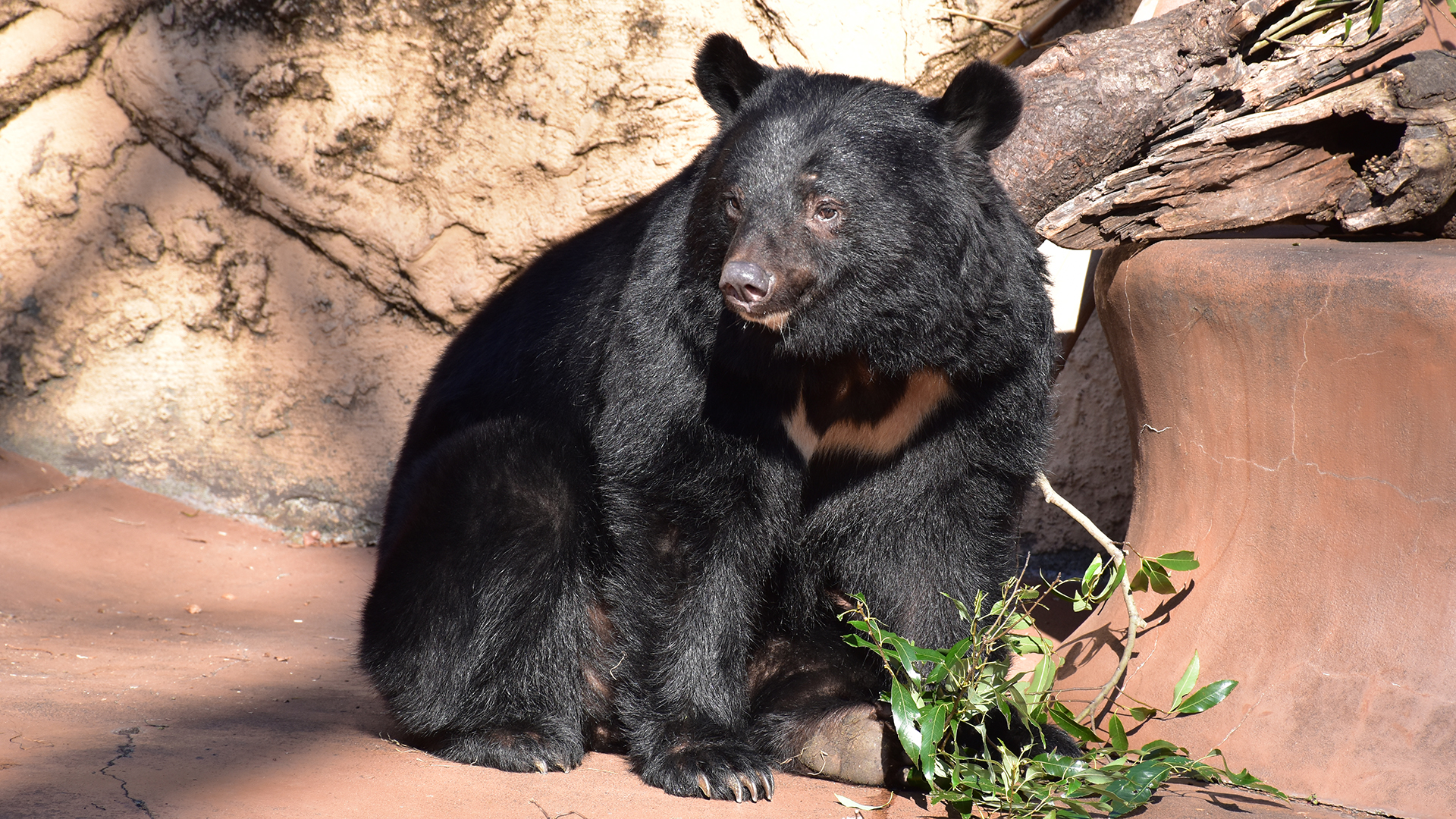
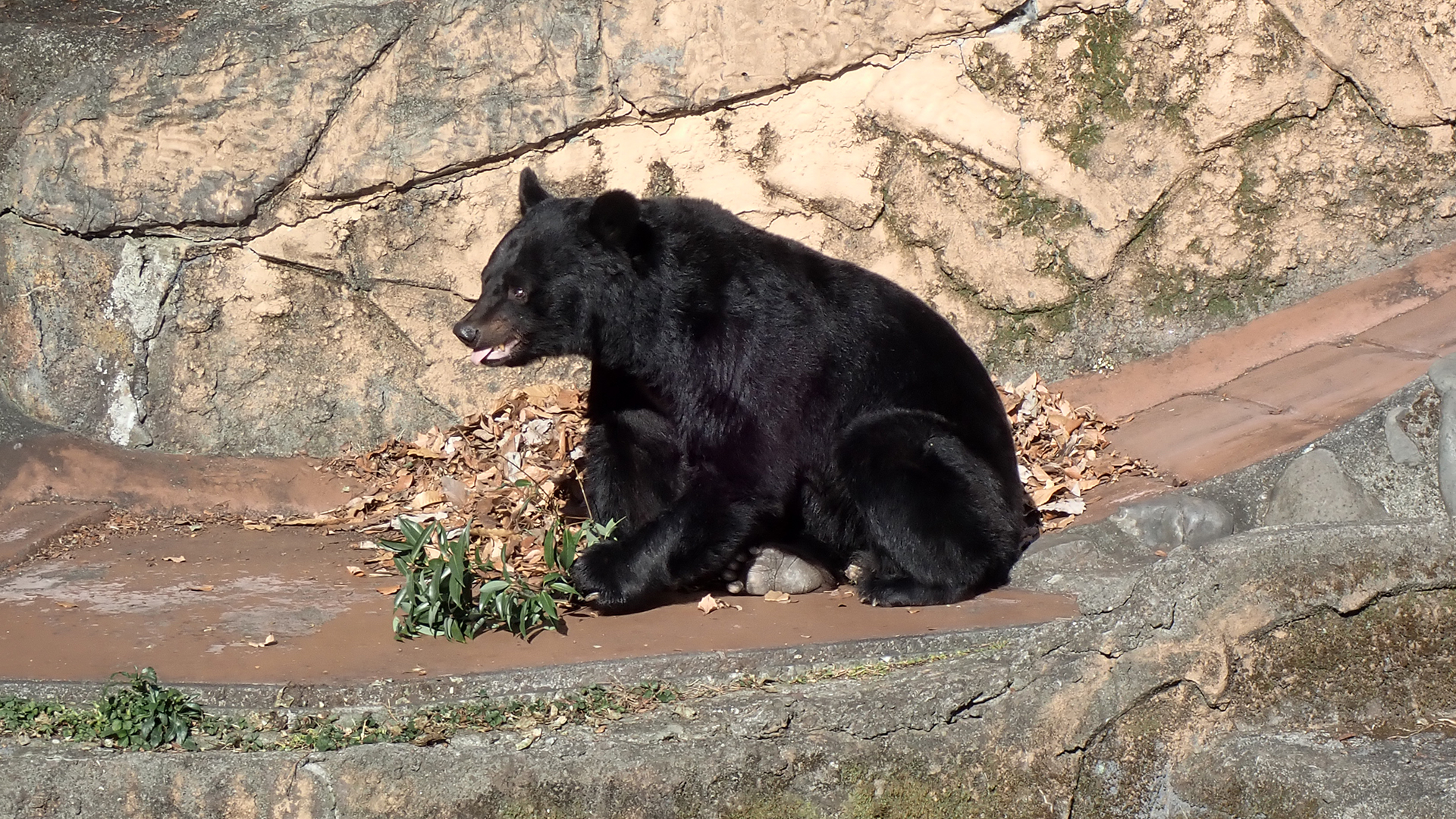
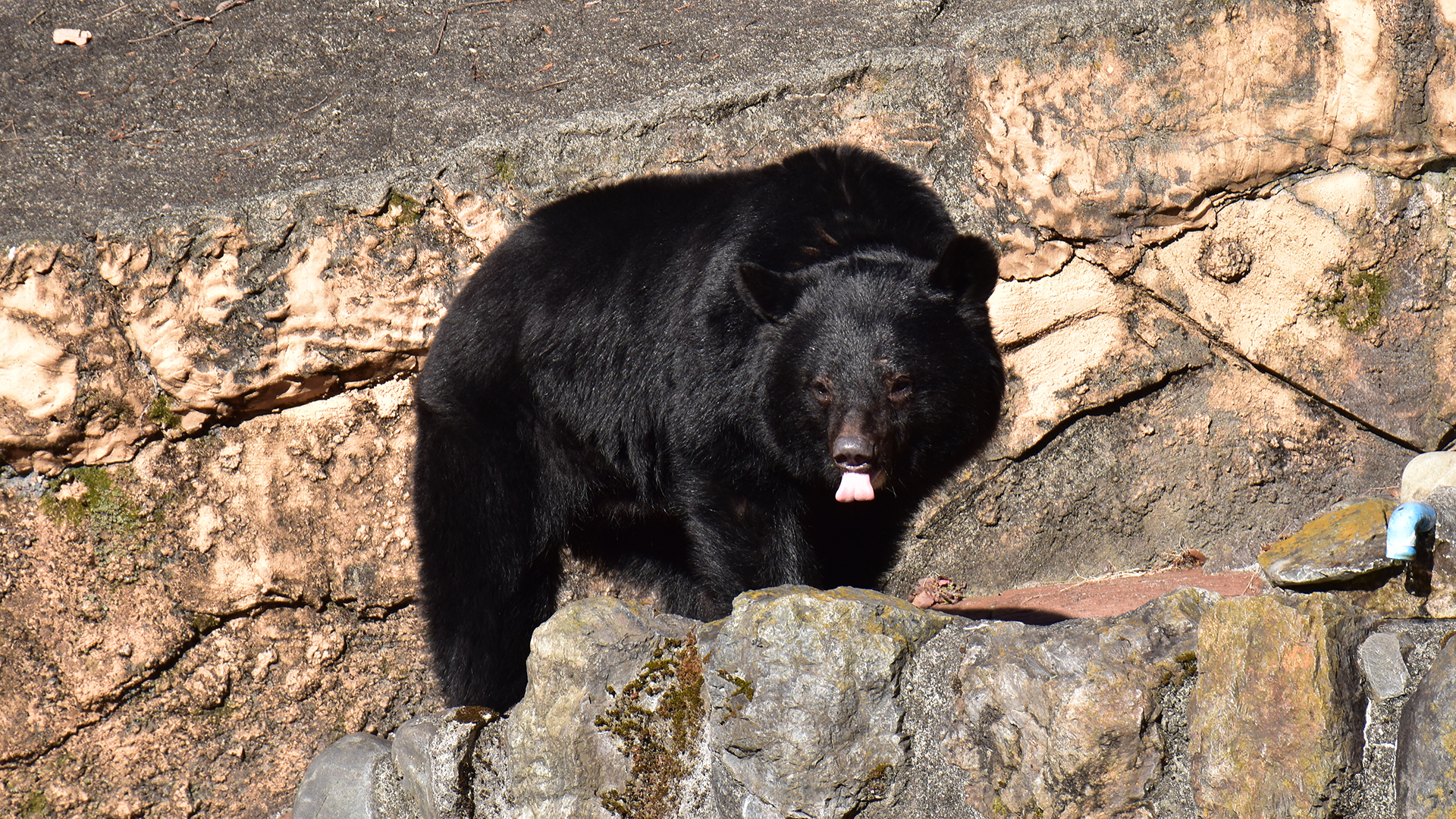
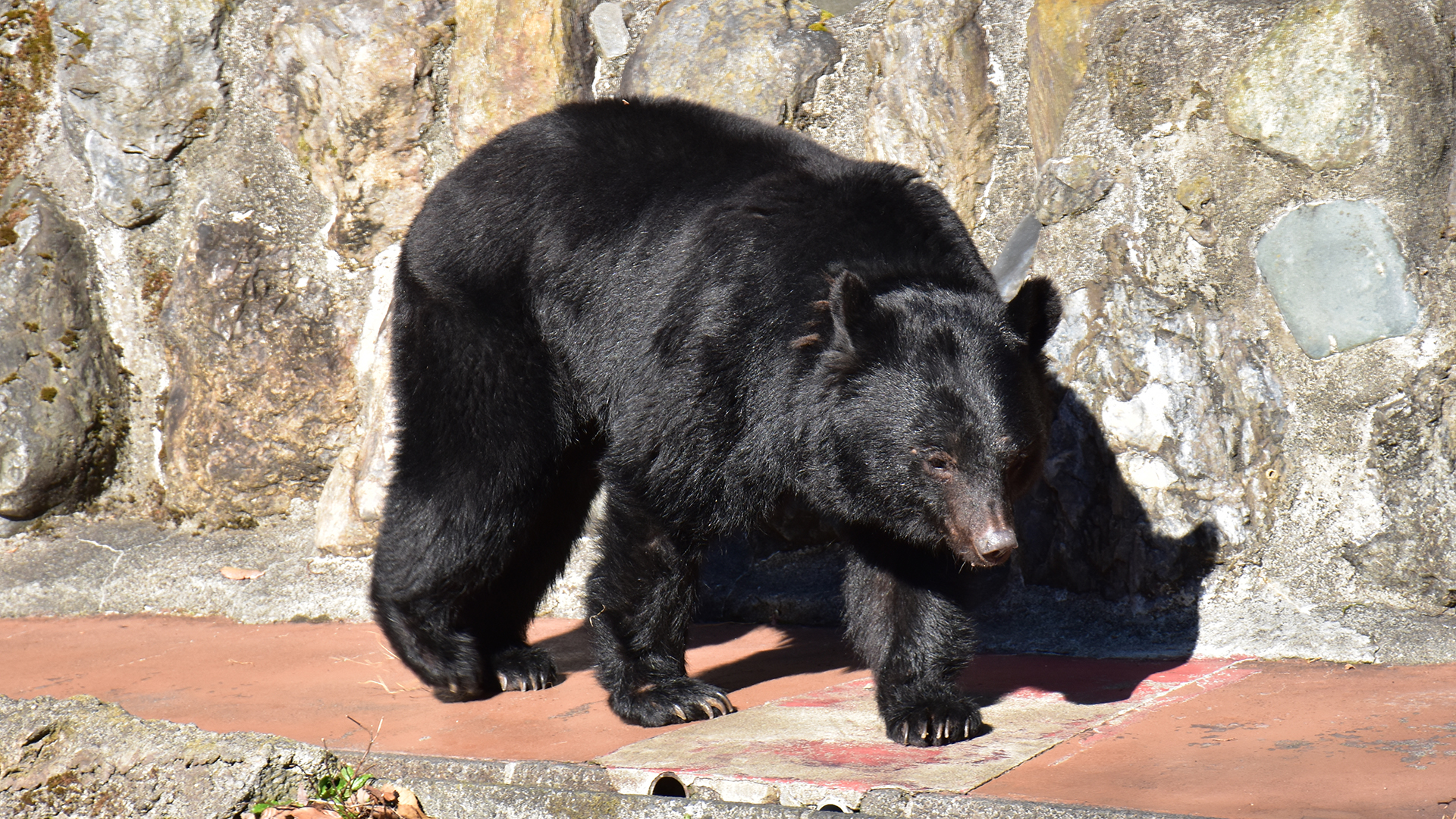
This is a subspecies of Asian Black Bear, which is widely distributed throughout Asia, and lives in the forests of the Tama region of Tokyo. It is named after the crescent-shaped white spot on the chest that most bears have. They eat a lot in the fall to store up fat, and hibernate in the winter. However, their body temperature only drops by a few degrees, and females give birth to two cubs during this time. Their numbers have declined in Chugoku and Shikoku, and they are considered extinct in Kyushu.
| classification | Mammalia, Carnivora, Ursidae |
|---|---|
| English name | Japanese Black Bear |
| distribution | Japan (Honshu, Shikoku) |
| Residence | A diverse forest zone stretching from the foothills to the alpine zone at an altitude of 3,000m |
| Size |
Head and body length: 1.2–1.8 m
Tail length: 7-11 cm Weight: Males 110-150 kg, Females 65-90 kg |
| food | They are omnivorous, feeding on fruits, tree buds, small vertebrates, invertebrates, insects, and carrion. They are more herbivorous than carnivorous. |
| Red List |
IUCN: VU (Very)
Tokyo: NT (near threatened) |
I'm good at climbing trees!
They are much smaller and more agile than Brown Bear, so they often climb trees. Their large, curved, sharp claws and the lack of hair on the soles of their feet make them less slippery, which is extremely useful for climbing trees.