

Zoo Stock Species and the Red List
Zoo Stock Species and the Red List
Zoo Stock

This indicates that the species is included in the Second Zoo Stock Plan, which was formulated by the Tokyo Metropolitan Government in 2018. The plan sets goals for the next 10 years in three areas: "species conservation," "contribution to wildlife conservation," and "environmental education and conservation awareness." 124 animal species are included.
What is the Red List?
Based on scientific research, this is a list of wildlife classified by rank (category) indicating the degree of risk of extinction.
Livng Things Encyclopedia shows the categories (mainland and islands) assessed by the IUCN (International Union for Conservation of Nature) at the global level, the Ministry of the Environment for Japan, and the Tokyo Metropolitan Government for Tokyo.
The higher the category in each table, the higher the risk of extinction, and CR, EN, and VU are the three categories known as "endangered species." In Tokyo, species that are not at the NT (near threatened) level but are relatively rare are considered "species of concern."
|
IUCN categories |
|
|---|---|
|
EX |
extinction |
|
EW |
Extinction in the wild |
|
CR+EN |
— |
|
CR |
Serious crisis |
|
EN |
crisis |
|
VU |
emergency |
|
NT |
Near Threatened |
|
LC・○ |
Low Concern |
|
DD |
Data shortage |
|
LP |
— |
|
Japan (Ministry of the Environment) Category |
|
|---|---|
|
EX |
extinction |
|
EW |
Extinction in the wild |
|
CR+EN |
Endangered species |
|
CR |
Critically Endangered |
|
EN |
Endangered species |
|
VU |
Endangered species |
|
NT |
Near Threatened |
|
LC・○ |
— |
|
DD |
Lack of information |
|
LP |
Endangered |
|
Tokyo Category |
|
|---|---|
|
EX |
extinction |
|
EW |
Extinction in the wild |
|
CR+EN |
Endangered species |
|
CR |
Critically Endangered |
|
EN |
Endangered species |
|
VU |
Endangered species |
|
NT |
Near Threatened |
|
LC・○ |
Unranked |
|
DD |
Lack of information |
|
LP |
Endangered |
Creatures at Ueno Zoo
Creatures at Ueno Zoo

Japanese Macaque
Subspecies: Japanese Macaque
Japanese Macaque
Subspecies: Japanese MacaqueMacaca fuscata fuscata
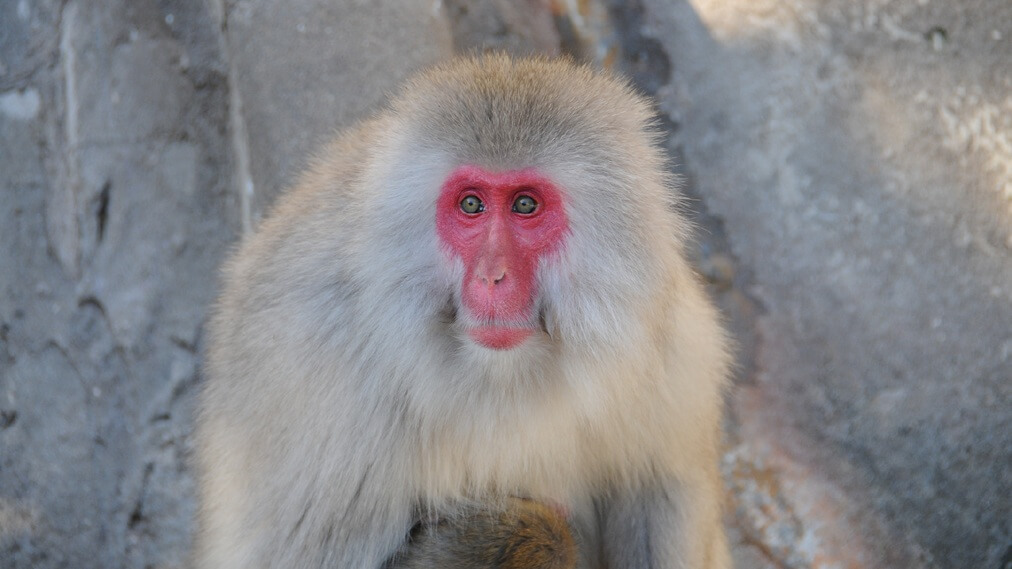
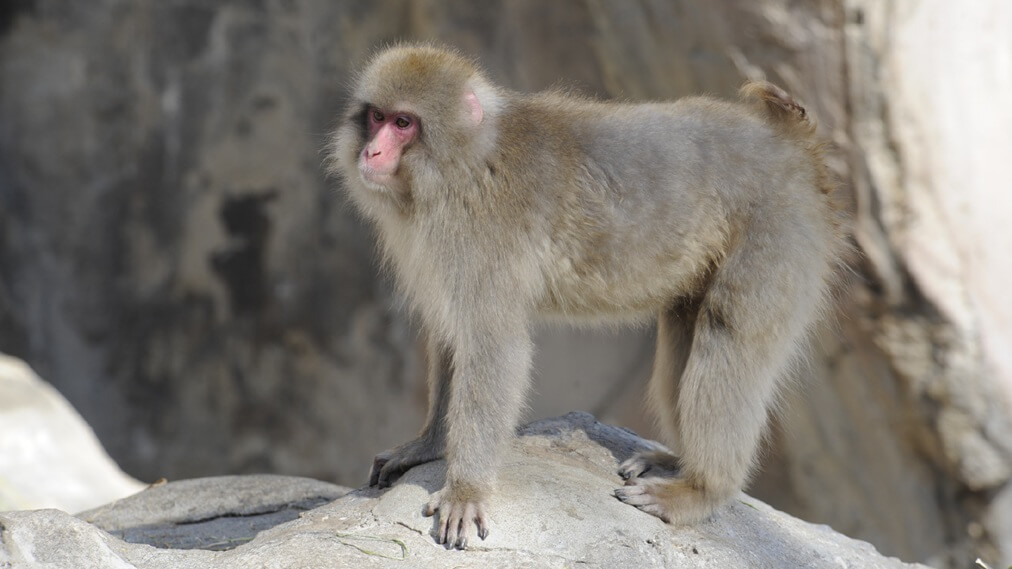
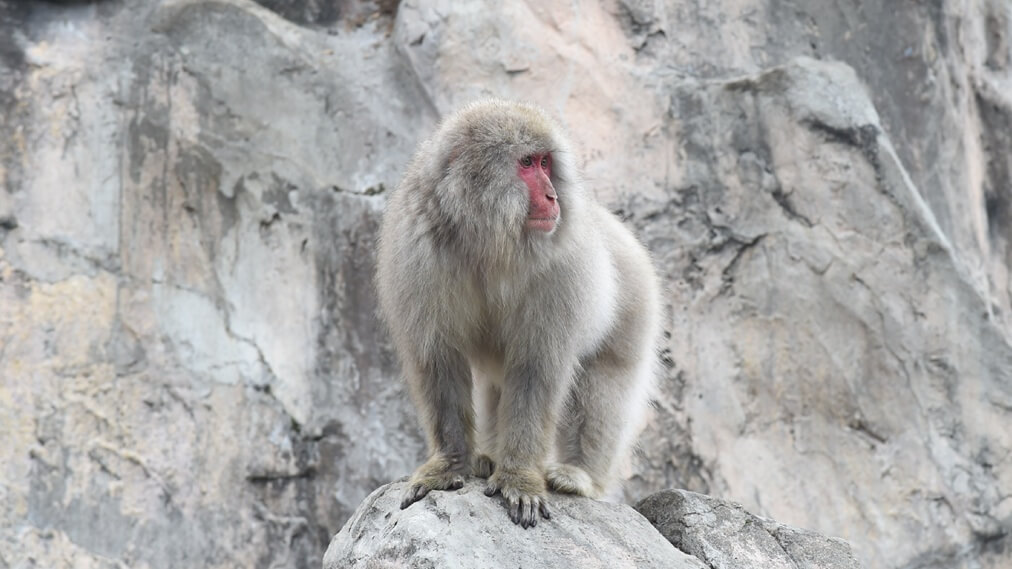
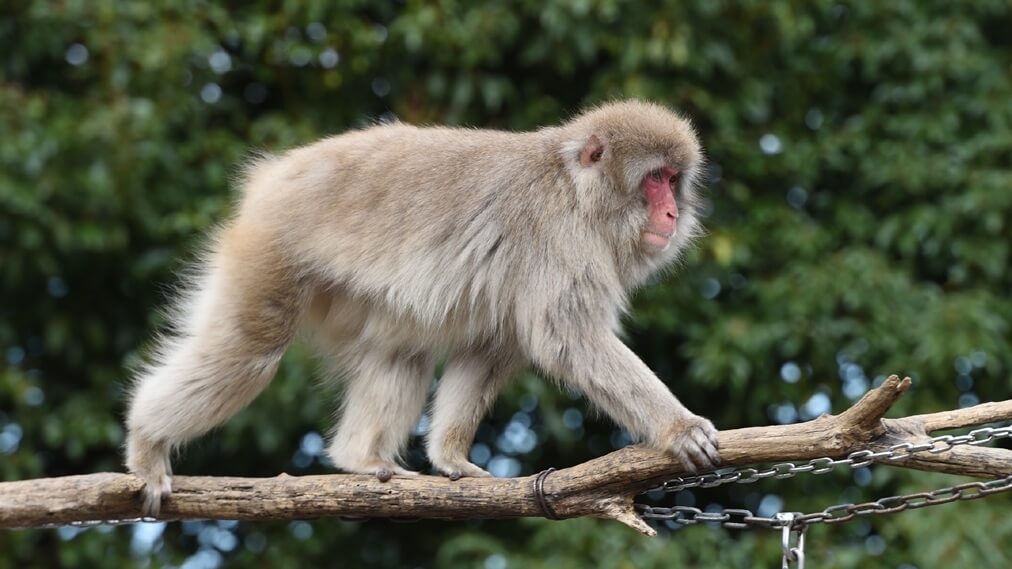
Their faces and rump are red, and become especially vibrant during mating season from autumn to winter. They live in groups consisting of multiple males, multiple females, and their young. There is a hierarchy, but no "boss" who rules the group. They are omnivorous, but mainly eat plant-based foods such as fruit, seeds, and leaves.
| classification | Mammalia, Primates, Azure-winged Magpie |
|---|---|
| English name | Japanese Macaque |
| distribution | Japan (Honshu, Shikoku, Kyushu) |
| Residence | forest |
| Size |
Head and body length: Males 50-60cm, females 48-55cm
Weight: Males 10-18 kg, females 8-16 kg Tail length: 6-13cm |
| food | They mainly eat the fruits of woody plants, as well as hard fruits and seeds such as acorns, young leaves and flowers of woody plants, mushrooms, mature leaves of woody plants, stems, leaves, flowers, and seeds of herbs, and in winter they eat the bark of woody plants. |
| Red List |
IUCN: LC (Least Concern)
Japan: LP (Local Population at Risk of Extinction) Tokyo: NT (near threatened) |
What kind of tail?
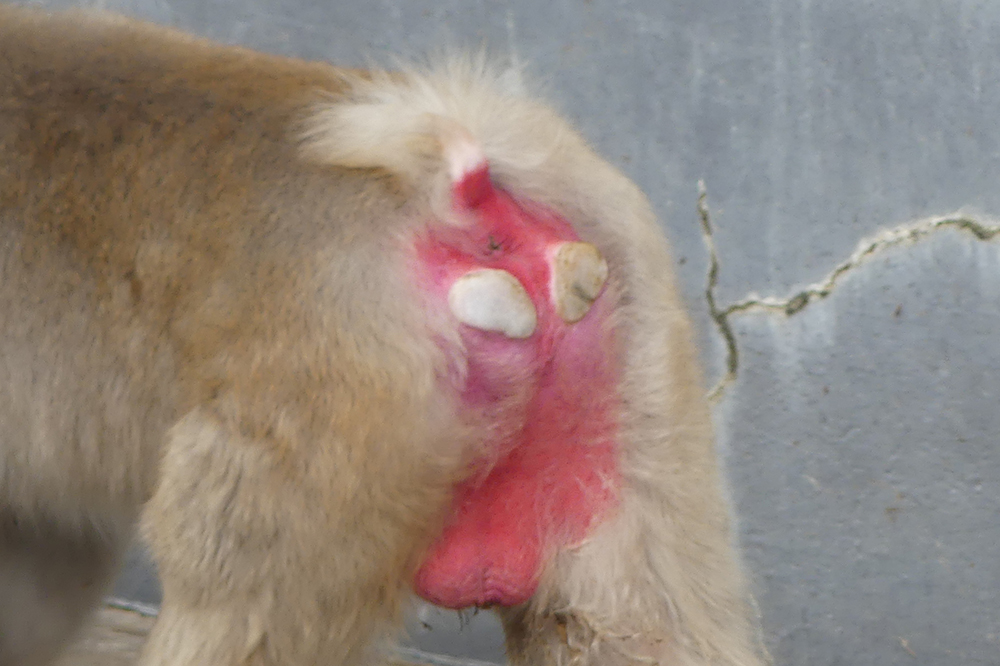
Although it is a member of Azure-winged Magpie, it has a short tail. Unlike the warm countries where other monkeys live, Japan gets cold in the winter, so it is thought that a long, thin tail would take away body heat. When they are excited, they will stand up their tail, so pay attention to the angle of their tail.
What are you looking at?
Because they live in groups, they are always watching their friends closely. They decide how to move based on the actions of the other monkeys, for example, giving up their place to a stronger monkey.
cry
Along with a wide range of facial expressions, more than 30 different sounds have been reported, including shouts, roars, whispers, and calls.