

Zoo Stock Species and the Red List
Zoo Stock Species and the Red List
Zoo Stock

This indicates that the species is included in the Second Zoo Stock Plan, which was formulated by the Tokyo Metropolitan Government in 2018. The plan sets goals for the next 10 years in three areas: "species conservation," "contribution to wildlife conservation," and "environmental education and conservation awareness." 124 animal species are included.
What is the Red List?
Based on scientific research, this is a list of wildlife classified by rank (category) indicating the degree of risk of extinction.
Livng Things Encyclopedia shows the categories (mainland and islands) assessed by the IUCN (International Union for Conservation of Nature) at the global level, the Ministry of the Environment for Japan, and the Tokyo Metropolitan Government for Tokyo.
The higher the category in each table, the higher the risk of extinction, and CR, EN, and VU are the three categories known as "endangered species." In Tokyo, species that are not at the NT (near threatened) level but are relatively rare are considered "species of concern."
|
IUCN categories |
|
|---|---|
|
EX |
extinction |
|
EW |
Extinction in the wild |
|
CR+EN |
— |
|
CR |
Serious crisis |
|
EN |
crisis |
|
VU |
emergency |
|
NT |
Near Threatened |
|
LC・○ |
Low Concern |
|
DD |
Data shortage |
|
LP |
— |
|
Japan (Ministry of the Environment) Category |
|
|---|---|
|
EX |
extinction |
|
EW |
Extinction in the wild |
|
CR+EN |
Endangered species |
|
CR |
Critically Endangered |
|
EN |
Endangered species |
|
VU |
Endangered species |
|
NT |
Near Threatened |
|
LC・○ |
— |
|
DD |
Lack of information |
|
LP |
Endangered |
|
Tokyo Category |
|
|---|---|
|
EX |
extinction |
|
EW |
Extinction in the wild |
|
CR+EN |
Endangered species |
|
CR |
Critically Endangered |
|
EN |
Endangered species |
|
VU |
Endangered species |
|
NT |
Near Threatened |
|
LC・○ |
Unranked |
|
DD |
Lack of information |
|
LP |
Endangered |
Creatures at Ueno Zoo
Creatures at Ueno Zoo

Western Gorilla
Subspecies: Western Lowland Gorilla
Western Gorilla
Subspecies: Western Lowland GorillaGorilla gorilla gorilla
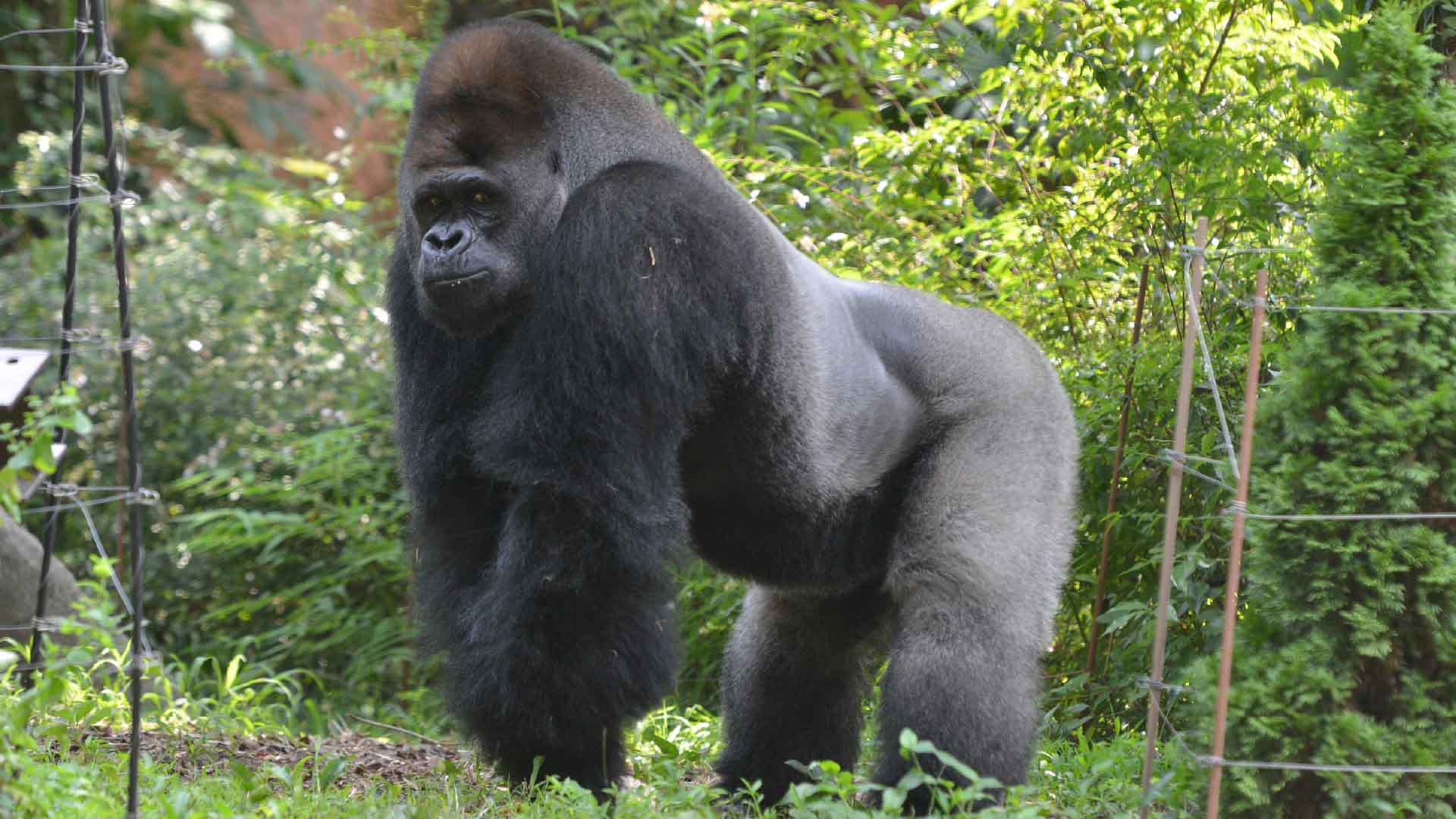
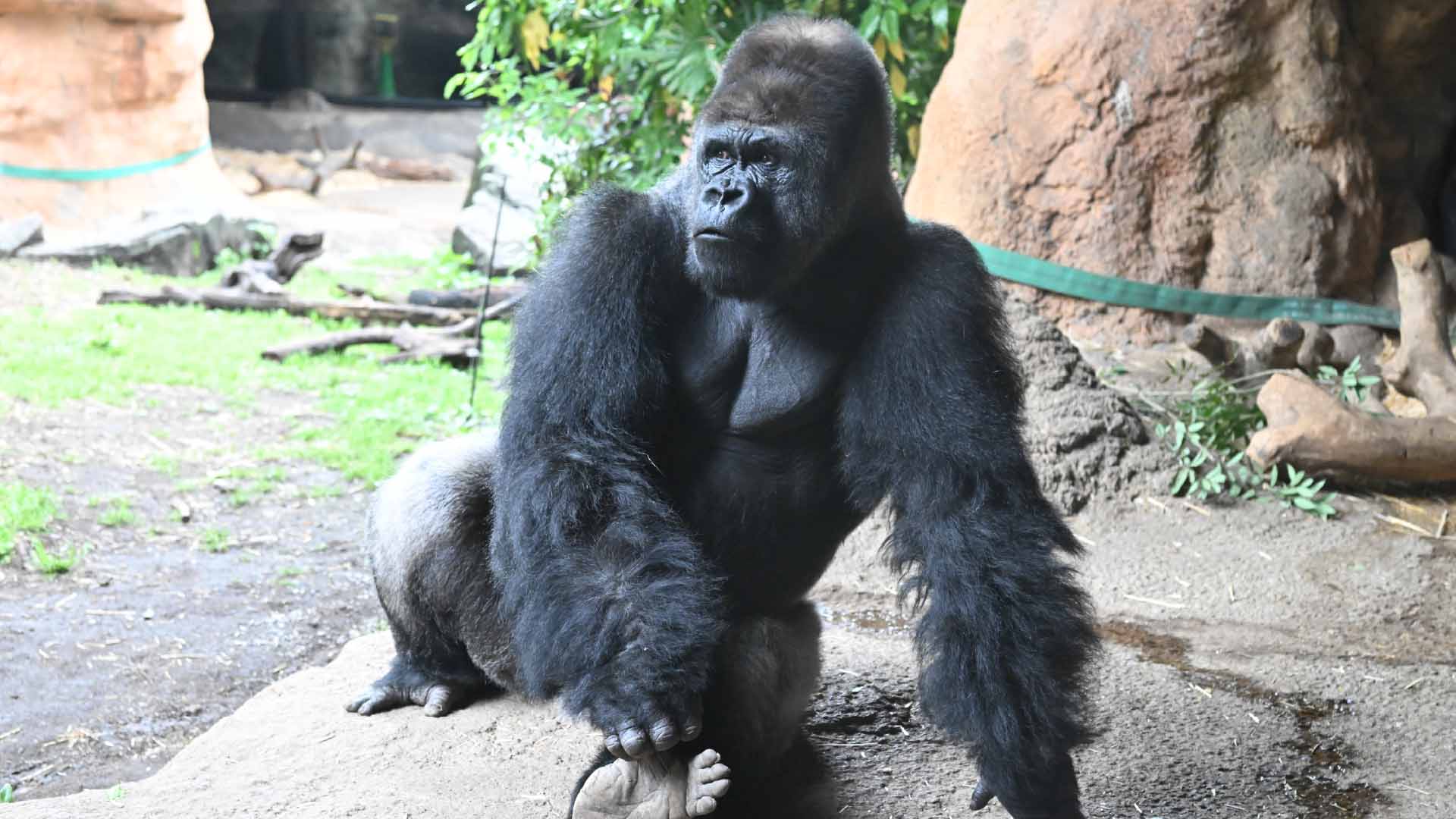
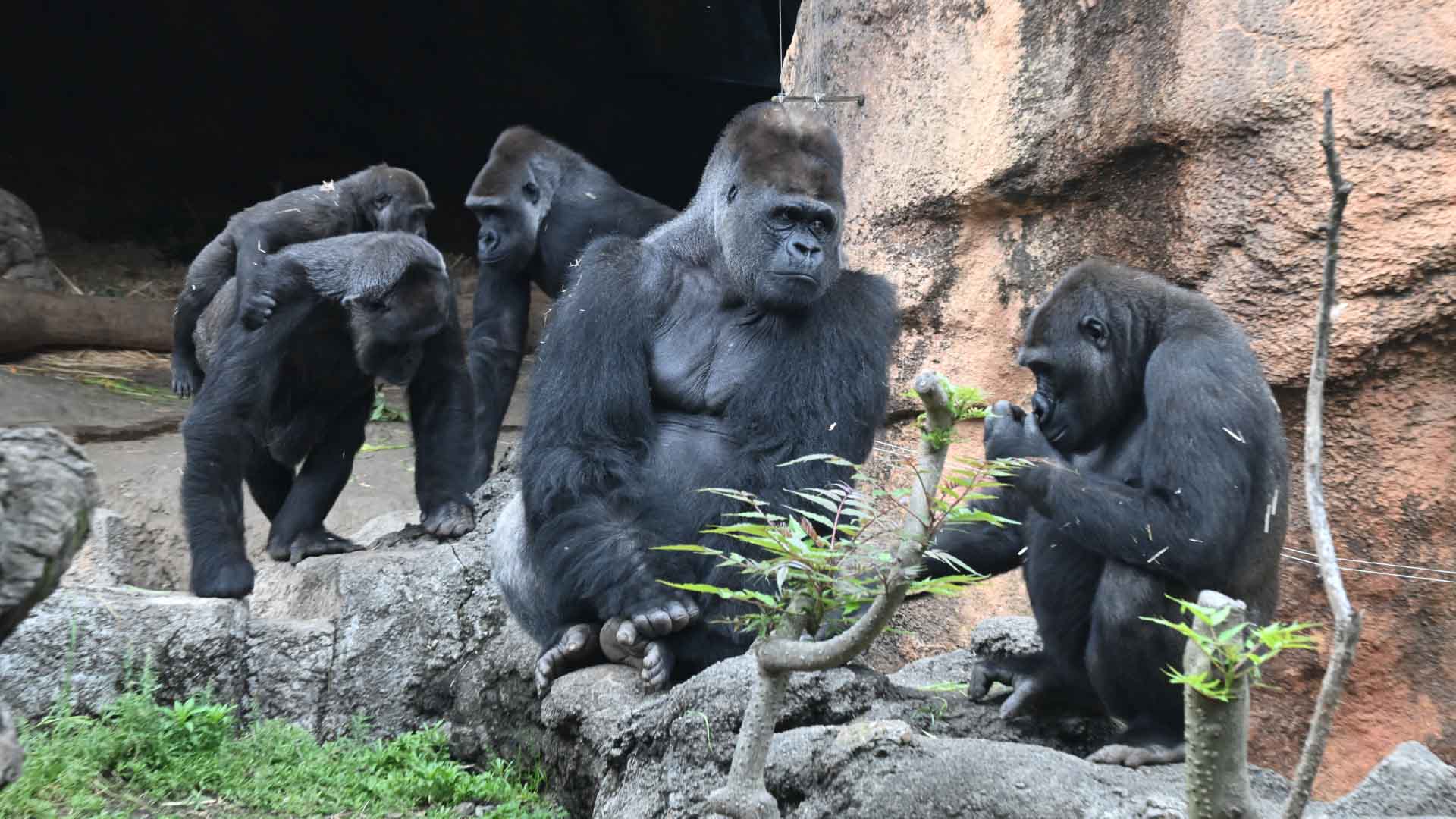
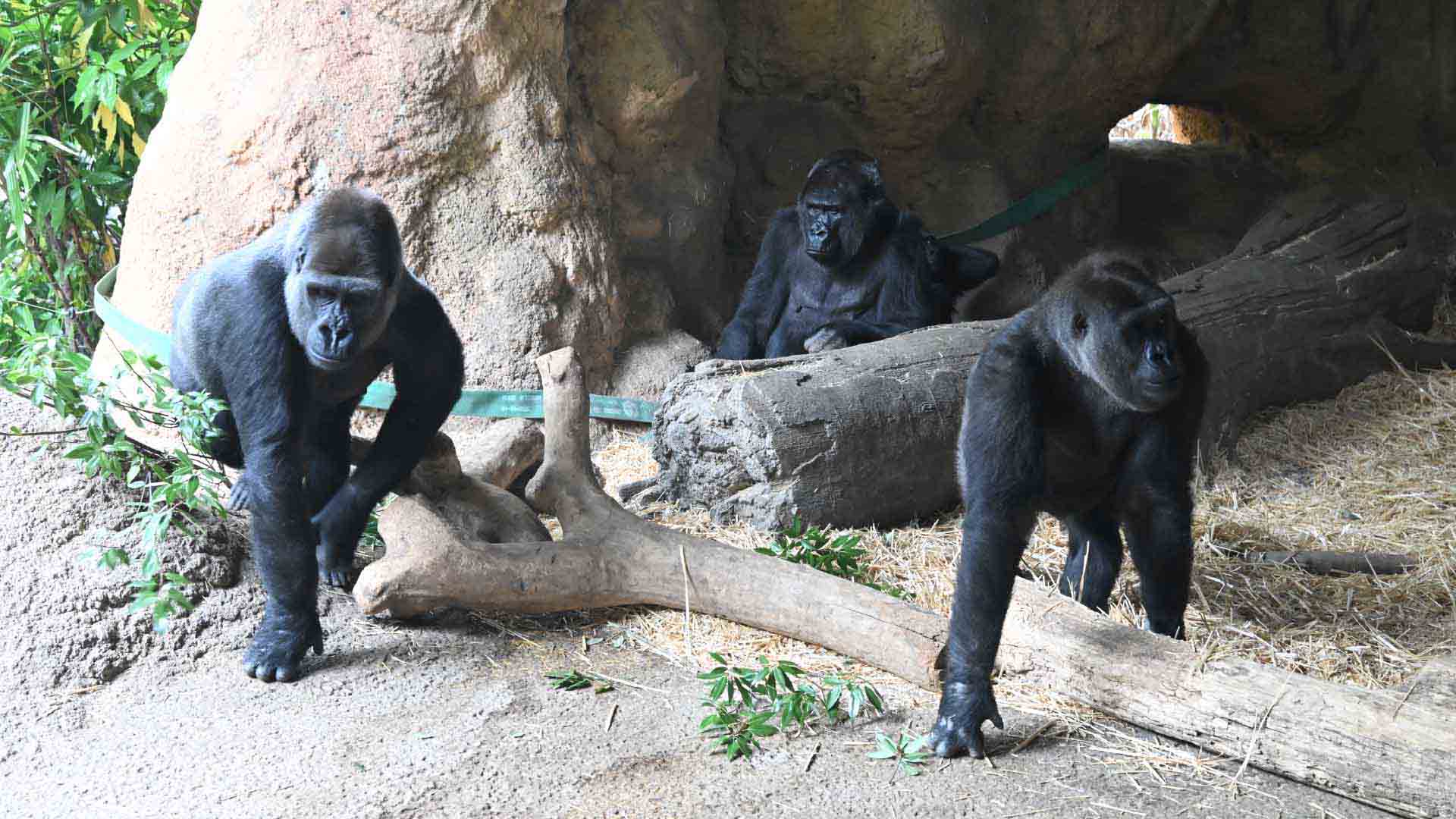
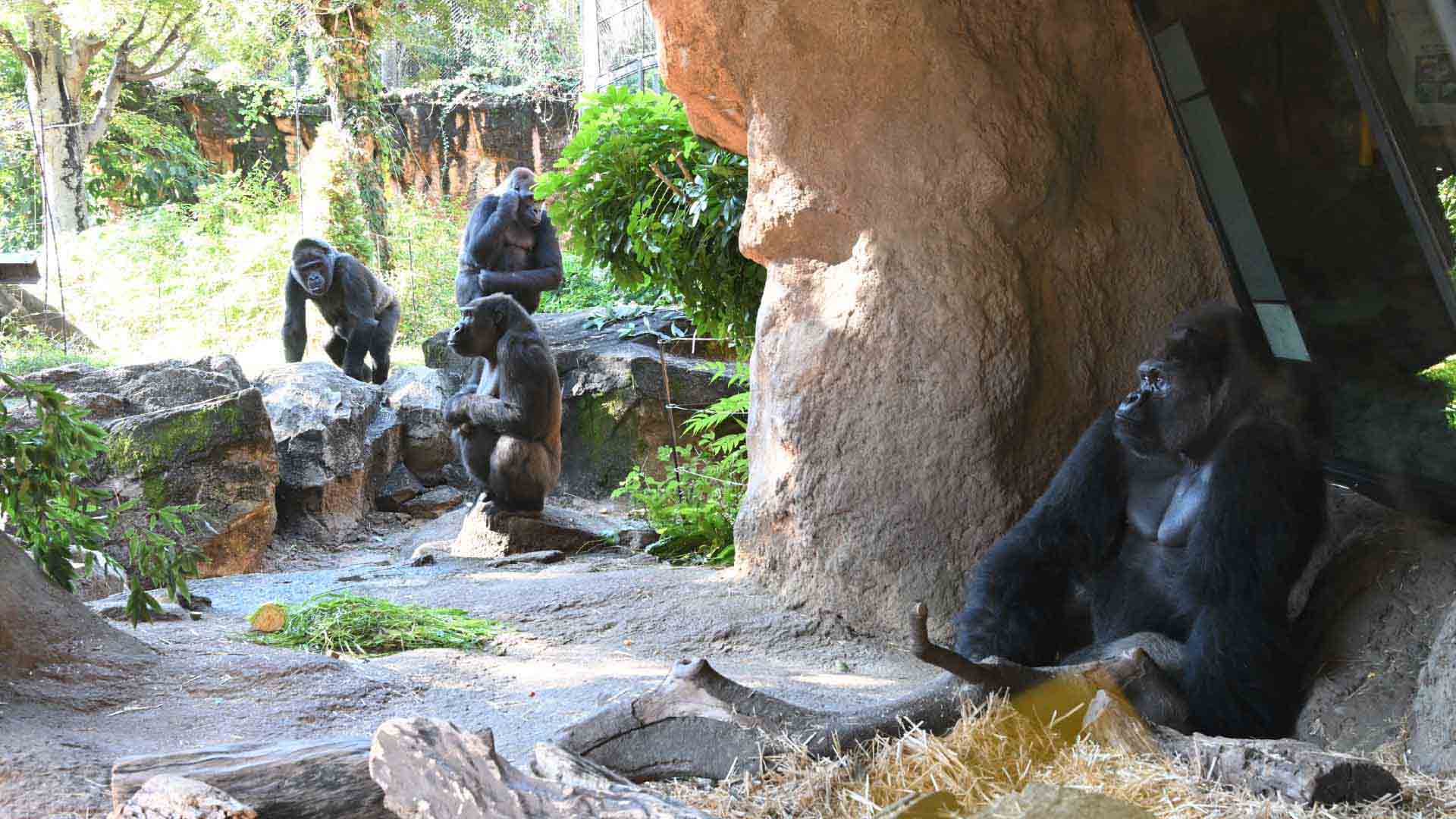
They are the largest of all monkeys, including humans. In the wild, they mainly eat plant leaves and stems, and almost never eat animal matter. They live in groups consisting of one male and several females and children. They spend most of their time on the ground and walk on all fours. They move using a walking style known as "knuckle walking," in which they place the soles of their hind feet and the outer joints of their front toes on the ground.
| classification | Mammalia, Primates, Hominidae |
|---|---|
| English name | Western Lowland Gorilla |
| distribution | West to central Central Africa (Nigeria, Cameroon, Central African Republic, Equatorial Guinea, Gabon, Republic of the Congo, Angola, Democratic Republic of the Congo) |
| Residence | forest |
| Size |
Height: 1.7m or less
Weight: Male 140-160kg |
| food | They are primarily herbivorous, feeding mainly on herbaceous plants and vines, as well as leaves, stems, bark, roots, flowers, fruits, and insects. |
| Red List |
IUCN: Critically Endangered
|
Let's look for a male
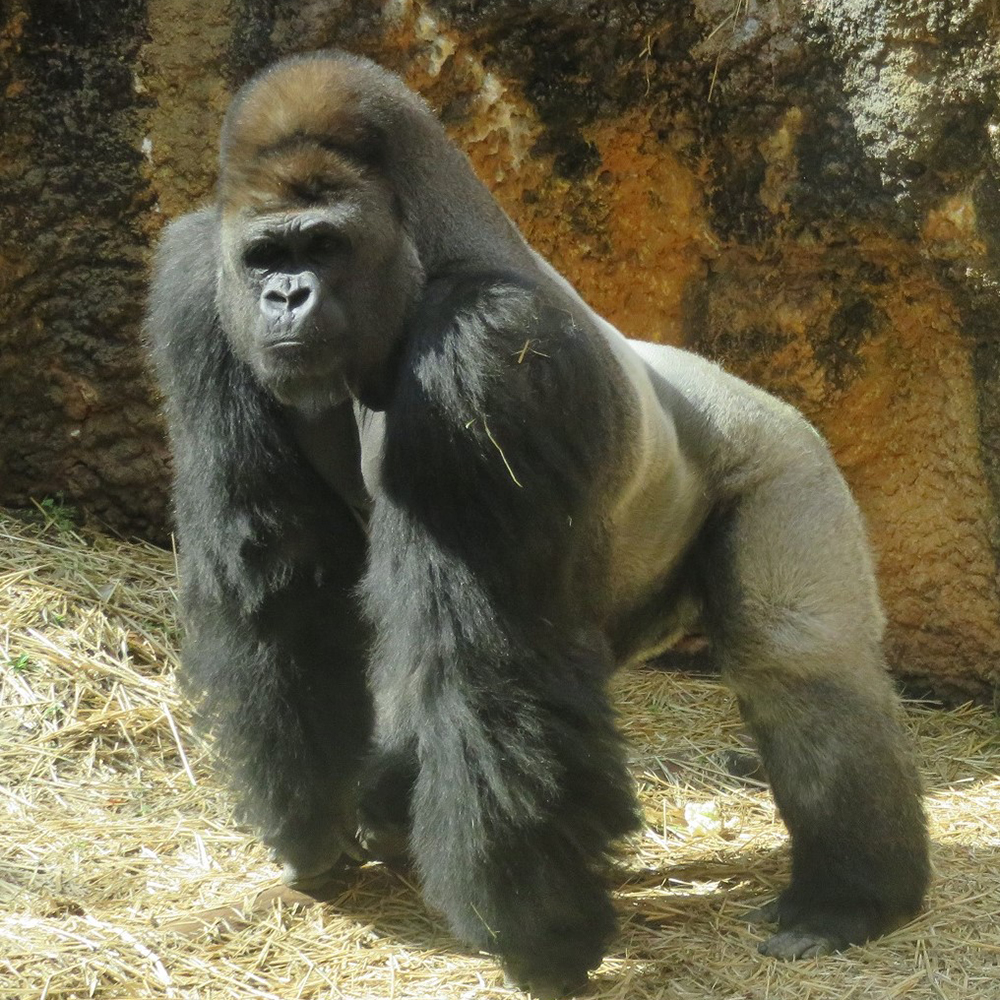
Males weigh around 200 kg, about twice the size of females. Their forelegs are covered in thick fur, and their backs shine with a silvery sheen, earning them the name "silverback." This combination of strength and beauty attracts females.
bulging head
In order to firmly chew the tough plant fibers, their jaw muscles are thick and extend all the way to the top of their head, making their head appear to be raised. If you look closely while they are eating, you can see this part moving up and down.
The relationship between rare metals and gorillas
The forests where gorillas live are being destroyed by mining for rare metals. Furthermore, people who enter the forests to mine gorilla meat sometimes use the gorillas for meat. These rare metals are used in Kawakawa, computers, and other devices.
cry
They make a variety of sounds, including cough-like sounds, burp-like sounds, playful sounds, sounds before drumming (a chest-beating vocalization), humming-like sounds while eating, and threatening sounds.