
Wildlife Conservation Project
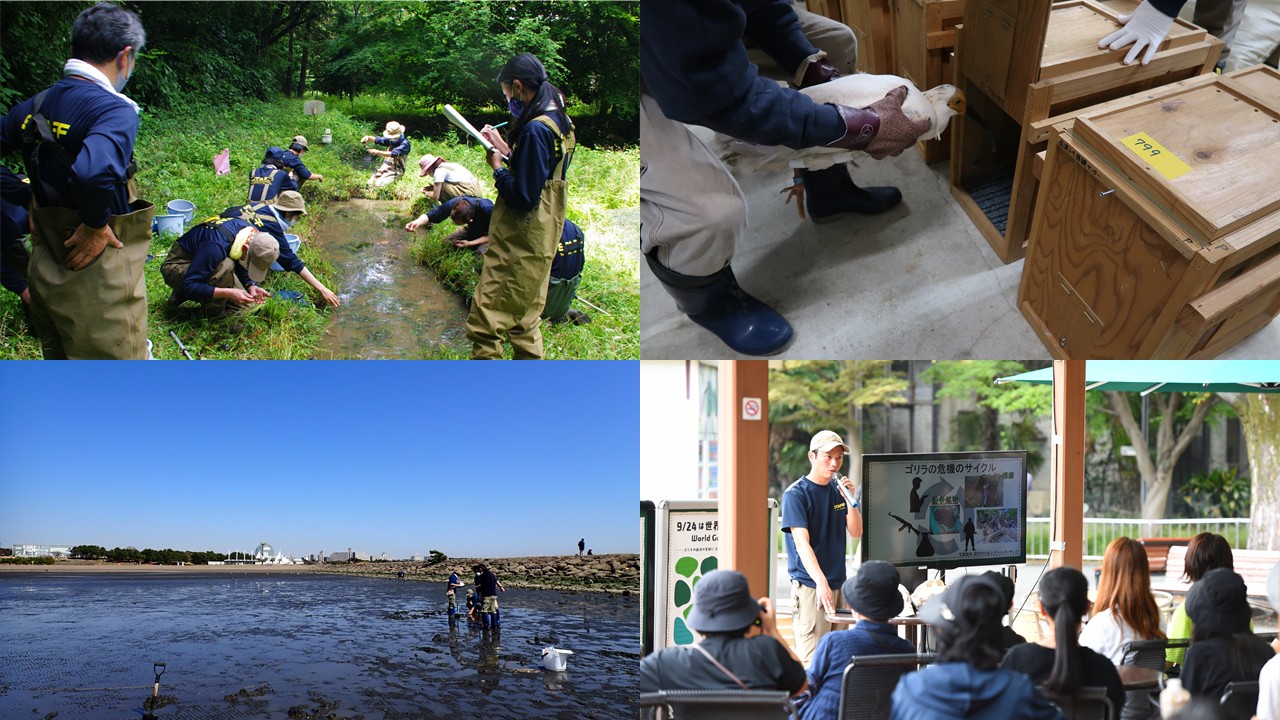
Many wildlife species are at risk of extinction, and the risk has increased in recent years.
Tokyo Metropolitan Zoos and Aquariums are promoting Wildlife Conservatio Center as part of the "Wildlife Conservation Project," which includes in-situ conservation activities, collaboration with external organizations such as the Ministry of the Environment and other groups, original surveys and research, and public awareness campaigns.
in situ conservation
in situ conservation
In-situ conservation activities are efforts to prevent extinction by removing factors that reduce the natural environment of a species' original habitat, thereby ensuring the necessary environment for its survival.
Within Tokyo, much of the natural environment remains in the Tama area and the islands, and is home to wild animals and plants designated as endangered species.
At Tokyo Metropolitan Zoos and Aquariums, staff members actually visit the habitats to carry out activities such as improving the living environment and conducting surveys of wild individuals.
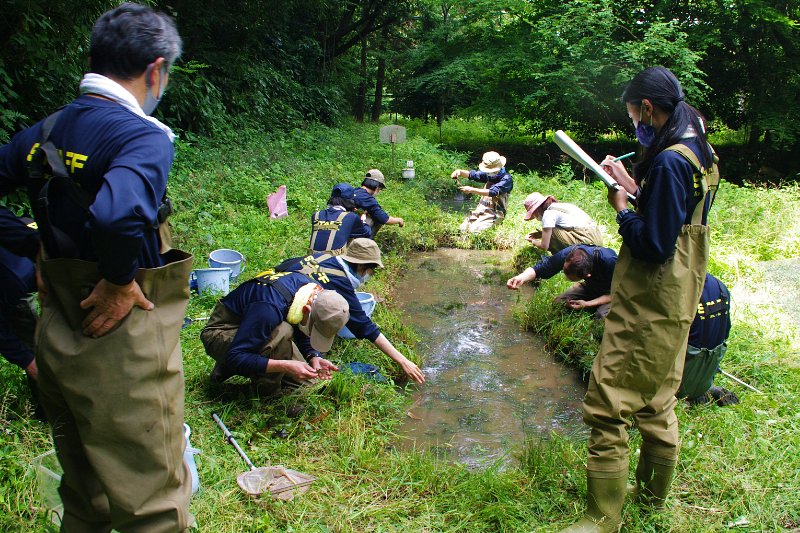
In-situ conservation of Japanese Newt in the Tama region
To protect Japanese Newt, which has become rare in Tokyo, we are conducting habitat surveys and improving spawning environments in research areas in the Tama region.
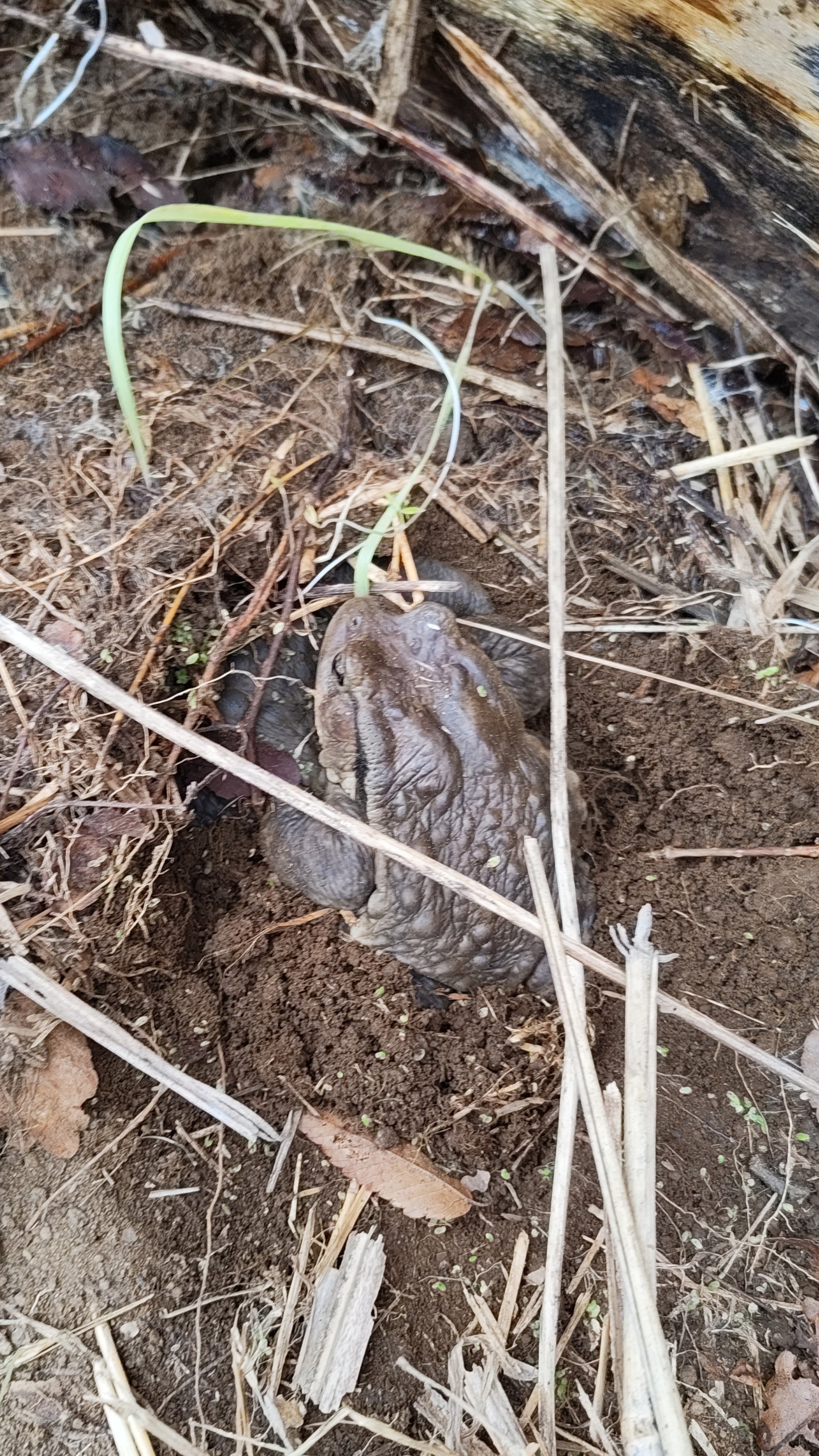
Surveying toads and developing breeding habitats at Tama Zoo
Regarding toads, which have recently become less common, we are investigating their breeding status within Tama Zoo and preparing water areas for them to breed.
Collaboration with external organizations
Collaboration with external organizations
We contribute to the conservation of wild populations of species such as Rock Ptarmigan, Crested Ibis, and Tsushima Leopard Cat by collaborating with the Ministry of the Environment's conservation and breeding programs and other conservation activities of other organizations and organisations, including captive breeding and the development of breeding techniques.
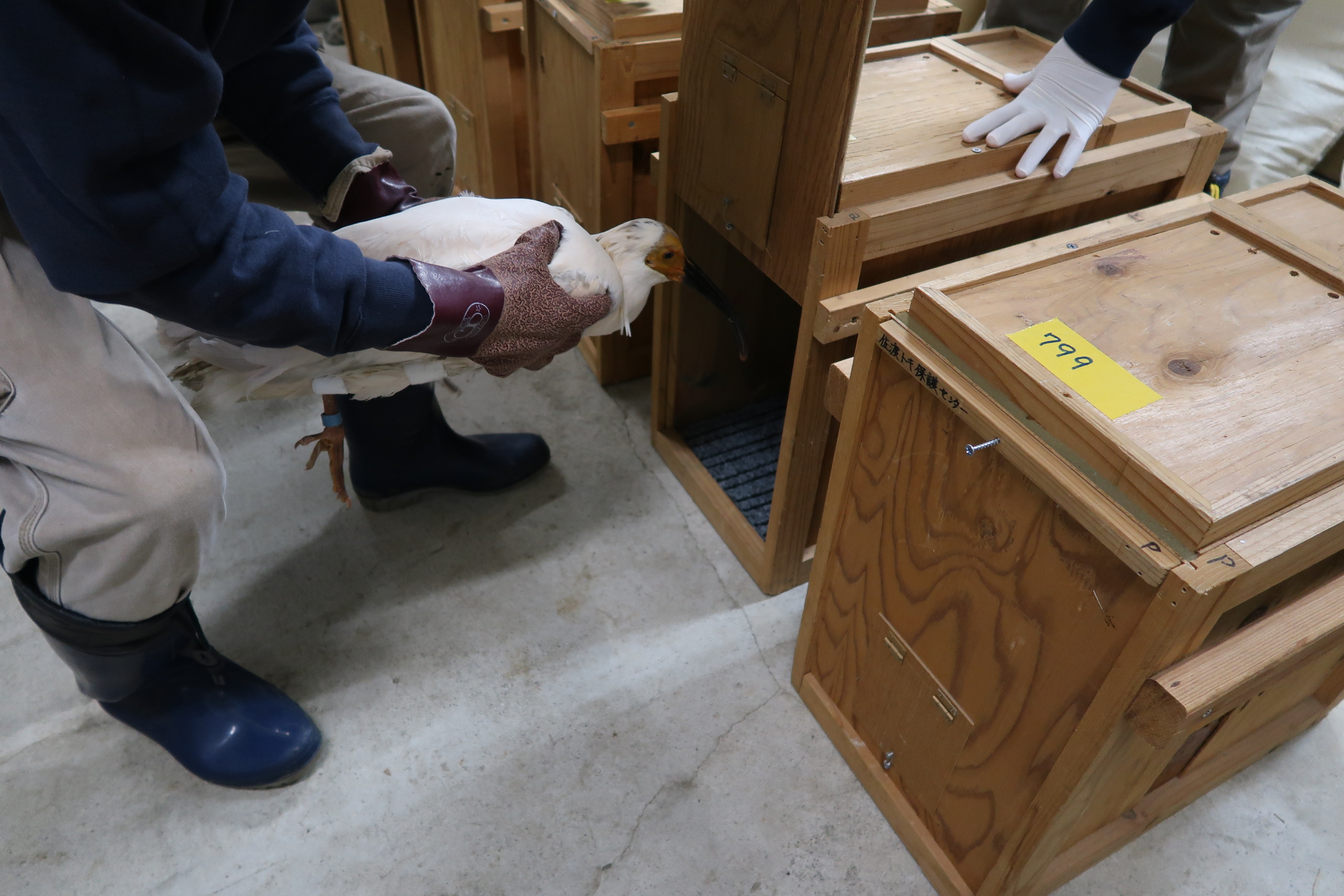
Cooperating with Crested Ibis Release Plan by Raising Captive Ibises
In order to cooperate with the Ministry of the Environment's plan to reintroduce Crested Ibis ibises into the wild, we are working to raise individuals to be released into the wild.
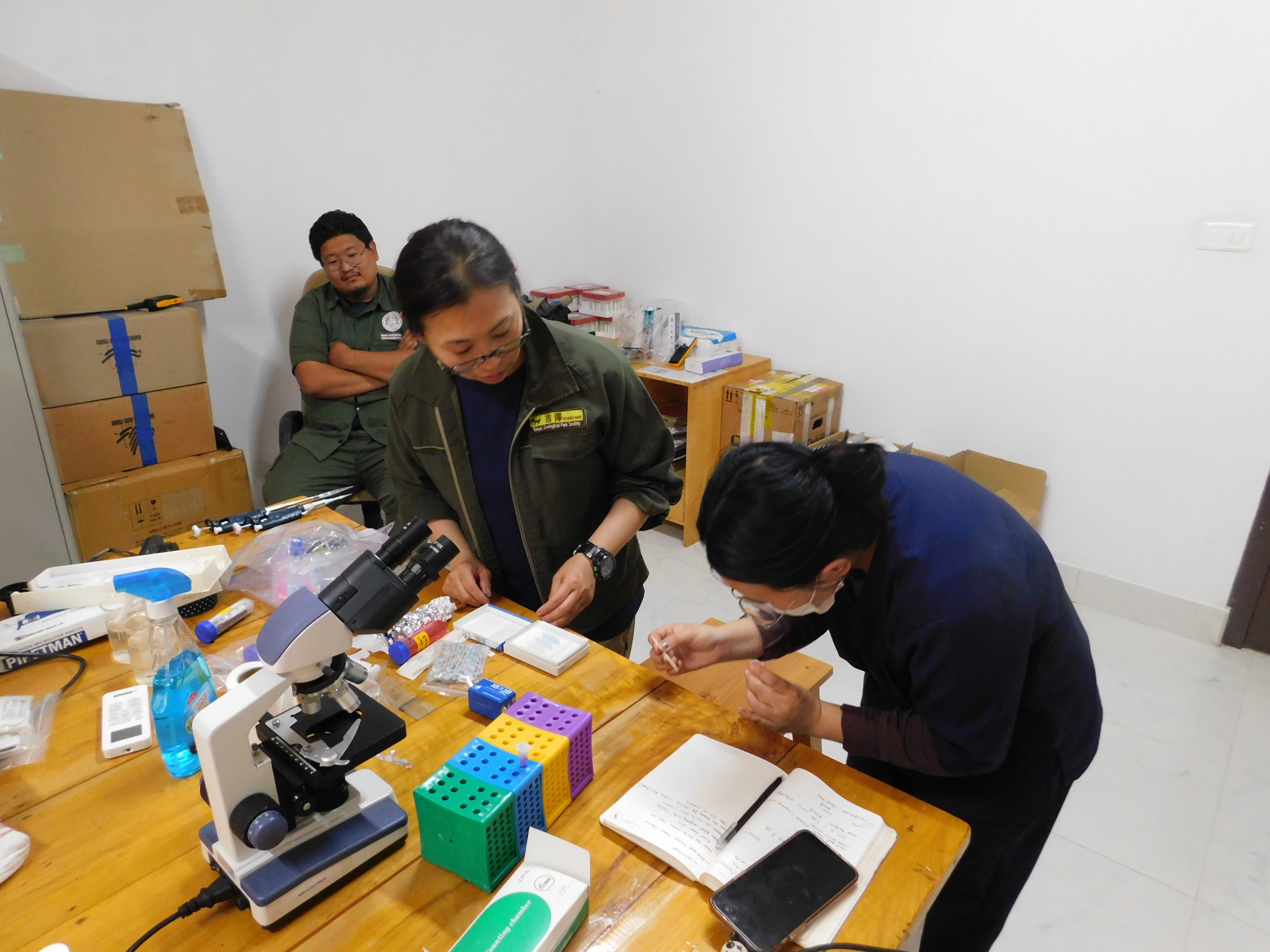
Technical support to Bhutan for white-bellied heron conservation
We provide technical support to the Kingdom of Bhutan, which is working on ex-situ conservation of the White-bellied Heron, a species with only about 60 individuals remaining in the world, through the dispatch of staff and the acceptance of trainees.
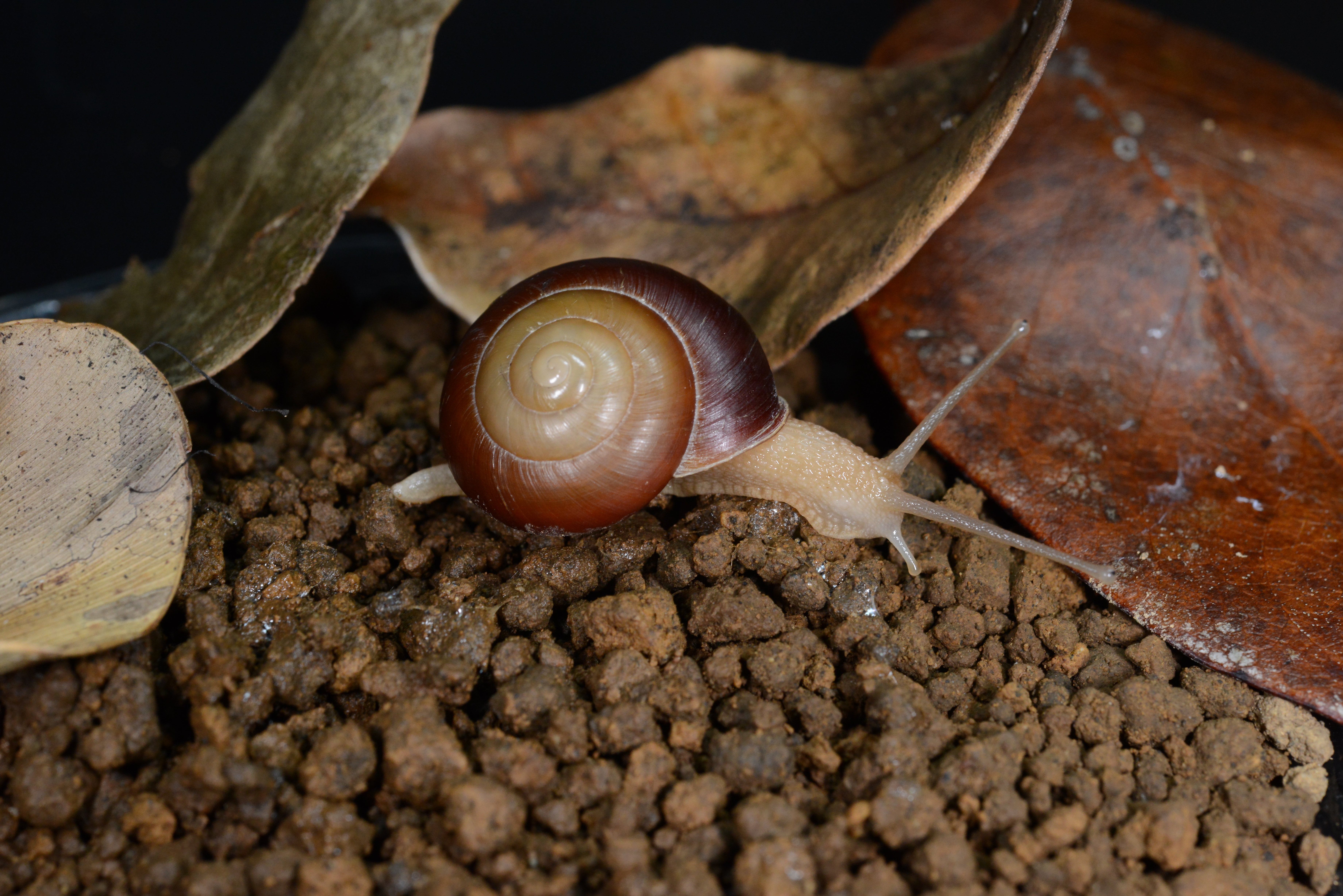
Cooperation in the conservation of land snails endemic to the Ogasawara Islands
We are cooperating with the Ministry of the Environment's plan to protect rare land snails (a type of snail) that live only on the Ogasawara Islands from the risk of extinction.
Research and studies
Research and studies
We collect physiological and ecological data on captive animals and survey organisms living in nearby environments to gather knowledge necessary for wildlife conservation, and we collaborate with universities and other institutions to publish the results.
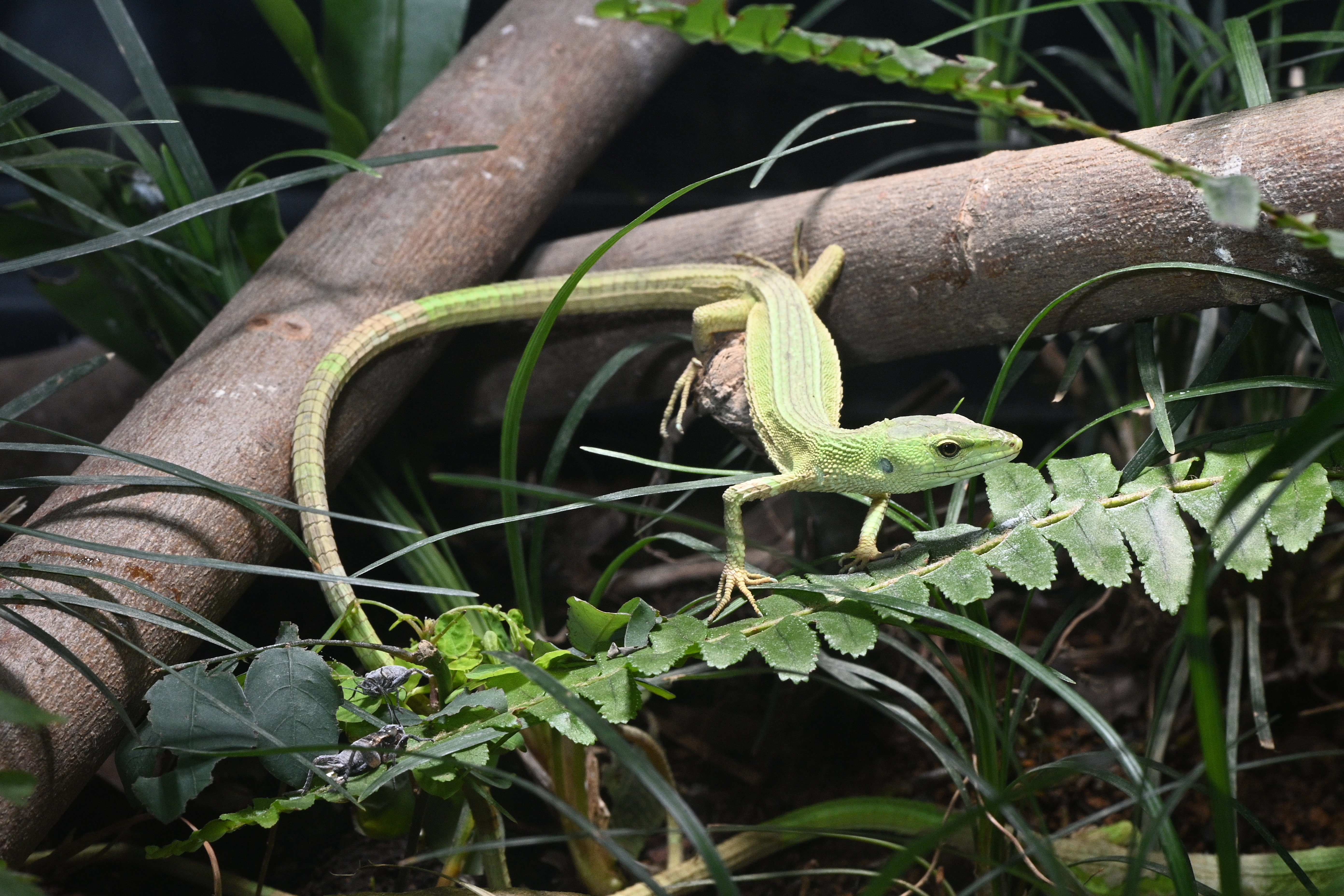
Research and studies on captive Miyako Grass Lizard grasshoppers that will contribute to their return to the wild
We are contributing to the return of Miyako Grass Lizard to the wild through research that can only be done in captivity, such as investigating spawning sites that are unknown in the wild and comparing the athletic abilities of wild and captive individuals.
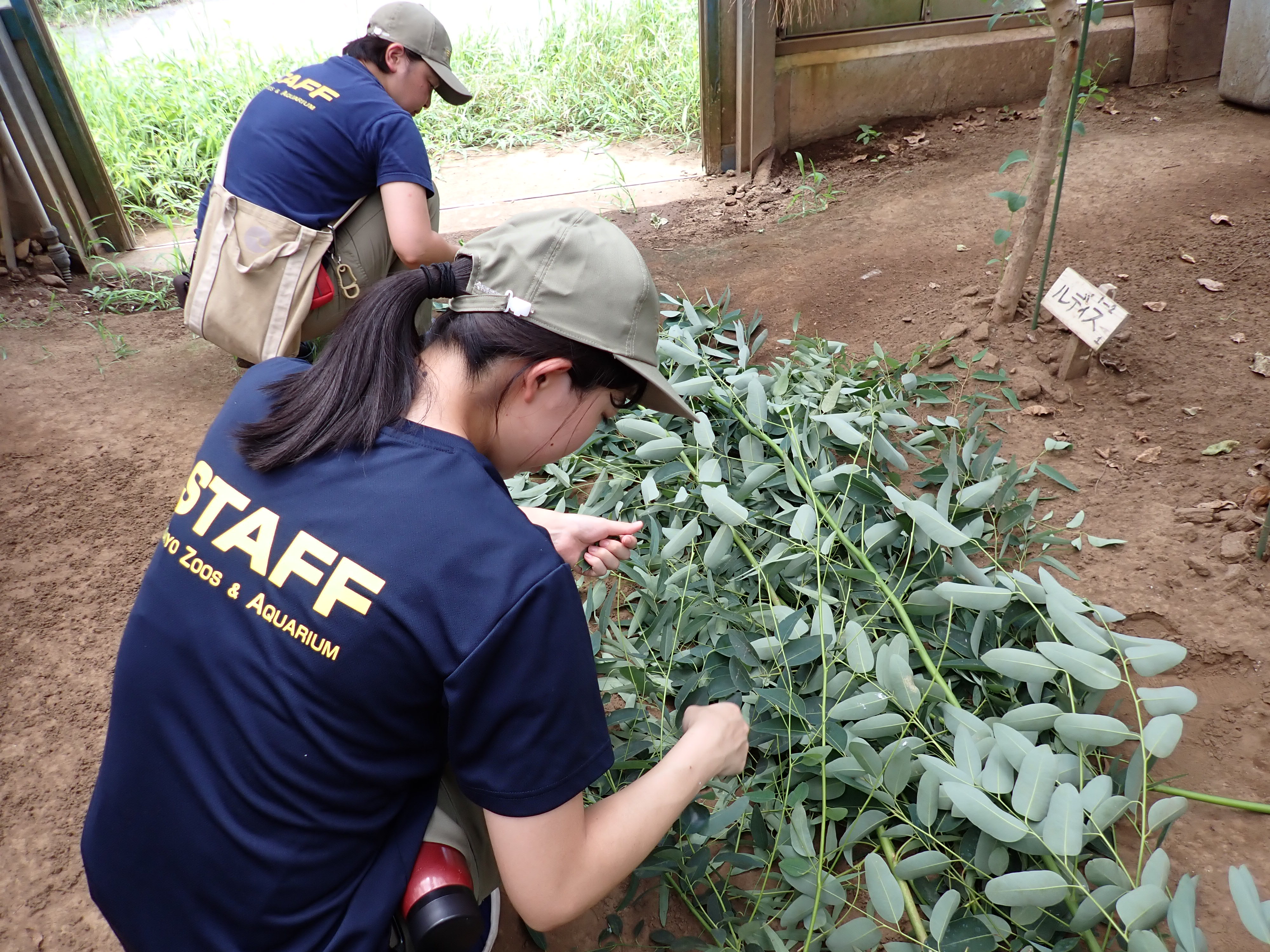
Nutritional research aimed at restoring forests where Koala live
We aim to contribute to the regeneration of forests where wild Koala can live healthily by gathering various insights from research unique to captive environments, such as studies on the nutritional composition of eucalyptus trees and the nutritional status of Koala in captivity.
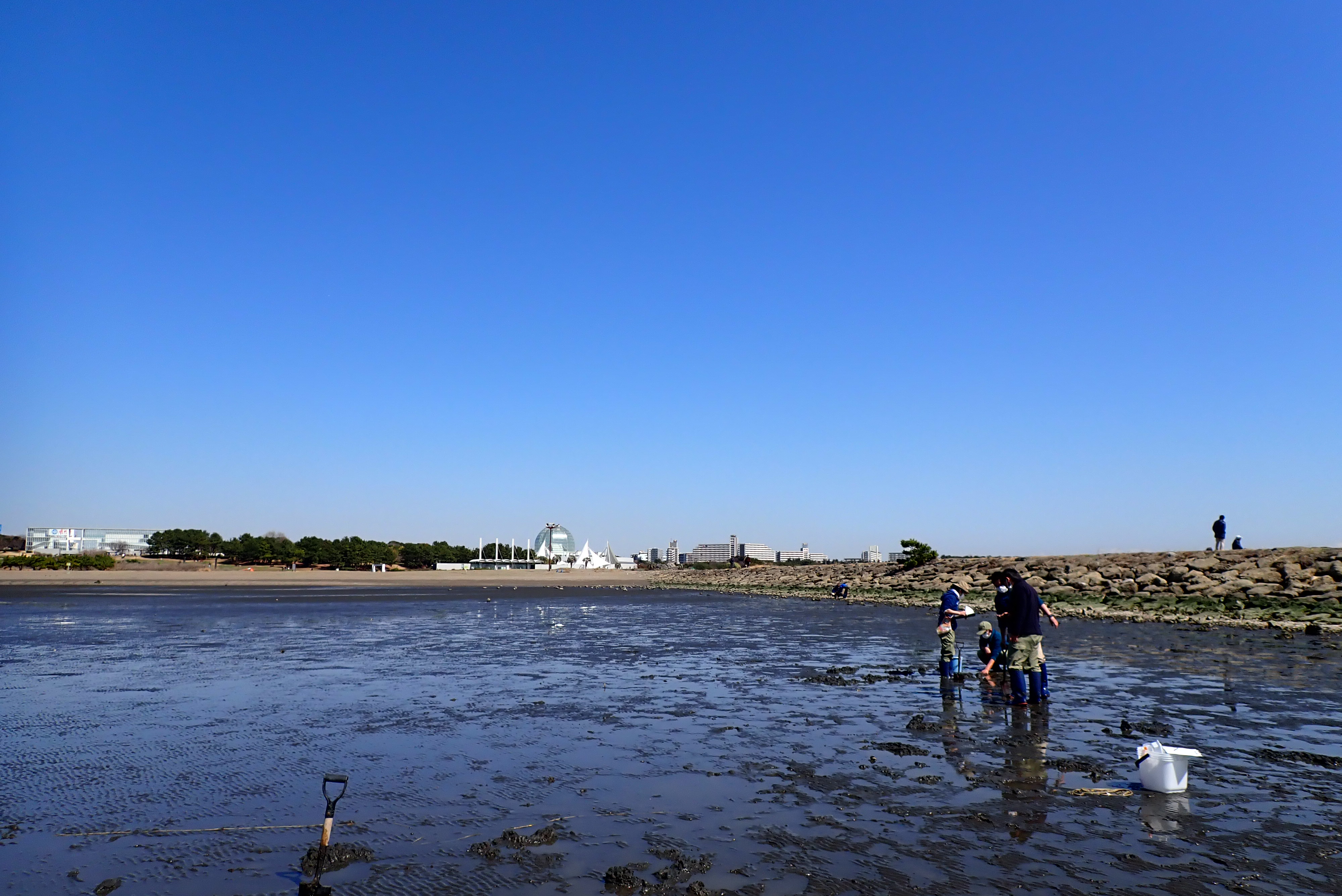
Survey at the artificial tidal flat "Nishi Nagisa" in Kasai Rinkai Park
We are continuously investigating the types and numbers of creatures living in the artificial tidal flats near Tokyo Sea Life Park, and are monitoring long-term changes. Through these activities, we are working to understand changes in the local natural environment and widely communicate them.
Dissemination and awareness-raising
Dissemination and awareness-raising
We hold events and programs to communicate the current situation of endangered wildlife, the efforts of zoos and aquariums, and what each individual can do to conserve wildlife.
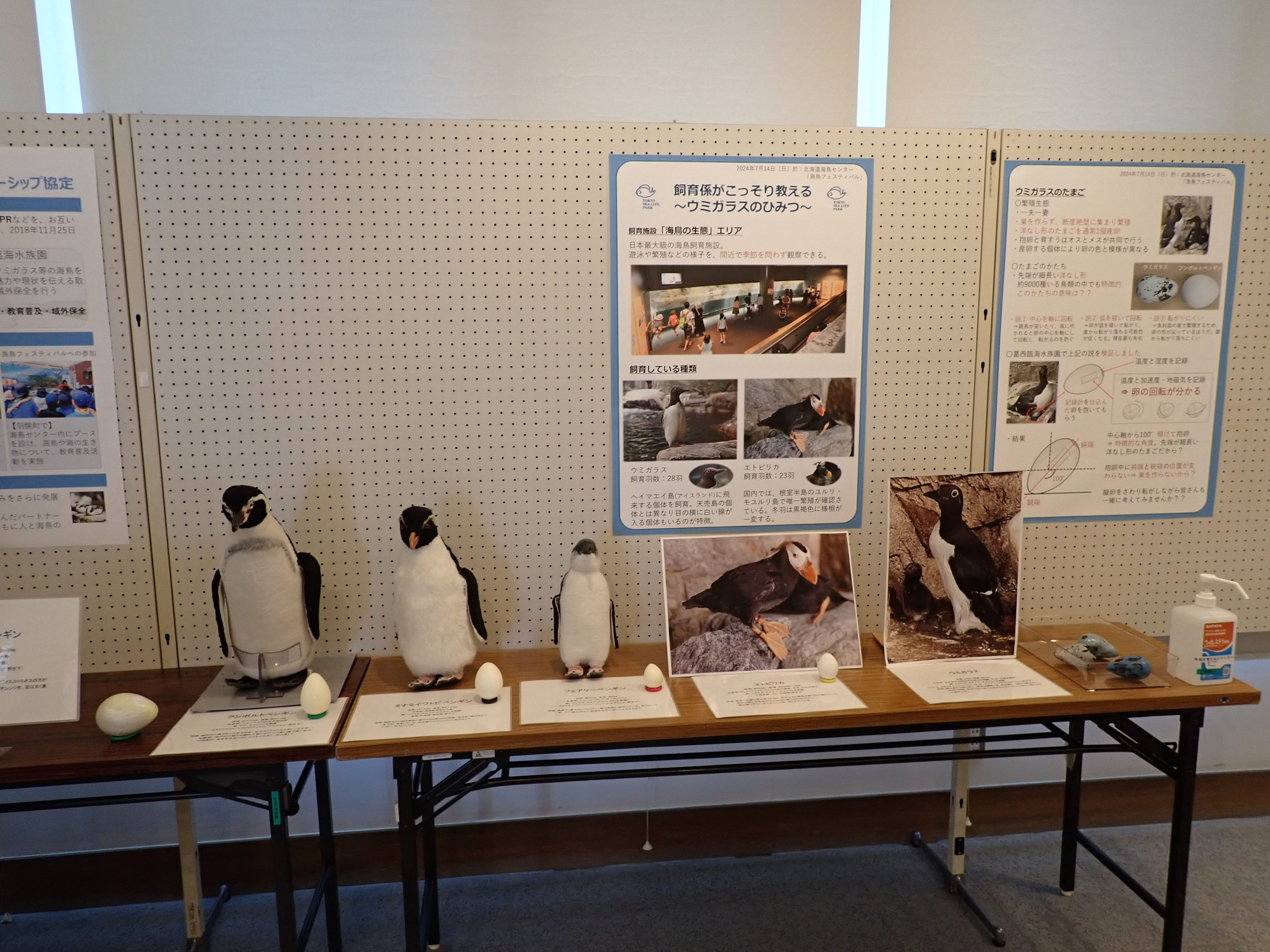
Raising awareness about the conservation of Common Murre in cooperation with their habitats
We participate in conservation activities in the habitats of Common Murre, and we utilize that experience and our connections with the local community to organize events and cooperate in outreach activities in their habitats.
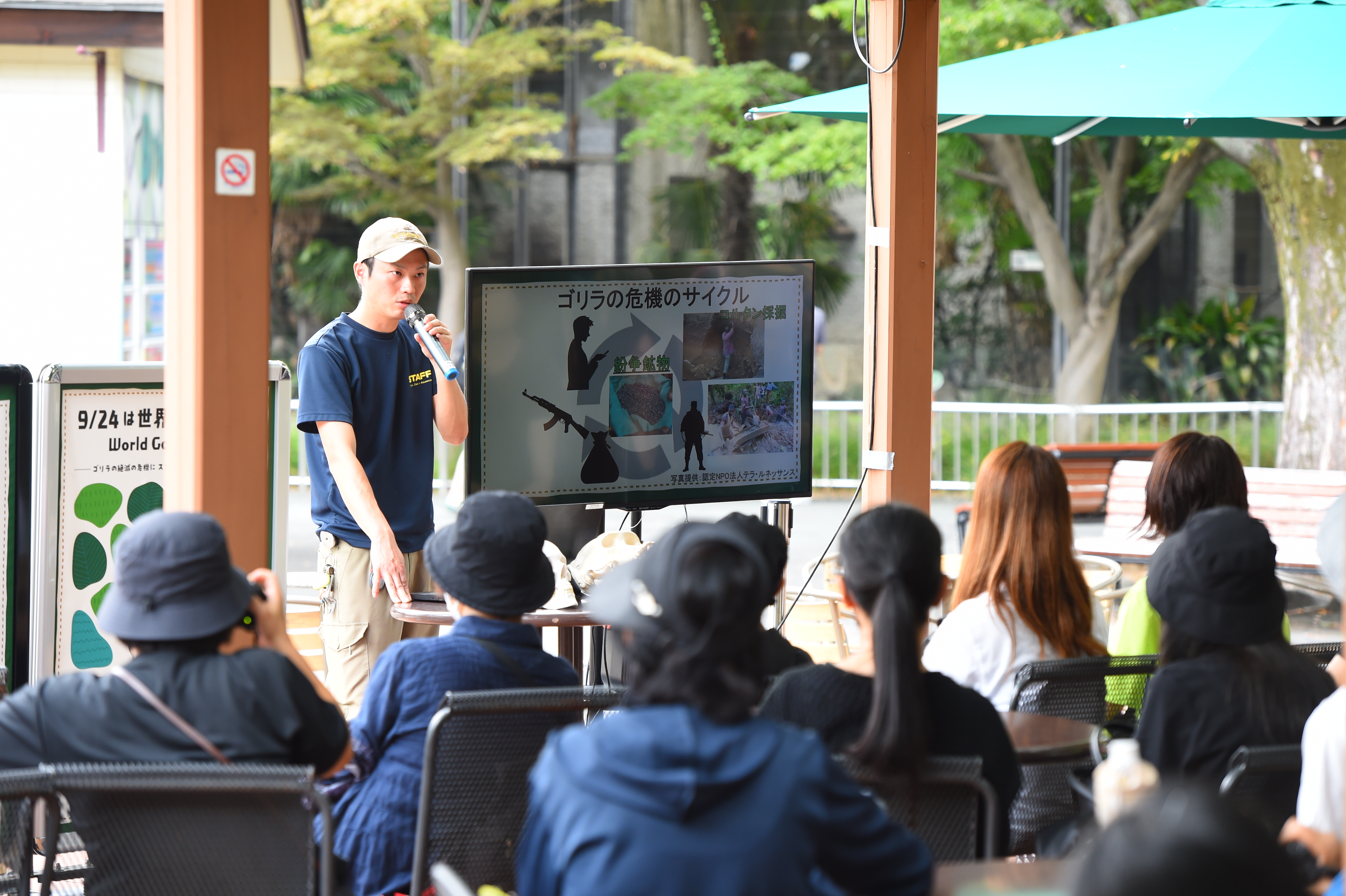
Raising awareness about the issue of gorillas and rare metals
We are promoting the conservation of gorillas by raising awareness of the relationship between the mining of rare metals used in electronic devices and the decline in gorilla populations, and by encouraging people to do what they can, such as recycling Kawakawa.
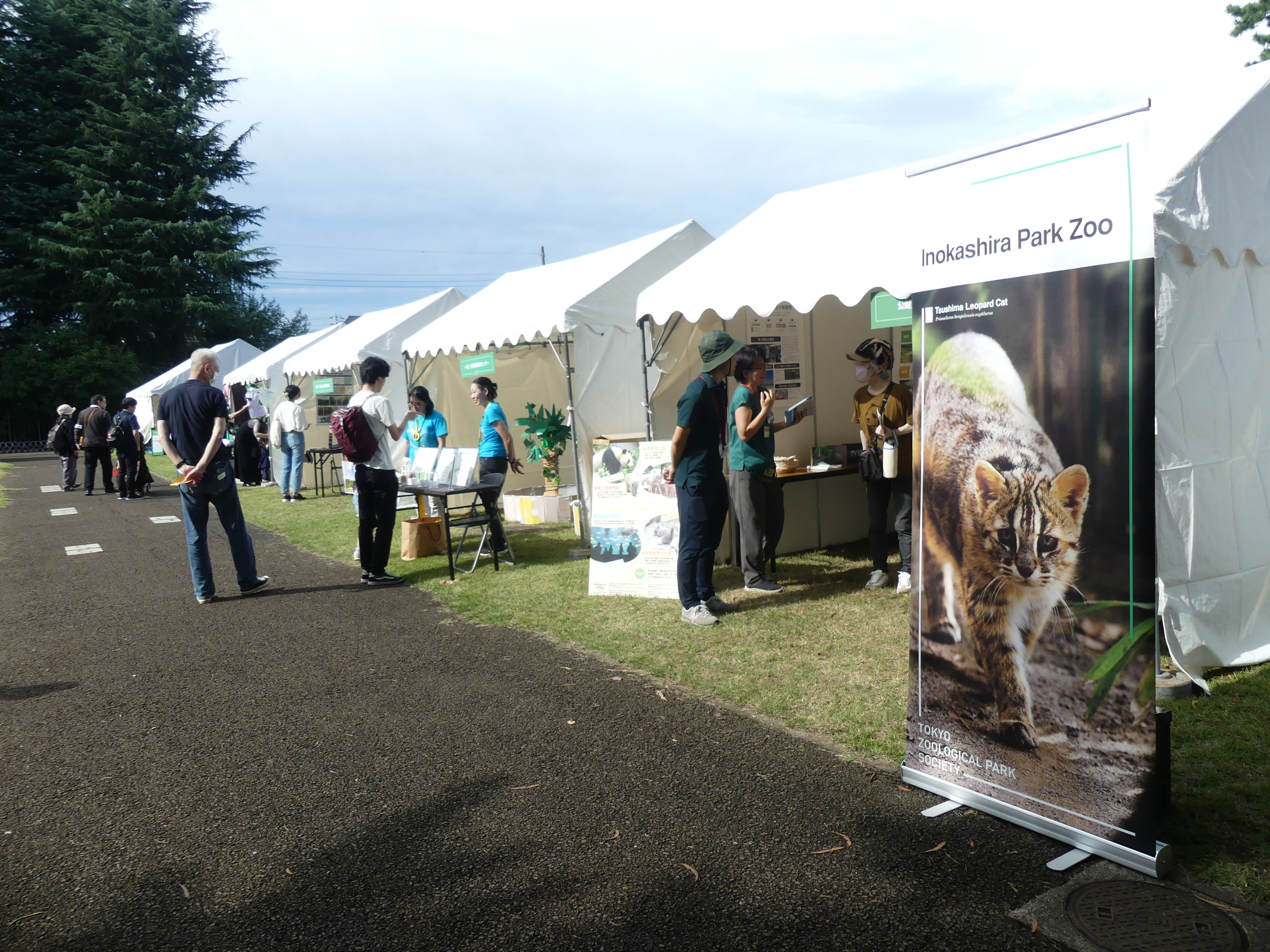
Public awareness event on the conservation of rare animals in Japan
Inokashira Park Zoo aims to effectively raise awareness about the conservation of Japan's rare animals, and through events such as the Wildcat Festival, it fosters a desire among visitors to protect wild animals.