

Zoo Stock Species and the Red List
Zoo Stock Species and the Red List
Zoo Stock

This indicates that the species is included in the Second Zoo Stock Plan, which was formulated by the Tokyo Metropolitan Government in 2018. The plan sets goals for the next 10 years in three areas: "species conservation," "contribution to wildlife conservation," and "environmental education and conservation awareness." 124 animal species are included.
What is the Red List?
Based on scientific research, this is a list of wildlife classified by rank (category) indicating the degree of risk of extinction.
Livng Things Encyclopedia shows the categories (mainland and islands) assessed by the IUCN (International Union for Conservation of Nature) at the global level, the Ministry of the Environment for Japan, and the Tokyo Metropolitan Government for Tokyo.
The higher the category in each table, the higher the risk of extinction, and CR, EN, and VU are the three categories known as "endangered species." In Tokyo, species that are not at the NT (near threatened) level but are relatively rare are considered "species of concern."
|
IUCN categories |
|
|---|---|
|
EX |
extinction |
|
EW |
Extinction in the wild |
|
CR+EN |
— |
|
CR |
Serious crisis |
|
EN |
crisis |
|
VU |
emergency |
|
NT |
Near Threatened |
|
LC・○ |
Low Concern |
|
DD |
Data shortage |
|
LP |
— |
|
Japan (Ministry of the Environment) Category |
|
|---|---|
|
EX |
extinction |
|
EW |
Extinction in the wild |
|
CR+EN |
Endangered species |
|
CR |
Critically Endangered |
|
EN |
Endangered species |
|
VU |
Endangered species |
|
NT |
Near Threatened |
|
LC・○ |
— |
|
DD |
Lack of information |
|
LP |
Endangered |
|
Tokyo Category |
|
|---|---|
|
EX |
extinction |
|
EW |
Extinction in the wild |
|
CR+EN |
Endangered species |
|
CR |
Critically Endangered |
|
EN |
Endangered species |
|
VU |
Endangered species |
|
NT |
Near Threatened |
|
LC・○ |
Unranked |
|
DD |
Lack of information |
|
LP |
Endangered |
Creatures at Ueno Zoo
Creatures at Ueno Zoo
Polar Bear
Polar Bear
Ursus maritimus
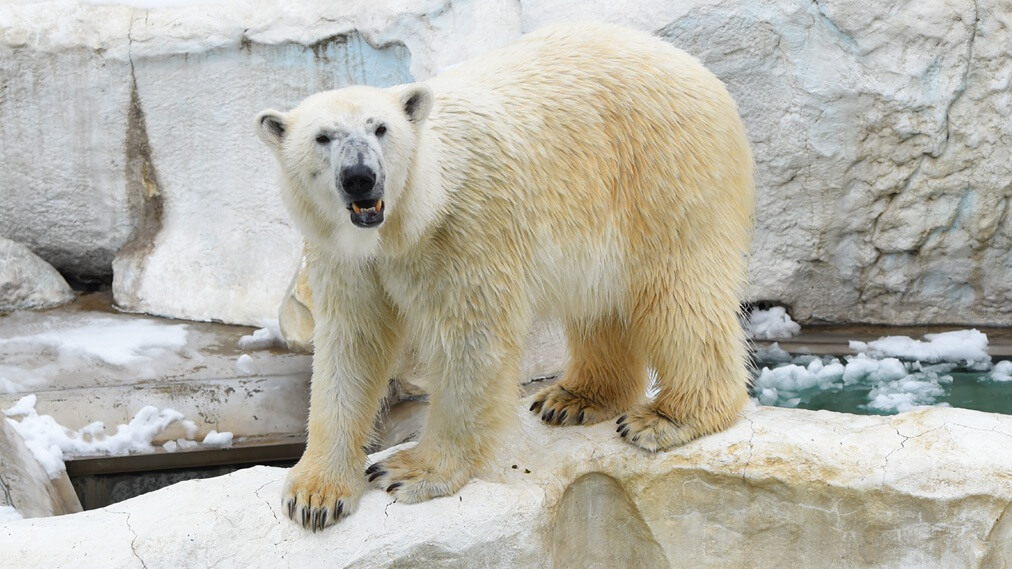
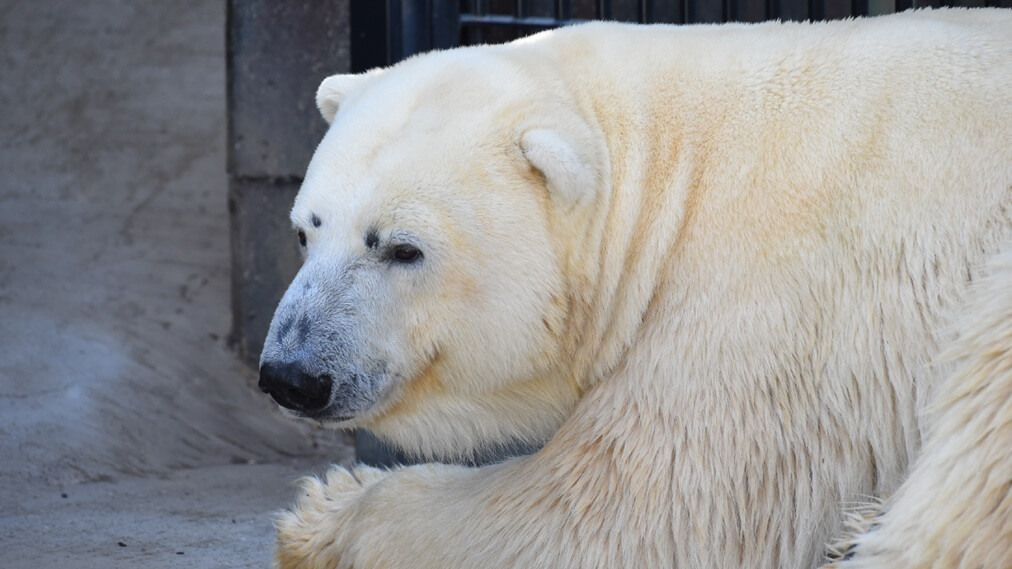
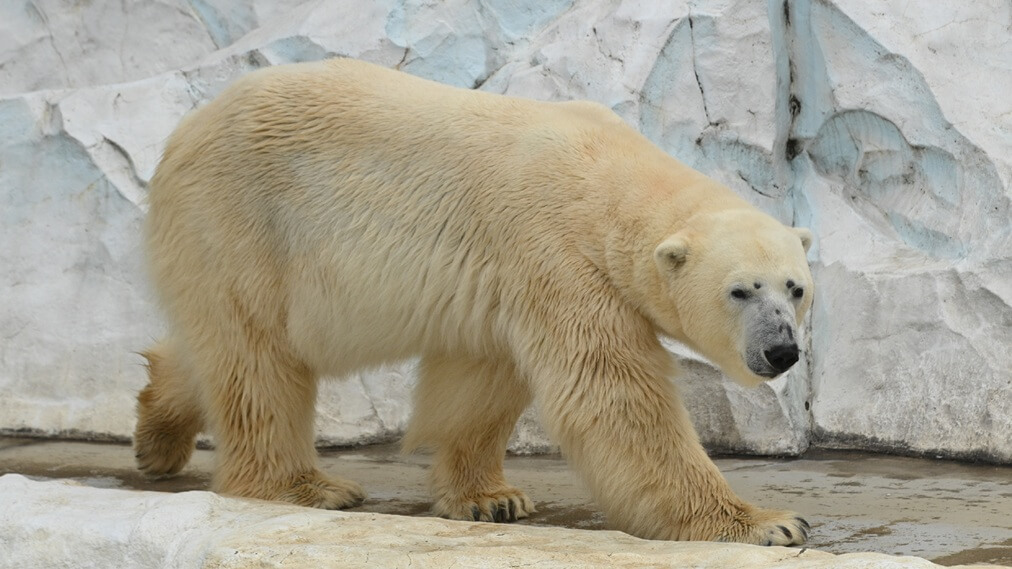
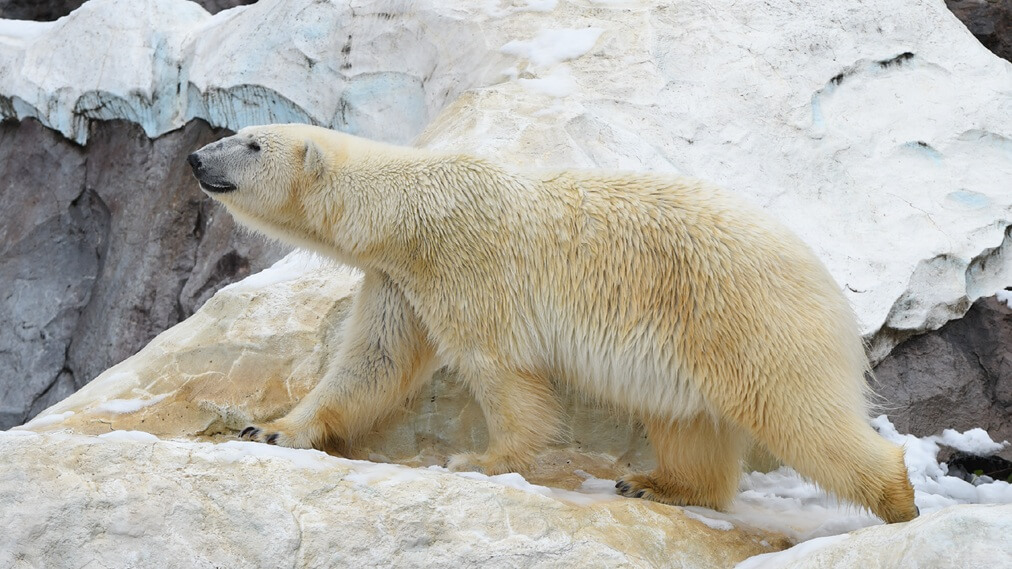
Their bodies are well suited to swimming, with small heads and large front legs compared to their bodies, making them very good swimmers and dives. However, swimming is merely a means of transportation, and their basic lifestyle is on the ice. They hunt by ambushing seals on the ice and attacking seals that are raising their young in holes in the ice. They do not hibernate, but when it is time to give birth, females dig holes in the snow and give birth there.
| classification | Mammalia, Carnivora, Ursidae |
|---|---|
| English name | Polar Bear |
| distribution | Canada, Denmark, Norway, Russian Federation, United States, Iceland |
| Residence | Over the icy waters surrounding the North Pole |
| Size |
Head and body length: 2.0–2.6 m
Shoulder height: up to 160cm Tail length: 8-13cm Weight: Males 300-800 kg, Females 150-300 kg |
| food | Ringed seals (especially young ones), bearded seals, beluga whales, reindeer, walruses, etc. |
| Red List |
IUCN: VU (Very)
|
What kind of feet?
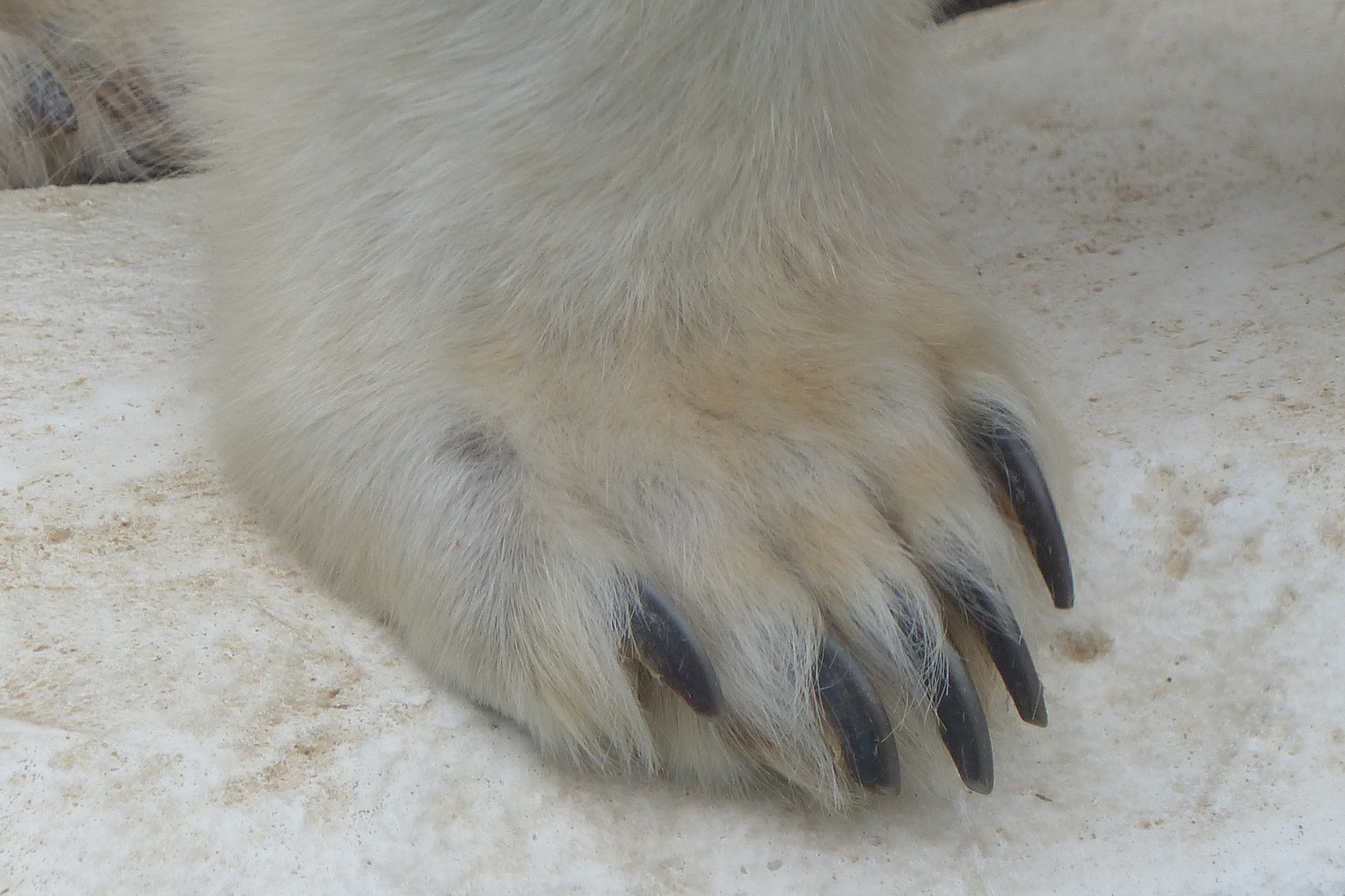
Their front legs are large and powerful. Their long, sharp claws are useful for catching seals. As they walk, take a look at the soles of their feet. They are also covered with lots of hair to help them avoid freezing on the ice.
How do you swim?
Once you're in the water, take a look at how they swim. They move their large front legs back and forth, like a "dog paddle." This isn't very fast, so they don't catch fish in the water, but rather attack seals on the ice.
Global warming and Polar Bear
Ice is essential for hunting and raising young, but global warming is causing Arctic ice to decrease year by year, significantly impacting Polar Bear population.