

Zoo Stock Species and the Red List
Zoo Stock Species and the Red List
Zoo Stock
This indicates that the species is included in the Second Zoo Stock Plan, which was formulated by the Tokyo Metropolitan Government in 2018. The plan sets goals for the next 10 years in three areas: "species conservation," "contribution to wildlife conservation," and "environmental education and conservation awareness." 124 animal species are included.
What is the Red List?
Based on scientific research, this is a list of wildlife classified by rank (category) indicating the degree of risk of extinction.
Livng Things Encyclopedia shows the categories (mainland and islands) assessed by the IUCN (International Union for Conservation of Nature) at the global level, the Ministry of the Environment for Japan, and the Tokyo Metropolitan Government for Tokyo.
The higher the category in each table, the higher the risk of extinction, and CR, EN, and VU are the three categories known as "endangered species." In Tokyo, species that are not at the NT (near threatened) level but are relatively rare are considered "species of concern."
|
IUCN categories |
|
|---|---|
|
EX |
extinction |
|
EW |
Extinction in the wild |
|
CR+EN |
— |
|
CR |
Serious crisis |
|
EN |
crisis |
|
VU |
emergency |
|
NT |
Near Threatened |
|
LC・○ |
Low Concern |
|
DD |
Data shortage |
|
LP |
— |
|
Japan (Ministry of the Environment) Category |
|
|---|---|
|
EX |
extinction |
|
EW |
Extinction in the wild |
|
CR+EN |
Endangered species |
|
CR |
Critically Endangered |
|
EN |
Endangered species |
|
VU |
Endangered species |
|
NT |
Near Threatened |
|
LC・○ |
— |
|
DD |
Lack of information |
|
LP |
Endangered |
|
Tokyo Category |
|
|---|---|
|
EX |
extinction |
|
EW |
Extinction in the wild |
|
CR+EN |
Endangered species |
|
CR |
Critically Endangered |
|
EN |
Endangered species |
|
VU |
Endangered species |
|
NT |
Near Threatened |
|
LC・○ |
Unranked |
|
DD |
Lack of information |
|
LP |
Endangered |
Creatures at Ueno Zoo
Creatures at Ueno Zoo
Hippopotamus
Hippopotamus
Hippopotamus amphibius
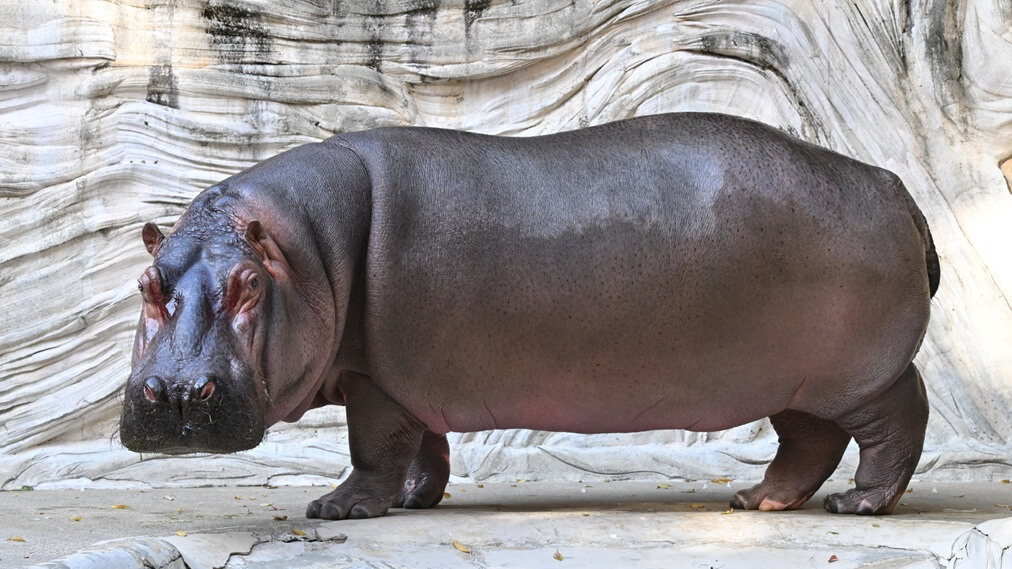
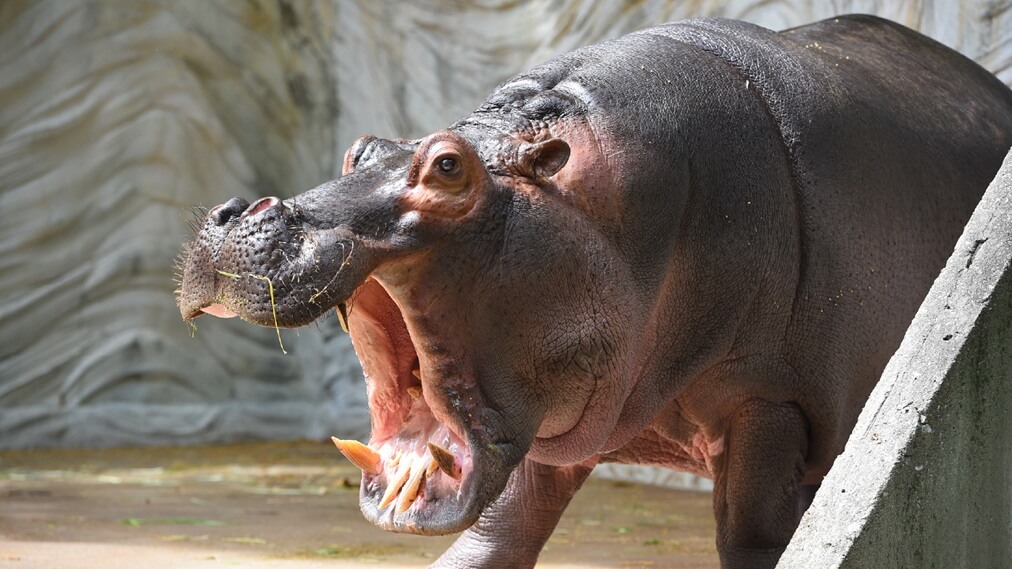
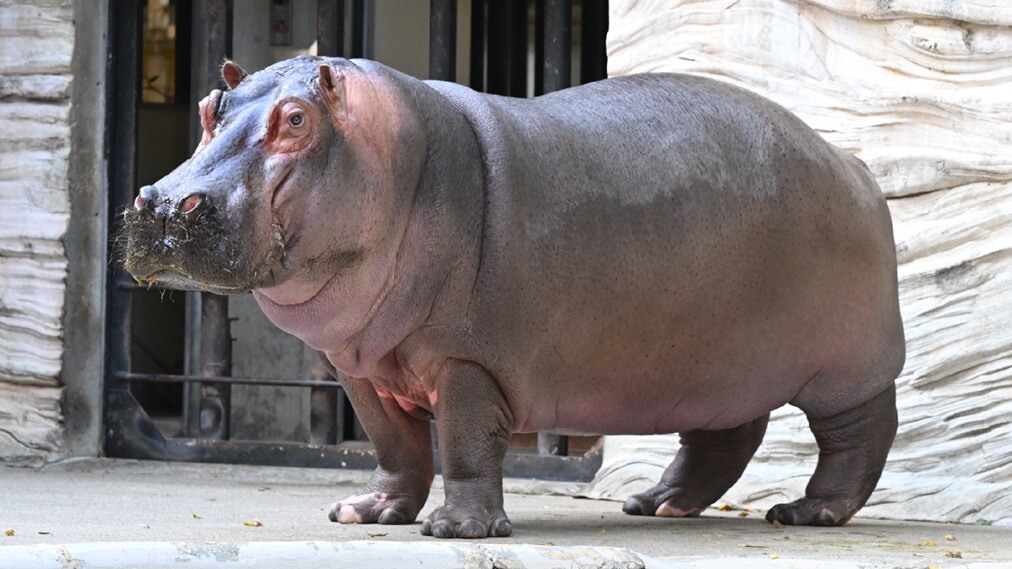
They live in rivers, swamps, and lakes in the African Eurasian Moorhen, living in groups of 5 to 15, sometimes as many as 30. They spend the hot sun in or near the water during the day, and come onto land at night to eat grass.
They can stay submerged for more than five minutes and give birth underwater, nursing their young.
| classification | Mammalia, Artiodactyla, Hippopotamus |
|---|---|
| English name | Hippopotamus |
| distribution | Sub-Saharan Africa |
| Residence | Grasslands, rivers and lakes in the Miombo forest area |
| Size |
Head torso length: 209-505cm
Tail length: 4 to 56 cm Shoulder height: 150-165cm Weight: 1,000–4,500 kg |
| food | grass |
| Red List |
IUCN: VU (Very)
|
Pay attention to the ears, eyes and nose!
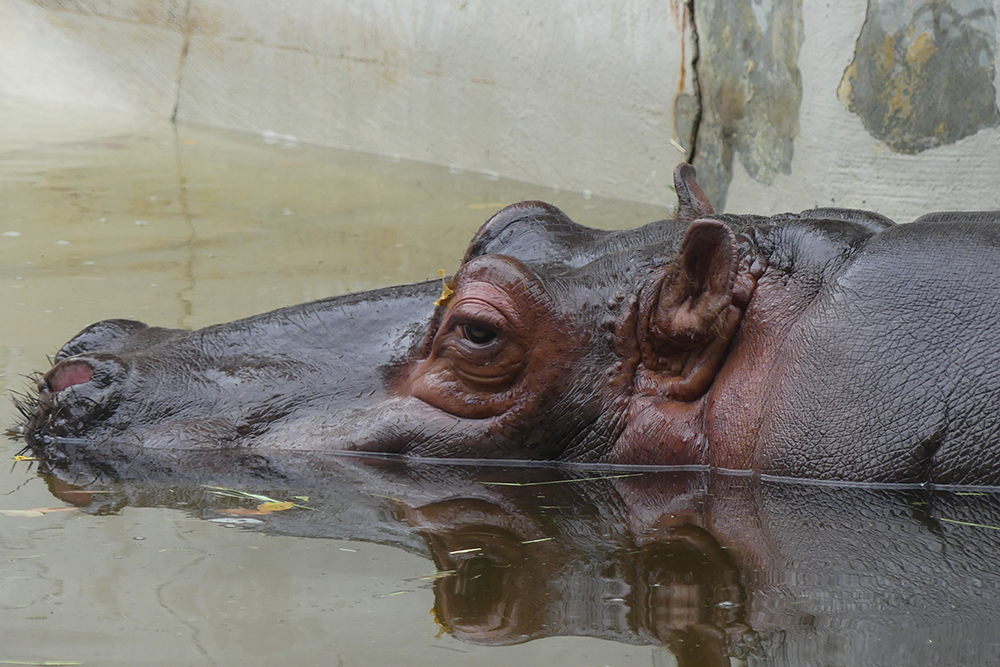
Their ears, eyes, and nose are located upwards and protrude from their faces. Even when they are underwater, if they lift their heads slightly, their ears and eyes will come out of the water, allowing them to see what is going on around them. They can also breathe by exposing only their nostrils.
If you're in water, wait for your breath
If you wait 1-2 minutes, or at most 3 minutes, they will always pop their nose out of the water, open their nostrils, and take a breath. If the intervals between breaths are short, it will be quiet, but if the intervals are long, you will hear a loud "whoosh!"