

Zoo Stock Species and the Red List
Zoo Stock Species and the Red List
Zoo Stock

This indicates that the species is included in the Second Zoo Stock Plan, which was formulated by the Tokyo Metropolitan Government in 2018. The plan sets goals for the next 10 years in three areas: "species conservation," "contribution to wildlife conservation," and "environmental education and conservation awareness." 124 animal species are included.
What is the Red List?
Based on scientific research, this is a list of wildlife classified by rank (category) indicating the degree of risk of extinction.
Livng Things Encyclopedia shows the categories (mainland and islands) assessed by the IUCN (International Union for Conservation of Nature) at the global level, the Ministry of the Environment for Japan, and the Tokyo Metropolitan Government for Tokyo.
The higher the category in each table, the higher the risk of extinction, and CR, EN, and VU are the three categories known as "endangered species." In Tokyo, species that are not at the NT (near threatened) level but are relatively rare are considered "species of concern."
|
IUCN categories |
|
|---|---|
|
EX |
extinction |
|
EW |
Extinction in the wild |
|
CR+EN |
— |
|
CR |
Serious crisis |
|
EN |
crisis |
|
VU |
emergency |
|
NT |
Near Threatened |
|
LC・○ |
Low Concern |
|
DD |
Data shortage |
|
LP |
— |
|
Japan (Ministry of the Environment) Category |
|
|---|---|
|
EX |
extinction |
|
EW |
Extinction in the wild |
|
CR+EN |
Endangered species |
|
CR |
Critically Endangered |
|
EN |
Endangered species |
|
VU |
Endangered species |
|
NT |
Near Threatened |
|
LC・○ |
— |
|
DD |
Lack of information |
|
LP |
Endangered |
|
Tokyo Category |
|
|---|---|
|
EX |
extinction |
|
EW |
Extinction in the wild |
|
CR+EN |
Endangered species |
|
CR |
Critically Endangered |
|
EN |
Endangered species |
|
VU |
Endangered species |
|
NT |
Near Threatened |
|
LC・○ |
Unranked |
|
DD |
Lack of information |
|
LP |
Endangered |
Creatures at Tama Zoo
Creatures at Tama Zoo

Bornean Orangutan
Bornean Orangutan
Pongo pygmaeus
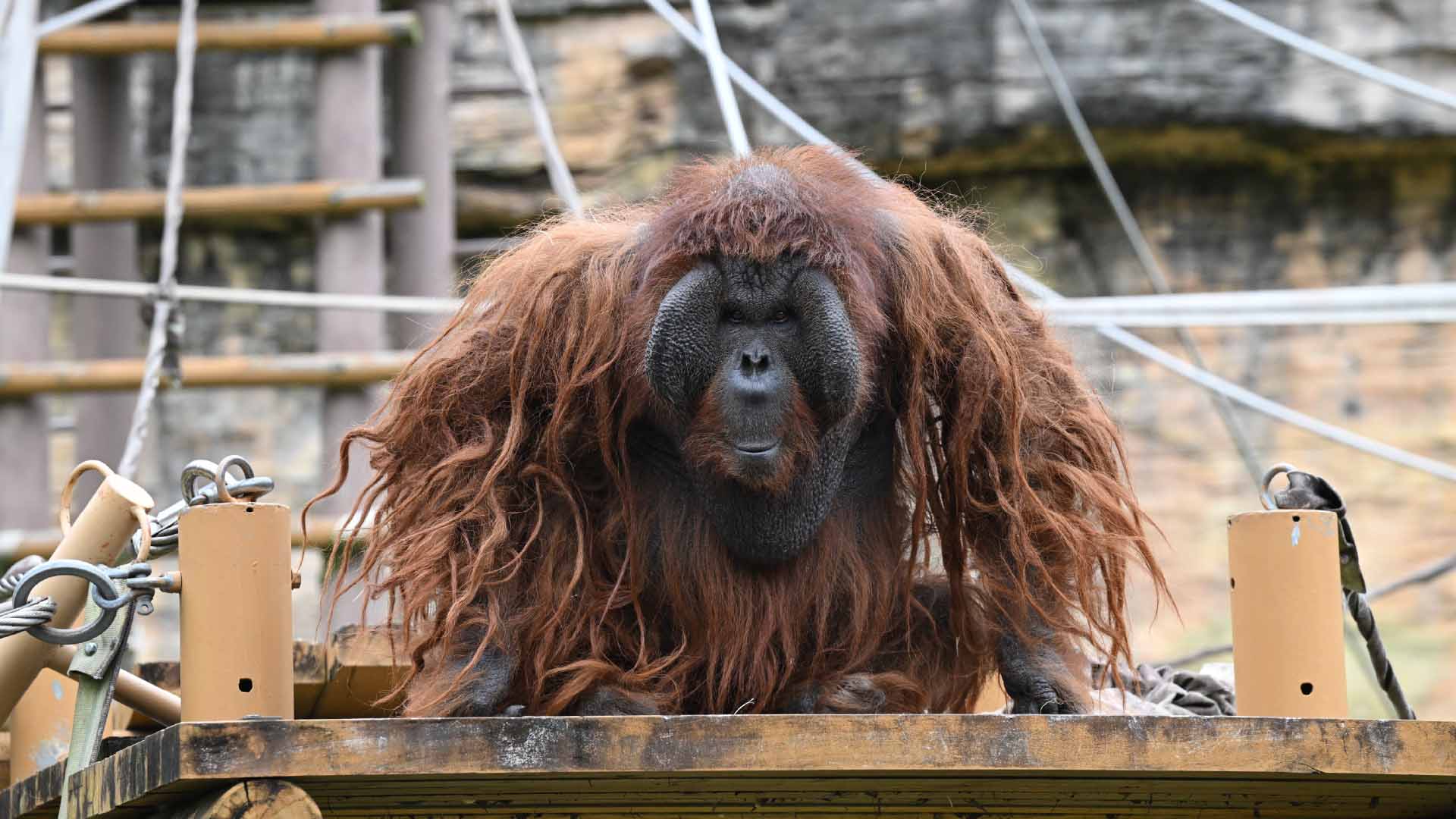
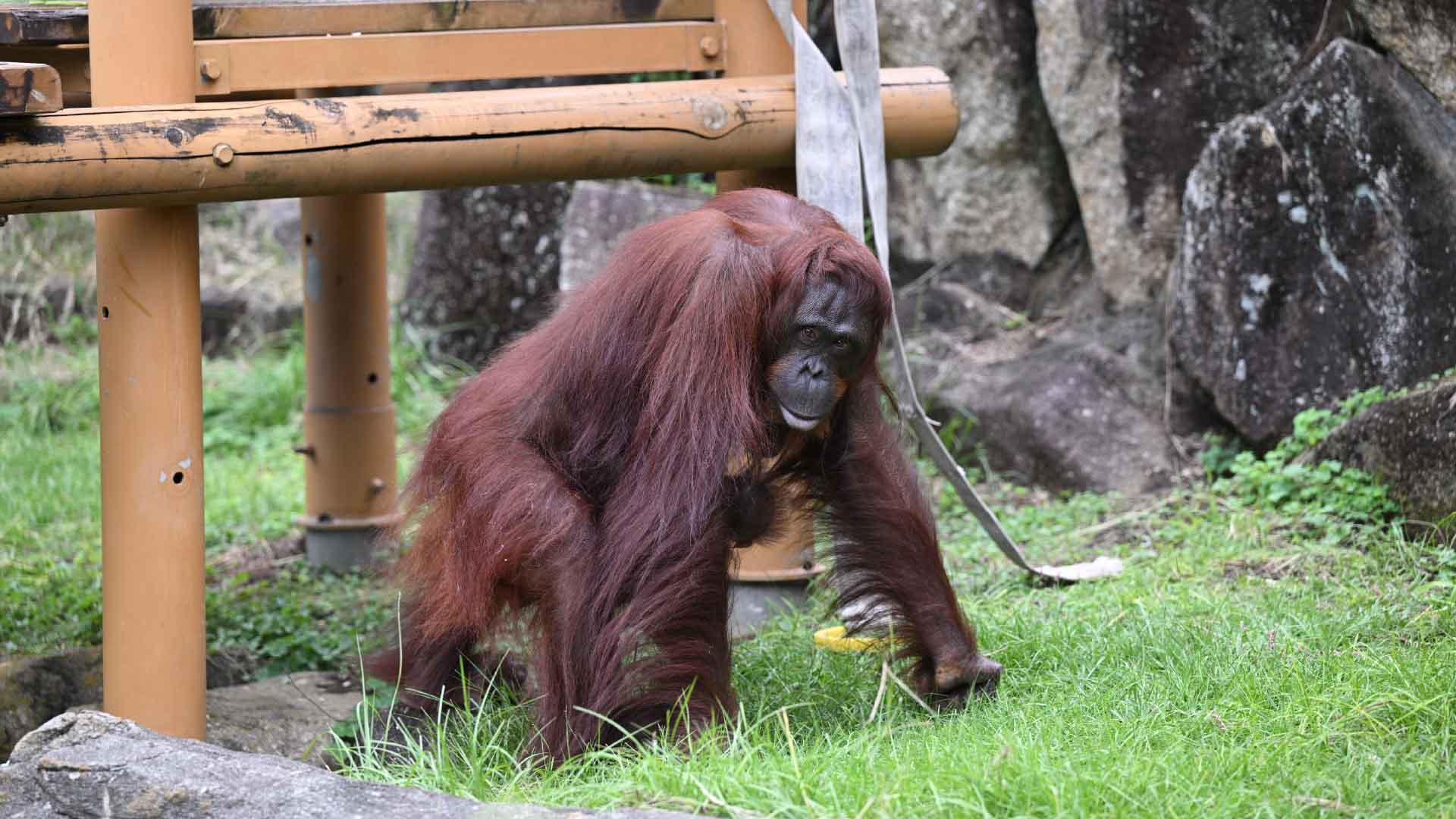
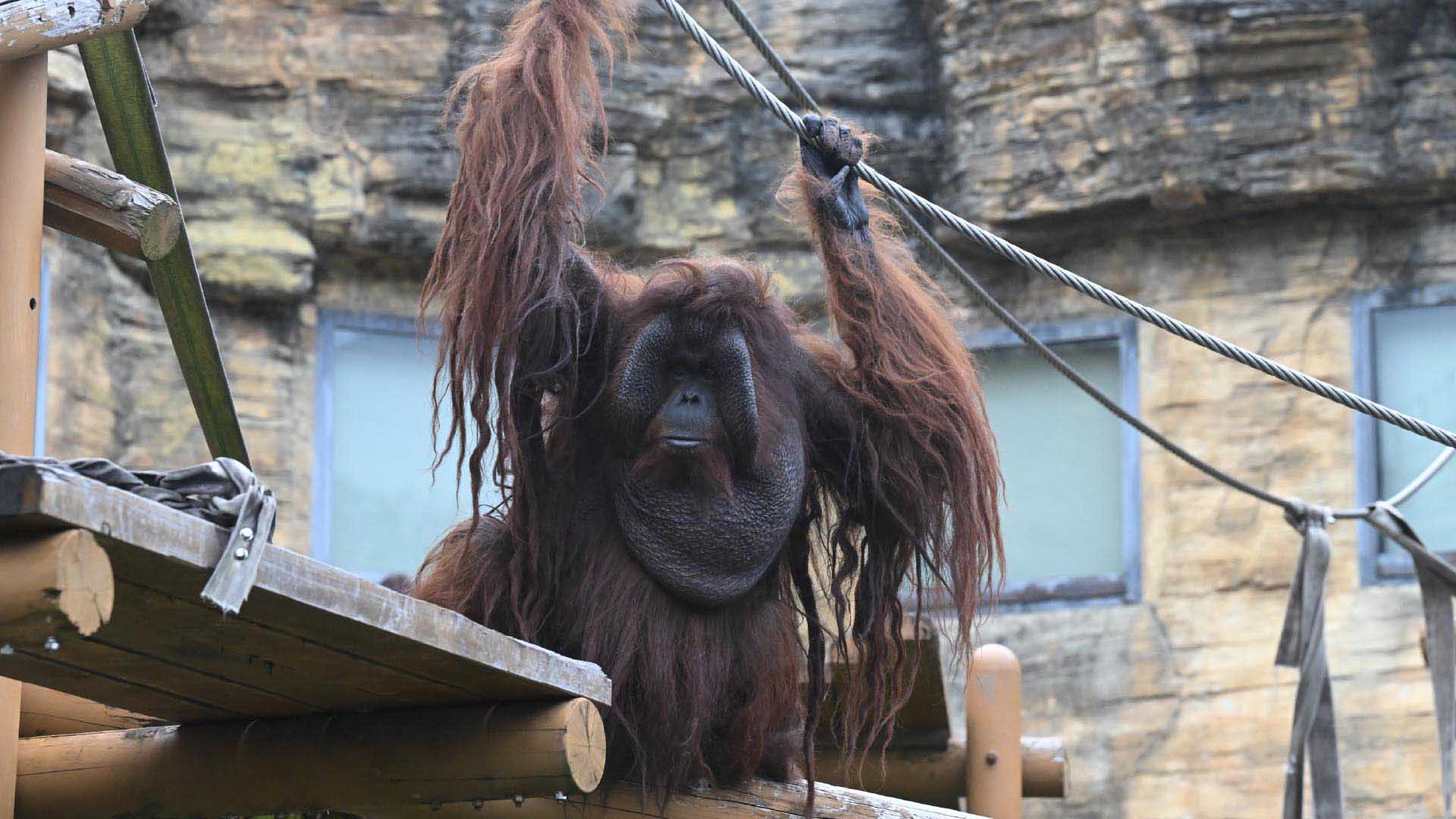
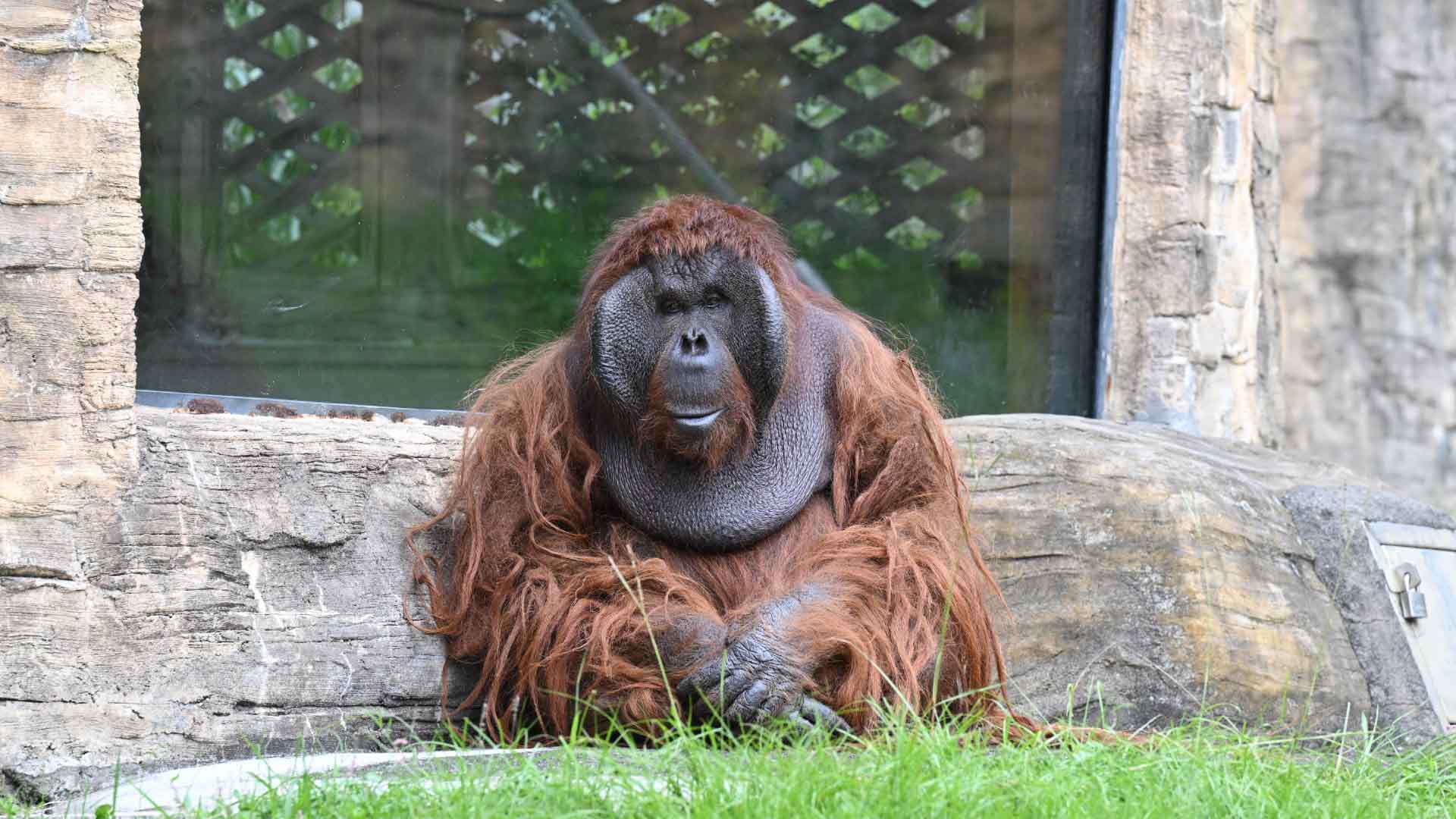
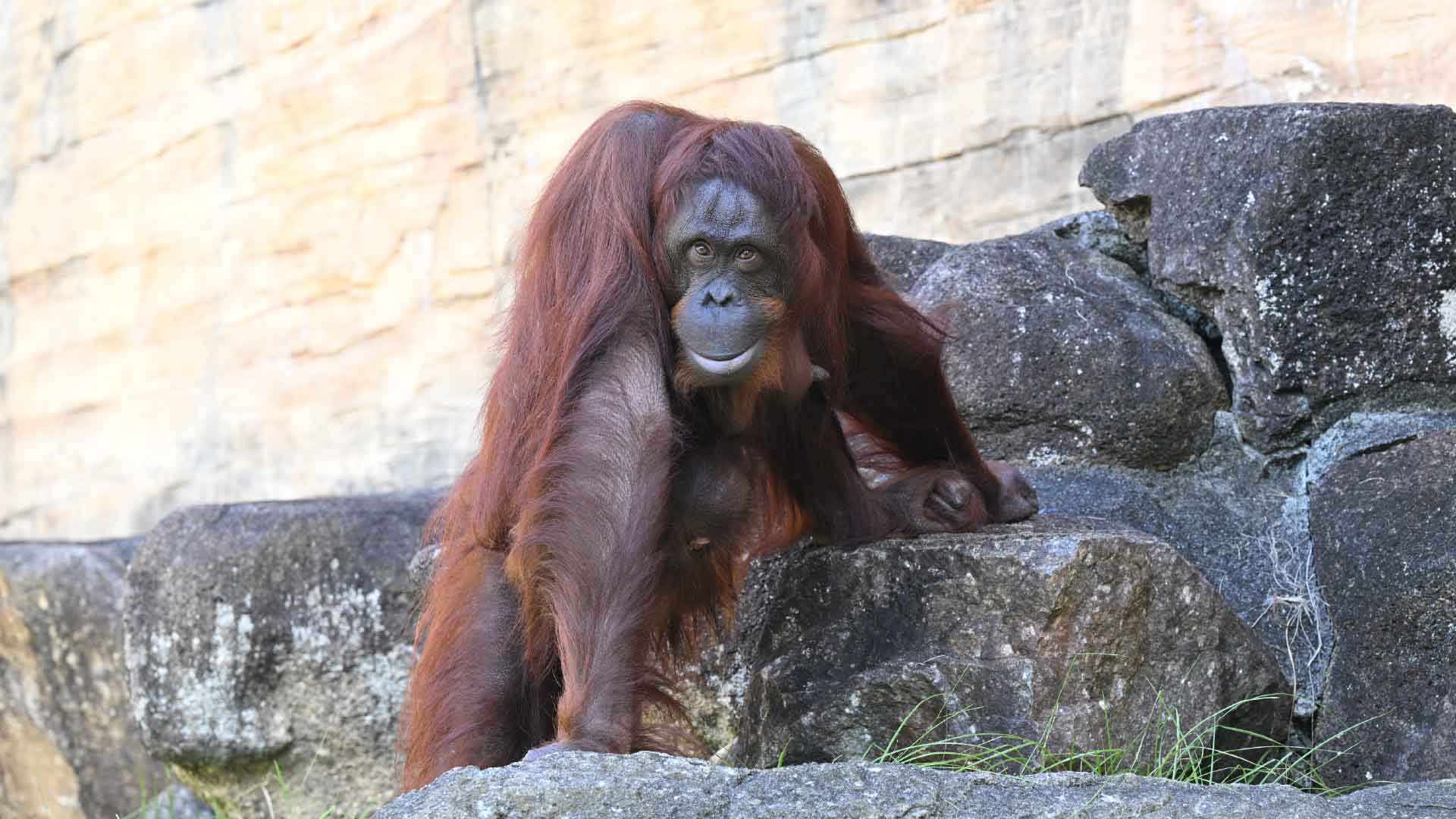
Among monkeys, this is a type of ape that is closest to humans. It is the second largest ape after the gorilla. It spends most of its life in trees. During the day, it alternates between eating and resting, and in the evening it makes a bed out of branches and leaves to sleep. It is generally solitary, but lives in a loose social relationship with the individuals around it.
| classification | Mammalia, Primates, Hominidae |
|---|---|
| English name | Bornean Orangutan |
| distribution | Borneo (Indonesia and Malaysia) |
| Residence | tropical forest |
| Size |
Weight: Males 60-90kg, Females 30-50kg
|
| food | leaves and fruits |
| Red List |
IUCN: Critically Endangered
|
Long arms
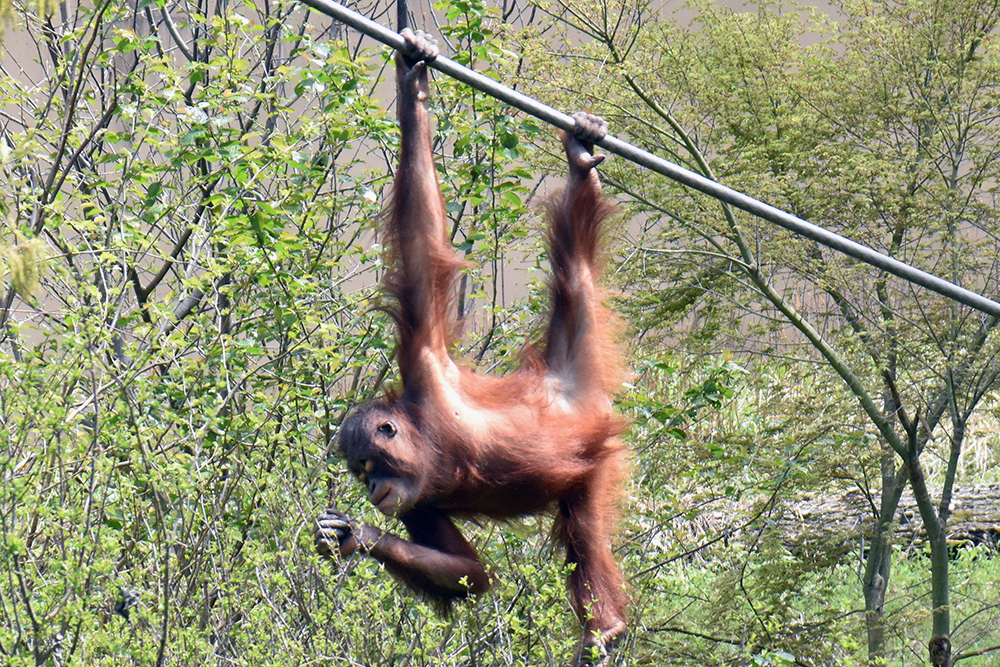
Their arms are longer than their legs. When they move through the trees, they put their arms out first, so having longer arms means they can move faster.
Flexible body
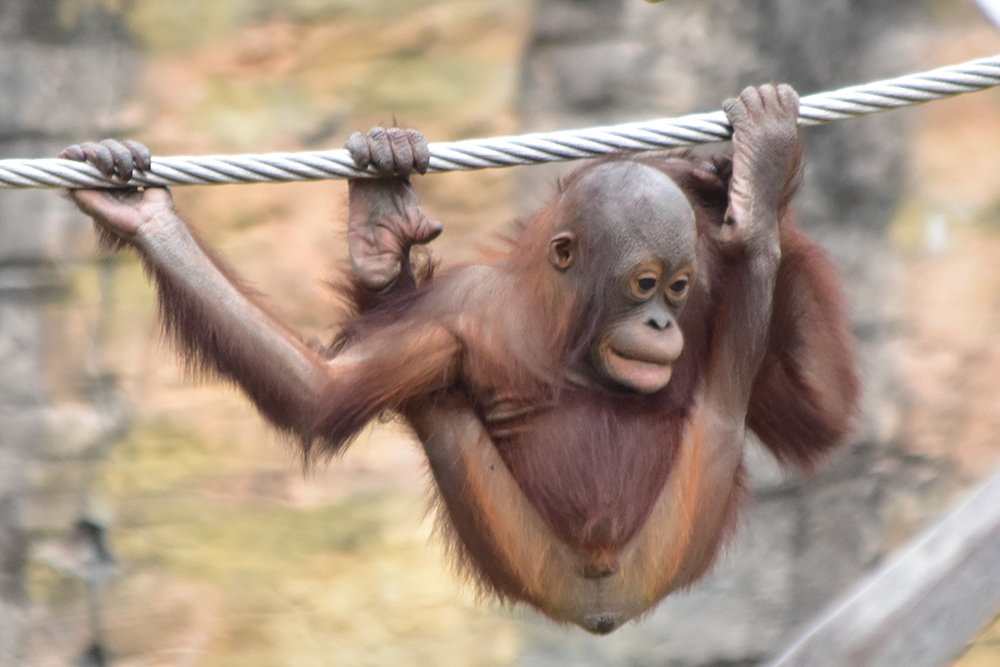
Their shoulders and hips are flexible, allowing them to stretch their arms and legs in various directions and grab tree branches.
Adult male
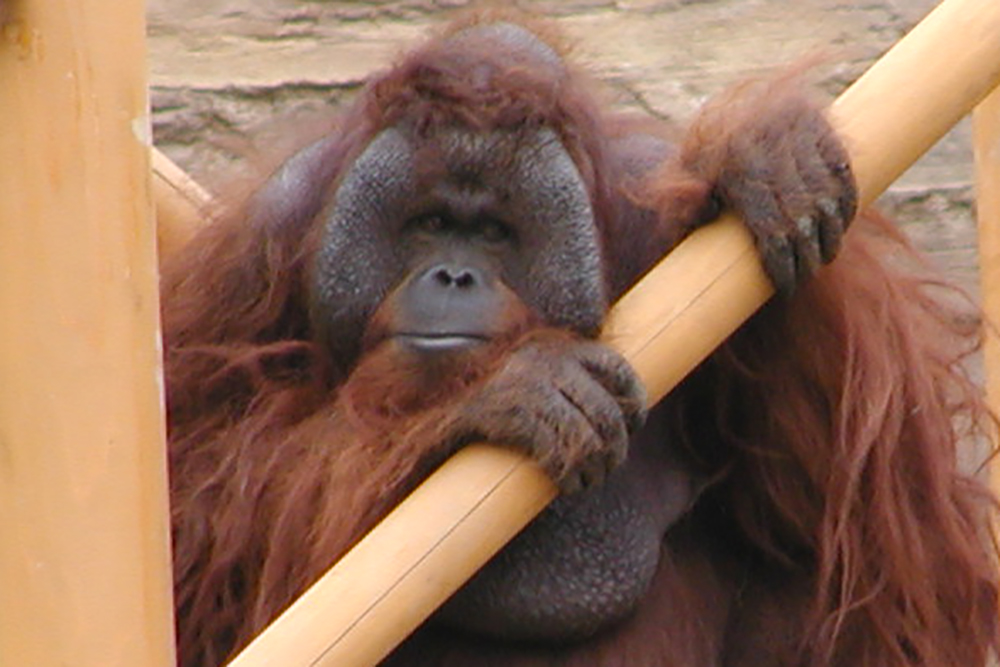
Some individuals have large protrusions (flanges) on the sides of their faces, while others do not. Flanges only develop in strong, confident males. Males with flanges have priority in mating with females. When males with flanges meet, they fight fiercely, but do not fight with males without flanges.
cry
Although they are mostly solitary, adult males use long-range calls to alert each other to their presence. When males encounter each other, aggressive behavior accompanied by vocalizations can be observed.