

Zoo Stock Species and the Red List
Zoo Stock Species and the Red List
Zoo Stock

This indicates that the species is included in the Second Zoo Stock Plan, which was formulated by the Tokyo Metropolitan Government in 2018. The plan sets goals for the next 10 years in three areas: "species conservation," "contribution to wildlife conservation," and "environmental education and conservation awareness." 124 animal species are included.
What is the Red List?
Based on scientific research, this is a list of wildlife classified by rank (category) indicating the degree of risk of extinction.
Livng Things Encyclopedia shows the categories (mainland and islands) assessed by the IUCN (International Union for Conservation of Nature) at the global level, the Ministry of the Environment for Japan, and the Tokyo Metropolitan Government for Tokyo.
The higher the category in each table, the higher the risk of extinction, and CR, EN, and VU are the three categories known as "endangered species." In Tokyo, species that are not at the NT (near threatened) level but are relatively rare are considered "species of concern."
|
IUCN categories |
|
|---|---|
|
EX |
extinction |
|
EW |
Extinction in the wild |
|
CR+EN |
— |
|
CR |
Serious crisis |
|
EN |
crisis |
|
VU |
emergency |
|
NT |
Near Threatened |
|
LC・○ |
Low Concern |
|
DD |
Data shortage |
|
LP |
— |
|
Japan (Ministry of the Environment) Category |
|
|---|---|
|
EX |
extinction |
|
EW |
Extinction in the wild |
|
CR+EN |
Endangered species |
|
CR |
Critically Endangered |
|
EN |
Endangered species |
|
VU |
Endangered species |
|
NT |
Near Threatened |
|
LC・○ |
— |
|
DD |
Lack of information |
|
LP |
Endangered |
|
Tokyo Category |
|
|---|---|
|
EX |
extinction |
|
EW |
Extinction in the wild |
|
CR+EN |
Endangered species |
|
CR |
Critically Endangered |
|
EN |
Endangered species |
|
VU |
Endangered species |
|
NT |
Near Threatened |
|
LC・○ |
Unranked |
|
DD |
Lack of information |
|
LP |
Endangered |
Creatures at Tama Zoo
Creatures at Tama Zoo

Cheetah
Subspecies: Cheetah
Cheetah
Subspecies: CheetahAcinonyx jubatus jubatus
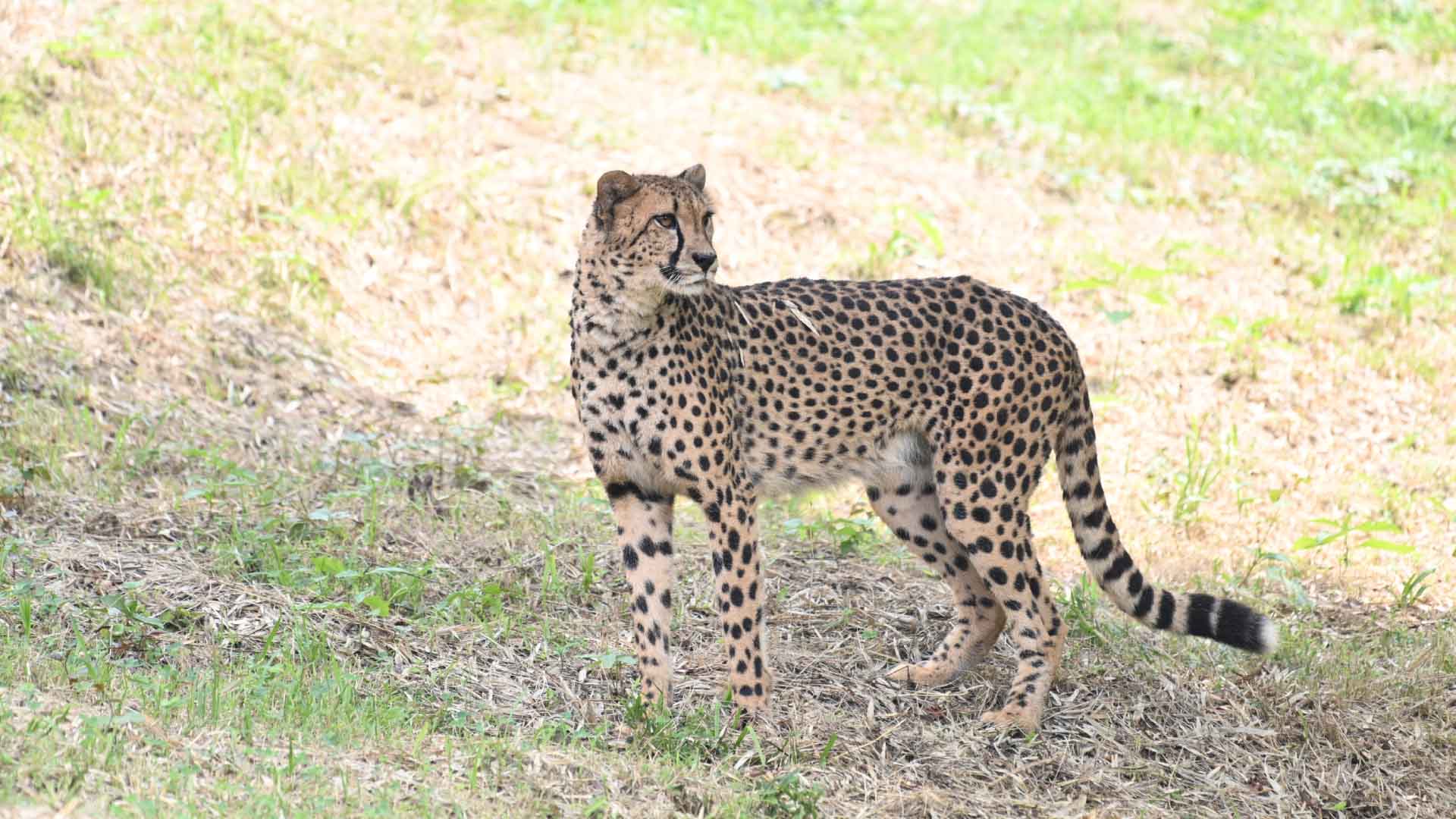
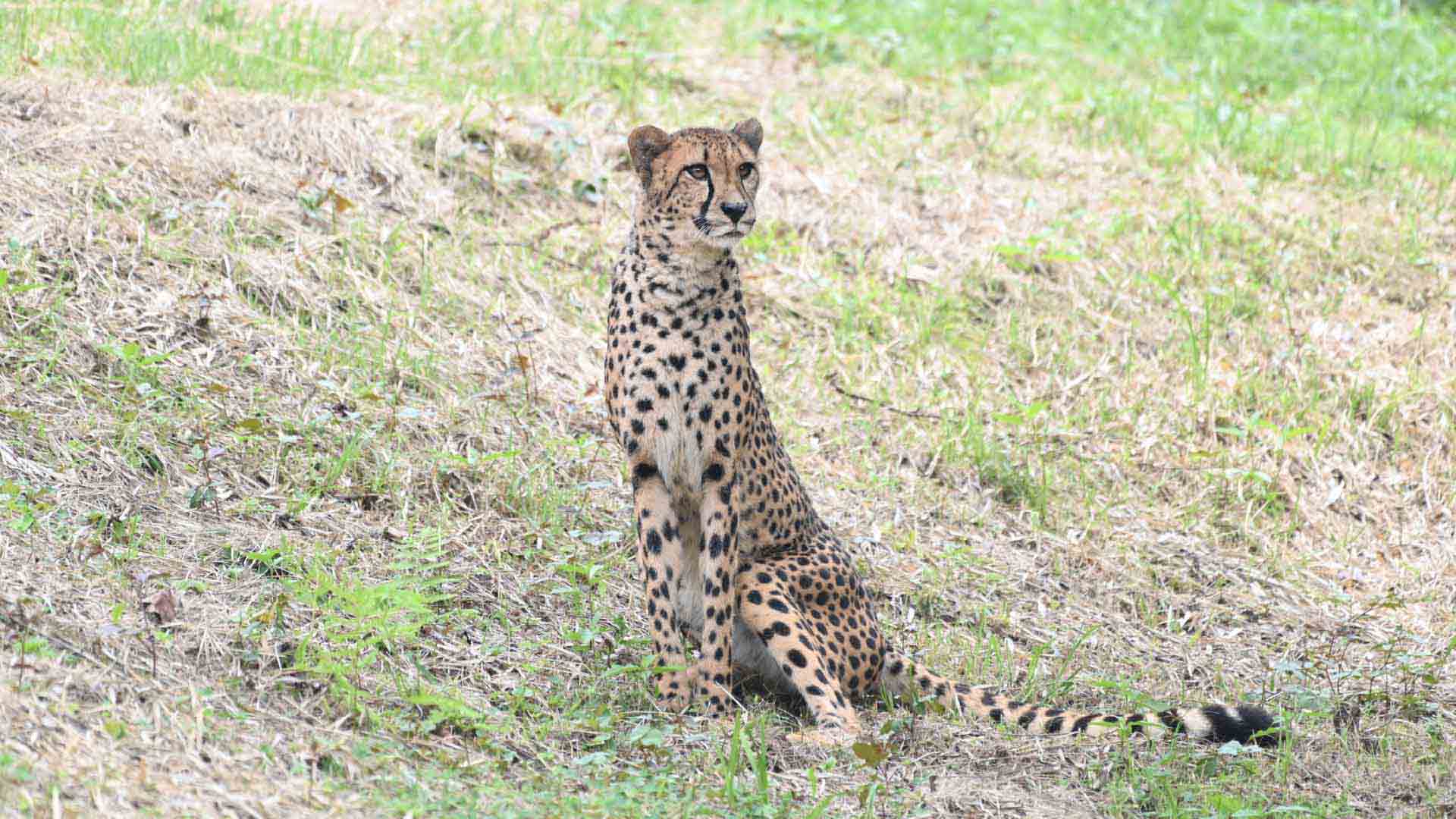
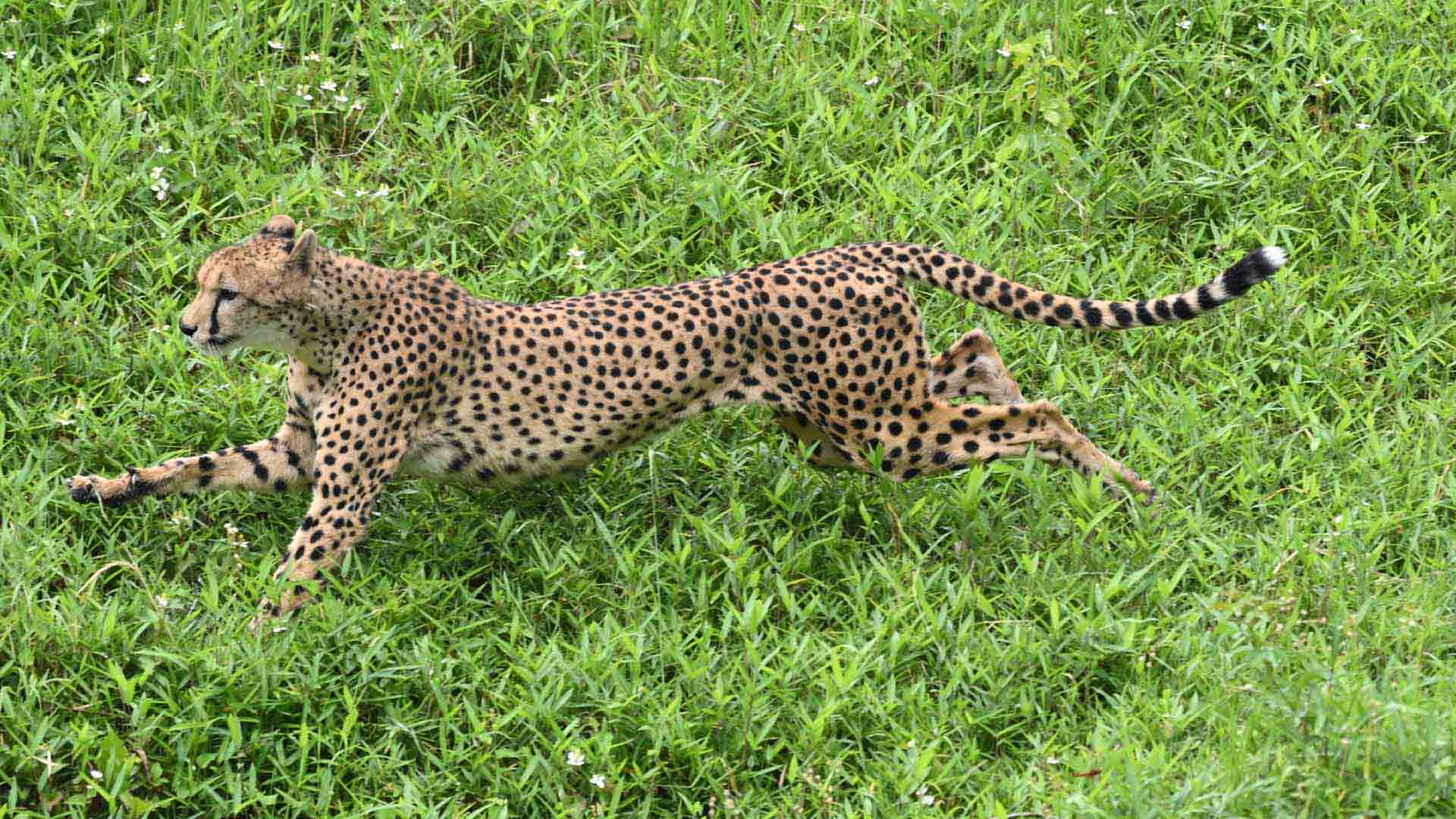
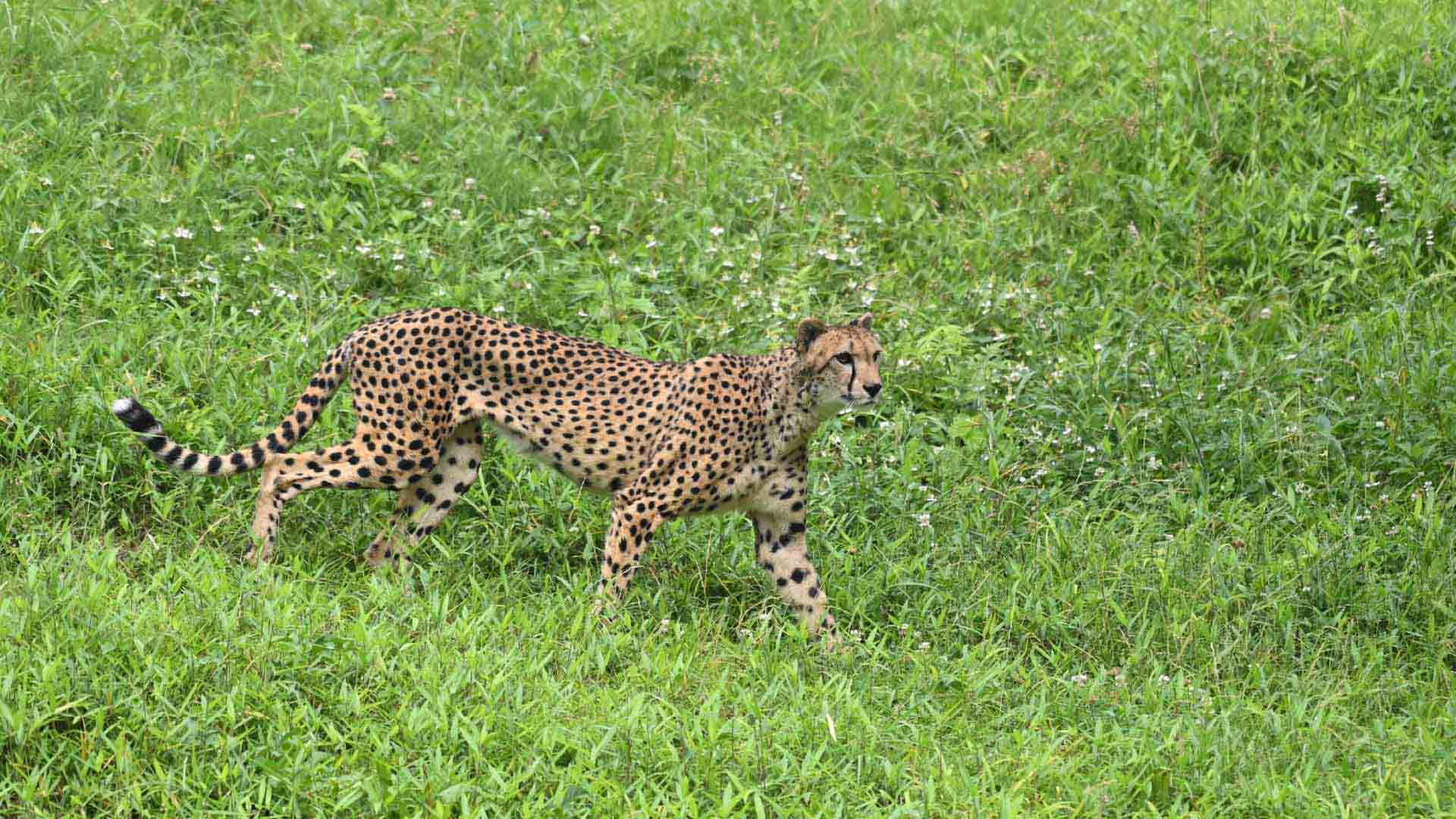
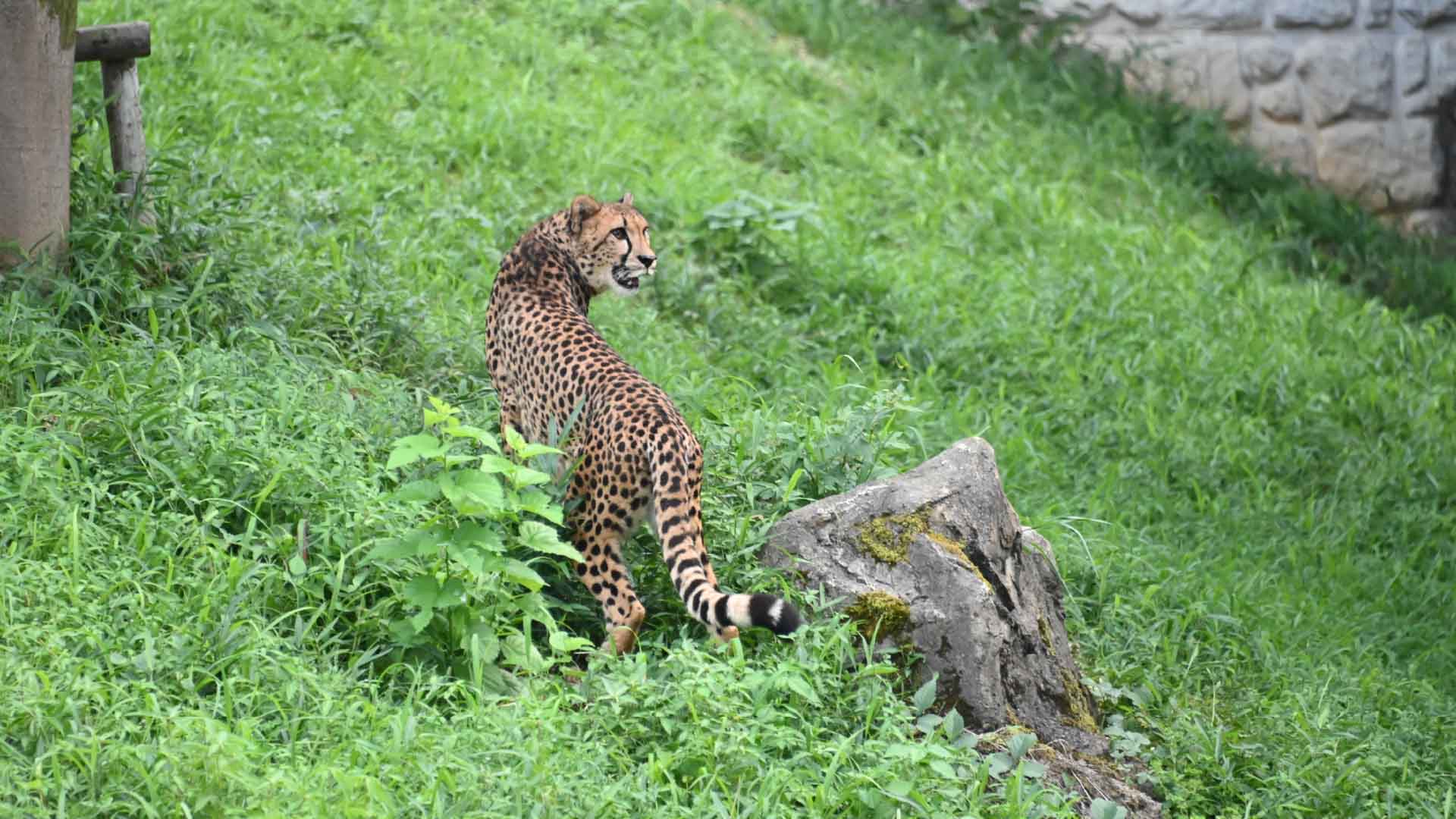
It is the fastest land mammal in the world, reaching speeds of approximately 96-110 km/h. Compared to other large cats, its small head, slender body, well-developed chest muscles, and long legs support its speed. It is mainly active during the day, chasing and killing fast-fleeing prey at even greater speeds. Females live alone except during the nursing period, and raise their young alone. Males, on the other hand, live alone or in groups of 2-4.
| classification | Mammalia, Carnivora, Felidae |
|---|---|
| English name | Cheetah |
| distribution | North, East and South Africa |
| Residence | Grasslands, Eurasian Moorhen, deserts, shrublands |
| Size |
Head torso length: 105-152cm
Tail length: 51-87cm Shoulder height: approx. 76cm Weight: 35-65 kg |
| food | Mainly small antelopes |
| Red List |
IUCN: VU (Very)
|
nail
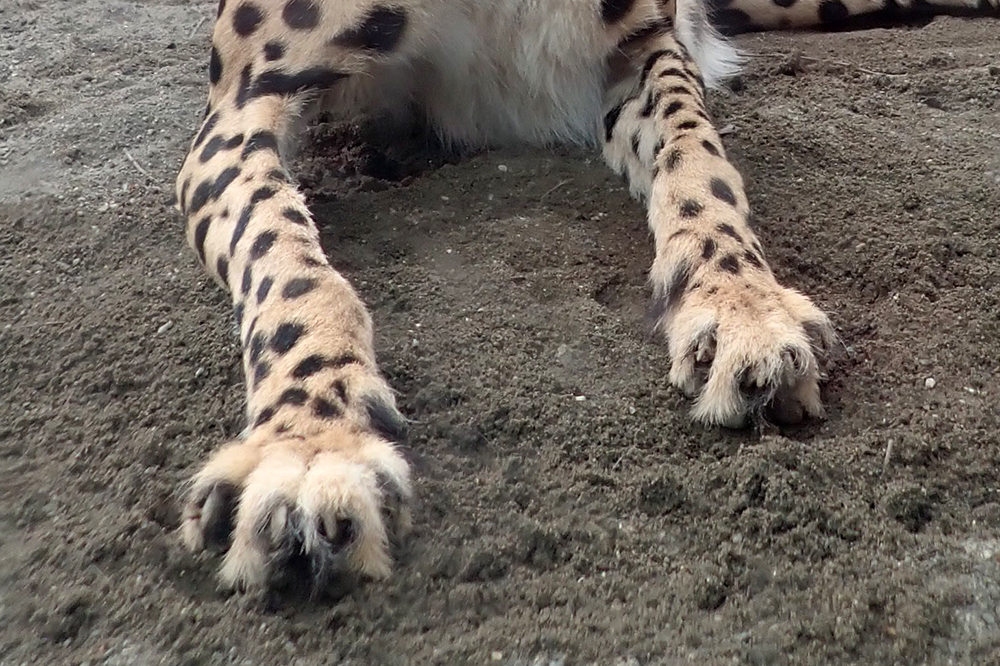
Unlike other cats, Cheetah cannot fully retract their claws, but instead use them like spikes to grip the ground when running at high speeds.
tail
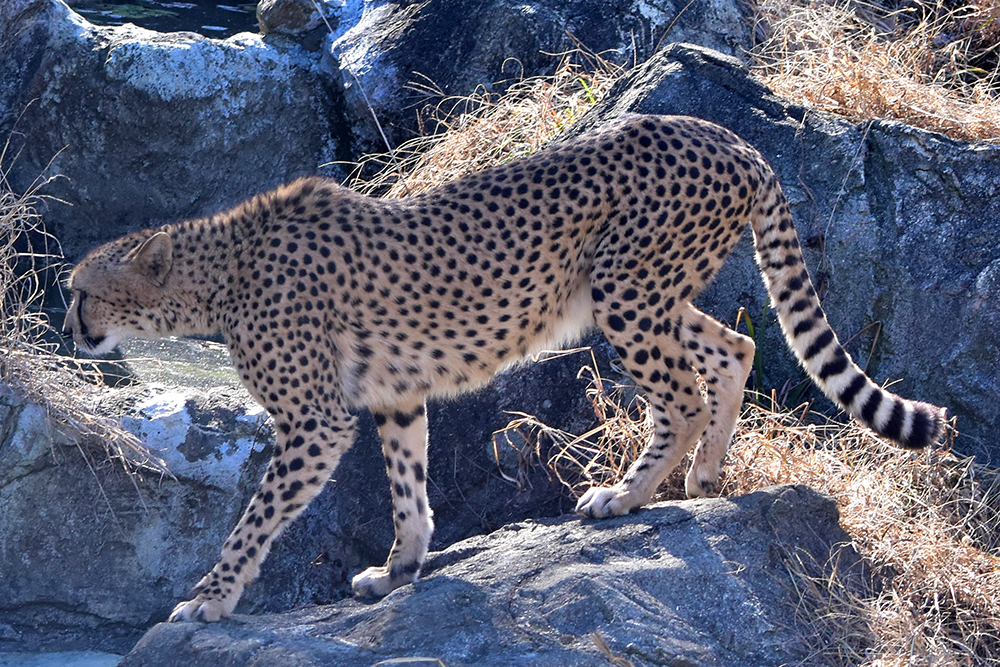
They have a long, flexible tail. Their body is spotted, but the tip of their tail has a ring-shaped pattern. When chasing prey, they can swing their long tail from side to side to maintain balance and make sharp turns.
Body pattern
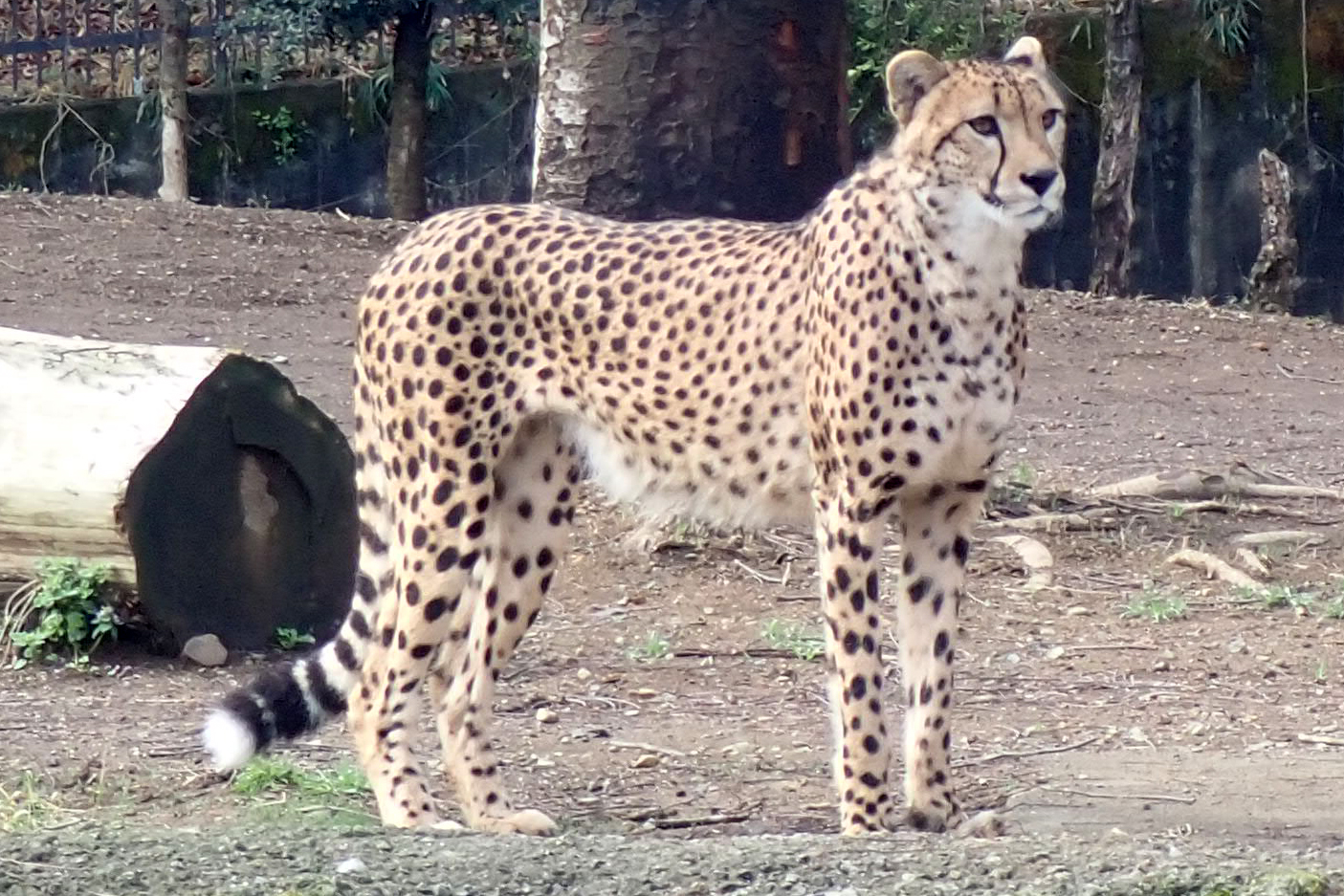
Cheetah have a yellowish-brown body with black spots scattered all over their body, which serves as a protective coloration in the grasslands. There are black lines called "tear marks" on their faces that stretch from their eyes to their mouths, which reduce the reflection of sunlight and make it easier for them to target prey.
Danger in the wild
The current wild Cheetah population is reported to be 6,517 (IUCN, 2021). It is the most endangered species of African cat. The main threats are habitat loss and fragmentation, a decline in prey, conflict with humans, and illegal trade for bones and body parts. Because they are non-territorial and move around in search of prey, many individuals leave protected areas, making extensive conservation efforts necessary.