

Zoo Stock Species and the Red List
Zoo Stock Species and the Red List
Zoo Stock

This indicates that the species is included in the Second Zoo Stock Plan, which was formulated by the Tokyo Metropolitan Government in 2018. The plan sets goals for the next 10 years in three areas: "species conservation," "contribution to wildlife conservation," and "environmental education and conservation awareness." 124 animal species are included.
What is the Red List?
Based on scientific research, this is a list of wildlife classified by rank (category) indicating the degree of risk of extinction.
Livng Things Encyclopedia shows the categories (mainland and islands) assessed by the IUCN (International Union for Conservation of Nature) at the global level, the Ministry of the Environment for Japan, and the Tokyo Metropolitan Government for Tokyo.
The higher the category in each table, the higher the risk of extinction, and CR, EN, and VU are the three categories known as "endangered species." In Tokyo, species that are not at the NT (near threatened) level but are relatively rare are considered "species of concern."
|
IUCN categories |
|
|---|---|
|
EX |
extinction |
|
EW |
Extinction in the wild |
|
CR+EN |
— |
|
CR |
Serious crisis |
|
EN |
crisis |
|
VU |
emergency |
|
NT |
Near Threatened |
|
LC・○ |
Low Concern |
|
DD |
Data shortage |
|
LP |
— |
|
Japan (Ministry of the Environment) Category |
|
|---|---|
|
EX |
extinction |
|
EW |
Extinction in the wild |
|
CR+EN |
Endangered species |
|
CR |
Critically Endangered |
|
EN |
Endangered species |
|
VU |
Endangered species |
|
NT |
Near Threatened |
|
LC・○ |
— |
|
DD |
Lack of information |
|
LP |
Endangered |
|
Tokyo Category |
|
|---|---|
|
EX |
extinction |
|
EW |
Extinction in the wild |
|
CR+EN |
Endangered species |
|
CR |
Critically Endangered |
|
EN |
Endangered species |
|
VU |
Endangered species |
|
NT |
Near Threatened |
|
LC・○ |
Unranked |
|
DD |
Lack of information |
|
LP |
Endangered |
Creatures at Tama Zoo
Creatures at Tama Zoo

Asian Elephant
Subspecies: Sri Lankan Elephant
Asian Elephant
Subspecies: Sri Lankan ElephantElephas maximus maximus
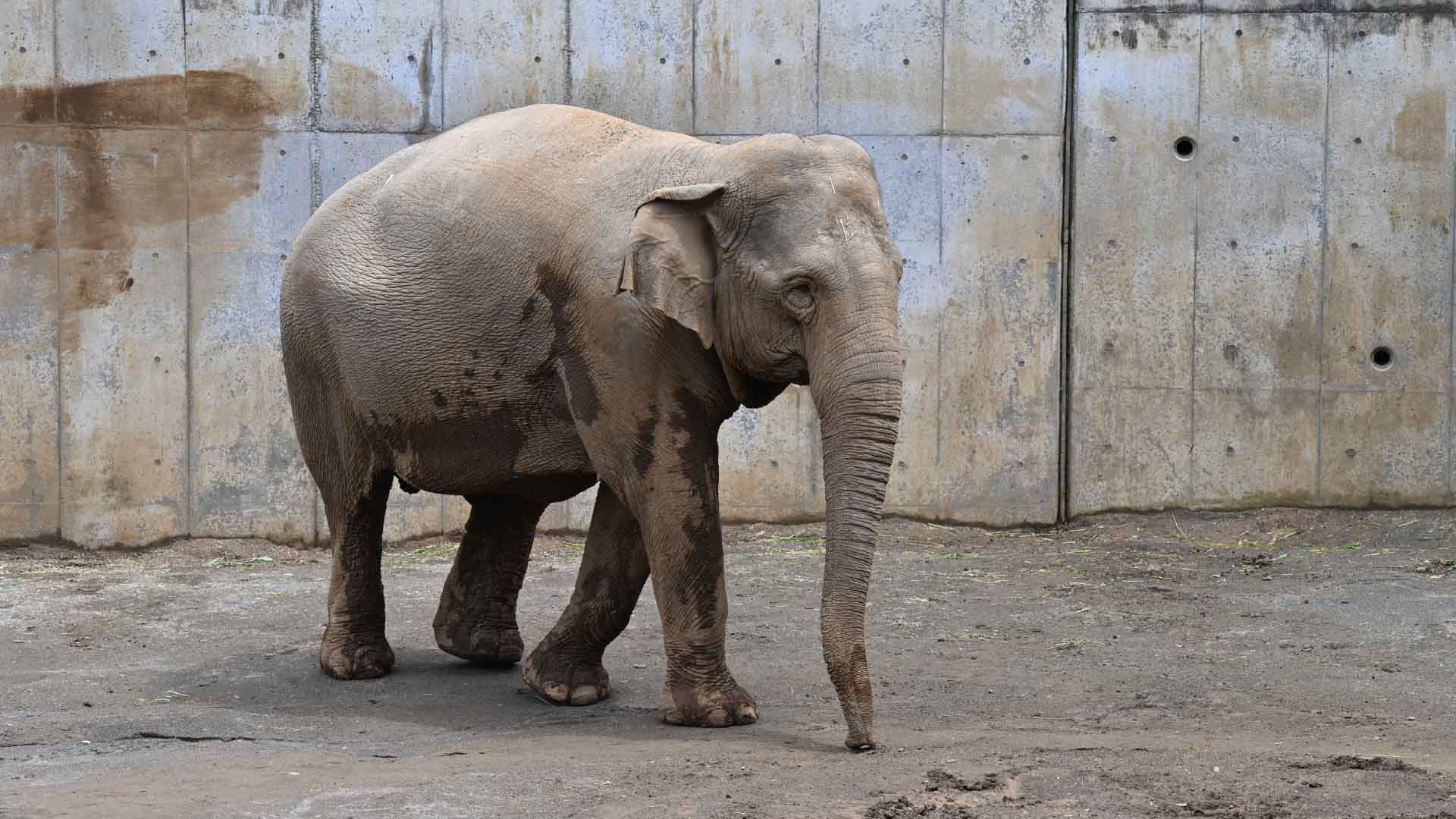
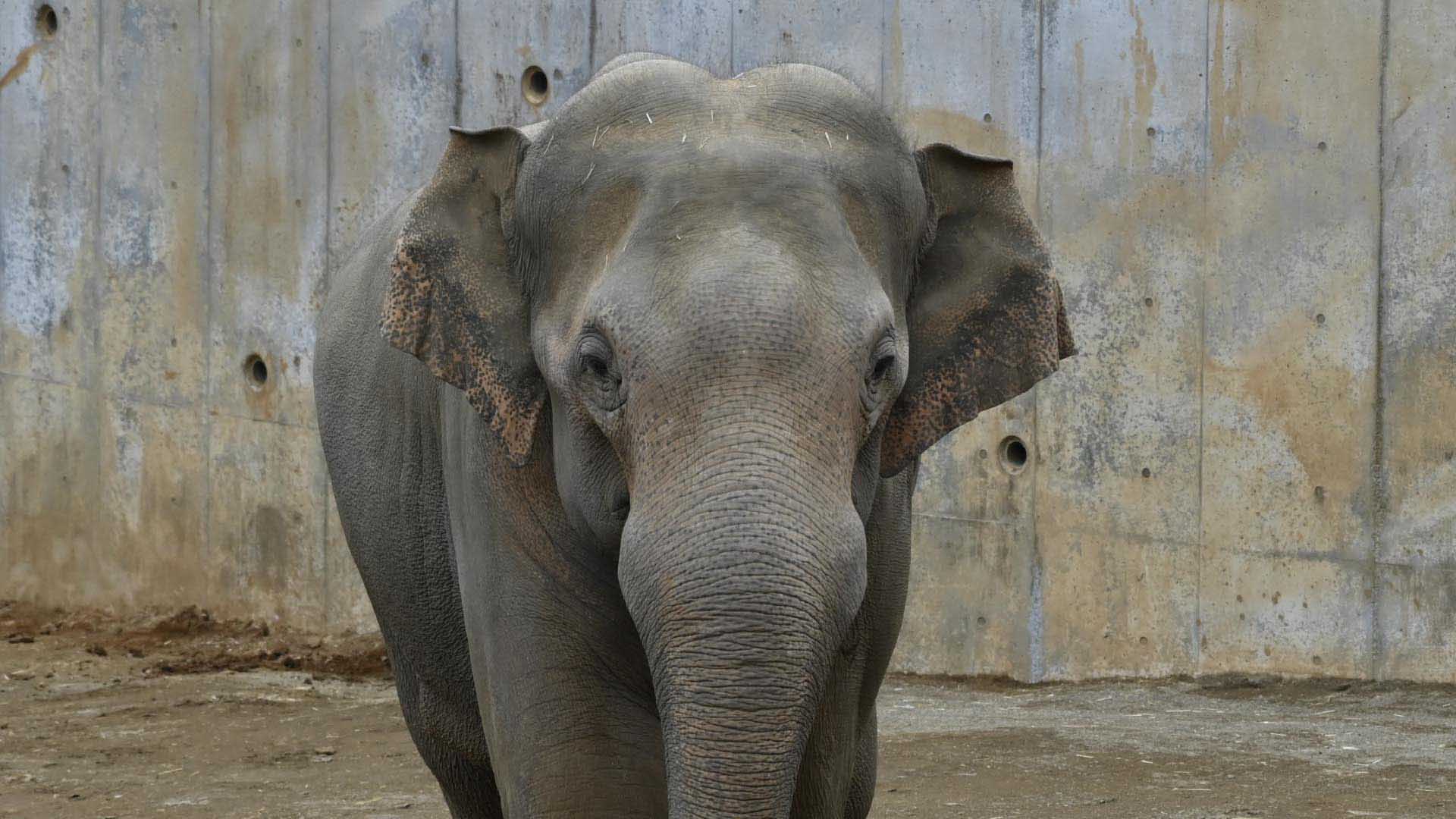
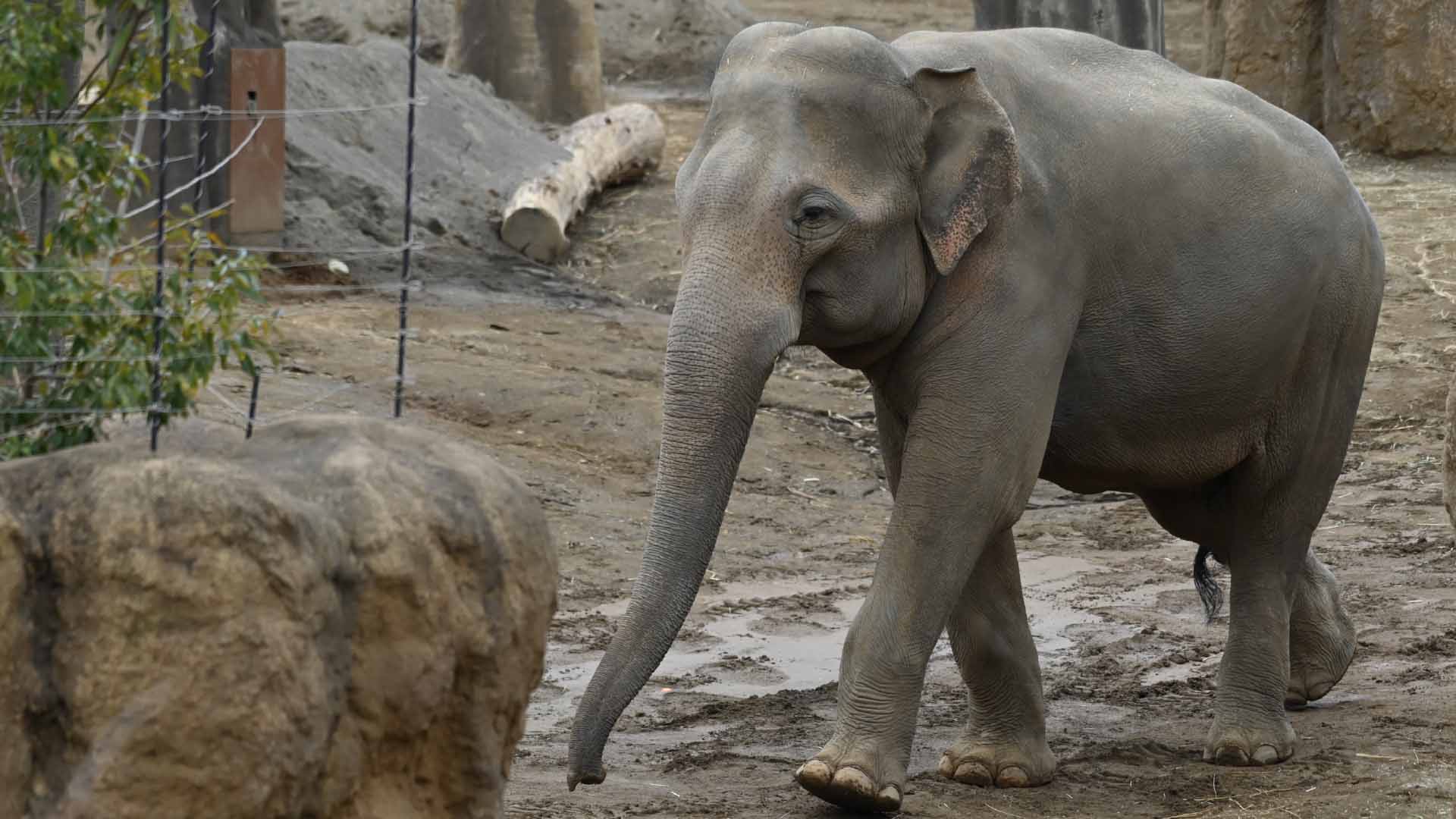
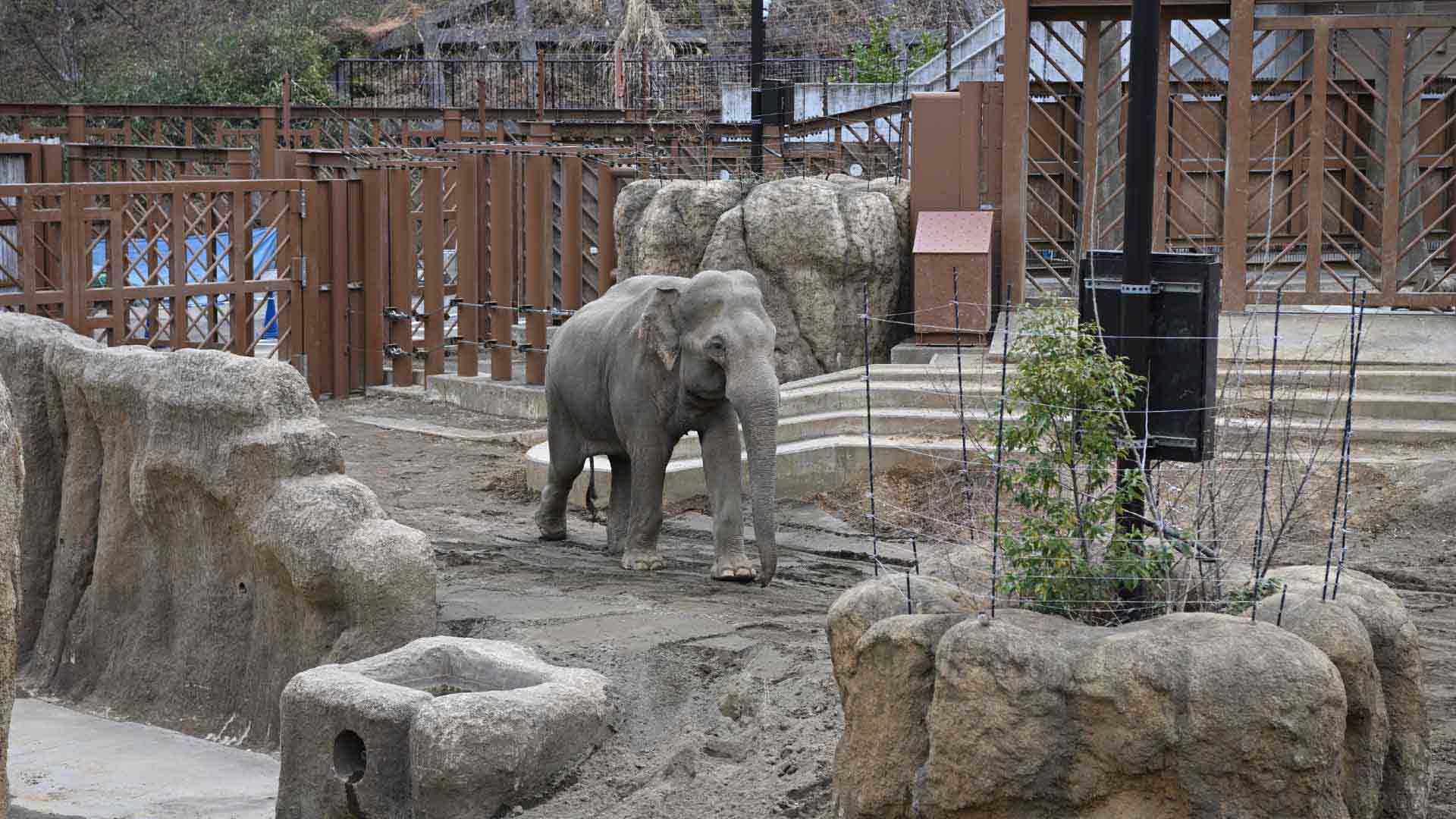
Asian Elephant as a species is distributed in India, Myanmar, Thailand, southern China, the Malay Peninsula, Sri Lanka, etc., and this subspecies lives in Sri Lanka. In the wild, they live in groups centered around older females, and the male calves eventually leave the group as they grow up.
| classification | Mammalia, Proboscidea, Elephantidae |
|---|---|
| English name | Sri Lankan Elephant |
| distribution | Sri Lanka |
| Residence | forest |
| Size |
Shoulder height: 2.5-3.5m
Weight: 3-5 tons |
| food | Grass, tree branches and bark, bamboo |
| Red List |
IUCN: EN (crisis)
|
nose
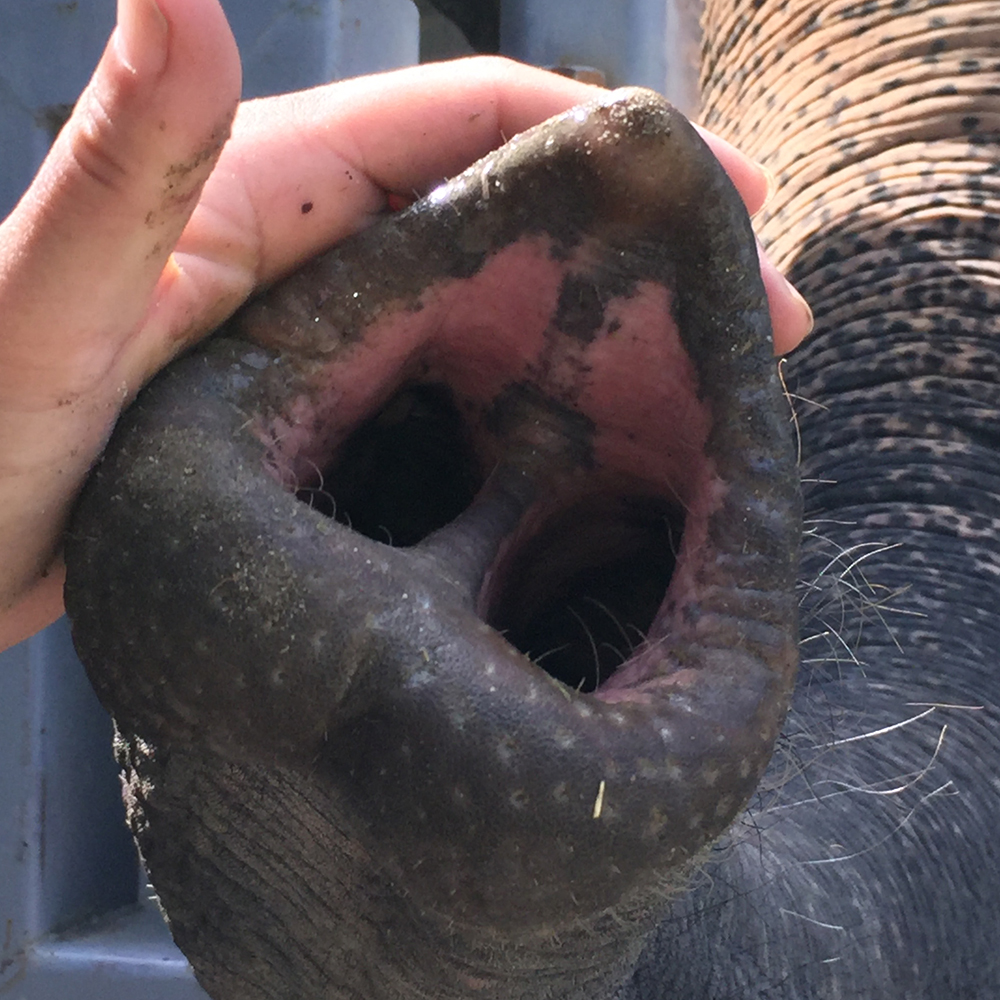
It is connected to the upper lip. The long, stretched part is made of muscle, so it is soft yet strong. There is a finger-like protrusion on the top of the nose, which can pick up even a single peanut. They have an excellent sense of smell.
ear
They are large and thin, and you can see many blood vessels running through them. Their large, round bodies tend to trap heat, so they move their ears to release heat from the blood vessels on their surface and send cooled blood to their bodies, preventing their body temperature from getting too high.
skin
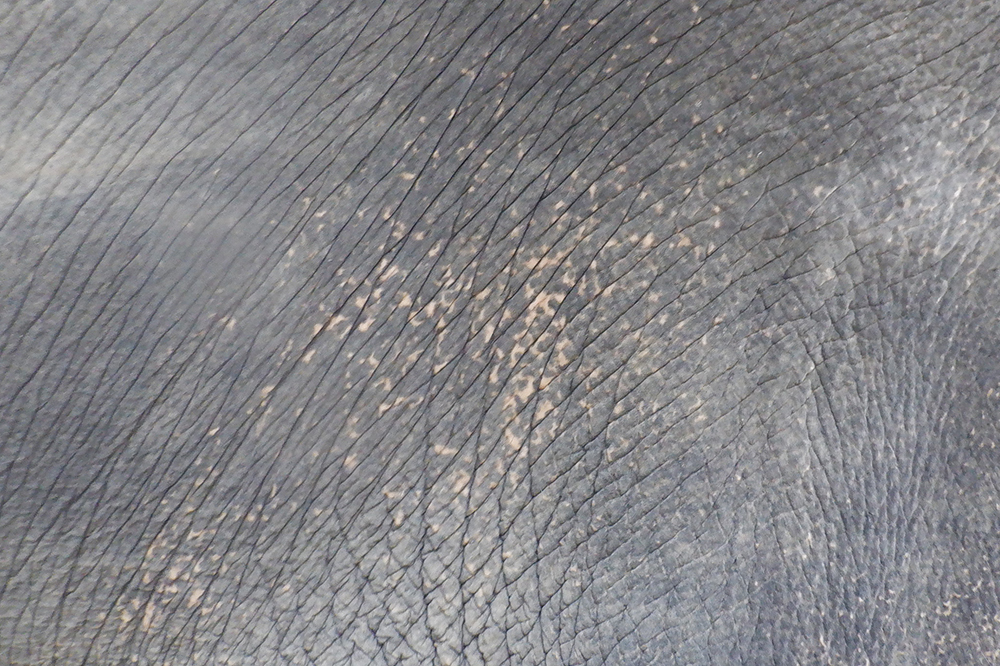
They have wrinkles all over their body. Because their large bodies tend to trap heat, they create wrinkles to increase the surface area of their skin and make it easier for heat to escape. Their skin color ranges from light gray to dark gray, but because they often take mud baths, their skin color can sometimes be the same as the surrounding soil.
feet
When walking, a single foot carries a weight of over 1 ton. To support their weight, their feet are pointed straight down. There are five claws on the front feet and four on the back feet. Although it looks like their heels are touching the ground, they actually walk on their toes. The soles of their front and back feet have elastic pads that support their weight.
Pregnancy and childbirth
The gestation period is 20-22 months, and they give birth to a single calf weighing 90-130 kg every 4-9 years.