

Zoo Stock Species and the Red List
Zoo Stock Species and the Red List
Zoo Stock

This indicates that the species is included in the Second Zoo Stock Plan, which was formulated by the Tokyo Metropolitan Government in 2018. The plan sets goals for the next 10 years in three areas: "species conservation," "contribution to wildlife conservation," and "environmental education and conservation awareness." 124 animal species are included.
What is the Red List?
Based on scientific research, this is a list of wildlife classified by rank (category) indicating the degree of risk of extinction.
Livng Things Encyclopedia shows the categories (mainland and islands) assessed by the IUCN (International Union for Conservation of Nature) at the global level, the Ministry of the Environment for Japan, and the Tokyo Metropolitan Government for Tokyo.
The higher the category in each table, the higher the risk of extinction, and CR, EN, and VU are the three categories known as "endangered species." In Tokyo, species that are not at the NT (near threatened) level but are relatively rare are considered "species of concern."
|
IUCN categories |
|
|---|---|
|
EX |
extinction |
|
EW |
Extinction in the wild |
|
CR+EN |
— |
|
CR |
Serious crisis |
|
EN |
crisis |
|
VU |
emergency |
|
NT |
Near Threatened |
|
LC・○ |
Low Concern |
|
DD |
Data shortage |
|
LP |
— |
|
Japan (Ministry of the Environment) Category |
|
|---|---|
|
EX |
extinction |
|
EW |
Extinction in the wild |
|
CR+EN |
Endangered species |
|
CR |
Critically Endangered |
|
EN |
Endangered species |
|
VU |
Endangered species |
|
NT |
Near Threatened |
|
LC・○ |
— |
|
DD |
Lack of information |
|
LP |
Endangered |
|
Tokyo Category |
|
|---|---|
|
EX |
extinction |
|
EW |
Extinction in the wild |
|
CR+EN |
Endangered species |
|
CR |
Critically Endangered |
|
EN |
Endangered species |
|
VU |
Endangered species |
|
NT |
Near Threatened |
|
LC・○ |
Unranked |
|
DD |
Lack of information |
|
LP |
Endangered |
Creatures at Ueno Zoo
Creatures at Ueno Zoo

Red-crowned Crane
Red-crowned Crane
Grus japonensis
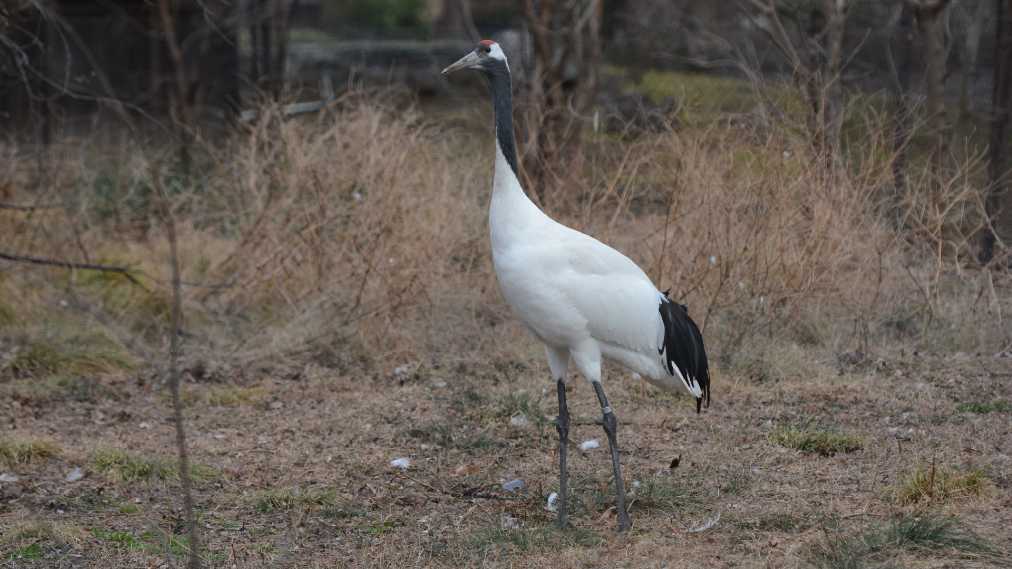
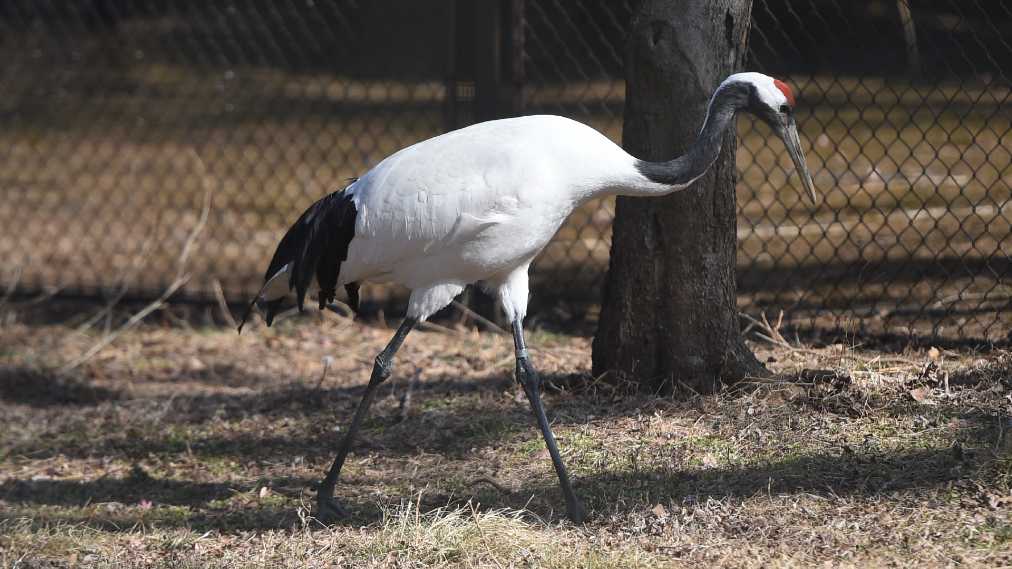
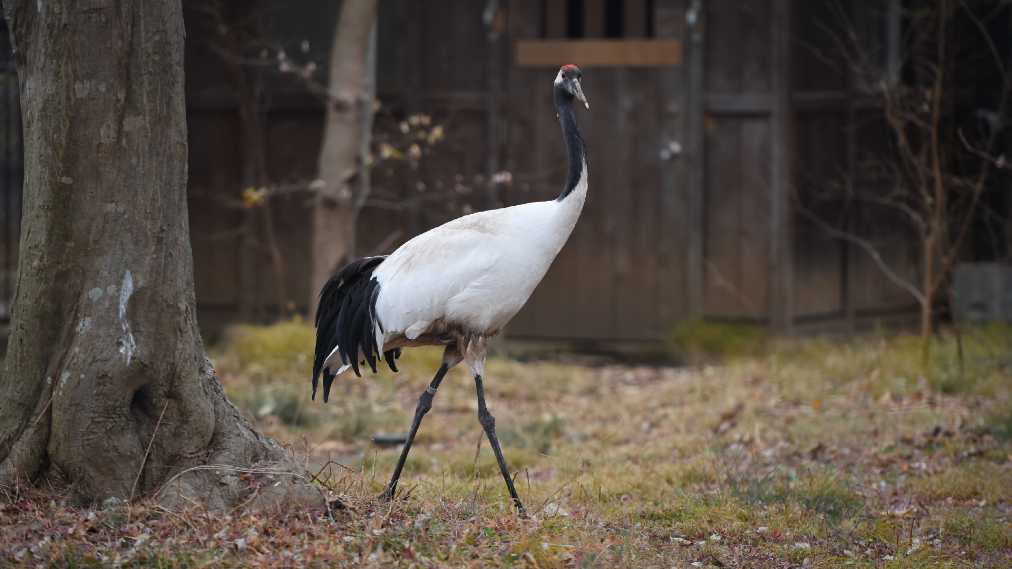
They are one of the largest birds in Japan. While Red-crowned Crane on the mainland migrate, Japanese Red-crowned Crane do not migrate and breed in Hokkaido. They form strong pairs and generally breed with the same partner every year. In winter, the pair will call out to each other and dance facing each other to get in the mood, and in the spring they will lay two eggs. The pair will take turns incubating the eggs and feeding the chicks.
| classification | Aves, Grui, Gruidae |
|---|---|
| English name | Red-crowned Crane |
| distribution | Northeast Asia (southeastern Russia, northeastern China, eastern Hokkaido in Japan, Mongolia), Hokkaido in Japan |
| Residence | Wetlands, agricultural land |
| Size |
Total length: Males approximately 137cm, females approximately 125cm
Weight: Approximately 6-11 kg (adult) |
| food | They are omnivorous, feeding on small mammals (such as red-backed voles), bird chicks (such as Japanese buntings), amphibians (such as frogs), reptiles (such as lizards), fish (such as loaches), crustaceans (such as shrimp), shellfish (such as pond snails), plant leaves (such as parsley), buds (such as reeds), stems (such as horsetail), and fruits (such as Mizunara oak). |
| Red List |
IUCN: VU (Very)
Japan: NT (Near Threatened) |
Red part of the head
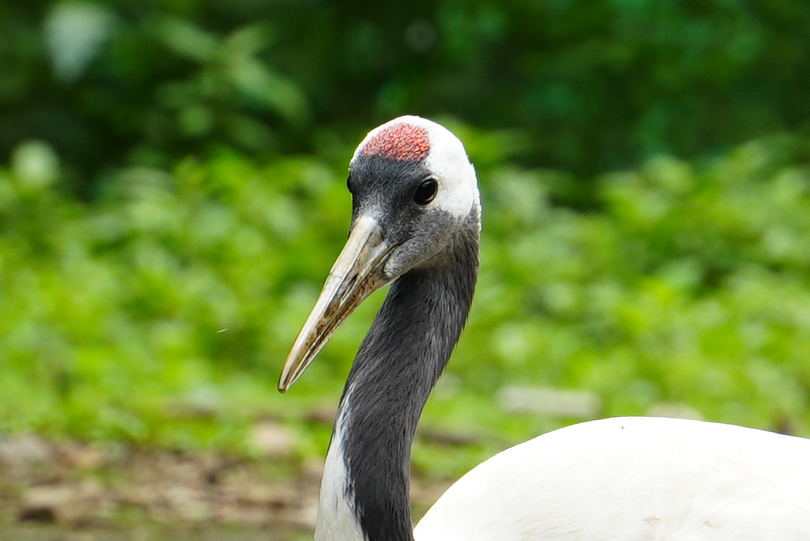
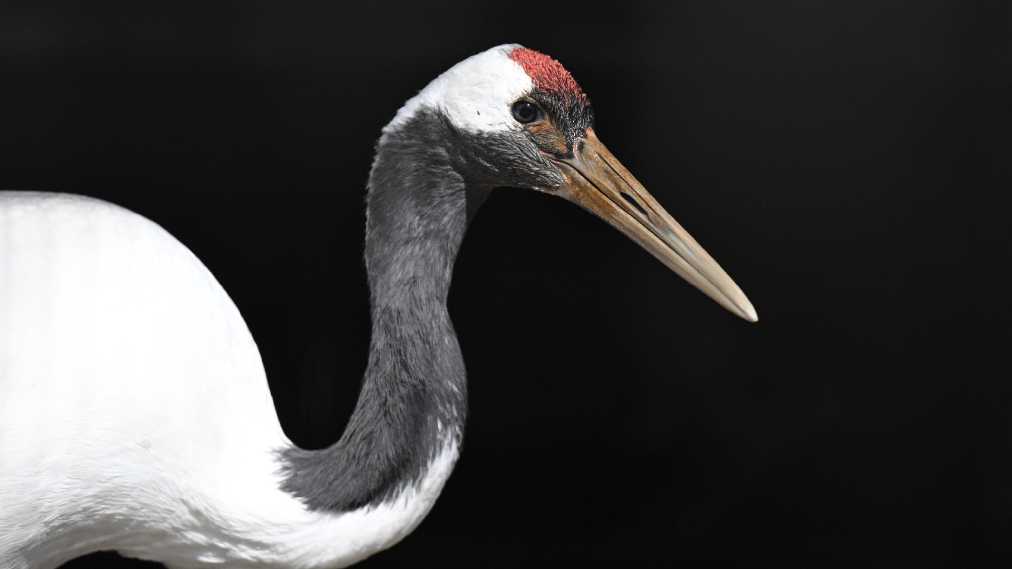
If you look closely at the red area on top of its head, you'll see that it's one level lower than the surrounding white area. There are no feathers here, so the color of the blood is visible through the skin. When the bird is in a good mood, such as during breeding season, the red area spreads out behind it and becomes more vibrant.
toes
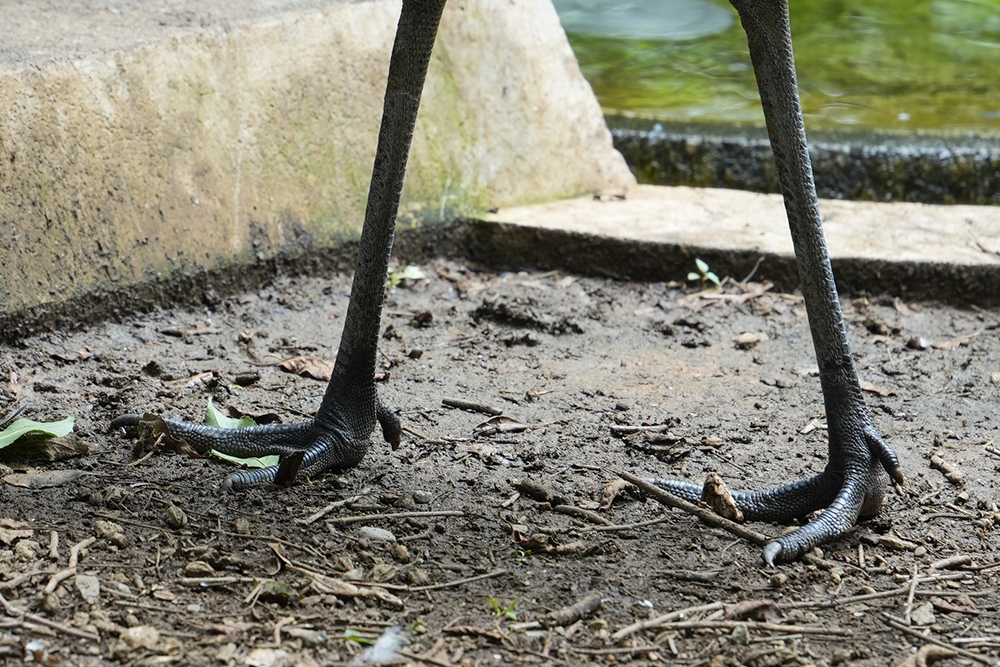
With three widely spread fingers, they can stand firmly on one leg. However, the fourth finger, which points backward, is very small and cannot grasp objects. They rest and build nests on the ground, and do not perch in trees, so it is thought that this finger has evolved.
Recovering from the brink of extinction
They once lived all over Japan, but overfishing during the Meiji period and subsequent development of wetlands led to a dramatic decline in their numbers, and they were once thought to be extinct. They were later rediscovered in the Kushiro Wetlands, and conservation efforts have led to a steady recovery in their population.