

Summer Vacation Independent Research Support Project
Search for a theme
Search for a theme
Ueno Zoo has plenty of events and learning materials to help with your summer vacation research projects!
First, find a theme!
Let's observe the animals
Let's observe the animals
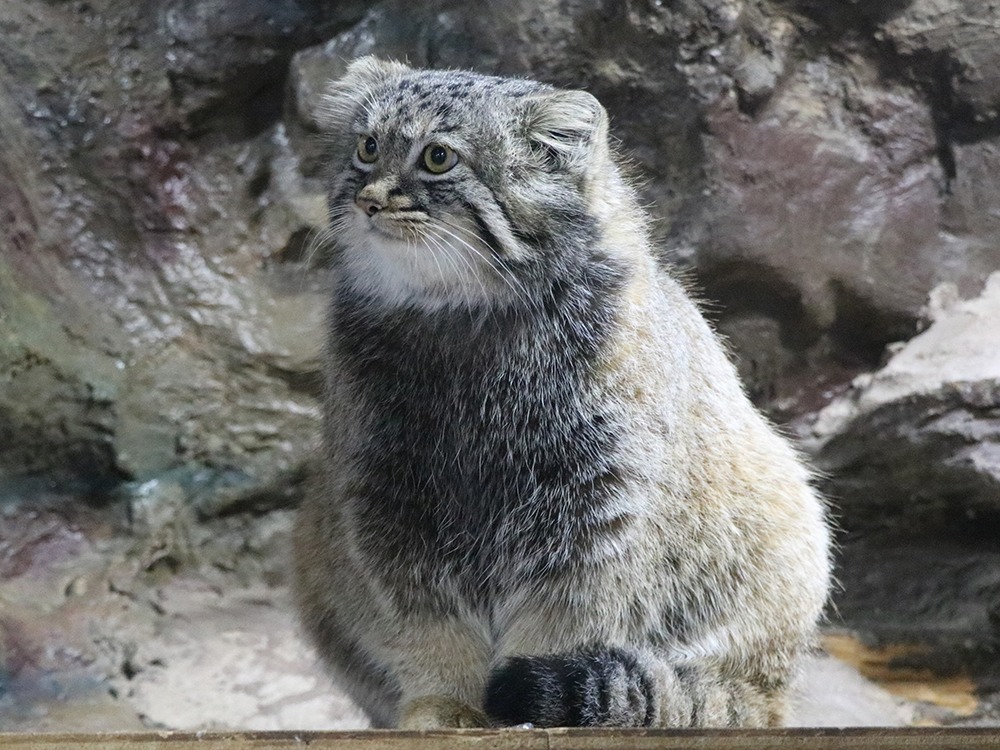
The joy of seeing real, live animals is something you can only experience at a zoo. Whether it's an animal's physical appearance, such as its legs or tail, or its behavior, such as how it eats or moves, you can make new discoveries by carefully observing the animals on a particular theme.
Recommended grade level
Elementary school lower grades
Research Tips
Ueno Zoo Official X
Ueno Zoo official X account is sharing tips for observing the animals!
#Online animal observation
#Free research
#Free Research Support Project
Ueno Zoo highlights newspaper "ZOO TODAY"
It lists timely observation points, such as newly arrived animals, newborn babies, and seasonal highlights. They are available in racks at the entrance and Gneral Information Center, so please feel free to pick one up.
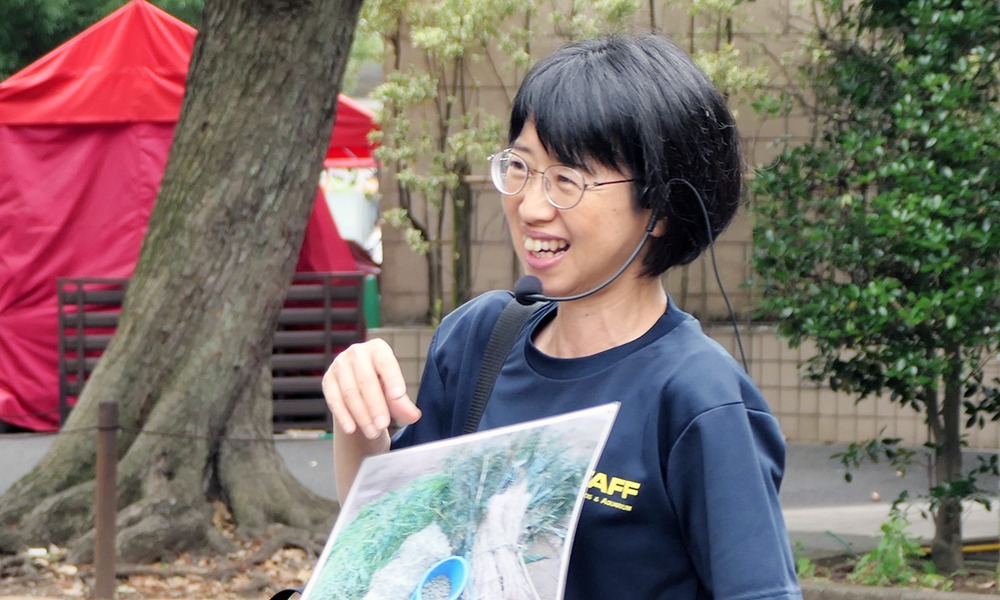
"Animal Guide" (Tuesday to Friday only)
You can observe several animals based on one theme, or carefully compare two species. You can learn different ways of looking at things.
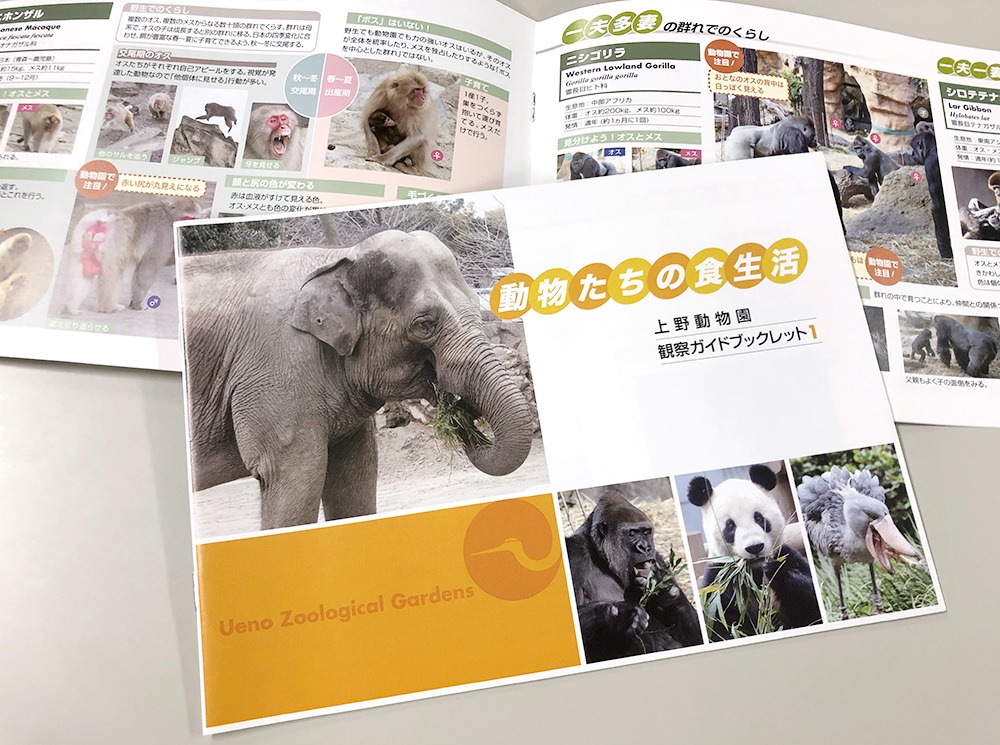
Observation guide booklets: "Animal diets" and "The mysteries of males and females"
You can observe the characteristics of animals at the zoo on your own, following a theme (for upper elementary school students and above).
Special exhibit at the Amphibian and Vivarium"
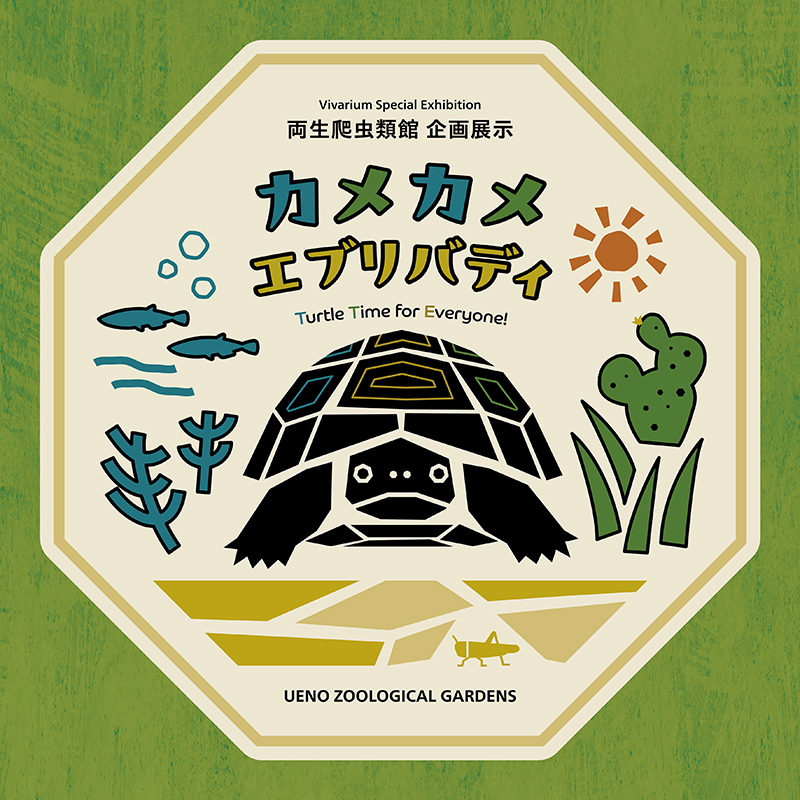
We are currently holding a special exhibition called "Turtle Everybody" that introduces the characteristics of turtles, their body structure, and issues surrounding turtles.
November 18, 2025 (Tuesday) - December 27, 2026 (Sunday)
Find out about endangered species
Find out about endangered species
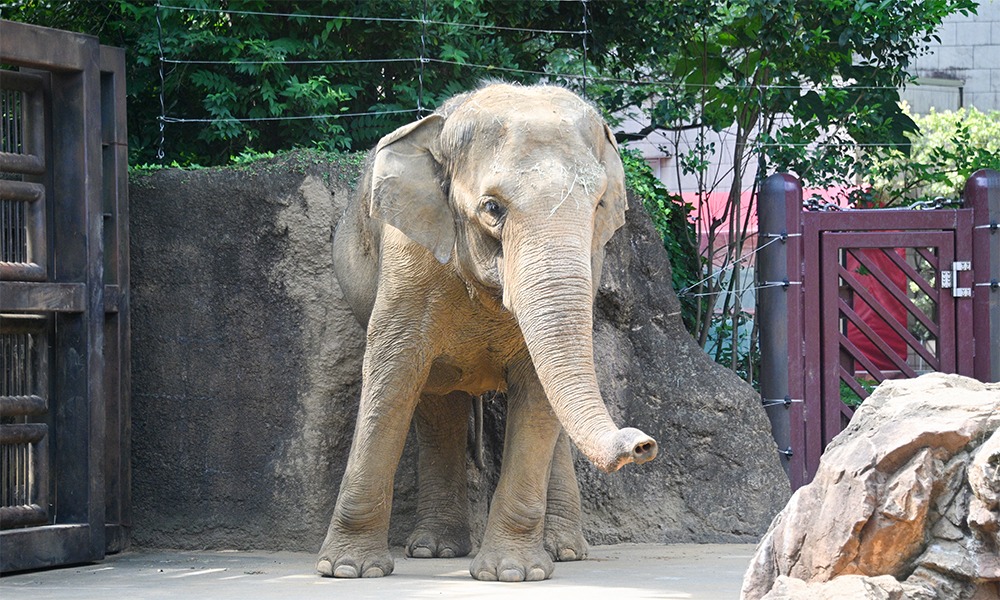
Ueno Zoo is home to animals that are at risk of extinction. What kinds of endangered species are there?
Why did the animal's numbers decrease?
This topic is recommended for people who are familiar with the term endangered species but have never actually seen the animal or would like to know more about it.
Recommended grade level
Upper elementary school students
Research Tips
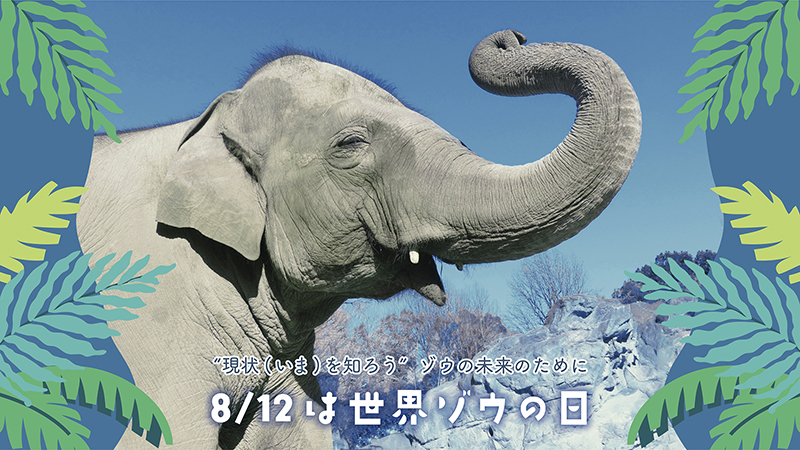
World Elephant Day
World Elephant Day was established in 2012 to call for the worldwide protection of elephants, which are in danger of extinction due to poaching and habitat destruction.
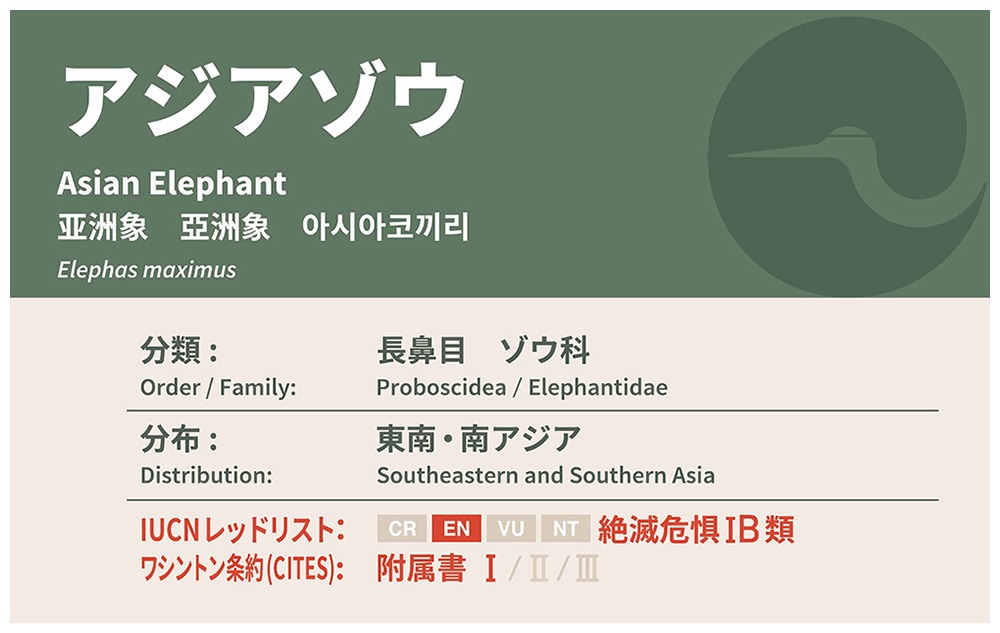
Search by "signs with animal species names" or "explanatory signs"
In the animal exhibits, all animals have a sign (species label) that indicates the name of their species.
The signs tell you where the animal lives and whether it is an endangered species.
Also, for some animals, information signs will explain their current situation in the wild. While observing the animals at the zoo, you can learn about their current situation in the wild and the efforts being made by the zoo, and think about what you can do to help.
Endangered animals with explanatory signs
Asian Elephant, tigers, gorillas, Rock Ptarmigan, Japanese Newt bellied newts, and the snails of the Ogasawara Islands (Land Snail).
SDGs Theme

Themes related to "Protecting the richness of land"
Let's think about peace
Let's think about peace
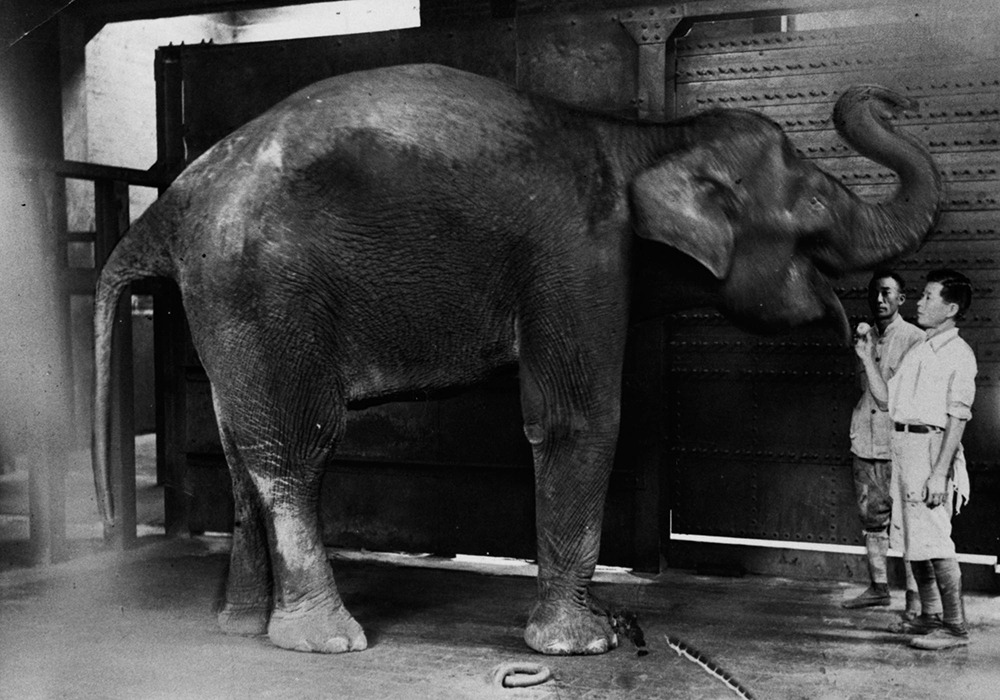
During the war, a very sad incident occurred at Ueno Zoo where many animals lost their lives.
Sadly, wars continue around the world. Let's learn about zoos during wartime and think about a future where humans and animals can live together happily.
Research Tips
The Tokyo Zoo Volunteers (TZV) will read aloud the picture book "The Poor Elephant," which is based on the actual "disposal of dangerous animals during wartime" that took place at Ueno Zoo in the summer of 1943.
Saturday, August 15, 2026
① 12:30 PM - 1:00 PM
② 1:10 PM - 1:40 PM
③ 13:50 - 14:20
④ 14:30 - 15:00
Sunday, August 16, 2026
① 12:30 PM - 1:00 PM
② 1:10 PM - 1:40 PM
③ 13:50 - 14:20
④ 14:30 - 15:00
West Garden Children's Zoo STEP Step First Room (Step Building, 2nd floor)
Approximately 15 people per session
Recommended grade level
Elementary school lower grades
SDGs Theme

Themes related to "Peace and Justice for All"
Find out about efforts to make the zoo a place everyone can enjoy
Find out about efforts to make the zoo a place everyone can enjoy
Ueno Zoo is taking on a variety of initiatives with the aim of becoming a zoo where everyone can create fun memories.
Let's take a look at what zoos are doing to make their zoos more comfortable for small children and people with disabilities.
Recommended grade level
Upper elementary school students
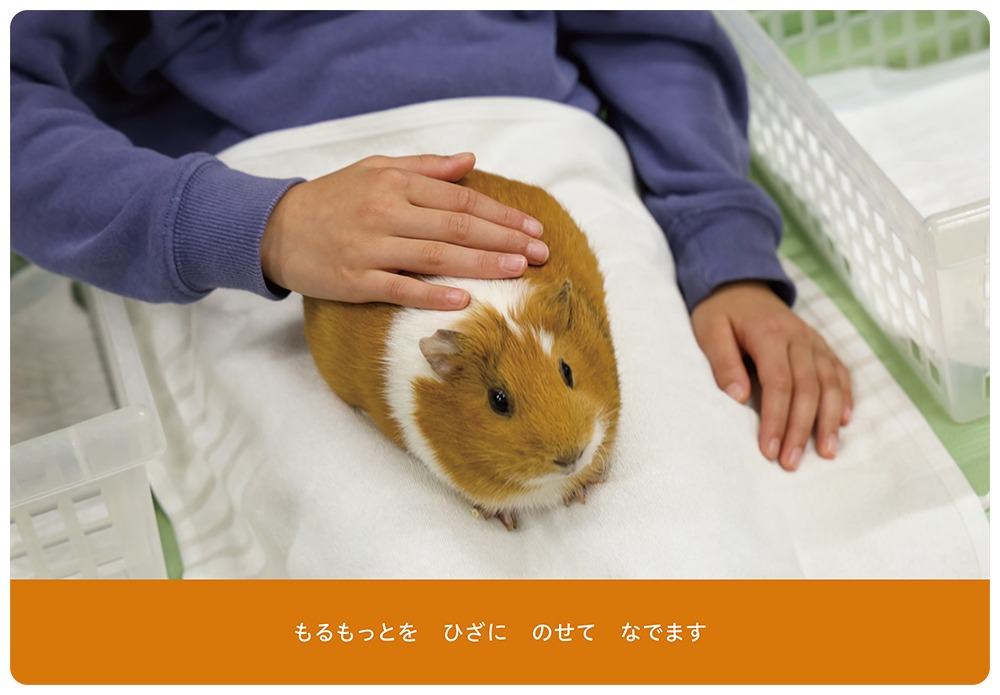
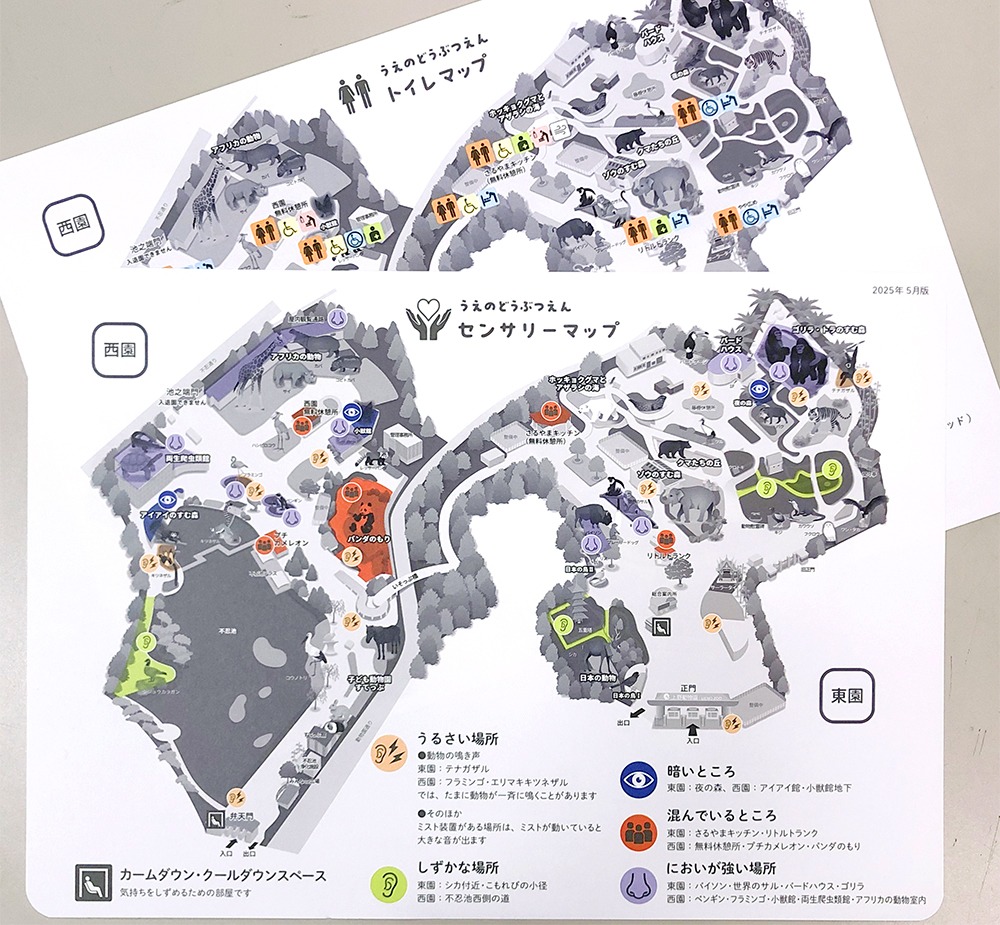
The zoo's website introduces "social stories" and "sensory maps." Why not visit the zoo and think about how these could be useful for small children and people with disabilities?
Children's Zoo "Social Story"
"Toilet Map," "Sensory Map," and "Wheelchair Map"
SDGs Theme
Themes related to "End Poverty"
Themes related to "Good Health and Well-being for All"
Themes related to "Quality Education for All"
Themes related to "Eliminating inequalities between people and countries"
Explore historical buildings
Explore historical buildings
Ueno Zoo has many historical facilities.
Let's actually visit the building and find out what it is like.
Research Tips
The tip of Monkey Mountain
The monkey mountain was built in 1932 and closed its doors in November 2024. It was the first monkey mountain-style exhibit in Japan, where visitors peered over a moat-enclosed artificial rock formation. Although the building has already been demolished, the history of the monkey mountain is still displayed in the construction fence, and the tip of the monkey mountain can be seen in front of the monkey mountain kitchen.
Former Kan'ei-ji Temple Five-storied Pagoda
It was built during the Edo period and rebuilt after being destroyed by fire.
*Due to renovation work in the surrounding area, visibility may be poor.
Kankan-tei (tea ceremony house)
This teahouse was built by a feudal lord in the Edo period to entertain Tokugawa Iemitsu, who took a rest here on his way back from visiting Ueno Toshogu Shrine.
Kankan-tei (tea ceremony house)
It was built in the Meiji era and has been remodeled but remains in the same location today.
Senkawa Canal
Part of the irrigation canal, which was constructed during the Edo period, can be seen here.
Let's take a look at it on a digital map.
You can check the location of buildings by selecting "Facilities and Exhibits" on the digital map.
How to summarize your independent research
How to summarize your independent research
It will be easier to understand if you organize what you have researched into categories and write them down.
What prompted you to research it? Questions
: Location, date and time of investigation, recording method, etc.
:Write down what you have found out
: Write down what you learned from the results. You can also write down any questions or thoughts you had after researching.
: I write books, websites, etc.
This YouTube video introduces how to summarize research for junior and senior high school students.
At around 7 minutes, there is an explanation of how to write a report.
What are the SDGs?
What are the SDGs?
SDGs is an acronym for "Sustainable Development Goals." It is a set of 17 goals that people all over the world must work together to make the earth and society better, and was created to create a future where everyone can live happily. To achieve the SDGs, Ueno Zoo is working to conserve wildlife and create a zoo where everyone can learn and have fun.
A place where you can observe animals at your leisure in a cool indoor environment.
A place where you can observe animals at your leisure in a cool indoor environment.
Birds of Japan I (including numerous species such as the Ruddy Kingfisher and Lidth's Jay)
Small Mammal House (featuring numerous animals such as Naked Mole-rat rats, Orii Flying Fox, Meerkat etc.)
Vivarium (featuring a wide variety of amphibians and reptiles from around the world, including crocodiles, snakes, frogs, newts, and more)
Ueno Zoo has a "Cool Zoo Spot" that is free to use. You can cool off in the air-conditioned rest area or enjoy the cooling mist while working on your independent research project, being careful not to get heatstroke.
Free for elementary school students and younger! Free for junior high school students in Tokyo!
Free for elementary school students and younger! Free for junior high school students in Tokyo!
Admission to the Tokyo Metropolitan Zoo and Aquarium is free for elementary school students and junior high school students who live or study in Tokyo.