

See, Hear, and Deepen Your Understanding! Animal Guide

By focusing on one type of animal or comparing several types based on a theme, you can notice various ingenious features in animals' physiques and lifestyles simply by changing your perspective.
Observe the animals while listening to explanations from our staff, and discover the fascinating and fascinating aspects of animal life.
Participation is free.
No prior registration is required. If you wish to participate, please gather at the designated meeting place at the start time.
The start time and meeting place vary depending on the theme. Please check the event calendar for details.
Regularly scheduled dates
Open Tuesday through Friday (excluding public holidays)
*Due to various circumstances, the event may be canceled even on regularly scheduled dates.
Planned activities and themes
Please check the event calendar.
Theme Examples
Hunting birds
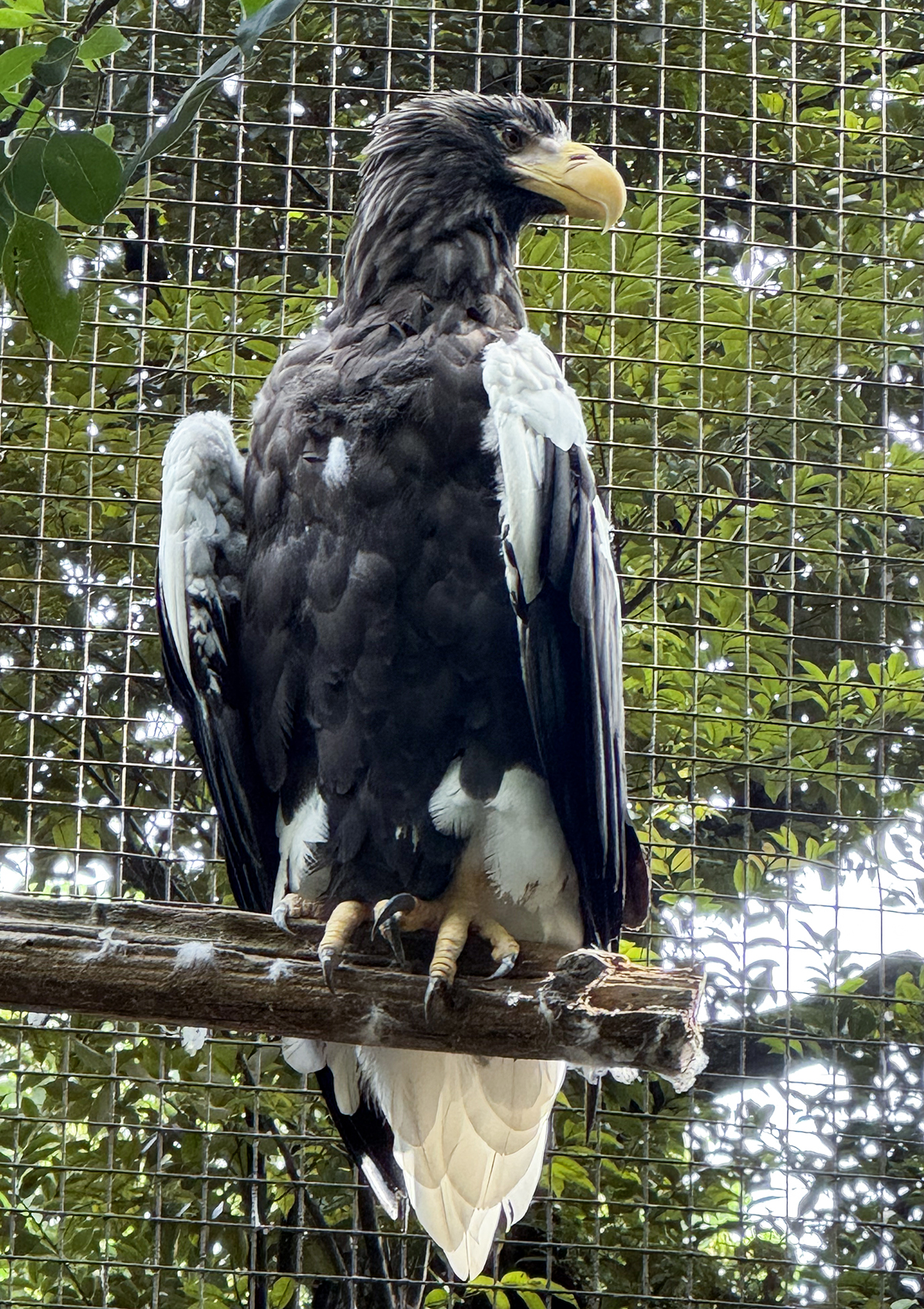
Nocturnal Ural Owl, diurnal hawks and eagles—how do they each find and catch their prey? We'll observe the ingenious methods hidden in various parts of their bodies.
Squirrel friends
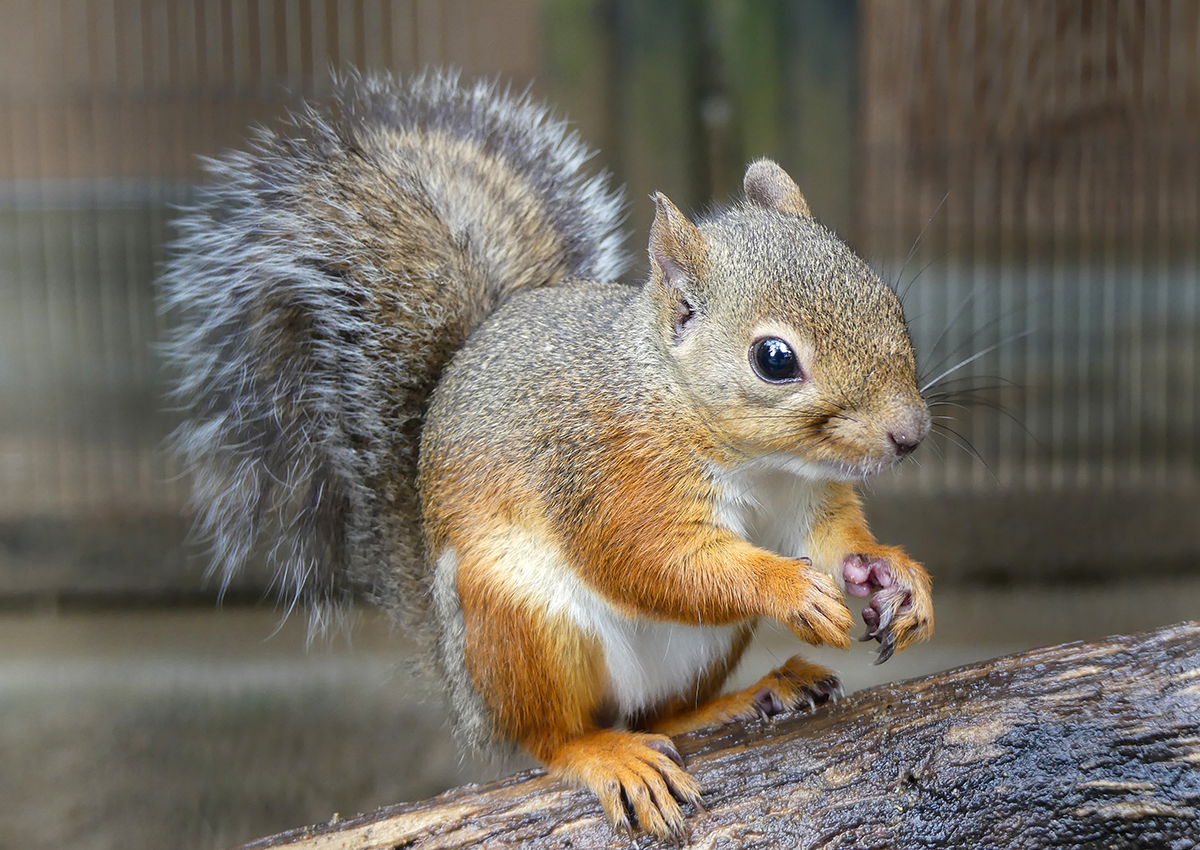
First, we'll see Japanese Squirrel living in the forest. We'll carefully observe the inseparable relationship between trees and squirrels. Afterwards, we'll move on to prairie dogs living in the grasslands. Let's look for the differences and similarities between them and the forest squirrels.
Waterside birds
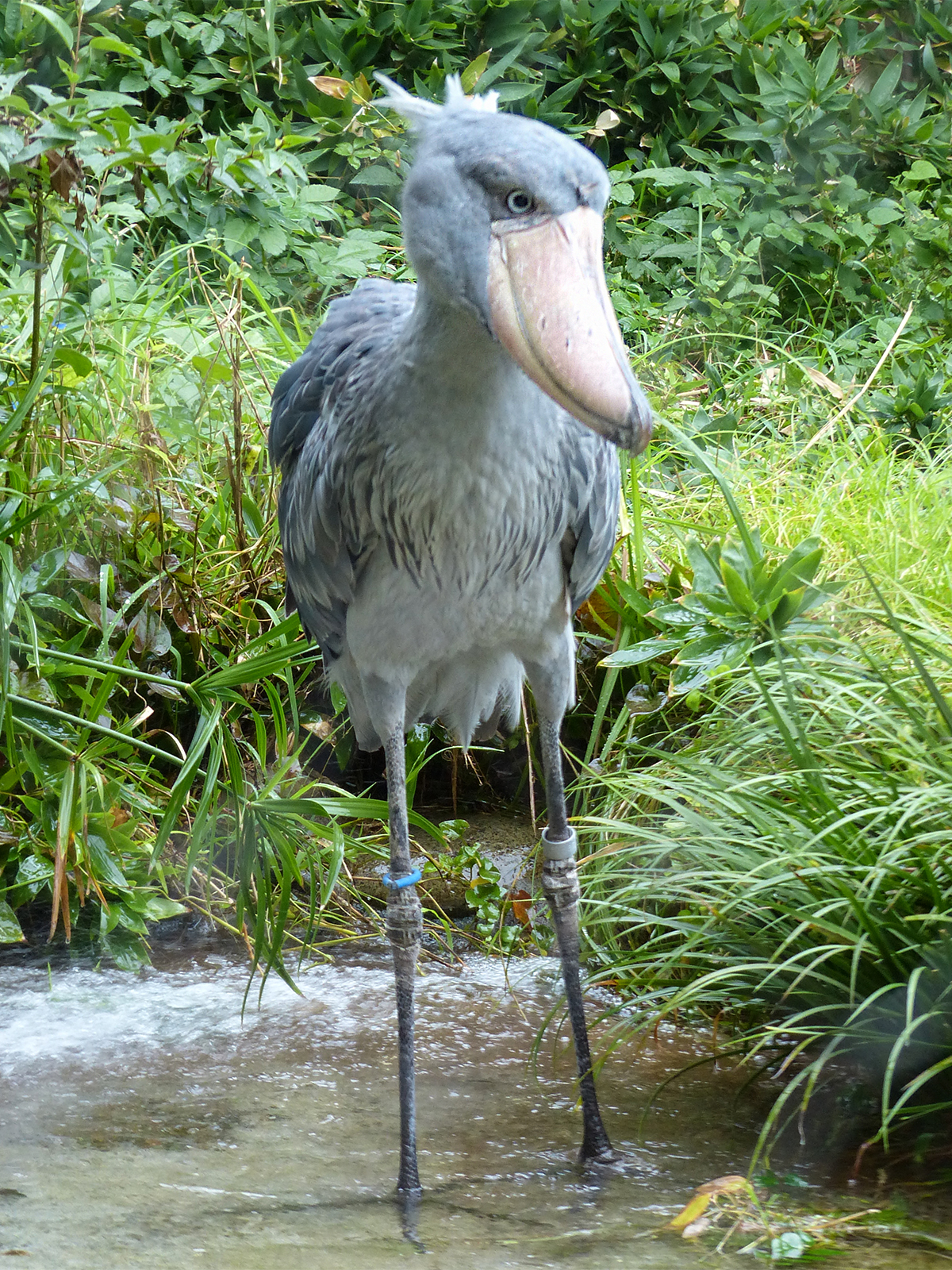
Penguins, flamingos, and Shoebill—even though they all live in the same aquatic environment, they each eat different things. And that is clearly reflected in the differences in their body shapes.
African herbivores
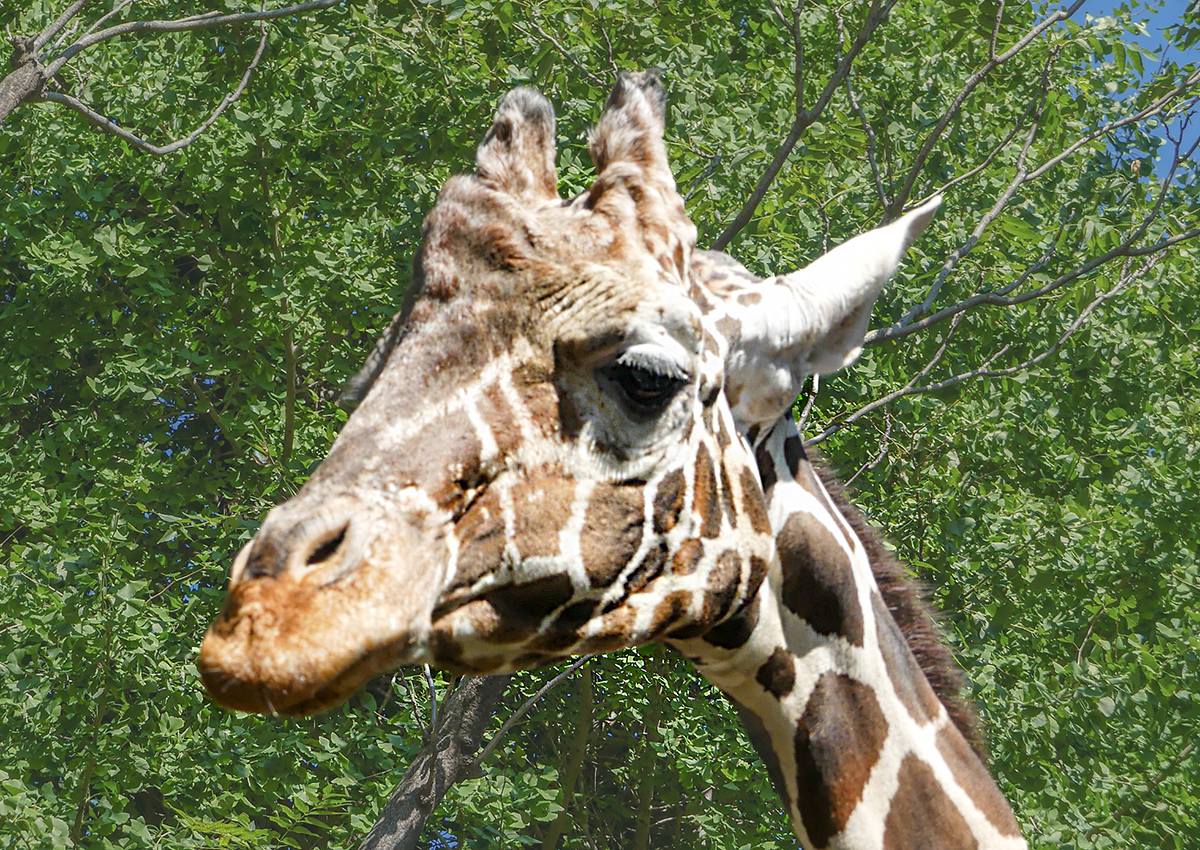
How do they protect themselves from carnivores like Lion? What kinds of plants do they eat, and how? We'll observe the survival strategies of large herbivores such as Giraffe, rhinos, and Hippopotamus.