

Behind the scenes at the zoo – the job of a "coordinator"
July 30, 2026
When you think of jobs at a zoo, what comes to mind? For most people, the first thing that comes to mind is the work of animal keeper, who directly interacts with the animals, such as feeding, cleaning, and managing their health.
However, there are many other jobs at the zoo, including entrance gate staff, restaurant and gift shop staff, and many more that cannot all be listed here. Among them are many behind-the-scenes jobs that are not usually seen by the public. This time, we will introduce some specific details about the work of the "coordinator" at Ueno Zoo.
While the zookeepers don't directly participate in animal care, they handle the necessary tasks for the animals' well-being. Because their work involves deep animal care, they are primarily staffed by individuals with specialized animal education, just like animal keeper. Let's take a look at what kind of work they do.
Management of animal feed
When raising animals, procuring feed is essential, but this isn't something that each animal animal keeper buys individually from supermarkets or greengrocers. animal keeper calculate the type and amount of feed needed for each animal, and a coordinator compiles all that information and makes the purchases.
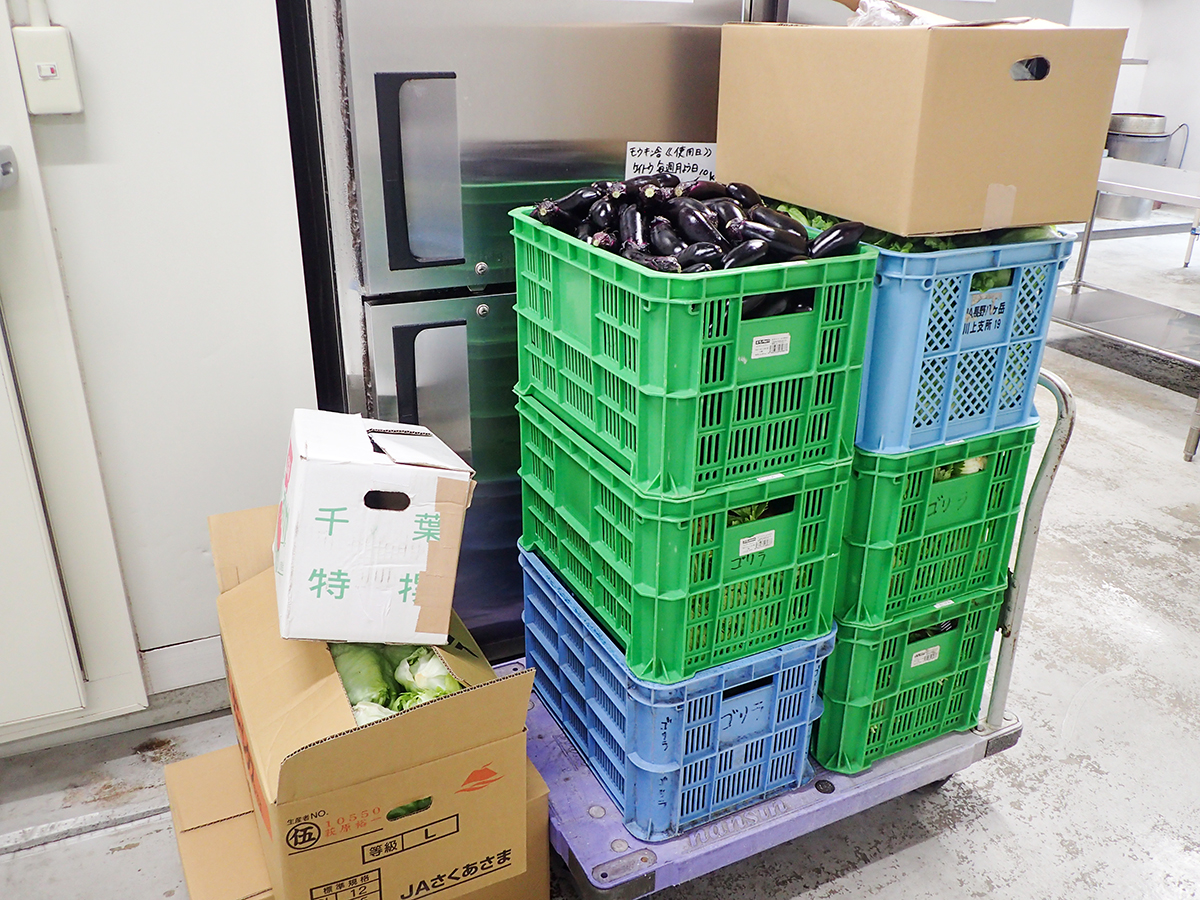
The type and amount of feed needed varies depending on the season and the condition of the animals. Therefore, it is necessary to procure feed while sharing information closely with animal keeper to avoid any surplus or shortage. Adjusting the amount of feed delivered so that enough feed can be stockpiled for a certain number of days in preparation for disasters is also an important part of the job.
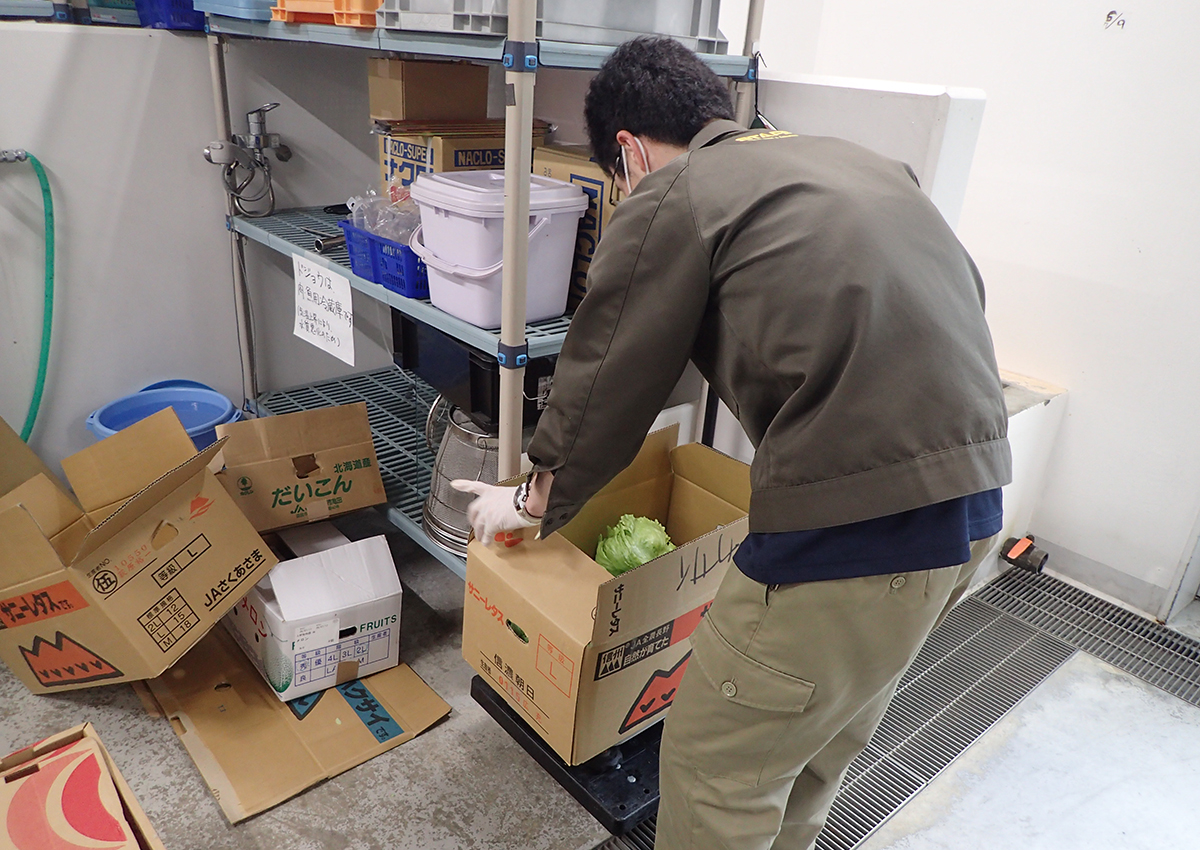
Furthermore, zoos cannot consistently provide all the animals they keep with the same food they have in the wild. Many foods are difficult to obtain, and the quantity and quality of what they can get vary depending on the season and weather.
animal keeper consider the contents of the feed to ensure that it meets the nutritional needs of the animals' minds and bodies within these limited conditions. The coordinators then take animal keeper' requests and investigate whether the feed can actually be obtained and whether it can be supplied consistently and reliably. animal keeper and coordinators work together to devise ways to make the feed given to the animals the best it can be.
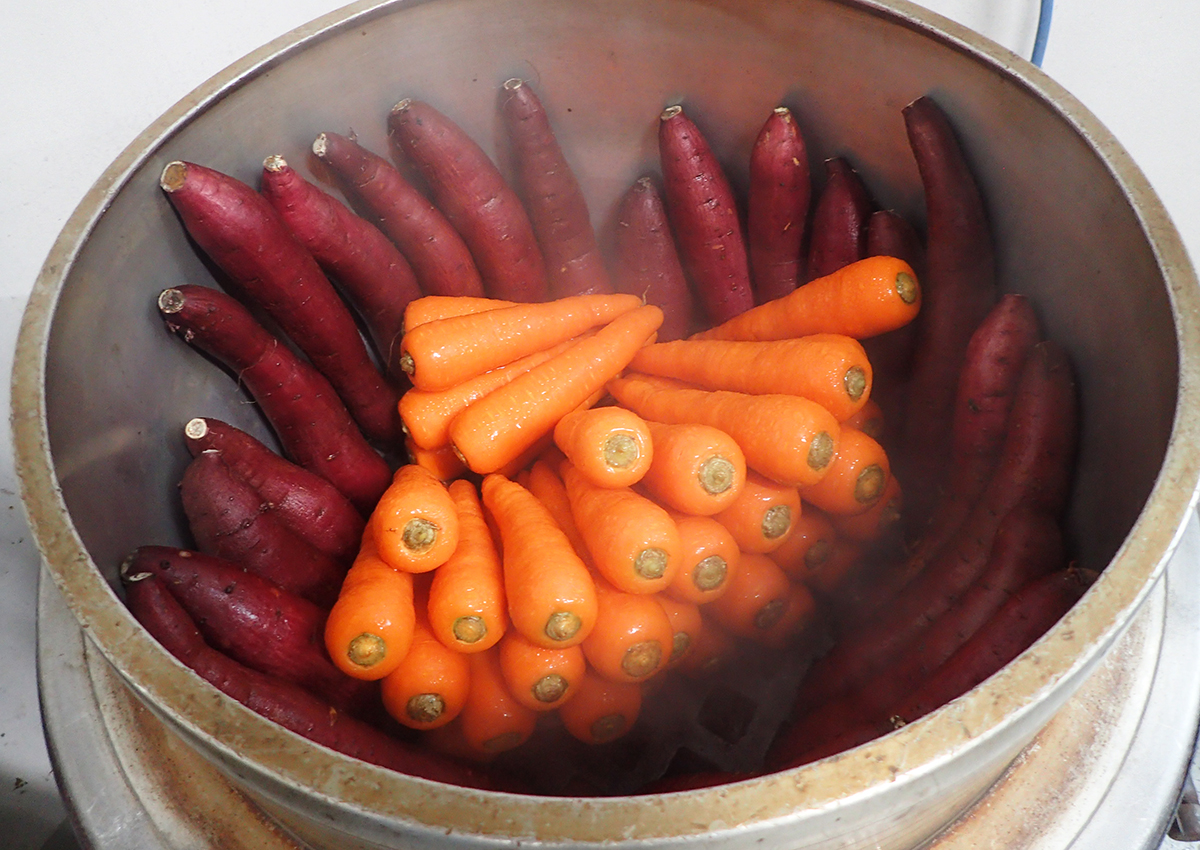
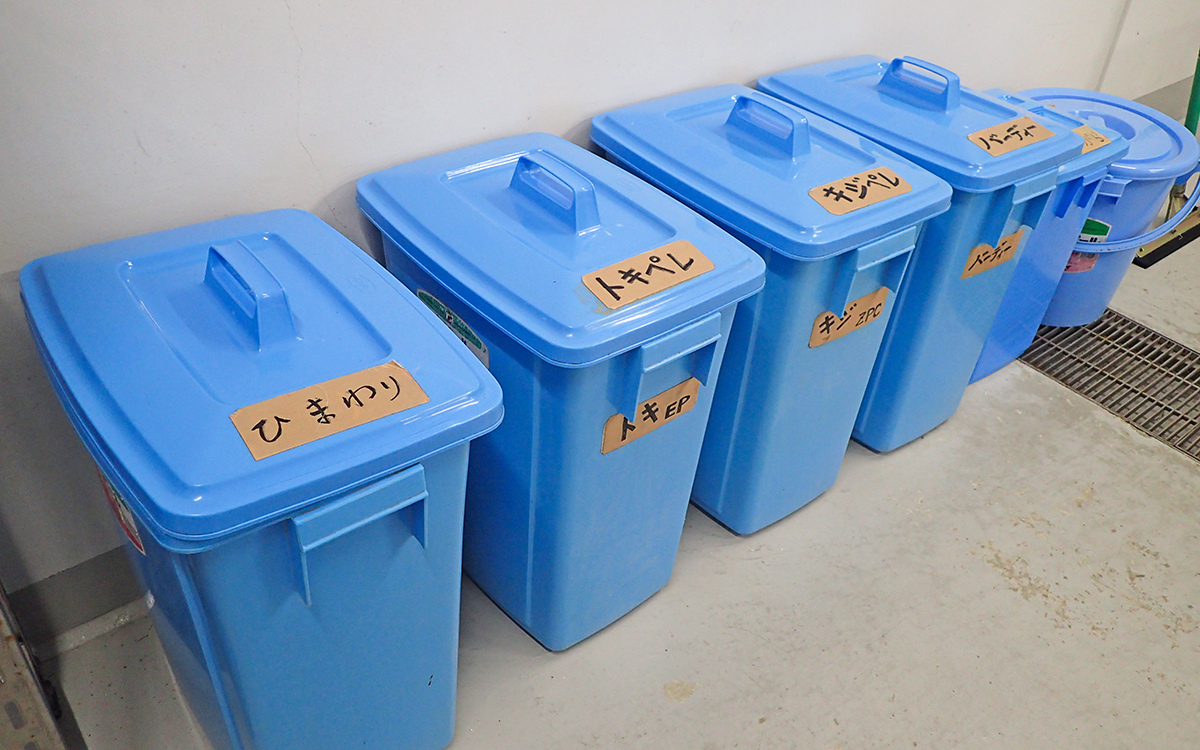
One of the tasks of the preparation staff is to prepare frozen meat and fish, or boil eggs, in a way that is easy for animal keeper to use. When steaming sweet potatoes, a wonderfully appetizing aroma fills the air, enough to make your stomach rumble.
Records of captive animals
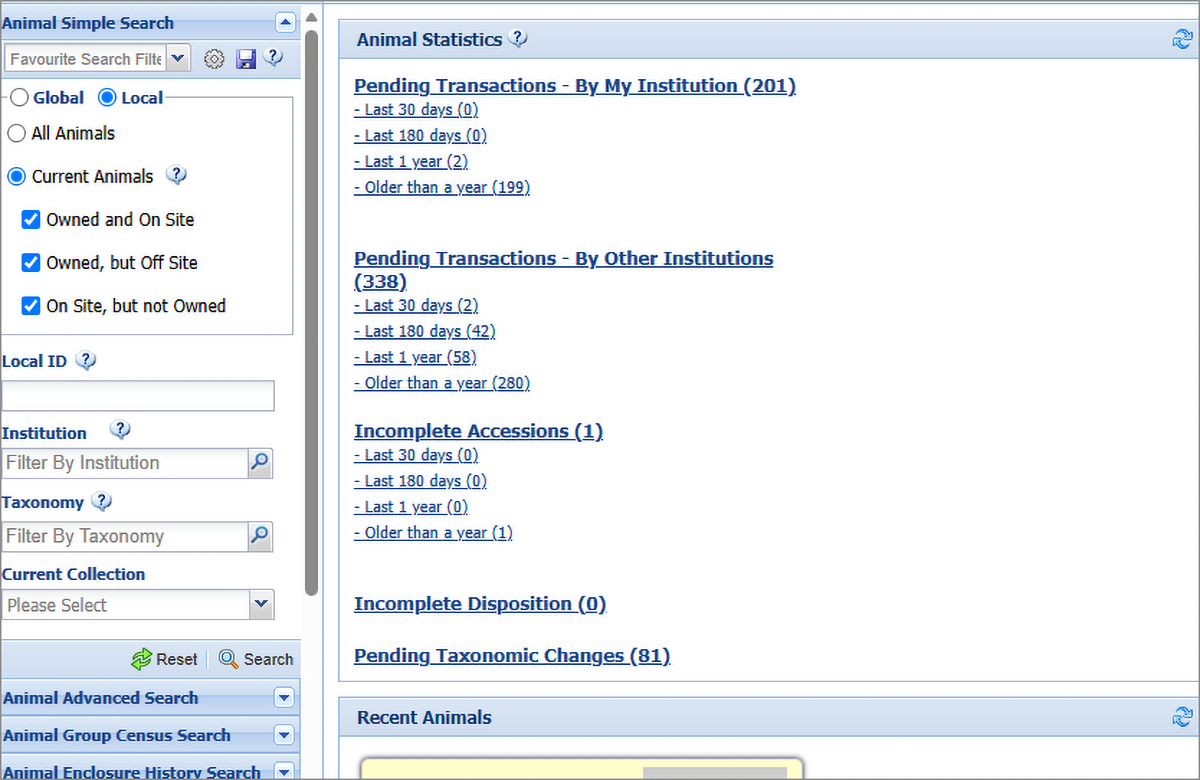
The zoo houses a large number of animals, and it is the coordinators who keep records of their care. These are important records that can be considered the history of Ueno Zoo, including when and what kind of animals arrived, where they were moved to, and the number of animals kept at any given time and breeding records.
Furthermore, by sharing these records with zoos and aquariums both domestically and internationally, they are being used to improve animal care and species conservation.
Administrative procedures required for keeping animals
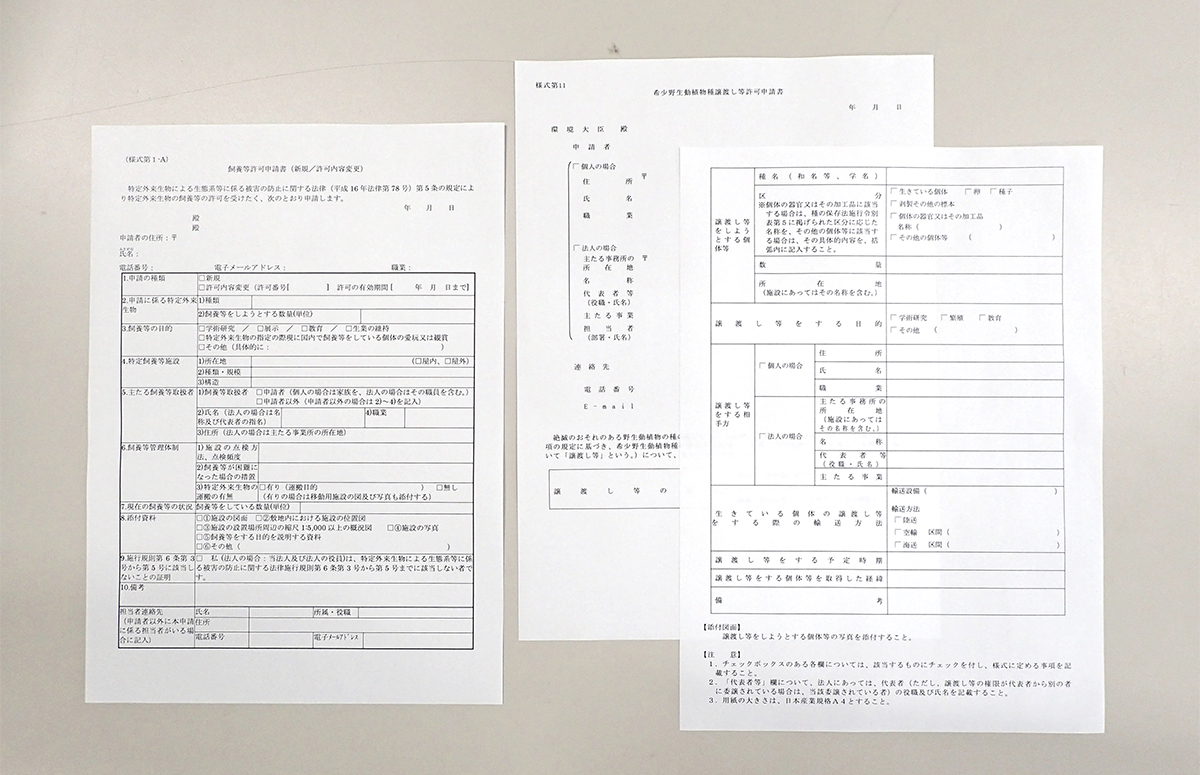
There are many laws and regulations that must be followed when keeping animals. The coordinator is responsible for handling the procedures stipulated in these laws and regulations.
For example, are you familiar with the "Species Conservation Law"? Its official name is the "Law Concerning the Conservation of Endangered Species of Wild Fauna and Flora," and as the name suggests, it is a law to protect endangered species both domestically and internationally. Animals designated as "rare wild fauna and flora species" under this law are prohibited from being captured or transferred. Therefore, if you want to move animals between zoos, you need permission from the Ministry of the Environment.
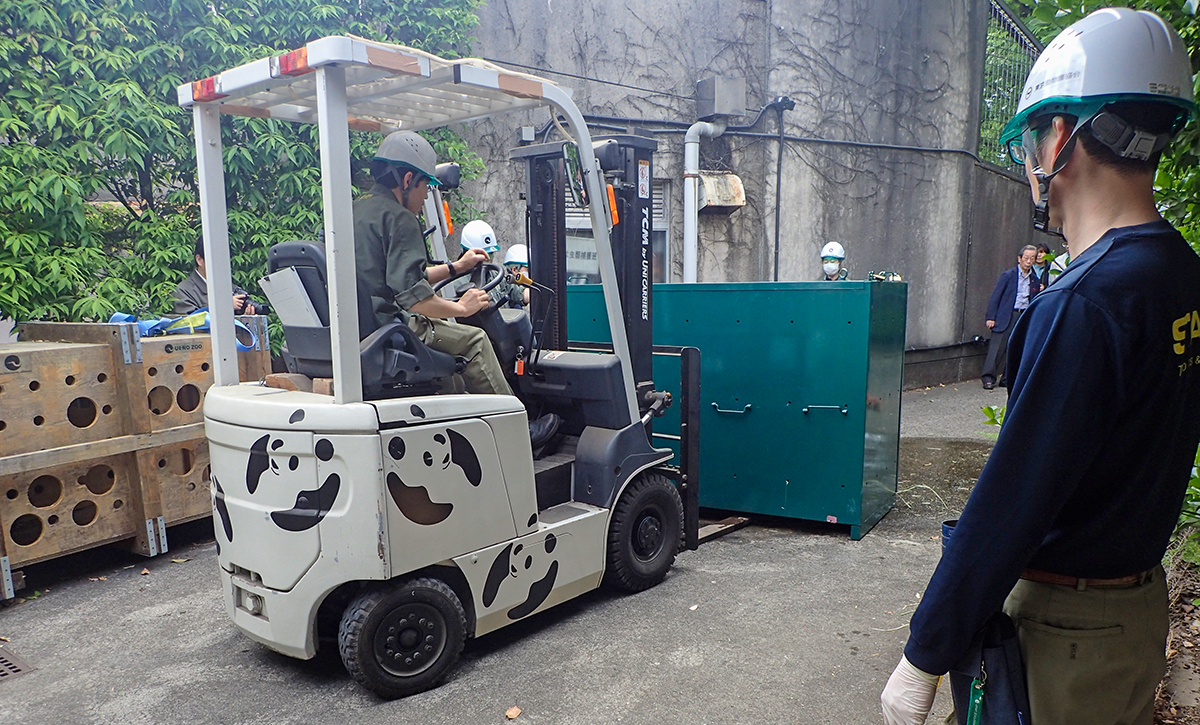
Furthermore, the "Invasive Alien Species Act" strictly prohibits the movement of animals designated as "invasive alien species" while they are still alive, in order to prevent the spread of these species. However, zoos often keep and exhibit alien species for the purpose of raising awareness about them. In this case, too, they apply for permission from the Ministry of the Environment.
In addition to these, numerous other rules exist, so the coordinator needs a broad knowledge of laws and regulations.
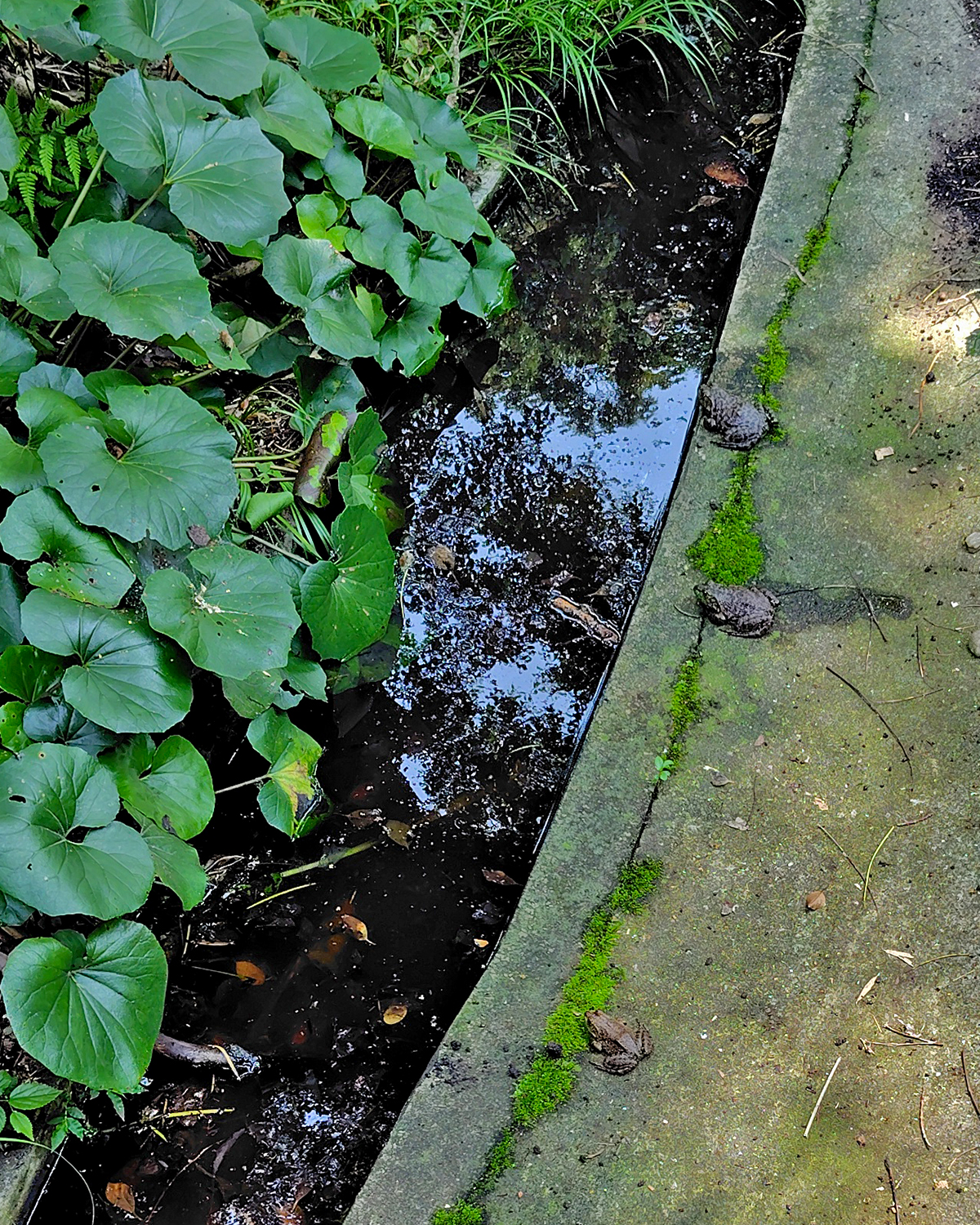
The tasks I've described so far are only a part of what a coordinator does. Coordinators are the unsung animal keeper who work behind the scenes, coordinating various things both inside and outside the zoo.
[Ueno Zoo Coordination Staff]