

Zoo Stock Species and the Red List
Zoo Stock Species and the Red List
Zoo Stock
This indicates that the species is included in the Second Zoo Stock Plan, which was formulated by the Tokyo Metropolitan Government in 2018. The plan sets goals for the next 10 years in three areas: "species conservation," "contribution to wildlife conservation," and "environmental education and conservation awareness." 124 animal species are included.
What is the Red List?
Based on scientific research, this is a list of wildlife classified by rank (category) indicating the degree of risk of extinction.
Livng Things Encyclopedia shows the categories (mainland and islands) assessed by the IUCN (International Union for Conservation of Nature) at the global level, the Ministry of the Environment for Japan, and the Tokyo Metropolitan Government for Tokyo.
The higher the category in each table, the higher the risk of extinction, and CR, EN, and VU are the three categories known as "endangered species." In Tokyo, species that are not at the NT (near threatened) level but are relatively rare are considered "species of concern."
|
IUCN categories |
|
|---|---|
|
EX |
extinction |
|
EW |
Extinction in the wild |
|
CR+EN |
— |
|
CR |
Serious crisis |
|
EN |
crisis |
|
VU |
emergency |
|
NT |
Near Threatened |
|
LC・○ |
Low Concern |
|
DD |
Data shortage |
|
LP |
— |
|
Japan (Ministry of the Environment) Category |
|
|---|---|
|
EX |
extinction |
|
EW |
Extinction in the wild |
|
CR+EN |
Endangered species |
|
CR |
Critically Endangered |
|
EN |
Endangered species |
|
VU |
Endangered species |
|
NT |
Near Threatened |
|
LC・○ |
— |
|
DD |
Lack of information |
|
LP |
Endangered |
|
Tokyo Category |
|
|---|---|
|
EX |
extinction |
|
EW |
Extinction in the wild |
|
CR+EN |
Endangered species |
|
CR |
Critically Endangered |
|
EN |
Endangered species |
|
VU |
Endangered species |
|
NT |
Near Threatened |
|
LC・○ |
Unranked |
|
DD |
Lack of information |
|
LP |
Endangered |
Creatures at Ueno Zoo
Creatures at Ueno Zoo
Radiated Tortoise
Radiated Tortoise
Astrochelys radiata
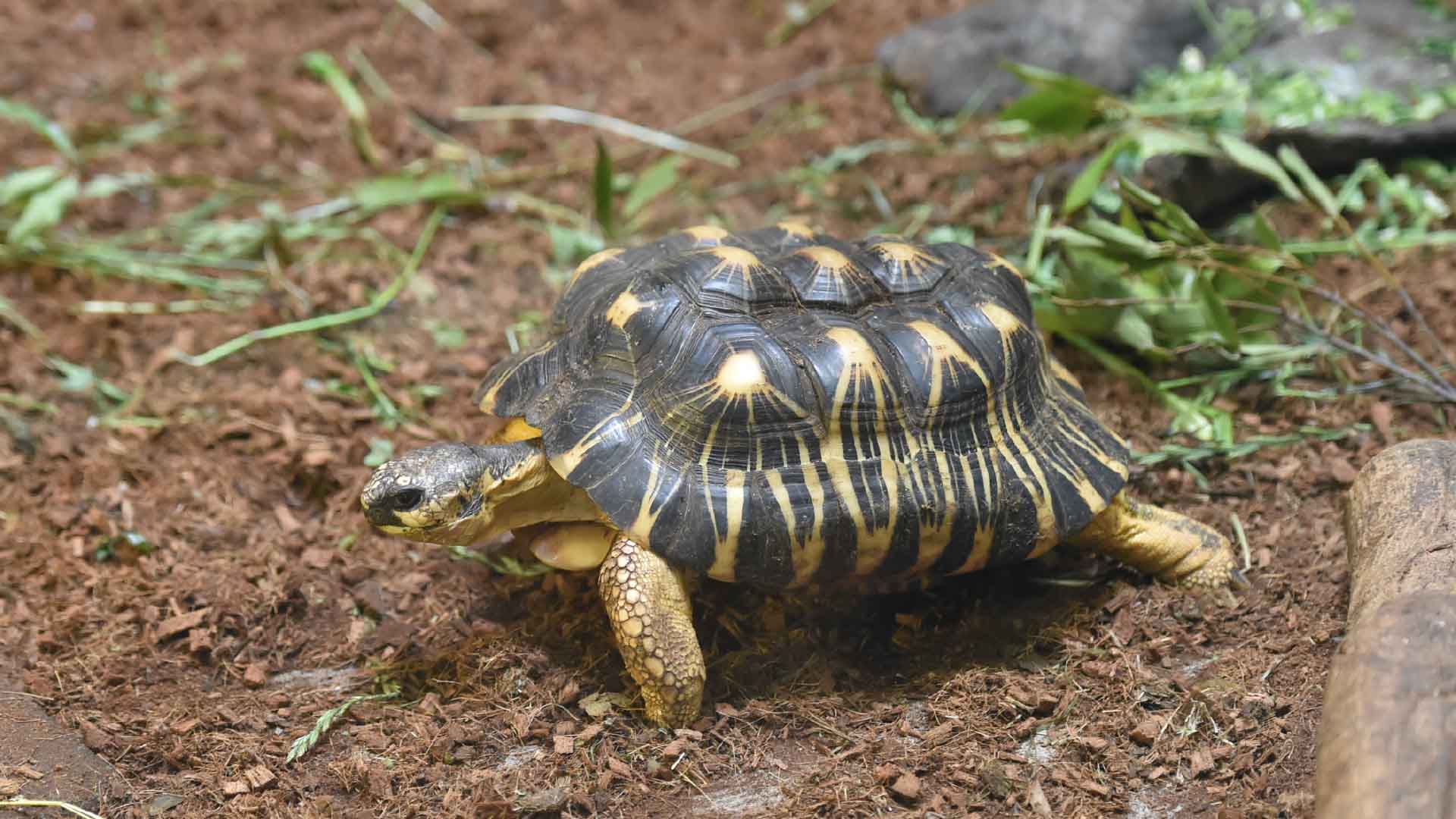
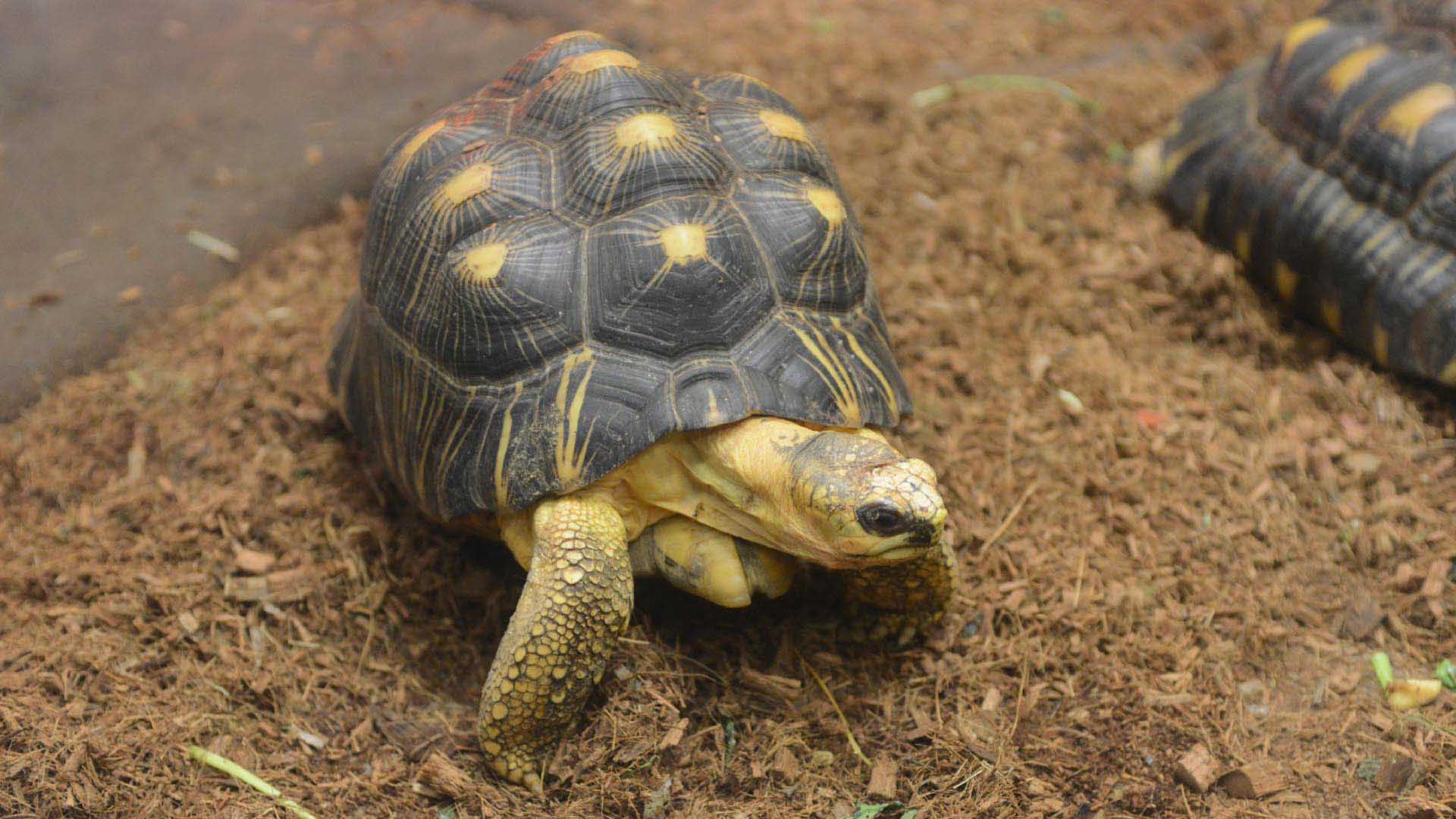
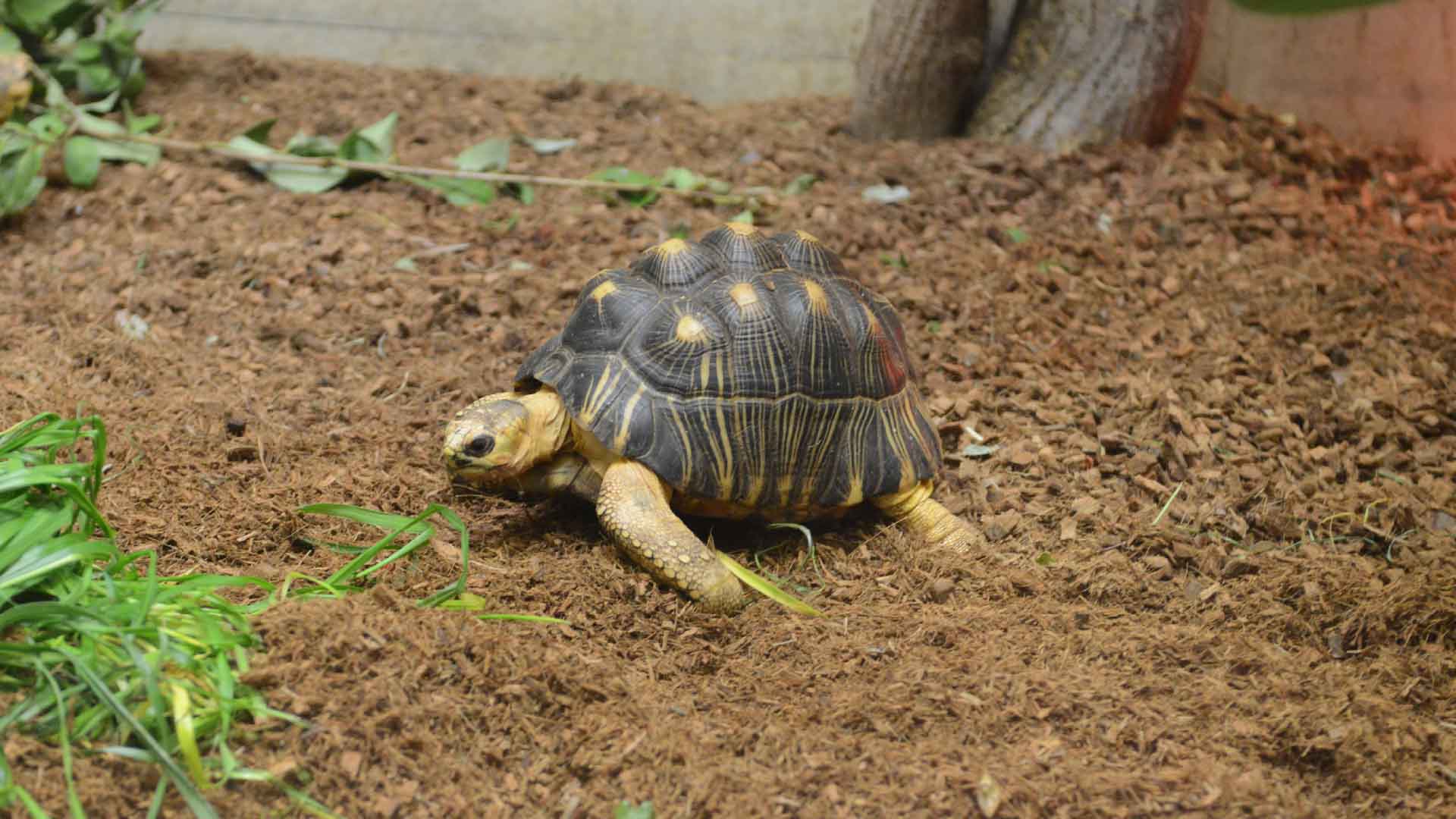
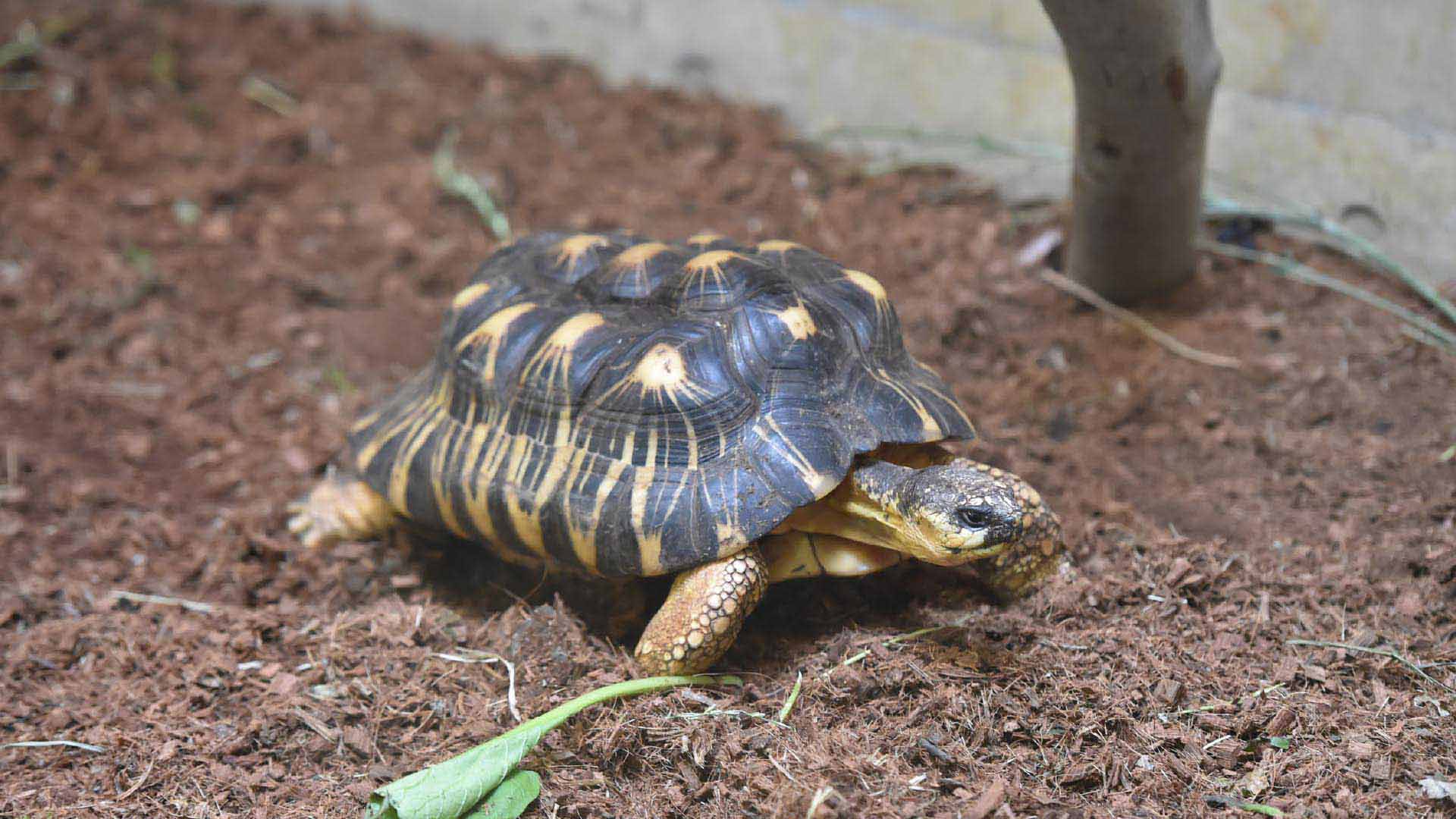
This species is endemic to Madagascar. "Housha" means "radiation," as light and other elements spread from a central point to the surrounding area. The name comes from the brightly colored lines that spread from the peak of the carapace, which is raised like a mountain, but the pattern varies greatly from individual to individual. Females lay 3 to 12 eggs at a time. The hatching period is relatively long among turtles, taking 145 to 231 days.
| classification | Reptilia, Testudines, Suborder Cryptocarya, Family Testudinidae |
|---|---|
| English name | Radiated Tortoise |
| distribution | Southwestern Madagascar |
| Residence | dry forest |
| Size |
Shell length: about 40cm
Weight: Approximately 13 kg |
| food | Plants such as melons and other fruits and soft leaves |
| Red List |
IUCN: Critically Endangered
|
Poaching and smuggling for pets
Due to their beautiful radial patterns, they are very popular as pets and are traded at high prices. As a result, they are constantly being poached and smuggled, putting them at risk of extinction. Even in Japan, there have been many incidents of them being seized at airports and other places.