

Zoo Stock Species and the Red List
Zoo Stock Species and the Red List
Zoo Stock
This indicates that the species is included in the Second Zoo Stock Plan, which was formulated by the Tokyo Metropolitan Government in 2018. The plan sets goals for the next 10 years in three areas: "species conservation," "contribution to wildlife conservation," and "environmental education and conservation awareness." 124 animal species are included.
What is the Red List?
Based on scientific research, this is a list of wildlife classified by rank (category) indicating the degree of risk of extinction.
Livng Things Encyclopedia shows the categories (mainland and islands) assessed by the IUCN (International Union for Conservation of Nature) at the global level, the Ministry of the Environment for Japan, and the Tokyo Metropolitan Government for Tokyo.
The higher the category in each table, the higher the risk of extinction, and CR, EN, and VU are the three categories known as "endangered species." In Tokyo, species that are not at the NT (near threatened) level but are relatively rare are considered "species of concern."
|
IUCN categories |
|
|---|---|
|
EX |
extinction |
|
EW |
Extinction in the wild |
|
CR+EN |
— |
|
CR |
Serious crisis |
|
EN |
crisis |
|
VU |
emergency |
|
NT |
Near Threatened |
|
LC・○ |
Low Concern |
|
DD |
Data shortage |
|
LP |
— |
|
Japan (Ministry of the Environment) Category |
|
|---|---|
|
EX |
extinction |
|
EW |
Extinction in the wild |
|
CR+EN |
Endangered species |
|
CR |
Critically Endangered |
|
EN |
Endangered species |
|
VU |
Endangered species |
|
NT |
Near Threatened |
|
LC・○ |
— |
|
DD |
Lack of information |
|
LP |
Endangered |
|
Tokyo Category |
|
|---|---|
|
EX |
extinction |
|
EW |
Extinction in the wild |
|
CR+EN |
Endangered species |
|
CR |
Critically Endangered |
|
EN |
Endangered species |
|
VU |
Endangered species |
|
NT |
Near Threatened |
|
LC・○ |
Unranked |
|
DD |
Lack of information |
|
LP |
Endangered |
Creatures at Ueno Zoo
Creatures at Ueno Zoo
Eurasian Collared-dove
Eurasian Collared-dove
Streptopelia decaocto
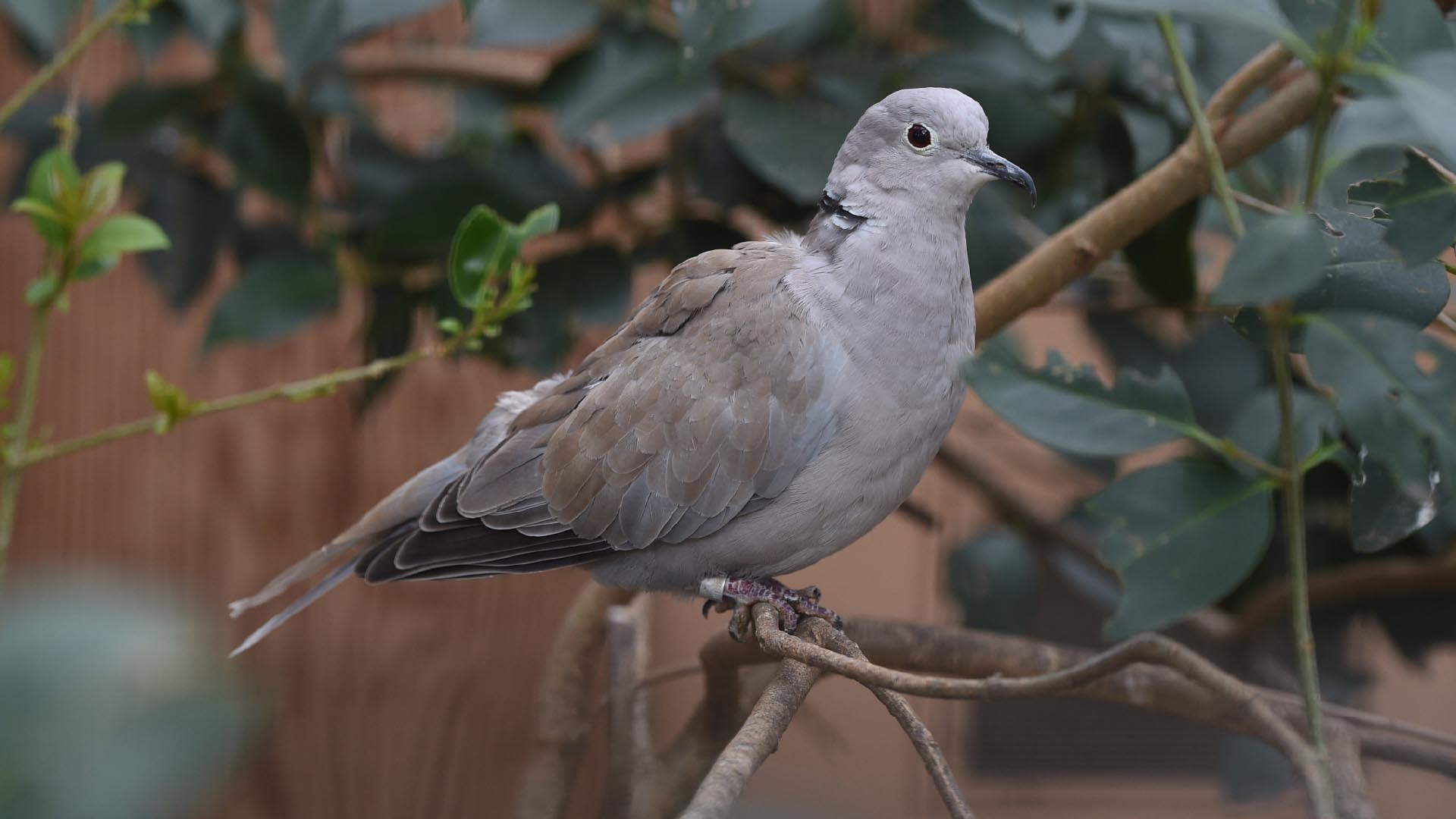
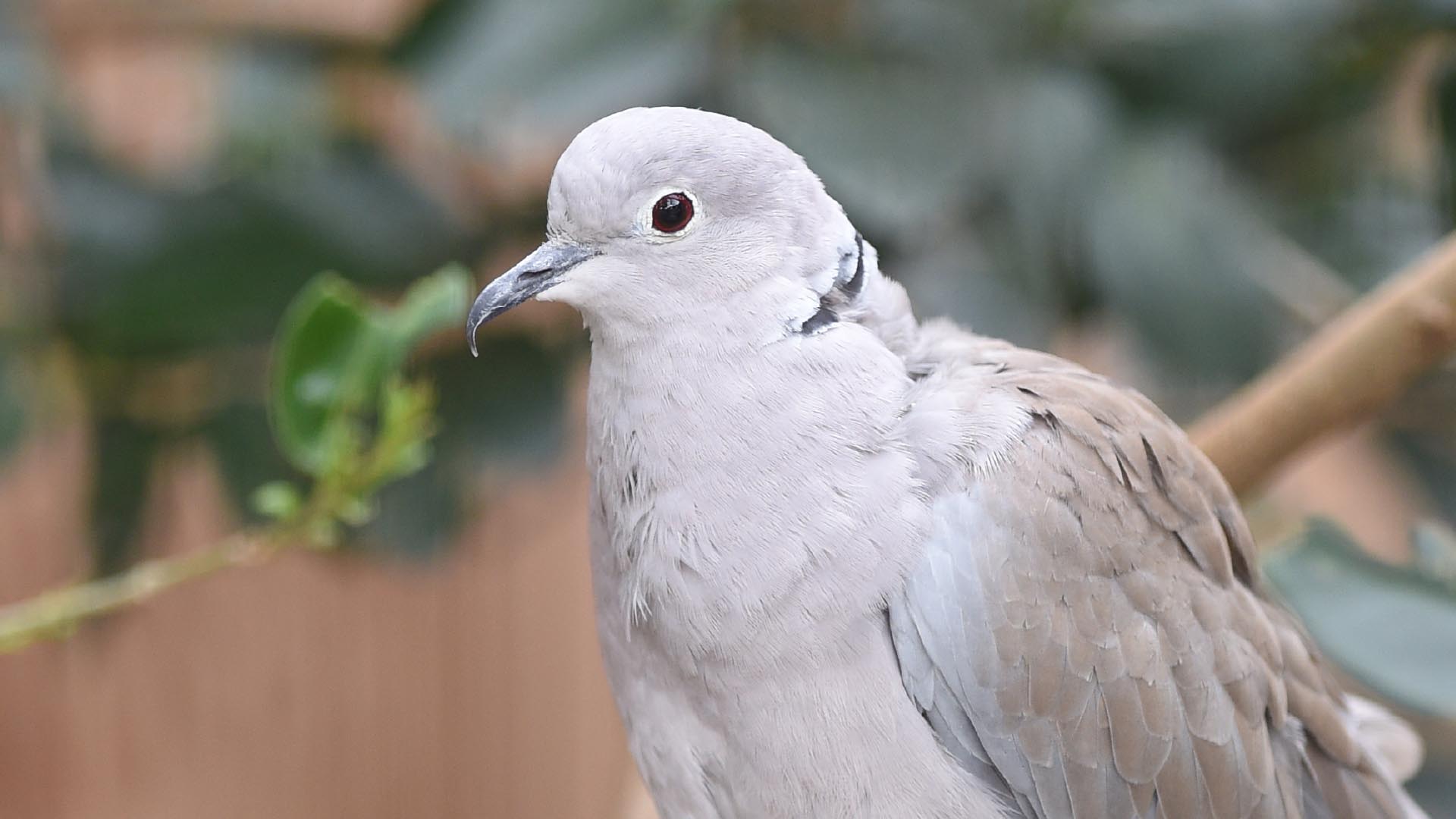
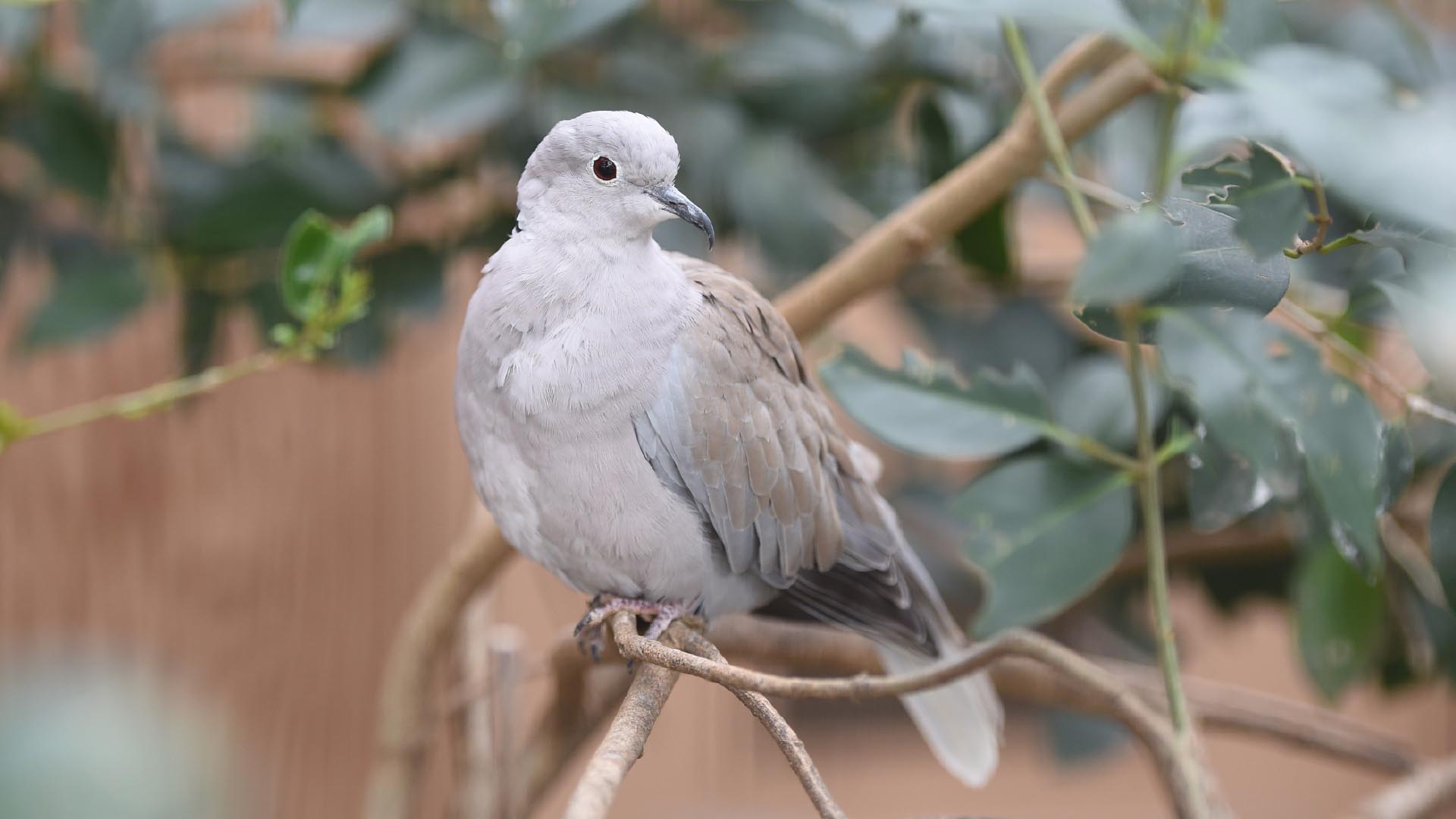
It is widely distributed from North Africa and Europe to East Asia, but in Japan it is only found in limited areas, mainly in Saitama Prefecture. At one point, its numbers were on the verge of extinction and it was designated a national natural monument as the "Koshigaya Eurasian Collared-dove." However, it is believed that it did not originally inhabit this area, but was brought in from abroad as hunting prey during the Edo period.
| classification | Aves, Columbiformes, Pigeonidae |
|---|---|
| English name | Eurasian Collared Dove |
| distribution | Eurasia, and parts of Saitama, Chiba, Tochigi, and Ibaraki prefectures in Japan |
| Residence | Agricultural land, residential area |
| Size |
Total length: 30-33cm
Wingspan: Males 17.3-18cm, females 15.9-17.1cm Tail length: 11.8-14.6cm Beak length: 1.5-1.7cm Length of the crease: 2.1-2.5cm Weight: 202-225g |
| food | Wild plants, vegetables, seeds, fruits |
| Red List |
IUCN: LC (Least Concern)
|