

The feed room is a kitchen for "feed" and "information".
October 23, 2026
"Feed" refers to the food that animals eat. Eating is a source of enjoyment for us humans as well, and it's very important. Many people are probably interested in animal feed. So, this time, we'll introduce you to the feed used in zoos.
Ueno Zoo has a dedicated feed room. There, staff members are responsible for ordering, receiving, and managing the feed for all the animals. animal keeper then retrieve the feed for their assigned animals from this feed room.
Ideally, animals should be fed what they would naturally eat in the wild, but in most cases, it is difficult to obtain the same food they eat in the wild. Therefore, we in the feed room prepare substitute foods in consultation with the animal caretakers and veterinarians.
There are three main things to consider when choosing a substitute food:
1. It can be reliably obtained throughout the year in markets, etc.
2. It can be obtained at a relatively low cost.
3. It must have the necessary nutritional value for animals.
Based on these factors, we select feed while also considering seasonality.
To accommodate animals with diverse diets, we prepare a variety of feeds, including meat, fish, and vegetables that we normally eat. Gorillas, in particular, require the most variety of feeds, with over 20 different types of vegetables being given on a rotating basis, so we order and manage a sufficient number of vegetables in the feed room to meet their needs.
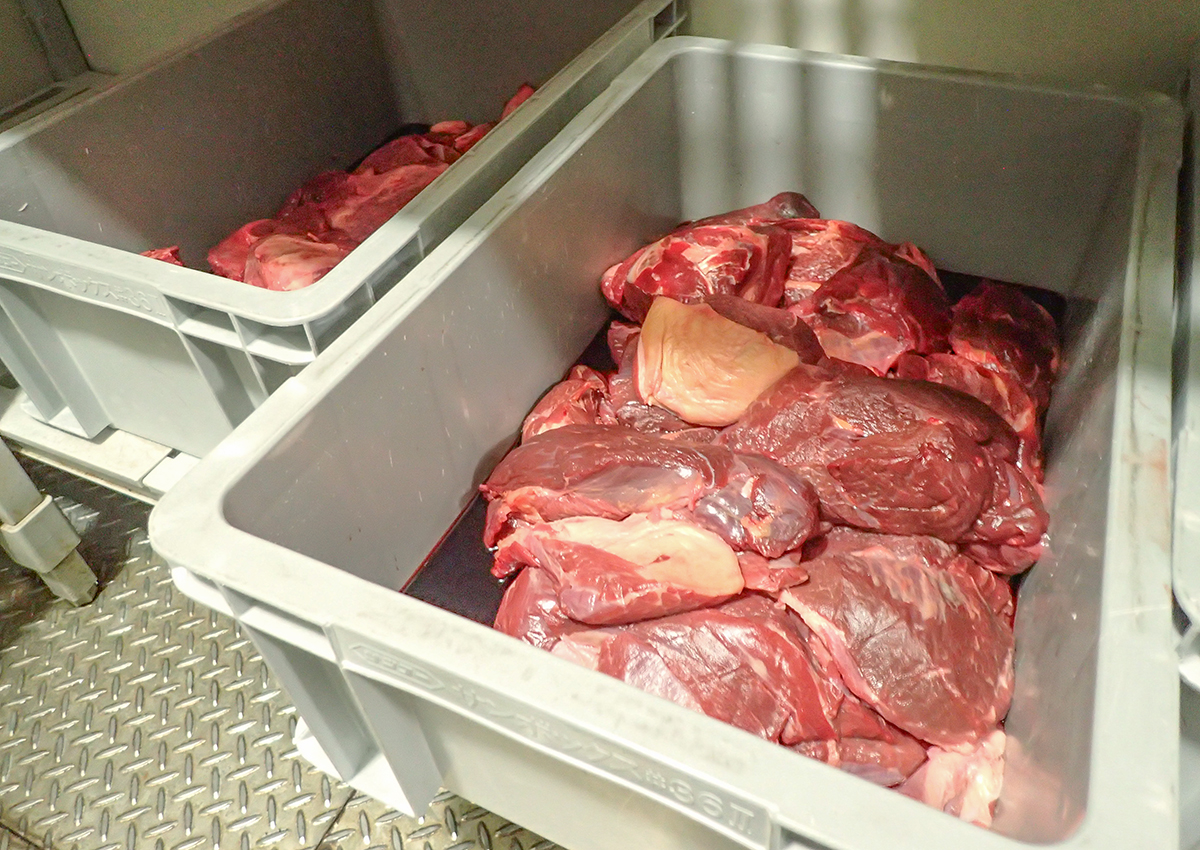
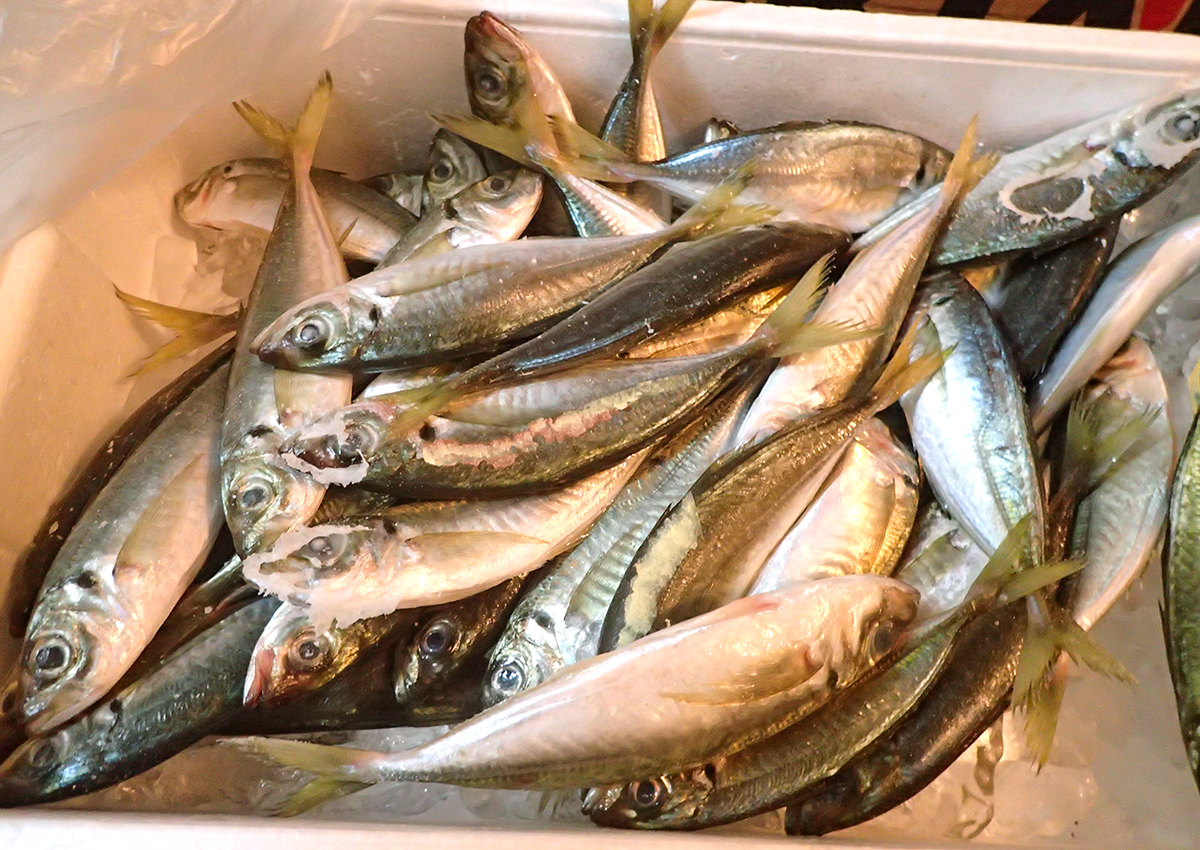
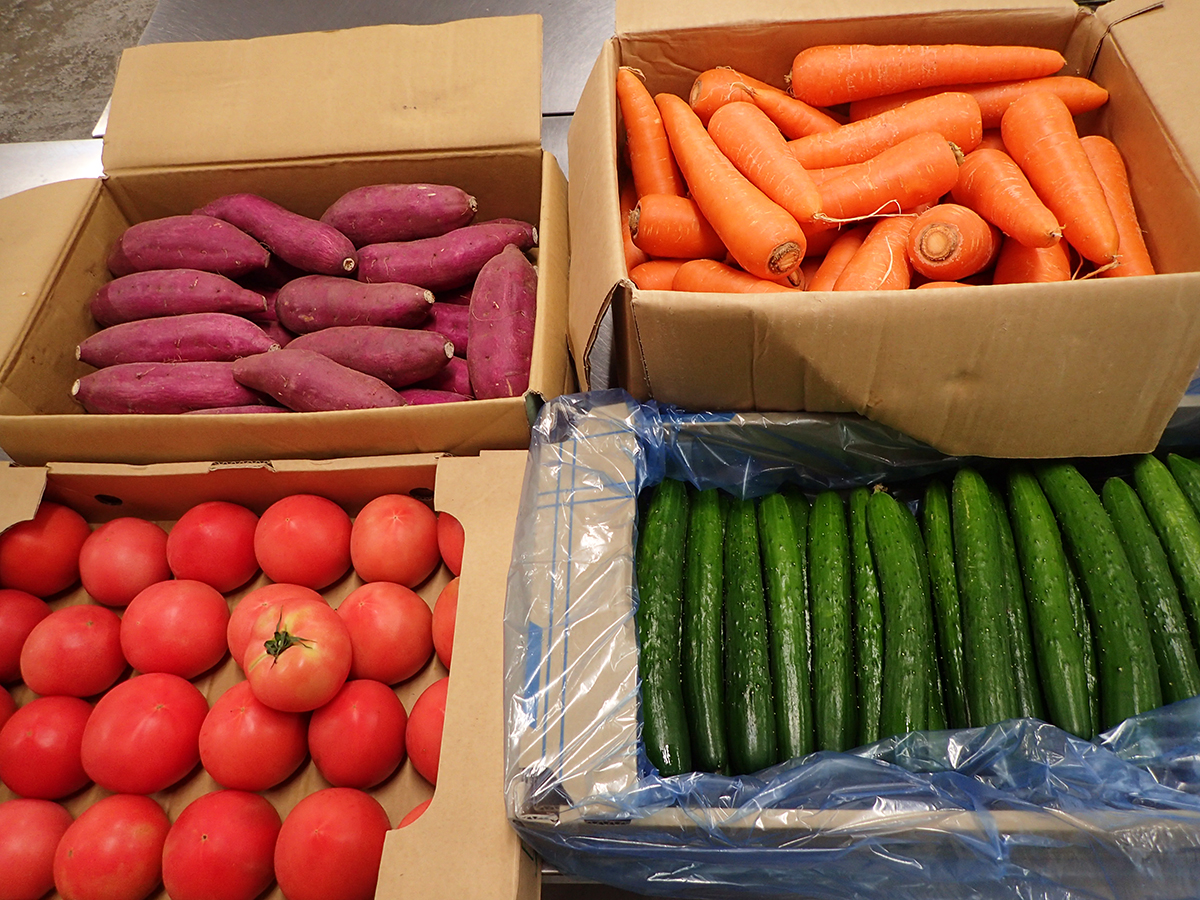
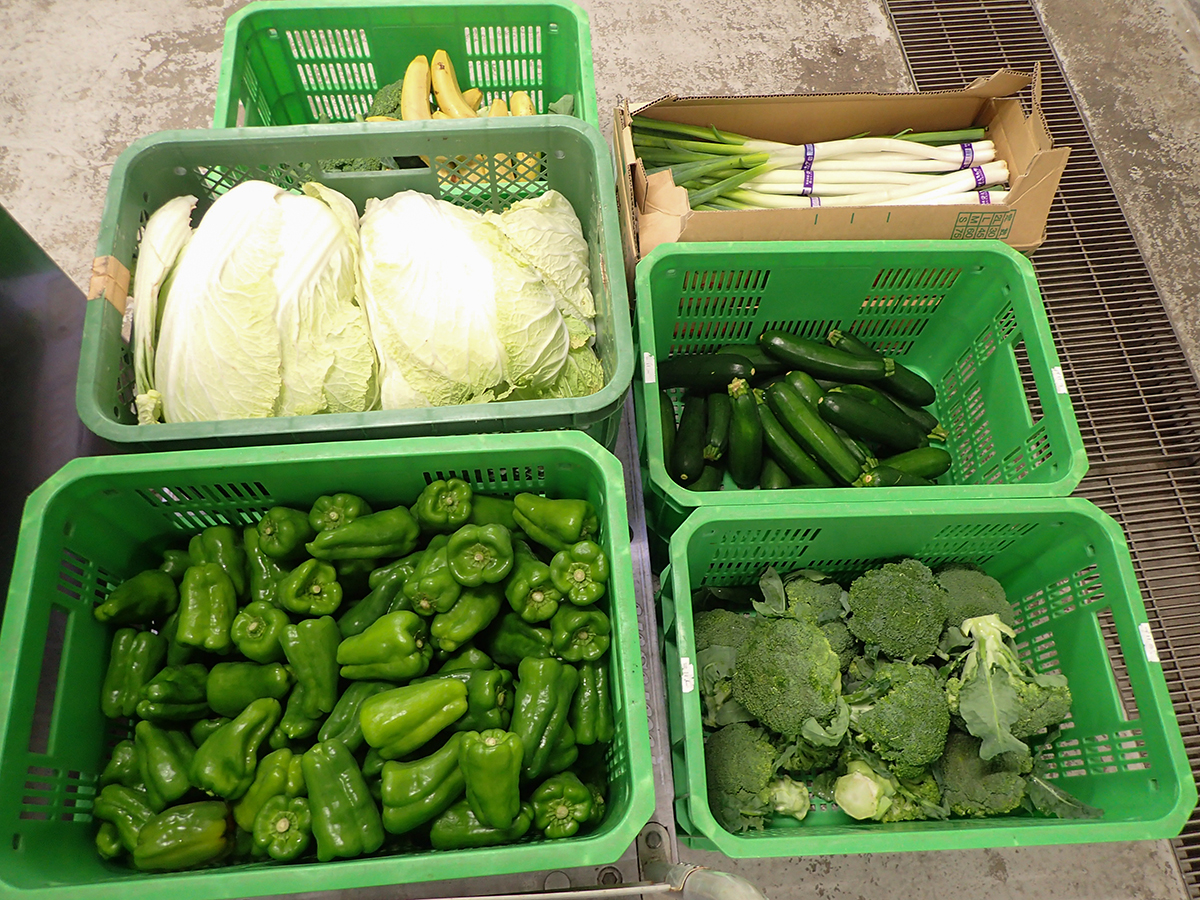
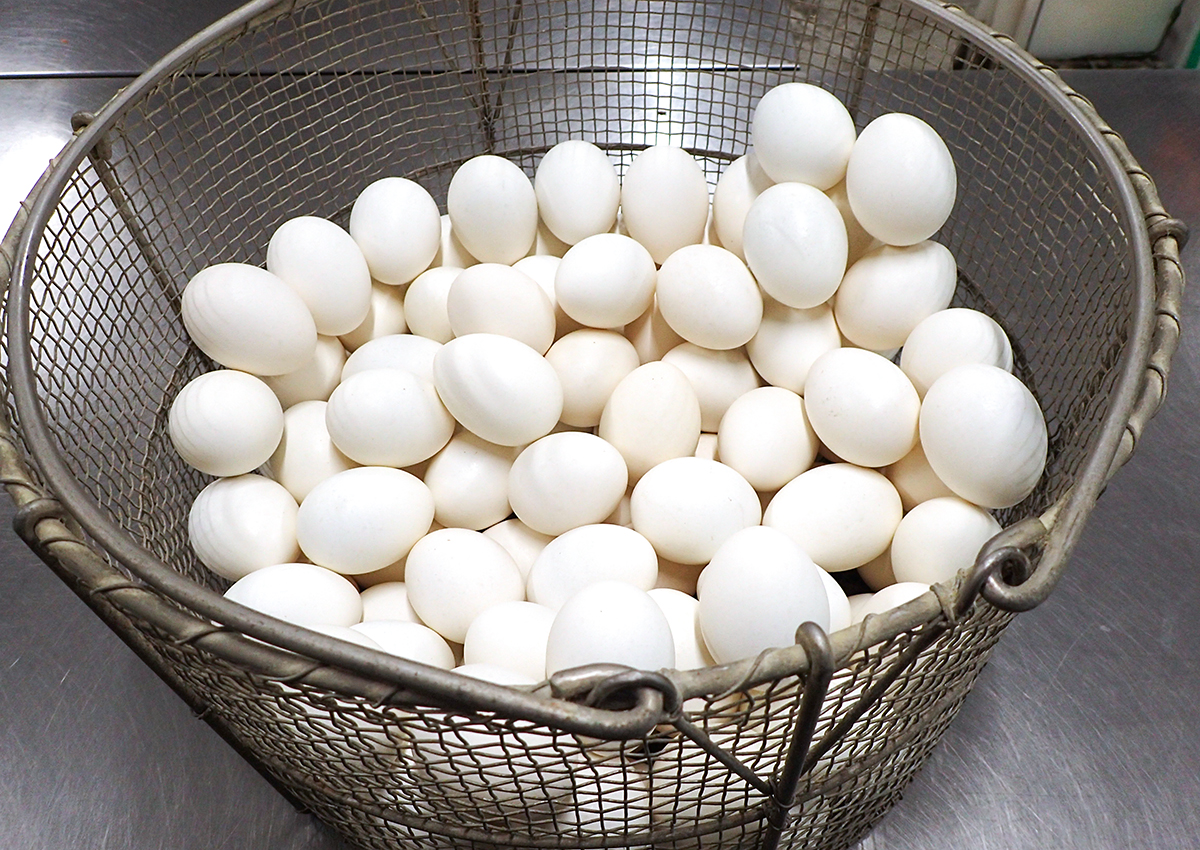
While most of the feed is given to the animals raw, the feed room also prepares boiled potatoes, boiled carrots, and boiled eggs. Heating makes them easier to digest, improves nutrient absorption, and increases their sweetness, making them more appealing to the animals. There are various uses for these foods, such as softening them for older animals.
Feed is delivered on a daily basis, but delays can occur due to weather or other factors. Therefore, we maintain close contact with our suppliers, and if a delay occurs, we promptly inform animal keeper of the animals that require the feed so that appropriate measures can be taken.
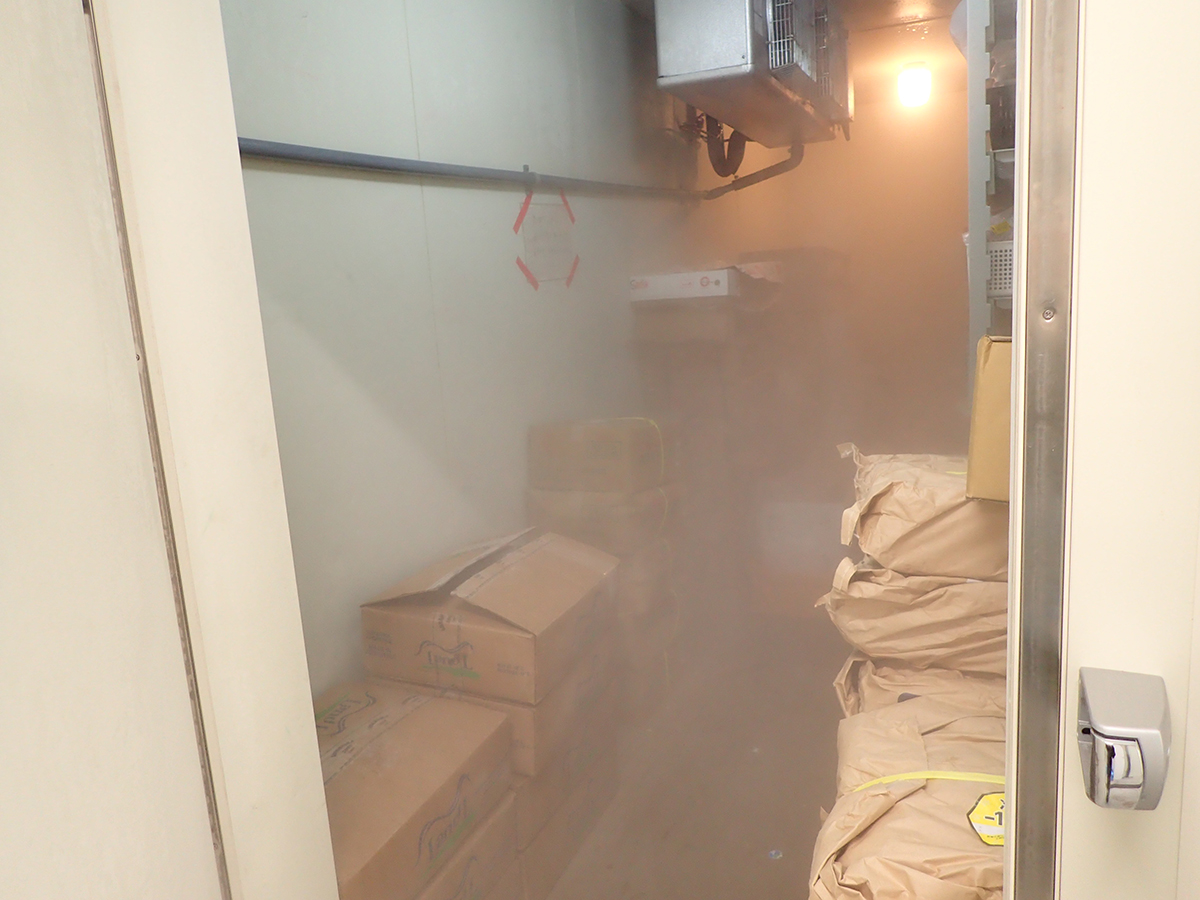
Furthermore, the difficulty of the work in the feed room varies depending on the season. In the summer, vegetables spoil easily even when refrigerated, so inventory management requires particular care. Orders must be placed while adjusting the quantities used. On the other hand, organizing inventory in the freezer in winter is physically demanding. The inside of the freezer is about -20℃, so warm clothing is essential.

In the feed room, we sometimes purchase feed using funds donated by supporters who cheer on the zoo.
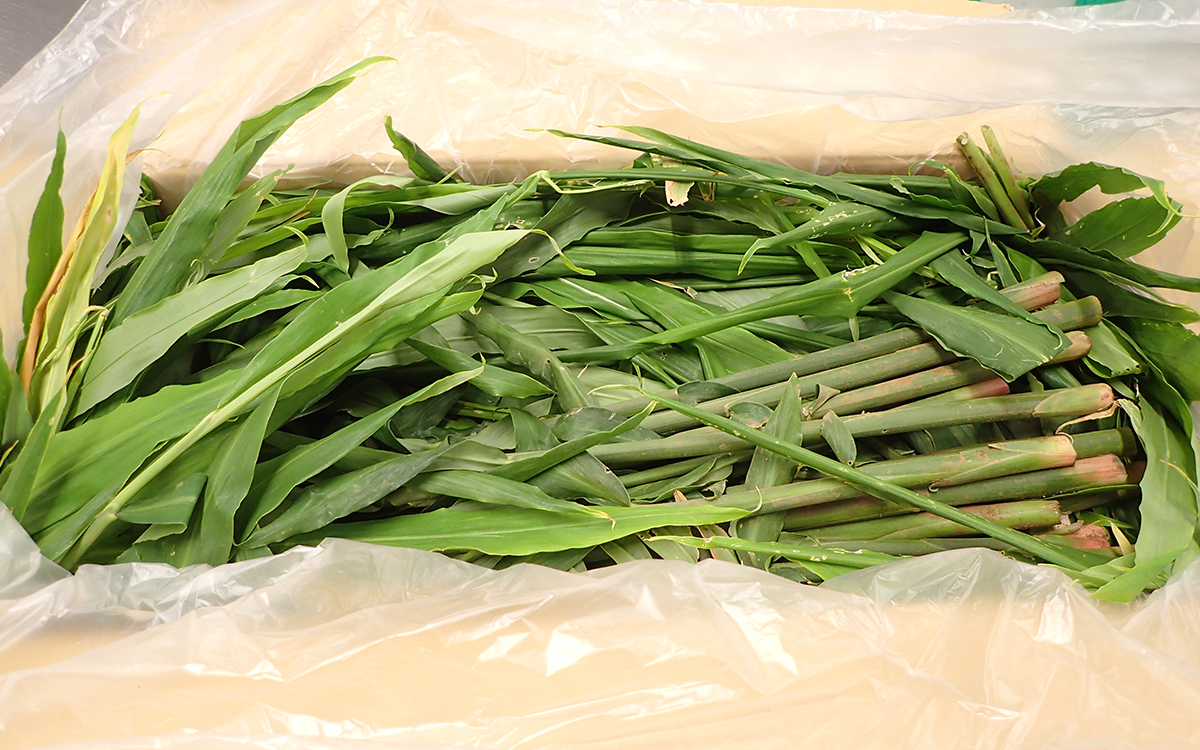
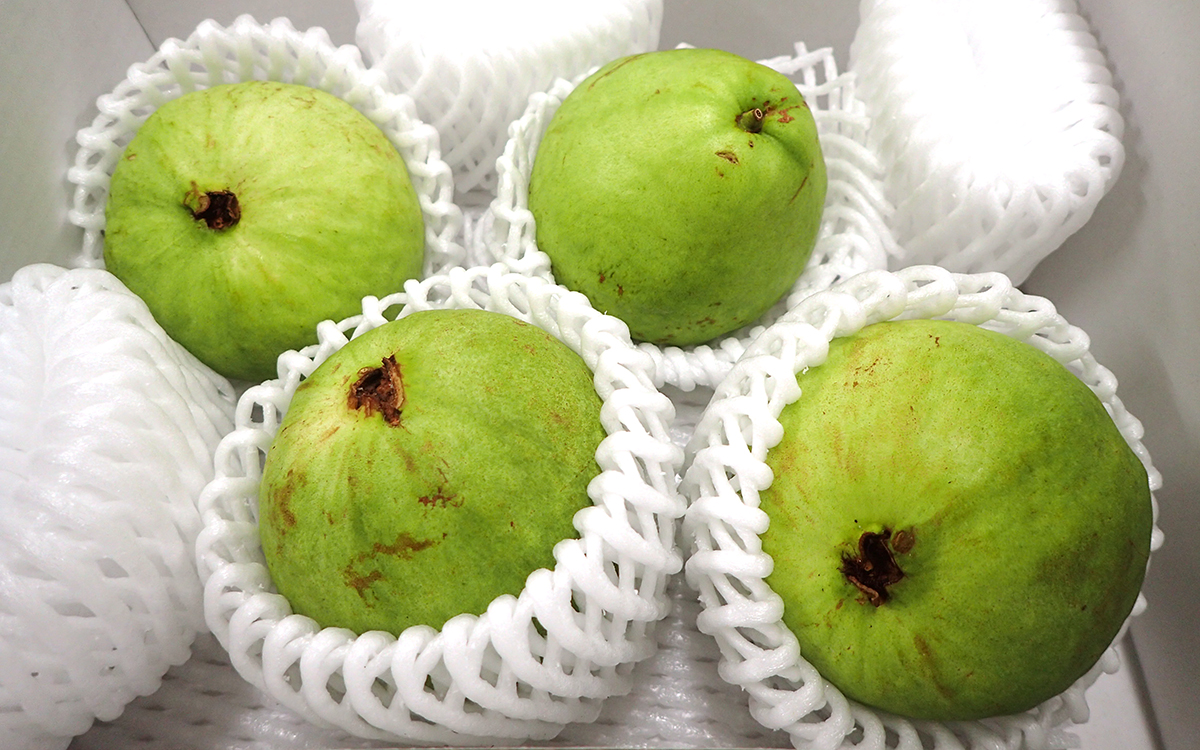
For example, we purchase peas and Japanese Macaque in their shells for Japanese macaques, ginger stalks for gorillas, and fruits such as figs and guavas for other fruit-eating animals. For items that are not readily available in the market, we search for suppliers in the feed room as needed.
In addition, zoos sometimes use "carcass feeding," which involves feeding animals the meat of deer that have been culled due to agricultural damage or other reasons and have been properly processed and managed.
Carcass feeding is the practice of giving carnivorous animals in zoos meat that is in a near-natural state, including fur, bones, and internal organs. Carcass feeding can encourage the animals to exhibit their natural behaviors and reduce boredom. At the same time, reusing culled wild animals as food contributes to minimizing waste.
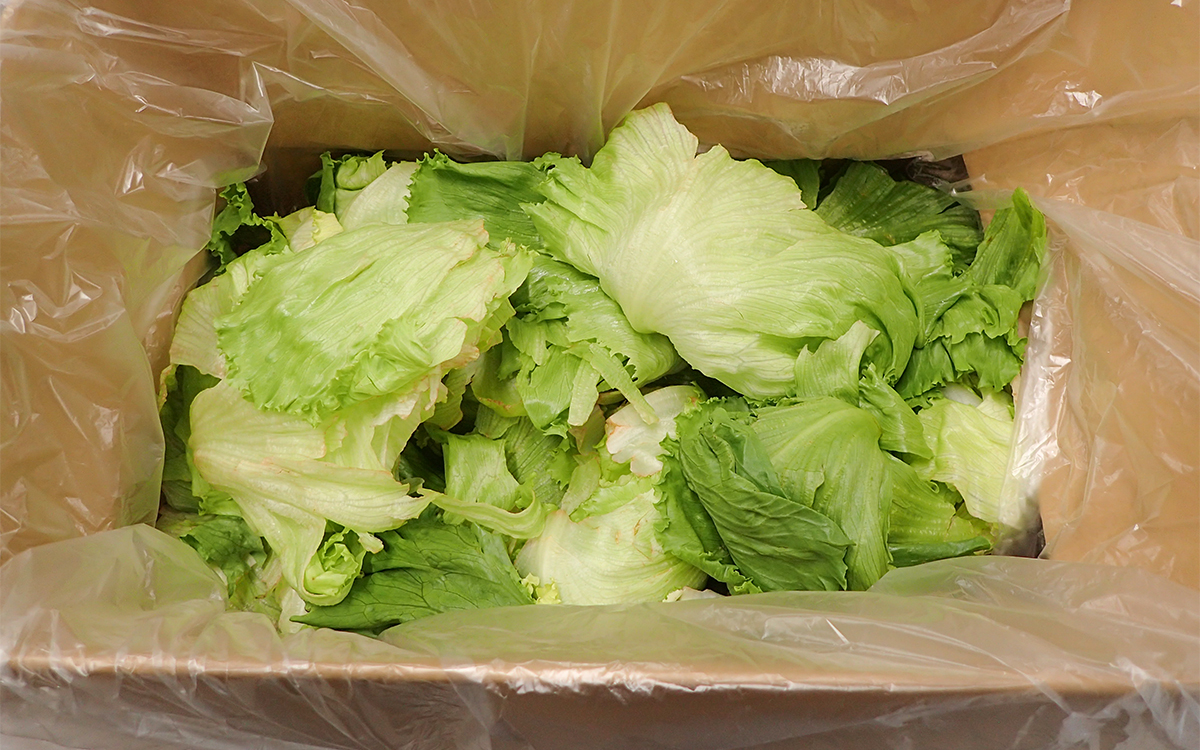
In addition, we also take environmental considerations into account in everyday life, such as purchasing surplus outer leaves of lettuce from the market and using the bags from purchased vegetables to portion out animal feed after ensuring hygiene.
Working in the feed room, opportunities to directly feed the animals or observe them eating are limited. However, we share information about the animals through collaboration with the animal care staff. Receiving information about how the animals react when the amount or type of feed is changed, and adjusting the amount of feed accordingly, makes for a very rewarding job.
When you visit the park, please take a look at what the animals are eating. We hope you'll take an interest in the various animal care tasks involved in preparing the feed the animals consume.
[Ueno Zoo Coordination Staff]