

We are recruiting participants for the lecture "Japanese Serows Are Interesting!" on November 23rd (Ueno Hill Cultural Zone Festival Lecture Series)! (Application deadline: November 10th)
event
October 26, 2026
Japanese Serow is a nationally designated special natural monument. Some of you may have encountered one standing still and staring at you while hiking.
In this lecture, we will invite Mr. Hayato Takada, who has been conducting research on wild Japanese Serow for many years, to talk about Japanese Serow fascinating animal, sharing his experiences in the field. In addition, staff from Ueno Zoo will introduce points to observe at the zoo.
This program is recommended for anyone interested in field research on Japanese Serow and other wildlife. Please join us!
This lecture will be held as part of the "Ueno Hill Cultural Zone Festival," a series of lectures organized in collaboration with Taito Ward and cultural facilities on Ueno Hill, which will feature a variety of events.
Lecture details
Lecture details
November 23, 2026 (Monday/Holiday) 13:30-15:30
Ueno Zoo Management Office, 3rd Floor Conference Room
*Further details will be sent via email to the winners.
Anyone can participate.
*This content is intended for upper elementary school students and older.
80 people *Pre-registration required
free
Lecture content
Lecture content
Lecture 1: "The Life of Japanese Serow Ueno Zoo"
Lecturer
Ueno Zoo East Garden Animal Care and Exhibition Staff
Abstract
Ueno Zoo has long exhibited Japanese Serow and Sika Deer together. As a result, many visitors have been able to see Japanese Serow and Sika Deer together and learn about the characteristics of each species.
Currently, only Japanese Serow are on display, but I will talk about the differences between them and deer, as well as points to observe them at Ueno Zoo.

Lecture 2: "Tracing the Life and Evolution of Japanese Serow"
Lecturer
Hayato Takada (Center for Wildlife Management Education and Research, Faculty of Agriculture, Tokyo University of Agriculture and Technology)
Abstract
The Japanese serow is the only large mammal designated as a special natural monument in Japan. While the serow is a representative animal of Japan, surprisingly few people may know about its lifestyle and charm. In this lecture, we will discuss the serow's lifestyle, interpersonal relationships, evolutionary mysteries, and the current situation and future of the serow, all revealed through long-term direct observation. Let's explore the fascinating world of the Japanese serow.
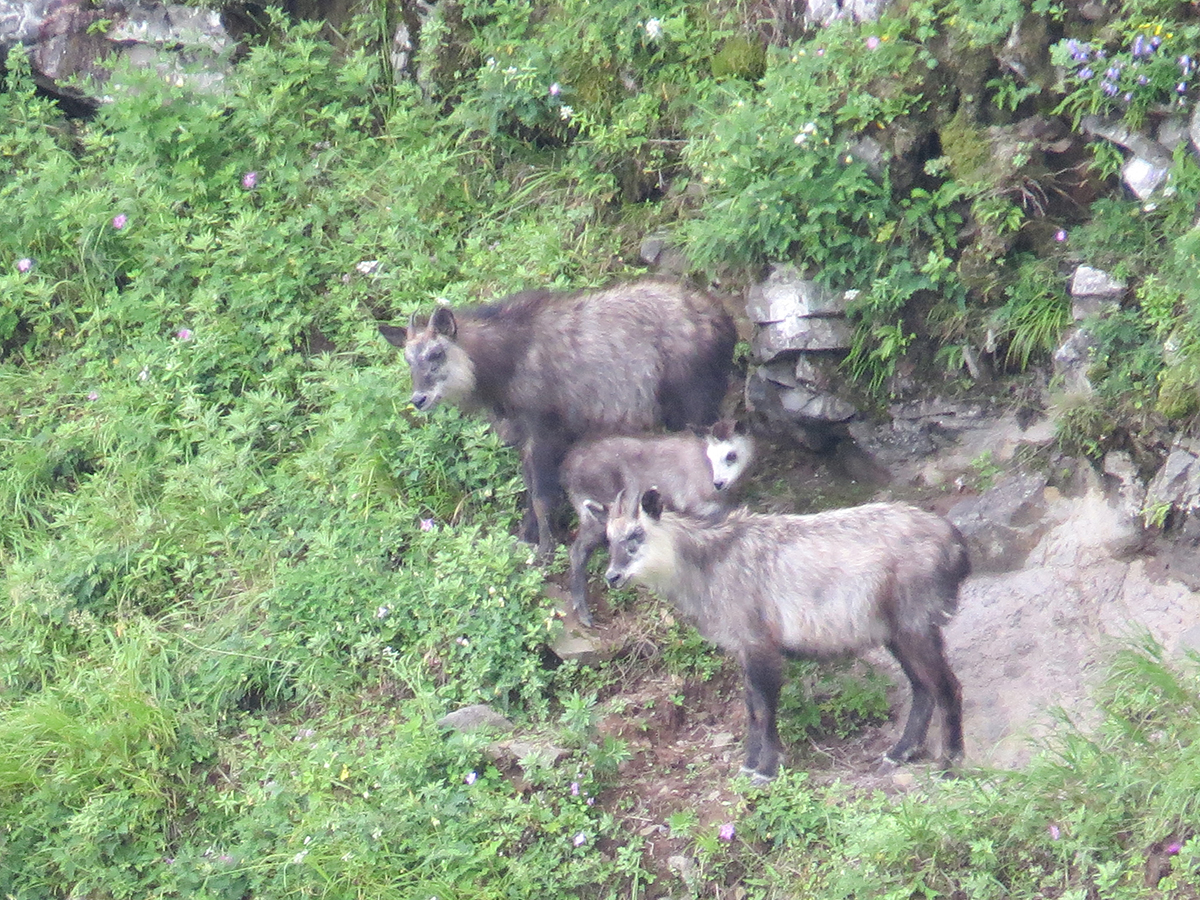
*Some of the lecture content overlaps with the lecture held at Inokashira Park Zoo in July 2026.
Takada's Profile
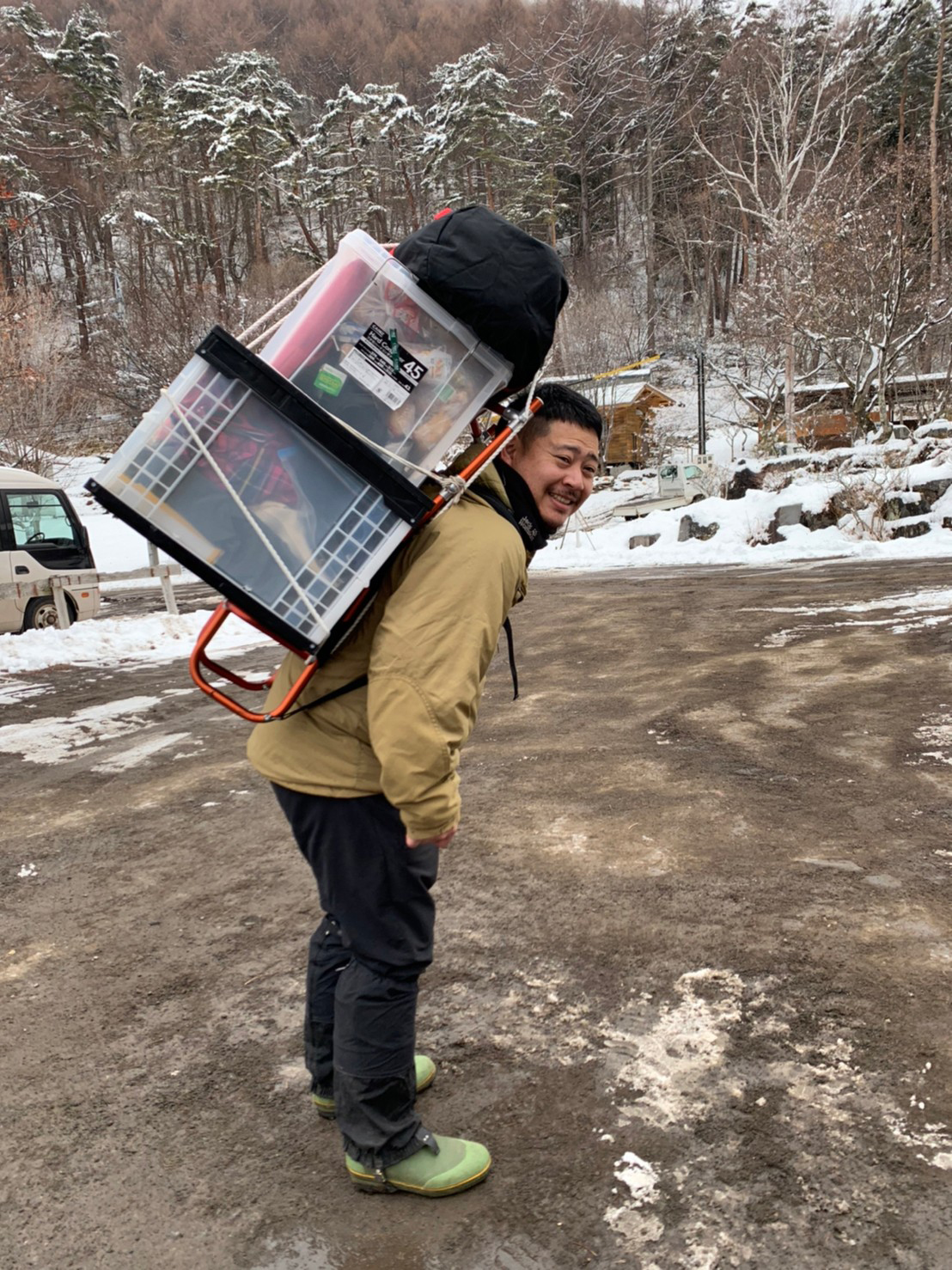
Born in Tokyo in 1991. Received a PhD from Azabu University in 2018. After working as a researcher at the Mt. Fuji Research Institute in Yamanashi Prefecture, he is currently a specially appointed associate professor at the Wildlife Management Education and Research Center, Tokyo University of Agriculture and Technology. His specialty is behavioral ecology. During his student days, he spent more than 100 days a year in the mountains observing Japanese serows. His publications include "Adventures Surrounding Japanese Serows and Evolution: Survival Strategies on the Mountains" (Bun-ichi Sogo Shuppan, 2025).
How to Apply
How to Apply
Please apply using the registration form as follows.
Please configure your spam filter and email software to allow emails from @tokyo-zoo.net and @kintoneapp.com to be received.
*Please pay special attention if you are applying via mobile phone.
If you do not receive an automatic reply email after applying, please contact Ueno Zoo Education and Outreach Section.
Ueno Zoo Education and Outreach Section
03-3828-5171 (Main number) *Reception hours: 9:30 AM - 5:00 PM
Valid for submissions sent until November 10, 2026 (Tuesday).
others
The order and content of the presentations may be subject to change.
Please be aware that the lecture staff will be taking photographs for recording purposes.
We will be conducting a survey after the lecture, so we would appreciate your cooperation.
The lecture may be documented with photographs, which may be used in reports and other documents in a way that does not identify individuals.