

Zoo Stock Species and the Red List
Zoo Stock Species and the Red List
Zoo Stock

This indicates that the species is included in the Second Zoo Stock Plan, which was formulated by the Tokyo Metropolitan Government in 2018. The plan sets goals for the next 10 years in three areas: "species conservation," "contribution to wildlife conservation," and "environmental education and conservation awareness." 124 animal species are included.
What is the Red List?
Based on scientific research, this is a list of wildlife classified by rank (category) indicating the degree of risk of extinction.
Livng Things Encyclopedia shows the categories (mainland and islands) assessed by the IUCN (International Union for Conservation of Nature) at the global level, the Ministry of the Environment for Japan, and the Tokyo Metropolitan Government for Tokyo.
The higher the category in each table, the higher the risk of extinction, and CR, EN, and VU are the three categories known as "endangered species." In Tokyo, species that are not at the NT (near threatened) level but are relatively rare are considered "species of concern."
|
IUCN categories |
|
|---|---|
|
EX |
extinction |
|
EW |
Extinction in the wild |
|
CR+EN |
— |
|
CR |
Serious crisis |
|
EN |
crisis |
|
VU |
emergency |
|
NT |
Near Threatened |
|
LC・○ |
Low Concern |
|
DD |
Data shortage |
|
LP |
— |
|
Japan (Ministry of the Environment) Category |
|
|---|---|
|
EX |
extinction |
|
EW |
Extinction in the wild |
|
CR+EN |
Endangered species |
|
CR |
Critically Endangered |
|
EN |
Endangered species |
|
VU |
Endangered species |
|
NT |
Near Threatened |
|
LC・○ |
— |
|
DD |
Lack of information |
|
LP |
Endangered |
|
Tokyo Category |
|
|---|---|
|
EX |
extinction |
|
EW |
Extinction in the wild |
|
CR+EN |
Endangered species |
|
CR |
Critically Endangered |
|
EN |
Endangered species |
|
VU |
Endangered species |
|
NT |
Near Threatened |
|
LC・○ |
Unranked |
|
DD |
Lack of information |
|
LP |
Endangered |
Creatures at Ueno Zoo
Creatures at Ueno Zoo

Lesser Slow Loris
Lesser Slow Loris
Nycticebus pygmaeus
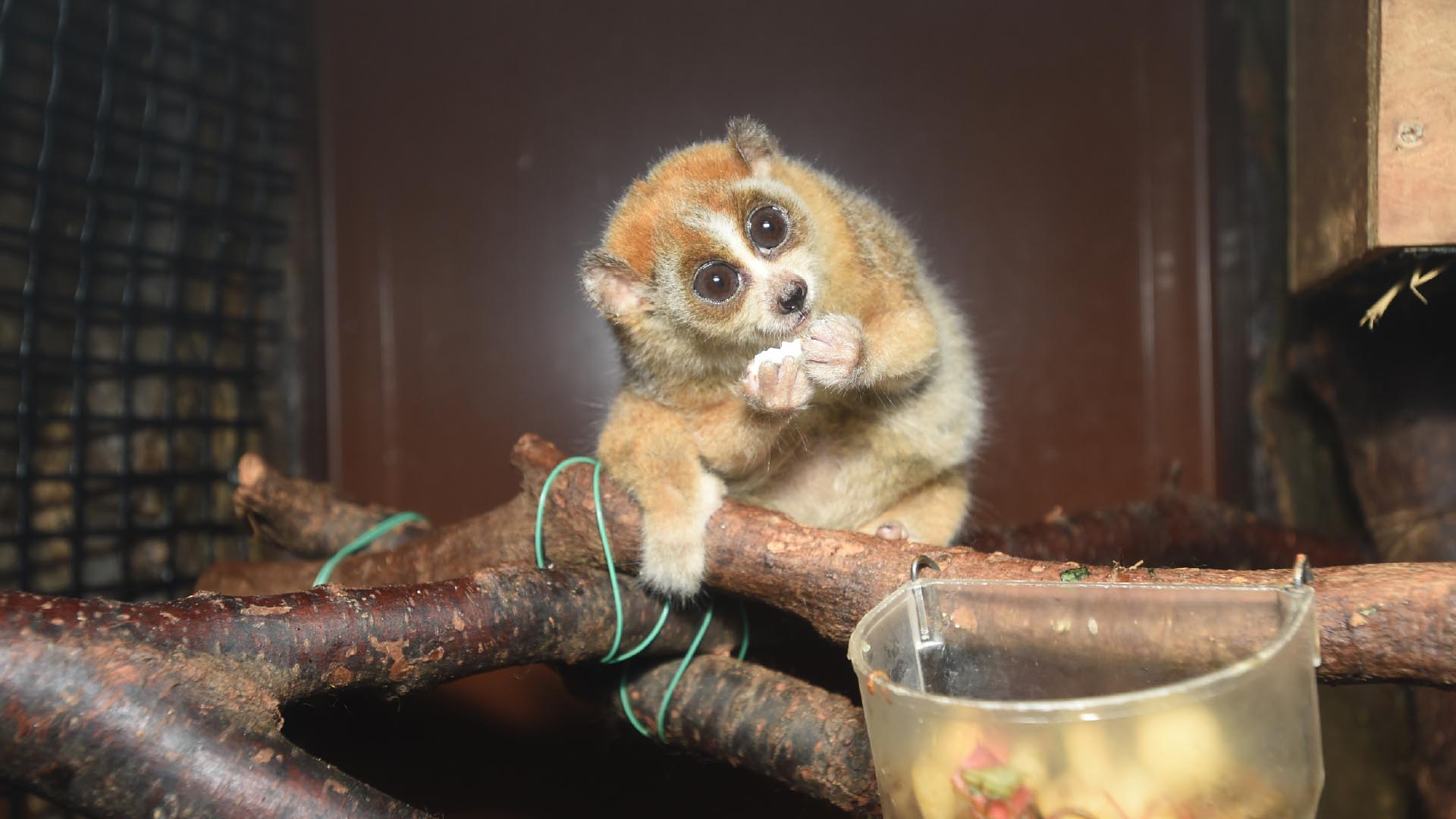
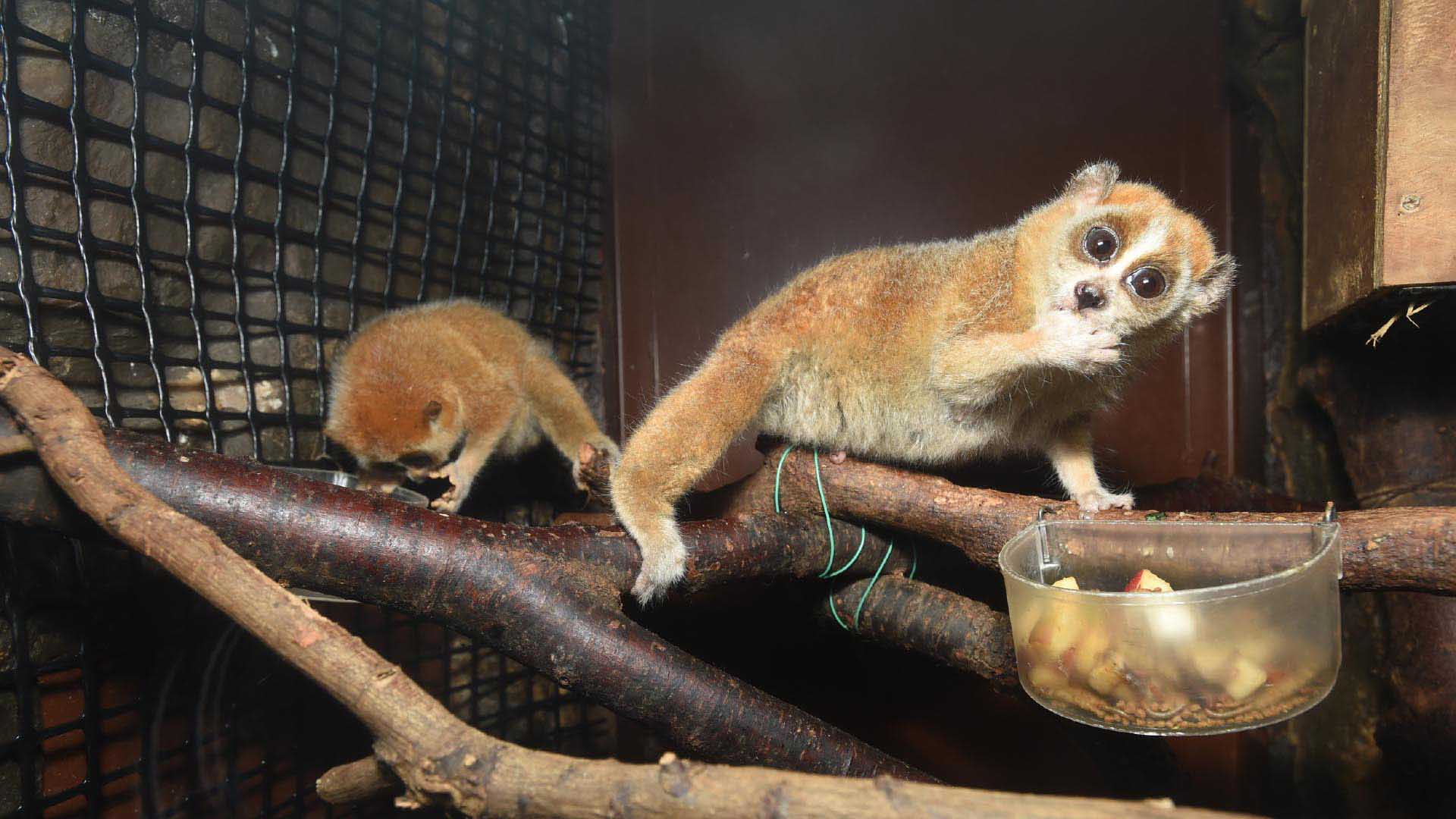
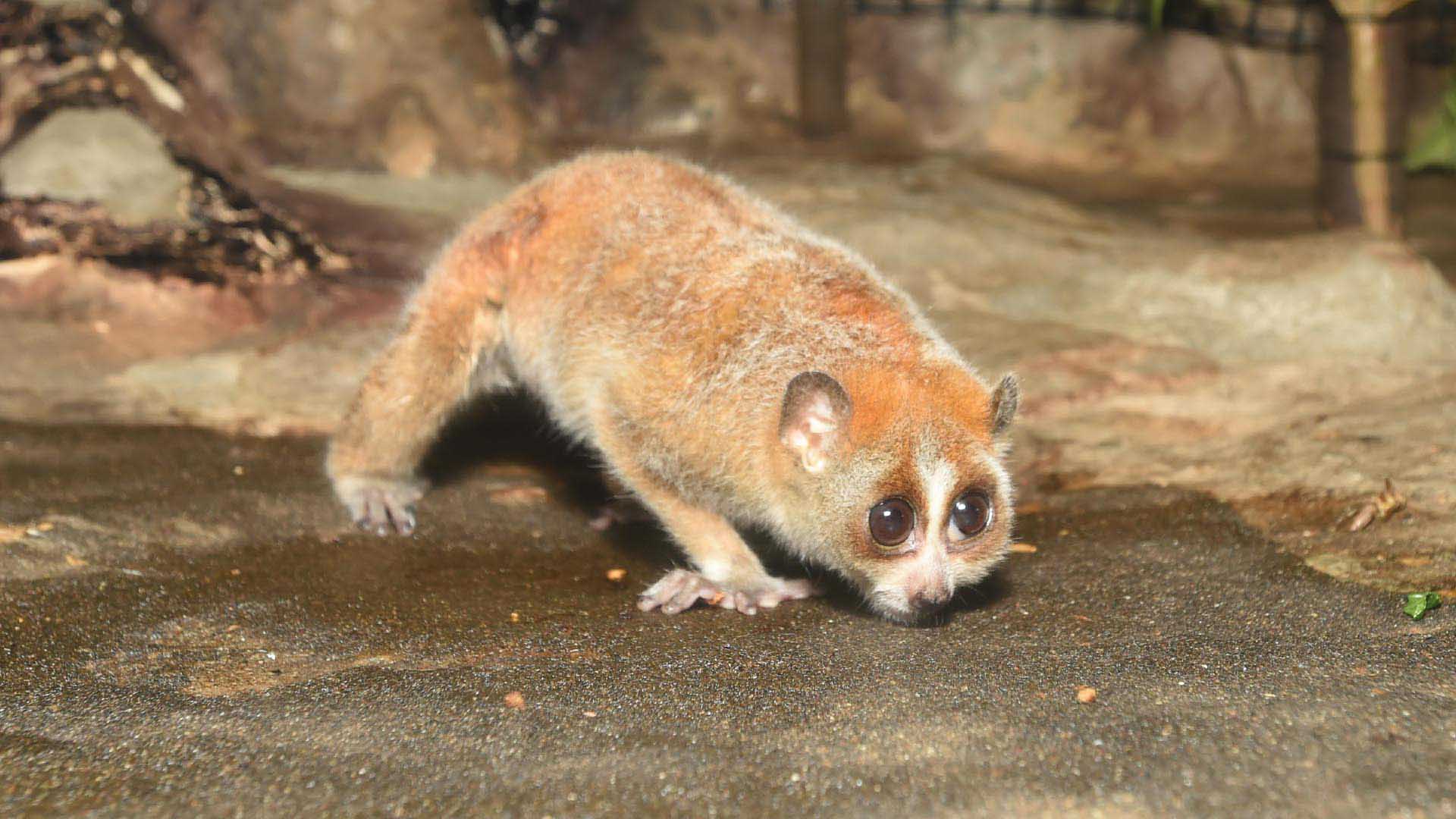
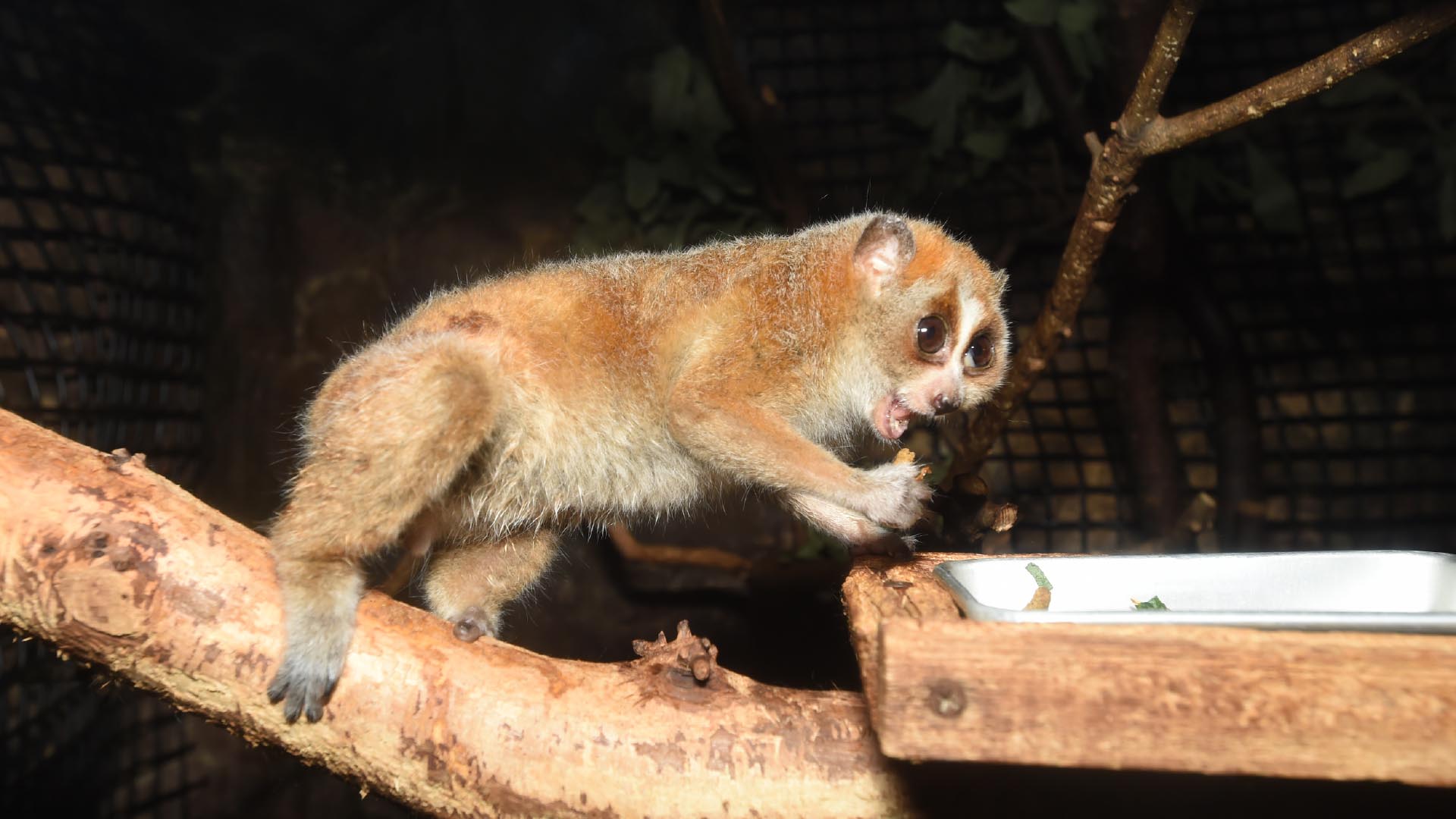
It is smaller than Greater Slow Loris. It was previously thought to be the same species as Greater Slow Loris, but subsequent research has determined that it is a different species. Usually, one baby is born at a time, but on rare occasions twins are born. It is a nocturnal animal that lives alone, mainly in trees, and its ecology in the wild is still not well understood.
| classification | Mammalia, Primates, Lorisidae |
|---|---|
| English name | Pygmy Slow Loris |
| distribution | Vietnam to Laos |
| Residence | forest |
| Size |
Head torso length: approx. 20cm
Weight: Approximately 200g |
| food | Fruits, insects, and small animals |
| Red List |
IUCN: EN (crisis)
|