

Zoo Stock Species and the Red List
Zoo Stock Species and the Red List
Zoo Stock
This indicates that the species is included in the Second Zoo Stock Plan, which was formulated by the Tokyo Metropolitan Government in 2018. The plan sets goals for the next 10 years in three areas: "species conservation," "contribution to wildlife conservation," and "environmental education and conservation awareness." 124 animal species are included.
What is the Red List?
Based on scientific research, this is a list of wildlife classified by rank (category) indicating the degree of risk of extinction.
Livng Things Encyclopedia shows the categories (mainland and islands) assessed by the IUCN (International Union for Conservation of Nature) at the global level, the Ministry of the Environment for Japan, and the Tokyo Metropolitan Government for Tokyo.
The higher the category in each table, the higher the risk of extinction, and CR, EN, and VU are the three categories known as "endangered species." In Tokyo, species that are not at the NT (near threatened) level but are relatively rare are considered "species of concern."
|
IUCN categories |
|
|---|---|
|
EX |
extinction |
|
EW |
Extinction in the wild |
|
CR+EN |
— |
|
CR |
Serious crisis |
|
EN |
crisis |
|
VU |
emergency |
|
NT |
Near Threatened |
|
LC・○ |
Low Concern |
|
DD |
Data shortage |
|
LP |
— |
|
Japan (Ministry of the Environment) Category |
|
|---|---|
|
EX |
extinction |
|
EW |
Extinction in the wild |
|
CR+EN |
Endangered species |
|
CR |
Critically Endangered |
|
EN |
Endangered species |
|
VU |
Endangered species |
|
NT |
Near Threatened |
|
LC・○ |
— |
|
DD |
Lack of information |
|
LP |
Endangered |
|
Tokyo Category |
|
|---|---|
|
EX |
extinction |
|
EW |
Extinction in the wild |
|
CR+EN |
Endangered species |
|
CR |
Critically Endangered |
|
EN |
Endangered species |
|
VU |
Endangered species |
|
NT |
Near Threatened |
|
LC・○ |
Unranked |
|
DD |
Lack of information |
|
LP |
Endangered |
Creatures at Ueno Zoo
Creatures at Ueno Zoo
Galapagos giant tortoise
Galapagos giant tortoise
Geochelone sp.
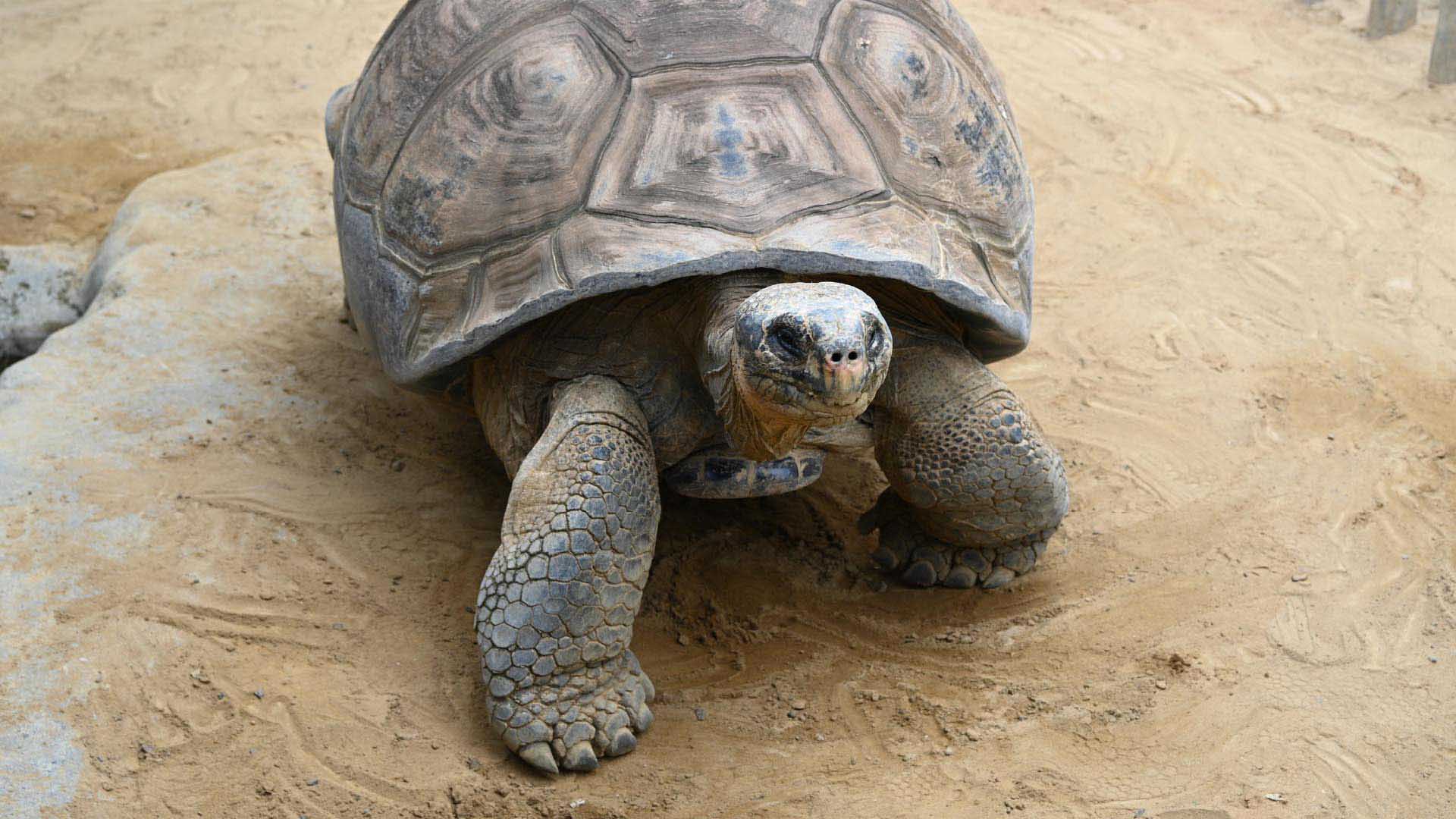
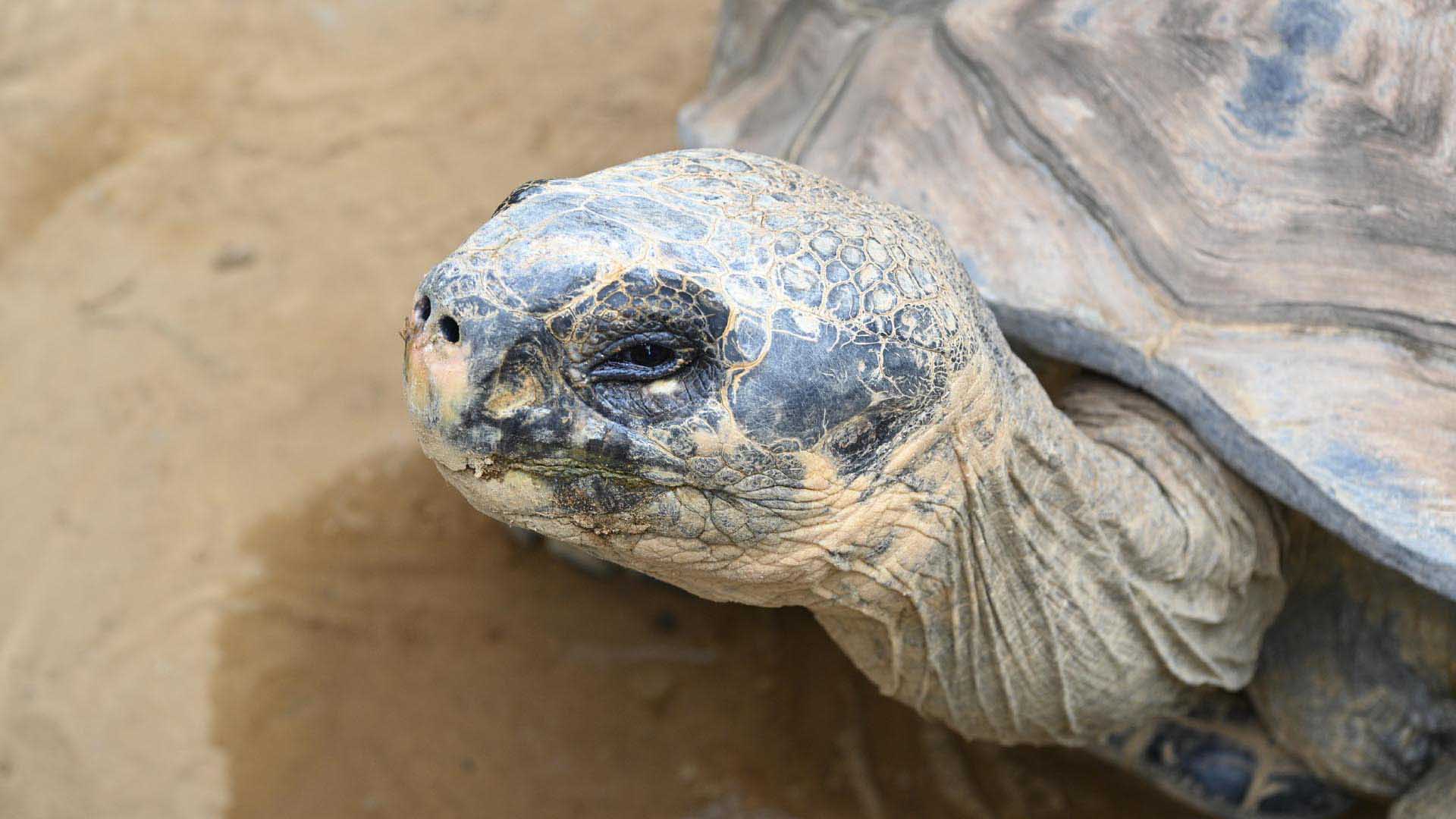
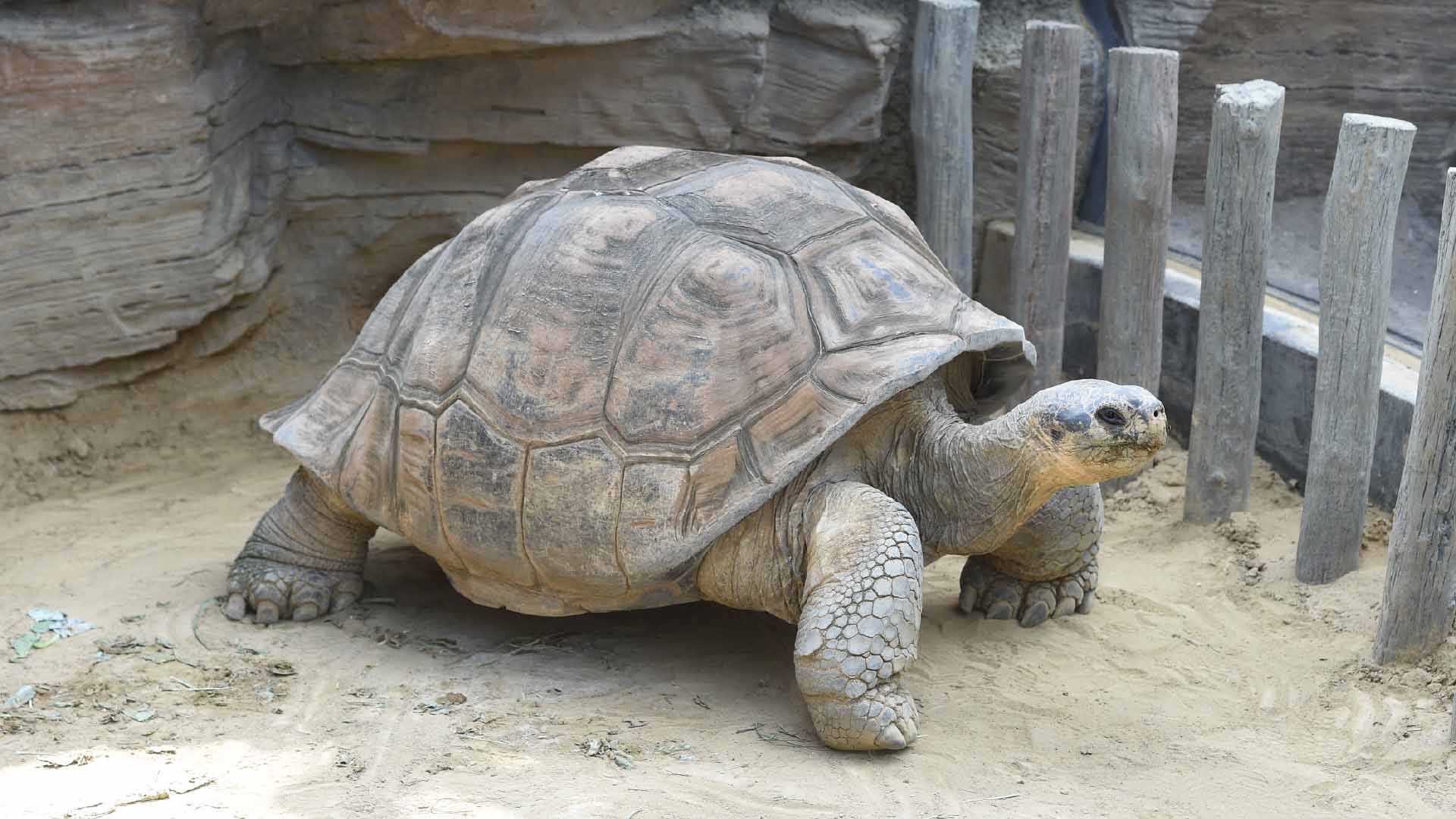
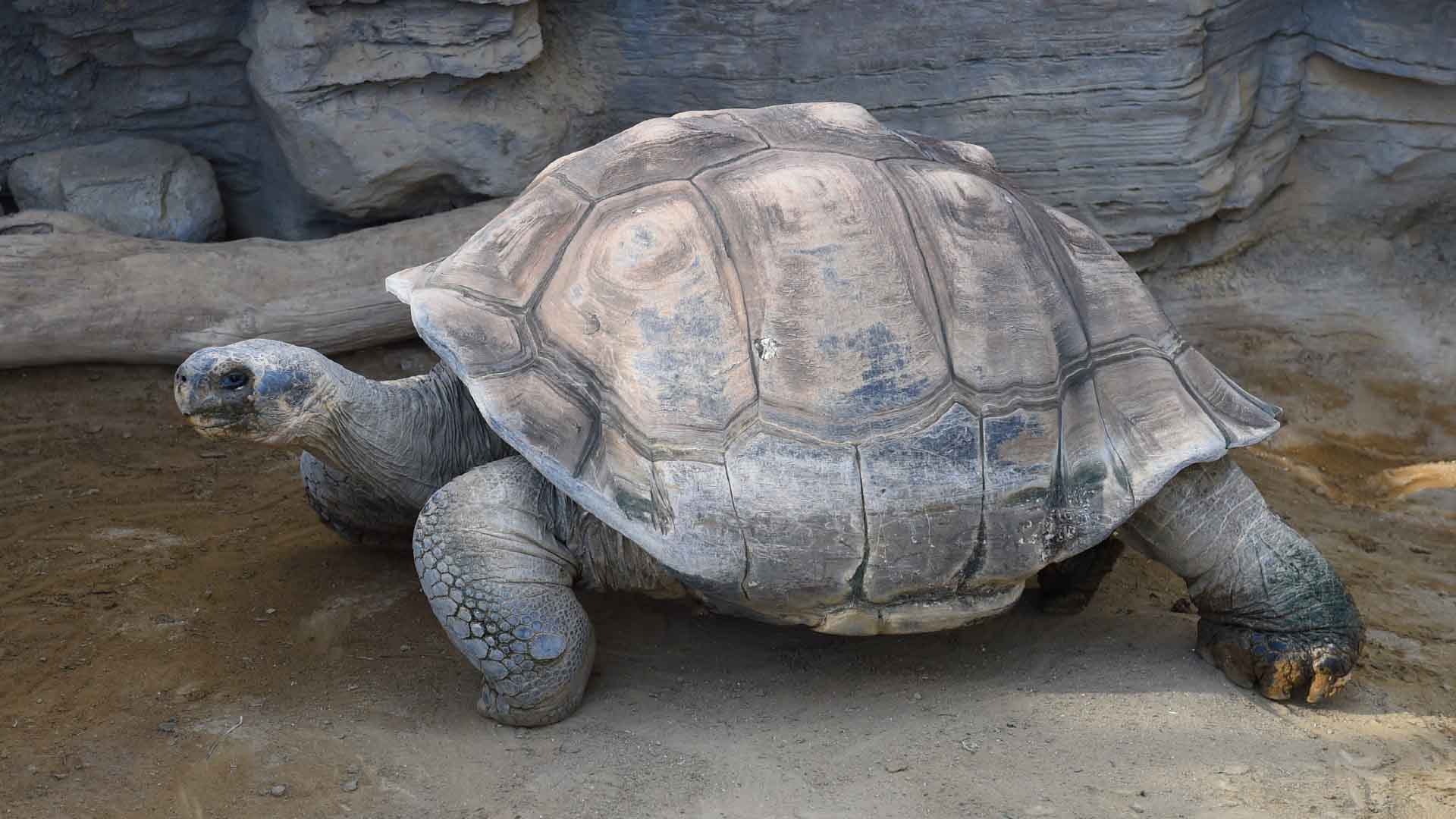
Tortoises are among the largest of all land turtles and are classified into more than 10 species depending on the island or area they inhabit. Each species exhibits differences in shell shape and other features depending on its habitat. Tortoises living on islands with abundant undergrowth have dome-shaped shells that are convenient for pushing through grass and bushes. On the other hand, tortoises living on islands with many prickly pear cacti have saddle-shaped shells that allow them to easily tilt their necks upwards and eat tall plants.
| classification | Reptilia, Testudines, Suborder Cryptocarya, Family Testudinidae |
|---|---|
| English name | Galapagos Tortoise |
| distribution | Galapagos Islands |
| Residence | A warm, dry place at the base of a volcano |
| Size |
Shell length: 1-1.3m
Weight: Maximum 270 kg |
| food | Prickly pear cacti and other plants |
| Red List |
Unknown as the species has not been identified
|