

Report Challenge for Junior and Senior High School Students
We are looking for animal observation reports. Observe the animals kept at Tokyo Metropolitan Zoos and Aquariums, explore any mysteries or interesting phenomena you notice, and submit your findings in a research report.
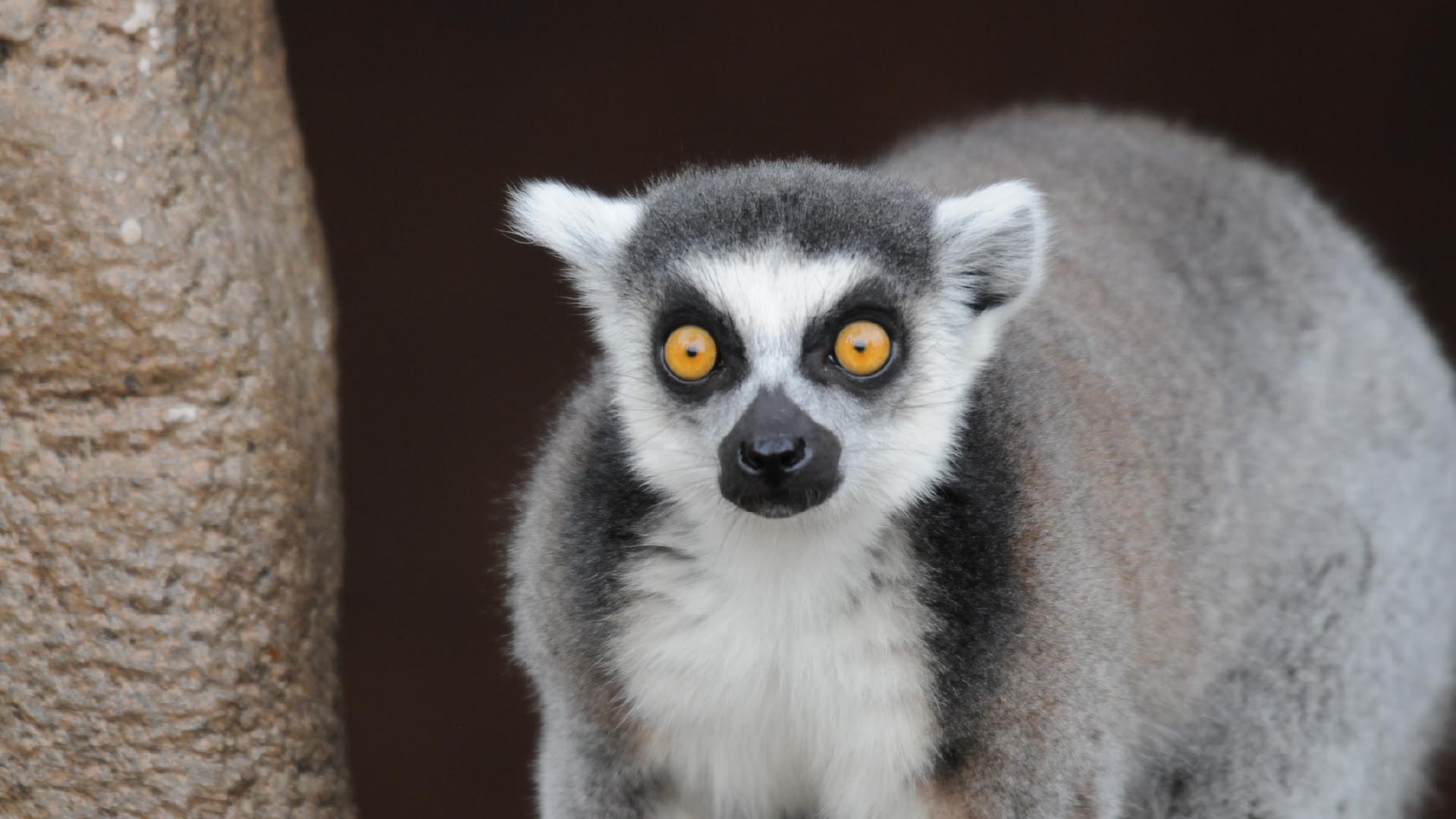
Junior and senior high school students. Individuals and groups are welcome.
Applications are accepted from January to the end of December every year. Applications can be made at any time during this period.
Application Guidelines
Tips for working on your report
If you would like to know how to conduct observations and write reports, please see here.
Consultation desk
How to Apply
Please send your application form and report to the following address (email is also acceptable).
We will ship the commemorative gift approximately one month after receiving your application.
Shipping address
110-0007
9-83 Ueno Park, Taito-ku, Tokyo (within Ueno Ueno Zoo
Tokyo Zoological Park Society Education and Outreach Center "Zoo and Aquarium Report Challenge" Secretariat
For email inquiries: edu-center@tzps.or.jp
Announcement of Results
Points to note
However, the reports may be used as PR materials for the Association and for educational outreach activities, and may also be used on websites, PR, and other media.
Previous award-winning works
Previous award-winning works
Best work of the year
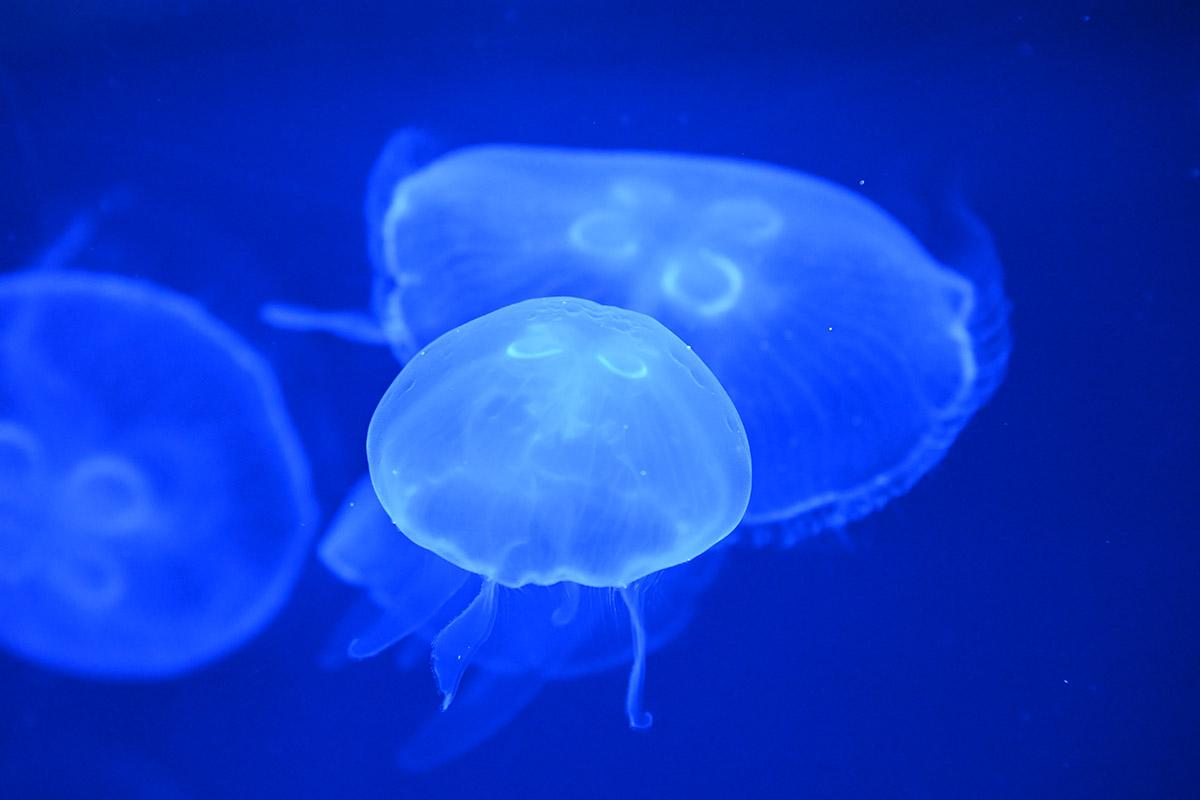
Why do Moon Jellyfish have four stomachs? – Considering the correlation between the number of stomachs and various organs, digestion, and absorption.
Shudai Inoue (1st year high school student, Hoyu Gakuin High School)
[Selector's Comments]
Moon Jellyfish exhibit variability in the number of stomachs (gastric cavities), typically four. Research clarifying the morphological, physiological, and metabolic differences between individuals with different gastric cavities requires specially set up breeding environments and the preparation of test specimens. However, Ms. Inoue conducted detailed observations and analyses of the exhibit tanks at Tokyo Sea Life Park as a regular visitor. In measuring feeding and digestion efficiency, she observed the digestion process of food taken into the gastric cavities for more than two hours, concluding that the normal number of four gastric cavities is the most appropriate. If Ms. Inoue's dream of working at an aquarium comes true, we hope she will become animal keeper who conveys the fascination of living creatures through exhibits.
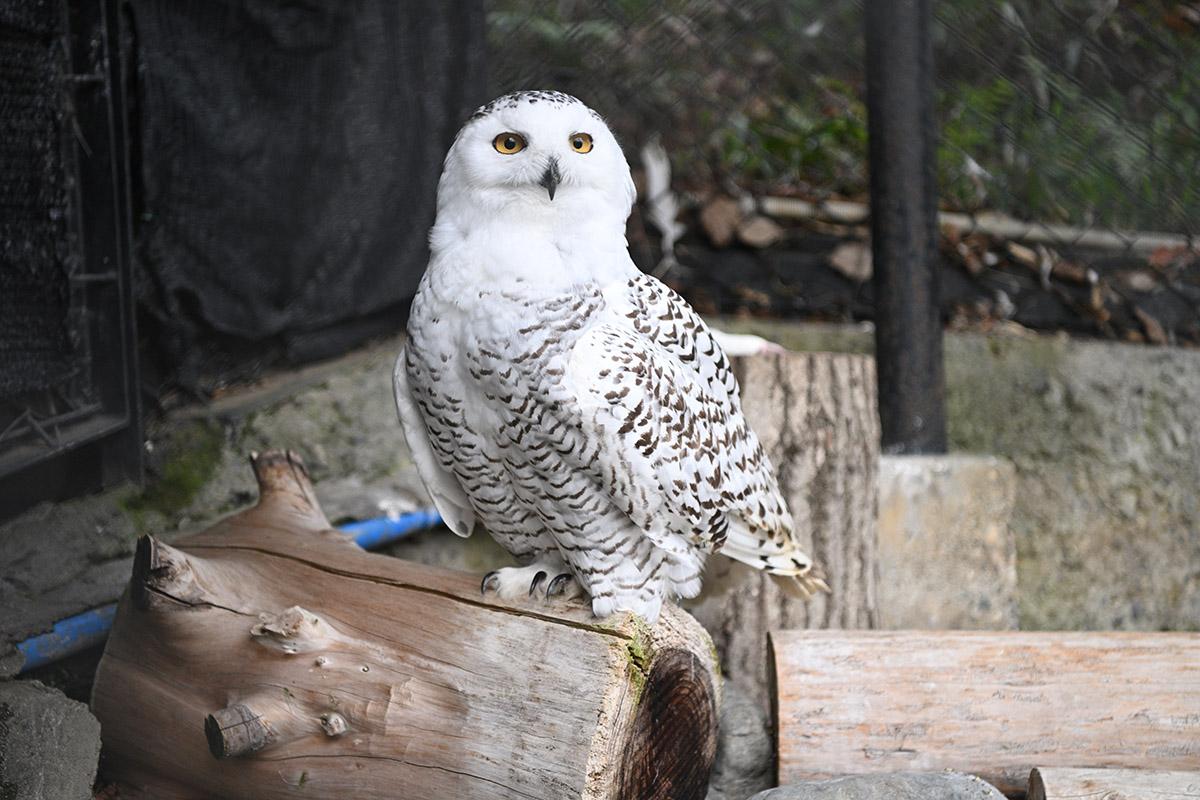
Challenging the nocturnal image? The daytime world of Ural Owl: A comparison of captive behavior of Snowy Owl and Ural Owl, and the influence of environmental factors.
Taichi Iisaka (2nd year junior high school student, Tokyo Metropolitan Mitaka Secondary School)
[Selector's Comments]
Ms. Iisaka, interested in the daytime behavior of Ural Owl, which are generally perceived as nocturnal, conducted observations of two different Ural Owl species during zoo opening hours on two days in July and August. Normally, observations are only possible during daylight hours at this time of year, but the August observations were conducted on a special day with extended opening hours, allowing for analysis of behavior during dark hours as well. The observation results supported two hypotheses Ms. Iisaka had formulated regarding the differences between Snowy Owl and Ural Owl. In her report, she also mentioned the significance of observation at the zoo, which she felt through this research. We hope that Ms. Iisaka will continue her observations in the future.
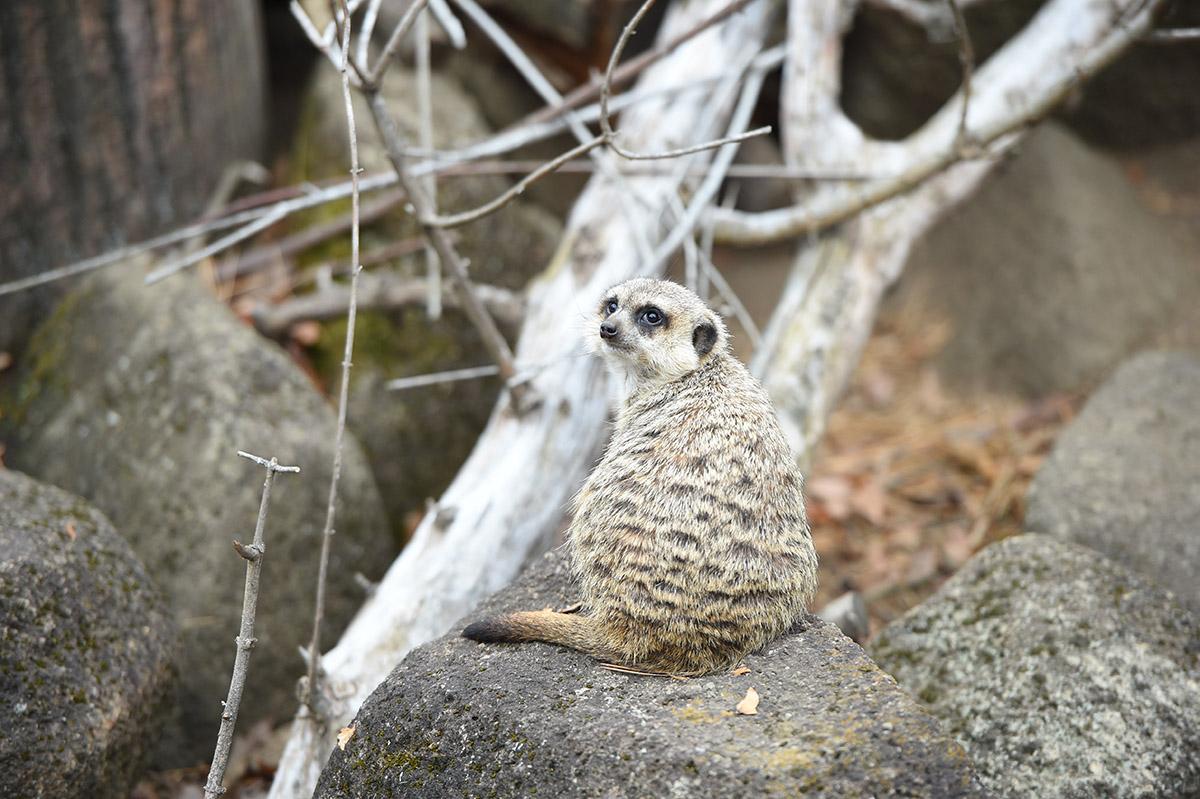
Why is it that Meerkat can stand stably on two legs?
Kazuma Ikeda (2nd year junior high school student, Tokyo Metropolitan Mitaka Secondary School)
[Selector's Comments]
Ikeda probably doesn't know that about 20 years ago, a video of Red Panda at a certain zoo standing up went viral. The fact that an animal that normally lives on four legs stood on two legs attracted attention as something special, and Ikeda, who chose this behavior as the theme for her report, was able to analyze it scientifically. To address the skeletal structure, which is lacking in observations of live animals, she cited data and clarified the differences in bipedal standing between Meerkat and a meerkat. I hope she will also tackle remaining issues such as muscle usage and the expanded field of vision gained by standing up.
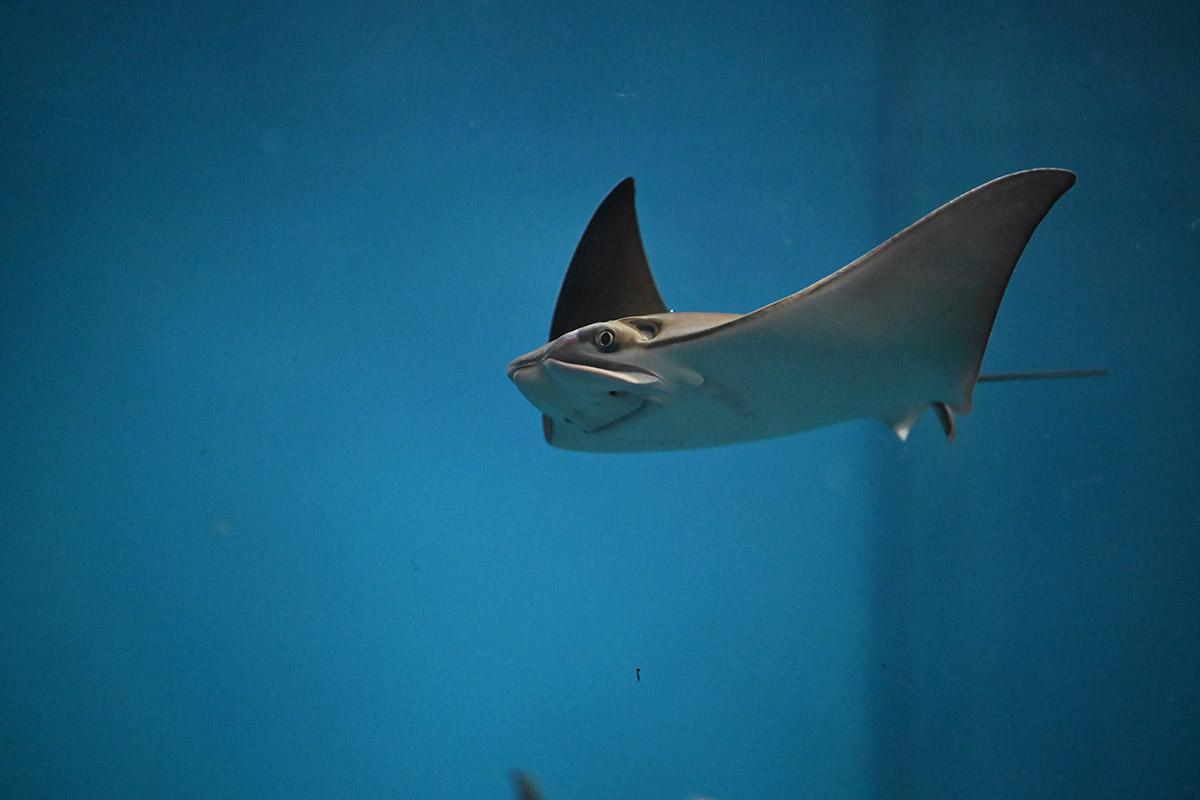
The swimming techniques of Flapnose Ray
Reino Suezawa (2nd year junior high school student, Tokyo Metropolitan Mitaka Secondary School)
[Selector's Comments]
In the report challenge, there seem to be certain species and themes that are more likely to be chosen. Perhaps many students set their themes based on topics that came up when they did an internet search for the name of a creature they vaguely knew. On the other hand, Ms. Suezawa deepened her research on the unique vertical swimming style she discovered when she first observed Flapnose Ray. Themes set from actual observations tend to yield better results in observations at the exhibit and lead to highly original reports. From Ms. Suezawa's report, it was clear that she enjoyed the process of considering observation methods to solve the problem and researching materials for her analysis. We hope to see more reports like this.
Encouragement Award
The effects and potential of environmental enrichment at Ueno Zoo
Haruka Hoshikawa (2nd year high school student, Ouyu Gakuen Girls' Junior and Senior High School)
How the red jellyfish swims and the benefits of doing so.
Yuna Ouchi (1st year junior high school student, Tokyo Metropolitan Oizumi High School Attached Junior High School)
Is Patagonian Mara popular?
Ikuna Nakamura (1st year junior high school student, Fujimigaoka Junior High School)
Regarding the grooming behavior of Giraffe at Tama Zoo
Haruto Watari (2nd year junior high school student, Chuo University Affiliated Junior High School)
The mystery of pigeons moving their heads when they walk
Tatsuma Otomo (1st year junior high school student, Oku Hachiman Junior High School, Arakawa Ward)
Similarities between apes and humans as seen through their walking patterns
Chisa Okazaki (2nd year junior high school student, Joshi Gakuin Junior High School)
Unique Award
Oriental White Stork
Rina Komaki (2nd year high school student, Otsuma Tama Junior and Senior High School)
Investigate the mystery of the white belly!
Akari Omiya (1st year junior high school student, Tokyo Metropolitan Oizumi High School Attached Junior High School)
Why did humans lose in the Emu Wars?
Shie Yamamoto (3rd year junior high school student, Fujimigaoka Junior High School)
Best work of the year
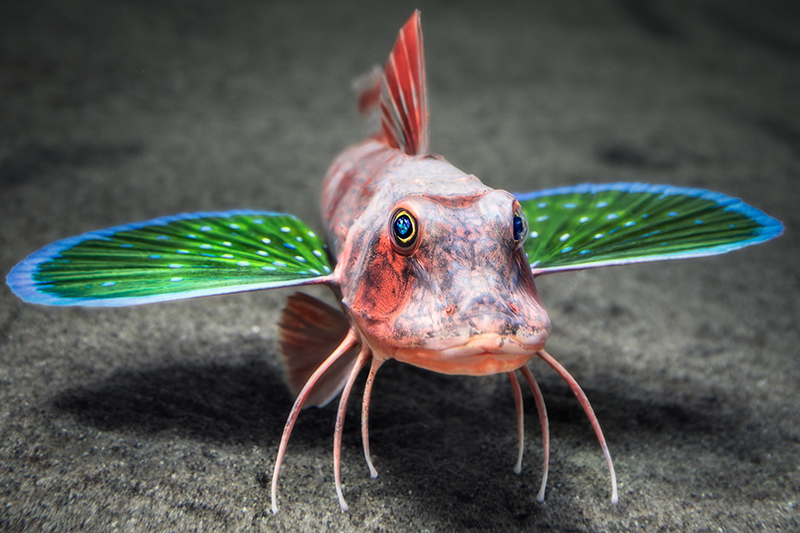
Why do Spiny Red Gurnard walk? - Analysis of free ray movement patterns and comparison with other organisms -
Tomoki Ashiya (2nd year high school student, Tokyo Metropolitan Shinjuku Yamabuki High School)
[Selector's Comments]
Until now, the number of entries from high school students has been small compared to those from junior high school students, and no high school student had ever been selected as the best entry. This time, Ashiya's work became the first to win an award from a high school student. We had to consider the difference in level between high school and junior high school students, but Ashiya's report first caught our eye with its well-organized, book-like design. Of course, that wasn't all; she noticed that Spiny Red Gurnard uses its free soft rays like legs, and logically demonstrated that there are differences in movement other than moving forward along the seabed, such as turning, taking off, landing, and exploring. Furthermore, she compared the leg movements of various animals using the same method and even considered them from an evolutionary perspective. In her final summary, she cited the latest genetic-level research that is not available at aquariums, and discussed the possibility of discoveries that could have a significant impact on biological evolution. We hope that she will pursue a related research field and produce results that can contribute to aquarium exhibits.
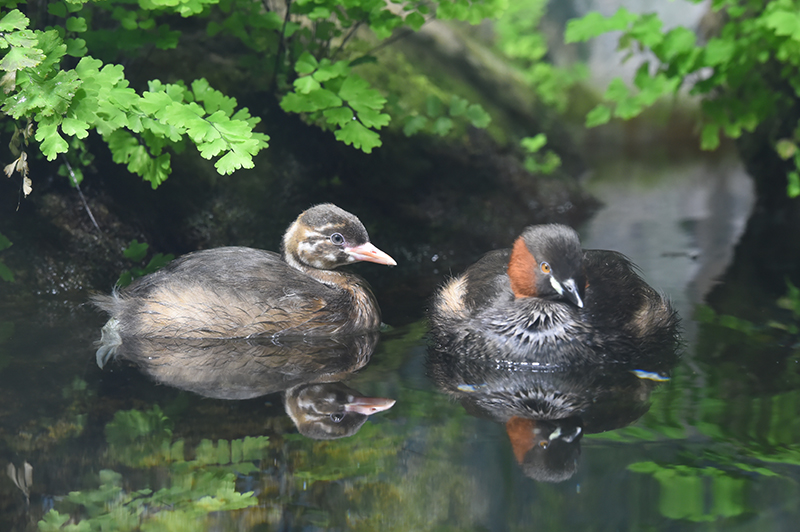
The relationship between Little Grebe 's feet and its swimming ability.
Yui Otawara (1st year junior high school student, Tokyo Denki University Junior High School)
[Selector's Comments]
Ms. Otawara has been gathering and compiling information about Little Grebe she encountered at Inokashira Park Zoo, following her interests as she went. It's almost as if she's surfing the internet, but her knowledge isn't gained through mouse operations or screen touches; she's actually observed live Little Grebe right in front of her and recorded it by drawing many illustrations on paper. I'm personally impressed that she visited the zoo at least twice to observe the grebes and that she revised her illustrations herself while referring to literature. There is still room for improvement in the structure of the report and the data analysis. I hope she continues her research while cherishing her enjoyment of observing living creatures. If you're going to use Inokashira Park Zoo as your setting, I recommend observing both the captive grebes and the wild ones living in Inokashira Pond.
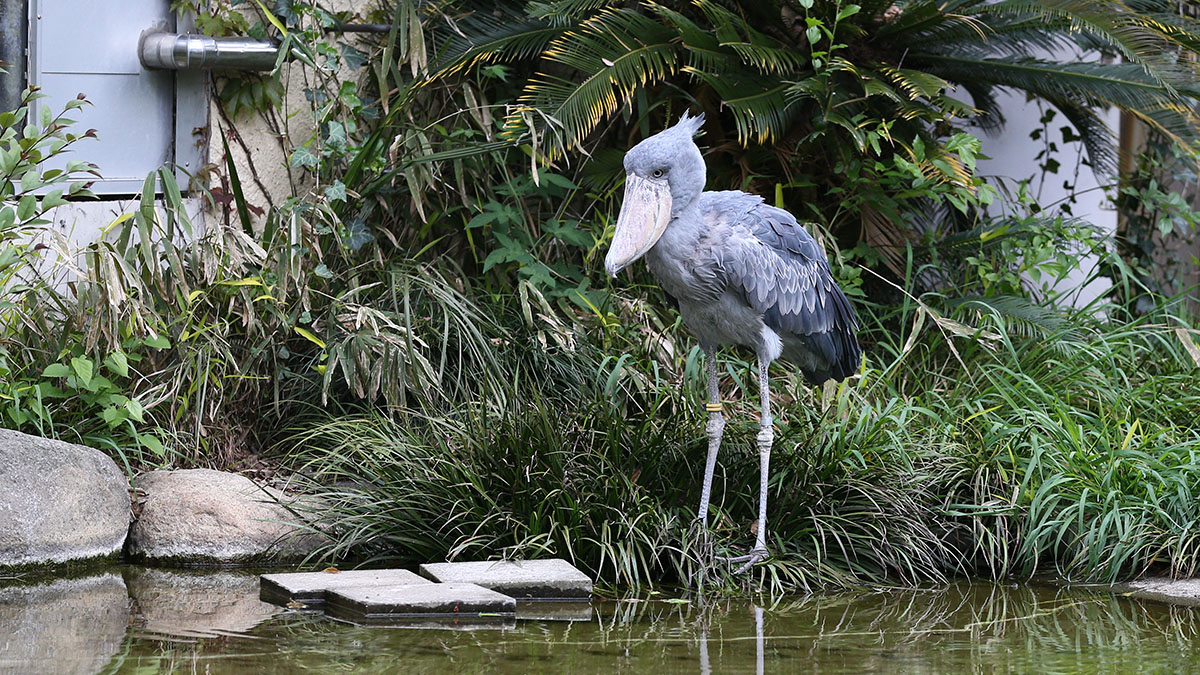
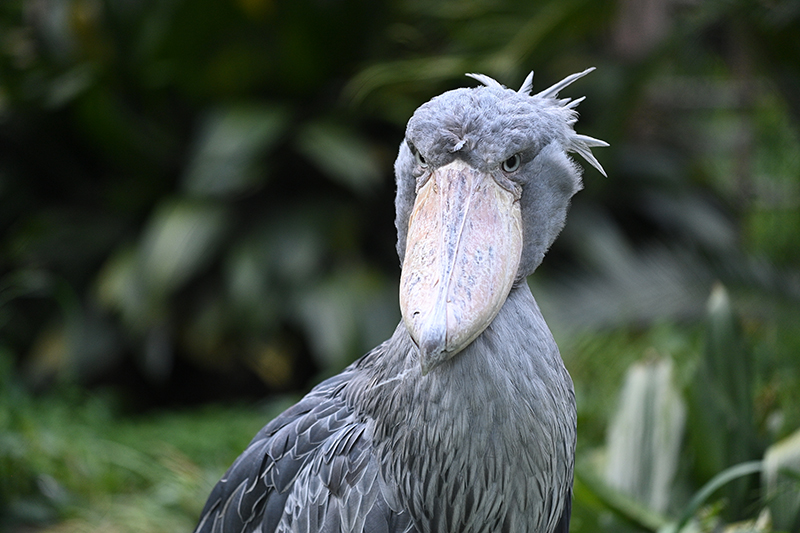
Shoebill Observation Compilation ~Do Shoebill Not Move...?~
Minami Kimura (3rd year junior high school student, Showa Women's University Affiliated Showa Junior High School)
[Selector's Comments]
Following its selection in 2022, Ms. Kimura's report has been chosen as the best work of the year for the second time. Starting with observations at Ueno Zoo, which earned her the first award, her second year's observations at Chiba City Zoological Park involved tracking a different individual to resolve questions raised at the first year. Her third year's observations went beyond the simple question of "do Shoebill move or not?", classifying and recording various behaviors. In addition, she conducted further observations and interviews to resolve questions that arose during her analysis, resulting in a rich and insightful report. While Shoebill are relatively familiar in Japan, their numbers in zoos worldwide are not large. This is due to the harsh conditions faced by wild Shoebill and the difficulty of breeding them in captivity. We hope that Ms. Kimura will continue to be an active supporter of Shoebill species.
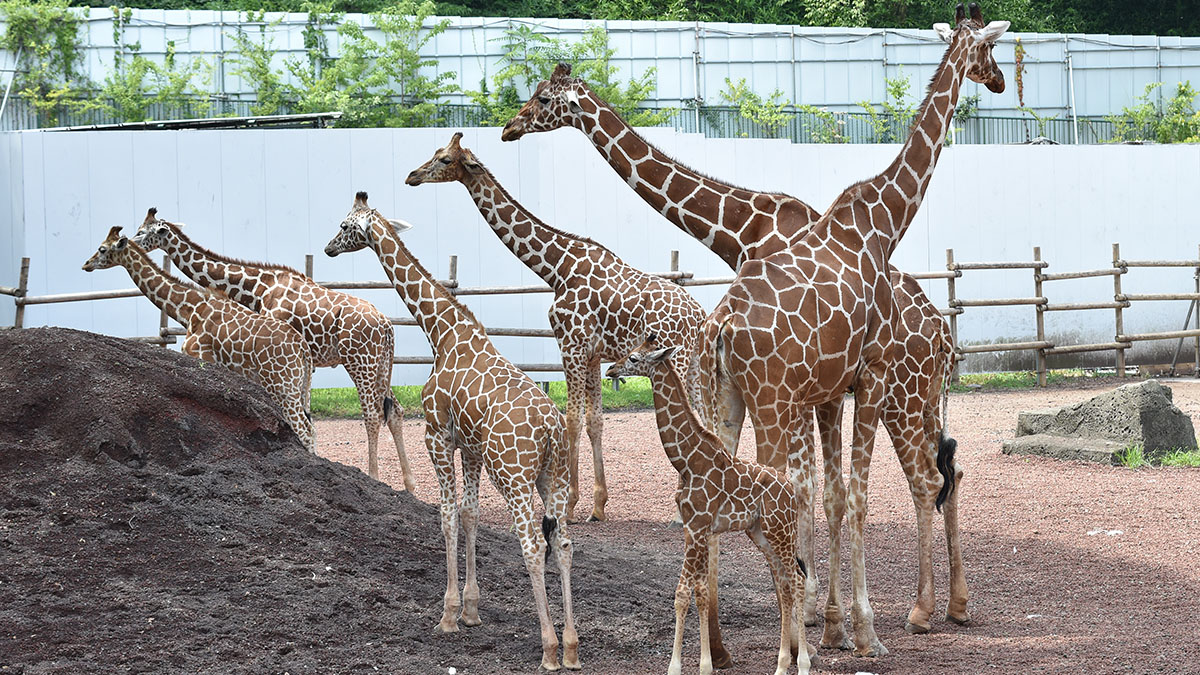
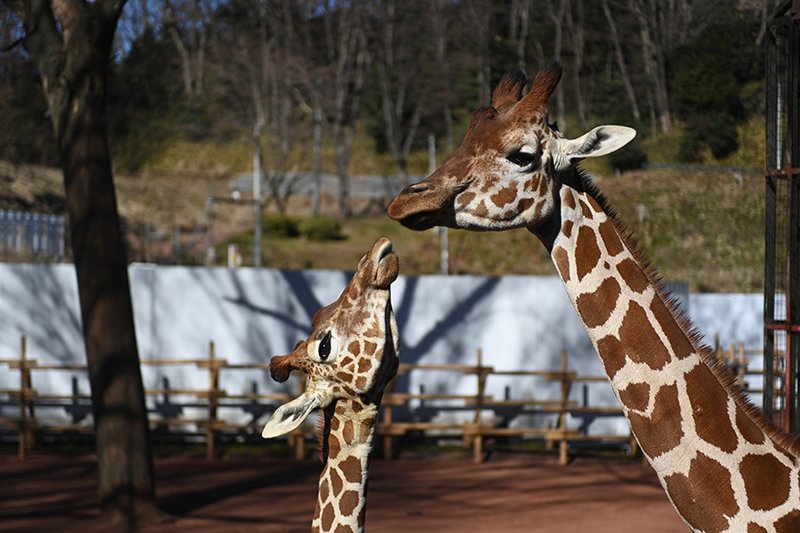
Differences in Giraffe behavior patterns due to their living environment
Haruto Watari (1st year junior high school student, Chuo University Affiliated Junior High School)
[Selector's Comments]
This report compares the behavior of young Giraffe at Tama Zoo (group keeping) and Ueno Zoo (small-group keeping). This is a difficult topic, and any clear differences found would be extremely interesting. Mr. Watari continuously observed and recorded the behavior of one Giraffe throughout the entire time it was on public display at each zoo, from opening to closing. This must have been a tremendous challenge for him, having just entered junior high school. As we expected, the data from this study was still too weak to link the differences in the two giraffes' behavior to their respective environments, but through observation, we were able to discover the individuality of each giraffe. Not limited to these two, continuing to observe individual Giraffe may deepen our understanding of their lives and ultimately reveal differences between zoos.
Encouragement Award
I, a non-swimmer, explore the secrets of Little Grebe diving.
Aki Iwamatsu (1st year junior high school student, Tokyo Metropolitan Oizumi High School Affiliated Junior High School)
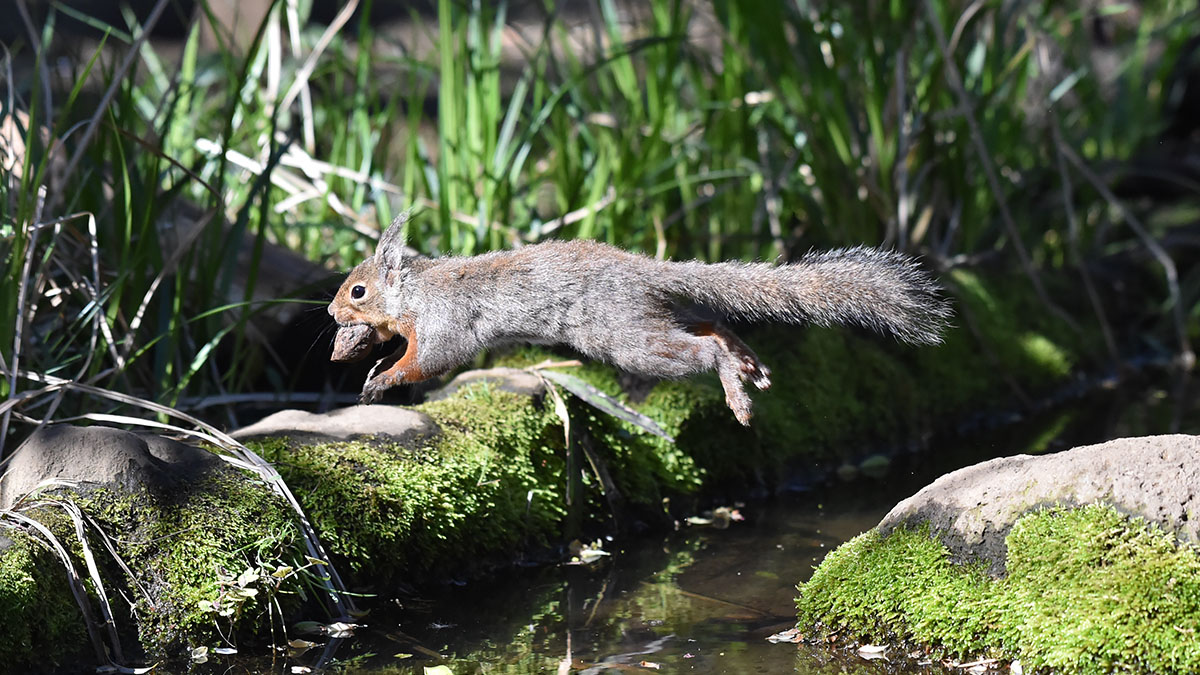
Observation of Japanese Squirrel behavior
Ema Shimada (1st year junior high school student, Tokyo Jogakkan Junior High School)
Observations of the Tsushima Marten: "Athletic abilities like an Olympic athlete"
Airi Takahashi (3rd year junior high school student, Shotoku Gakuen Junior High School)
The ecology of Masked Palm Civet
Haruka Nishiwaki (2nd year junior high school student, Bunrin Junior High School)
The secret behind the skillful and mysterious movements of Blue-and-yellow macaw
Mizuki Hasegawa (1st year junior high school student, Chofu Municipal Sixth Junior High School)
Observation of the dominant foot (the foot you use first)
Mirai Yano (1st year junior high school student, Bunrin Junior High School)
Unique Award
The relationship between the cuteness of animals and their characteristics
Ritsumi Nakagawa (1st year junior high school student, Tokyo Metropolitan Oizumi High School Affiliated Junior High School)
Are Red-crowned Crane cranes laid-back?
Shie Yamamoto (2nd year junior high school student, Fujimigaoka Junior High School)
Best work of the year
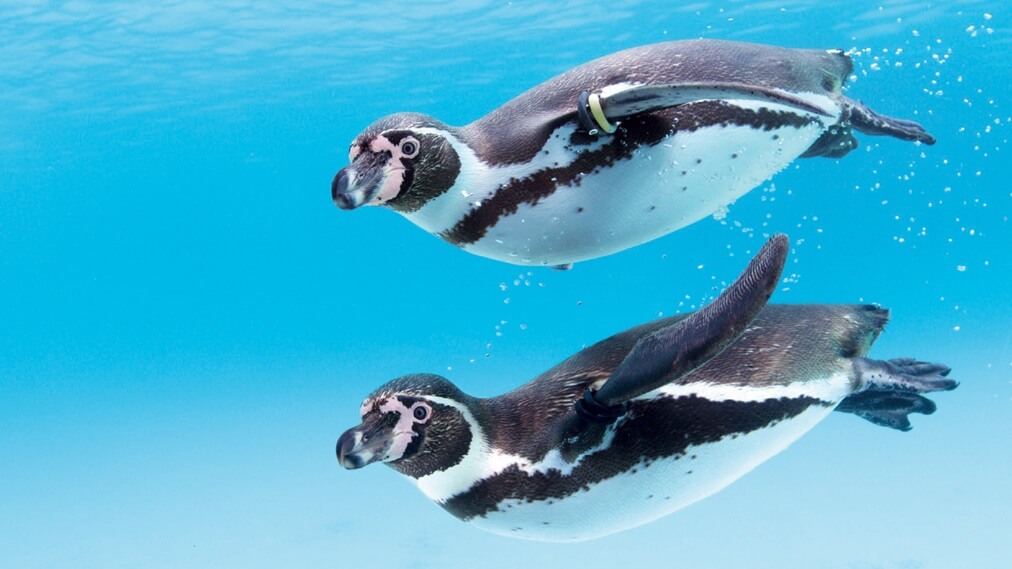
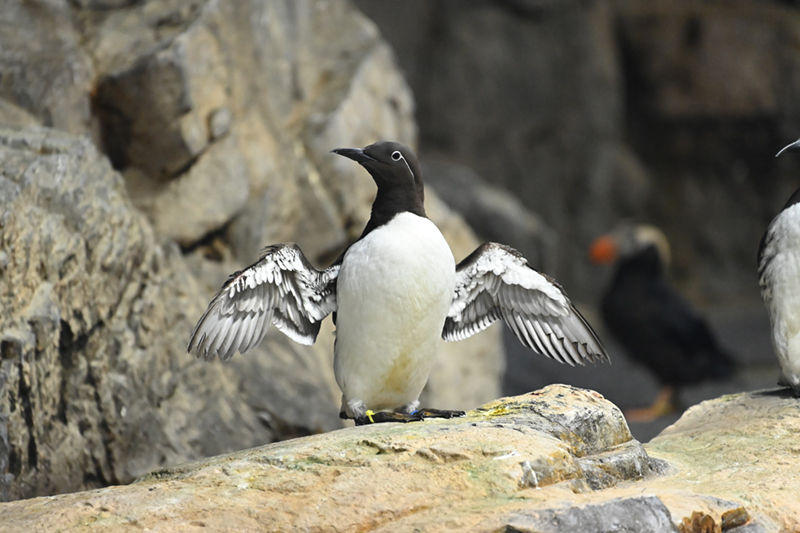
Differences in swimming styles between Common Murre, Tufted Puffin, and penguins
Tomoka Okazaki (1st year junior high school student, Tokyo Jogakkan Junior High School)
[Selector's Comments]
This study addressed a question about the differences in swimming styles between seabirds (Common Murre and Tufted Puffin) and penguins observed at Tokyo Sea Life Park following the researcher's process: ① closely observing the swimming behavior of the two bird species, ② predicting the reasons for the differences, and ③ reviewing previous research to verify and consider the hypothesis. During the aquarium observations, the characteristics of the swimming behavior were scientifically reported using images, and missing morphological information was supplemented with literature. In addition to wing shape, body density related to buoyancy, which is closely related to swimming behavior, was also investigated and considered. Many questions remain that could be further developed from this report, so we hope that the student will continue observations at aquariums and also attempt field research.
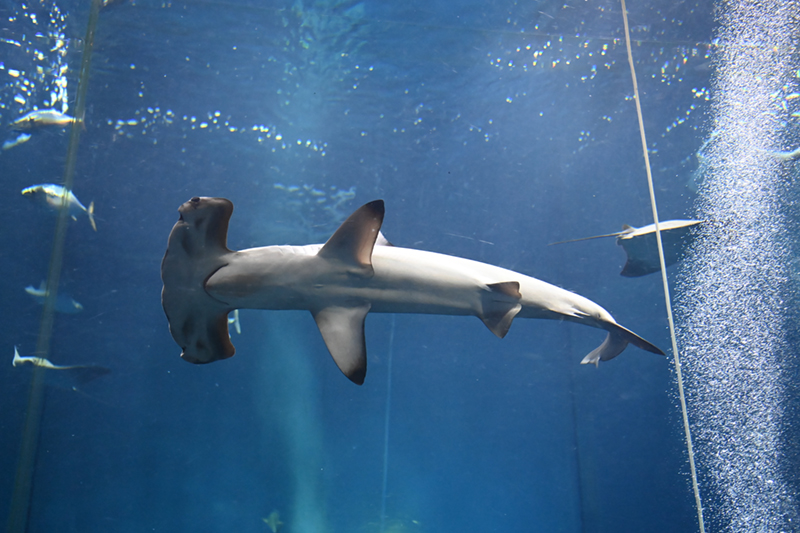
Unraveling the mystery of how Scalloped Hammerhead swims.
Hamada Koto Nozomi (2nd year junior high school student, Toyotama Junior High School, Nerima Ward)
[Selector's Comments]
This year, Tokyo Sea Life Park received many submissions for its report on the swimming styles of fish, including Pacific Bluefin Tuna. Among them, this particular report concisely summarized the characteristics of Scalloped Hammerhead Scalloped Hammerhead swimming style by comparing its form and function to that of an airplane flying through the air. While it attempted to find the functions of an airplane (a human invention) in Scalloped Hammerhead, conversely, many forms and functions created by nature have been adapted and put into practical use by humans. Perhaps in the future, an airplane with a shape even closer to that Scalloped Hammerhead will be developed. Exploring the various ingenious innovations created by nature that benefit our lives at zoos and aquariums is an interesting observation topic.
Encouragement Award
Why are your eyes square?
Konoha Yamashita (1st year junior high school student, Aoyama Gakuin Junior High School)
Observing the behavior of Sumatran Tiger at Ueno Zoo
Nana Imajo (1st year junior high school student, Tokyo Jogakkan Junior High School)
Observation of red poppies
Airi Takahashi (2nd year junior high school student, Shotoku Gakuen Junior High School)
Cuttlefish - Underwater Fashion Model - The Secret to Changing Body Color
Muneyoshi Tamura (1st year junior high school student, Aoyama Gakuin Junior High School)
Best work of the year
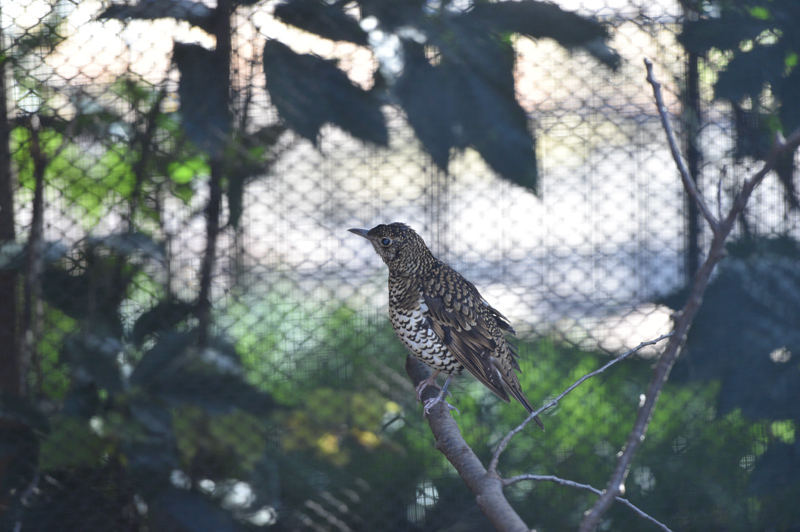
A bird with tiger stripes? The true identity of the yokai Nue and the secret of the fence.
Airi Takahashi (1st year junior high school student, Shotoku Gakuen Junior High School)
[Selector's Comments]
Starting with a simple question that arose at the familiar Inokashira Park Zoo, the author spent time observing the thrush, not only exploring the mysterious nature of its call, which is said to resemble that of a mythical creature, but also identifying and developing new research topics. In addition to observation, the author supplements their research with interviews with staff and information gathering using the internet, but above all, they always value and summarize the results obtained from their own observations. Their interest in the differences in exhibit facilities for different bird species in the latter half of the book is a unique perspective. We hope that they will continue to cherish their own questions and continue their observations at zoos and aquariums.
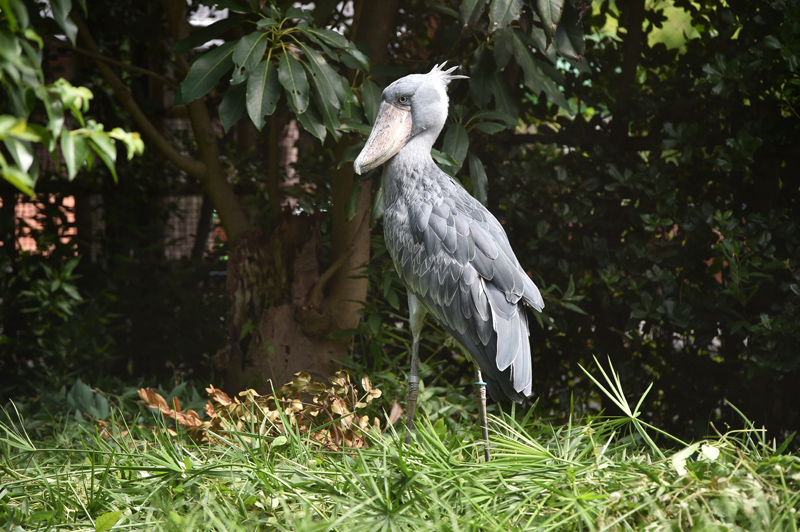
Observing Shoebill
Minami Kimura (1st year junior high school student, Showa Women's University Affiliated Showa Junior High School)
[Selector's Comments]
The widely held belief that Shoebill immobile bird served as the starting point for this investigation. However, many also hypothesize that even if the bird is immobile, it cannot live entirely without movement. What was most outstanding about this report was that, in order to answer this question, the author continuously observed a single Shoebill from the opening to closing time of Ueno Zoo. The analysis of the number of movements every 30 minutes revealed trends in changes over time through statistical processing. Further analysis of the behavior should be developed to create a more detailed description of Shoebill 's diurnal behavior.
Encouragement Award
The story of the patterns of Japanese Newt
Misora Sanbongi (1st year junior high school student, Yamawaki Gakuen Junior High School)
Regarding the range of changes in the migration speed of Pacific Bluefin Tuna
Aone Kawai (1st year high school student, Toyonan High School)
A comparison of the exercise levels of tuna and Scalloped Hammerhead in the wild and in captivity.
Matsuhashi Souto (1st year high school student, Toyonan High School)
Best work of the year
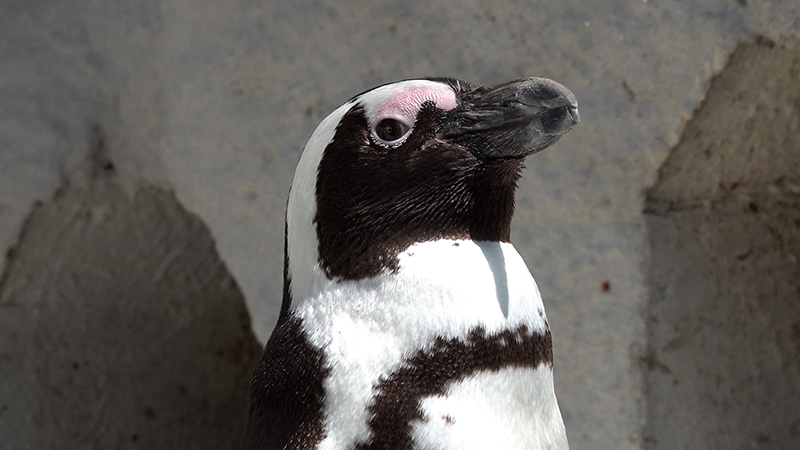
Birds flying over the sea
Shunto Ashikaga (2nd year junior high school student)
[Selector's Comments]
The student visited Ueno Zoo and Tokyo Sea Life Park, observed penguins and waterfowl (Common Murre and Tufted Puffin), and compiled a report. The report compares several aspects, including flight and swimming patterns, identifying similarities and differences, and offering insightful analysis. Regarding ecology, the student supplemented previously learned knowledge with research using field guides and other resources, resulting in a comprehensive report. The thorough analysis from an observational perspective is commendable.
Encouragement Award
Junior high school student: 1 point
High school student: 2 points