
Exhibition facility "Panda Forest "
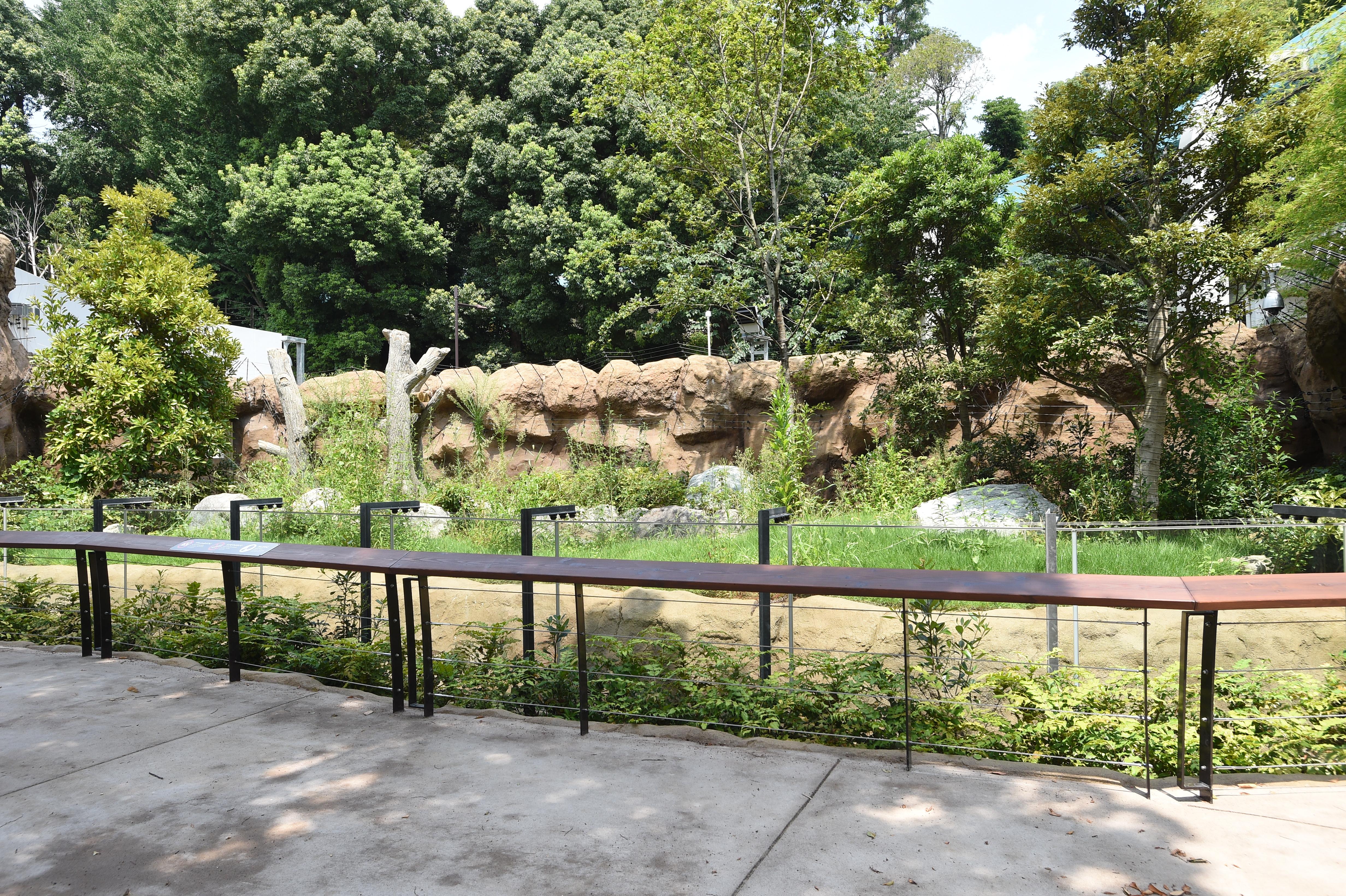
Once you step inside, you'll find yourself in the panda forest.
Follow the trails, following the replicas of Giant Panda tracks.
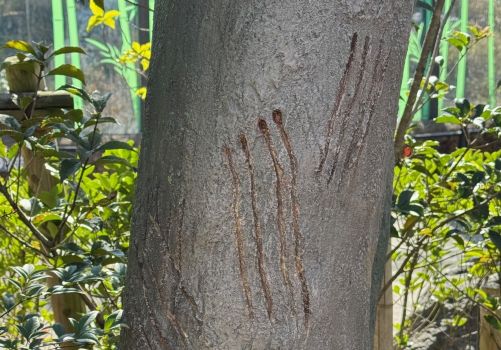
The zoo exhibits Giant Panda 's habitat and the various animals that live in the surrounding area, giving visitors a glimpse into the rich natural environment that nurtures so many living creatures.
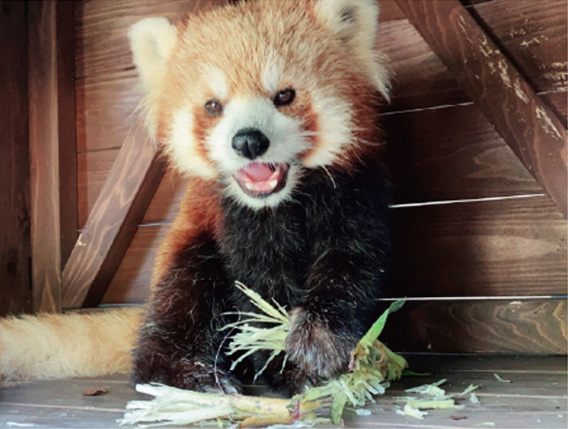
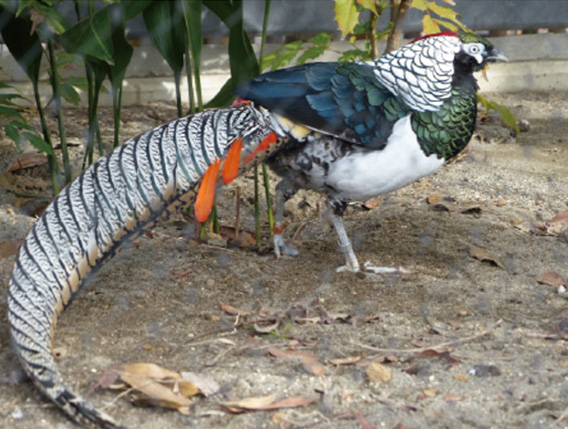
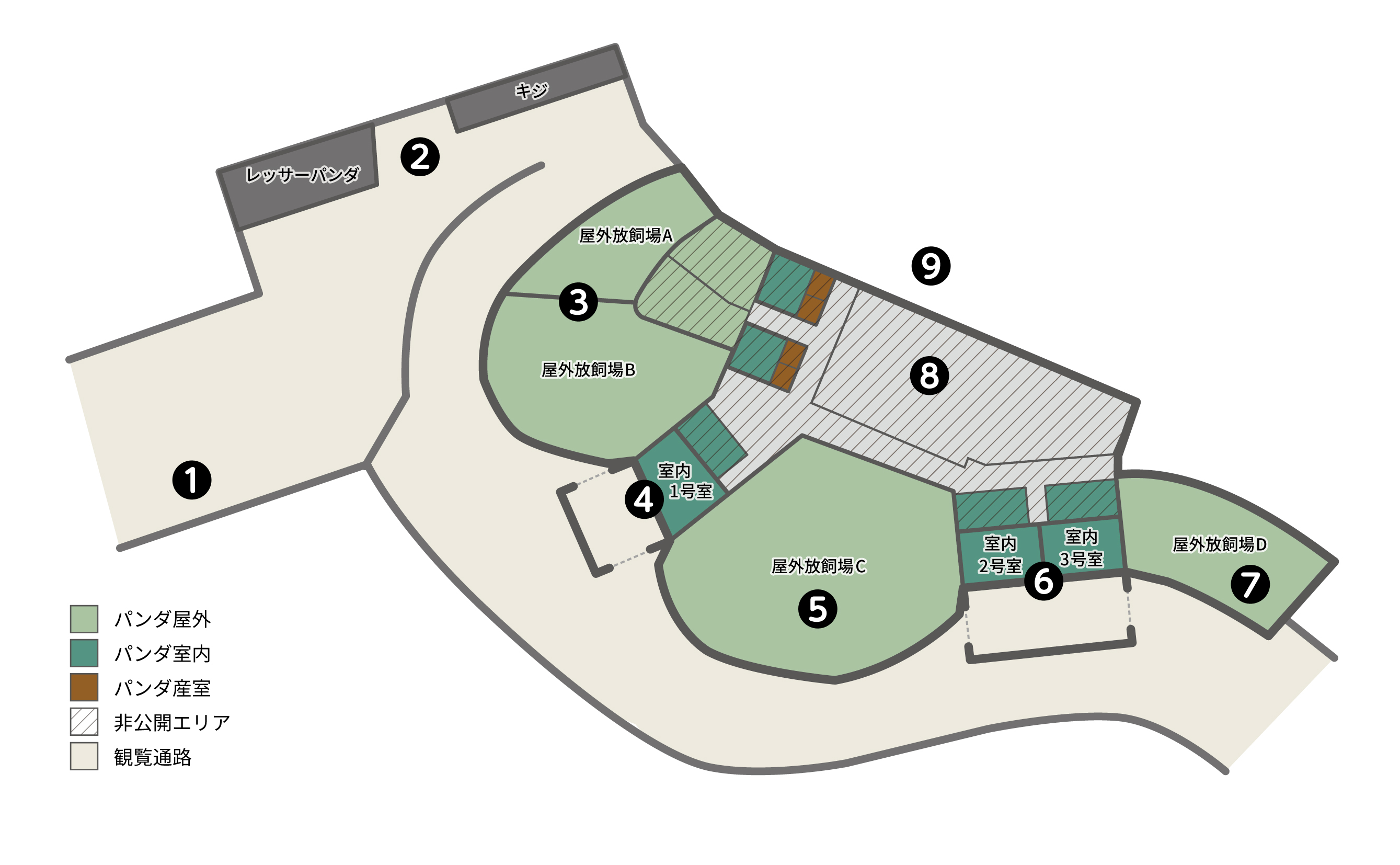
This is an enclosure where you can observe pandas up close through glass.
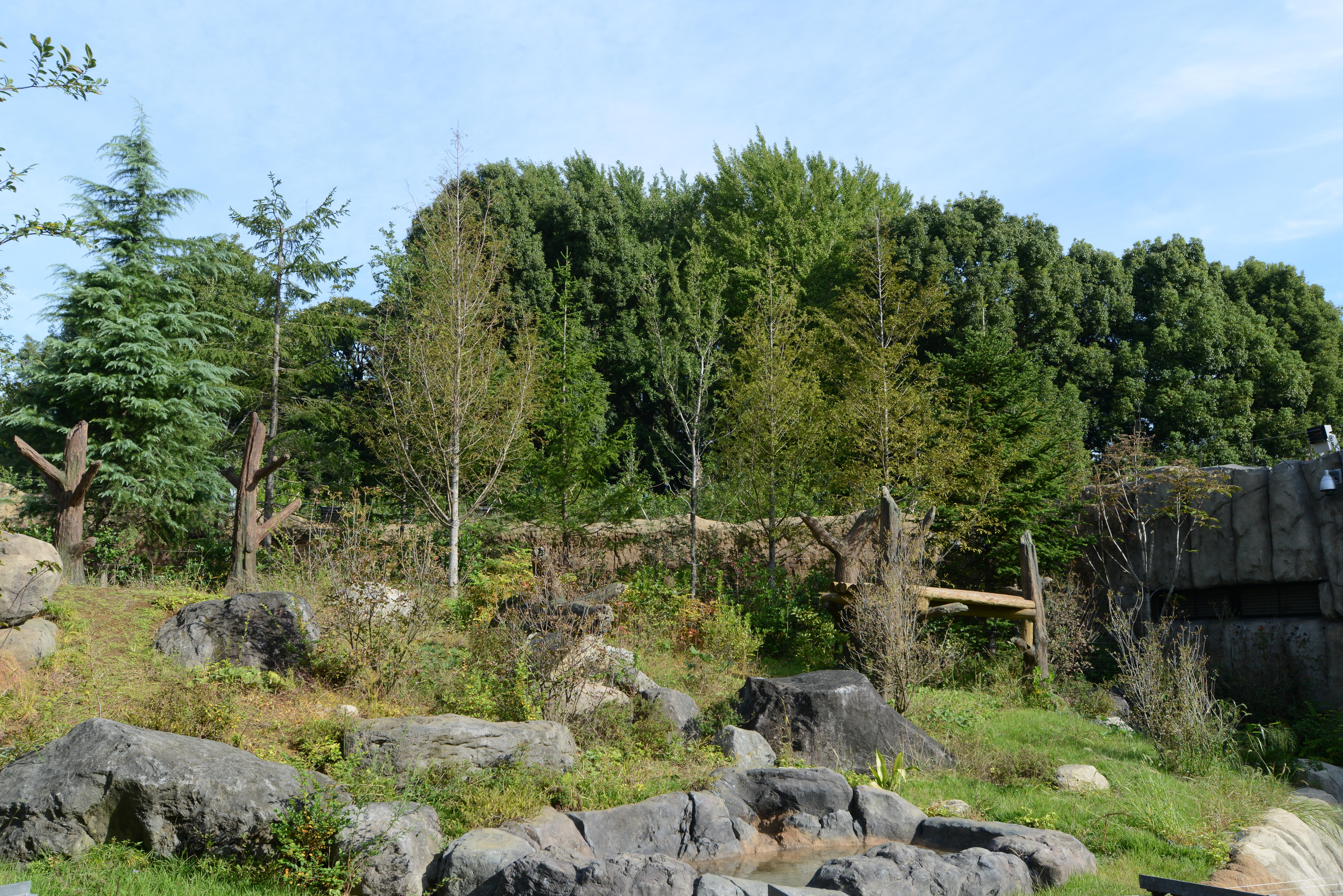
The gently undulating terrain is modeled after the high-altitude forests of China, the habitat of Giant Panda.
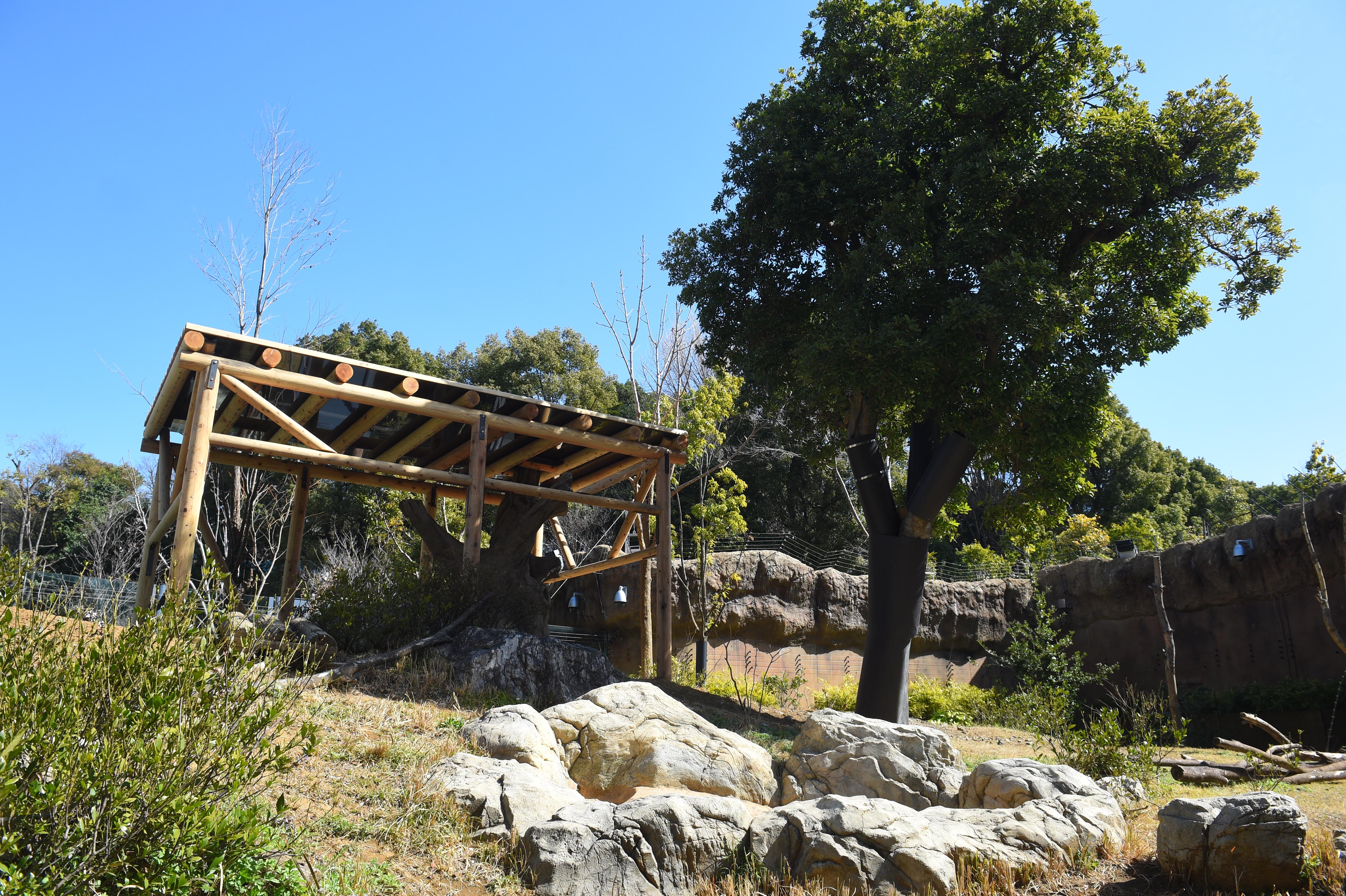
The interior is air-conditioned to ensure that Giant Panda, who live in high mountain regions, can stay comfortable even in the harsh summer heat.
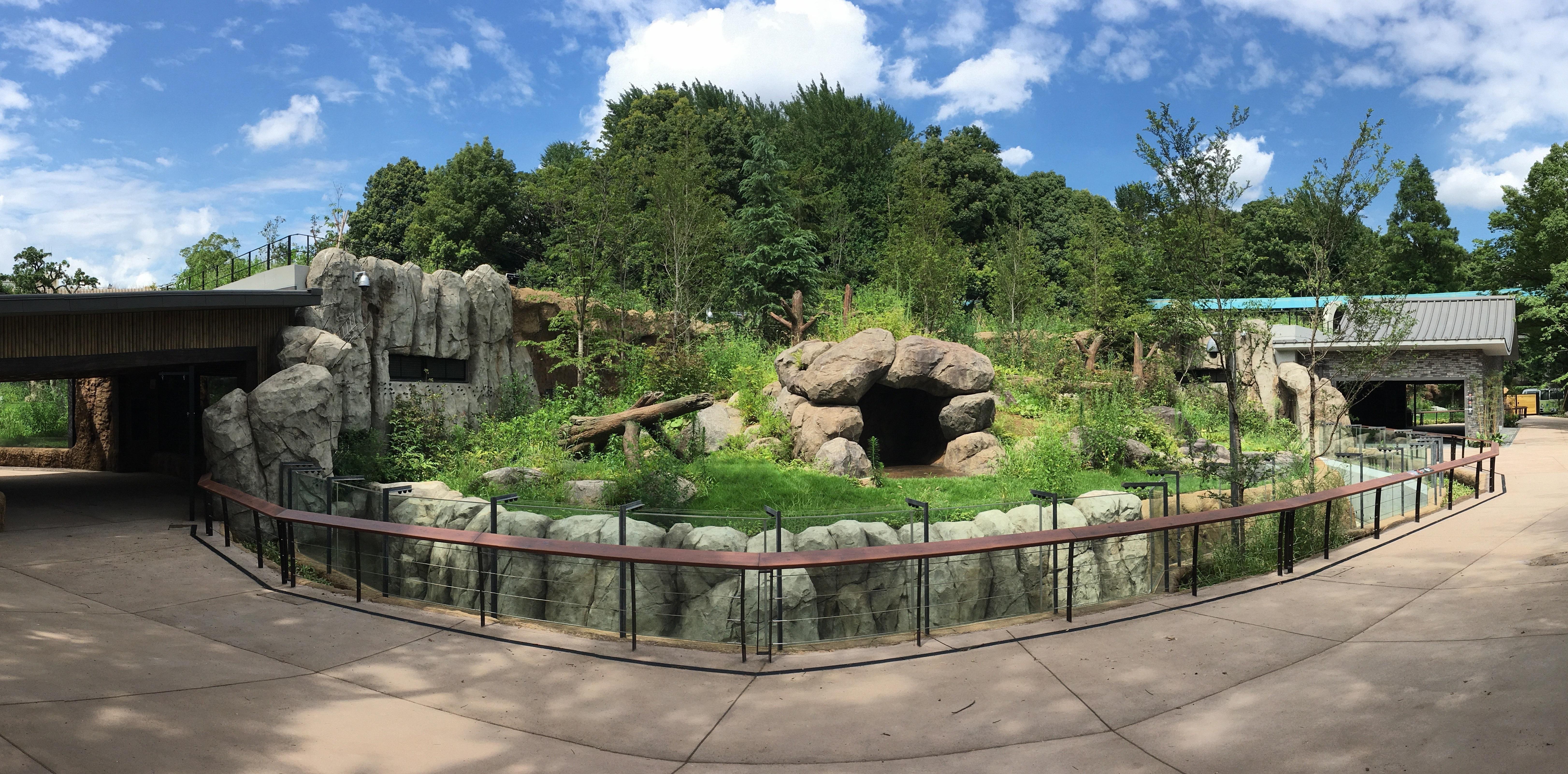
This enclosure allows visitors to directly observe Giant Panda across a moat, and feel the presence of the pandas, such as their cries and the sounds of them eating bamboo.
There is a cave where you can shelter from the rain and strong sunlight.
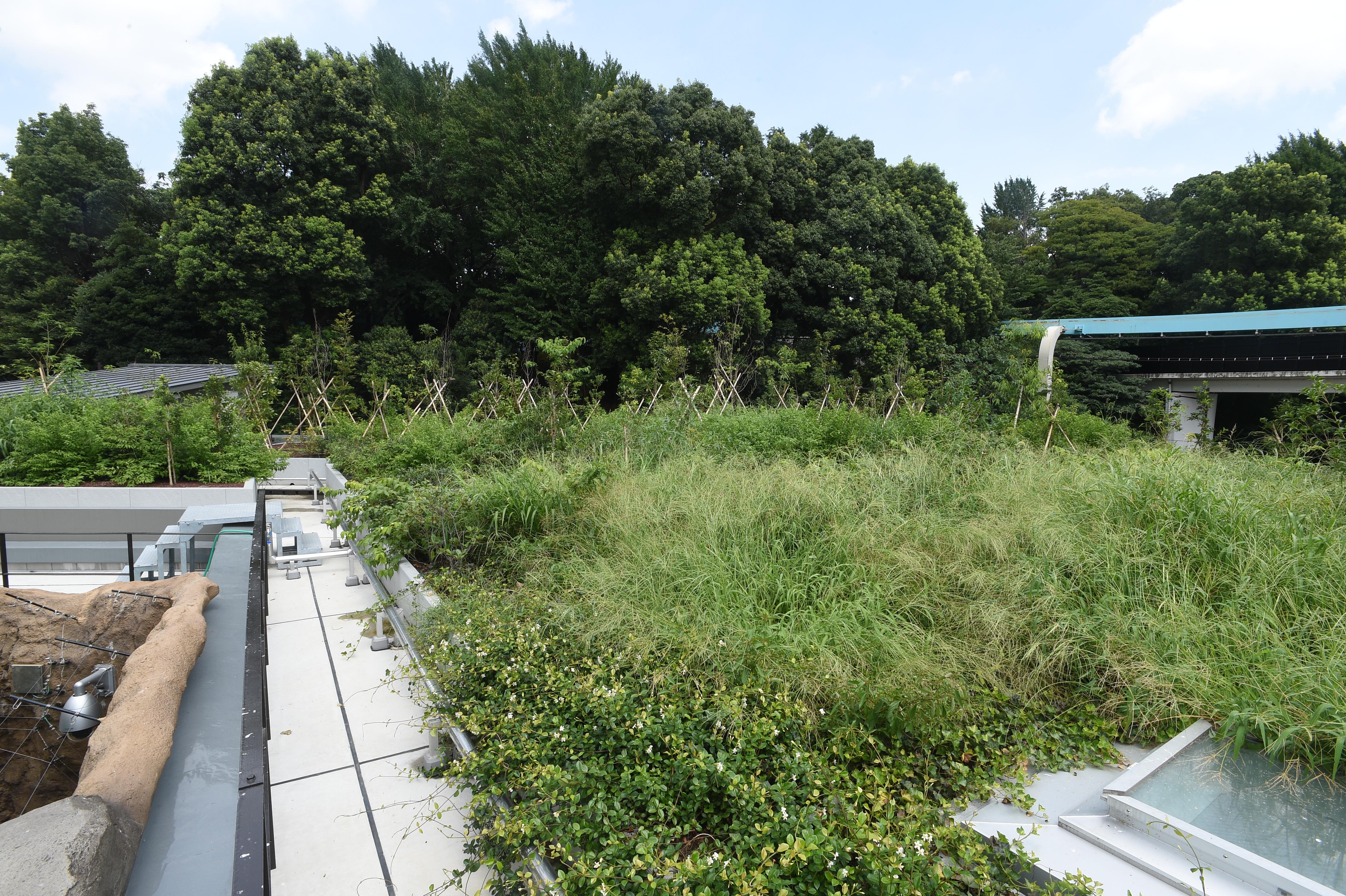
The enclosure, the plants planted on the roof of the non-public area in the back, and the Ueno forest visible beyond that all overlap, creating an image of the depth of the forest in which the animals live in the wild.
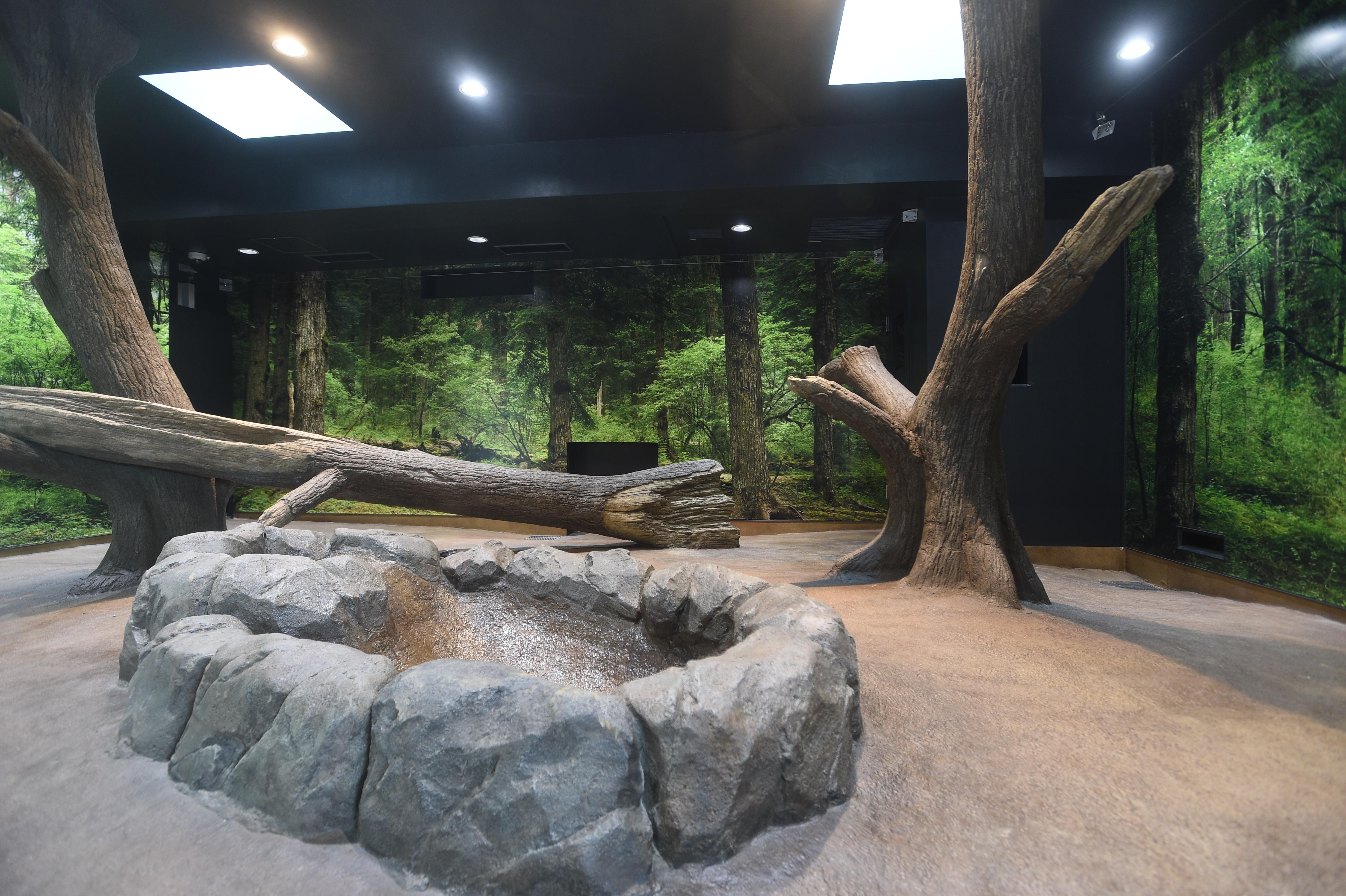
This is an air-conditioned exhibition room.
Depending on the breeding situation, the two rooms can be connected to allow one animal to use the larger space, or two animals can use one room each.
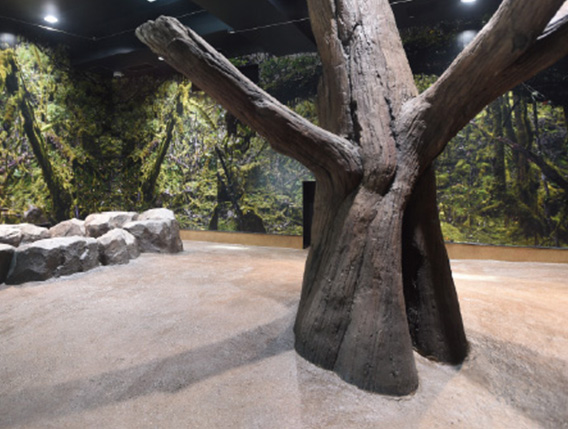
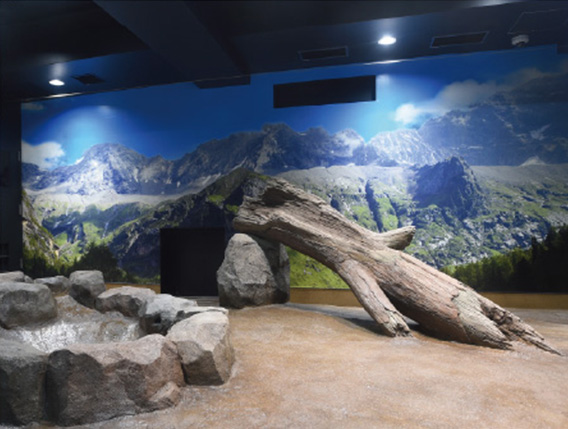
It is equipped with a tower-like structure, allowing visitors to observe their three-dimensional behavior up close.
Panda Forest is a conservation research facility that aims to protect Giant Panda and works on breeding them in captivity.
We manage the health of Giant Panda and have facilities to conduct research on Giant Panda as much about them remains unknown.
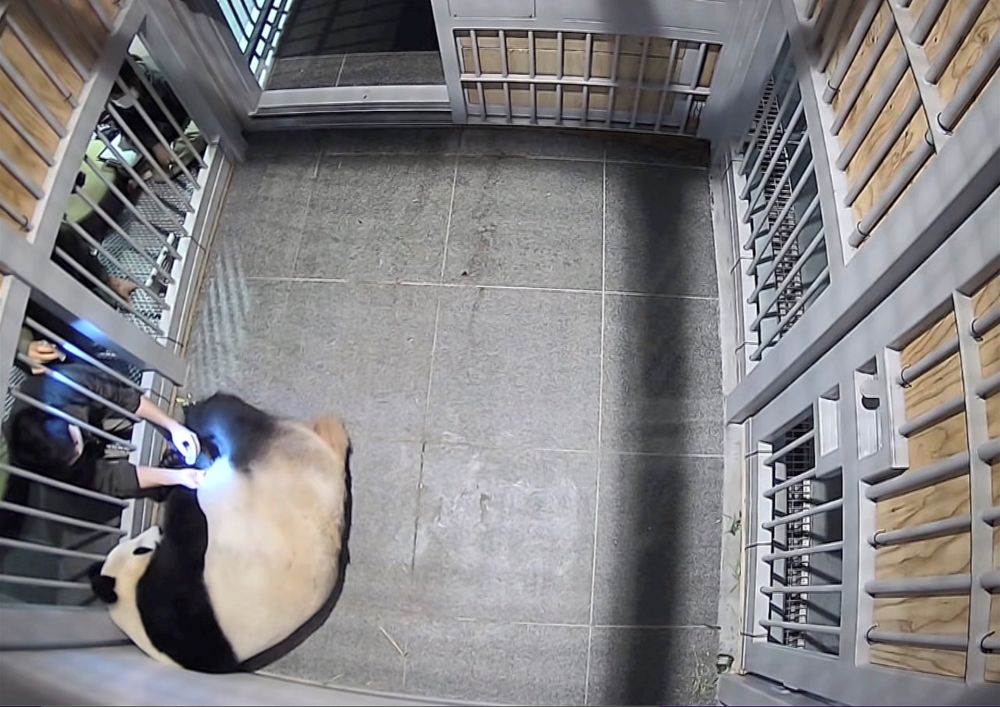
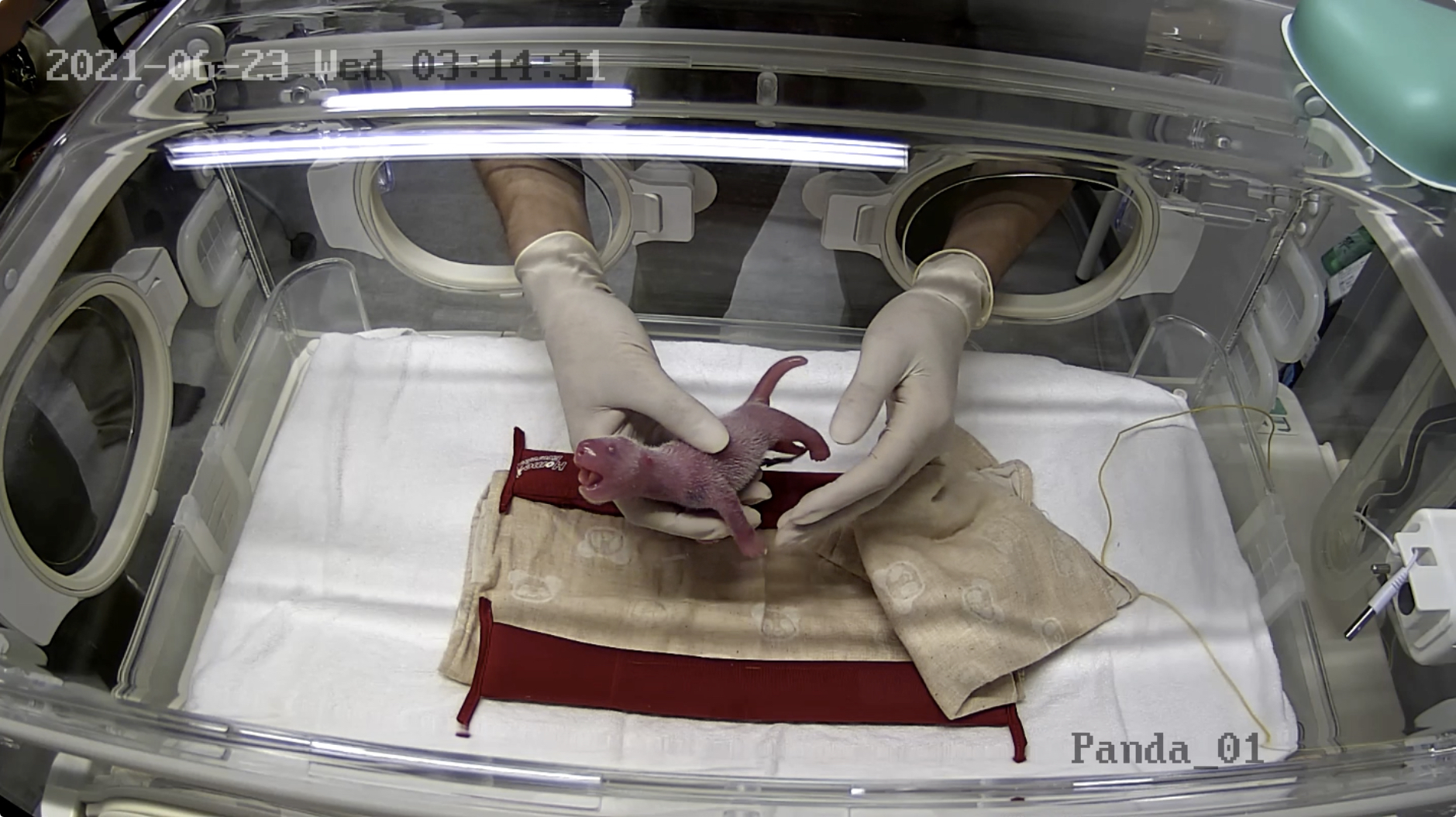
Birthing room and nursery
The birthing room is designed to make it easy for animal keeper to assist during birth and child rearing, and there is a nursery room right next door. In the nursery room, various examinations including physical measurements of the babies are carried out, and depending on the condition of the mother and child, bottle-feeding or artificial rearing in an incubator is also carried out.
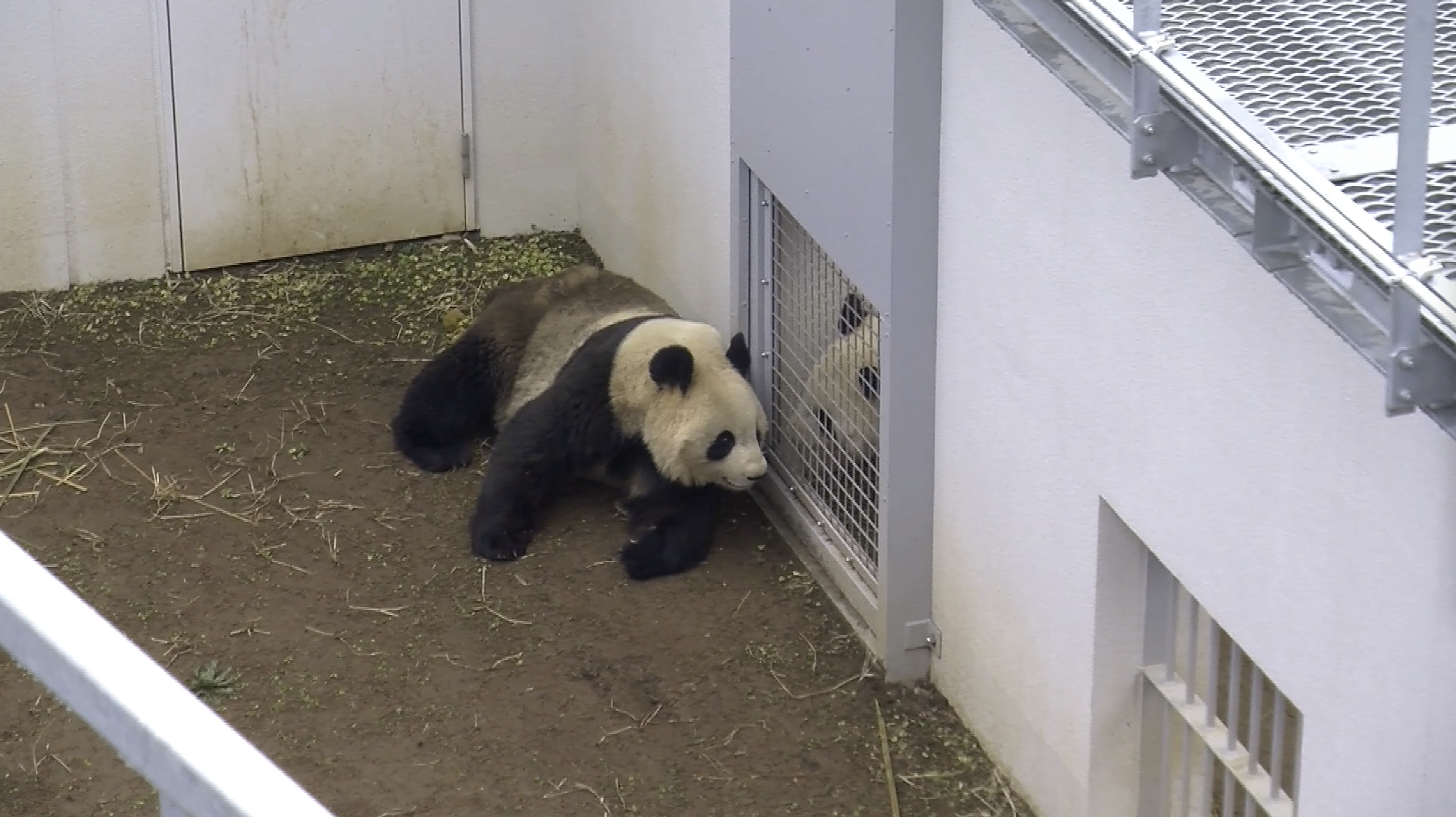
Private enclosure
It is used to introduce females to males when they are in heat, or to let the young outside as they grow. It allows for breeding and raising in a quiet environment.
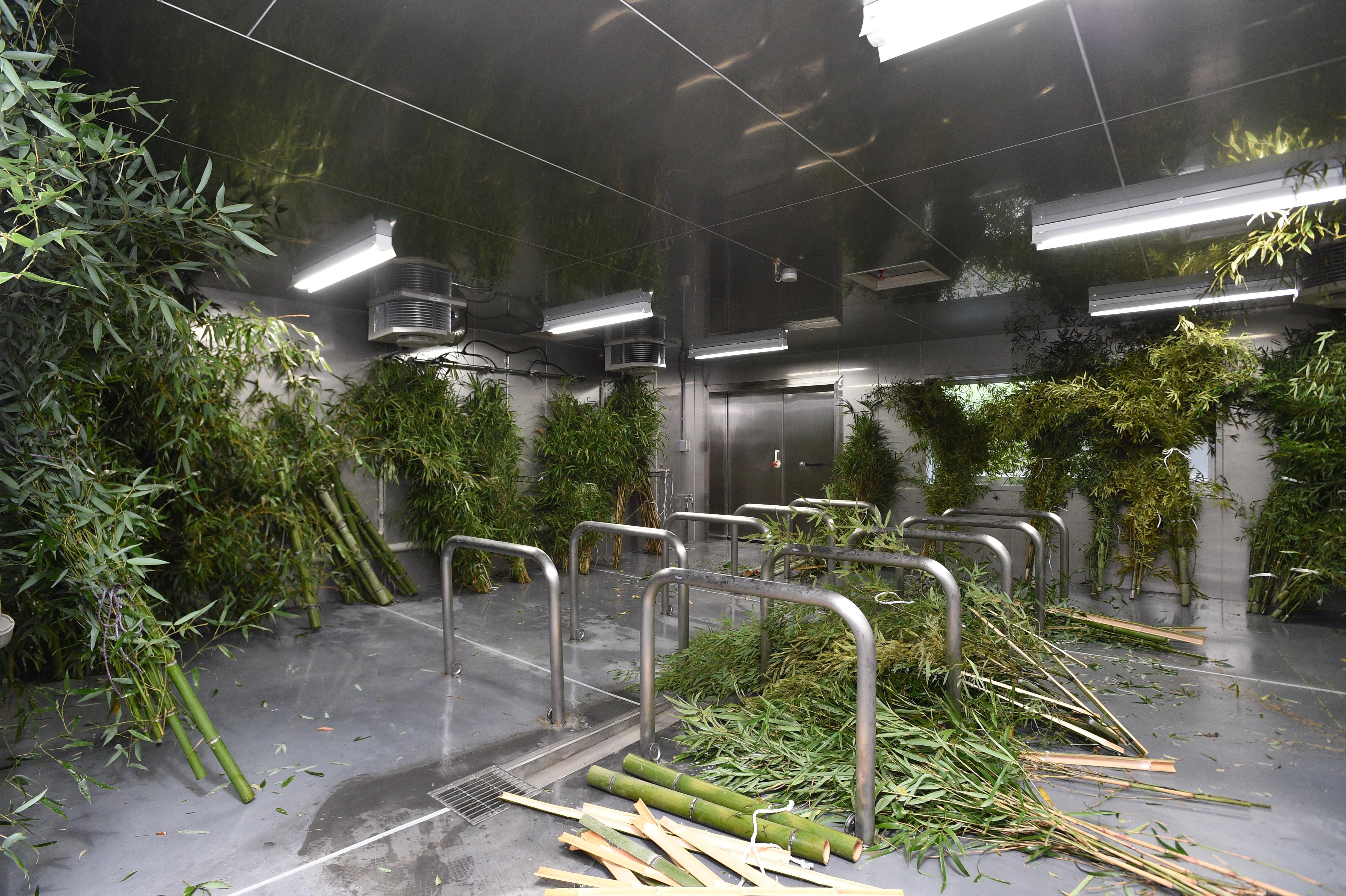
Takeko
To keep the bamboo fresh, which is delivered every week, it is sprayed with mist depending on the humidity.
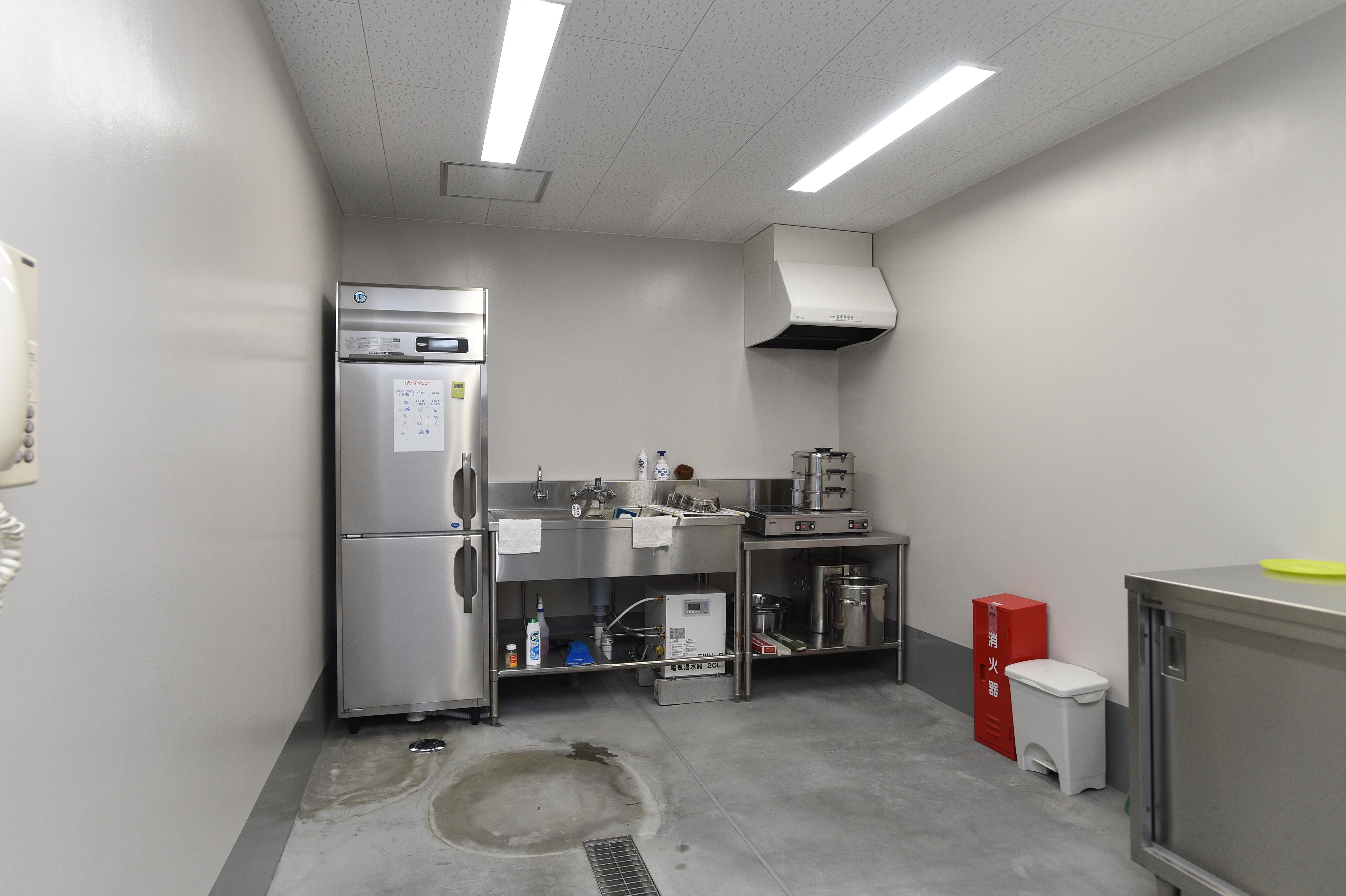
galley
Other food besides bamboo is also prepared here. "Panda dumplings" made from corn and soybeans are also made here.
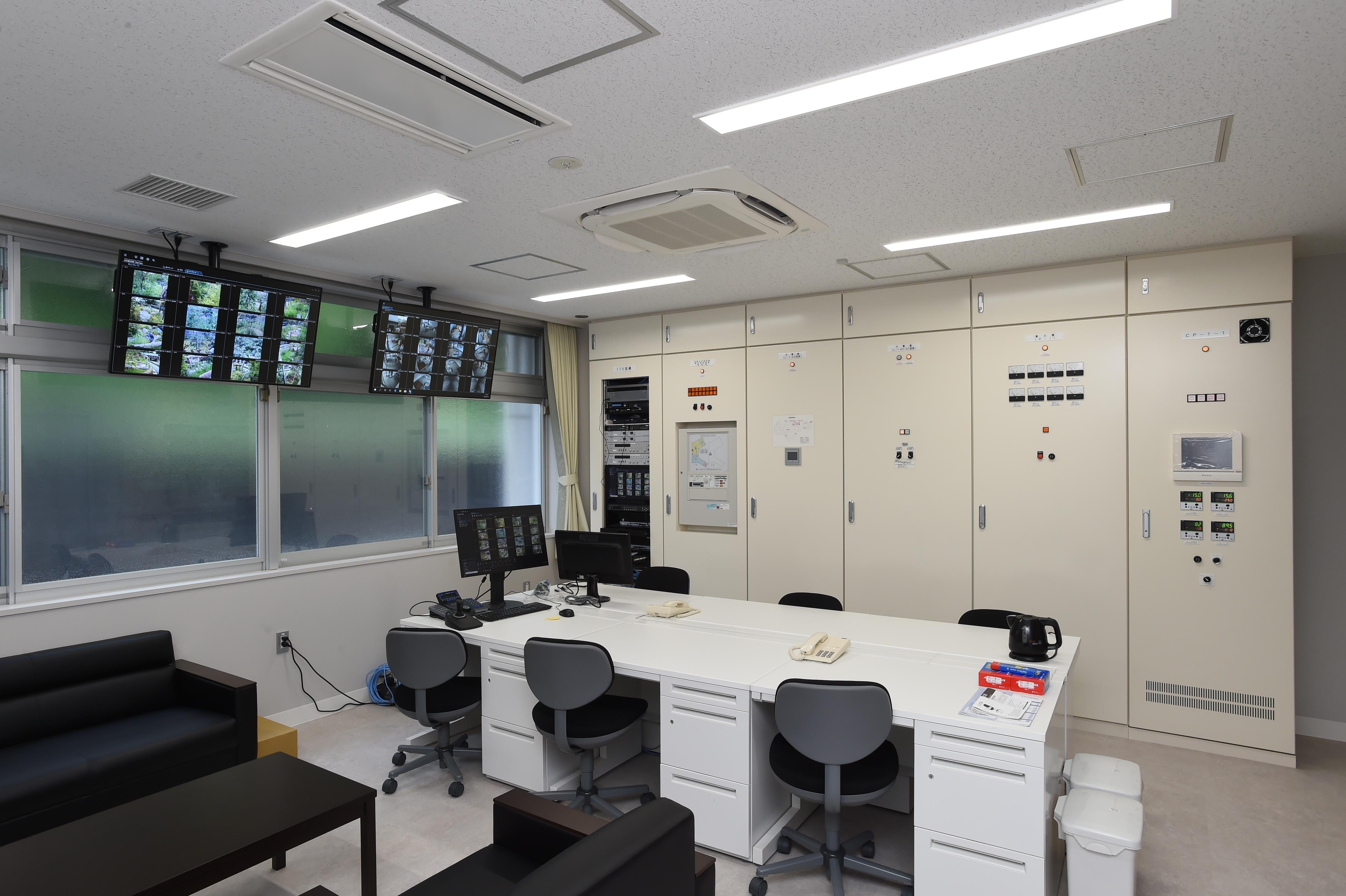
Monitoring Room
You can check on the pandas wherever they are in the facility, and their behavior is observed and recorded 24 hours a day, including at night.
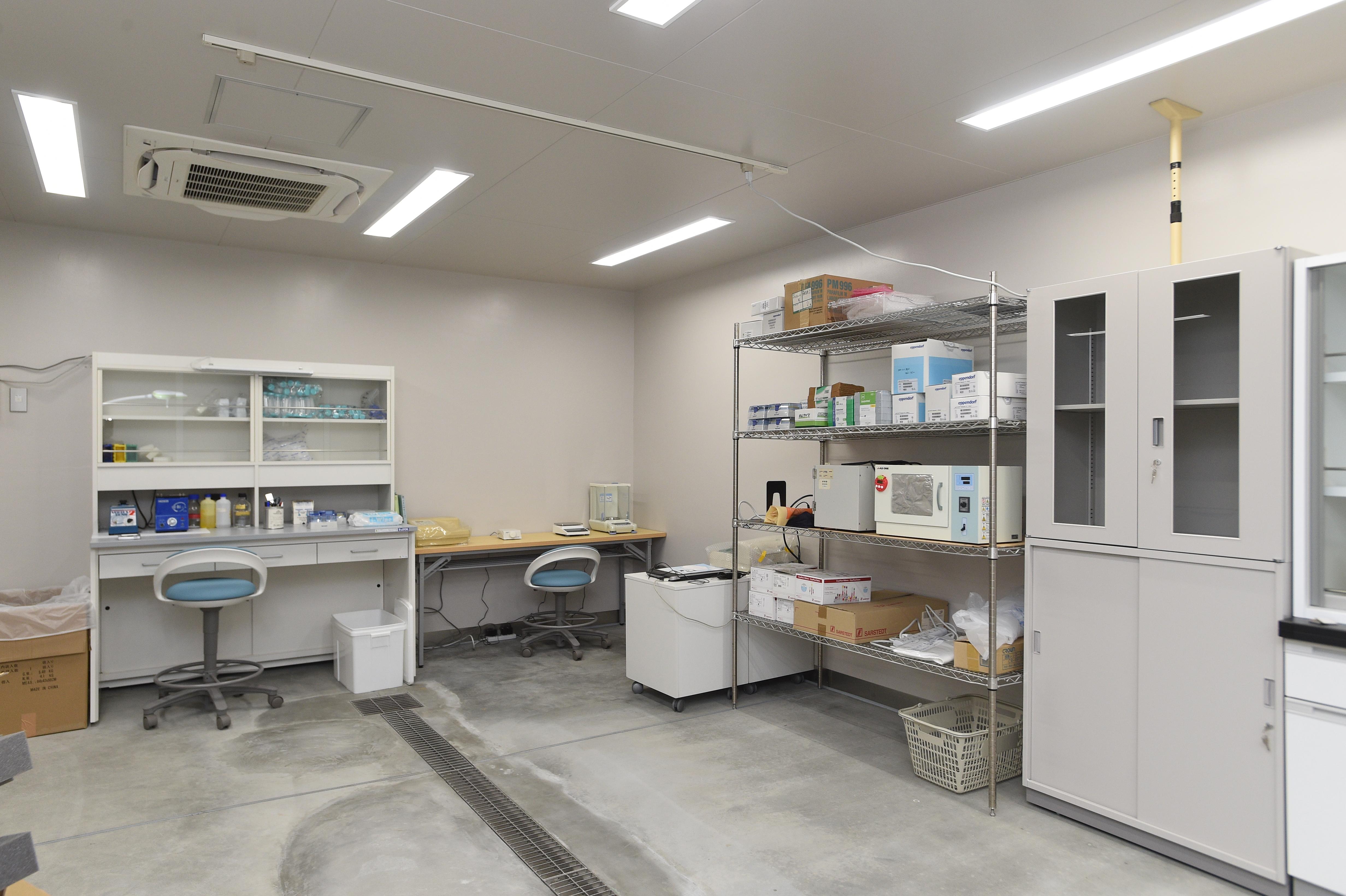
Examination room
We measure the hormones of females and use this information to help with breeding.
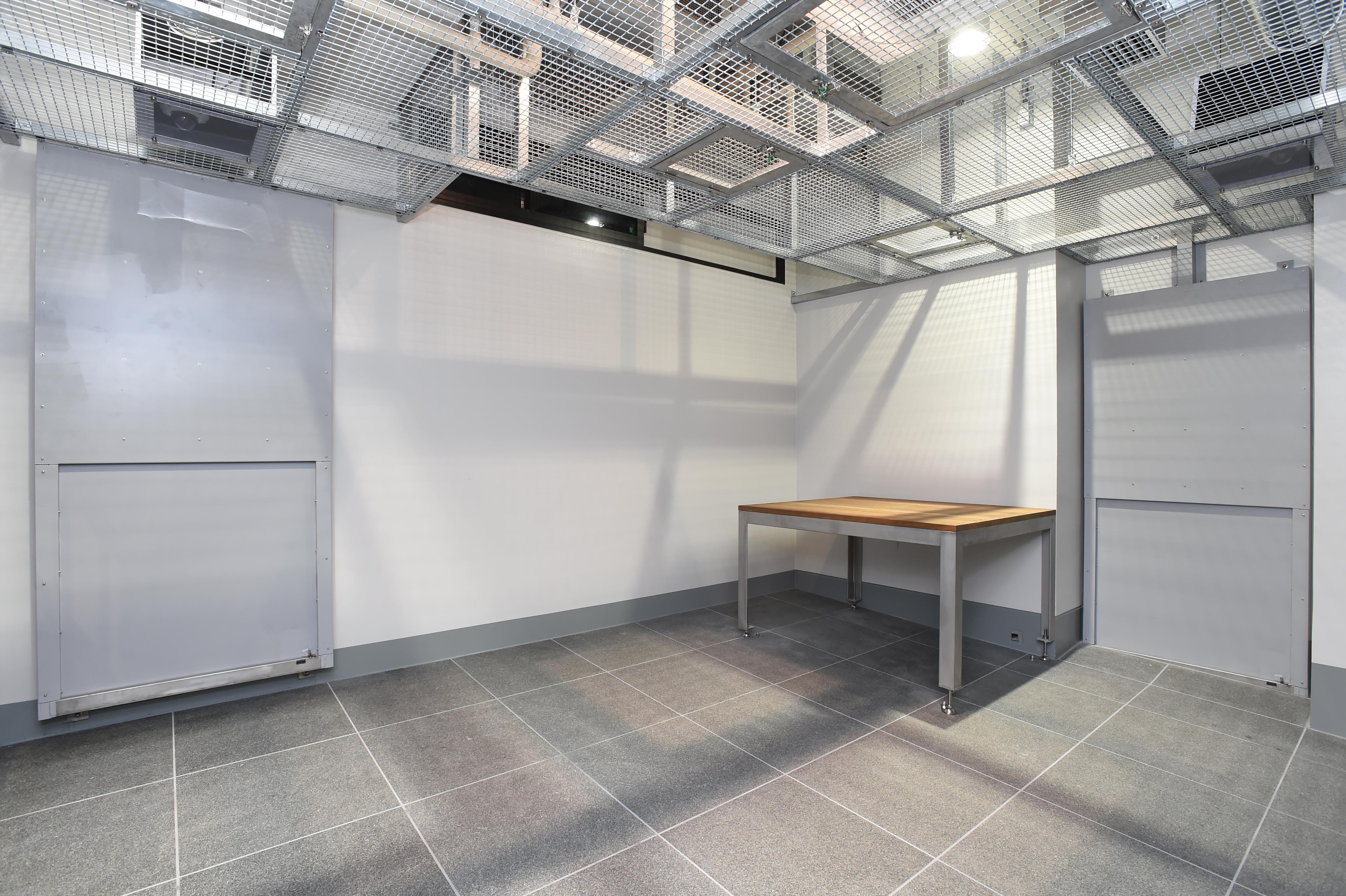
bedroom
Located at the rear of rooms 1, 2, and 3, the doors can be opened to allow for larger use of the space if necessary.
We planted many trees in and around the enclosure, hoping that they would eventually grow into a large forest.
Green rooftops on buildings also reduce the energy load on air conditioning equipment.
The deep forest, including the borrowed scenery of Ueno Park, continues to send a message of hope for continued coexistence with many living creatures.