

Four-park collaborative project to coincide with World Wetlands Day: "Let's take a look at nearby wetlands and learn about their current state!"
event
January 22, 2026 (Updated February 27, 2026)
Do you know about World Wetlands Day?
On February 2nd, 1971, the Ramsar Convention (officially known as the Convention on Wetlands of International Importance Especially as Waterfowl Habitat) was signed in the city of Ramsar, Iran, with the aim of conserving and wisely using the world's wetlands, as well as educating people to do so. To commemorate this, February 2nd of each year has been designated as a day to raise awareness of wetlands and understand their importance.
By the way, when you hear the word "wetland," what kind of place comes to mind? There are many different types of wetlands all around us. They include rivers, ponds, tidal flats, sandy beaches, and even artificial environments such as rice fields and irrigation channels. Many birds use wetlands as breeding, wintering, and feeding grounds, making them an important environment for nurturing not only birds but also a diverse range of other living creatures. However, many wetlands are in a critical situation due to landfilling and the introduction of invasive species.
The four metropolitan zoos and aquariums have been raising and exhibiting a variety of creatures that live in wetlands, and communicating their charm. The four zoos have now joined forces to plan a program that makes use of the unique features of each zoo to communicate the importance of wetland environments and the charm of the creatures that live there. Please join us!

Ueno Zoo Events
Ueno Zoo Events
We will be holding a "Let's Start Bird Watching" event to observe waterfowl at Shinobazu Pond
In commemoration of Wetland Day, Ueno Ueno Zoo will be holding a wild waterfowl observation event at Shinobazu Pond.
Wild ducks and gulls migrate to Shinobazu Pond Pond within Ueno Zoo to spend the winter.
Additionally, there is a colony of wild cormorants on an island in the pond.
Why not join the Tokyo Zoo Volunteers (TZV) Docent Group (DG) and observe waterfowl at Shinobazu Pond Pond?
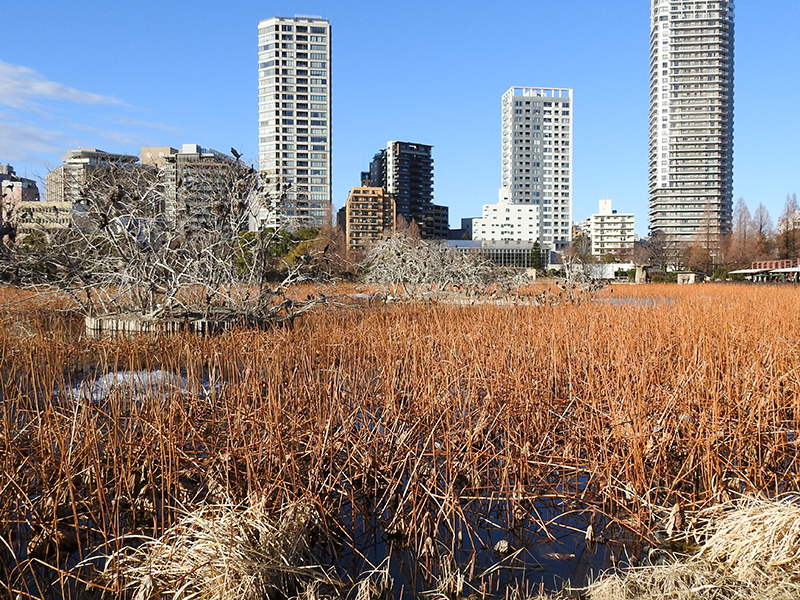
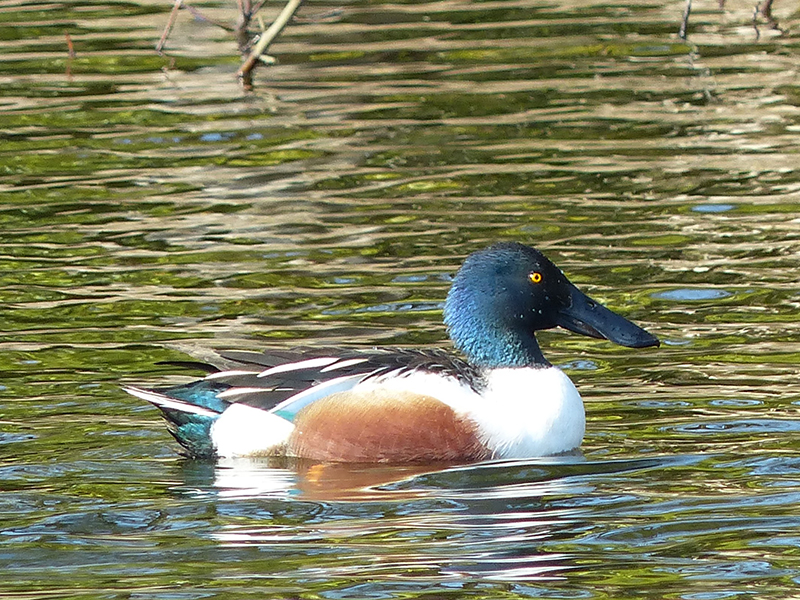
Saturday, February 7, 2026 11:00-12:00, 13:30-14:30
Ueno Zoo West Garden Stork area
No prior registration is required. Please drop in during the event hours.
(The event will be cancelled in the event of bad weather. If cancelled, an announcement will be made on Ueno Zoo official website.)
Depending on the outbreak of infectious diseases, such as highly pathogenic avian influenza, the event may be canceled or the format of the event may be changed.
In such cases, we will announce them on Ueno Zoo official website and Ueno Zoo official X.
Events at Tama Zoo
Events at Tama Zoo
Kanto Eco-Net Collaborative Event "Tell us about Storks!" to be held
Tama Zoo will be holding a collaborative event with the Kanto Ecological Network Promotion Council (※), called "Tell us about Storks!"
Panels and talks will introduce the characteristics of storks that live in wetland ecosystems, including rice paddies, and conservation efforts.
Why not take this opportunity to learn about storks in a fun way?
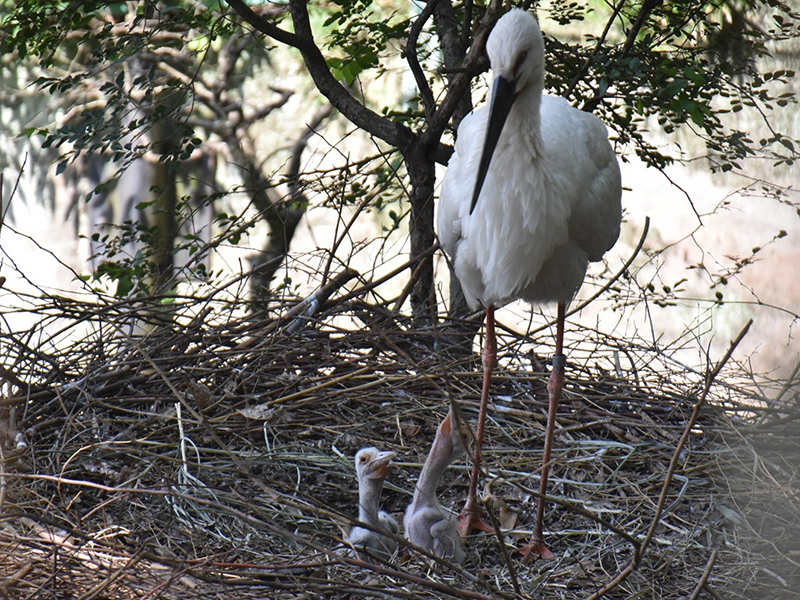
1. Panel Exhibition "Tell me! Storks"
Panels will introduce the characteristics of storks and the Kanto Ecological Network Promotion Council.
January 29, 2026 (Thursday) - March 3, 2026 (Tuesday)
Park map guide sign (23) in front of the stork exhibit
2. Distribution of Kanto Eco Net Card and Tell Me About Storks Book
We will be distributing special "Kanto Eco Net Cards" for this collaborative event and a leaflet called "Tell us about Storks BOOK."
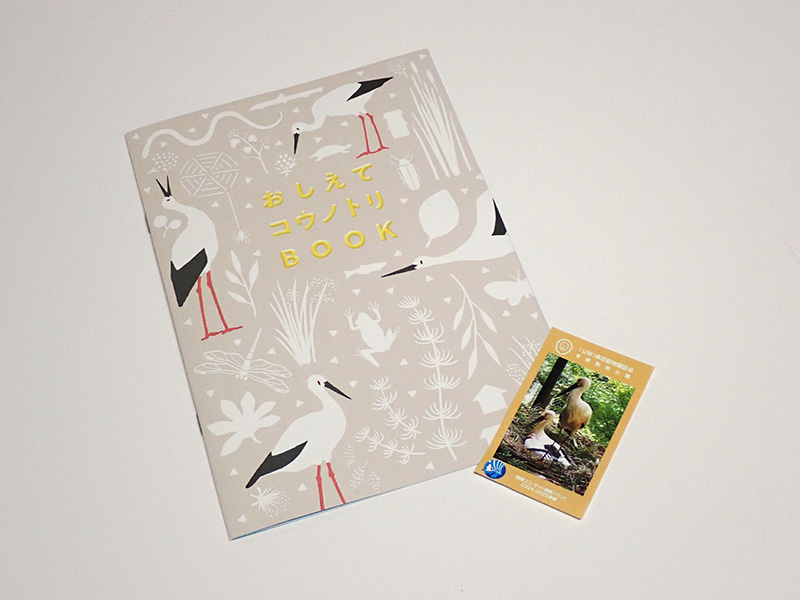
January 29, 2026 (Thursday) - March 3, 2026 (Tuesday)
Watching Center
300 sheets
300 books
3. Stork keeper talk
The stork keeper will talk about how they are raised and bred, and the efforts being made at the zoo.
February 8th (Sun) and February 15th (Sun), 2026, from 11:00 AM (approximately 20 minutes)
Park map guide sign (23) in front of the stork exhibit
"Let's learn about otters!" will be held
To celebrate World Wetlands Day, we will be holding an awareness-raising event called "Learn about Otters!"
Our zoo will begin raising two Korean Eurasian Otter by accepting them from Seoul Grand Park (Republic of Korea (hereinafter referred to as Korea)).
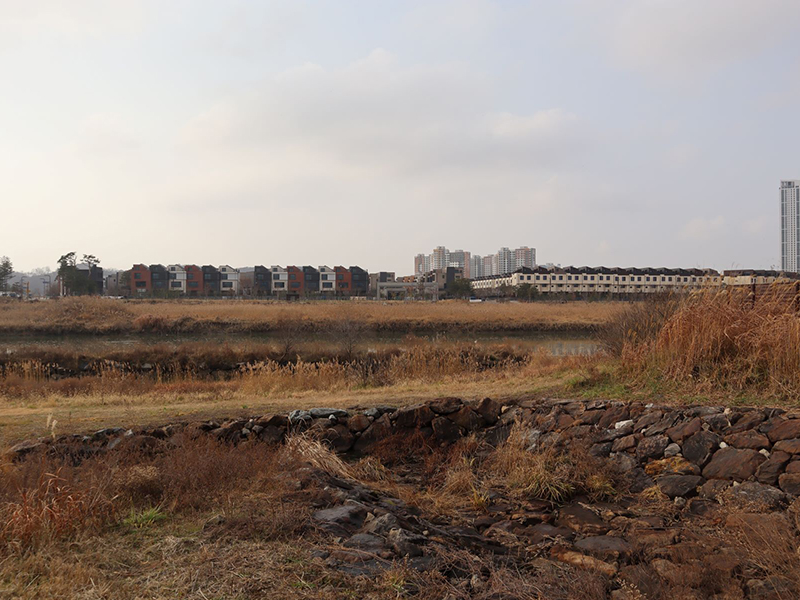
This event will feature panels introducing the ecology of otters, as well as introducing the habitat of Eurasian Otter in Korea.
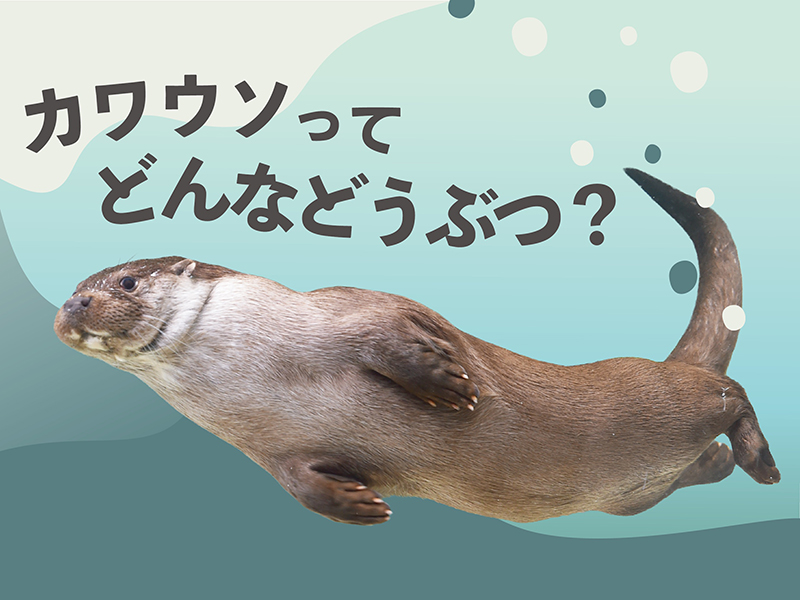
1. Panel exhibit: "What kind of animal is an otter?"
Panels will be used to introduce the physical characteristics of otters and their lives in the wild, including a comparison of two species of otter: the Asian Oriental Small-clawed Otter, which has been kept at our zoo for some time, and Eurasian Otter, which comes from Korea.
January 29, 2026 (Thursday) - March 3, 2026 (Tuesday)
Otter House Asian Zone (Entrance to the Walk-in Bird Cage)
2. Special talk on otters: "We visited the habitat of Eurasian Otter in Korea!"
In December 2023, our zoo's caretaker visited one of the habitats of Eurasian Otter in Korea and will talk about conservation efforts at the habitat and the local situation.
Sunday, February 1, 2026, 2:00 PM to 2:45 PM
Animal Watching Center Hall
100 people (first come, first served on the day)
Izumi Tsuchiya (South Garden Animal Breeding and Exhibition Section 1, Animal Breeding and Exhibition Division)
Events at Tokyo Sea Life Park
Events at Tokyo Sea Life Park
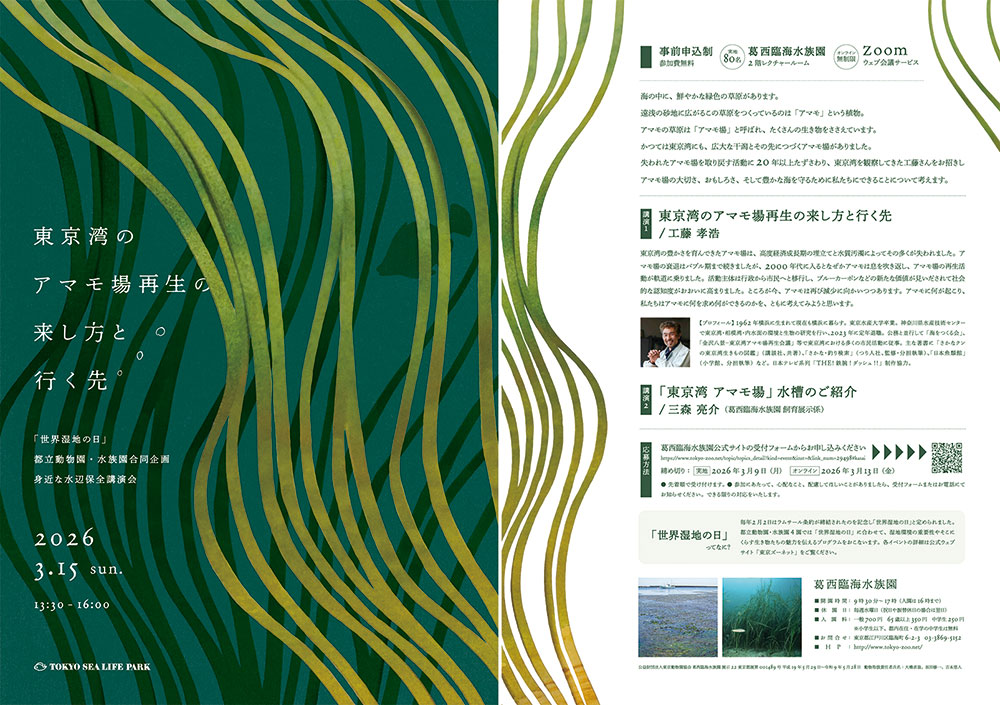
Lecture on local waterside conservation: "The past and future of Bell-ware bed restoration in Tokyo Bay"
In the past, the Tokyo area was home to a rich natural environment and waterside areas where a variety of creatures lived.
However, due to urbanization and environmental changes, many waterfront areas are being lost, and protecting the remaining waterfront areas and the creatures that live there has become a major challenge.
For this lecture, we have invited Takahiro Kudo, who has been involved in the restoration of Bell-ware beds in Tokyo Bay for many years, to speak about specific efforts to restore Bell-ware beds, as well as the thriving creatures that live there and the current state of Bell-ware beds in Tokyo Bay.
This is a program that makes you think about what we can do to protect the bounty of our oceans.
At the end of the lecture, staff from the aquarium will also introduce the ingenuity used to raise and display Bell-ware in the Tokyo Bay Bell-ware Garden aquarium.
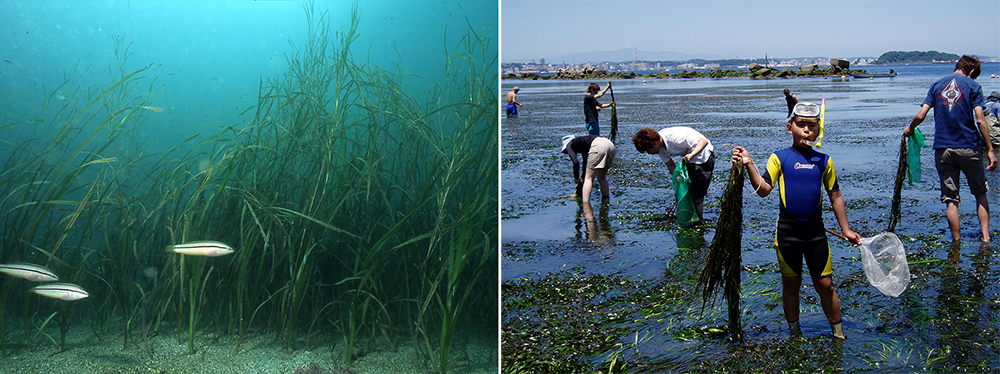
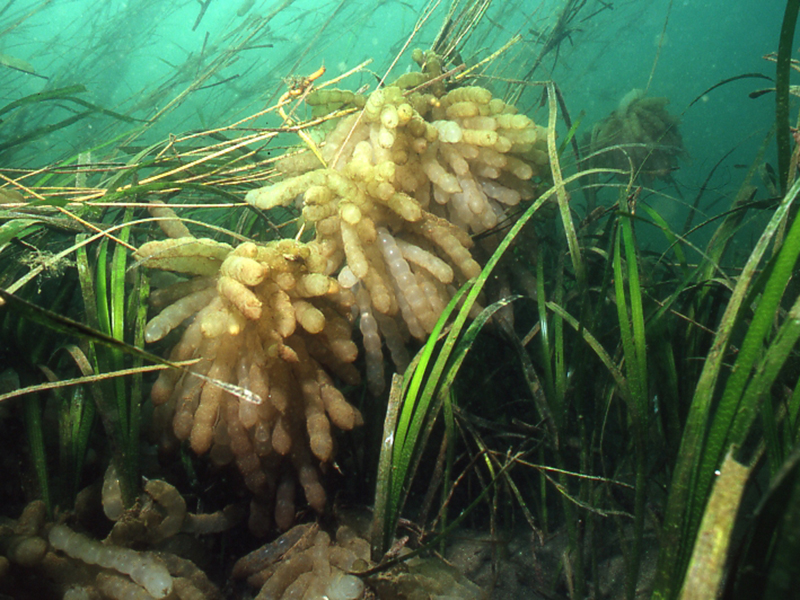
(Underwater view) (Picking Bell-ware flower branches)
Sunday, March 15, 2026 13:30-16:00
Tokyo Sea Life Park Lecture Room
The event will also be streamed online via the web conferencing service "Zoom."
Anyone can participate.
*The content is aimed at high school students and above.
Lecture room: 80 people
Online: Unlimited
* Advance application required (first come, first served)
Free *Participants are responsible for communication charges.
Lecture 1: "The past and future of Bell-ware bed restoration in Tokyo Bay"
Takahiro Kudo
[Summary]
Bell-ware beds that nurtured the richness of Tokyo Bay were largely lost due to land reclamation and water pollution during the period of rapid economic growth.
The decline of Bell-ware beds continued until the bubble era, but for some reason, Bell-ware began to revive in the 2000s, and efforts to restore Bell-ware beds got underway.
The main actors in this movement have shifted from the government to citizens, and new value has been discovered in areas such as blue carbon, greatly increasing social awareness.
However, Bell-ware is now once again on the decline.
Let's think together about what is happening to Bell-ware and what we want and can do for Bell-ware.
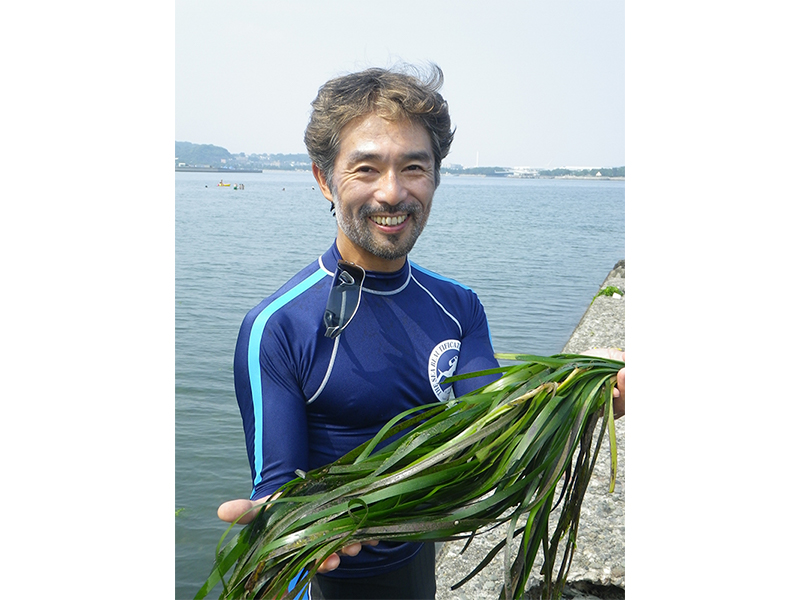
[Kudo's Profile]
I was born in Yokohama in 1962 and still live in Yokohama today.
Graduated from Tokyo University of Fisheries.
I conducted research on the environment and organisms of Tokyo Bay, Sagami Bay, and inland waters at the Kanagawa Prefectural Fisheries Technology Center, and retired in 2023.
Alongside his official duties, he has been involved in numerous citizen activities in Tokyo Bay, including the "Sea Creation Association" and the "Kanazawa Hakkei-Tokyo Bay Bell-ware Bed Restoration Conference."
His major works include "Sakana-kun's Tokyo Bay Creature Encyclopedia" (Kodansha, co-authored), "Fish and Fishing Search" (Tsuribito-sha, supervised and contributed to), and "Japanese Fish Aquarium" (Shogakukan, contributed to).
Production support for the Nippon Television Network program "THE! Tetsuwan! Dash!!".
Lecture 2: Introduction to the Tokyo Bay Bell-ware Beds aquarium
Lecturer: Ryosuke Mimori (Tokyo Sea Life Park)
How to Apply
Please apply using the reception form as follows:
When applying, please set your spam filter and email software to allow emails from @tokyo-zoo.net and @kintoneapp.com.
Please be especially careful if you are applying from a mobile phone.
If you do not receive an automatic reply email after applying, please contact the Education and Outreach Section Tokyo Sea Life Park.
We will do our best to accommodate your request (this will not affect the lottery results).
kintoneapp.com is a website managed and operated by Toyokumo Co., Ltd.
The personal information provided by applicants in relation to the recruitment of participants for this program will be securely stored on a server managed by Toyokumo Co., Ltd., and will be managed in a strict and appropriate manner, including being promptly deleted after its use for the intended purpose has ended.
Tokyo Sea Life Park Education and Outreach Section
03-3869-5152 (Representative)
*Reception hours are 9:30 AM to 5:00 PM.
Participation deadline: Applications submitted by March 13, 2026 (Friday) are valid.
Online participation: Valid for submissions received by March 13, 2026 (Friday).
(Online participation is unlimited)
Events at Inokashira Park Zoo
Events at Inokashira Park Zoo
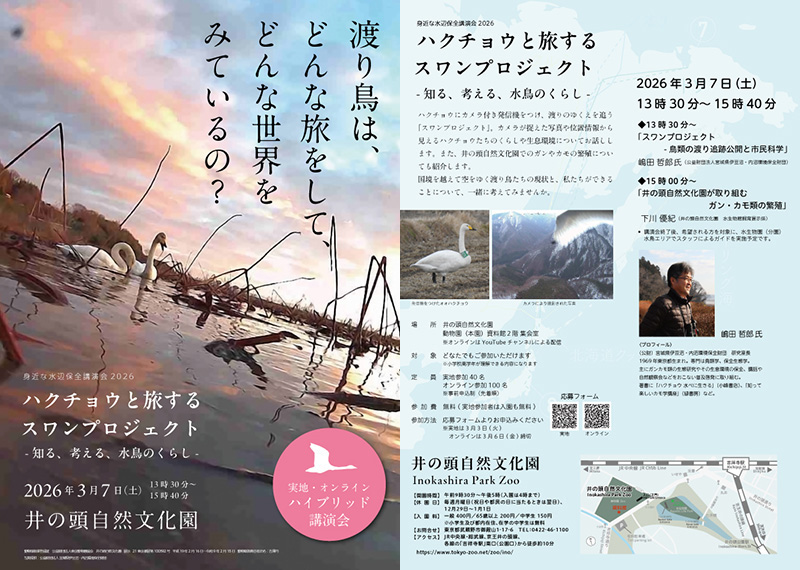
Lecture on preserving nearby waterside areas: "Traveling with Swans: The Swan Project - Learn, think, and learn about the lives of waterfowl"
In autumn, many waterfowl that have traveled long distances arrive at Japan's waterside areas.
What kind of journeys do migratory birds take and what kind of world do they see as they change habitats with the seasons?
For this lecture on local waterside conservation, we will be inviting Mr. Shimada, who is working on the "Swan Project," which involves attaching camera-equipped GPS loggers to Whooper Swan and Bewick's Swan that migrate to Japan in winter.
He will talk about the lives and habitats of swans in the wild, as revealed by the photographs and location information captured by the camera, and about their conservation.
We will also introduce the breeding of geese and ducks at Inokashira Park Zoo.
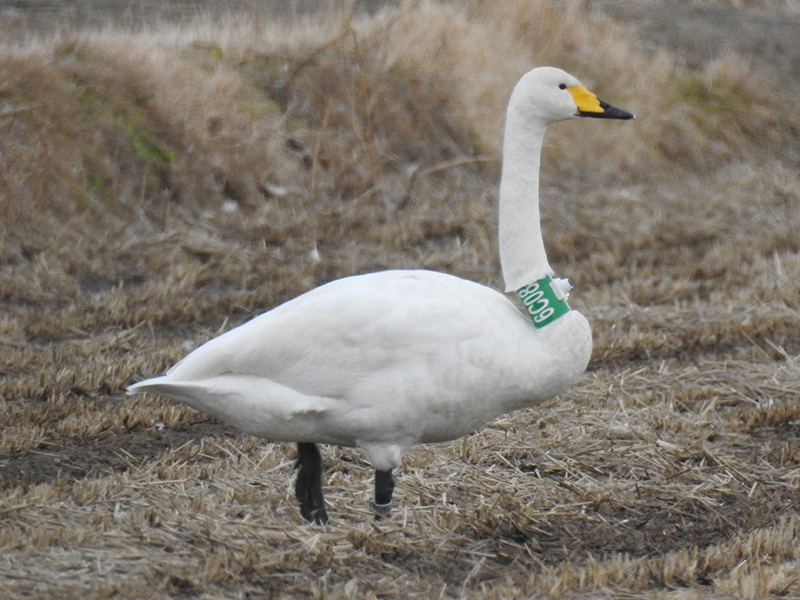
(Photo provided by the Miyagi Prefecture Izunuma-Uchinuma Environmental Conservation Foundation)
Saturday, March 7, 2026 13:30-15:40
Inokashira Park Zoo Zoo (Main Zoo) Archives, 2nd floor meeting room
Anyone can participate
*The content is aimed at upper elementary school students and above.
40 participants
100 online participants
* Advance application required (first come, first served)
Free (entrance is also free)
*Participants are responsible for communication charges.
Lecture 1: "Swan Project - Public Bird Migration Tracking and Citizen Science"
Lecturer: Tetsuro Shimada (Miyagi Prefecture Izunuma-Uchinuma Environmental Conservation Foundation)
[Summary]
The Swan Project started in December 2023.
This is an international collaborative project that involves attaching camera-equipped GPS loggers (Swan Eyes) to swans, tracking their migration and publishing location information and images to build a system for citizens to watch over swans.
We can see where the swans were in almost real time and see the scenery they saw.
This presentation will introduce some of the findings gained so far.
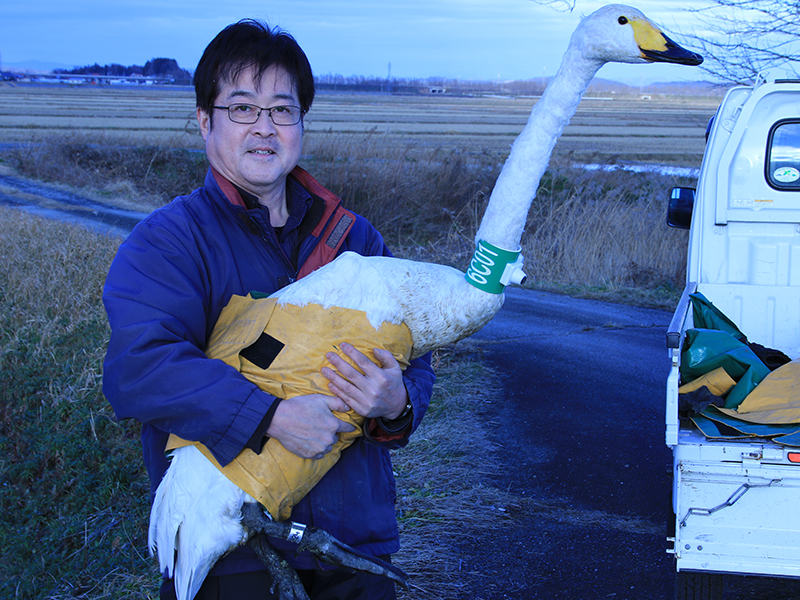
(Photo provided by the Miyagi Prefecture Izunuma-Uchinuma Environmental Conservation Foundation)
[Shimada's Profile]
Research Director, Miyagi Prefecture Izunuma-Uchinuma Environmental Conservation Foundation.
Born in Tokyo in 1969.
In 1994, I was appointed as a researcher at the Izunuma-Uchinuma Environmental Conservation Foundation in Miyagi Prefecture.
In 2006, I received my PhD in Agriculture from Iwate University as a doctoral student with a thesis on the overwintering strategies and conservation of Greater White-fronted Goose.
He has held his current position since 2020.
My specialties are ornithology and conservation ecology.
In addition to ecological research on waterfowl, primarily geese and ducks, the organization is involved in marsh conservation, including the eradication of largemouth bass and the restoration of aquatic plants, as well as promoting nature conservation through lectures, workshops, and nature observation events.
His published works include "Swans Living by the Water's Edge" (Komine Shoten), "Bird Migratory Ecology" (University of Tokyo Press), and "An Enjoyable Course on Ducks" (Midori Shobo).
Lecture 2: "Duck and Goose Breeding at Inokashira Park Zoo "
Lecturer: Yuki Shimokawa (Aquarium Breeding and Exhibit Manager, Inokashira Park Zoo Aquatic Life House and Culture Park)
[Summary]
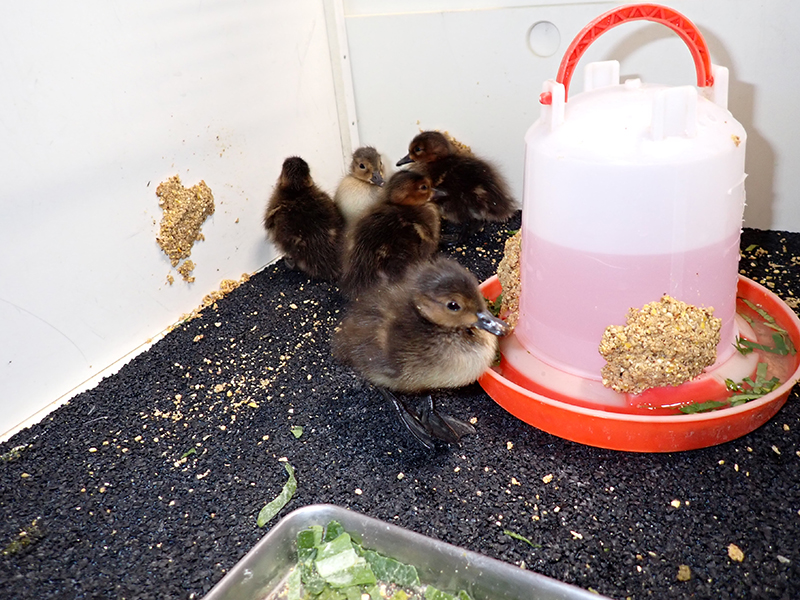
Inokashira Park Zoo Aquatic Life Park raises 16 species of geese and ducks, promoting the appeal of waterfowl and also focusing on their breeding.
This time, we will introduce how geese and ducks raise their young at the aquatic park and our efforts at artificial chick rearing.
How to Apply
Please apply using the reception form as follows:
When applying, please set your spam filter and email software to allow emails from @tokyo-zoo.net and @kintoneapp.com.
Please be especially careful if you are applying from a mobile phone.
If you do not receive an automatic reply email after applying, please contact Inokashira Park Zoo Education and Promotion Section.
kintoneapp.com is a website managed and operated by Toyokumo Co., Ltd.
The personal information provided by applicants in relation to the recruitment of participants for this program will be securely stored on a server managed by Toyokumo Co., Ltd., and will be managed in a strict and appropriate manner, including being promptly deleted after its use for the intended purpose has ended.
Inokashira Park Zoo Education and Outreach Section
0422-46-1100 (Representative)
*Reception hours are 9:30 AM to 5:00 PM.
Implementation participation: Valid until March 3, 2026 (Tuesday)
Online participation: Valid for submissions sent until Friday, March 6, 2026.
Please note that multiple applications by the same applicant will be invalid.
We also strictly manage personal information, including data storage and deletion.
We will do our best to respond to your request.
(January 22, 2026)
(February 15, 2026: Added information that registration for the Inokashira Lecture (in-person event) has closed.)
(March 5, 2026: Deadline extended for the Kasai Lecture (in-person event))
(March 7, 2026: Added information that registration for the Inokashira Lecture (online event) has closed.)