

December 12th: Participants Wanted - Towards Wildlife Conservation: Report and Lecture Tokyo Zoological Park Society Wildlife Conservation Fund. Registration is on a first-come, first-served basis.
event
November 18, 2026
Tokyo Zoological Park Society Wildlife Conservation Fund provides grants to support the activities of those engaged in wildlife conservation. To raise awareness of conservation activities that have received grants, we will be holding a report lecture. The venue will be at Ueno Zoo.
There will be 12 lectures this time. Registration is on a first-come, first-served basis. Please register as soon as possible.
Date and time of event / Location
Saturday, December 12, 2026
12:40 PM - 5:00 PM (tentative)
Ueno Ueno Zoo Management Office, 3rd Floor
First 80 people
How to Apply
Please apply using the registration form as follows.
When applying, please configure your spam filter and email software to allow emails from @tokyo-zoo.net and @kintoneapp.com. This is especially important for those applying from a mobile phone. If you do not receive an automatic reply email after applying, please contact Tokyo Zoological Park Society Wildlife Conservation Fund Secretariat.
Tokyo Zoological Park Society Wildlife Conservation Fund Office
03-3828-8235 *Reception hours: 9:30 AM - 5:00 PM
Valid for submissions sent until November 30, 2026 (Monday).
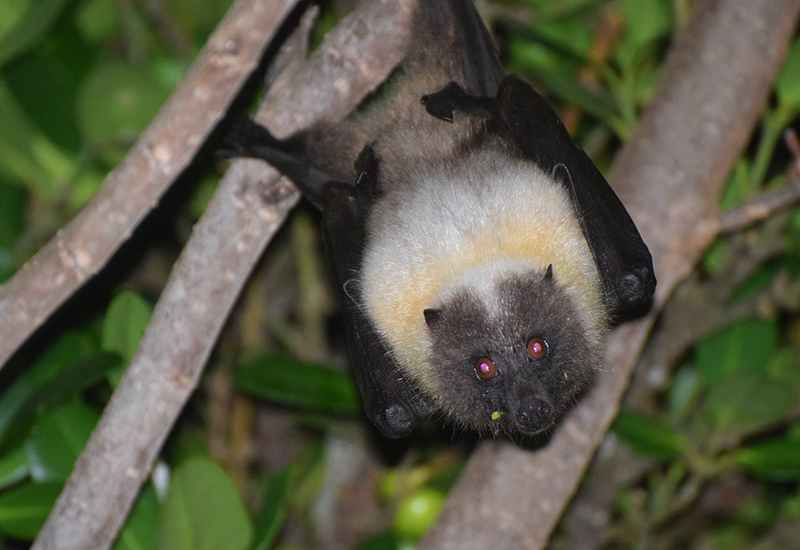
Lecture 1: Elucidating factors hindering the habitat of the Daito flying fox—particularly regarding the sharp increase in electric shock accidents and countermeasures.
Masako Izawa (Head of the Daito Islands Biota Research Group, Professor Emeritus, University of the Ryukyus)
The Daito flying fox is an endemic subspecies of Ryukyu Flying Fox, distributed in the Daito Islands, an oceanic island group of the Ryukyu Islands. When the islands of Minami Daito and Kita Daito were settled in 1900, most of the vegetation was cleared, and several endemic species became extinct in the process. It is miraculous that the Daito flying fox, which depends on trees for its habitat and food, survived. Recently, there have been frequent cases of suspected electrocution accidents involving Daito flying foxes, which are negatively impacting the population. Therefore, believing that immediate countermeasures are necessary, we analyzed the causes of these electrocution accidents from both the bat's and environmental perspectives. This report presents the current situation regarding electrocution accidents involving Daito flying foxes that has been revealed to date.
Professor Emeritus, University of the Ryukyus. He withdrew from the doctoral program at the Graduate School of Science, Kyushu University in 1984. He received his PhD in Science in 1984. After that, he served as a curator at the Kitakyushu Museum of Natural History, assistant professor and professor at the Faculty of Science, University of the Ryukyus, and director of the Kitakyushu Museum of Natural History and Human History, where he is currently. He also works with other members who use the Daito Islands as their field site as part of the Daito Islands Biota Research Group. His specialty is animal ecology, particularly mammals, and he conducts research on the ecology and conservation of felines and mammals of the Ryukyu Islands.
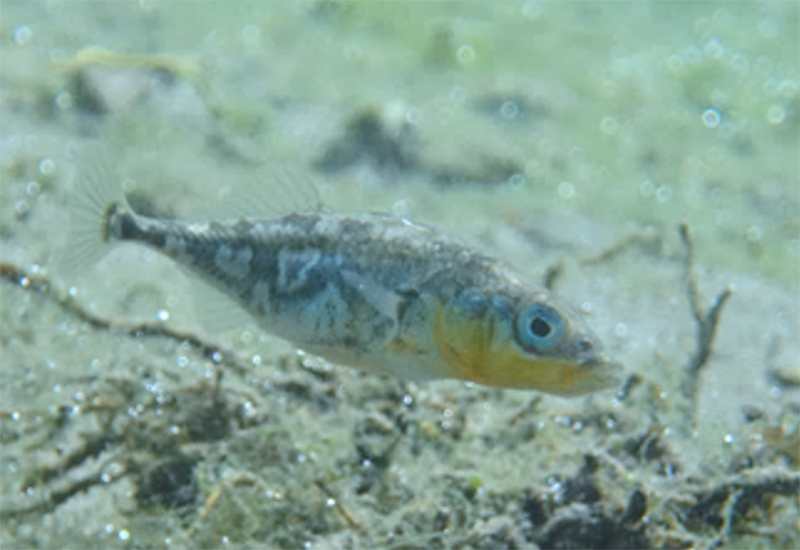
Lecture 2: Ecological survey of the Japanese stickleback in Shimizu Pond, Tsuya district, Minamino-cho, Kaizu City, Gifu Prefecture
Shino Watanabe (2nd year, Science and Mathematics course, Gifu Prefectural Ogaki Higashi High School)
The Japanese stickleback (Hariyo) is a freshwater fish belonging to the genus Pseudomonas in the family Gasterosteidae. Currently, it is naturally distributed only in the Seino region of Gifu Prefecture and eastern Shiga Prefecture, and is listed as a critically endangered species (Category IA) on the Ministry of the Environment's Red List. At Shimizu Pond in Tsuya district, Minamino-cho, Kaizu City, a national natural monument, the population is declining due to environmental changes such as increased sediment volume, despite a high level of conservation awareness among local residents. Therefore, monthly surveys of the population, water temperature and air temperature, and sediment volume are conducted at Shimizu Pond. In fiscal year 2025, the effective ratio during the breeding season was determined to confirm whether breeding was successful. This report focuses on the population survey and the current status of Shimizu Pond and the Japanese stickleback.
I've loved living things since I was a child, and I wanted to study biology at university in the future, so I enrolled in the science and mathematics course at Ogaki Higashi High School. The Hariyo group in the science and mathematics course has been conducting research on the endangered Hariyo, utilizing the local natural environment, since 2006 when the course was established. Students who wish to participate have been passing the research on from generation to generation. Our main activity is monitoring the ecology and environment of the Hariyo at Shimizu Pond in Kaizu City. The research data is reported to Kaizu City and used to help conserve the Hariyo. We also conduct awareness-raising activities at local environmental conservation events.
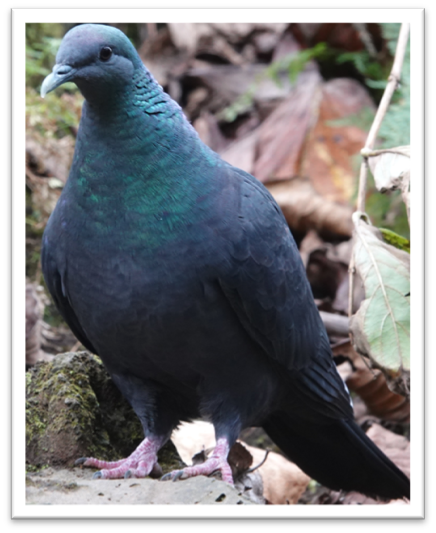
Lecture 3: Conservation Biological Research and Educational Activities Regarding the Natural Monument Japanese Wood Japanese Wood Pigeon
Hiroshi Ichiishi (Teacher at Tokyo Metropolitan Kokubunji High School)
On Izu Oshima, we are working to elucidate the ecology of the species, focusing on the wild and the Tokyo Metropolitan Oshima Park (Japanese Wood Pigeon), specifically the relationship between vocalizations and behavior, as well as analyzing data collected through a joint research project with Oshima Park and the National Institute for Environmental Studies involving GPS-tagged individuals (Japanese Wood Pigeon). Additionally, at Tama Zoo, we are conducting behavioral observations of captive individuals (Japanese Wood Pigeon and Red-headed Wood Pigeon).Outside of Izu-Ōshima, we are also attempting to compare the nighttime densities and behaviors of these species on Miyakejima, Hachijojima, and Aogashima to examine differences resulting from environmental variations. In the Ogasawara Islands, we are also conducting ecological observations of Red-headed Wood Pigeon.
During his university years, he co-founded a club called the "Wildlife Research Society," where he observed birds and animals in places like Niihama, Mt. Tsukuba, Izunuma, Izumi, Kiso, and the Ogasawara Islands before Disneyland opened. He discovered the joy of teaching about living things to younger students and became a high school biology teacher. He was assigned to Izu Oshima in the year of the volcanic eruption, where he encountered valuable natural features such as volcanoes and the Japanese Japanese Wood Pigeon. For the past 40 years, he has continued to observe the nature of the Izu Islands. At his current school, he has been observing Japanese Wood Pigeon with students for about 15 years.
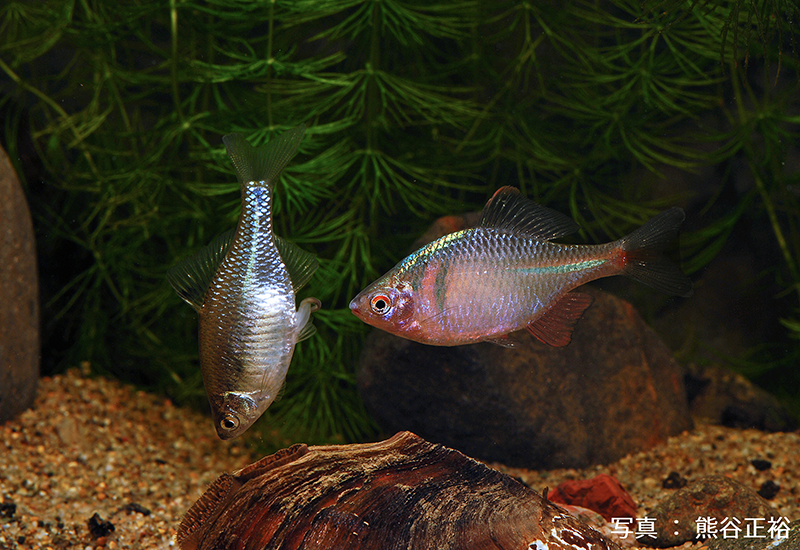
Lecture 4: Community-Contributing Research Based on 27 Years of Nippon Baratanago Conservation Activities
Meiki Yamamoto (1st year high school student at Seifu Junior and Senior High School)
We, the biology club of Seifu Junior and Senior High School, have been working for 28 years to protect the critically endangered Japanese bitterling (Rhodeus ocellatus). The Japanese bitterling is a fish with a distinctive reproductive ecology, laying its eggs in freshwater bivalves such as the pond mussel (Anodonta woodiana). Based in a protected pond in Yao City, Osaka Prefecture, we conduct monthly water quality and ecosystem surveys, and analyze the data obtained to utilize it in our conservation activities. We also conduct research from a unique perspective, such as breeding experiments using artificial spawning beds, cultivating bivalves using reed extract, and studying green water using American crayfish.
Our research findings have been presented at academic conferences and various science competitions, receiving high praise. Working in cooperation with local communities, we continue our activities to connect endangered species and their habitats to the future through scientific inquiry.
Seifu Junior and Senior High School Biology Club (Osaka Prefecture)
Founded in 1970, the club has been dedicated to the conservation of the critically endangered Japanese bitterling (Rhodeus ocellatus) for 28 years. Based at a protected pond in Yao City, Osaka Prefecture, the club conducts ecosystem surveys and breeding research primarily led by students. Through scientific inquiry activities, they aim to conserve biodiversity and pass it on to future generations.
Since joining the club in his first year of junior high school, Maki Yamamoto has been dedicated to daily research, driven by his strong interest in biology, particularly plankton. In this research project, he has contributed as a central member, taking over from his seniors.
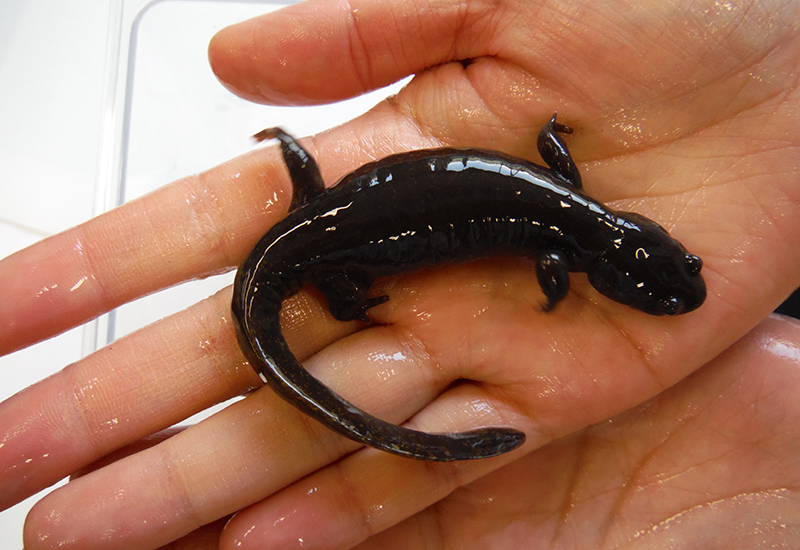
Lecture 5: How to conserve the habitat of the Tohoku salamander and find the optimal solution.
Kika Yamada (sendai Jonan High School 3rd year head of natural science club)
The Natural Science Club at Sendai Jonan High School has been continuously conducting ecological surveys and conservation activities for the Tohoku salamander inhabiting the area around the school. This localized population, isolated from the surrounding forests for over 40 years due to residential development and using a water source at the school's boundary as its sole spawning ground, has been a cause for concern due to the risk of extinction and a decline in genetic diversity. This year, in order to develop a sustainable conservation plan tailored to the population's current state, we conducted a genetic diversity analysis using the MIG-seq method with a next-generation sequencer. The analysis was carried out with the full cooperation of Ecolis Co., Ltd., using embryo samples from egg sacs collected from four locations within the prefecture (Sendai Jonan High School, Yagiyama, Tarumizu, and Wakuya). In this presentation, we will discuss our considerations regarding the genetic health and independence of the Jonan High School population, which has been isolated for 40 years.
Head of the Natural Science Club at Sendai Jonan High School. To protect small salamanders, which have low mobility and are vulnerable to development, he is leading research toward the active conservation of the entire population, going beyond the previous management of water sources on the school grounds. Working in collaboration with external organizations such as Ecolis Co., Ltd., he is incorporating cutting-edge genome analysis techniques and energetically challenging himself to formulate conservation measures based on scientific evidence, such as creating molecular phylogenetic trees and haplotype network diagrams from the obtained data.
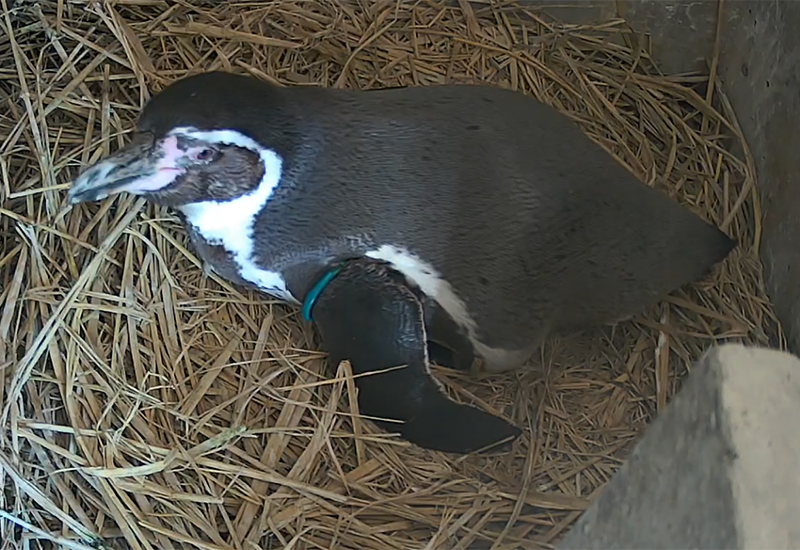
Lecture 6: Establishing a method for understanding the physiological and psychological state of penguins during incubation without harming them.
Ayaka Saito (Specially Appointed Researcher, National Institute of Polar Research)
For penguins, the incubation period is considered a time of great physiological and psychological stress, as they cannot leave their nests even in unsuitable temperature environments and remain in a state of constant vigilance towards their surroundings. Therefore, understanding the physiological and psychological state during incubation is crucial for understanding penguin ecology and improving their captive environment. In this study, we established a simple method for measuring heart rate without harming the animals using a dummy egg-shaped recorder, and attempted to understand the physiological and psychological state of penguins during incubation. This paper reports the results of heart rate measurements obtained using this method, and in particular presents the changes in heart rate during behavioral sleep in captive Humboldt Penguin.
I received my PhD in Agriculture from the Graduate School of Agricultural and Life Sciences, University of Tokyo in 2025. My specialization is animal physiological ecology, and I have previously studied the physiological responses of freely moving animals, such as sea turtles, penguins, and rhinoceros auklets, using bio-logging technology.
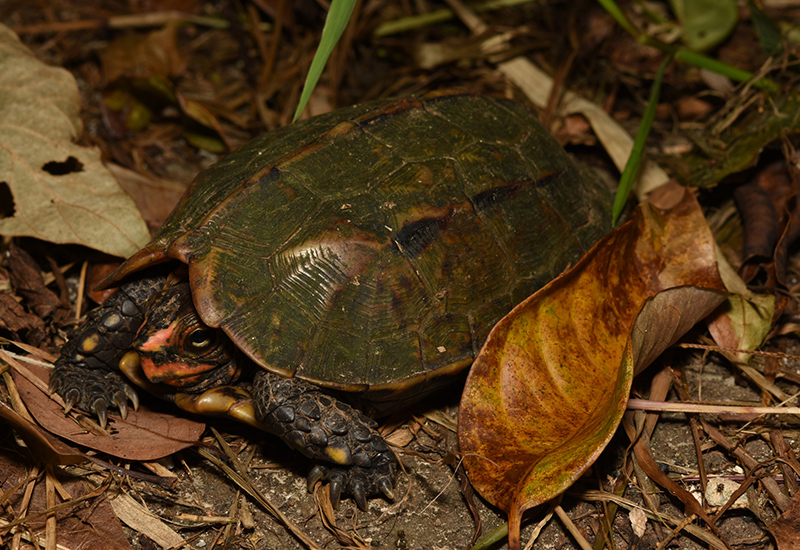
Lecture 7: Elucidating the habitat status and population structure of the Ryukyu black-breasted leaf turtle, a species endemic to the Ryukyu Islands.
Takashi Kurita (Researcher, Chiba Prefectural Central Museum)
The Ryukyu black-breasted leaf turtle, which inhabits the forests of Okinawa Island, Tokashiki Island, and Kume Island in Okinawa Prefecture, is experiencing a shrinking range due to habitat loss caused by development, predation by invasive species, and poaching. On the other hand, it is sporadically found in small green spaces and urban areas where it would be unlikely for a population to survive. Zoos and aquariums are protecting and caring for individuals that may be transported by humans, as well as those found and seized by customs officials both domestically and internationally, but capacity limits are becoming a problem. Therefore, this project aims to clarify the population structure of the Ryukyu black-breasted leaf turtle and use this information to conserve wild populations, as well as to identify which regional populations individuals of unknown origin are closely related to, thereby identifying areas at risk of transport and poaching.
After dropping out of the doctoral program at the Graduate School of Science and Engineering, University of the Ryukyus, he assumed his current position. From 2014 to 2020, he also served concurrently as the chief of the Biodiversity Center of the Chiba Prefectural Natural Environment Division. He obtained his PhD in Science in 2025. He is engaged in research on reptile taxonomy, conservation biology, and island biology in the Ryukyu Islands and Southeast Asia.
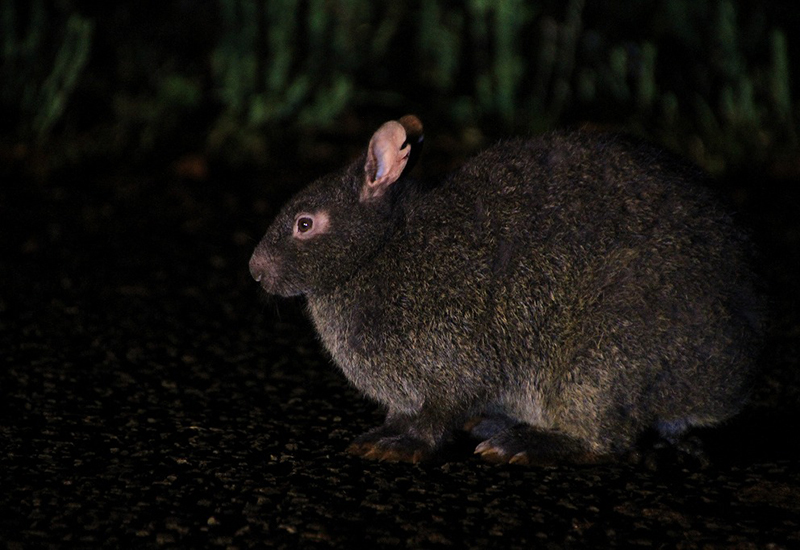
Lecture 8: How is milk produced in the Amami rabbit? - An approach from the gut -
Keiko Ito (Director of Amami Inmaya Animal Hospital)
The milk of the Amami rabbit contains distinctive lipids not found in other mammals. We are investigating why they produce such unique milk from various perspectives, including their lactation behavior, foraging habits, gut bacteria, and internal metabolism.
I run an animal hospital on Amami Oshima Island, where I also provide wildlife rescue and research samples. I will talk about Amami Oshima Island, the Amami rabbit that inhabits it, and the research I conduct from Amami.
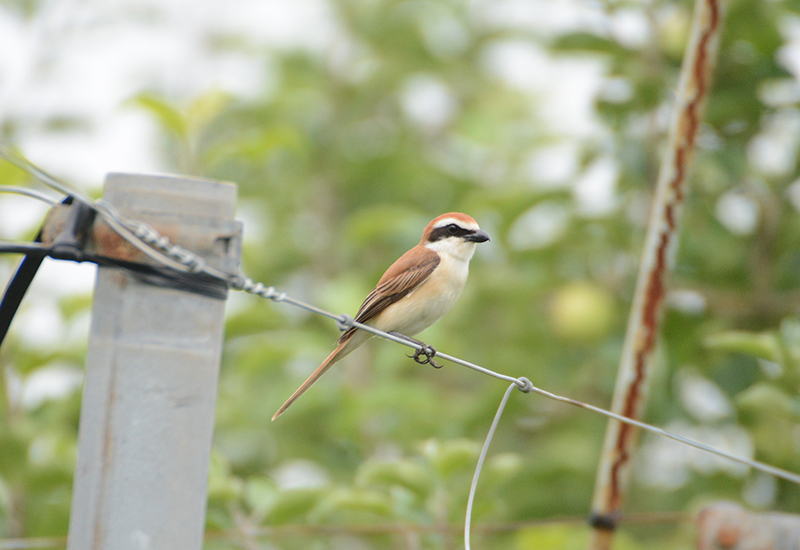
Lecture 9: Examining methods for the continuous introduction of farms and reintroduction of Red-backed Shrikes into the wild.
Hiroaki Matsumiya (Nagano Red-backed Shrike Conservation Research Group)
The Red-backed Shrike is a bird whose breeding grounds are limited to Japan, yet its population has declined significantly in recent years, and the population on Honshu in particular is at very high risk of extinction. Our group has been working since 2023 to establish a captive population of Red-backed Shrikes and to realize their reintroduction into the wild. This has involved protecting abandoned eggs, introducing founders into captivity, and studying techniques for wild reintroduction. In 2025, 37 eggs rescued from a nest that failed to breed were transferred to Toyohashi Comprehensive Zoological and Botanical Park, and nine of them successfully fledged, achieving the continuous introduction of founders into the captive population. We also conducted trial rearing and release in acclimatization cages set up in breeding grounds using the closely related Red-backed Shrike to study wild reintroduction techniques. I will talk about our three-year ex-situ conservation efforts for the Red-backed Shrike and future prospects.
Born in 1994, currently residing in Nagano Prefecture. After graduating from Shinshu University, he has been involved in the research, study, and conservation of birds and other wildlife while working for a company. He has been working on the conservation of the Red-backed Shrike for over 10 years, and in 2021, together with alumni from his university research lab and local collaborators, he formed the voluntary organization "Nagano Red-backed Shrike Conservation Research Group." He is currently working every day to realize a community where people and Red-backed Shrikes can coexist.
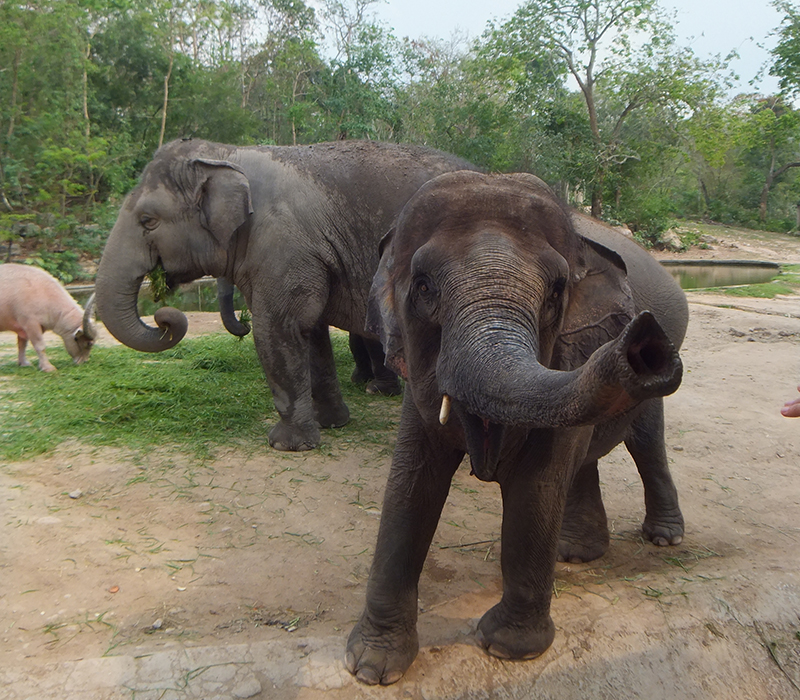
Lecture 10: Exploration of Proteins Involved in the Reproduction and Conservation Asian Elephant, Part 3: Examination of Protein Behavior
Yoko Sato (Professor, Joint Department of Veterinary Medicine, Faculty of Agriculture, Tottori University)
The population of Asian Elephant inhabiting the Asian region continues to decline at a rate of approximately 3% per year, and artificial intervention has become necessary for their conservation and breeding. Normally, in mammals, the testes and epididymis are enclosed in the scrotum and located outside the body cavity, and spermatogenesis and sperm maturation occur at temperatures lower than body temperature. In this project, we focus on the unique characteristic of elephant testes, which are located inside the body cavity, and specifically on spermatogenesis under heat stress. We report on our research on proteins expressed in elephant testes, conducted in collaboration with researchers in Thailand.
After obtaining his doctorate from the Graduate School of Science, the University of Tokyo, he began his research in the field of reproductive biology as a postdoctoral researcher at the University of California. After returning to Japan, he worked as a CREST researcher, studying human spermatogenesis disorders. Subsequently, he worked at Nagasaki University, Yamaguchi University, Toa University, and Tokai University, and is currently conducting research on the process of mammalian spermatogenesis at the Joint Department of Veterinary Medicine, Faculty of Agriculture, Tottori University.
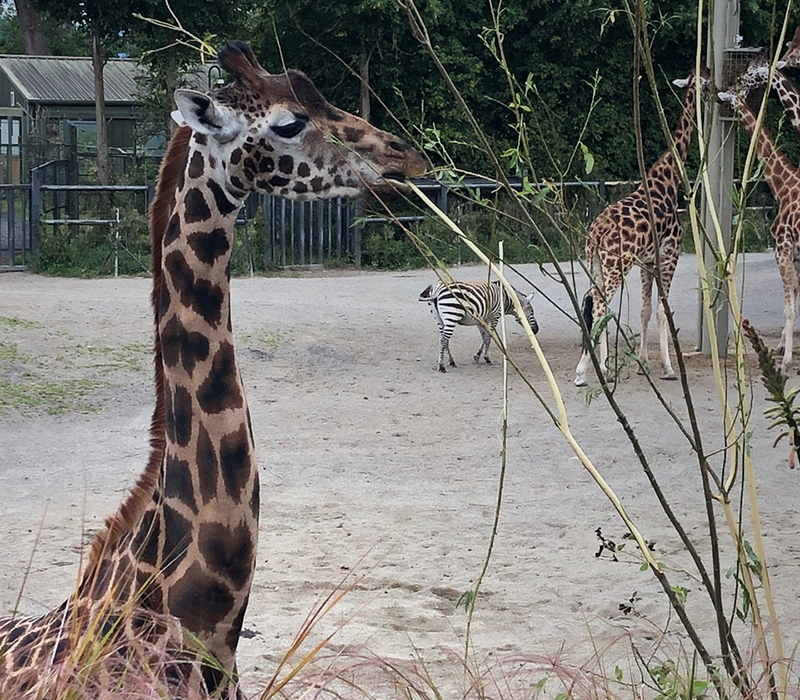
Lecture 11: Research on testicular function analysis and testicular cell preservation methods contributing to ex-situ conservation of rare mammals
Yuki Yamamoto
Captive breeding of endangered animals plays an important role in ex-situ conservation.
While much research has been done on the reproductive functions of female mammals, there are few research reports on males, and information is limited.
This project aims to clarify the actual reproductive capacity of male zoo animals by investigating their testicular function, and to establish applied technologies that can efficiently and long-term preserve sperm for use in artificial breeding.
This time, we will introduce the collection and culture of testicular tissue and cells for the purpose of gamete preservation from zoo animals (such as Giraffe, Cheetah, and kangaroos).
He was involved in research on elephant reproductive hormones at the Department of Veterinary Medicine, Faculty of Agriculture, Tokyo University of Agriculture and Technology, and the doctoral program at the United Graduate School of Veterinary Medicine, Gifu University (assigned to Tokyo University of Agriculture and Technology), and obtained a PhD in Veterinary Medicine in 2011. Subsequently, he served as an assistant professor and associate professor at Okayama University, and has been an associate professor at the Department of Veterinary Physiology, Faculty of Agriculture, Tokyo University of Agriculture and Technology since 2022 (current position).
My specialty is mammalian reproductive physiology, and together with the students in my laboratory, I aim to contribute to the conservation of endangered animals from the perspectives of endocrinology and cell physiology.
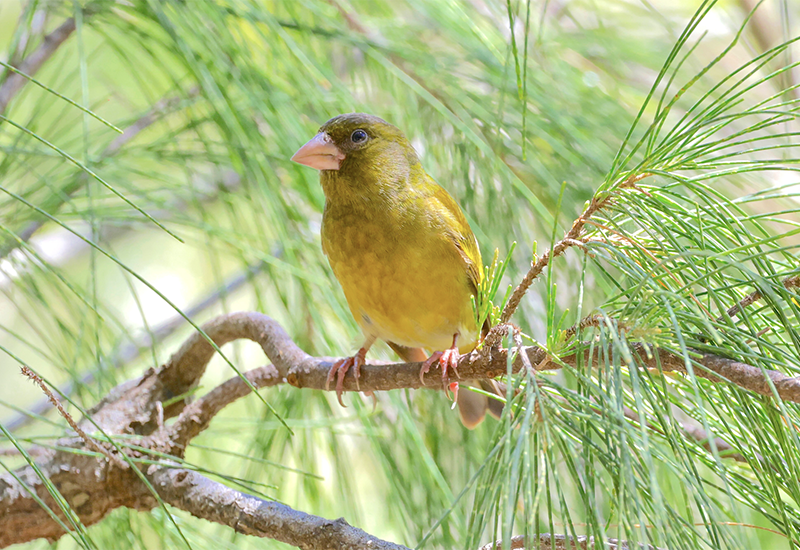
Lecture 12: Acquisition of breeding techniques and habitat survey activities for the Ogasawara Greenfinch
Tenzo Fujitani (Researcher, Islands Care, a general incorporated association)
The Ogasawara Greenfinch, which was recognized as a separate species in September 2024 and became endemic to Japan, inhabits only the Haha-jima Islands and Minami-Iwo-jima Island in the Ogasawara Islands. Its population is estimated to be only about 200 individuals, and it is considered one of the most endangered birds in Japan.
At the 2020 Bonin Greenfinch Conservation Planning Workshop, more than 100 stakeholders gathered to formulate a conservation plan. Based on this plan, our organization and Tokyo Zoological Park Society jointly developed and installed artificial feeding and watering facilities to prepare for weather-related disasters such as typhoons and droughts over a three-year period starting in 2023, and also conducted monitoring surveys using sensor cameras. In addition, training on off-situ breeding and rearing techniques was conducted at Ueno Zoo in preparation for the worst-case scenario.
In this presentation, I will share the progress made by the collaborative efforts of those involved in the gradual recovery of the Ogasawara Greenfinch, a species that was on the brink of extinction.
Originally from Haha-jima, Ogasawara Village, she joined the general incorporated association Islands Care in 2024 and is involved in the conservation of rare species in the Ogasawara Islands. In the conservation of the Ogasawara Greenfinch, she is deepening her knowledge of the species through acquiring breeding techniques and conducting ecological surveys within its habitat. She is also involved in the operation of the voluntary organization "Ogasawara Greenfinch Society," and is working to expand the circle of conservation through community-based public awareness campaigns.