

Zoo Stock Species and the Red List
Zoo Stock Species and the Red List
Zoo Stock
This indicates that the species is included in the Second Zoo Stock Plan, which was formulated by the Tokyo Metropolitan Government in 2018. The plan sets goals for the next 10 years in three areas: "species conservation," "contribution to wildlife conservation," and "environmental education and conservation awareness." 124 animal species are included.
What is the Red List?
Based on scientific research, this is a list of wildlife classified by rank (category) indicating the degree of risk of extinction.
Livng Things Encyclopedia shows the categories (mainland and islands) assessed by the IUCN (International Union for Conservation of Nature) at the global level, the Ministry of the Environment for Japan, and the Tokyo Metropolitan Government for Tokyo.
The higher the category in each table, the higher the risk of extinction, and CR, EN, and VU are the three categories known as "endangered species." In Tokyo, species that are not at the NT (near threatened) level but are relatively rare are considered "species of concern."
|
IUCN categories |
|
|---|---|
|
EX |
extinction |
|
EW |
Extinction in the wild |
|
CR+EN |
— |
|
CR |
Serious crisis |
|
EN |
crisis |
|
VU |
emergency |
|
NT |
Near Threatened |
|
LC・○ |
Low Concern |
|
DD |
Data shortage |
|
LP |
— |
|
Japan (Ministry of the Environment) Category |
|
|---|---|
|
EX |
extinction |
|
EW |
Extinction in the wild |
|
CR+EN |
Endangered species |
|
CR |
Critically Endangered |
|
EN |
Endangered species |
|
VU |
Endangered species |
|
NT |
Near Threatened |
|
LC・○ |
— |
|
DD |
Lack of information |
|
LP |
Endangered |
|
Tokyo Category |
|
|---|---|
|
EX |
extinction |
|
EW |
Extinction in the wild |
|
CR+EN |
Endangered species |
|
CR |
Critically Endangered |
|
EN |
Endangered species |
|
VU |
Endangered species |
|
NT |
Near Threatened |
|
LC・○ |
Unranked |
|
DD |
Lack of information |
|
LP |
Endangered |
Creatures at Ueno Zoo
Creatures at Ueno Zoo
Daruma Pond Frog
Subspecies: Tokyo Daruma Pond Frog
Daruma Pond Frog
Subspecies: Tokyo Daruma Pond FrogPelophylax porosus porosus
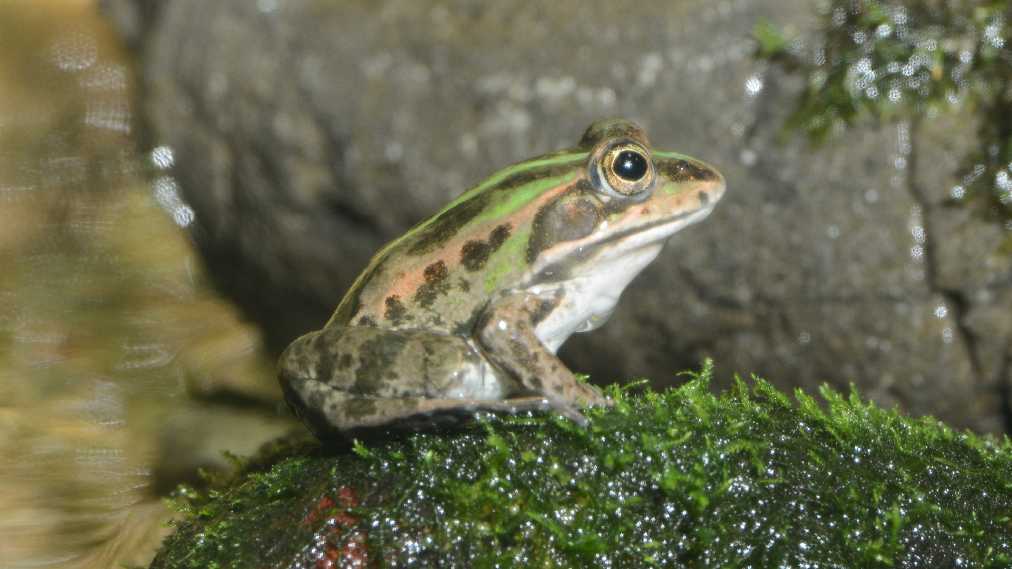
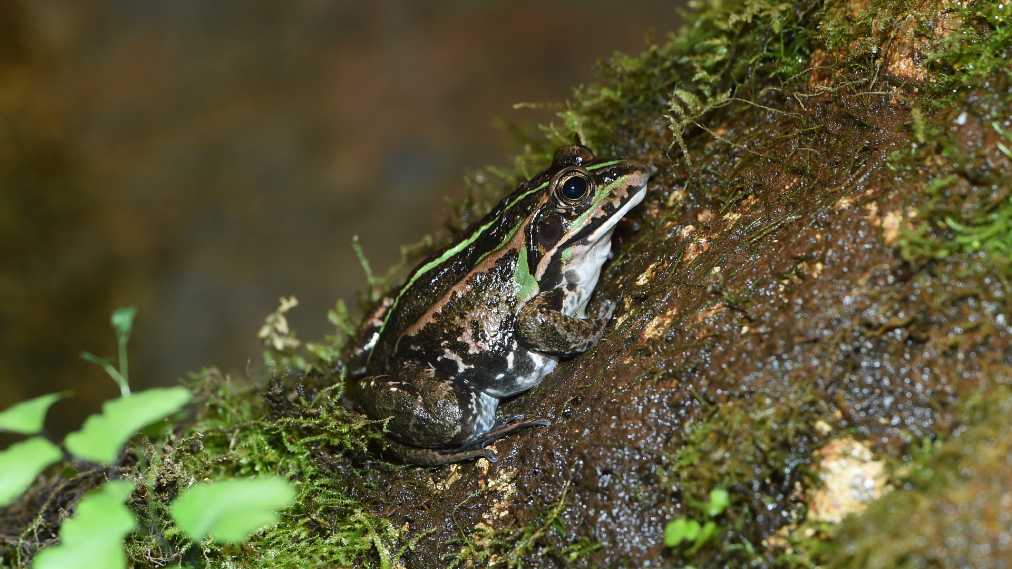
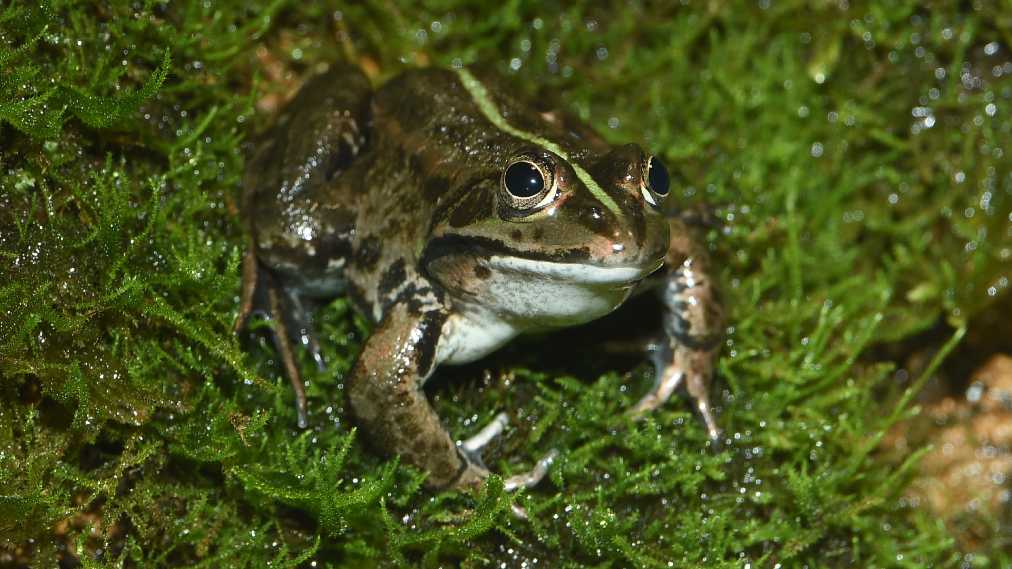
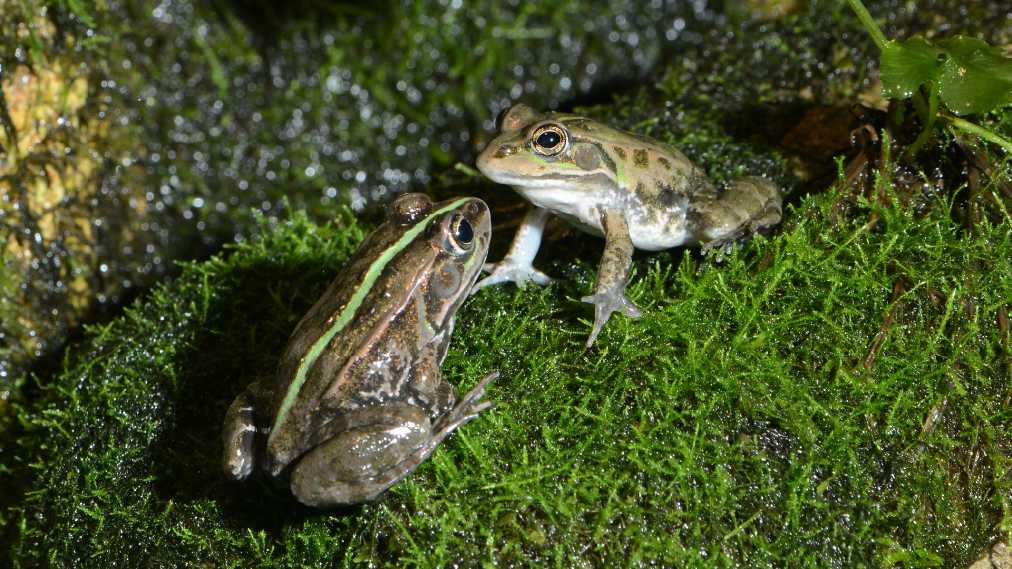
This medium-sized frog lives near rice paddies and shallow ponds. Although its name includes "Tokyo," it is found not only in the Kanto region, but also in the Sendai Plain and parts of Nagano and Niigata prefectures. A subspecies of this species is the Nagoya Daruma Pond Frog, which is found in the Chubu and Seto Inland Sea regions. Its close relative, the Niigata pond frog, is not found in the Kanto region, and this species is sometimes called the "Lord's Frog."
| classification | Amphibians, Anura, Ranidae |
|---|---|
| English name | Tokyo Daruma Pond Frog |
| distribution | From the Sendai Plain to the Kanto region, central and southern Niigata Prefecture, and northern and central Nagano Prefecture |
| Residence | Flat land (such as irrigation channels for rice fields) |
| Size |
Body length: Males 39-75 mm, females 43-87 mm
|
| food | Larvae: Omnivorous, eating algae, detritus, animal carcasses, etc. After metamorphosis: Eats spiders, insects, and other animals |
| Red List |
IUCN: LC (Least Concern)
Japan: NT (Near Threatened) |
Webbed hind feet
They have well-developed webbing between the toes on their hind feet, allowing them to swim relatively quickly in the water, but they do not have suckers on the tips of their toes, making them less adept at climbing grass or walls.
Paddy fields and Daruma Pond Frog
Their numbers are declining due to factors such as the decline in rice paddies, which are their habitats and breeding grounds. In addition, as more and more frogs have been built in rice paddies, there are more and more cases of frogs falling into the drains and drowning because they cannot climb up the walls.