

Zoo Stock Species and the Red List
Zoo Stock Species and the Red List
Zoo Stock
This indicates that the species is included in the Second Zoo Stock Plan, which was formulated by the Tokyo Metropolitan Government in 2018. The plan sets goals for the next 10 years in three areas: "species conservation," "contribution to wildlife conservation," and "environmental education and conservation awareness." 124 animal species are included.
What is the Red List?
Based on scientific research, this is a list of wildlife classified by rank (category) indicating the degree of risk of extinction.
Livng Things Encyclopedia shows the categories (mainland and islands) assessed by the IUCN (International Union for Conservation of Nature) at the global level, the Ministry of the Environment for Japan, and the Tokyo Metropolitan Government for Tokyo.
The higher the category in each table, the higher the risk of extinction, and CR, EN, and VU are the three categories known as "endangered species." In Tokyo, species that are not at the NT (near threatened) level but are relatively rare are considered "species of concern."
|
IUCN categories |
|
|---|---|
|
EX |
extinction |
|
EW |
Extinction in the wild |
|
CR+EN |
— |
|
CR |
Serious crisis |
|
EN |
crisis |
|
VU |
emergency |
|
NT |
Near Threatened |
|
LC・○ |
Low Concern |
|
DD |
Data shortage |
|
LP |
— |
|
Japan (Ministry of the Environment) Category |
|
|---|---|
|
EX |
extinction |
|
EW |
Extinction in the wild |
|
CR+EN |
Endangered species |
|
CR |
Critically Endangered |
|
EN |
Endangered species |
|
VU |
Endangered species |
|
NT |
Near Threatened |
|
LC・○ |
— |
|
DD |
Lack of information |
|
LP |
Endangered |
|
Tokyo Category |
|
|---|---|
|
EX |
extinction |
|
EW |
Extinction in the wild |
|
CR+EN |
Endangered species |
|
CR |
Critically Endangered |
|
EN |
Endangered species |
|
VU |
Endangered species |
|
NT |
Near Threatened |
|
LC・○ |
Unranked |
|
DD |
Lack of information |
|
LP |
Endangered |
Creatures at Ueno Zoo
Creatures at Ueno Zoo
Rock Ptarmigan
Rock Ptarmigan
Lagopus muta japonica
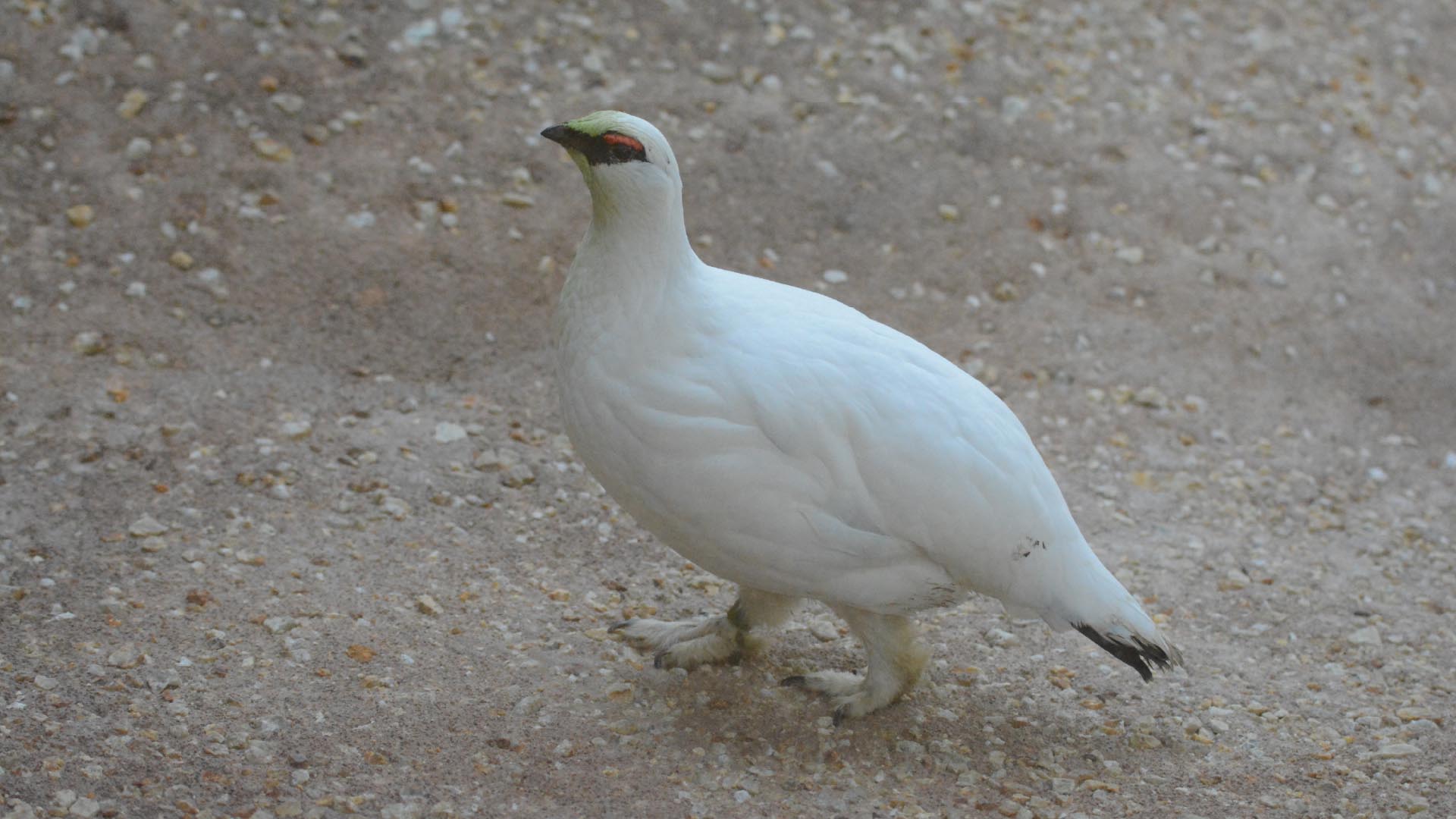
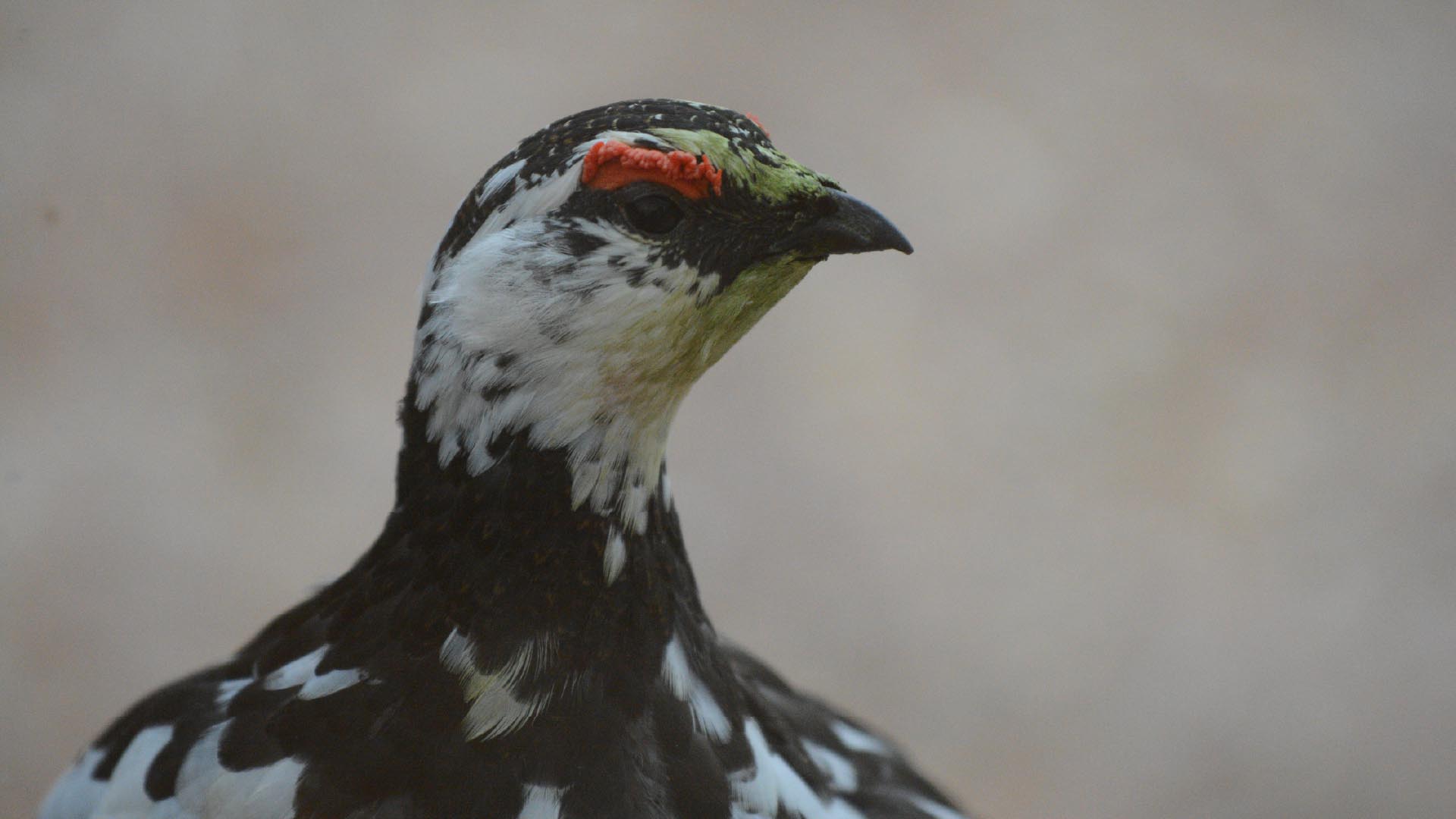
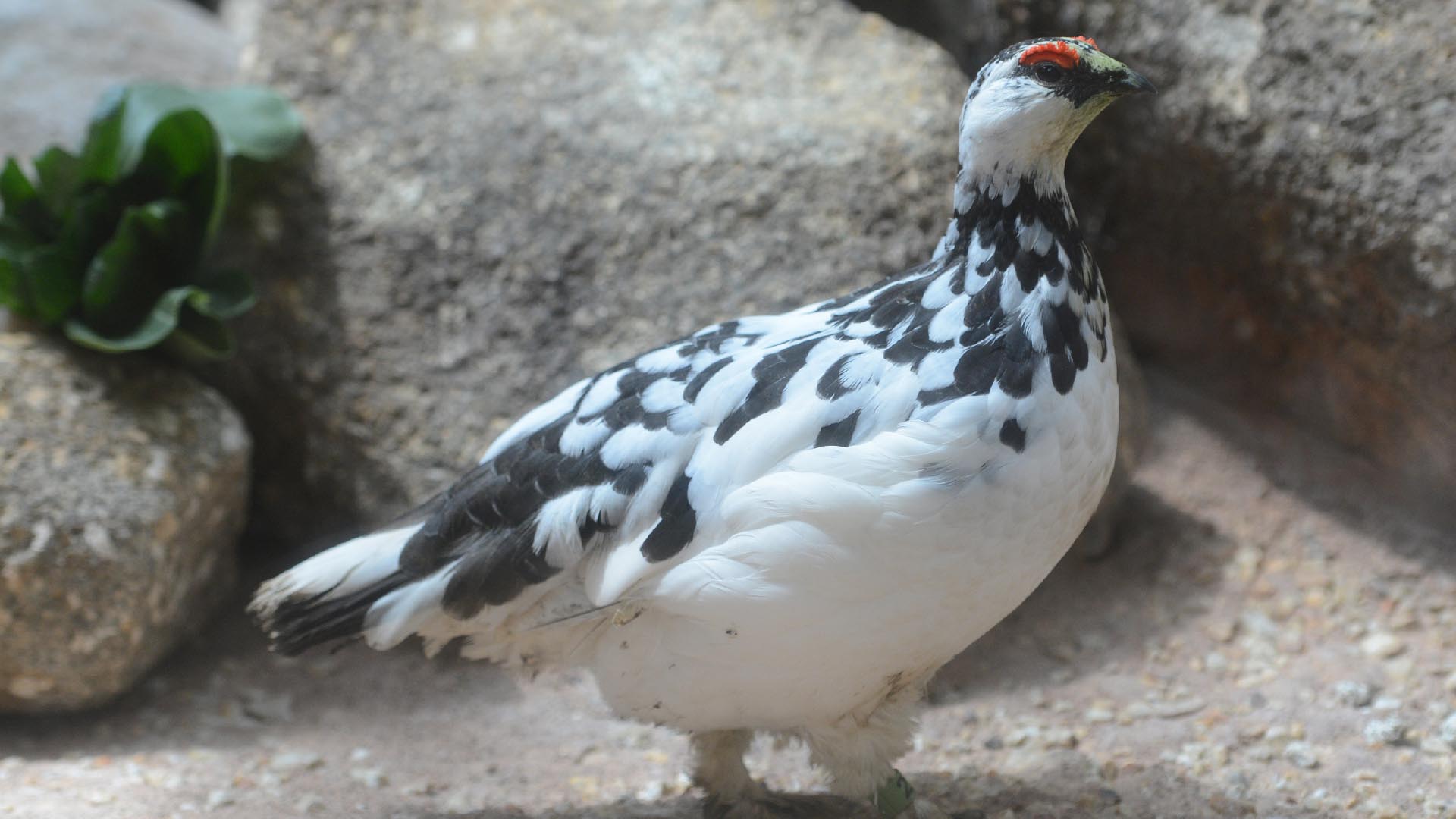
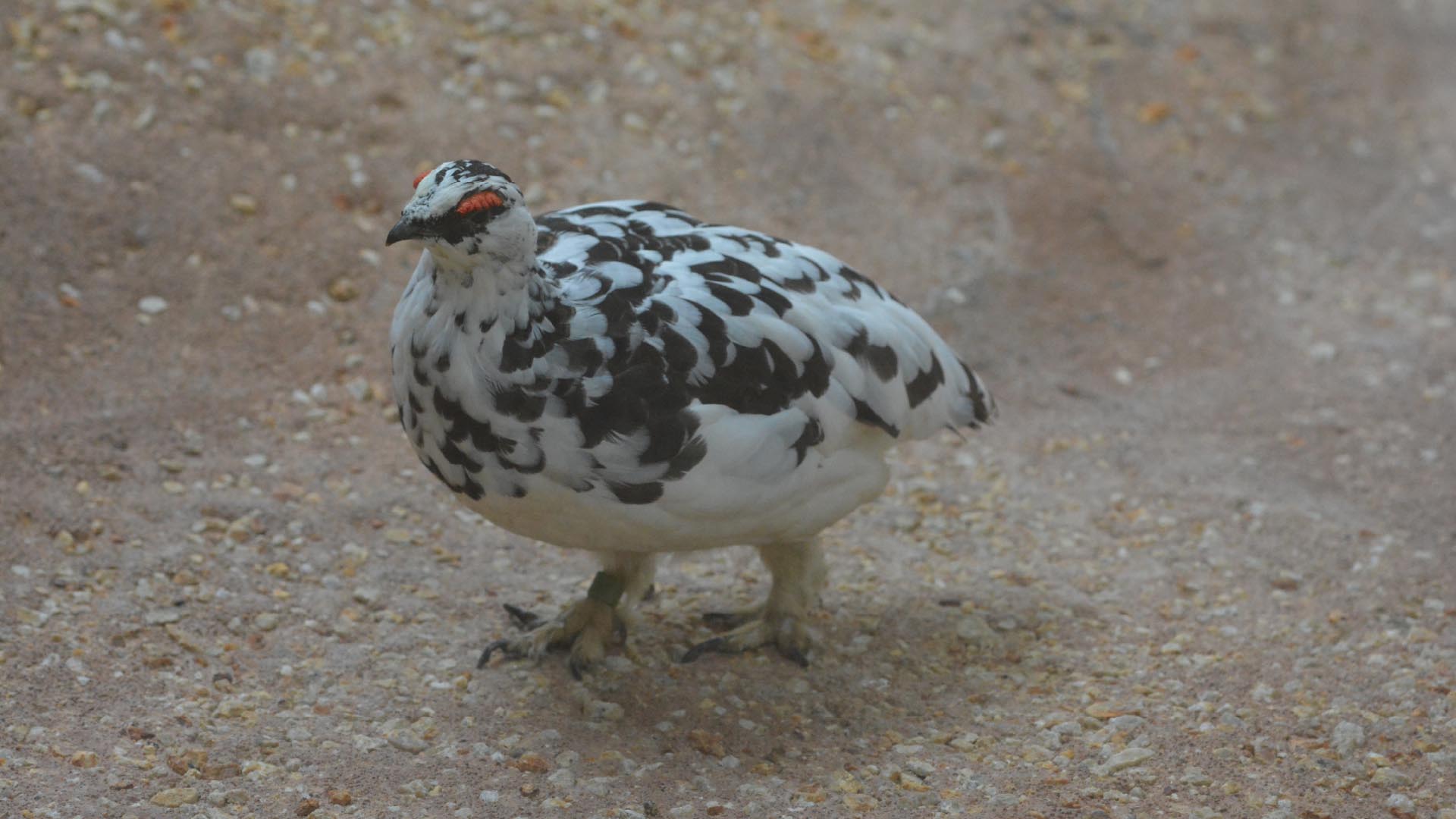
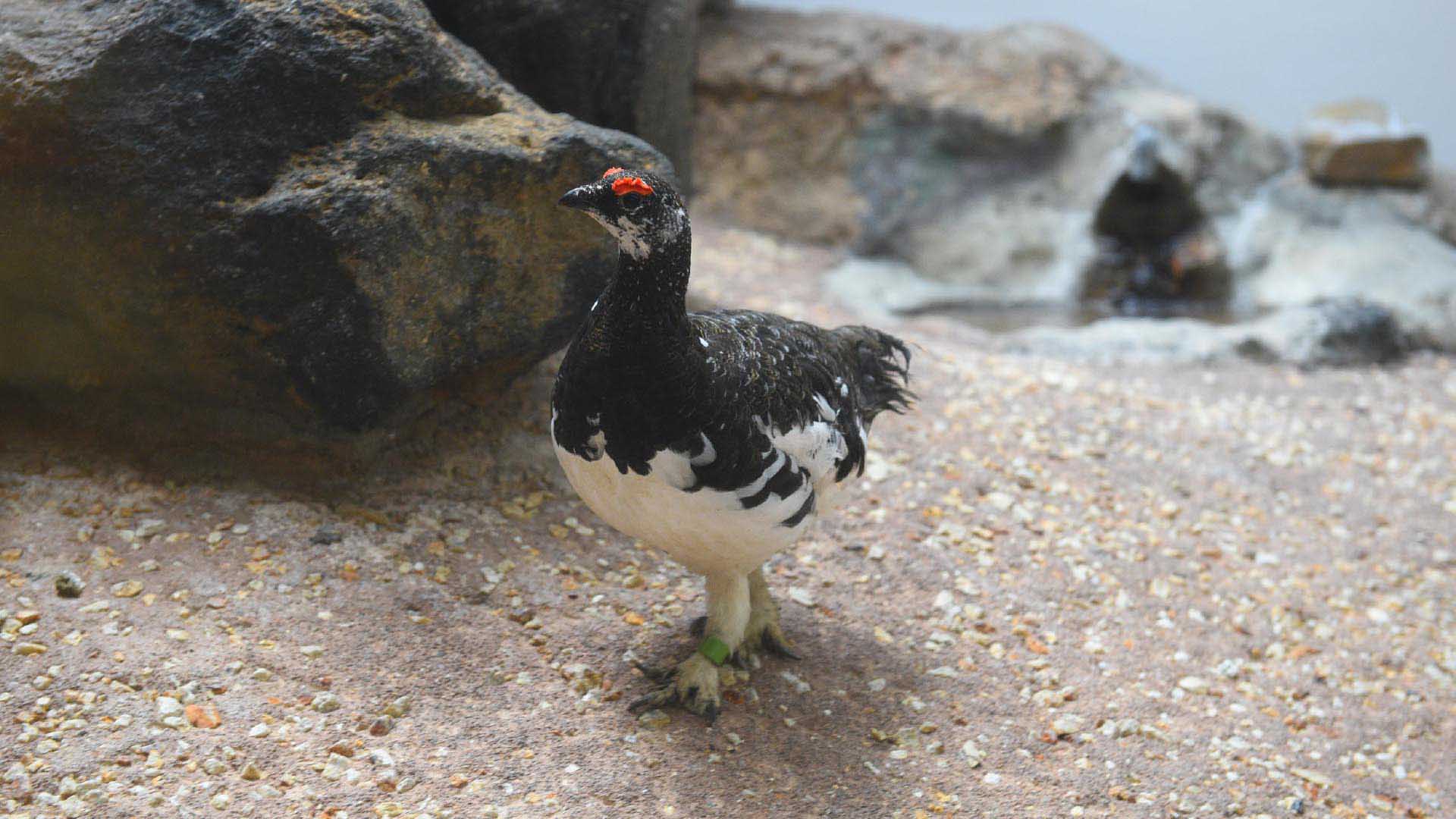
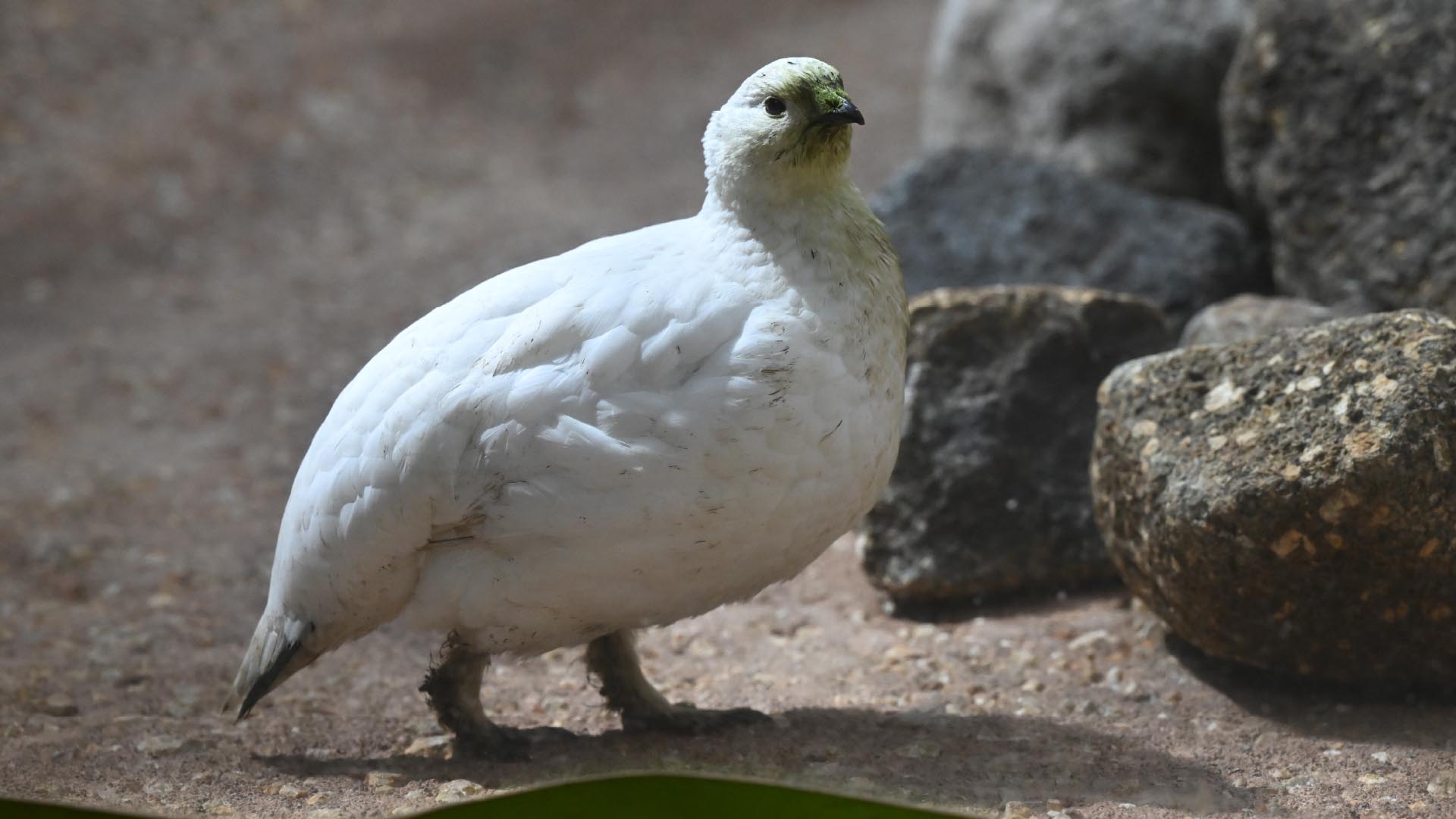
Rock Ptarmigan are widely distributed in the northern part of the Northern Hemisphere. The Japanese Rock Ptarmigan is the southernmost subspecies and lives only in the alpine zone of the Japanese Alps. They are covered in thick feathers all the way down to their toes to withstand the harsh cold. They molt three times a year, always maintaining a color that blends in with their surroundings to protect themselves. In June, females build a nest in a depression on the ground, such as at the base of a Japanese stone pine, and lay around six eggs.
| classification | Aves, Galliformes, Phasianidae |
|---|---|
| English name | Rock Ptarmigan |
| distribution | Northern Eurasia, northern North America, and the high mountain regions of central Honshu in Japan (Kuiki Mountains, Northern Alps, Mount Norikura, Mount Ontake, and Southern Alps) |
| Residence | A cold environment where shrubs, grasses, and mosses grow on rocky areas. In Japan, the dwarf pine zone in high mountains. |
| Size |
Total length: approx. 37cm
|
| food | Plant leaves, buds, flowers, fruits, seeds, insects, etc. |
| Red List |
Japan: EN (Endangered)
|
What color is it now?
In winter, their plumage is pure white, blending into the snowy scenery. After the snow melts, during the breeding season from spring to early summer, males stand on rocks to show off, and their feathers take on a black and white pattern, while females, who incubate their eggs or chicks on the ground, take on a mottled brown pattern. From summer to autumn, both birds take on a mottled brown pattern.
Collaborative conservation efforts
Due to the effects of global warming and other factors, they are in danger of extinction. Ueno Zoo first began raising Svalbard Rock Ptarmigan, a subspecies that lives in Norway, in 2008. This has enabled them to accumulate techniques for rearing and breeding. Since 2015, they have been working to conserve Japanese Rock Ptarmigan in cooperation with the Ministry of the Environment and other zoos.