

Zoo Stock Species and the Red List
Zoo Stock Species and the Red List
Zoo Stock

This indicates that the species is included in the Second Zoo Stock Plan, which was formulated by the Tokyo Metropolitan Government in 2018. The plan sets goals for the next 10 years in three areas: "species conservation," "contribution to wildlife conservation," and "environmental education and conservation awareness." 124 animal species are included.
What is the Red List?
Based on scientific research, this is a list of wildlife classified by rank (category) indicating the degree of risk of extinction.
Livng Things Encyclopedia shows the categories (mainland and islands) assessed by the IUCN (International Union for Conservation of Nature) at the global level, the Ministry of the Environment for Japan, and the Tokyo Metropolitan Government for Tokyo.
The higher the category in each table, the higher the risk of extinction, and CR, EN, and VU are the three categories known as "endangered species." In Tokyo, species that are not at the NT (near threatened) level but are relatively rare are considered "species of concern."
|
IUCN categories |
|
|---|---|
|
EX |
extinction |
|
EW |
Extinction in the wild |
|
CR+EN |
— |
|
CR |
Serious crisis |
|
EN |
crisis |
|
VU |
emergency |
|
NT |
Near Threatened |
|
LC・○ |
Low Concern |
|
DD |
Data shortage |
|
LP |
— |
|
Japan (Ministry of the Environment) Category |
|
|---|---|
|
EX |
extinction |
|
EW |
Extinction in the wild |
|
CR+EN |
Endangered species |
|
CR |
Critically Endangered |
|
EN |
Endangered species |
|
VU |
Endangered species |
|
NT |
Near Threatened |
|
LC・○ |
— |
|
DD |
Lack of information |
|
LP |
Endangered |
|
Tokyo Category |
|
|---|---|
|
EX |
extinction |
|
EW |
Extinction in the wild |
|
CR+EN |
Endangered species |
|
CR |
Critically Endangered |
|
EN |
Endangered species |
|
VU |
Endangered species |
|
NT |
Near Threatened |
|
LC・○ |
Unranked |
|
DD |
Lack of information |
|
LP |
Endangered |
Creatures at Ueno Zoo
Creatures at Ueno Zoo

Mountain Hawk-eagle
Mountain Hawk-eagle
Nisaetus nipalensis orientalis
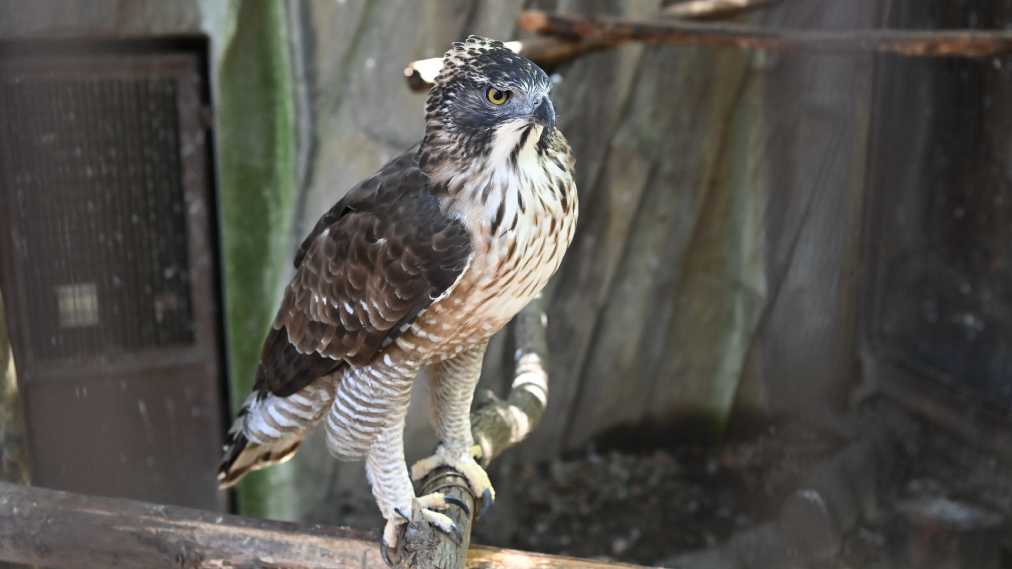
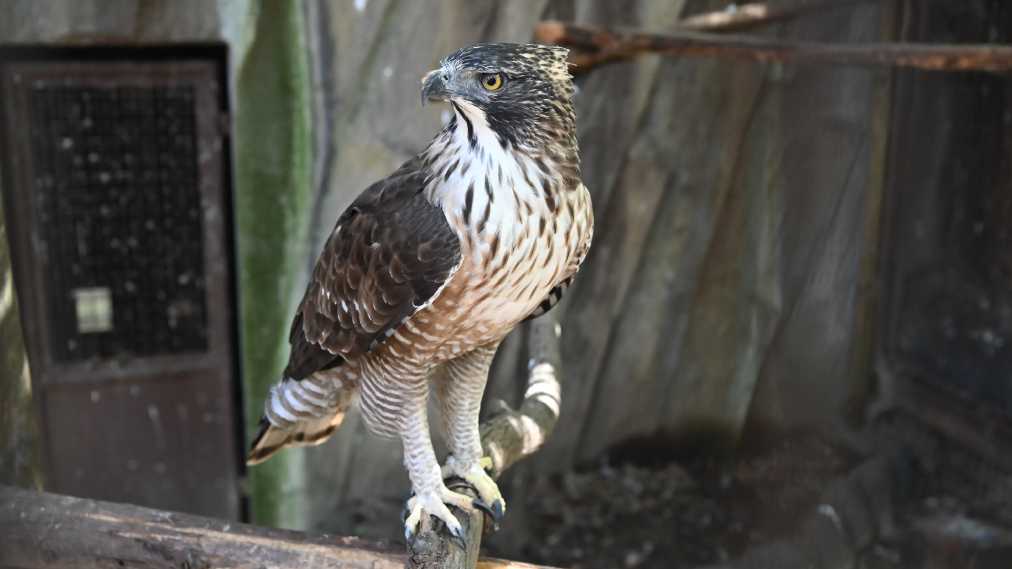
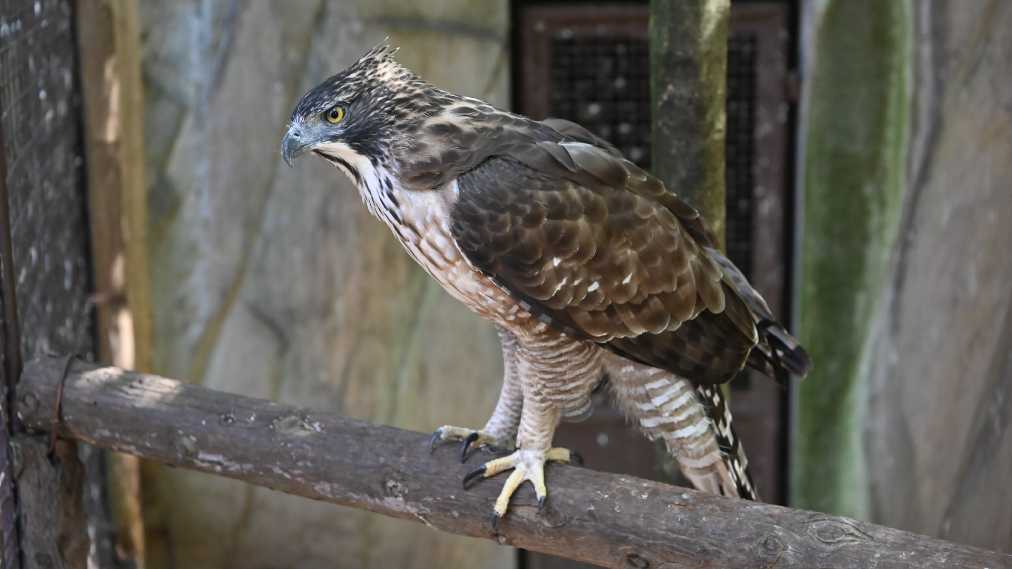
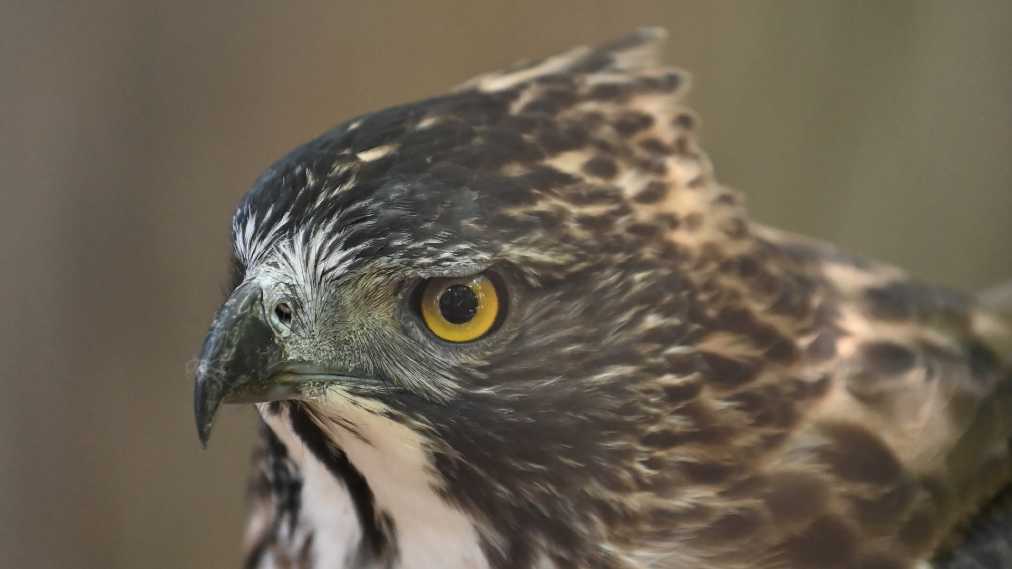
The dorsal side of the body and wings is generally grayish brown. The belly is white with spots and stripes. The tail feathers and underside of the wings have white and black stripes. They are characterized by a crest on their head. In Japan, they start building nests around January. They build nests on large trees and lay one egg (rarely two).
| classification | Aves, Accipitridae, Accipitridae |
|---|---|
| English name | Mountain Hawk-eagle |
| distribution | Japan, southern China, southern India, Nepal, Indochina |
| Residence | mountain forest |
| Size |
全長:67~86cm
翼開長:130~165cm 体重:1.8~3.5kg |
| food | Small and medium-sized mammals and birds |
| Red List |
IUCN: NT (Near Threatened)
Japan: EN (Endangered) Tokyo: EN (Endangered) |
How to hunt
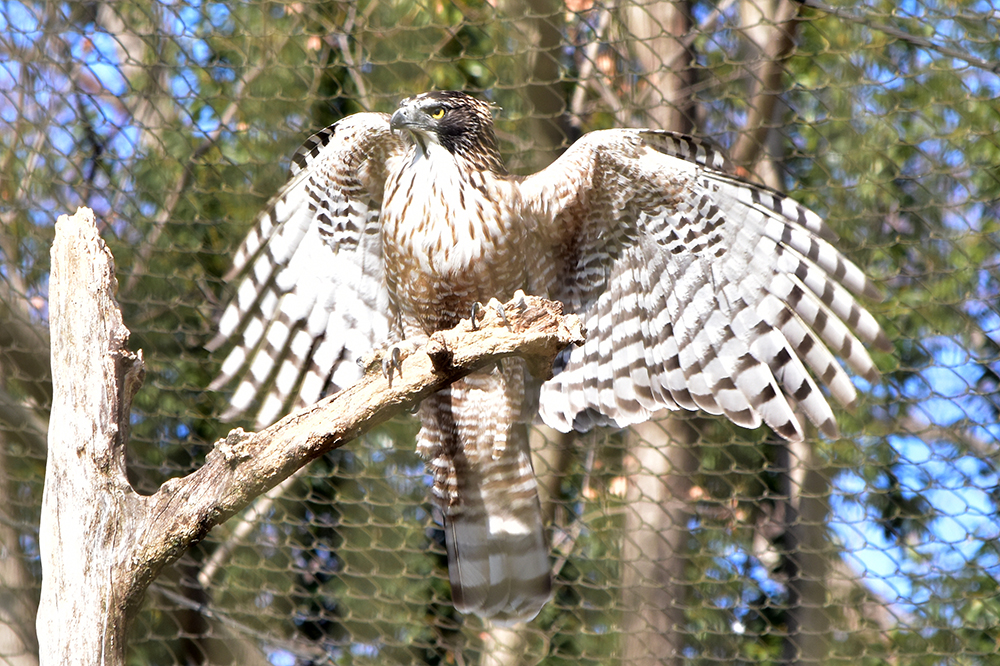
They lie in wait for their prey in hiding places in the forest or on top of trees at the edge of the forest. When they find their prey, they crouch and quickly jump down from the tree to catch it on the ground. Their wings are rounder and shorter than those of Golden Eagle, which may be to ensure mobility in the forest.