

Zoo Stock Species and the Red List
Zoo Stock Species and the Red List
Zoo Stock

This indicates that the species is included in the Second Zoo Stock Plan, which was formulated by the Tokyo Metropolitan Government in 2018. The plan sets goals for the next 10 years in three areas: "species conservation," "contribution to wildlife conservation," and "environmental education and conservation awareness." 124 animal species are included.
What is the Red List?
Based on scientific research, this is a list of wildlife classified by rank (category) indicating the degree of risk of extinction.
Livng Things Encyclopedia shows the categories (mainland and islands) assessed by the IUCN (International Union for Conservation of Nature) at the global level, the Ministry of the Environment for Japan, and the Tokyo Metropolitan Government for Tokyo.
The higher the category in each table, the higher the risk of extinction, and CR, EN, and VU are the three categories known as "endangered species." In Tokyo, species that are not at the NT (near threatened) level but are relatively rare are considered "species of concern."
|
IUCN categories |
|
|---|---|
|
EX |
extinction |
|
EW |
Extinction in the wild |
|
CR+EN |
— |
|
CR |
Serious crisis |
|
EN |
crisis |
|
VU |
emergency |
|
NT |
Near Threatened |
|
LC・○ |
Low Concern |
|
DD |
Data shortage |
|
LP |
— |
|
Japan (Ministry of the Environment) Category |
|
|---|---|
|
EX |
extinction |
|
EW |
Extinction in the wild |
|
CR+EN |
Endangered species |
|
CR |
Critically Endangered |
|
EN |
Endangered species |
|
VU |
Endangered species |
|
NT |
Near Threatened |
|
LC・○ |
— |
|
DD |
Lack of information |
|
LP |
Endangered |
|
Tokyo Category |
|
|---|---|
|
EX |
extinction |
|
EW |
Extinction in the wild |
|
CR+EN |
Endangered species |
|
CR |
Critically Endangered |
|
EN |
Endangered species |
|
VU |
Endangered species |
|
NT |
Near Threatened |
|
LC・○ |
Unranked |
|
DD |
Lack of information |
|
LP |
Endangered |
Creatures at Ueno Zoo
Creatures at Ueno Zoo

Lidth's Jay
Lidth's Jay
Garrulus lidthi
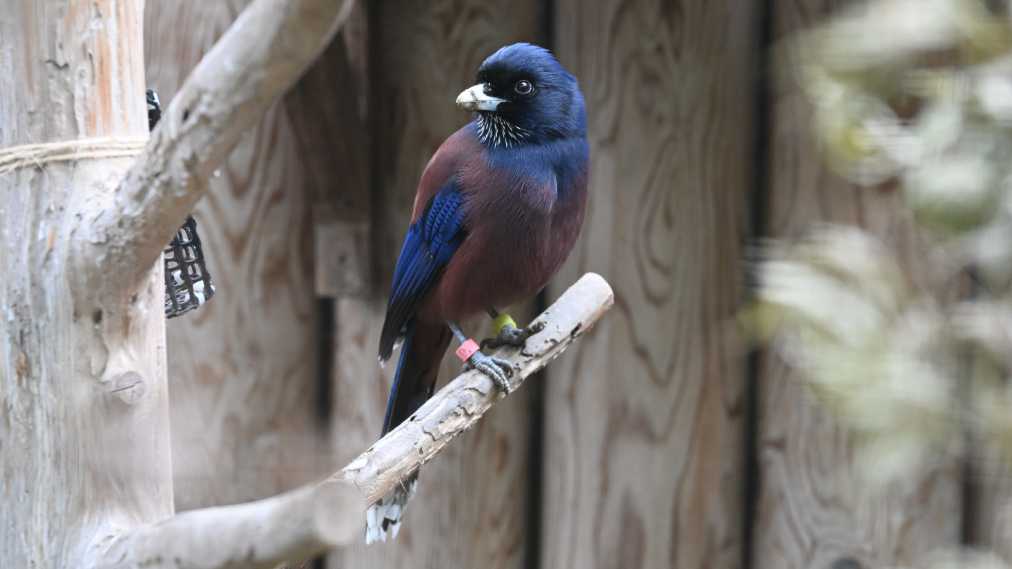
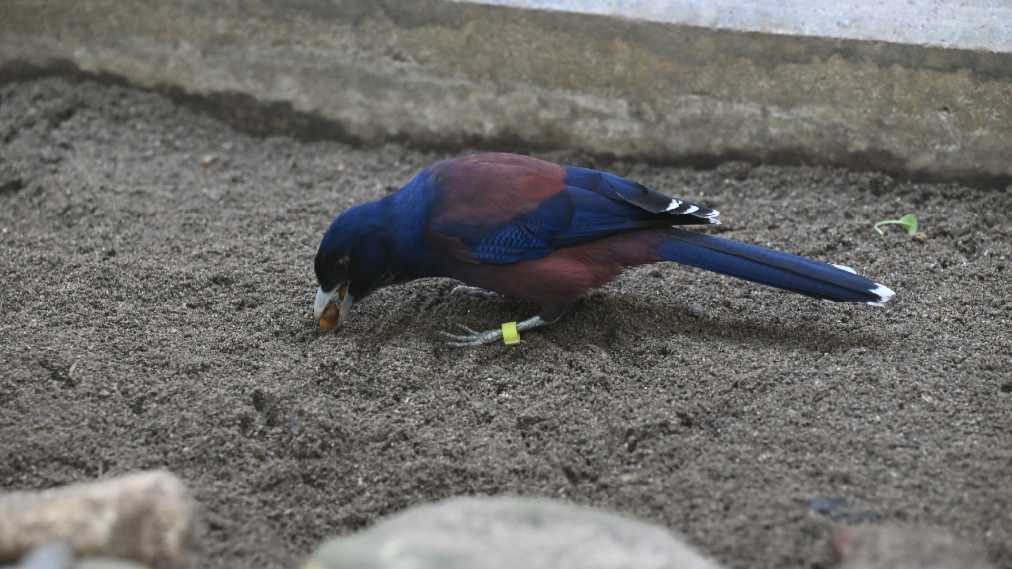
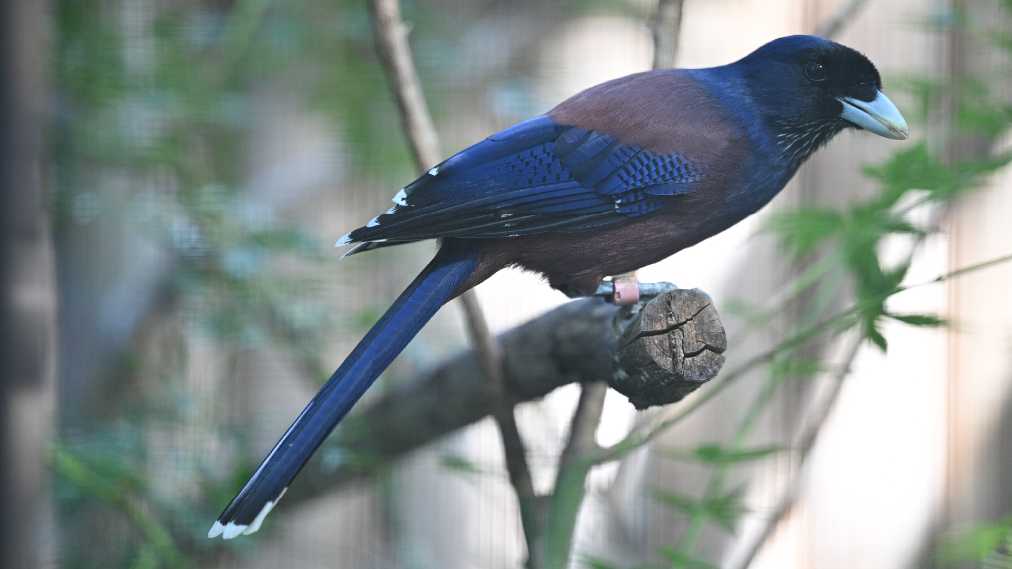
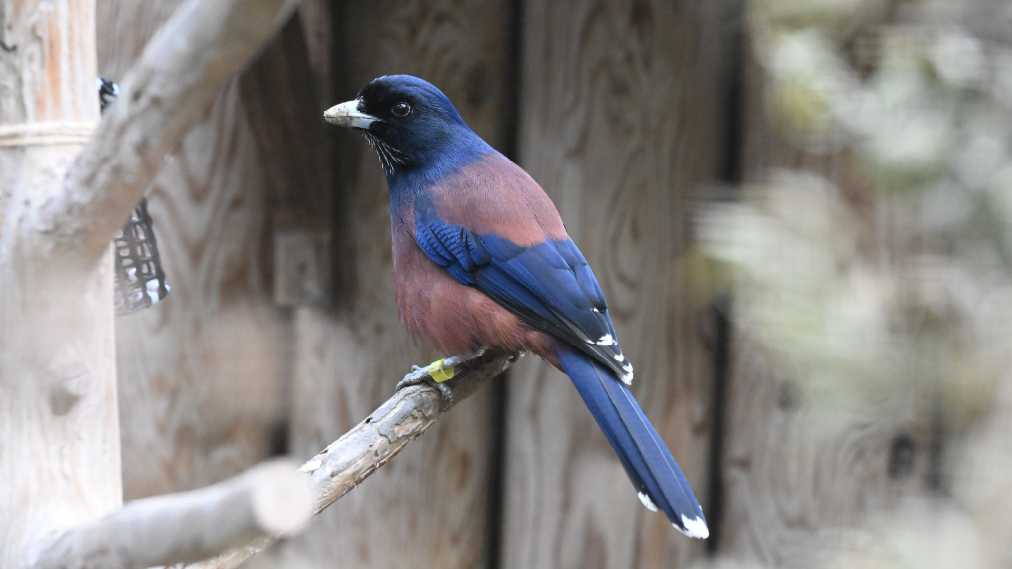
This is an endemic species of Japan, found only on a limited number of islands near the Amami Islands in Kagoshima Prefecture. It is a member of the crow family, but is about the same size as a pigeon and has beautiful blue feathers, as its name "Ruri" (lapis lazuli) suggests. It is omnivorous, eating small animals and chestnuts and oaks. The breeding season is from February to April, when it builds nests in tree hollows and lays around four eggs. Outside of the breeding season, it lives in flocks.
| classification | Aves, Passeriformes, Corvidae |
|---|---|
| English name | Lidth's Jay |
| distribution | Amami Oshima, Kakeroma Island, Ukejima, and Edateku Island in the Amami Islands, Kagoshima Prefecture |
| Residence | Secondary evergreen broadleaf forests (sometimes found in farmlands and on coasts) |
| Size |
Total length: approx. 38cm
Weight: Approximately 170-200g |
| food | Omnivorous, feeding on acorns, fruit, insects, hermaphrodite reptiles, and small mammals |
| Red List |
IUCN: LC (Least Concern)
|
What are you doing digging in the soil?
In the wild, animals bury acorns in the ground in the fall to prepare for winter when food becomes scarce. Even in zoos, we often see animals burying acorns in the ground or digging them up to eat.
Ex situ conservation of Lidth's Jay
In 1993, the Ministry of the Environment designated it as a rare domestic wild animal and plant species, but thanks to the eradication of its natural enemy, the invasive Javan mongoose, its population recovered and it was removed from the list in 2008. However, to prevent a similar incident from happening again, Ueno Zoo has been working to breed it in captivity as part of its ex-situ conservation efforts since 2009.