

Zoo Stock Species and the Red List
Zoo Stock Species and the Red List
Zoo Stock

This indicates that the species is included in the Second Zoo Stock Plan, which was formulated by the Tokyo Metropolitan Government in 2018. The plan sets goals for the next 10 years in three areas: "species conservation," "contribution to wildlife conservation," and "environmental education and conservation awareness." 124 animal species are included.
What is the Red List?
Based on scientific research, this is a list of wildlife classified by rank (category) indicating the degree of risk of extinction.
Livng Things Encyclopedia shows the categories (mainland and islands) assessed by the IUCN (International Union for Conservation of Nature) at the global level, the Ministry of the Environment for Japan, and the Tokyo Metropolitan Government for Tokyo.
The higher the category in each table, the higher the risk of extinction, and CR, EN, and VU are the three categories known as "endangered species." In Tokyo, species that are not at the NT (near threatened) level but are relatively rare are considered "species of concern."
|
IUCN categories |
|
|---|---|
|
EX |
extinction |
|
EW |
Extinction in the wild |
|
CR+EN |
— |
|
CR |
Serious crisis |
|
EN |
crisis |
|
VU |
emergency |
|
NT |
Near Threatened |
|
LC・○ |
Low Concern |
|
DD |
Data shortage |
|
LP |
— |
|
Japan (Ministry of the Environment) Category |
|
|---|---|
|
EX |
extinction |
|
EW |
Extinction in the wild |
|
CR+EN |
Endangered species |
|
CR |
Critically Endangered |
|
EN |
Endangered species |
|
VU |
Endangered species |
|
NT |
Near Threatened |
|
LC・○ |
— |
|
DD |
Lack of information |
|
LP |
Endangered |
|
Tokyo Category |
|
|---|---|
|
EX |
extinction |
|
EW |
Extinction in the wild |
|
CR+EN |
Endangered species |
|
CR |
Critically Endangered |
|
EN |
Endangered species |
|
VU |
Endangered species |
|
NT |
Near Threatened |
|
LC・○ |
Unranked |
|
DD |
Lack of information |
|
LP |
Endangered |
Creatures at Ueno Zoo
Creatures at Ueno Zoo

De Brazza's Monkey
De Brazza's Monkey
Cercopithecus neglectus
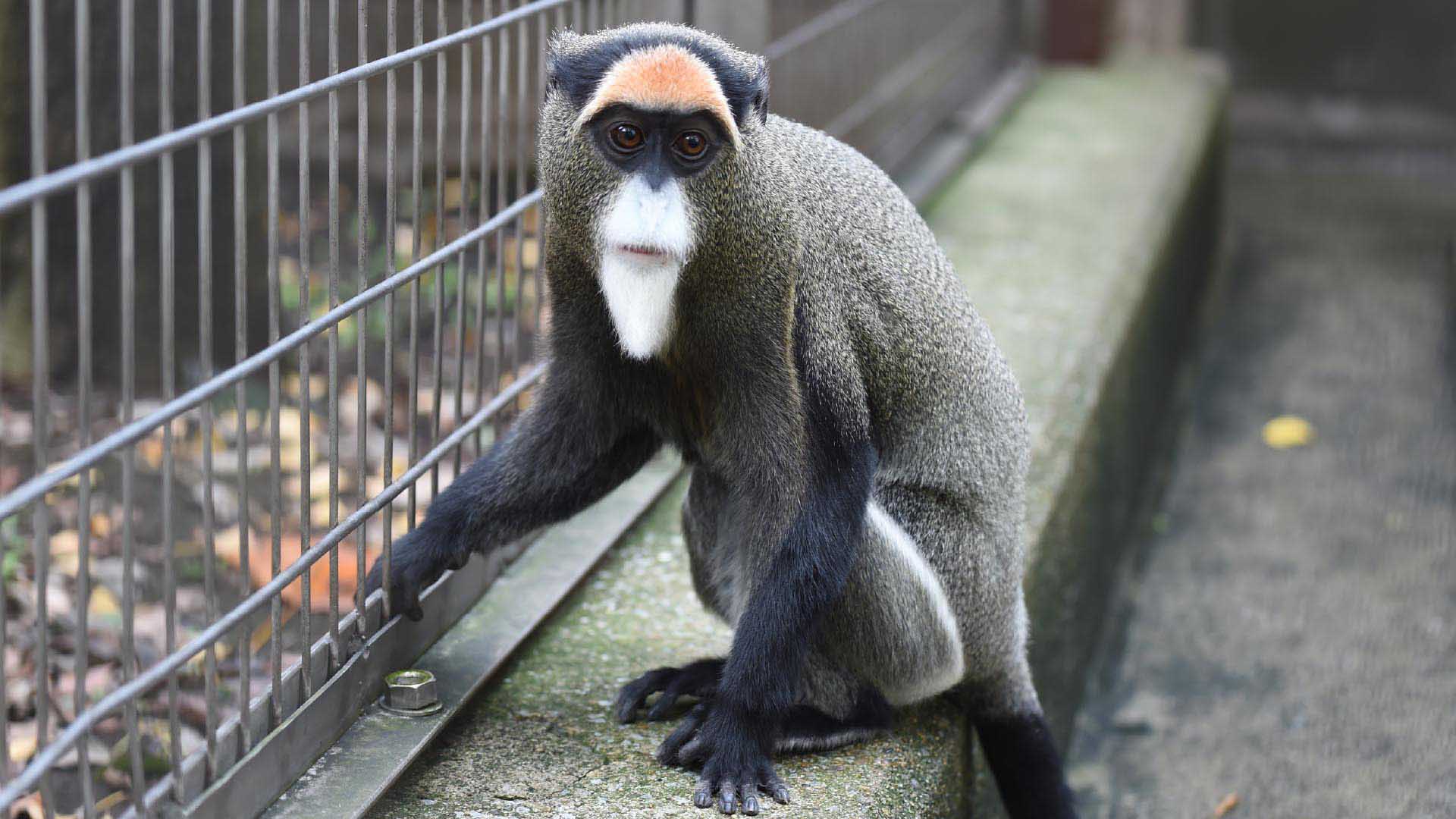
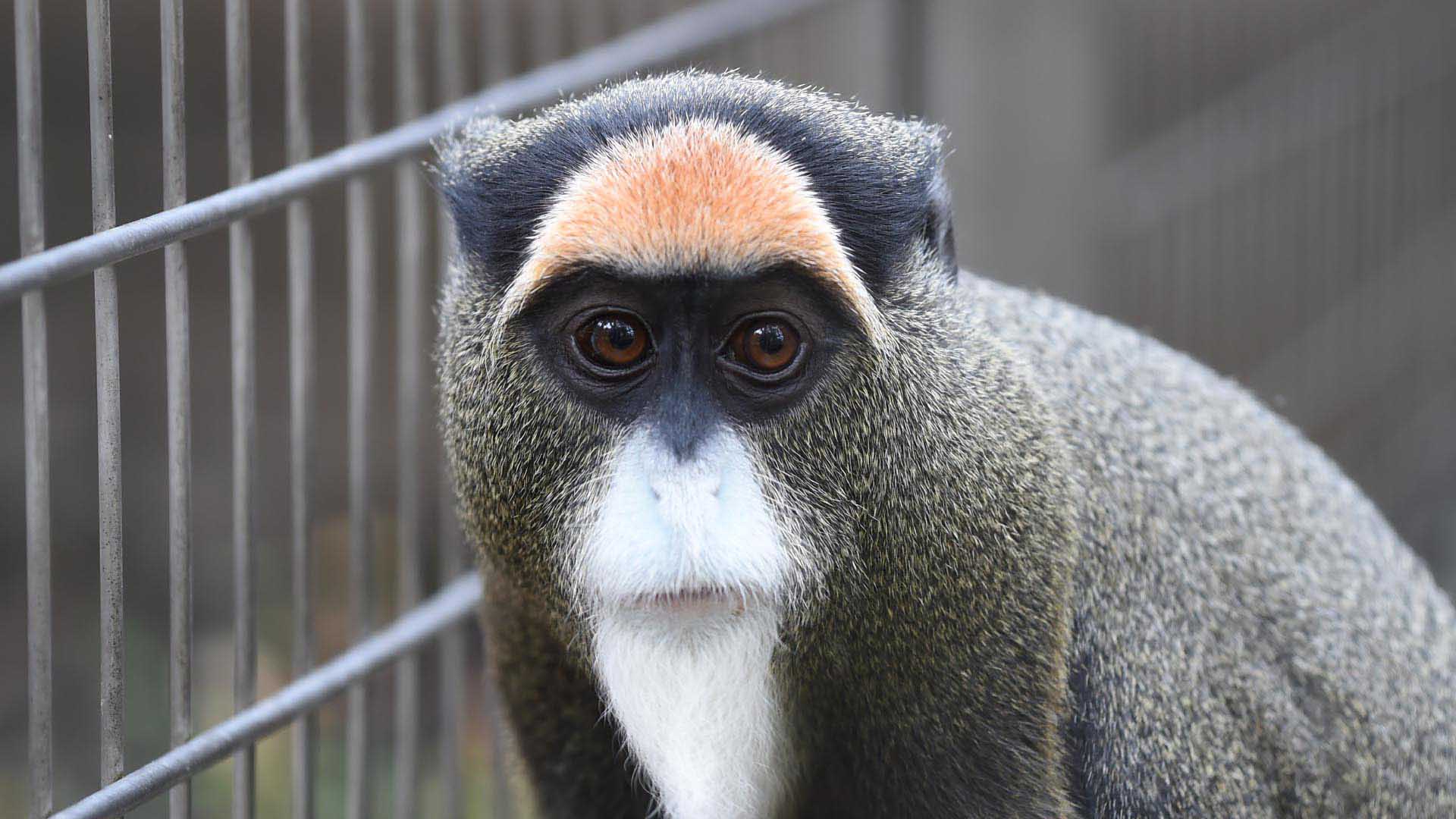
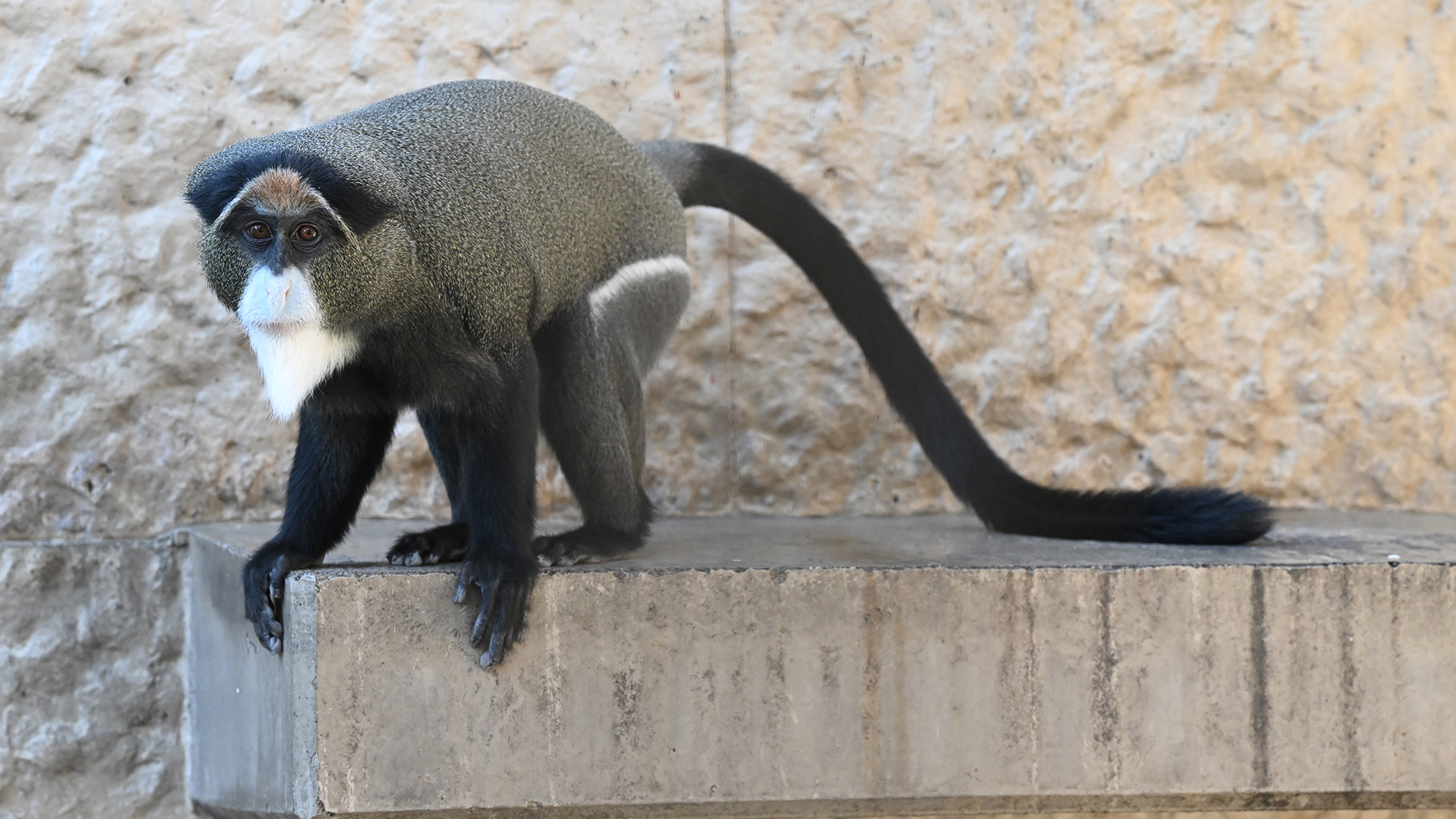
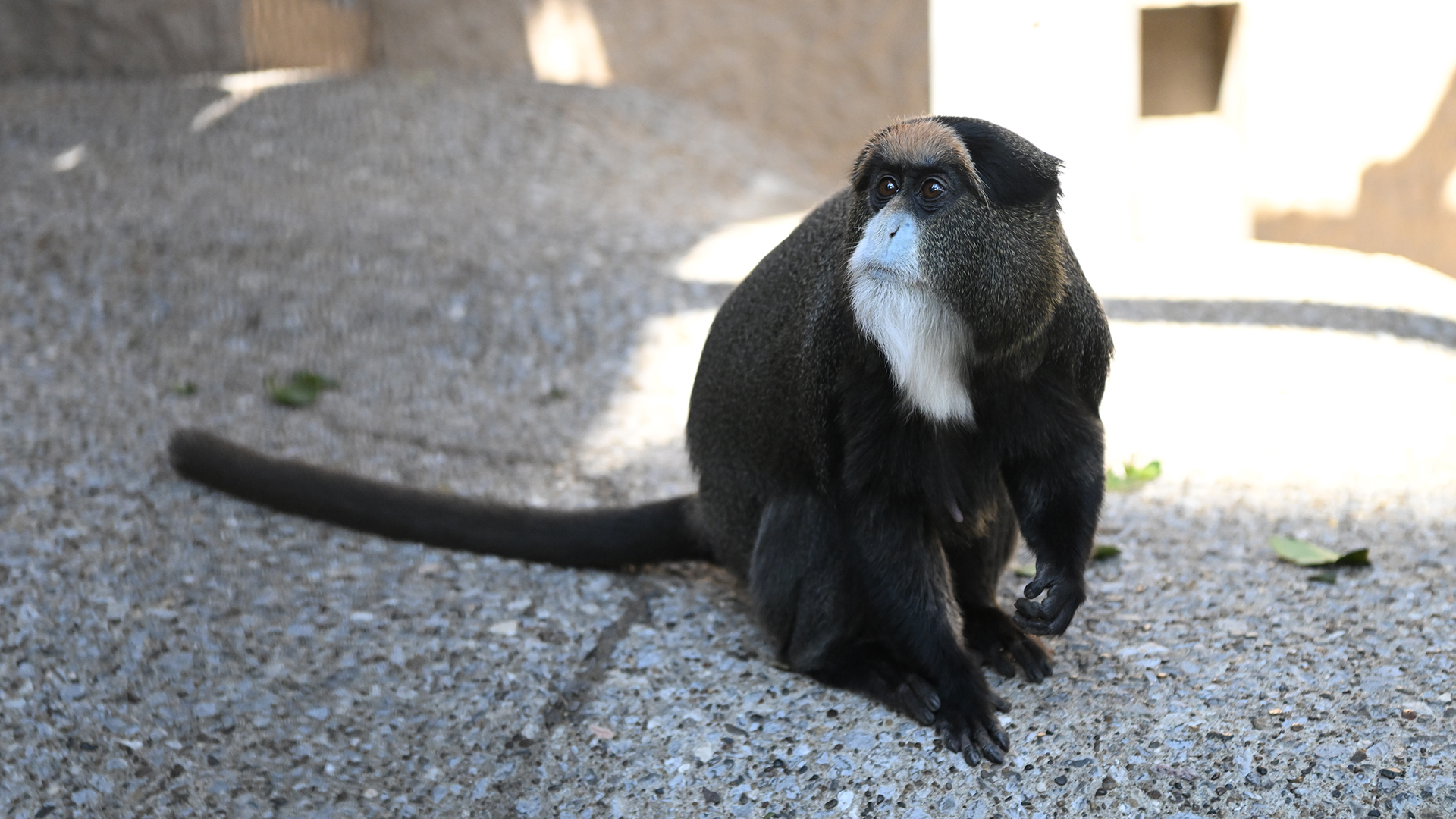
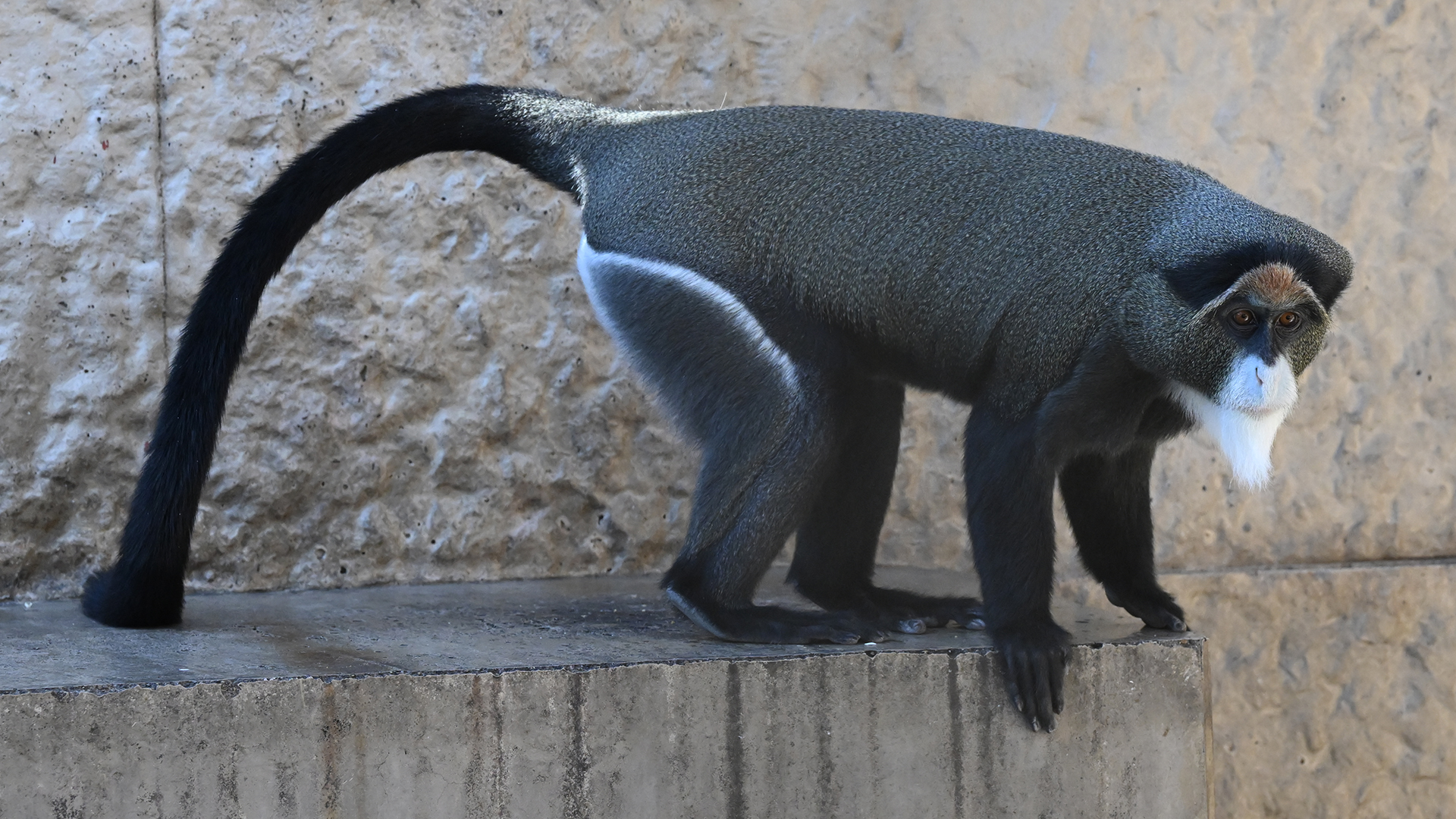
They are characterized by their long white whiskers and orange hair on their foreheads. They are also very beautiful monkeys, with light blue noses and even bluer testicles in the males. They live in small groups consisting of male-female pairs and their young.
| classification | Mammalia, Primates, Azure-winged Magpie |
|---|---|
| English name | De Brazza's Monkey |
| distribution | Tropical rainforests of Central and East Africa (northeastern Angola, Cameroon, Equatorial Guinea (Rio Muni), Gabon, Congo, Central African Republic, Democratic Republic of the Congo, Uganda, Kenya, South Sudan, southwestern Ethiopia) |
| Residence | Riverside forests |
| Size |
Head torso length: 40-63.5cm
Weight: Males up to 7kg, females about 4kg |
| food | They mainly eat fruit, but also eat plant leaves, flowers, mushrooms, beetles, termites and other insects. |
| Red List |
IUCN: LC (Least Concern)
|