

Zoo Stock Species and the Red List
Zoo Stock Species and the Red List
Zoo Stock
This indicates that the species is included in the Second Zoo Stock Plan, which was formulated by the Tokyo Metropolitan Government in 2018. The plan sets goals for the next 10 years in three areas: "species conservation," "contribution to wildlife conservation," and "environmental education and conservation awareness." 124 animal species are included.
What is the Red List?
Based on scientific research, this is a list of wildlife classified by rank (category) indicating the degree of risk of extinction.
Livng Things Encyclopedia shows the categories (mainland and islands) assessed by the IUCN (International Union for Conservation of Nature) at the global level, the Ministry of the Environment for Japan, and the Tokyo Metropolitan Government for Tokyo.
The higher the category in each table, the higher the risk of extinction, and CR, EN, and VU are the three categories known as "endangered species." In Tokyo, species that are not at the NT (near threatened) level but are relatively rare are considered "species of concern."
|
IUCN categories |
|
|---|---|
|
EX |
extinction |
|
EW |
Extinction in the wild |
|
CR+EN |
— |
|
CR |
Serious crisis |
|
EN |
crisis |
|
VU |
emergency |
|
NT |
Near Threatened |
|
LC・○ |
Low Concern |
|
DD |
Data shortage |
|
LP |
— |
|
Japan (Ministry of the Environment) Category |
|
|---|---|
|
EX |
extinction |
|
EW |
Extinction in the wild |
|
CR+EN |
Endangered species |
|
CR |
Critically Endangered |
|
EN |
Endangered species |
|
VU |
Endangered species |
|
NT |
Near Threatened |
|
LC・○ |
— |
|
DD |
Lack of information |
|
LP |
Endangered |
|
Tokyo Category |
|
|---|---|
|
EX |
extinction |
|
EW |
Extinction in the wild |
|
CR+EN |
Endangered species |
|
CR |
Critically Endangered |
|
EN |
Endangered species |
|
VU |
Endangered species |
|
NT |
Near Threatened |
|
LC・○ |
Unranked |
|
DD |
Lack of information |
|
LP |
Endangered |
Creatures at Ueno Zoo
Creatures at Ueno Zoo
Aardvark
Aardvark
Orycter opus afer
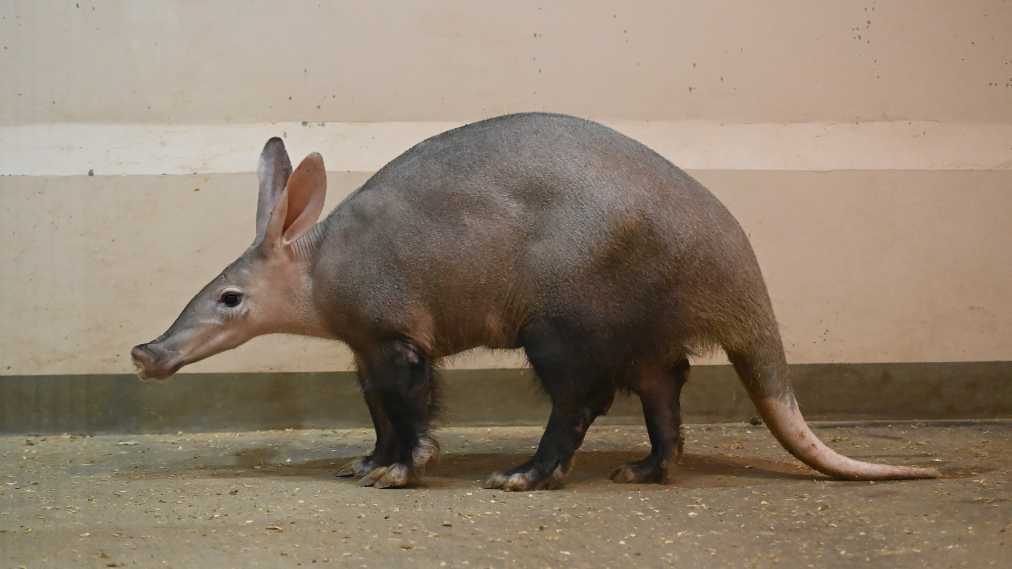
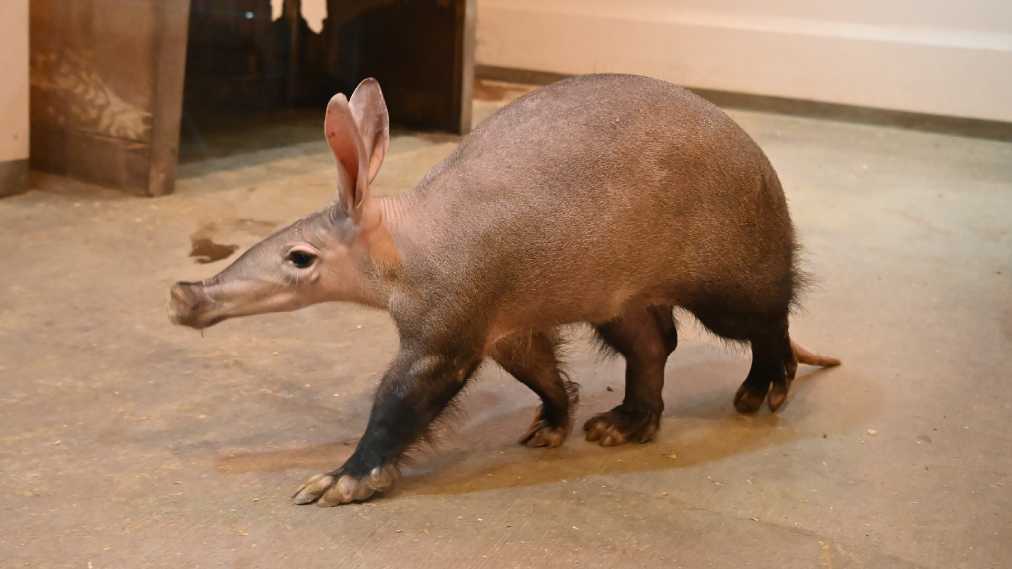
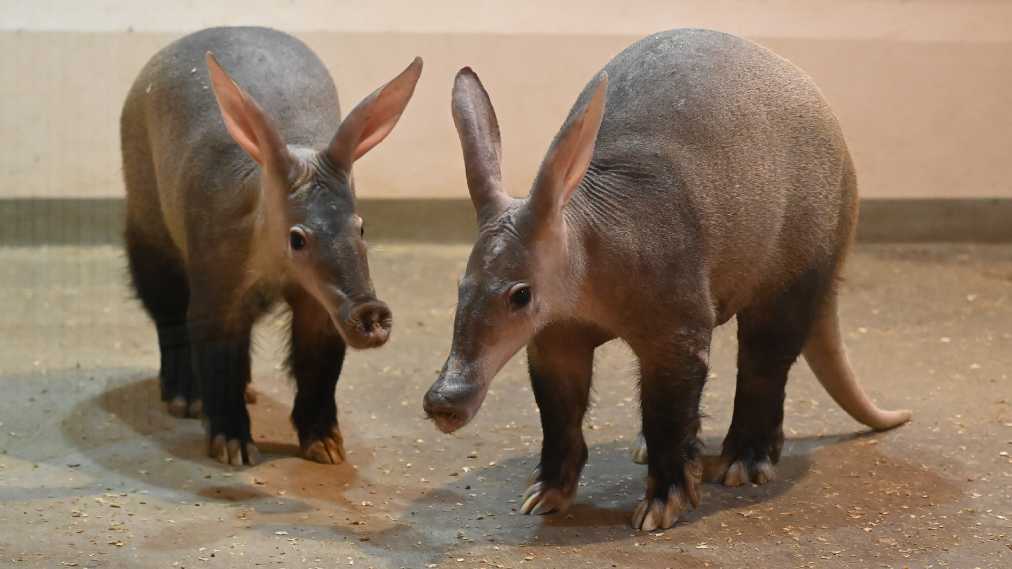
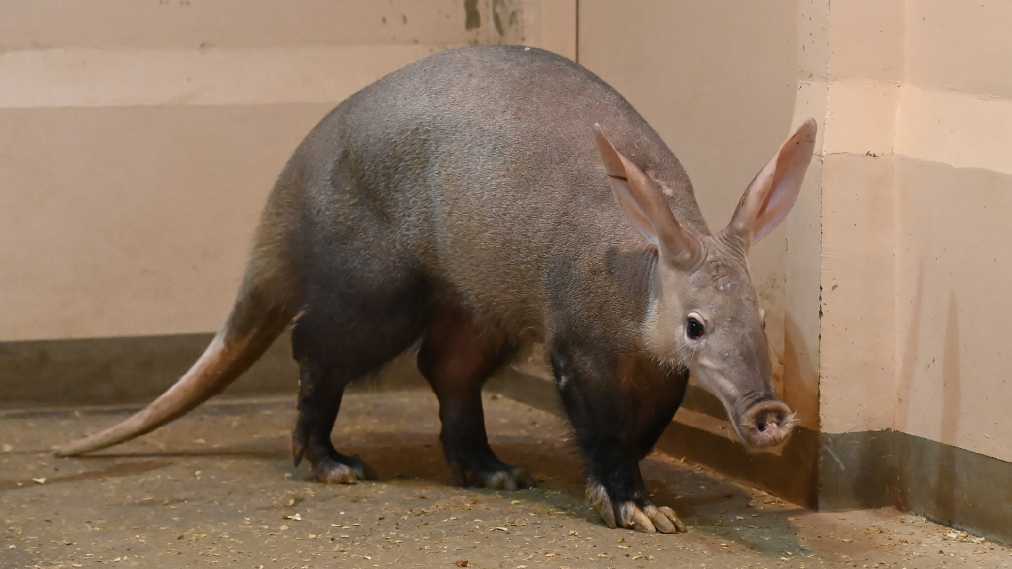
Despite its name, Domestic Pig is completely unrelated to Domestic Pig and is the only animal belonging to the order Tubulodontida, a primitive ungulate. It lacks incisors and canines, and its molars are made up of tubular structures that continue to grow throughout its life. It is nocturnal, uses its strong claws to dig burrows, and licks up ants and termites with its long, sticky tongue. It may walk several kilometers to tens of kilometers in a single night in search of food.
| classification | Mammalia, Tubulodontidae, Aardvark |
|---|---|
| English name | Aardvark |
| distribution | Most of sub-Saharan Africa |
| Residence | Eurasian Moorhen, dry grassland, semi-arid land, sparse forest, etc. |
| Size |
Head torso length: 100cm to 158cm
Weight: 40-100kg Shoulder height: 60-65cm Tail length: Approximately 70 cm Ear length: 15-21cm Tongue length: approx. 30cm |
| food | Ants, termites |
| Red List |
IUCN: LC (Least Concern)
|