

Introducing Emu observation spots
November 4, 2026
Children's Zoo STEP at Ueno Zoo Zoo features Emu exhibit. Emu is the second largest living bird in the world, after the ostrich. It has many fascinating characteristics, but here are three points of interest.
1. wings
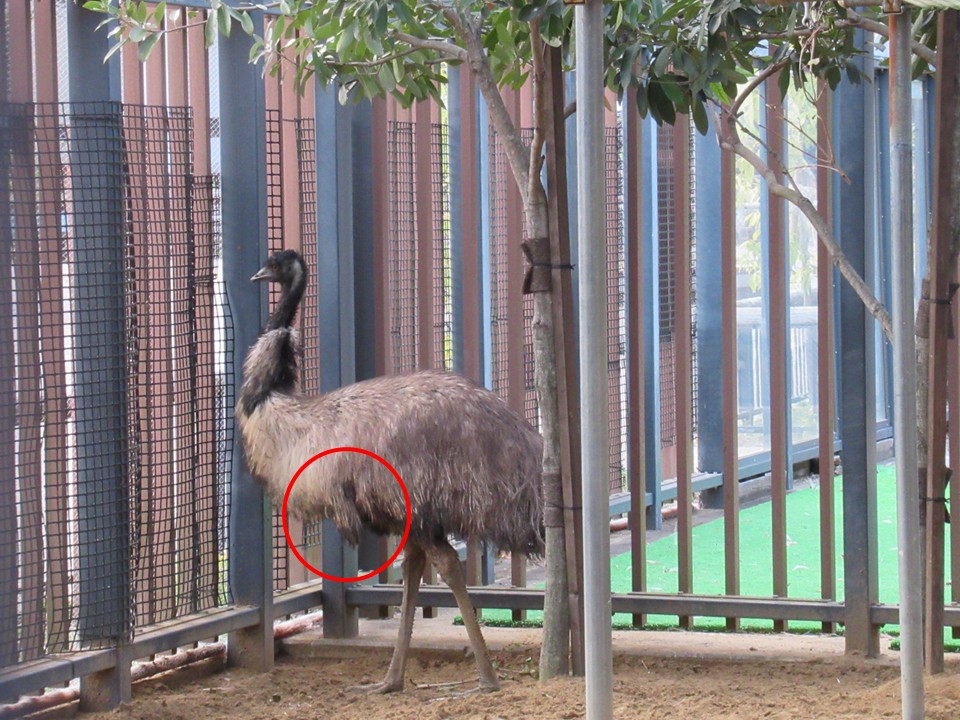
Emu are famous for being flightless birds with very small, vestigial wings, but do you know where their wings are and how big they are? In the photo below, the small things sticking out in front of their feet are their wings, and they are about 20 cm long.
2. Feet
Their legs, unusually thick and strong for a bird, provide powerful kicks that are useful for self-defense. They are also excellent runners, reportedly reaching speeds of up to 50 km/h. This allows them to escape predators and travel over wide areas in search of food. This is why they are considered a species of bird specialized for ground life rather than aerial flight.
3. Feather
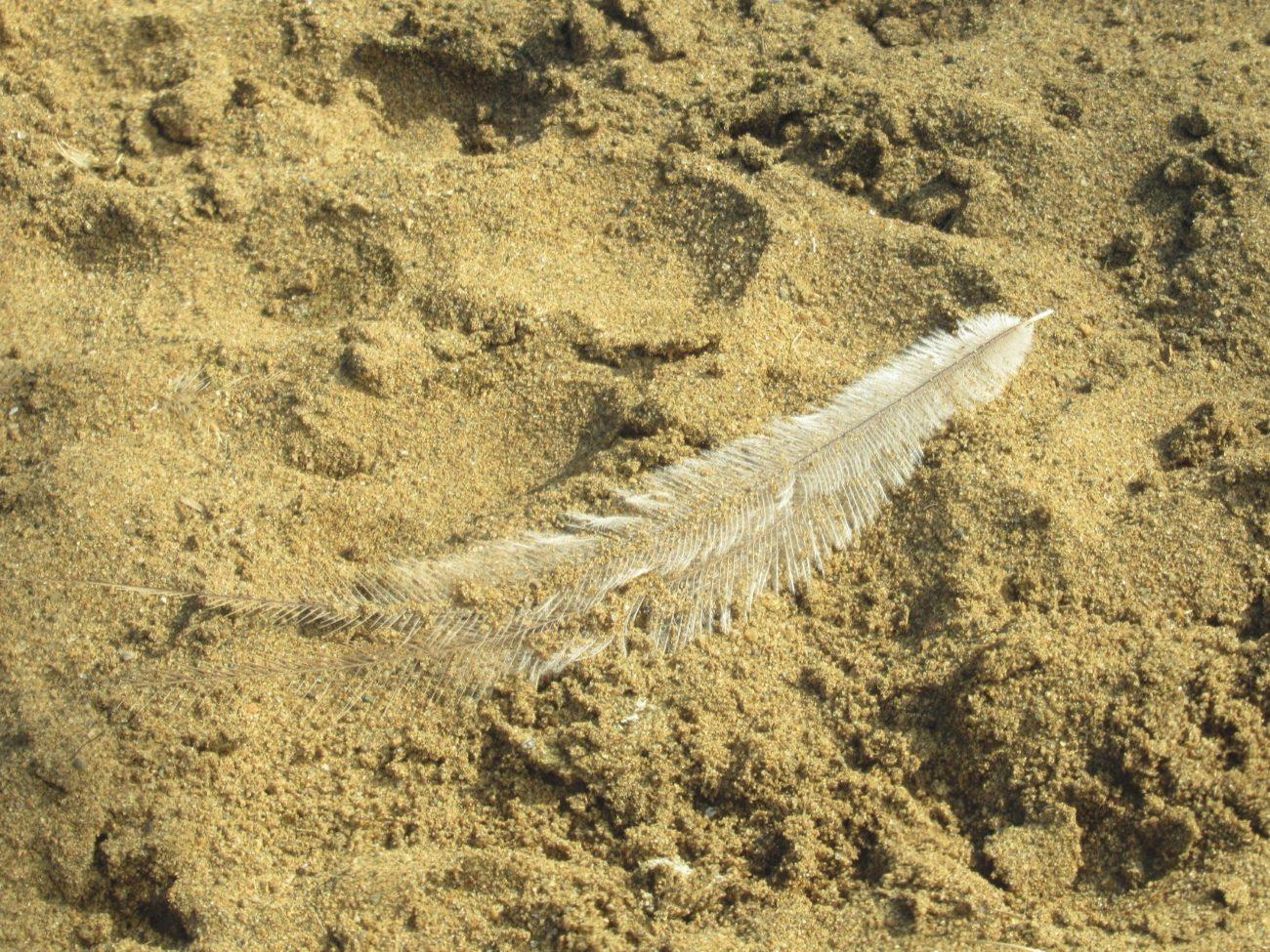
You may sometimes find whitish Emu feathers lying around in the enclosure. If you look closely at these feathers, you'll see that they split into two from a single feather shaft. The hind feathers, which are the "second feathers" that grow from the base of the contour feathers, are almost the same length as the contour feathers. This is said to help protect the emu from the cold by preventing rain from directly touching its body.
Not just Emu, but all living things have fascinating characteristics. As a result of each species evolving to adapt to its respective living environment, a wide variety of creatures inhabit the Earth.
As Misuzu Kaneko's poem says, "Everyone is different, and everyone is good," so try observing various animals, discovering the wonderful qualities of each, and reflecting on biodiversity.
[Ueno Zoo Children's Zoo Staff]