

Support activities for ex-situ conservation of the White-bellied Heron
April 30, 2026
The White-bellied Heron (Ardea insignis) is an extremely rare heron found only in Bhutan, India, and Myanmar. It is the second largest heron species in the world, and its population is estimated to be fewer than 60 individuals.
It is estimated that around 30 of these birds, or 90% of breeding-capable pairs, inhabit Bhutan. For this reason, the Royal Society for Nature Conservation of Bhutan (RSPN) began conservation activities in 2003, and in 2021 built a White-bellied Heron Conservation Center in Chilang District to work on ex-situ conservation.
Tokyo Zoological Park Society, which manages and operates Ueno Zoo, is working with the RSPN to provide technical support for the ex-situ conservation of the White-bellied Heron in Bhutan as part of Wildlife Conservatio Center 's conservation project, "Technical Support for Ex-situ Conservation of the White-bellied Heron." This project involves the entire Tokyo Metropolitan Zoo and Aquarium community working together with the RSPN.
In terms of specific activities, since 2024, we have been conducting animal husbandry training for RSPN staff when they visit Japan, and our staff have also been traveling to Bhutan to provide technical guidance in areas such as animal husbandry management and veterinary clinical practice. This article reports on the support activities carried out in January 2026 by three staff members from Tokyo Zoological Park Society and one staff member from the Hyogo Prefectural Stork Sanctuary Park.
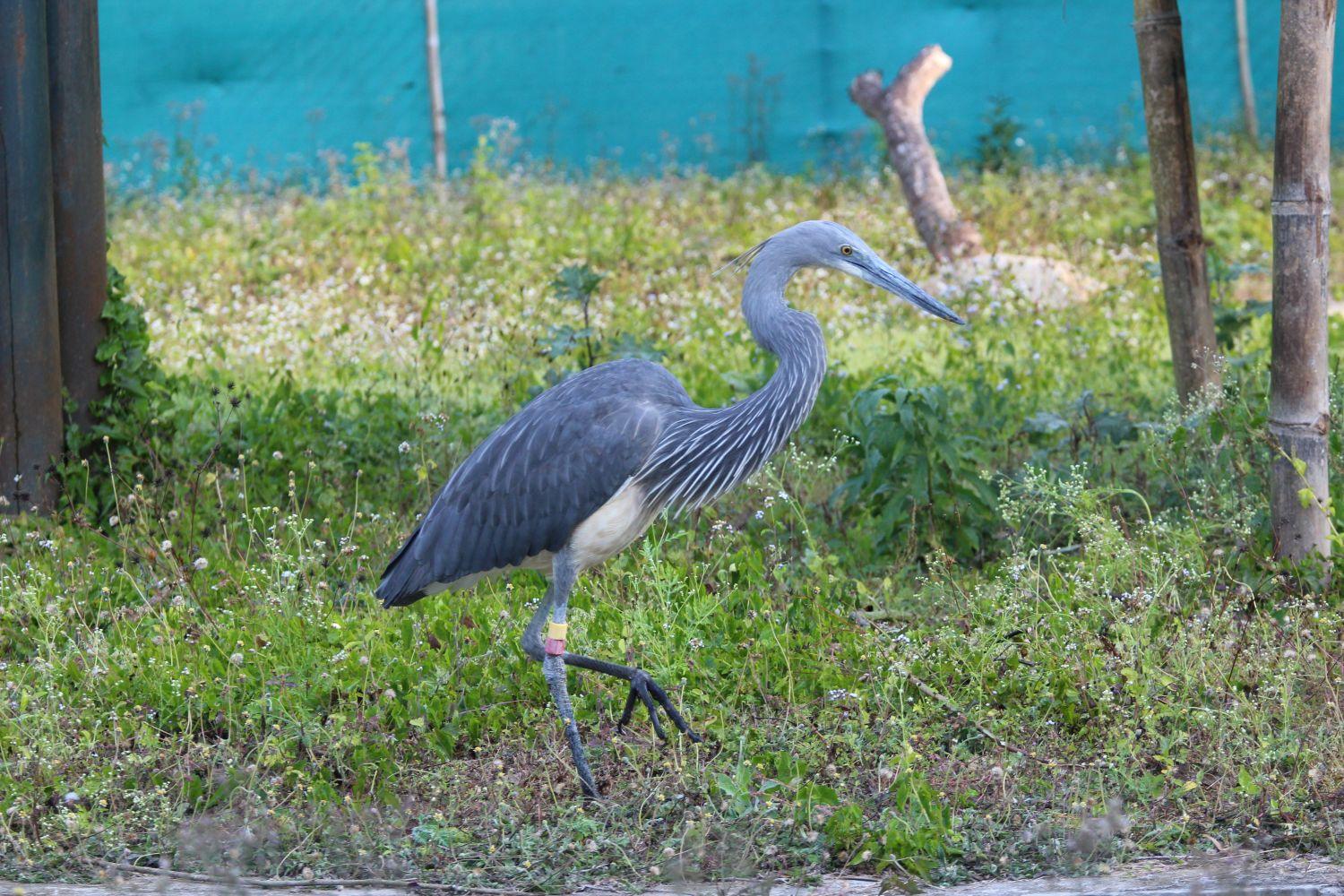
The RSPN breeding facility is a six-hour drive from the capital city of Thimphu. Even residents in the surrounding area do not have easy access to fish (including frozen fish).
Therefore, to feed the white-bellied herons, we kept four types of freshwater fish purchased from a fish farm in a pond on the premises. We then caught these fish with a cast net and fed them to the herons as needed. However, this resulted in inconsistent types and sizes of fish being eaten, making it impossible to maintain a consistent quality and quantity of food.
As a solution, we decided to freeze some of the fish purchased from the aquaculture farm. By preserving four different types and sizes of freshwater fish uniformly and feeding them together with live fish caught with a cast net, we were able to stabilize the quality and quantity of feed.
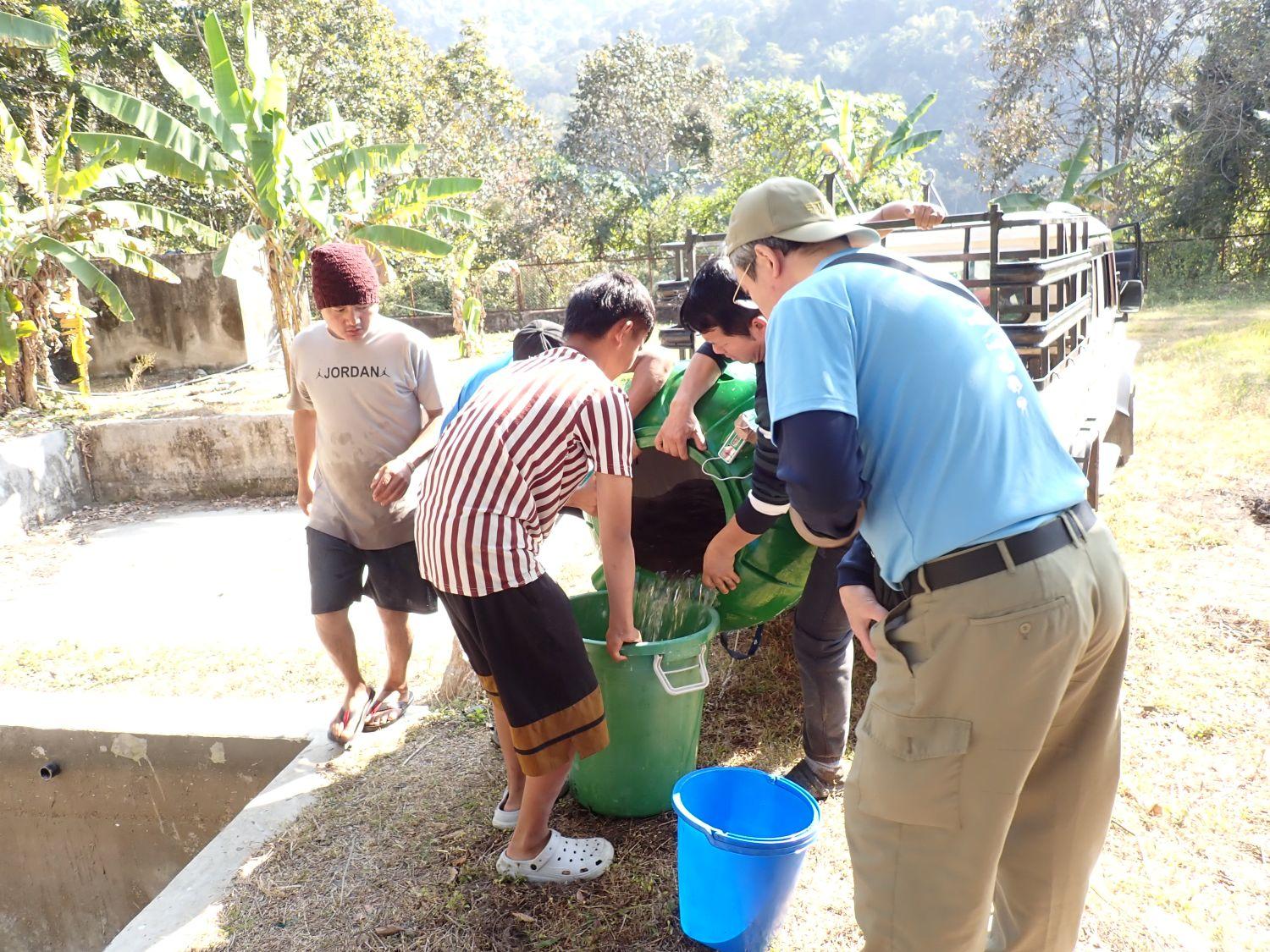
When purchasing farmed fish, RSPN staff would go to the farms to catch the fish and transport them in special tanks, but there was a problem with the fish dying along the way. To transport the fish from the farms without causing them stress, we brought air pumps and water thermometers from Japan and accompanied staff to the farms to teach them how to transport the fish properly.
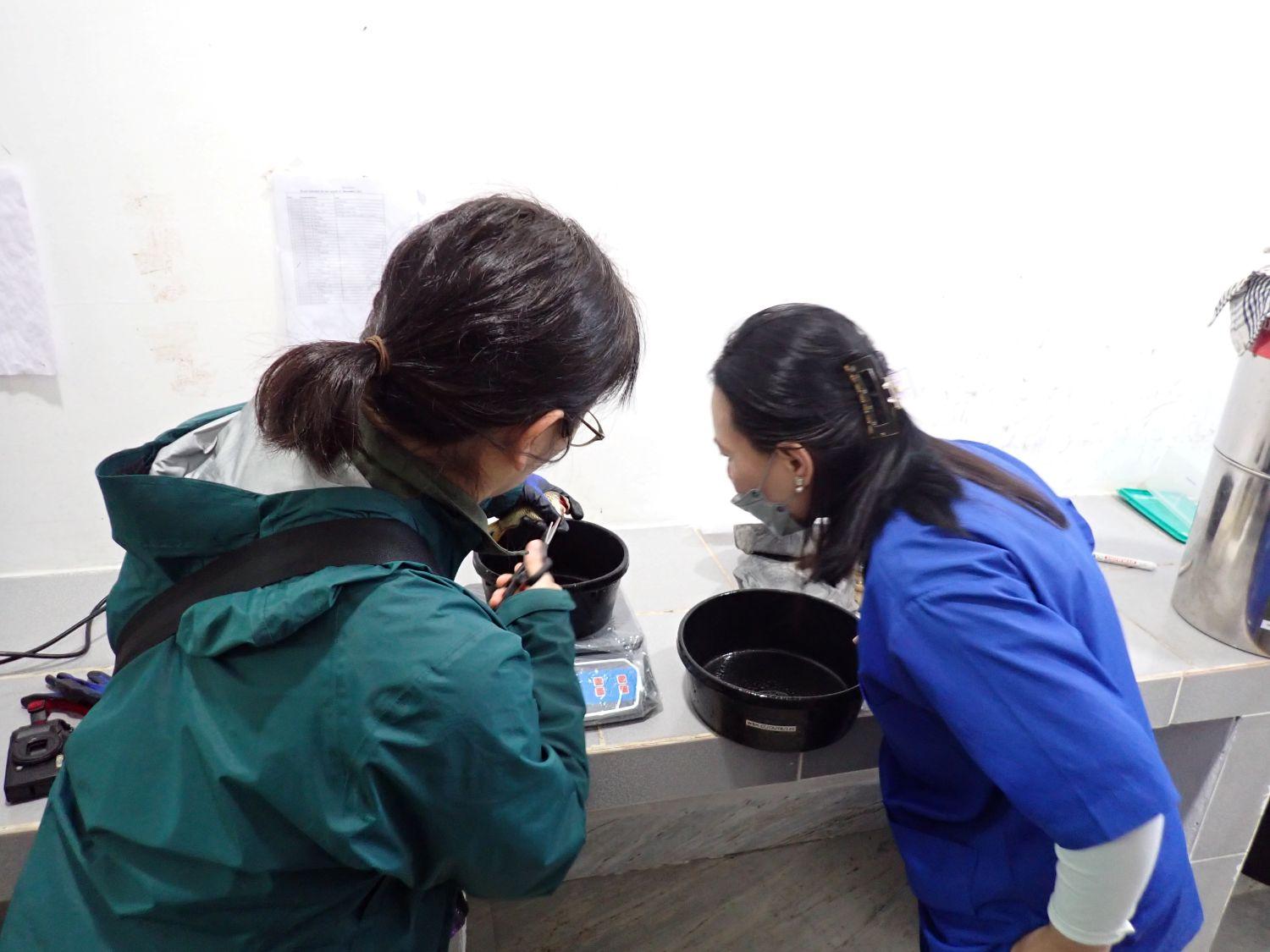
Understanding the nutritional status of animals being raised requires proper weight management through appropriate feeding. Until now, RSPN had only measured the weight of animals when there was an opportunity to capture them, and had not conducted regular weight measurements.
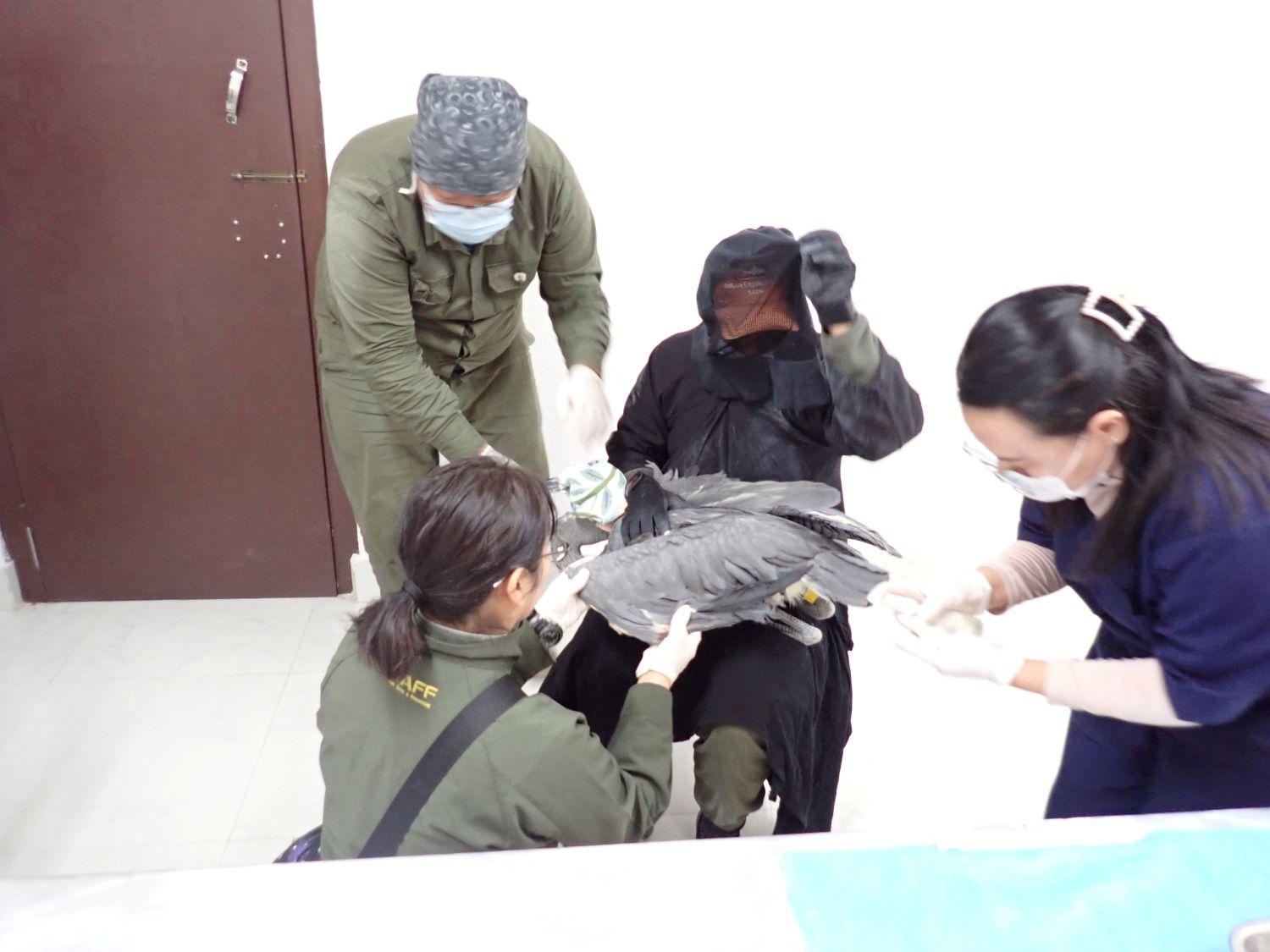
Therefore, as a way to measure the weight of the white-bellied herons without causing them stress, we taught them how to install a scale at the feeding area and monitor their weight remotely. In addition, we explained how to accurately check their health status, using an individual that had been rescued with a fracture as an example.
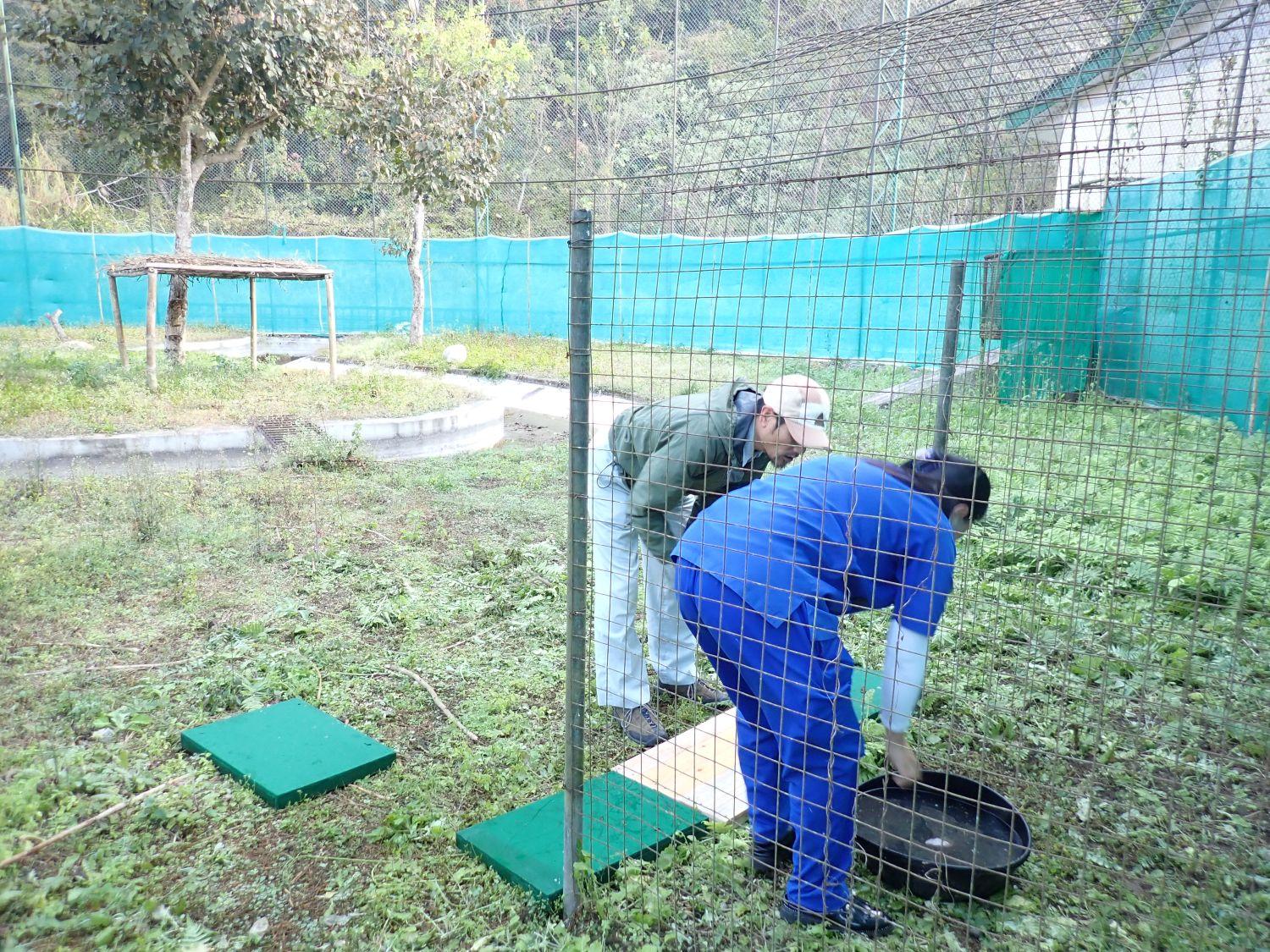
Currently, no white-bellied herons are kept in Japanese zoos, but we can contribute to the conservation of this endangered species by utilizing the various technologies that Japanese zoos and aquariums have cultivated over the years. We plan to continue cooperating with RSPN to provide technical support for conservation efforts.
[Ueno Zoo Animal Care and Exhibition Division, East Garden Animal Care and Exhibition Section]