

Conservation efforts
Conservation efforts in China
Conservation efforts in China
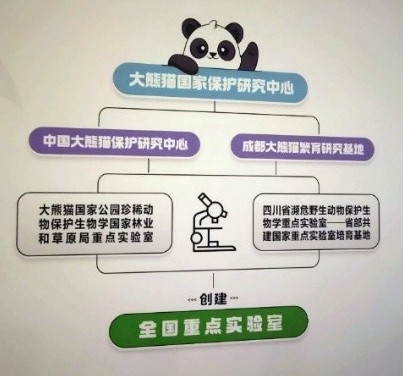
In 2023, China merged major research institutions to launch the National Conservation and Research Center for Giant Panda, aiming to further strengthen Giant Panda conservation efforts. This is the highest oversight organization for conservation and research, established directly under the State Forestry and Grassland Administration, the central government agency responsible for forest and wildlife protection in China.
The two major organizations that are overseen here are 1. the China Conservation and Research Center Giant Panda (CCRCGP) and 2. the Chengdu Research Base Giant Panda Breeding. In China, various conservation activities, including Giant Panda conservation research, are organized at the national level, and the country is also working to conserve Giant Panda in cooperation with other countries around the world.
Its main role is to protect the wild population, not just by increasing the number of Giant Panda, but also by training them to survive on their own before being released back into the mountains. It also leads collaborative research with countries around the world. It has bases in Wolong Shenshuping, Wolong Hetaoping, Dujiangyan, and Ya'an, and a new base, Mianyang, was opened in November 2025.
Its main role is to improve breeding techniques in captivity and to disseminate and educate the public about science. As it is located within Chengdu city, it not only serves as a research facility, but also has a large area open to the public, and plays a major role in education and public awareness (tourism).
Introduction of Giant Panda to Ueno Zoo
Introduction of Giant Panda to Ueno Zoo
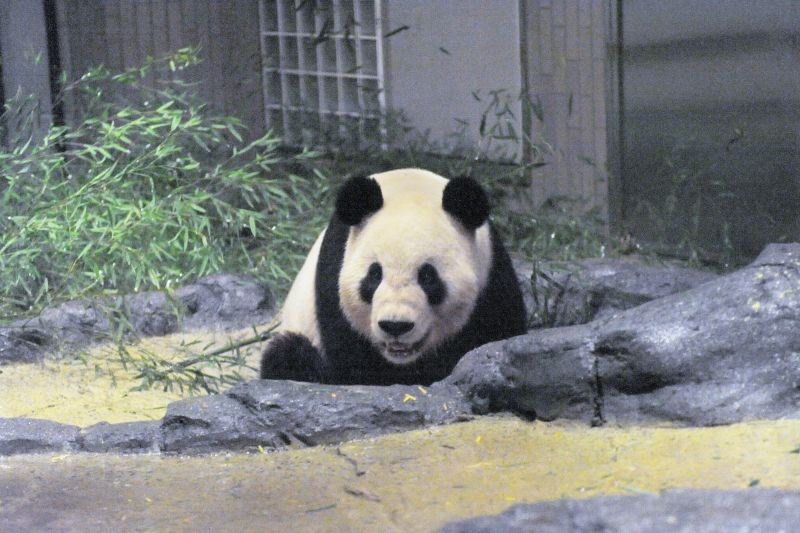
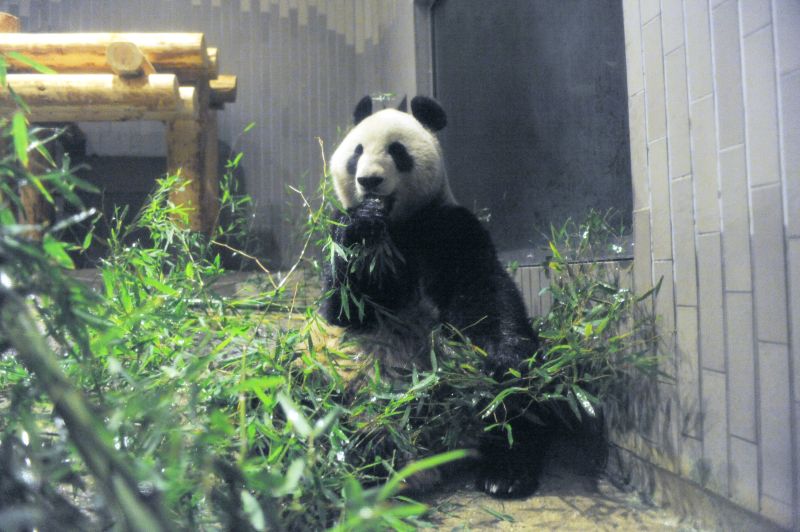
In 1972, Ueno Zoo became the first in Japan to raise Giant Panda. At that time, two Giant Panda were gifted to Japan from China to commemorate the "normalization of diplomatic relations between Japan and China." Furthermore, on milestones such as the 10th and 20th anniversaries, Giant Panda were gifted or exchanged between Japan and China. Ueno Zoo worked to breed each of Giant Panda, and starting with Japan's first baby in 1885, three cubs had been born by 1988.
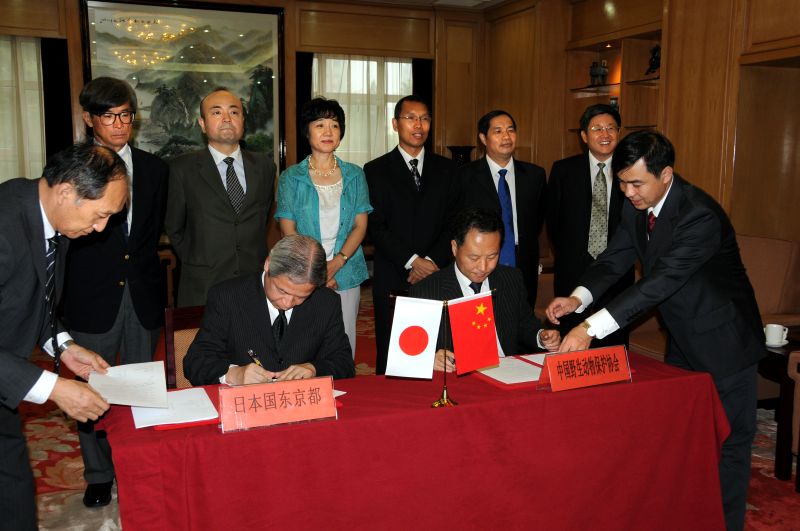
In 2010, the Tokyo Metropolitan Government and the China Wildlife Conservation Society signed a cooperation agreement to jointly advance the Giant Panda Breeding Research Project, with the aim of promoting Giant Panda conservation, contributing to the further development of wildlife conservation efforts in China, and increasing understanding of the natural environment and wildlife conservation. Based on this agreement, two Giant Panda were loaned to Ueno Zoo from the China Giant Panda Conservation and Research Center in 2011. Ueno Zoo worked on this project in collaboration with China, successfully raising three cubs. As stipulated in the agreement, all Giant Panda will be returned to China by January 2026.
Conservation efforts at Ueno Zoo
① Breeding
Conservation efforts at Ueno Zoo
① Breeding
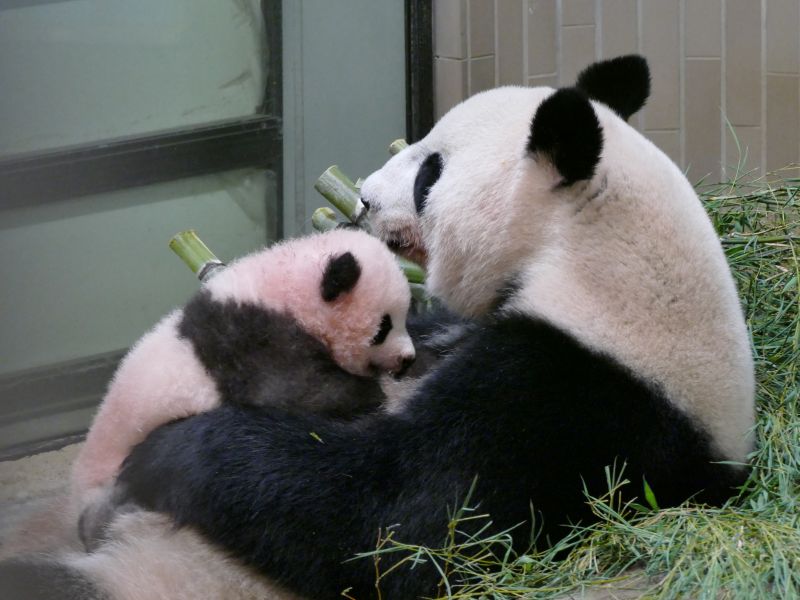
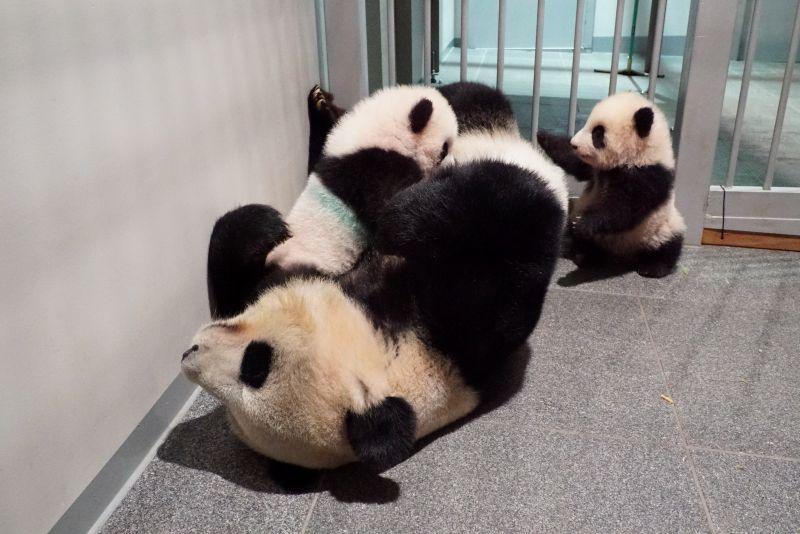
Ueno Zoo began raising Kang Kang and Ran Ran in 1972. In 1979, Ran Ran became pregnant through natural mating, but unfortunately died during the pregnancy. After that, efforts were made with Fei Fei and Huan Huan, and in 1985, Japan's first successful breeding was achieved through artificial insemination. Unfortunately, the first baby died three days after birth, but breeding was again successful in 1986 and 1988, also through artificial insemination. Both of these babies grew up healthy.
Ton Ton was born in 1986, and efforts to breed him with Ling Ling, who arrived at the zoo in 1992, were unsuccessful, even with artificial insemination. After Ton Ton's death, Ling Ling began cooperative breeding with Chapultepec Zoo in Mexico in 2001, but this also failed.
In 2011, Ri Ri and Xin Xin came to the zoo as part of the Giant Panda Breeding Research Project. Over the 13 years leading up to their return in September 2024, the two successfully mated three times and raised three cubs. The three cubs were then returned to China.
Conservation efforts at Ueno Zoo
②Research
Conservation efforts at Ueno Zoo
②Research
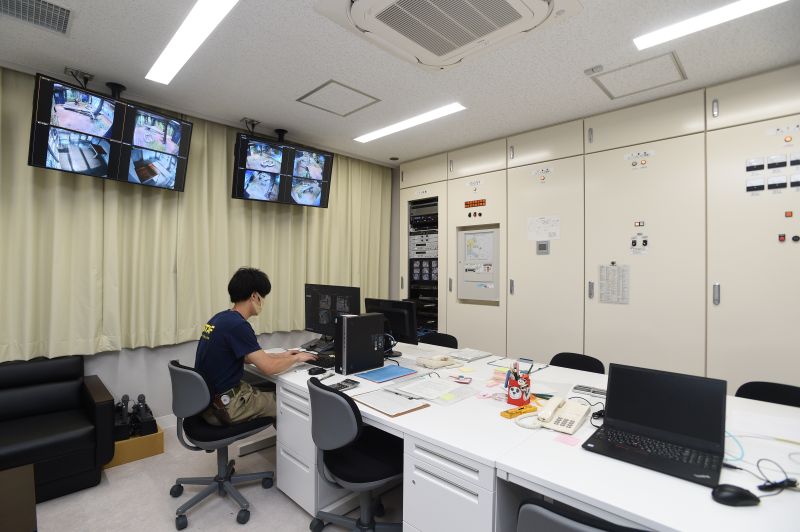


Through the breeding of Giant Panda, Ueno Ueno Zoo has conducted a variety of surveys and research, including research on captive breeding, disease prevention and treatment, and behavioral studies. The results of these surveys will be shared with the China Giant Panda Conservation and Research Center and will be used to help with future breeding and captivity, as well as the conservation of wild Giant Panda.
Conservation efforts at Ueno Zoo
③Public awareness raising
Conservation efforts at Ueno Zoo
③Public awareness raising

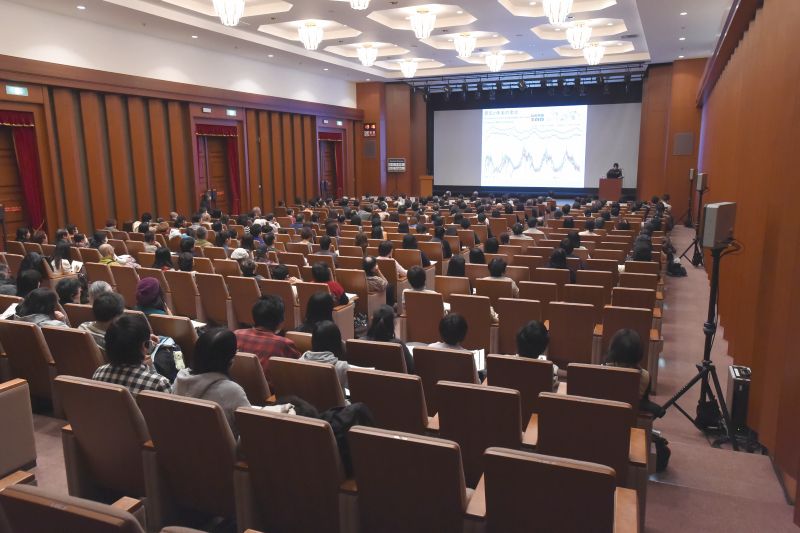
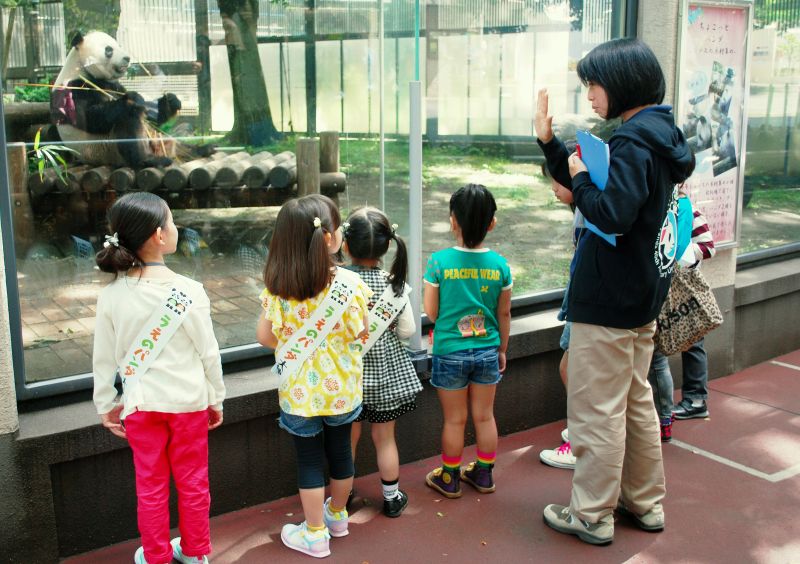
In order to conserve wild animals, it is very important to raise awareness among many people about the current situation of these animals in the wild and the efforts being made to protect them. Ueno Zoo has been working to raise awareness about Giant Panda through various means, including exhibiting Giant Panda, holding various events, distributing educational pamphlets, and posting on social media.
In addition, in 2011, we launched Giant Panda Conservation Support Fund and began selling donation products, creating opportunities for many people to directly support panda conservation. This fund was used to improve the environment in which Giant Panda are kept at Ueno Zoo, raise awareness, and fund conservation activities in China.
Looking ahead
Looking ahead


Ueno Zoo will continue its collaboration with the China Giant Panda Conservation and Research Center, with which it has strengthened its cooperative partnership since 2011, to continue Giant Panda conservation activities, in order to further develop the captive breeding techniques it has cultivated since 1972. Utilizing the know-how of both facilities, the two will cooperate in captive breeding research and disease prevention for Giant Panda, behavioral surveys, scientific outreach, educational activities, and more.