

Zoo Stock Species and the Red List
Zoo Stock Species and the Red List
Zoo Stock
This indicates that the species is included in the Second Zoo Stock Plan, which was formulated by the Tokyo Metropolitan Government in 2018. The plan sets goals for the next 10 years in three areas: "species conservation," "contribution to wildlife conservation," and "environmental education and conservation awareness." 124 animal species are included.
What is the Red List?
Based on scientific research, this is a list of wildlife classified by rank (category) indicating the degree of risk of extinction.
Livng Things Encyclopedia shows the categories (mainland and islands) assessed by the IUCN (International Union for Conservation of Nature) at the global level, the Ministry of the Environment for Japan, and the Tokyo Metropolitan Government for Tokyo.
The higher the category in each table, the higher the risk of extinction, and CR, EN, and VU are the three categories known as "endangered species." In Tokyo, species that are not at the NT (near threatened) level but are relatively rare are considered "species of concern."
|
IUCN categories |
|
|---|---|
|
EX |
extinction |
|
EW |
Extinction in the wild |
|
CR+EN |
— |
|
CR |
Serious crisis |
|
EN |
crisis |
|
VU |
emergency |
|
NT |
Near Threatened |
|
LC・○ |
Low Concern |
|
DD |
Data shortage |
|
LP |
— |
|
Japan (Ministry of the Environment) Category |
|
|---|---|
|
EX |
extinction |
|
EW |
Extinction in the wild |
|
CR+EN |
Endangered species |
|
CR |
Critically Endangered |
|
EN |
Endangered species |
|
VU |
Endangered species |
|
NT |
Near Threatened |
|
LC・○ |
— |
|
DD |
Lack of information |
|
LP |
Endangered |
|
Tokyo Category |
|
|---|---|
|
EX |
extinction |
|
EW |
Extinction in the wild |
|
CR+EN |
Endangered species |
|
CR |
Critically Endangered |
|
EN |
Endangered species |
|
VU |
Endangered species |
|
NT |
Near Threatened |
|
LC・○ |
Unranked |
|
DD |
Lack of information |
|
LP |
Endangered |
Creatures at Ueno Zoo
Creatures at Ueno Zoo

Ring-tailed Lemur
Ring-tailed Lemur
Lemur catta
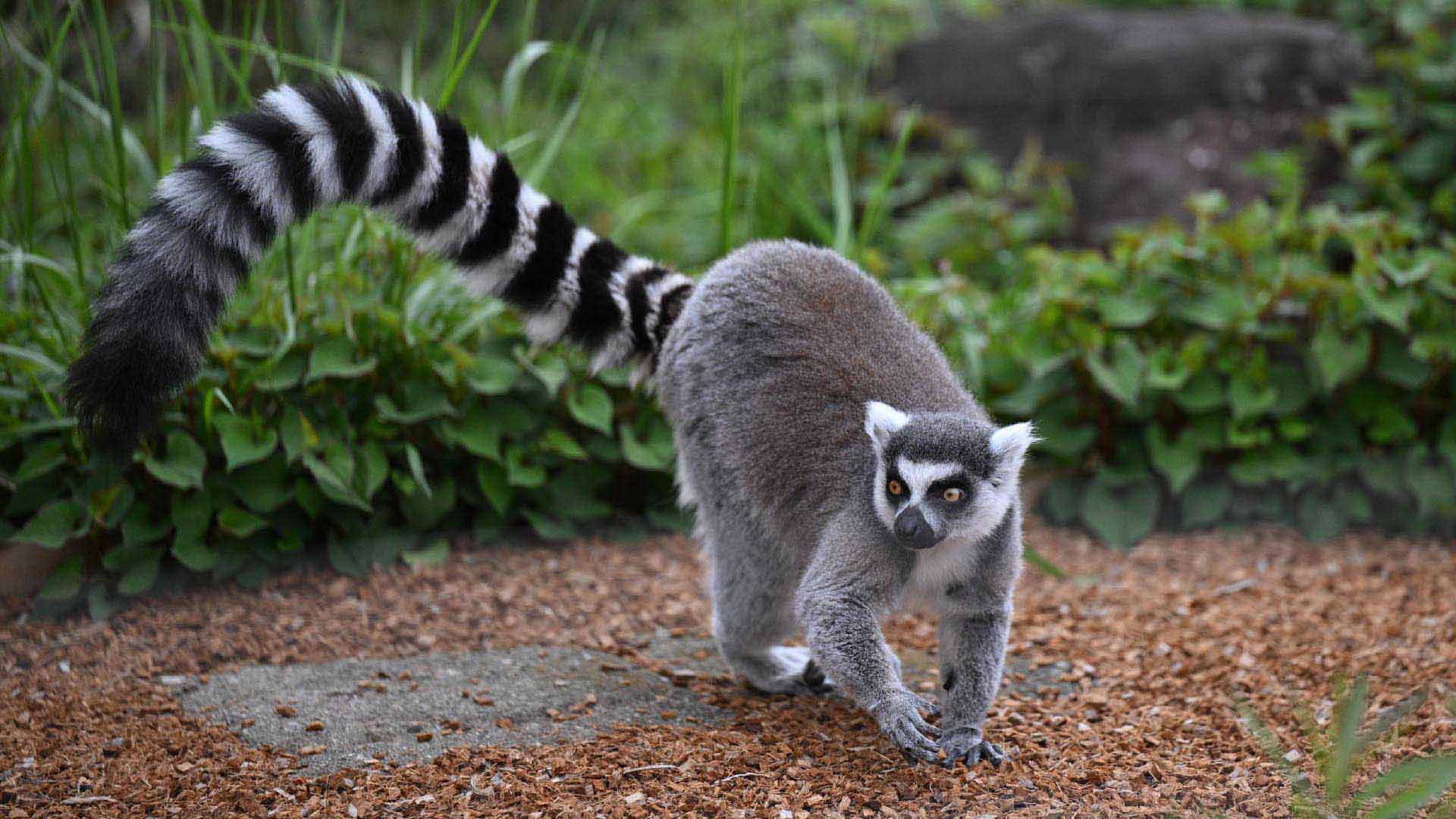
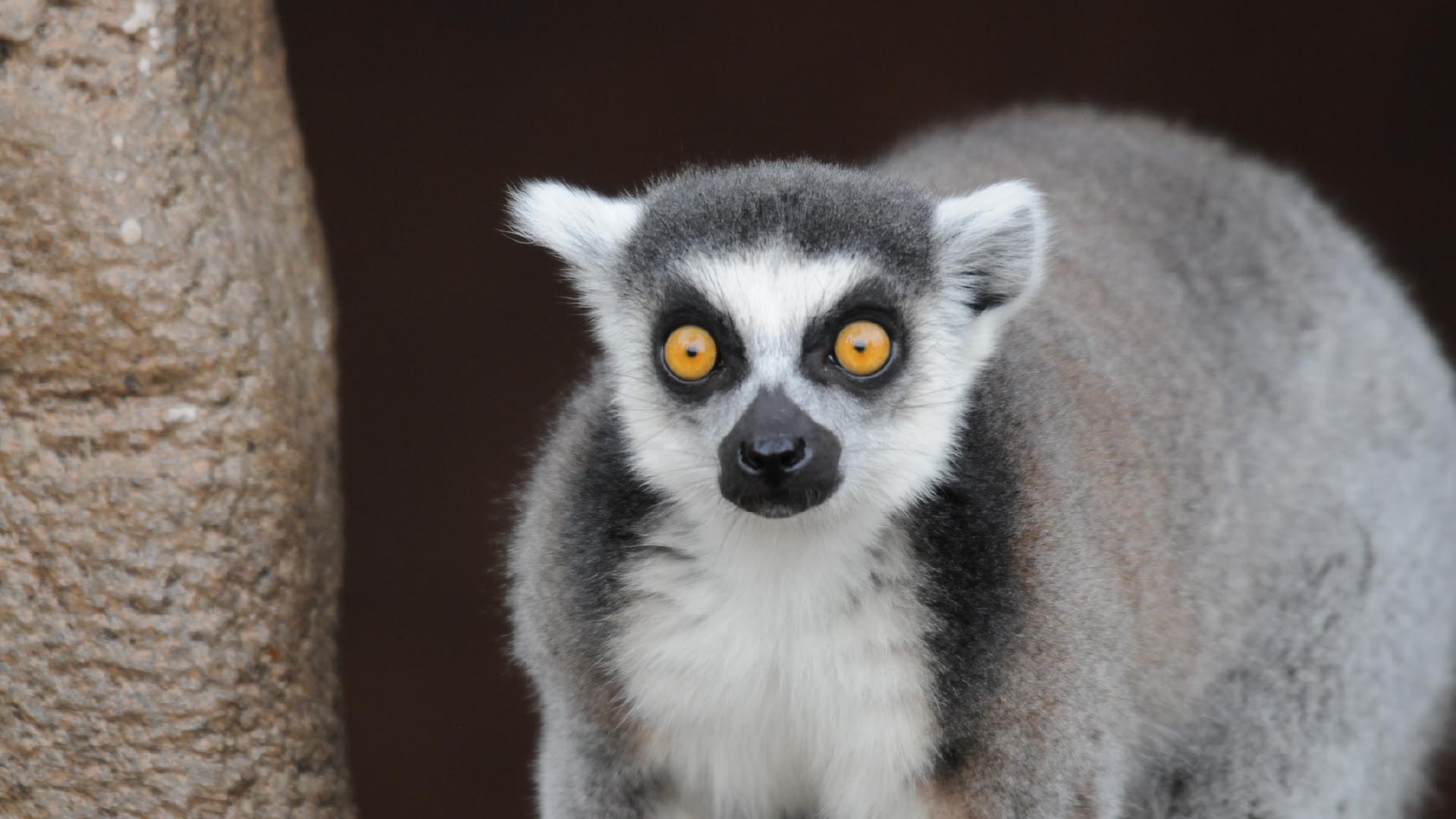
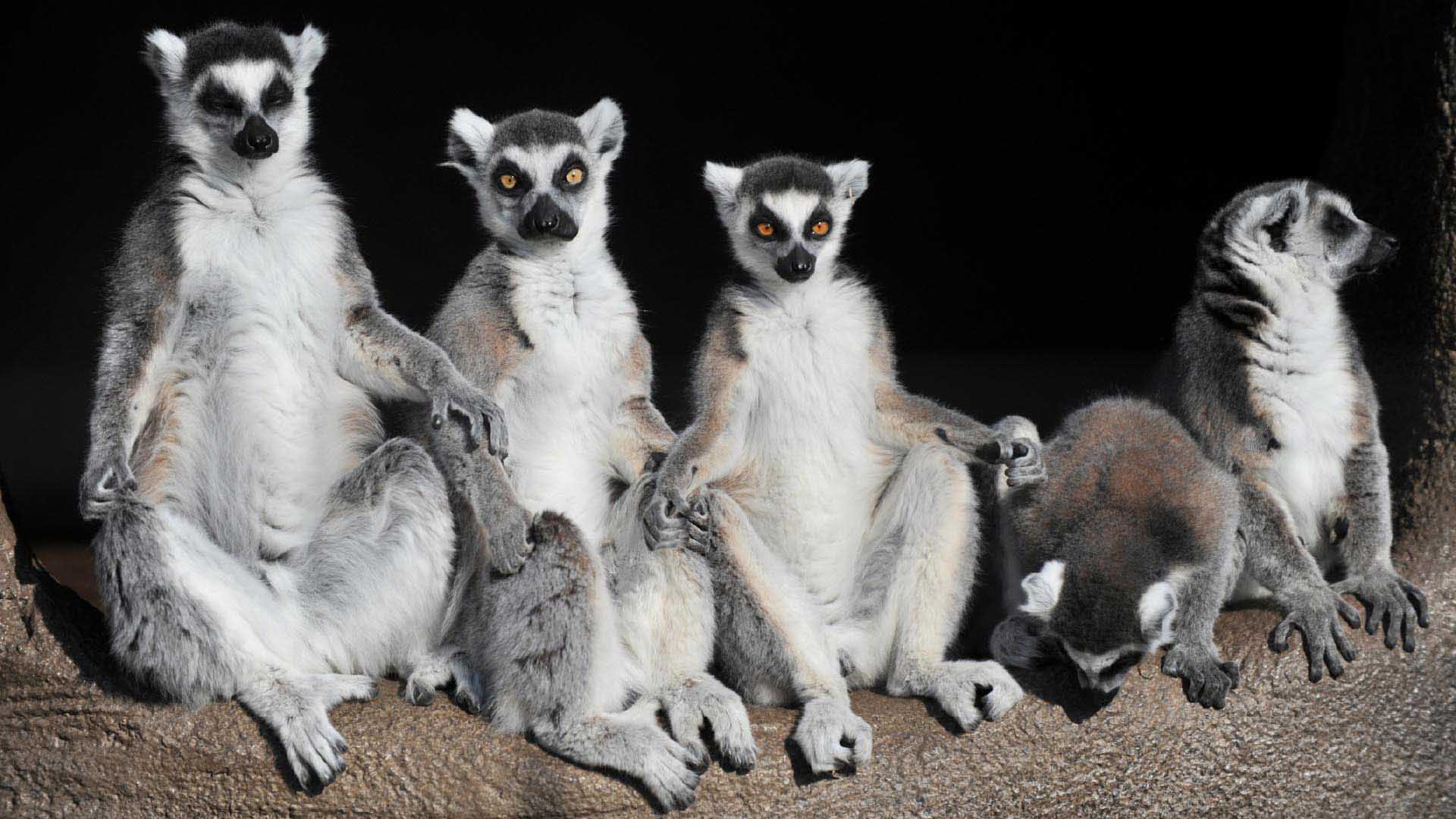
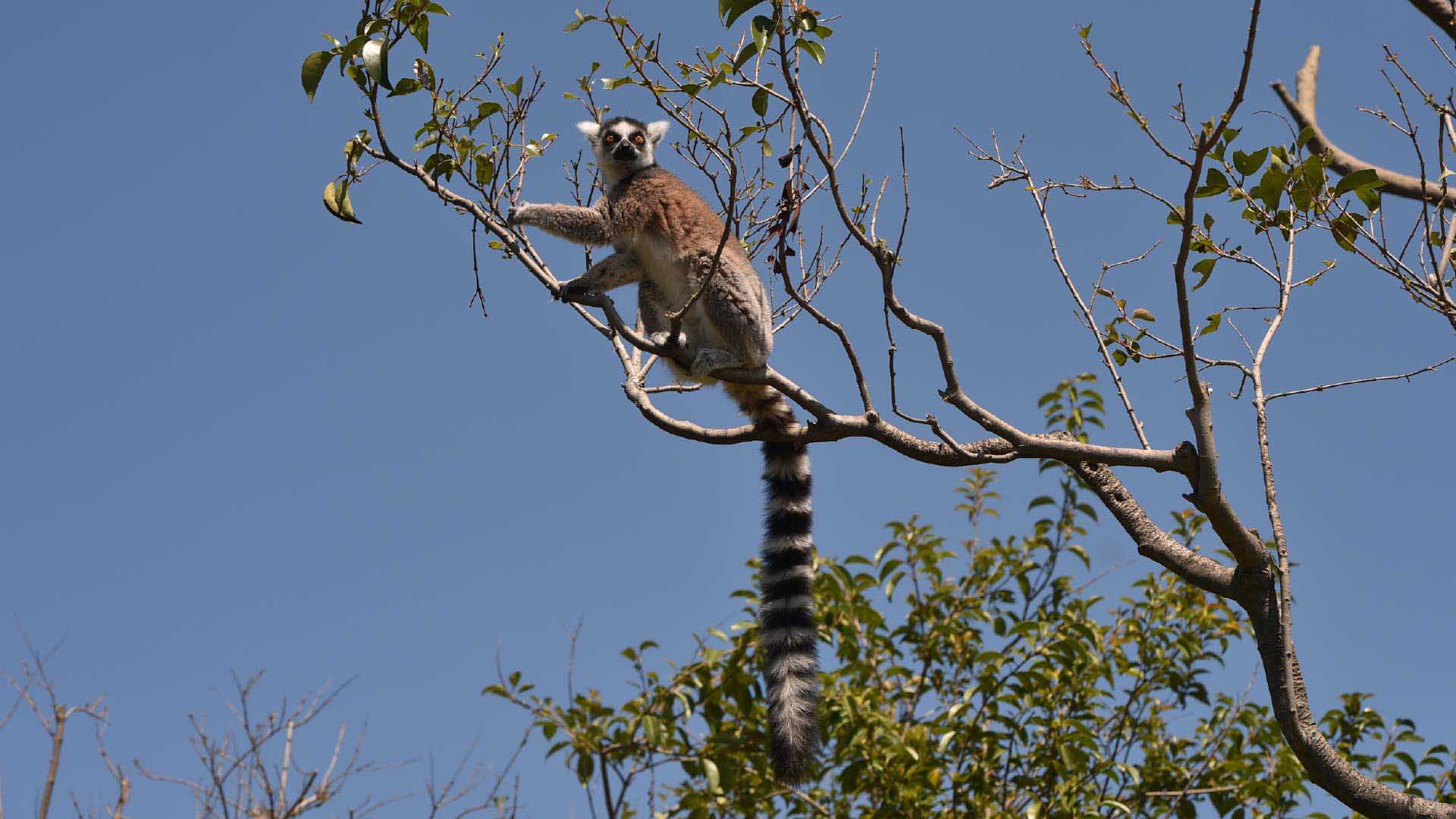
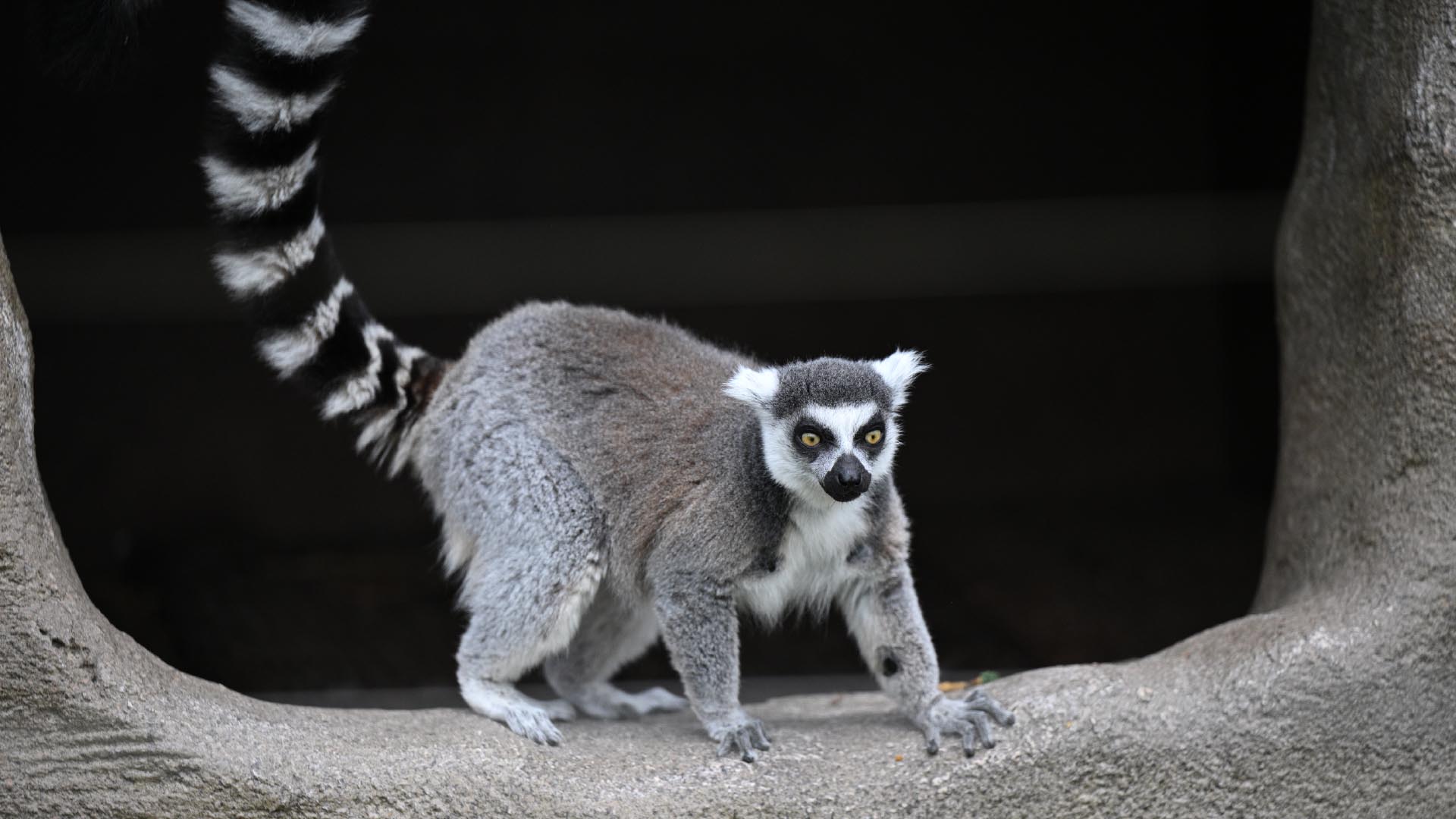
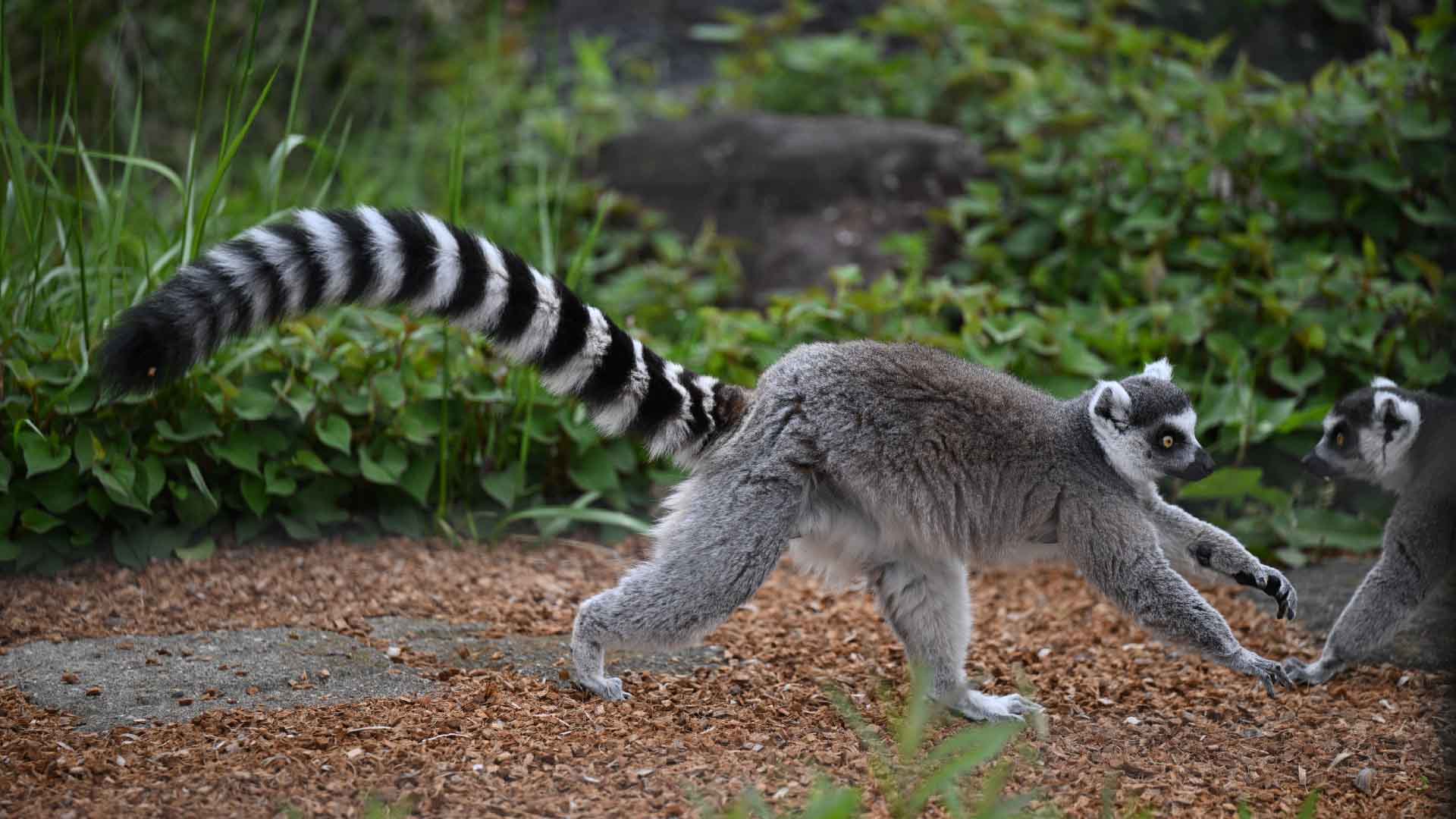
This primitive monkey species lives in the southern part of Madagascar and is characterized by a long tail with a black and white ring pattern. Females are dominant within the group. They communicate with each other by making dog-like barks and using scent.
| classification | Mammalia, Primates, Lemuridae |
|---|---|
| English name | Ring-tailed Lemur |
| distribution | Southwestern Madagascar |
| Residence | forest |
| Size |
Head torso length: approx. 42.5cm
Tail length: about 60cm Weight: 2.2-2.7kg |
| food | Fruits, flowers, leaves, small animals, etc. |
| Red List |
IUCN: EN (crisis)
|
What kind of tail?
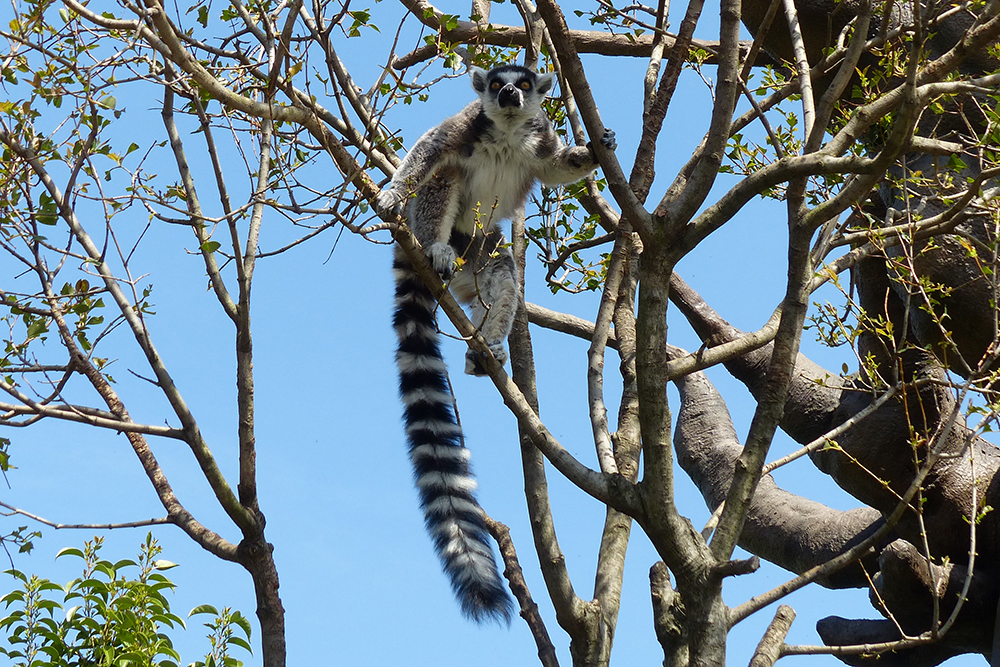
The name "wa" or "o" lemur comes from the fact that it has a "ring" patterned "tail." This conspicuous tail not only helps it balance its body in the trees, but also raises it high when it walks. It also attracts attention by applying a scent to its tail and shaking it around.
In what position do you rest?

When it's warm, they often rest on their stomachs. When it's a little cold, they sit with their chests open facing the sun to keep themselves warm. When it's very cold, they curl up and tuck their tails under their bodies.