

Zoo Stock Species and the Red List
Zoo Stock Species and the Red List
Zoo Stock
This indicates that the species is included in the Second Zoo Stock Plan, which was formulated by the Tokyo Metropolitan Government in 2018. The plan sets goals for the next 10 years in three areas: "species conservation," "contribution to wildlife conservation," and "environmental education and conservation awareness." 124 animal species are included.
What is the Red List?
Based on scientific research, this is a list of wildlife classified by rank (category) indicating the degree of risk of extinction.
Livng Things Encyclopedia shows the categories (mainland and islands) assessed by the IUCN (International Union for Conservation of Nature) at the global level, the Ministry of the Environment for Japan, and the Tokyo Metropolitan Government for Tokyo.
The higher the category in each table, the higher the risk of extinction, and CR, EN, and VU are the three categories known as "endangered species." In Tokyo, species that are not at the NT (near threatened) level but are relatively rare are considered "species of concern."
|
IUCN categories |
|
|---|---|
|
EX |
extinction |
|
EW |
Extinction in the wild |
|
CR+EN |
— |
|
CR |
Serious crisis |
|
EN |
crisis |
|
VU |
emergency |
|
NT |
Near Threatened |
|
LC・○ |
Low Concern |
|
DD |
Data shortage |
|
LP |
— |
|
Japan (Ministry of the Environment) Category |
|
|---|---|
|
EX |
extinction |
|
EW |
Extinction in the wild |
|
CR+EN |
Endangered species |
|
CR |
Critically Endangered |
|
EN |
Endangered species |
|
VU |
Endangered species |
|
NT |
Near Threatened |
|
LC・○ |
— |
|
DD |
Lack of information |
|
LP |
Endangered |
|
Tokyo Category |
|
|---|---|
|
EX |
extinction |
|
EW |
Extinction in the wild |
|
CR+EN |
Endangered species |
|
CR |
Critically Endangered |
|
EN |
Endangered species |
|
VU |
Endangered species |
|
NT |
Near Threatened |
|
LC・○ |
Unranked |
|
DD |
Lack of information |
|
LP |
Endangered |
Creatures at Inokashira Park Zoo
Creatures at Inokashira Park Zoo
Tokyo Butterfly Bitterling
Tokyo Butterfly Bitterling
Tanakia tanago
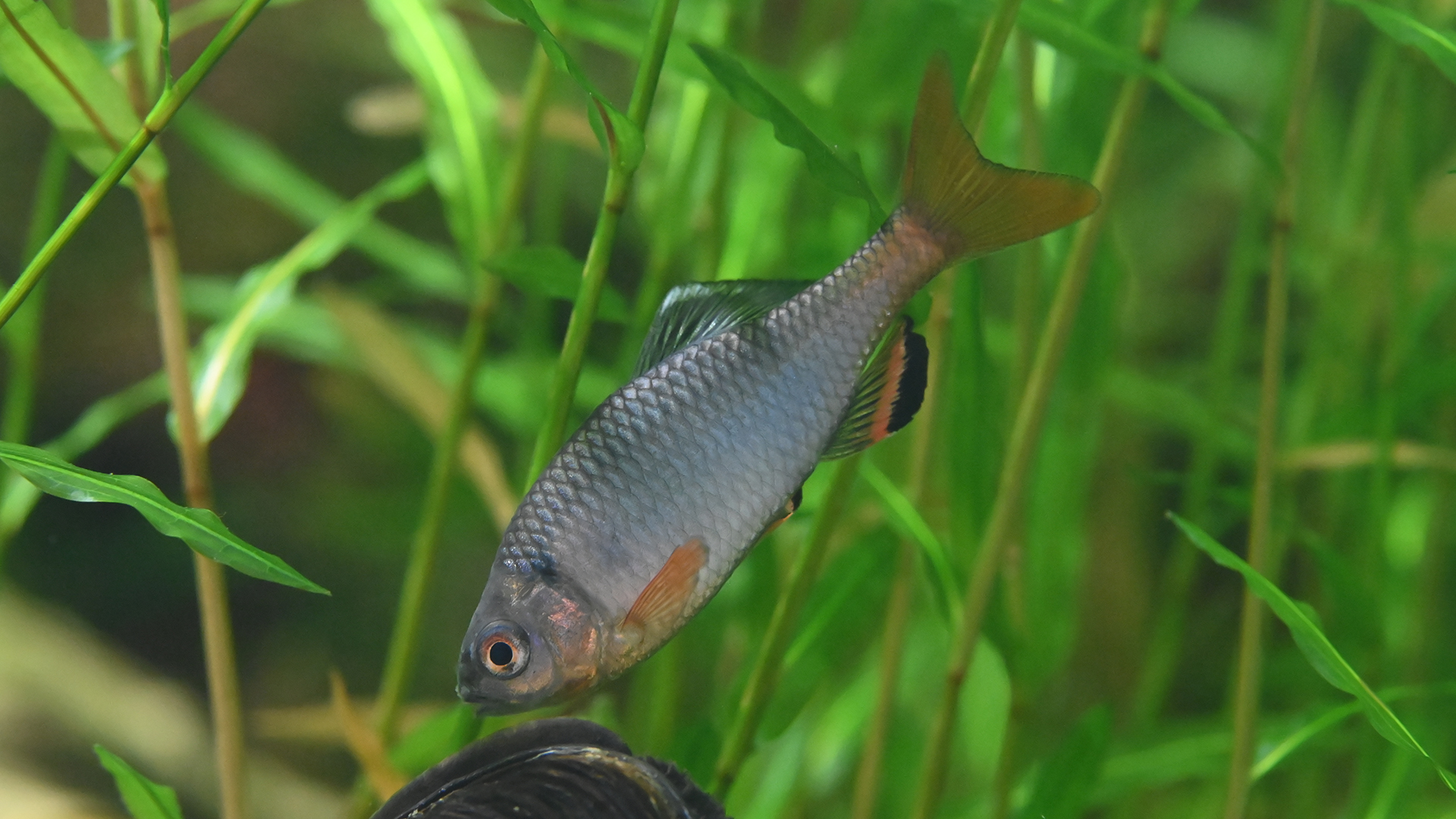
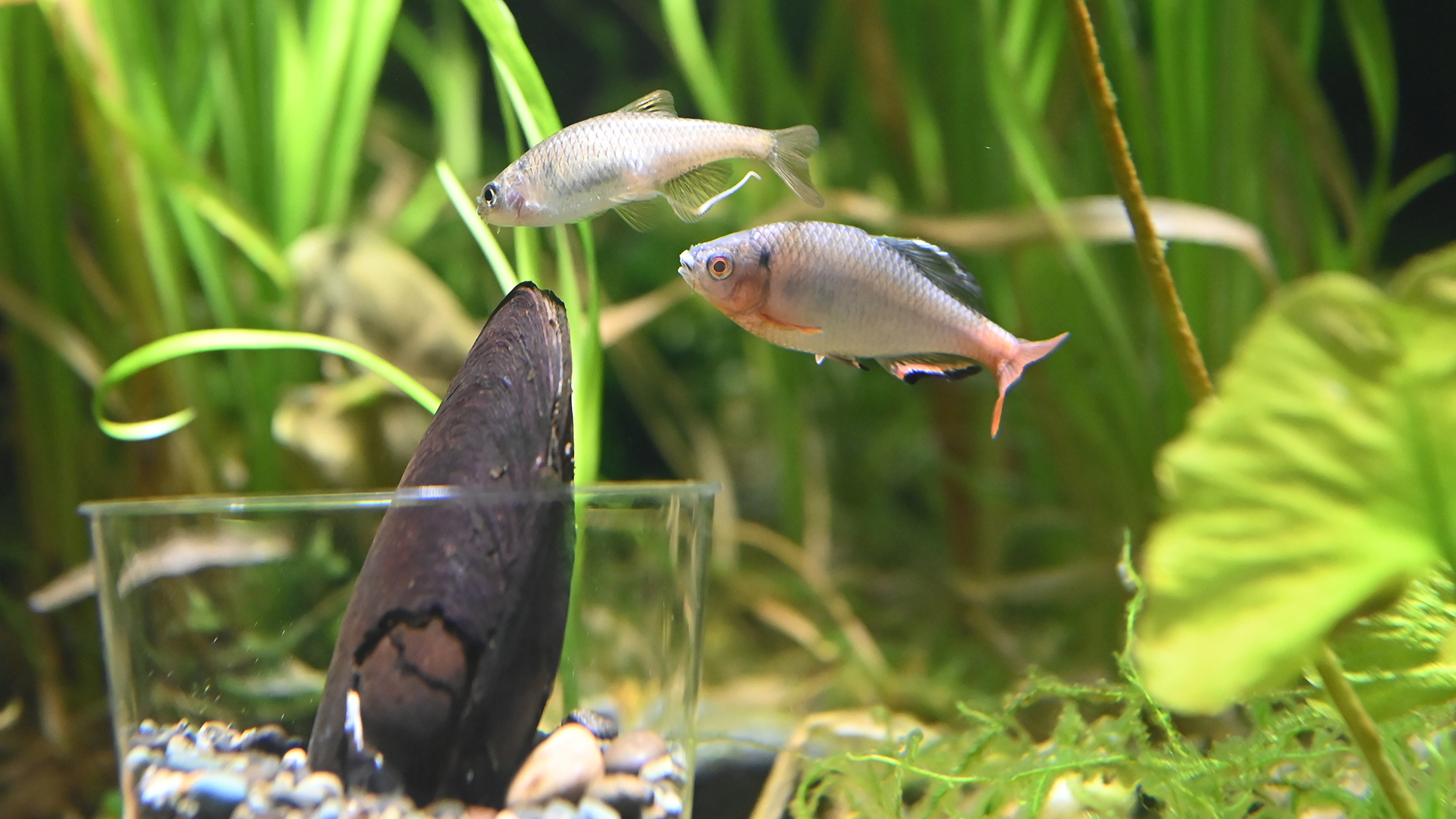
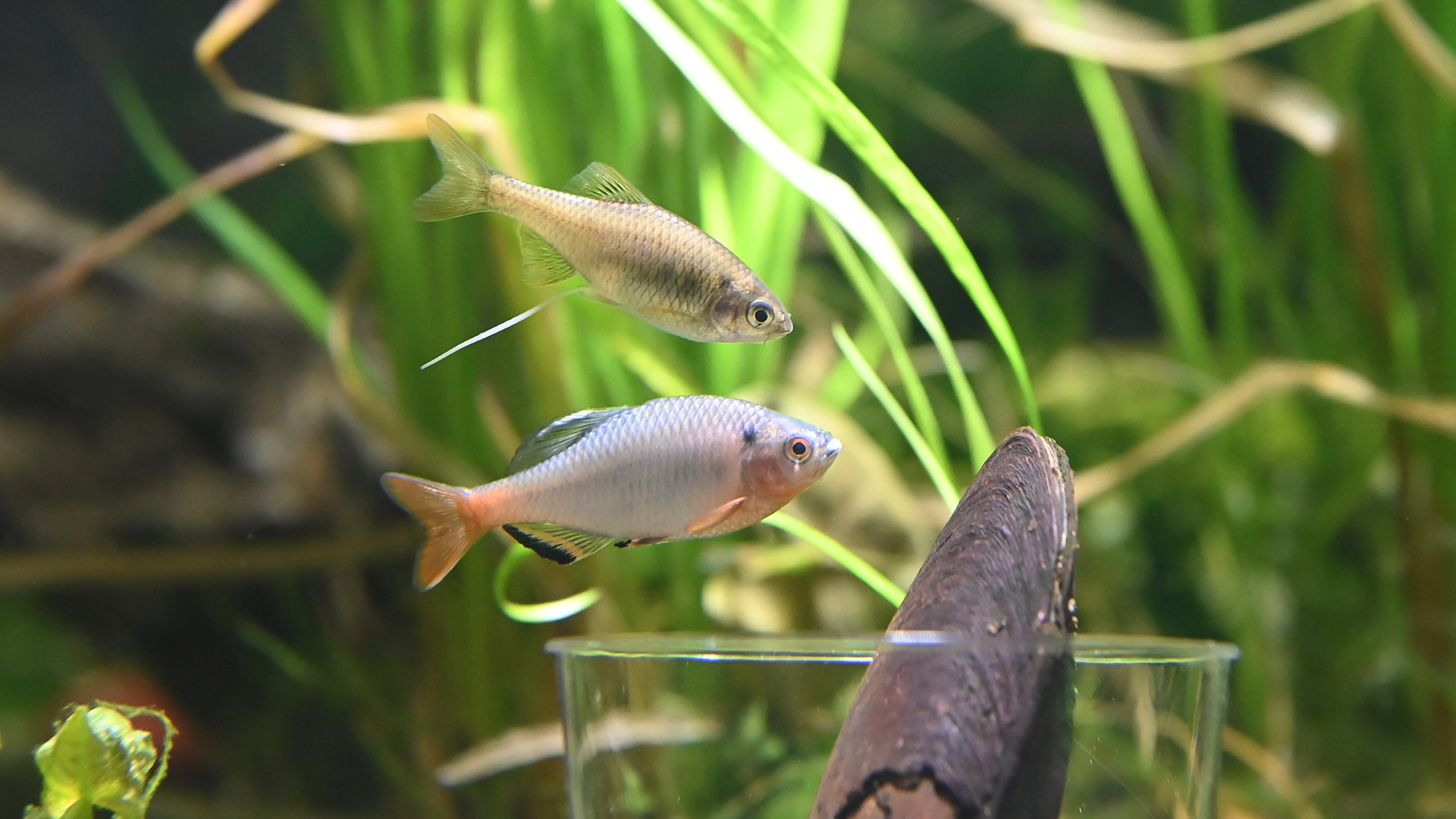
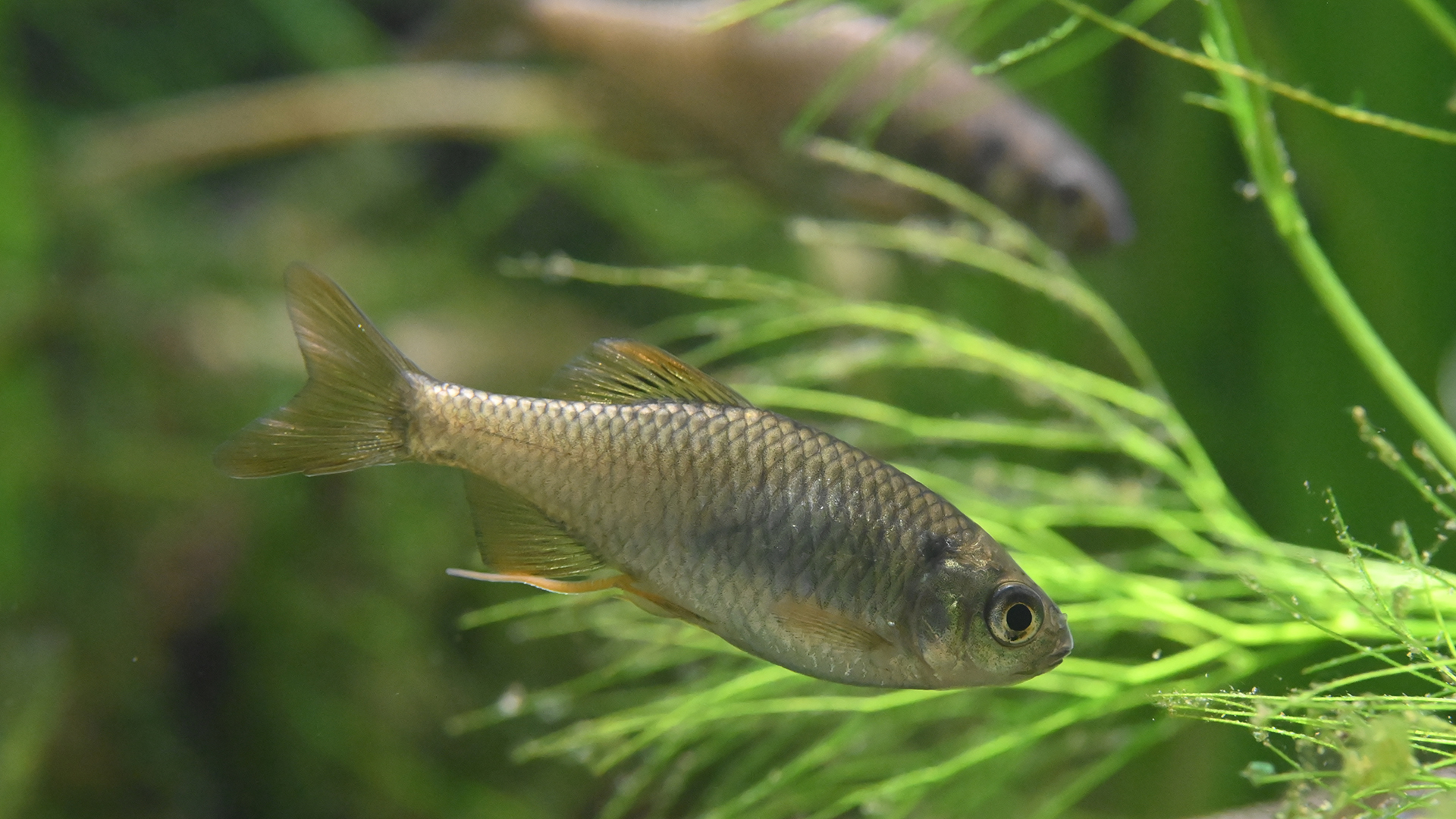
This is a type of bitterling that lives only in the Kanto region. It was discovered in a pond in Koishikawa Botanical Garden, located in what is now Bunkyo Ward, Tokyo, towards the end of the Meiji period, and was given the name "Tokyo Butterfly Bitterling," meaning bitterling found in Tokyo (the capital). During the breeding season, males turn a very bright orange or blue, which attracts females.
| classification | Actinopterygii, Cypriniformes, Cyprinidae |
|---|---|
| English name | Tokyo Bitterling |
| distribution | Japan (Kanto region) |
| Residence | Lakes, reservoirs, waterways, and other areas with slow currents |
| Size |
Total length: 3-7cm
|
| food | Small creatures and algae that live on the bottom of the water |
| Red List |
IUCN:EN(危機)
Japan: CR (Critically Endangered) Tokyo: EX (Extinct) |
Protecting Tokyo's Tanago fish
They once lived in various rivers and ponds in the Kanto region, and are thought to have been present in Inokashira Pond as well. However, development has reduced the natural environment and polluted the river water, so they can now only be found in limited areas. Inokashira Park Zoo is working with other aquariums and facilities to conserve Tokyo Butterfly Bitterling in order to prevent its extinction.