Global Environmental Conservation Action Strategy
The global environment is currently facing an unprecedented crisis.
In today's world, where human activities are causing climate change and ecosystem changes, threatening biodiversity and human health and livelihoods, there is a global demand for environmental conservation efforts.
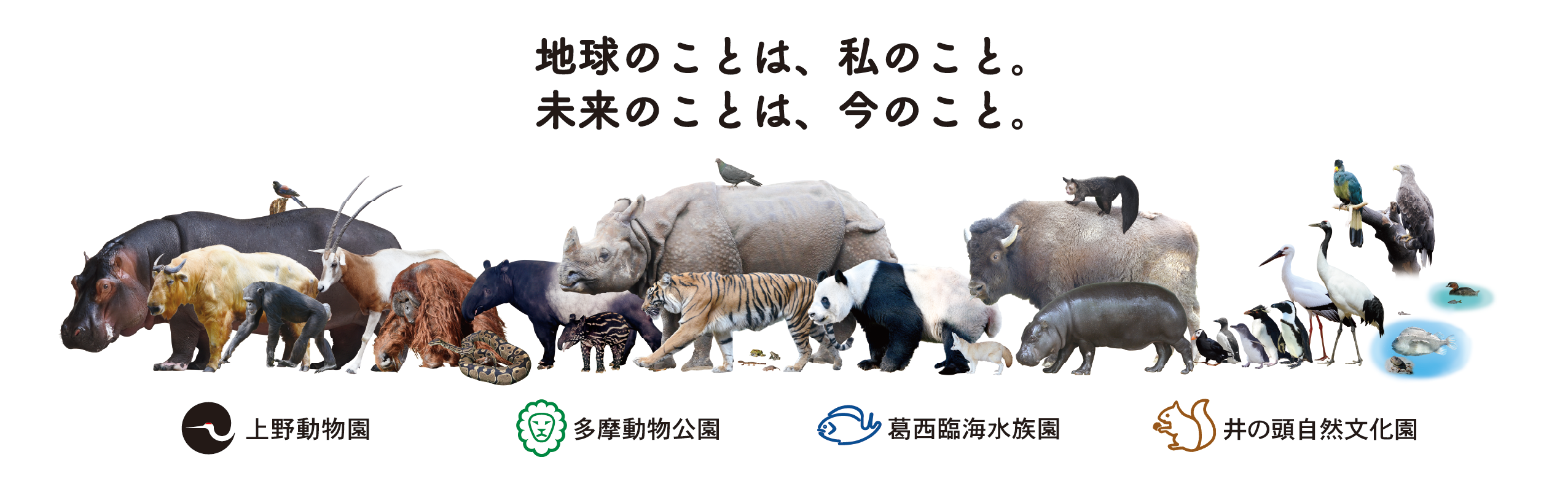
In order to pass on the irreplaceable global environment to future generations, Tokyo Metropolitan Zoos and Aquariums are promoting initiatives in line with four strategies based on the Global Environmental Conservation Action Strategy, which serves as a guideline for proactive actions toward global environmental conservation.
Strategy 1: Contributing to biodiversity conservation
Strategy 1: Contributing to biodiversity conservation
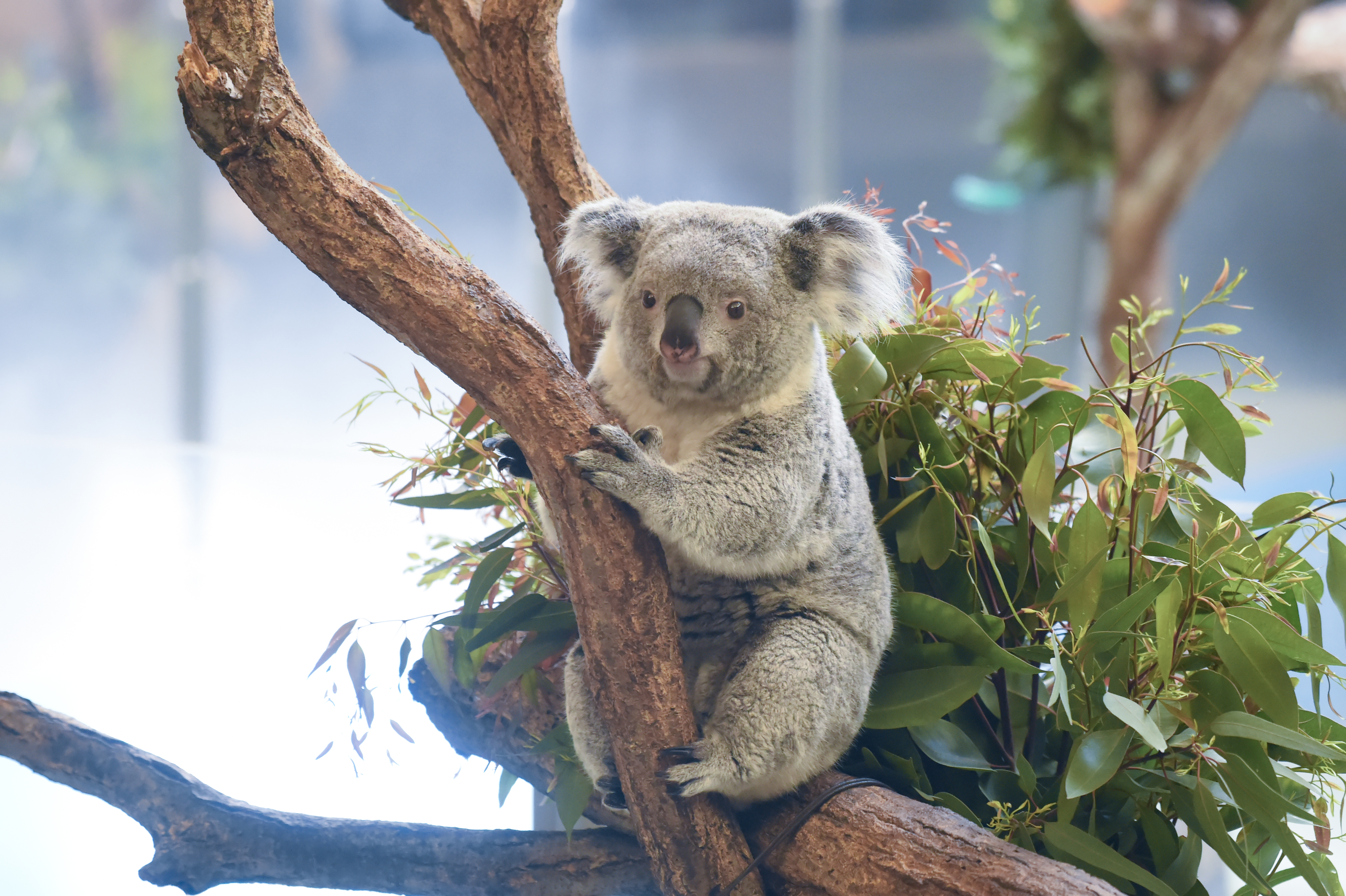
We contribute to biodiversity conservation through the conservation of rare species and the improvement of animal welfare.
We will disseminate information about biodiversity and the appeal of living animals in a way that is easy to understand and widely understood.
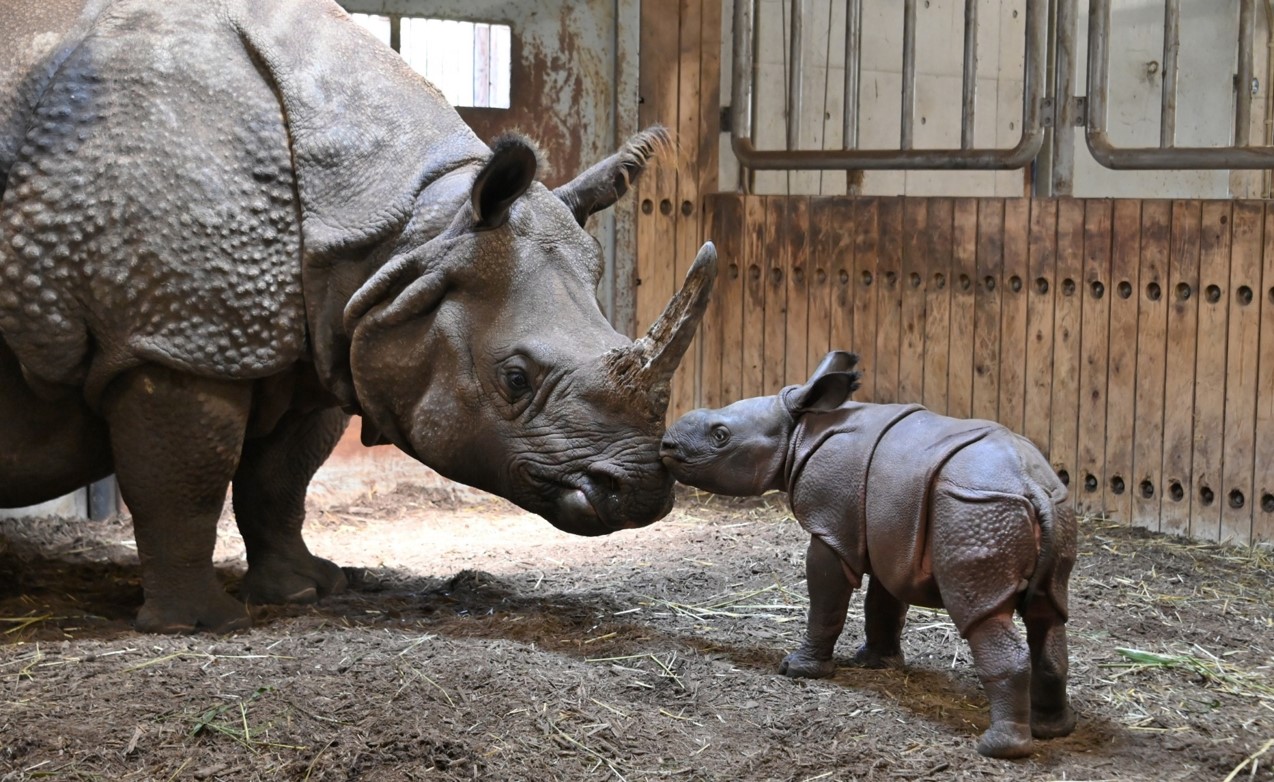
Captive breeding of ZooStock species
We contribute to the conservation of rare species in and out of their habitats in various ways.
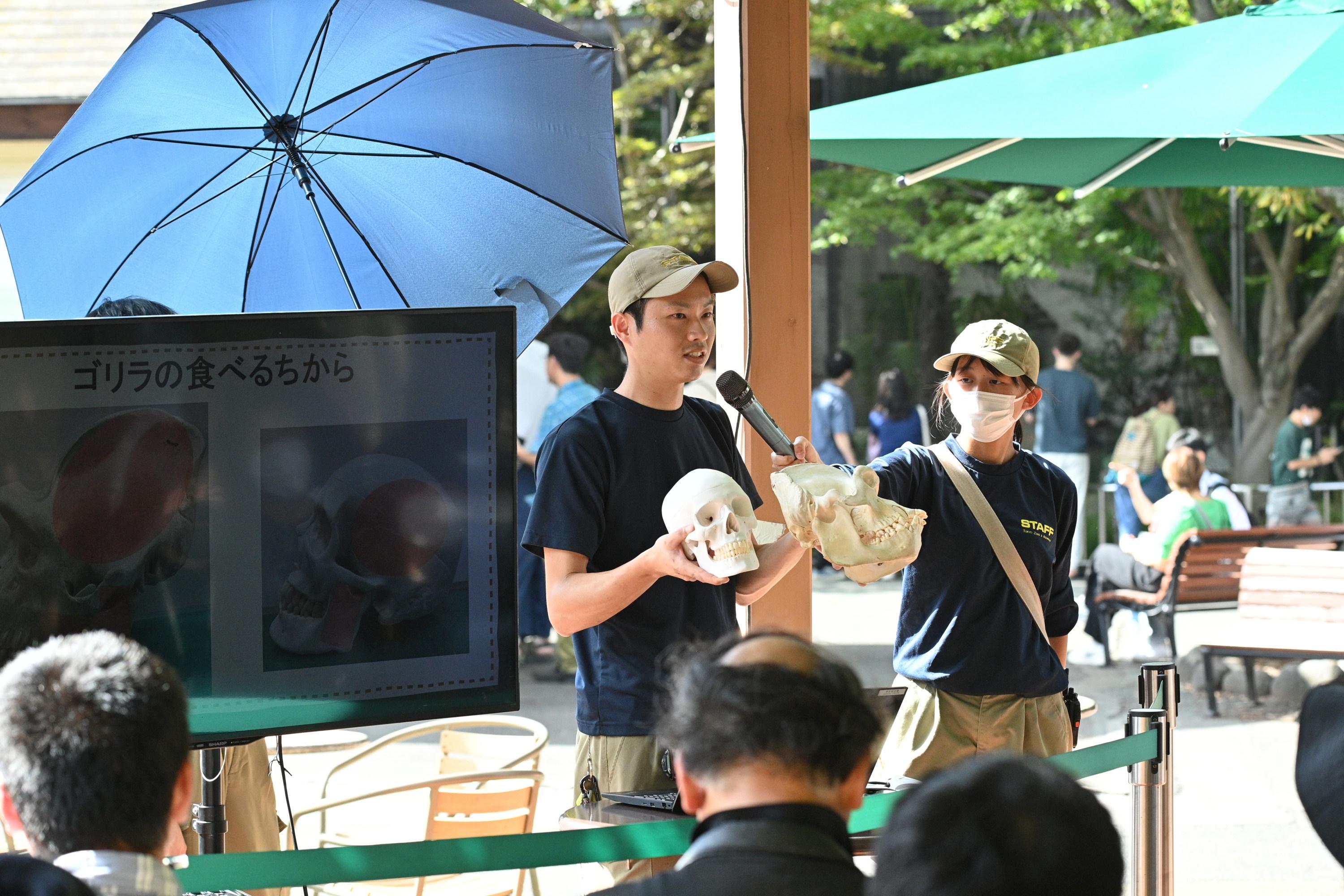
Educational activities to inform people about the current state of wildlife
We will proactively and widely communicate information about the current state of living organisms, conservation activities, and global environmental issues through appropriate methods.
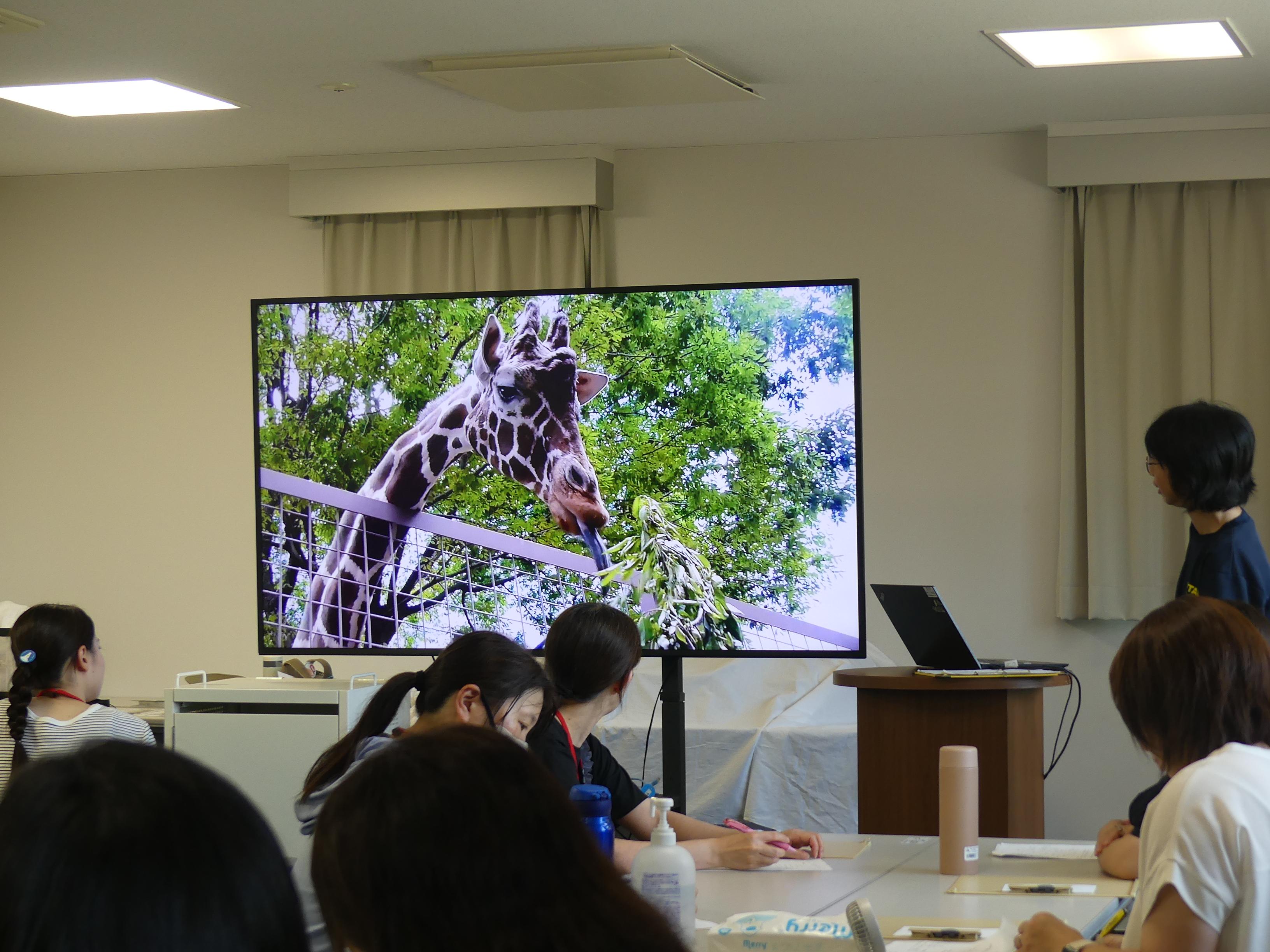
Collaboration with educational institutions
We support environmental and conservation education through hands-on learning in collaboration with educational institutions.
Strategy 2: Addressing the climate crisis
Strategy 2: Addressing the climate crisis
We will implement measures such as reducing fossil fuel energy consumption to reduce greenhouse gas emissions.
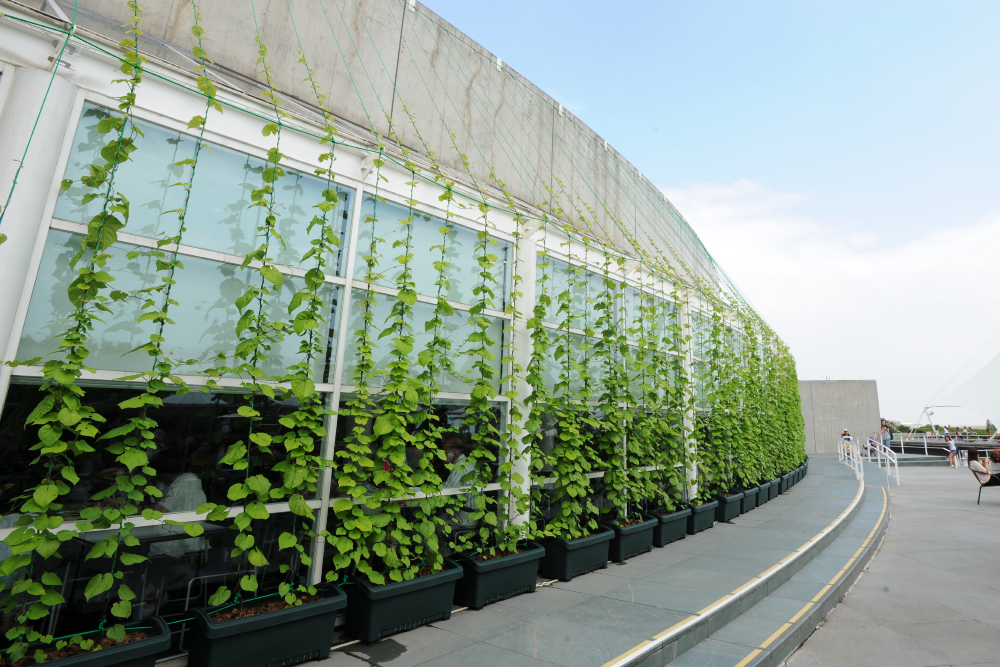
Installation of green curtains and light-blocking films
We are trying to reduce energy consumption by installing green curtains and light-blocking films.
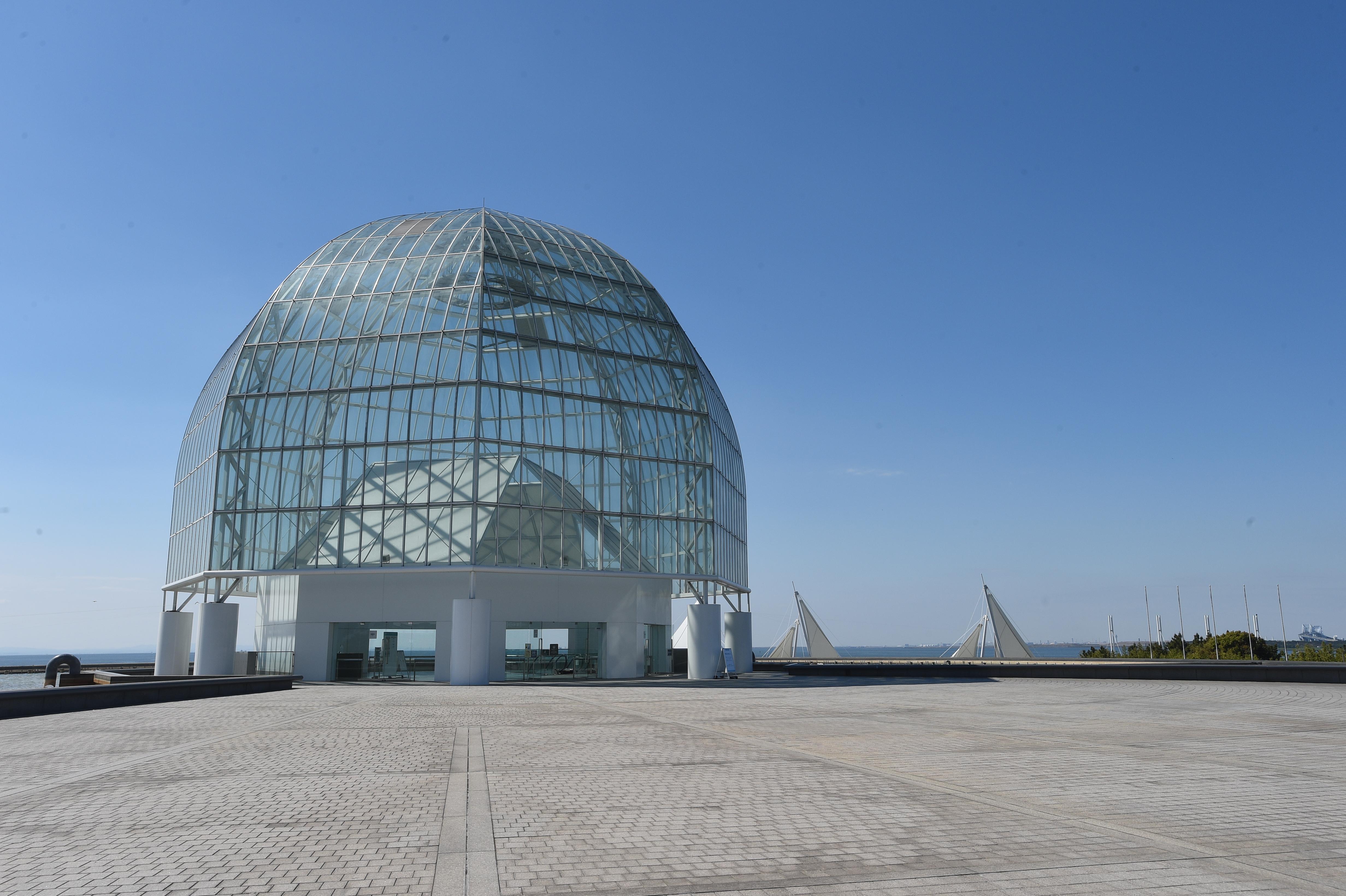
Promoting the use of renewable energy
Tokyo Sea Life Park has switched to 100% renewable energy
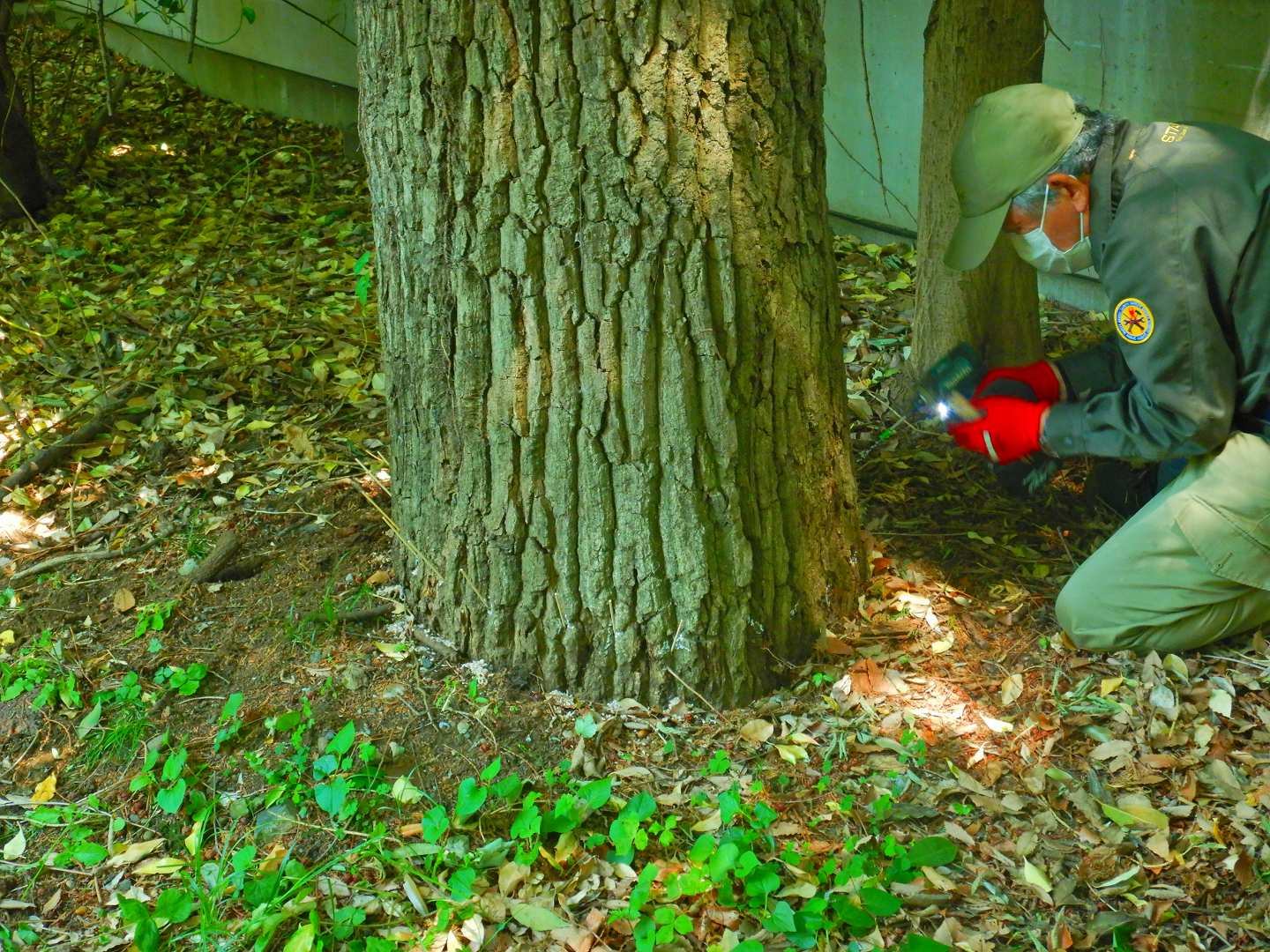
Good management of trees in the garden
We will properly manage the trees in the park, and strive to enrich and preserve the greenery and create a good urban environment.
Strategy 3: Contributing to a recycling-oriented society
Strategy 3: Contributing to a recycling-oriented society
We will promote the reduction of burden on the global environment by reducing the use of plastic bottles.

Use of environmentally friendly products
We will promote efforts to prevent the acceleration of environmental destruction, such as the use of environmentally friendly internationally certified products.

Reducing and reusing various resources
Some stores are introducing polo shirts made in part from recycled fishing nets.

Use of environmentally friendly products
We will promote efforts to prevent the acceleration of environmental destruction, such as the use of environmentally friendly internationally certified products.
Strategy 4: Strengthening the organizational foundation that contributes to global environmental conservation
Strategy 4: Strengthening the organizational foundation that contributes to global environmental conservation
We will strengthen our organizational efforts, such as collaborating with companies and organizations, raising employee awareness through training, and disseminating information about our projects.
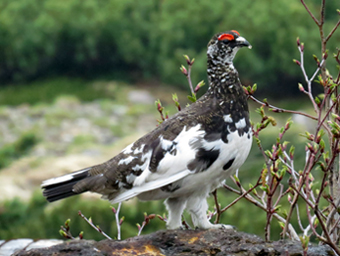
wildlife conservation fund
Strengthening cooperation with various entities and promoting projects for global environmental conservation
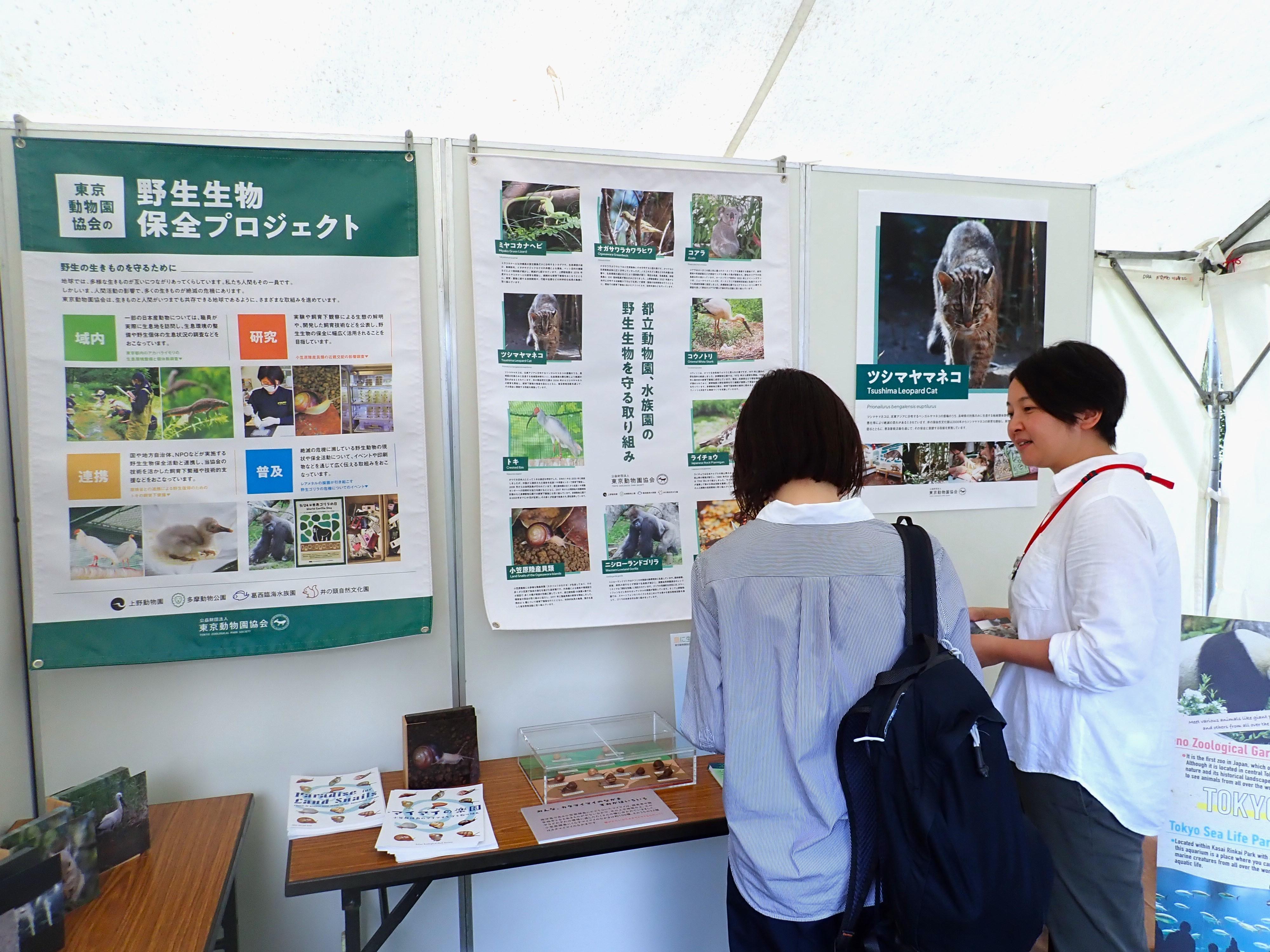
Actively disseminating information on global environmental conservation
We will build a practical organizational structure to promote global environmental conservation.
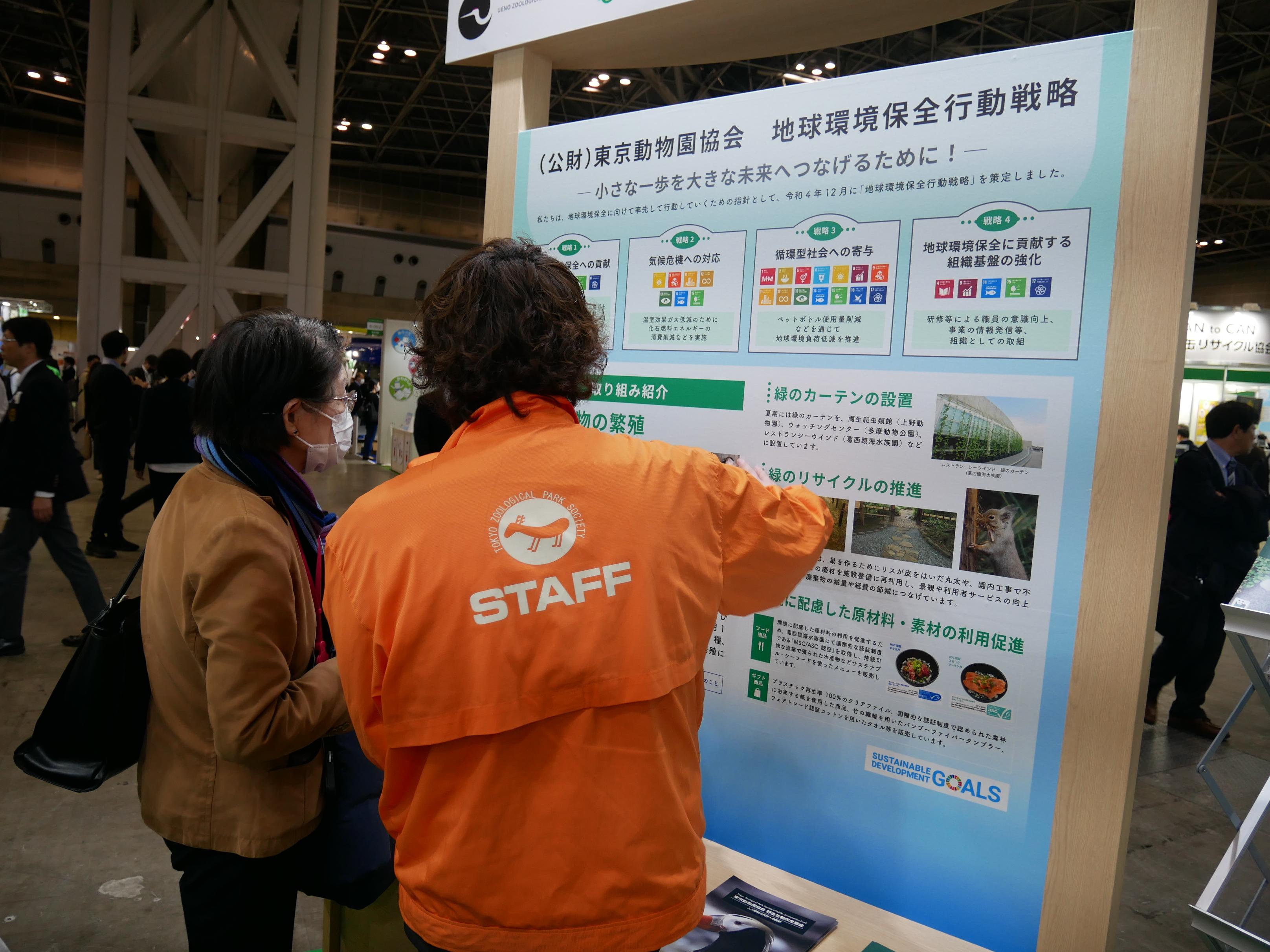
Actively disseminating information on global environmental conservation
We will build a practical organizational structure to promote global environmental conservation.