

About Inokashira Park Zoo
Our goal
Our goal
As an "introductory zoo," you can enjoy it casually at any time, and through a fulfilling interaction experience,
A zoo that fosters a spirit of protecting wild animals and works to conserve and raise awareness of wild animals that live in Japan.
Features
Features
Inokashira Park Zoo Zoo covers roughly one-third of the area of Inokashira Park and is divided into two parts: the "Zoo (Main Park)," which has animal exhibits, a museum, and a sculpture garden, and the "Aquatic Life Park (Branch Park)," which has Aquatic Life House and waterfowl exhibits.
Of the approximately 160 species of animals kept at the zoo, 140 are native to Japan, allowing visitors to encounter a variety of creatures that inhabit the country, such as Japanese Serow and Oriental White Stork.
We are also focusing on efforts to protect endangered animals in Japan, such as Tsushima Leopard Cat cat and Amami-oshima Island Spiny Rat.
We offer exhibits that allow visitors to feel closer to animals, such as the "Squirrel Trail," where you can enter the same area as Japanese Squirrel and observe them up close, and the "Creature Plaza," a field where you can encounter familiar creatures of the seasons.
The sculpture garden also displays over 200 works by sculptor Seibo Kitamura (1884-1987).
In addition to the "Atelier Hall" where the prototype for the Nagasaki Peace Memorial Statue was created, you can see sculptures in two Sculpture Museum (A and B), as well as in various other locations throughout the park. The plaster prototype for the Peace Memorial Statue is located in Sculpture Museum A.
history
history
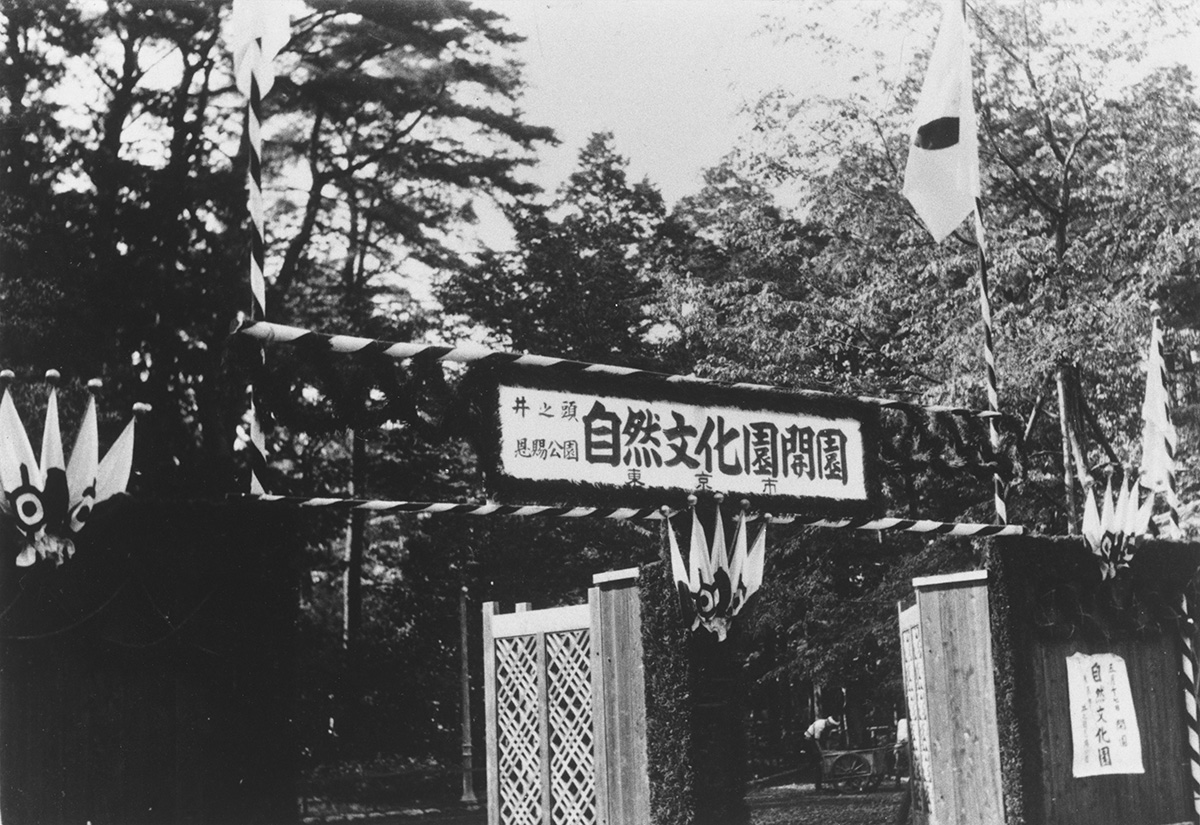
Inokashira Park Zoo opened on May 17, 1942, during wartime, based on the philosophy that "it is necessary to understand the workings of the natural world comprehensively and scientifically."
At the time, the word "culture" meant "cultivation" or "education," and the park was named as "a garden that fosters culture (education) based on natural science." After its opening, the park was equipped with a museum, botanical garden, and aquarium, and as its name suggests, it has remained a facility where nature and culture are in harmony to this day.
In addition to the zoo, the park also includes a sculpture garden and other facilities, creating a place where nature and culture are in harmony, as its name suggests.
This facility houses many animals native to Japan, and features exhibits designed to spark interest in the familiar natural environment of Japan, such as the walk-through "Squirrel Trail" where visitors can see Japanese Squirrel up close.
We also cooperate with the Ministry of the Environment's domestic biodiversity conservation project. We began raising Tsushima Leopard Cat in 2006, and since then, we have been conducting research toward breeding, and opened the facility to the public in 2007. In 2020, we began raising Amami-oshima Island Spiny Rat, and in 2023, we successfully bred them twice. We opened the facility to the public in 2025 and are also engaged in public awareness activities.
In 2011, we opened the "Wildlife Plaza," which is designed to attract a variety of wild animals, and we are also focusing on enhancing environmental education by implementing initiatives that allow people to feel closer to living creatures.
1901 - 1950
1901 - 1950
1917 Taisho 6
Inokashira Park opens.
1934 昭和9年
A small zoo will open on Nakanoshima Island in Inokashira Pond.
1936 昭和11年
An aquarium specializing in freshwater fish, the Aquatic Life House, will open within Nakanoshima Small Zoo.
1942 昭和17年
It opened as "Inokashira Park Natural and Cultural Garden."
The first animal breeding event since the zoo opened saw two Raccoon Dog give birth.
Two Giraffe have arrived from Ueno Park Zoo.
African camels are coming to the zoo.
A museum for the purpose of natural science research will be opened within the park.
1943 昭和18年
Tokyo City and Tokyo Prefecture merged to form Tokyo Metropolitan Government, and the area became "Tokyo Inokashira Park Zoo."
As part of the wild animal cull, one Polar Bear, two Japanese Black Bear, and three camels will be disposed of.
1945 昭和20年
The park is effectively closed from January to September.
1947 昭和22年
The previously closed Aquatic Life House has reopened.
1949 昭和24年
Inokashira School (the precursor to the summer school) is open to the public.
1951 - 2000
1951 - 2000
1951 昭和26年
The first outdoor sculpture exhibition is held.
A mobile zoo will be held in the Tokyo metropolitan area.
1953 昭和28年
Mr. Seibo Kitamura set up an atelier within the park and began creating a life-size plaster prototype of the Peace Memorial Statue.
"Sportsland" will be opened.
1954 昭和29年
Hanako the elephant from Ueno Zoological Gardens is visiting the zoo.
The elephant house is completed.
Plaster prototype of the Peace Memorial Statue completed
1956 昭和31年
Monkey Mountain is completed.
1958 昭和33年
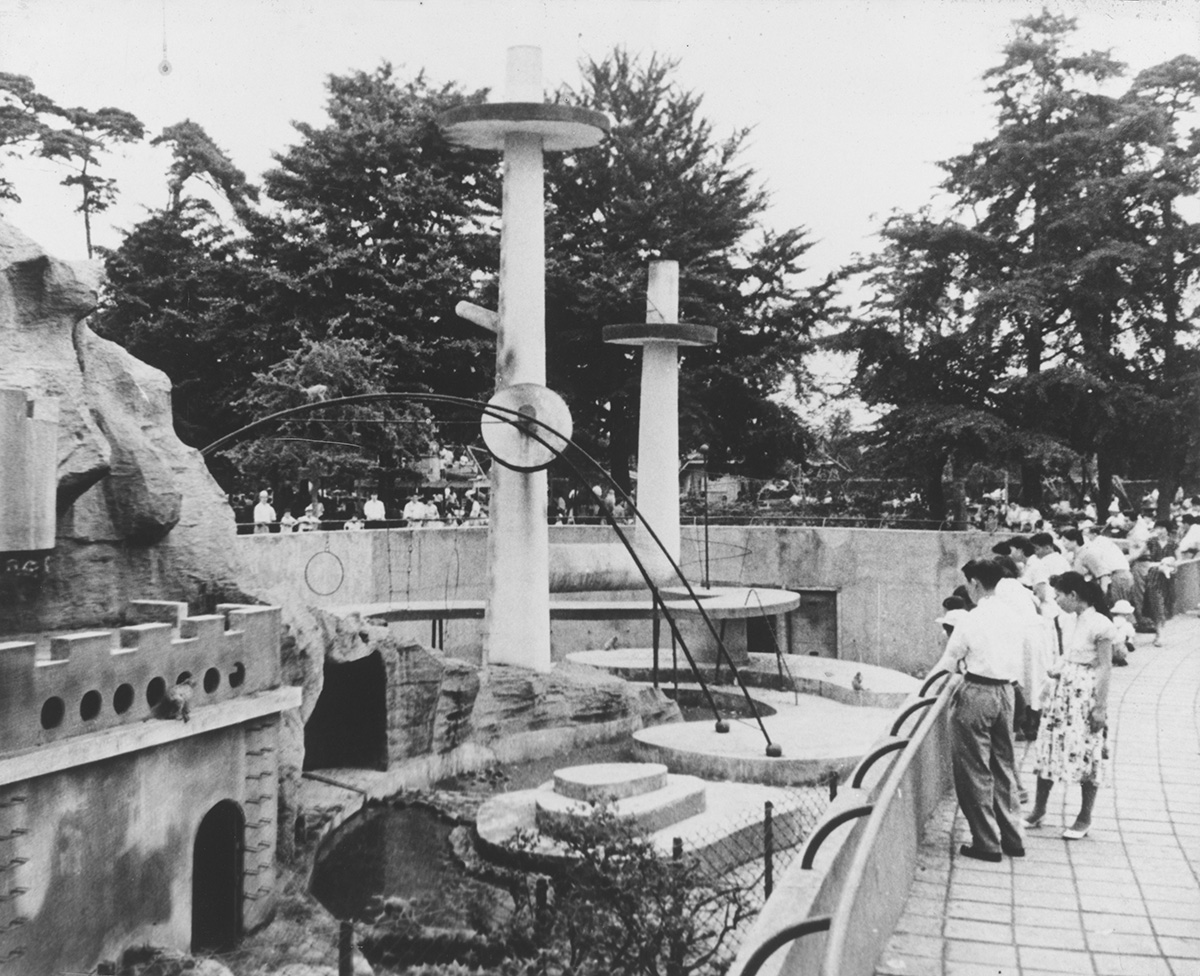
A civet cat has arrived at the zoo.
Seibo Kitamura donated the plaster prototype of the "Peace Memorial Statue," along with over 350 other works, his studio building, and general ancillary facilities.
Japan's first "aquatic plant garden" is completed.
"Sculpture Garden Building No. 1" will be opened.
1959 昭和34年
The ostrich house and wallaby house are completed.
The poet Noguchi Ujo's study, Doshinkyo, was donated by the Ujo Association and relocated.
1960 昭和35年
Ostriches will be coming to the zoo from Africa.
1961 昭和36年
"Sculpture Garden Building No. 2" opens.
1962 昭和37年
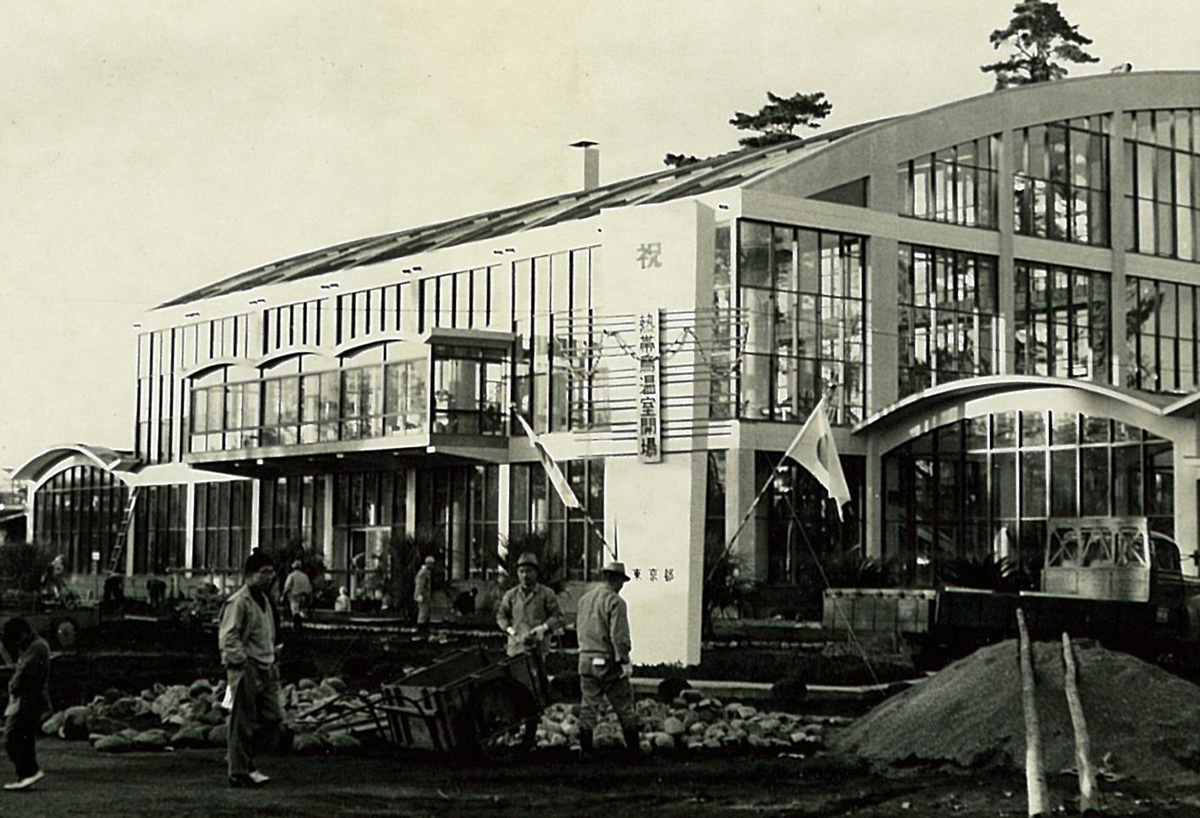
The Tropical Bird Conservatory will be opened.
Gotenyama Bridge, connecting the zoo (main zoo) and Inokashira Park, is completed.
1963 昭和38年
As the water level in Inokashira Pond has dropped significantly, fish are captured and protected.
1964 昭和39年
Yaku Is Sika Deer and muntjac enclosures are completed.
"Sculpture Garden Building No. 3" opens.
1966 昭和41年
A camellia garden is opened.
1975 昭和50年
A new "Aquatic Life House" will be opened.
1978 昭和53年
Renovation of the elephant house.
1981 昭和56年
Red-crowned Crane are coming to the park.
1982 昭和57年
The veterinary hospital is completed.
Sculpture Garden Building 4 (now Building B) opens.
1983 昭和58年
Two Kyushu Japanese Hare will be visiting the zoo from Tama Zoo.
1984 昭和59年
A celebration will be held to commemorate the 30th anniversary of the arrival of the elephant Hanako at the zoo.
The camel house facility is completed.
1985 昭和60年
The "Squirrel Forest Project" is being launched to revive Japanese Squirrel that were once seen in the Musashino Forest.
1986 昭和61年
The squirrel house (breeding building A) is completed.
1987 昭和62年
Main Gate and shop of the park are completed.
1988 昭和63年
The "Wadori House" is completed.
1989: The first year of the Heisei era
Part of the "Squirrel Trail" is completed.
1990 平成2年
The squirrel house (Breeding Building B) is completed. A new Mandarin Duck breeding area is constructed.
Mandarin Duck will be released into Inokashira Pond in accordance with the Mandarin Duck Ducks Plan.
1991 平成3年
New Japanese Marten enclosures and red coati enclosures will be built.
Fennec Fox House will be partially expanded.
1992 平成4年
"Squirrel Trail" completed.
Events held to commemorate the 50th anniversary of the park's opening.
1993 平成5年
The New Sculpture Garden is completed.
1995 平成7年
The Waterfront Path is completed.
1997 平成9年
The renovated Aquatic Life House has reopened.
2001 -
2001 -
2002 平成14年
Completion of the Wild Bird Forest. Celebrations for the 60th anniversary of the park's opening.
The paths in the aquatic park (branch) will be improved to make it barrier-free.
Local conservation activities for newts began in the Tama Hills, and captive breeding began the following year.
guided tour by Animal Guide begins.
2003 平成15年
The wildcat house is completed.
2004 平成16年
Asian Elephant elephant Hanako celebrates her 50th anniversary at the zoo.
2006 平成18年
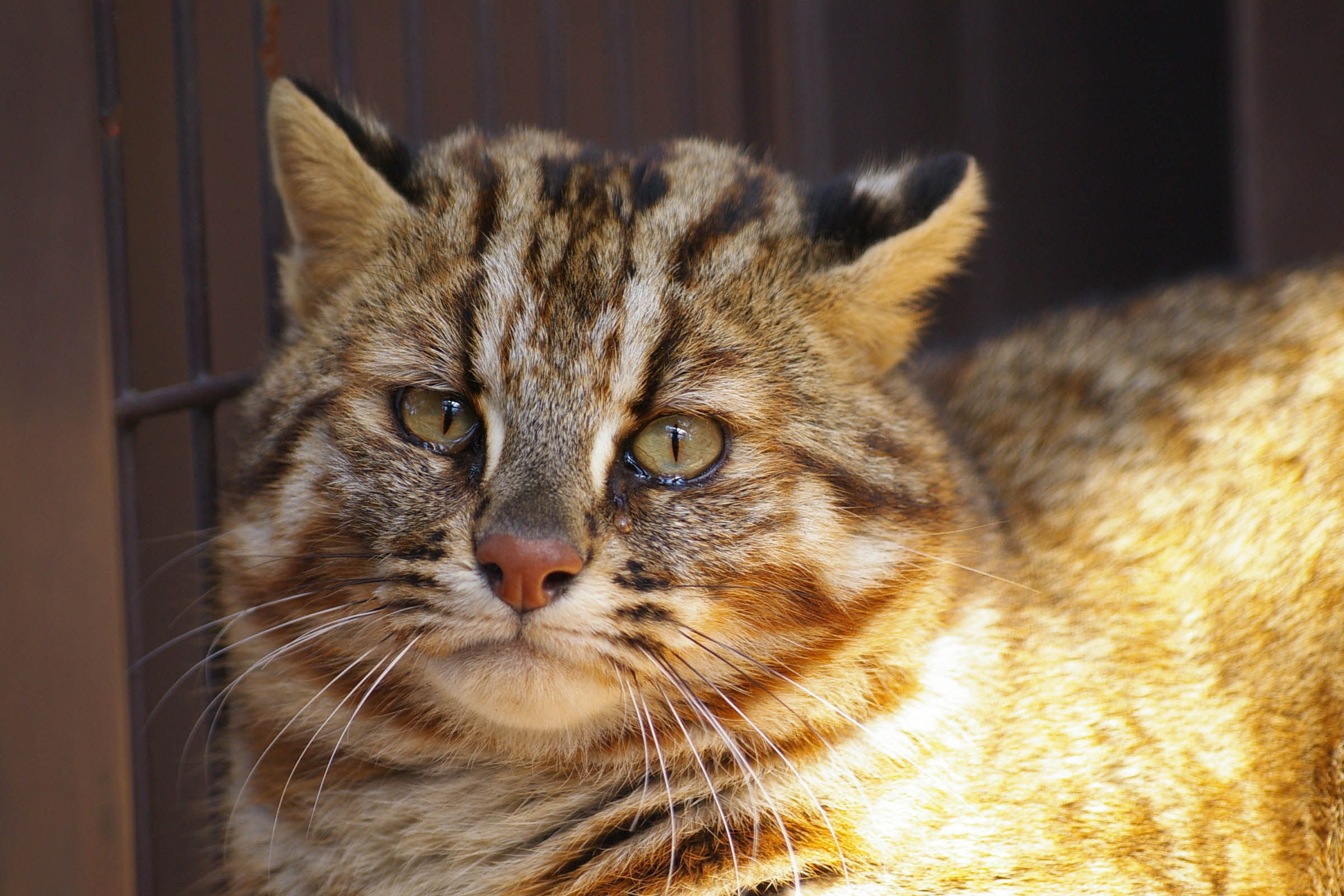
Two Tsushima Leopard Cat wildcats have arrived at the park.
Commence in situ and ex situ conservation activities for medaka.
2007 平成19年
The annual exhibition of Water Spider was a success.
Tsushima Leopard Cat open to the public.
2009 平成21年
The first "Wildcat Festival" was held to raise awareness of Tsushima Leopard Cat.
2010 平成22年
Call Duck enclosure is completed at the aquatic park (branch).
2011 平成23年
"Komorebi" and "Hanako Cafe" open.
The "Living Things Square" is completed.
2012 平成24年
Asian Elephant Hanako is 65 years old, tying the record for longevity in Japan.
Events held to commemorate the 70th anniversary of the park's opening.
2013 平成25年
The Tropical Bird Conservatory closes after 50 years.
A dredging event was held at Inokashira Pond (Ochanomizu Pond/Boat Pond) (Dredging 25).
2014 平成26年
A penguin house opens at the zoo (main zoo).
On March 17th, Amur Leopard Cat gave birth for the first time through artificial insemination.
2015 平成27年
The Swing Plaza has been renovated and reopened.
2016 平成28年
From November 2015 to March 2016, dredging was carried out across the entire Inokashira Pond (Dredging 27).
Asian Elephant Hanako dies (aged 69).
A farewell party for Hanako was held.
2017 平成29年
Eurasian Otter, Oriental White Stork, and Black-faced Spoonbill have visited the park.
"feeding time for the animals" begins.
2018 平成30年
Red-headed Wood Pigeon, Japanese Night-heron, and Japanese Wild Boar have visited the park.
The Natural and Cultural Gardens will be holding its first event, "Long Autumn Nights," with opening hours extended by three hours.
Drilling will be carried out throughout Inokashira Pond (Drilling 29).
2019 Heisei 31 Reiwa 1st year
To commemorate the 30th anniversary of the opening of the Squirrel Trail, the Cultural Garden Spring Squirrel Festival was held.
2020 令和2年
To prevent the spread of COVID-19,
This will be the second time the park will be temporarily closed for an unprecedentedly long period of time.
① March 28, 2020 - June 1, 2020 ② December 26 - June 3, 2021
Amami-oshima Island Spiny Rat have arrived at the park.
2021 令和3年
"Creature Square" reopens after renovation.
Certified by the Ministry of the Environment as a "rare species conservation zoo, botanical garden, etc."
Land Snail open to the public.
2022 令和4年
Event held to celebrate the 80th anniversary of the park's opening.
2023 令和5年
New interaction program "Hello Guinea Pig" begins.
2024 令和6年
Lidth's Jay and Tsushima Marten have visited the park.
Topical exhibit begins at the Aquatic Life House.
2025 令和7年
Amami-oshima Island Spiny Rat open to the public.