

Zoo Stock Species and the Red List
Zoo Stock Species and the Red List
Zoo Stock
This indicates that the species is included in the Second Zoo Stock Plan, which was formulated by the Tokyo Metropolitan Government in 2018. The plan sets goals for the next 10 years in three areas: "species conservation," "contribution to wildlife conservation," and "environmental education and conservation awareness." 124 animal species are included.
What is the Red List?
Based on scientific research, this is a list of wildlife classified by rank (category) indicating the degree of risk of extinction.
Livng Things Encyclopedia shows the categories (mainland and islands) assessed by the IUCN (International Union for Conservation of Nature) at the global level, the Ministry of the Environment for Japan, and the Tokyo Metropolitan Government for Tokyo.
The higher the category in each table, the higher the risk of extinction, and CR, EN, and VU are the three categories known as "endangered species." In Tokyo, species that are not at the NT (near threatened) level but are relatively rare are considered "species of concern."
|
IUCN categories |
|
|---|---|
|
EX |
extinction |
|
EW |
Extinction in the wild |
|
CR+EN |
— |
|
CR |
Serious crisis |
|
EN |
crisis |
|
VU |
emergency |
|
NT |
Near Threatened |
|
LC・○ |
Low Concern |
|
DD |
Data shortage |
|
LP |
— |
|
Japan (Ministry of the Environment) Category |
|
|---|---|
|
EX |
extinction |
|
EW |
Extinction in the wild |
|
CR+EN |
Endangered species |
|
CR |
Critically Endangered |
|
EN |
Endangered species |
|
VU |
Endangered species |
|
NT |
Near Threatened |
|
LC・○ |
— |
|
DD |
Lack of information |
|
LP |
Endangered |
|
Tokyo Category |
|
|---|---|
|
EX |
extinction |
|
EW |
Extinction in the wild |
|
CR+EN |
Endangered species |
|
CR |
Critically Endangered |
|
EN |
Endangered species |
|
VU |
Endangered species |
|
NT |
Near Threatened |
|
LC・○ |
Unranked |
|
DD |
Lack of information |
|
LP |
Endangered |
Creatures at Inokashira Park Zoo
Creatures at Inokashira Park Zoo
Red Fox
Subspecies: Japanese Red Fox
Red Fox
Subspecies: Japanese Red FoxVulpes vulpes japonica
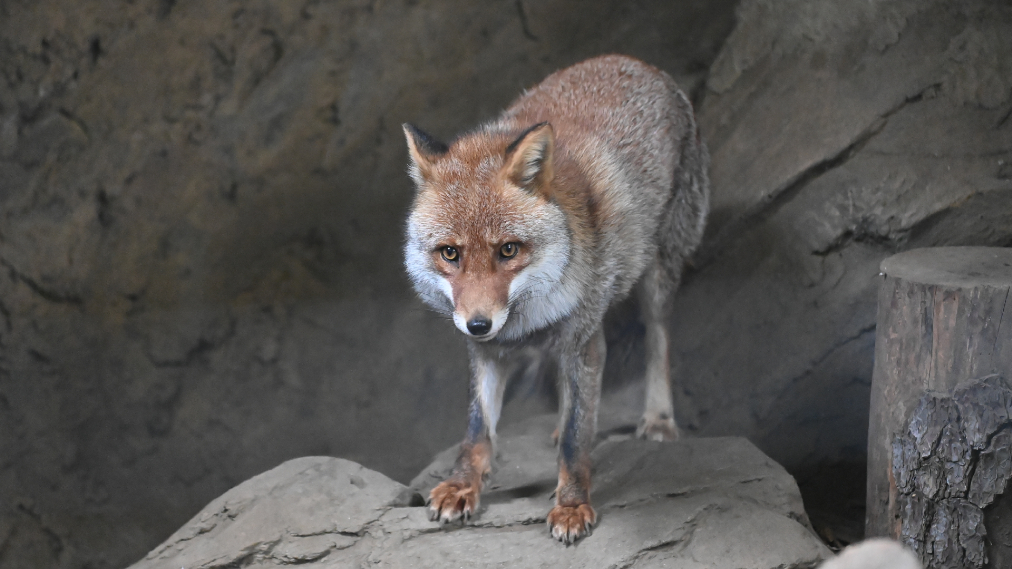
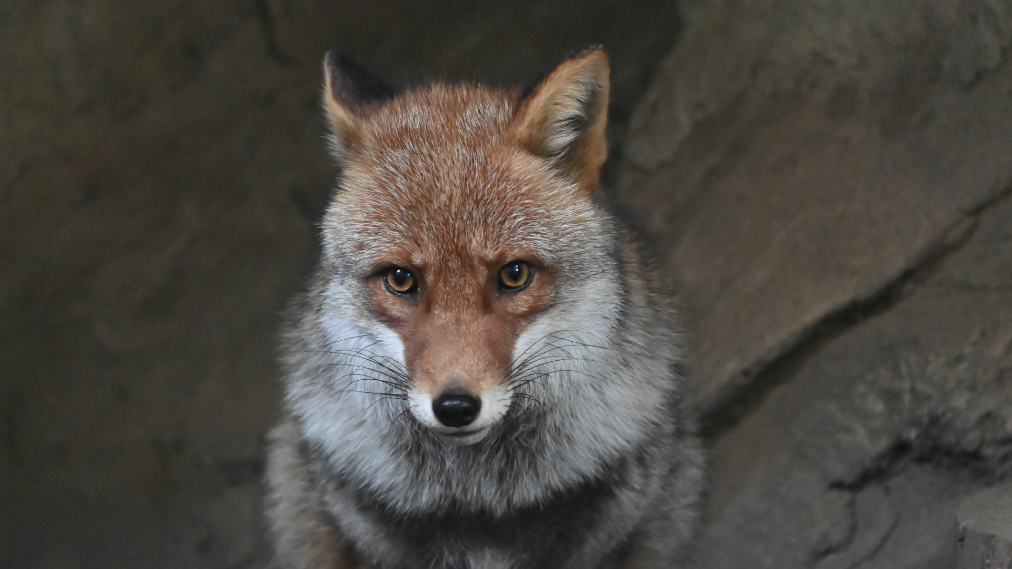
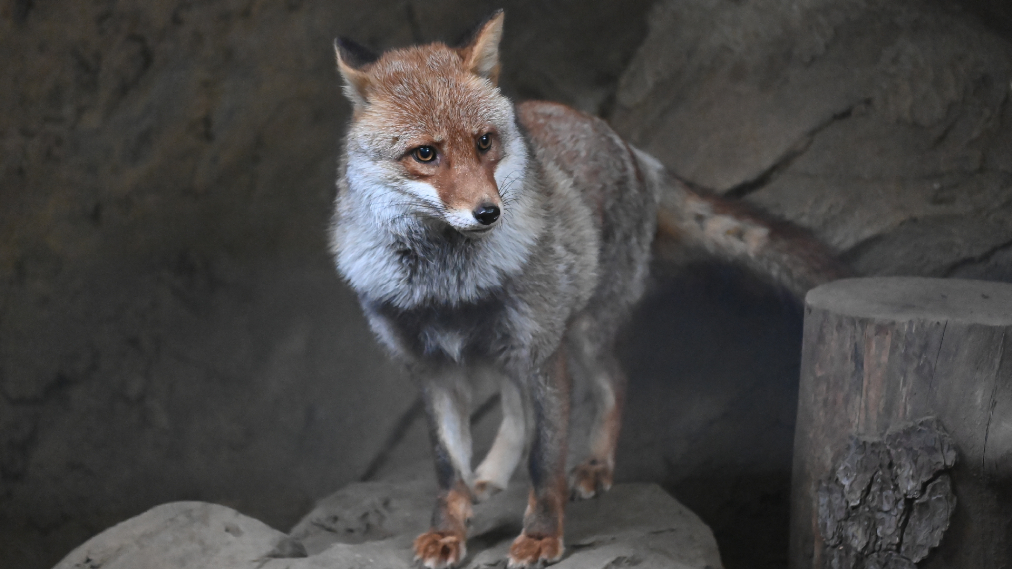
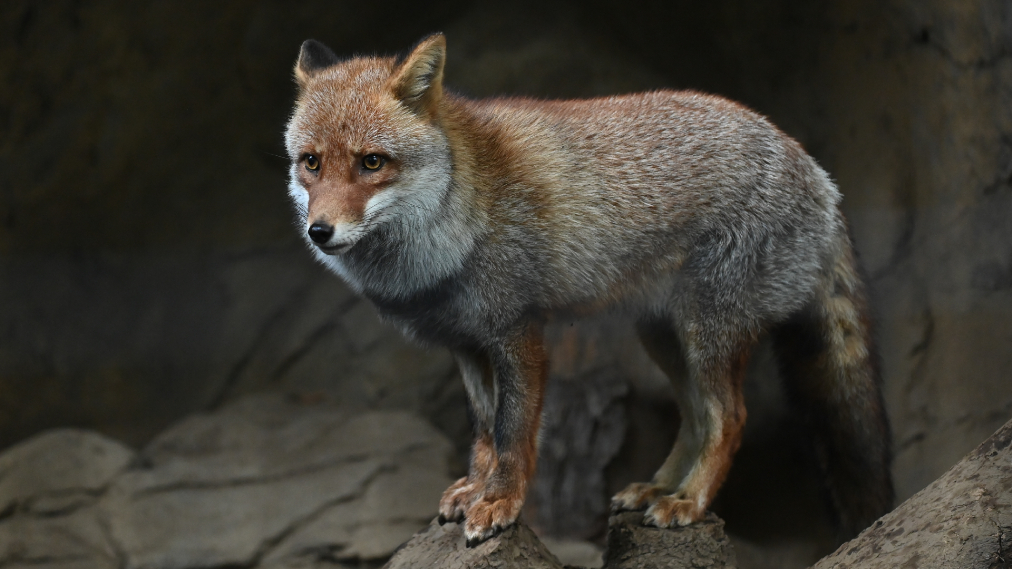
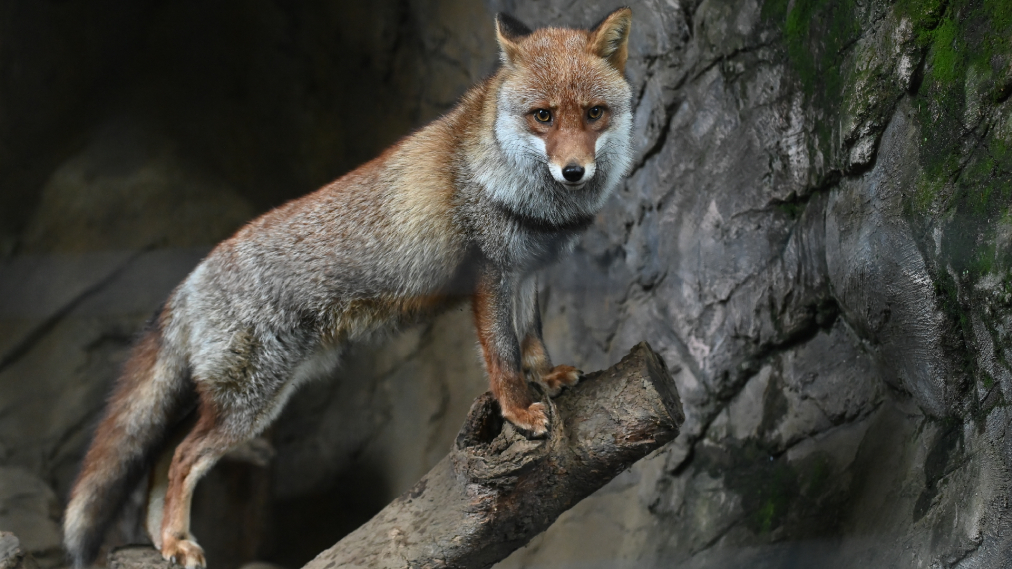
In Japan, they live alone in the forests and grasslands of Honshu, Shikoku, and Kyushu, with overlapping territories. They spend the day in underground burrows and are mainly active at night. Males and females meet in the winter, and the female gives birth to 4-6 babies in the burrow in the spring, which leave their parents at 7 months old. Females born the previous year sometimes act as "helpers" to help the mother raise the babies.
| classification | Mammalia, Carnivora, Canidae |
|---|---|
| English name | Japanese Red Fox |
| distribution | Japan (Honshu, Shikoku, Kyushu) |
| Residence | Forests and grasslands |
| Size |
Head torso length: 60-75cm
Weight: 4-7kg |
| food | Mice, rabbits, insects, fruit, etc. |
| Red List |
IUCN: LC (Least Concern)
Tokyo: ○ (not ranked) |
To explore the surroundings at night
To enable them to move in the dark, their pupils become round in dark places to collect as much light as possible, and become elongated and narrow in bright places to adjust to the glare. Their large ears, which are good at collecting sound, and their prominent noses with their keen sense of smell are also useful for finding the location of prey and their surroundings in the dark.