Zoo Stock Species and the Red List
Zoo Stock Species and the Red List
Zoo Stock

This indicates that the species is included in the Second Zoo Stock Plan, which was formulated by the Tokyo Metropolitan Government in 2018. The plan sets goals for the next 10 years in three areas: "species conservation," "contribution to wildlife conservation," and "environmental education and conservation awareness." 124 animal species are included.
What is the Red List?
Based on scientific research, this is a list of wildlife classified by rank (category) indicating the degree of risk of extinction.
Livng Things Encyclopedia shows the categories (mainland and islands) assessed by the IUCN (International Union for Conservation of Nature) at the global level, the Ministry of the Environment for Japan, and the Tokyo Metropolitan Government for Tokyo.
The higher the category in each table, the higher the risk of extinction, and CR, EN, and VU are the three categories known as "endangered species." In Tokyo, species that are not at the NT (near threatened) level but are relatively rare are considered "species of concern."
|
IUCN categories |
|
|---|---|
|
EX |
extinction |
|
EW |
Extinction in the wild |
|
CR+EN |
— |
|
CR |
Serious crisis |
|
EN |
crisis |
|
VU |
emergency |
|
NT |
Near Threatened |
|
LC・○ |
Low Concern |
|
DD |
Data shortage |
|
LP |
— |
|
Japan (Ministry of the Environment) Category |
|
|---|---|
|
EX |
extinction |
|
EW |
Extinction in the wild |
|
CR+EN |
Endangered species |
|
CR |
Critically Endangered |
|
EN |
Endangered species |
|
VU |
Endangered species |
|
NT |
Near Threatened |
|
LC・○ |
— |
|
DD |
Lack of information |
|
LP |
Endangered |
|
Tokyo Category |
|
|---|---|
|
EX |
extinction |
|
EW |
Extinction in the wild |
|
CR+EN |
Endangered species |
|
CR |
Critically Endangered |
|
EN |
Endangered species |
|
VU |
Endangered species |
|
NT |
Near Threatened |
|
LC・○ |
Unranked |
|
DD |
Lack of information |
|
LP |
Endangered |
Creatures at Inokashira Park Zoo
Creatures at Inokashira Park Zoo

Land Snail
Land Snail
Mandarina Mandarina
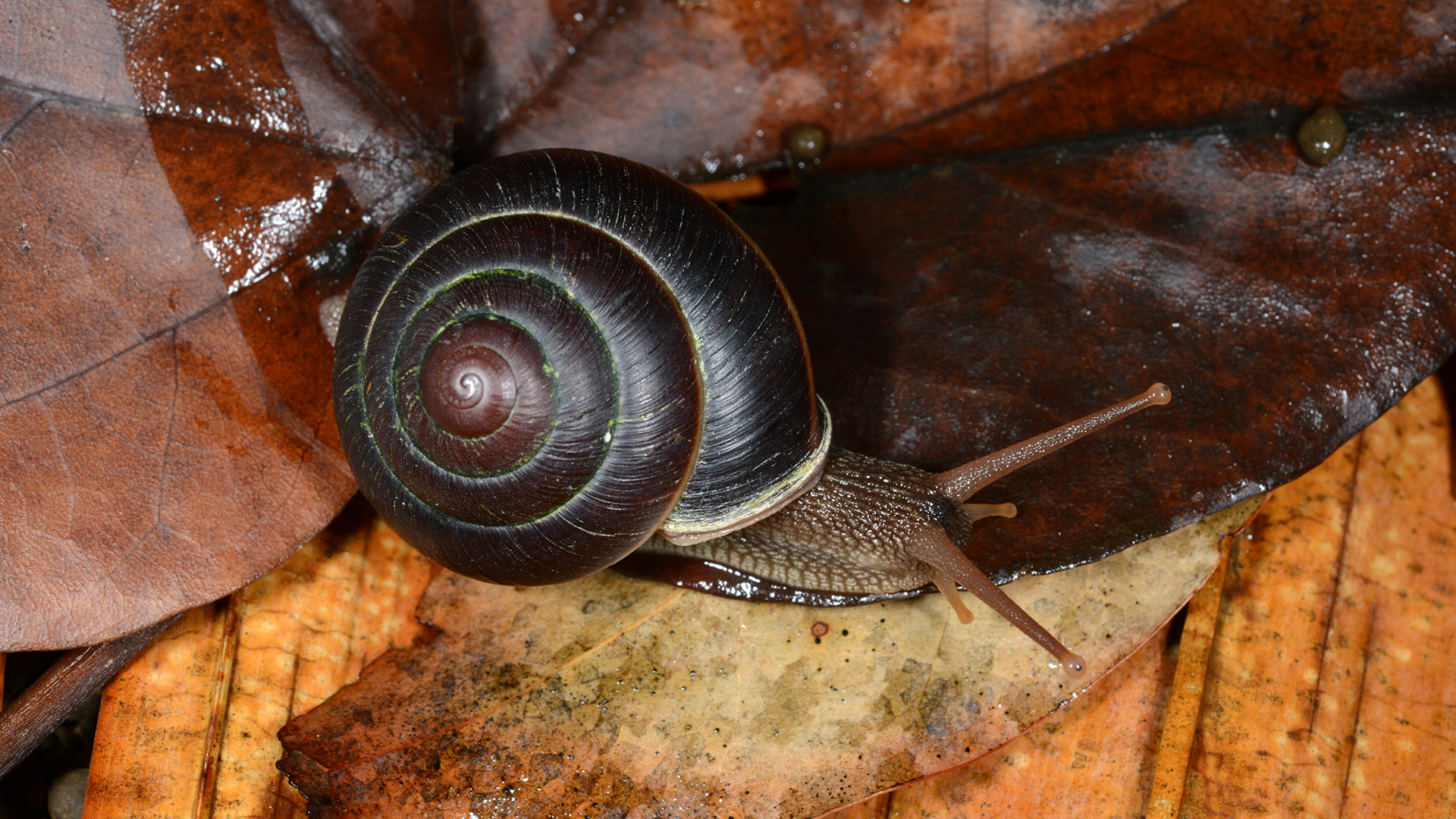
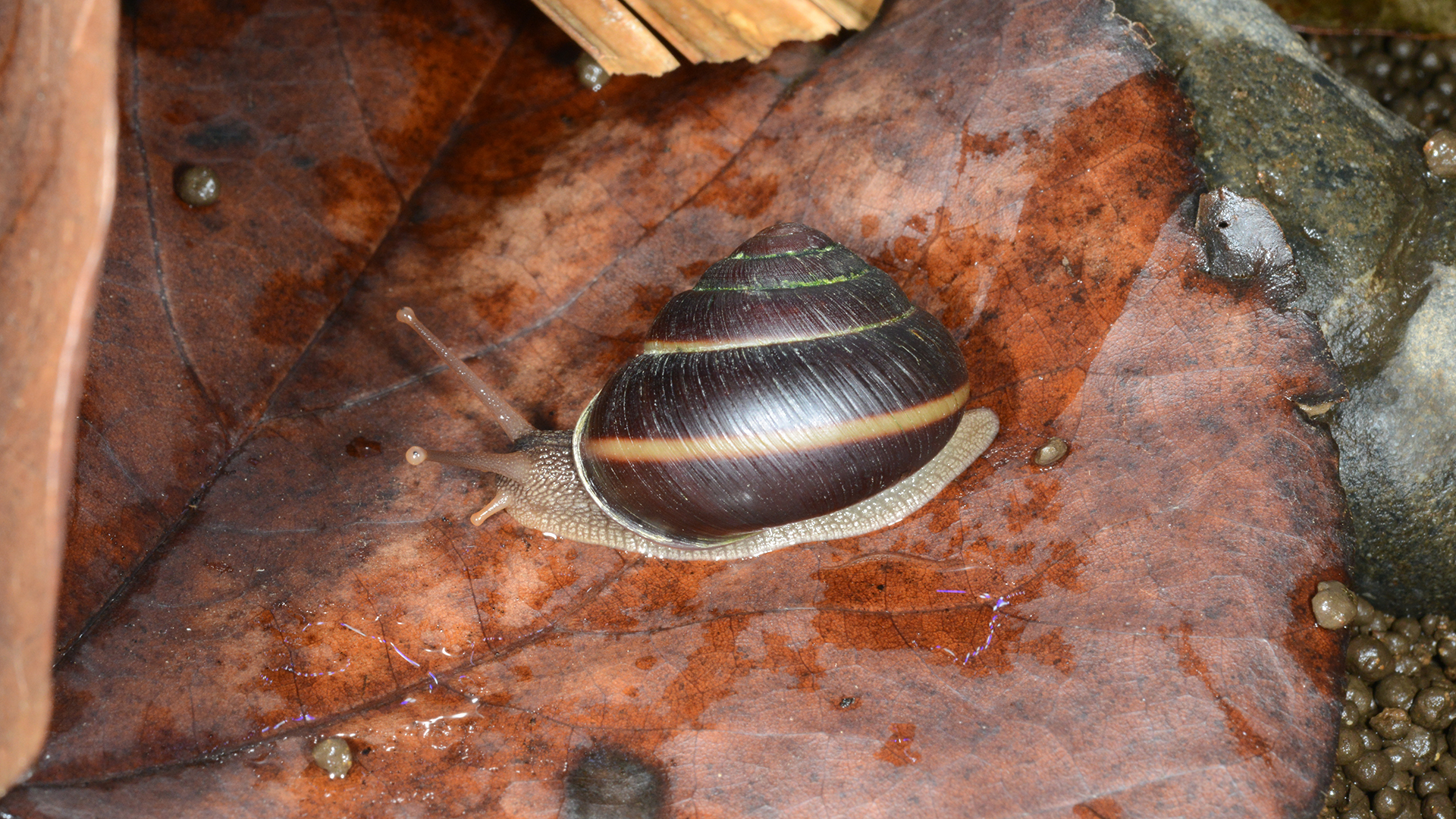
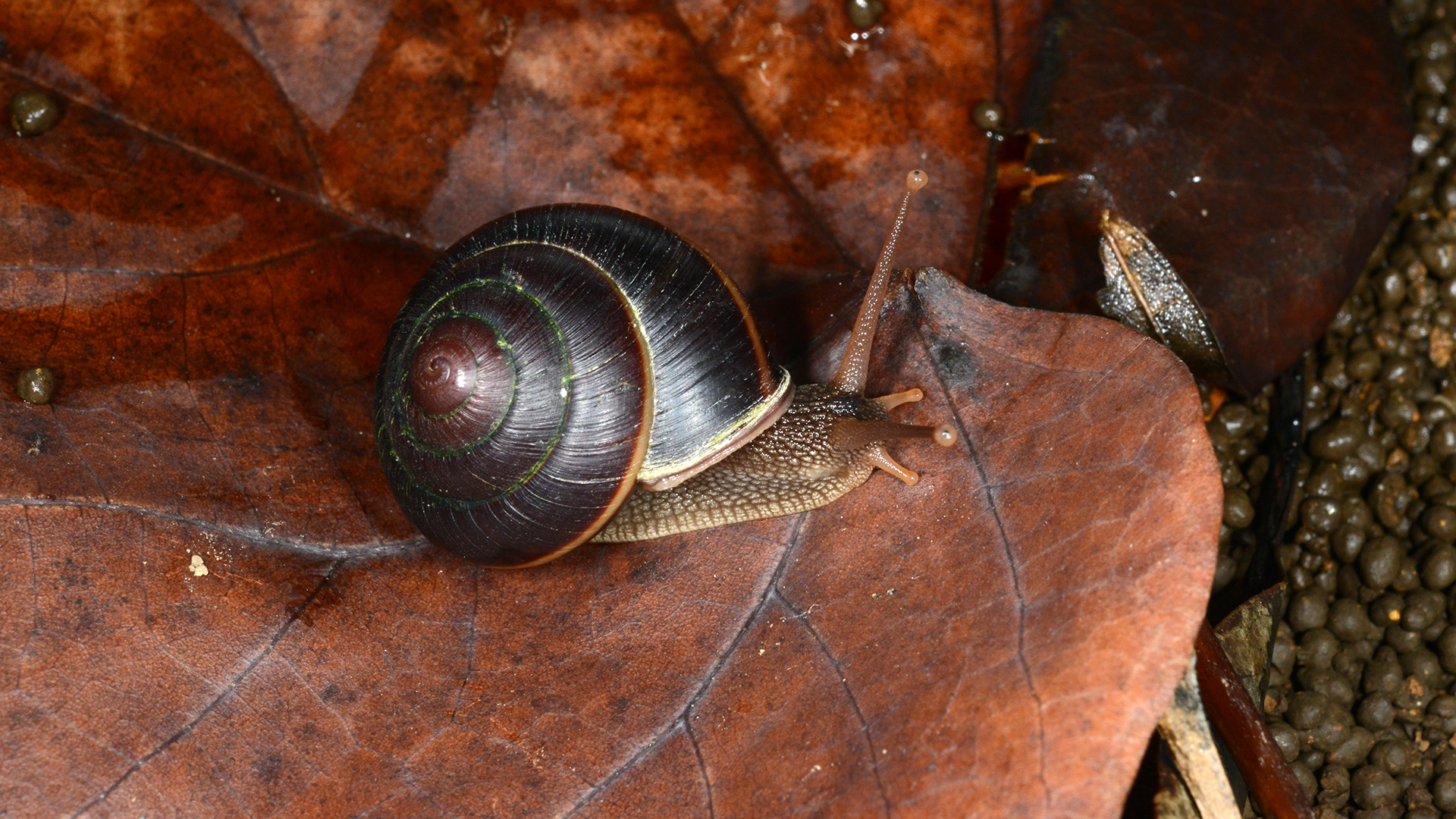
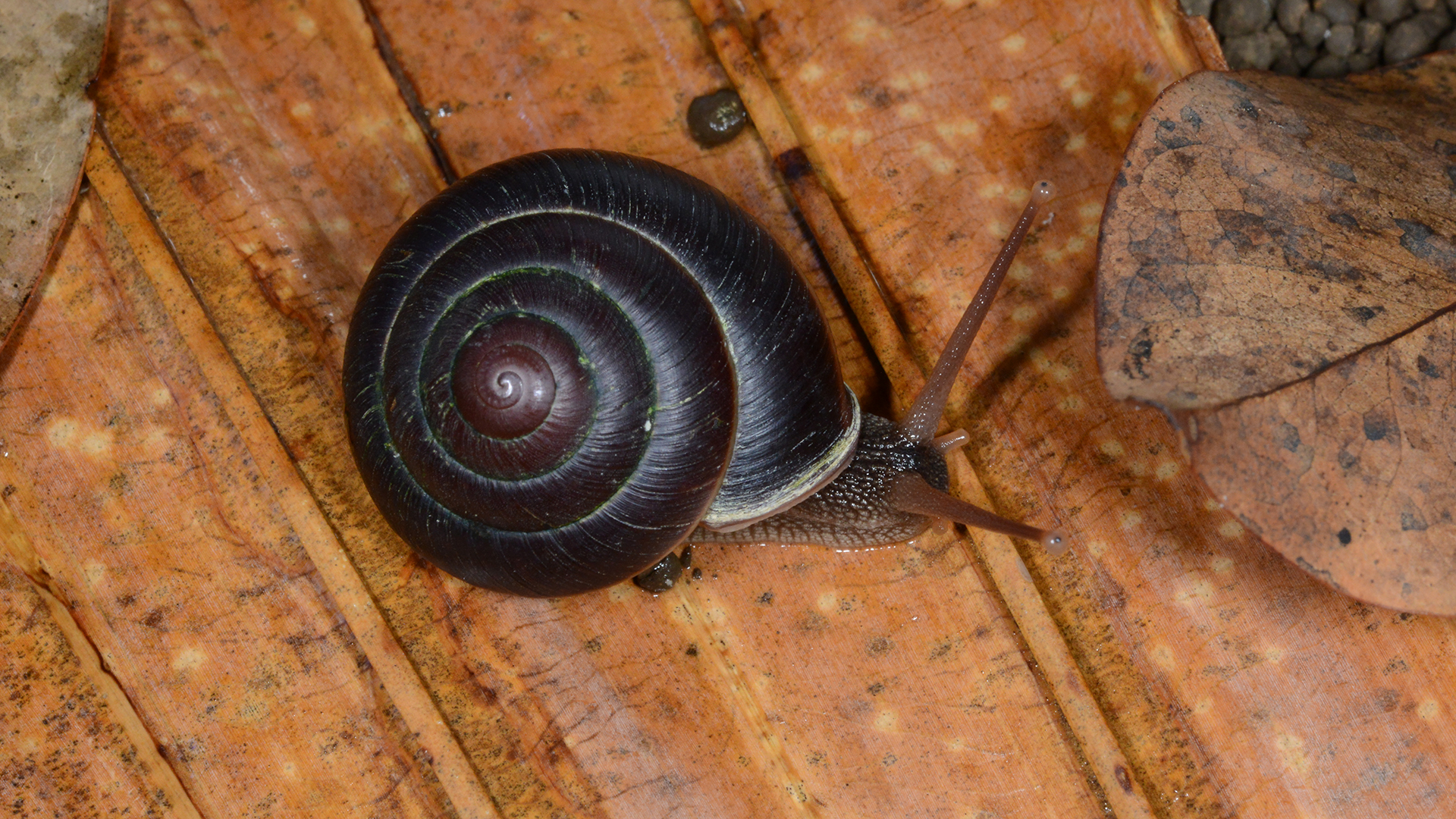
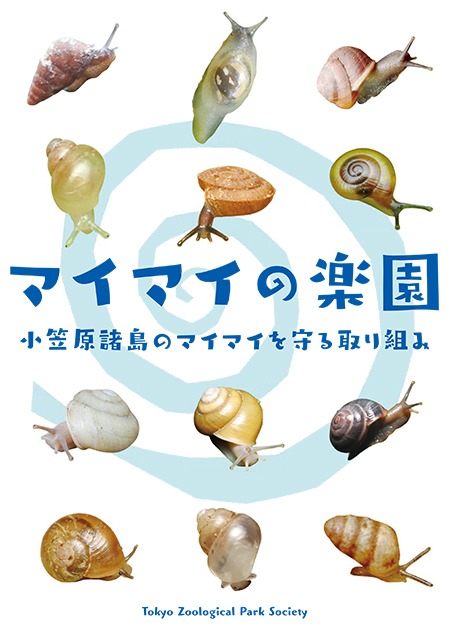
This is a type of snail found only on the Ogasawara Islands, located about 1,000 km south of central Tokyo. Approximately 100 species of snail live on the Ogasawara Islands, over 90% of which are endemic. Among them, the genus Land Snail, which includes Land Snail, is characterized by its relatively large size and hard shell. Land Snail live mainly on the ground and are generally not found in trees. They have a lifespan of about 5 to 6 years, reaching adulthood in about 2 years, with the edges of their shells curling outward. The precious snail species of the Ogasawara Islands are in a critical situation, with their numbers declining mainly due to the introduction of invasive species.
| classification | Gastropoda, Eurasian Moorhen Family Hemicidae |
|---|---|
| English name | Land Snail |
| distribution | Japan (Ogasawara Islands, Chichijima Islands) |
| Residence | Swamp Forest |
| Size |
Shell height: about 21 mm
Shell diameter: approx. 28mm |
| food | Plants, etc. |
| Red List |
IUCN: DD (Data Deficient)
Japan: CR+EN (endangered species) Tokyo: CR+EN (endangered species) |
What's the number on the shell?
If you look closely at the shell of Land Snail, you will see a tag with a number on it. In fact, all of the individuals in captivity have this tag attached, and it is used to identify them. If closely related individuals repeatedly reproduce with each other, genetic diversity will not be maintained. To prevent this, it is necessary to identify the individuals.
World Natural Heritage Sites and Maimai
The Ogasawara Islands were registered as a World Heritage Site in June 2011. One of the reasons for the selection is the evolutionary diversity of the approximately 100 species of snails, including Land Snail. Snails somehow found their way to the Ogasawara Islands, which are oceanic islands with limited natural predators and competitors, and evolved to adapt to the various environments, rapidly increasing their numbers. The Ogasawara Islands are truly a paradise for snails.
The endangered snail
The snails of the Ogasawara Islands are currently in danger of extinction. The main reason for this is predation by invasive species such as the New Guinea flatworm and the brown rat, which are not native to the Ogasawara Islands. It is not clear how these invasive species arrived on the islands, but unfortunately, it is highly likely that they have moved in along with human activity.
Protecting the Ogasawara Islands' Mai-nai
The four Tokyo Metropolitan Zoos and Aquariums are working to conserve four species of Land Snail genus, which are on the verge of extinction. They are breeding them in captivity while maintaining genetic diversity, and are also conducting research that can only be done in captivity, accumulating scientific knowledge that will be useful in conservation efforts. They are also working to raise awareness of the critical situation of these snails through exhibits and outreach activities.