

Take a peek inside an otter's nest
January 30, 2026
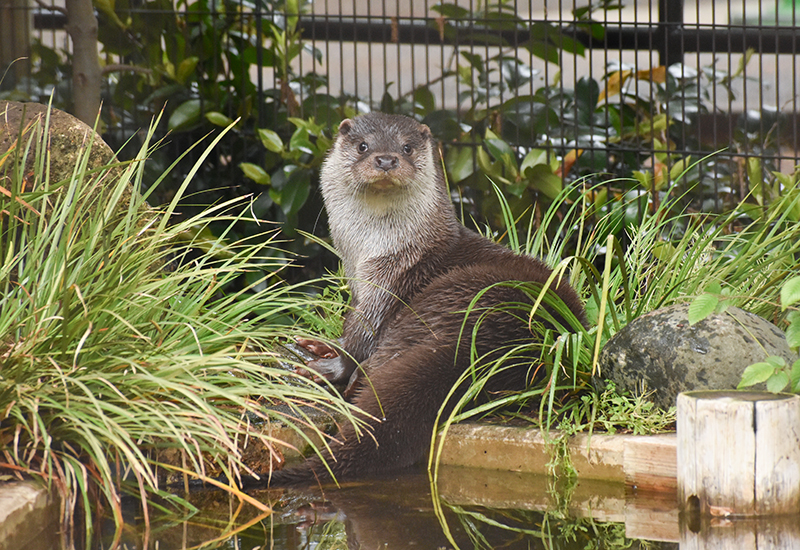
Wild Eurasian Otter mainly live alone in rivers or the sea, and have multiple resting areas within their territories. As they are nocturnal, they mainly move along rivers at night and seem to rest at nearby resting areas around sunrise.
At Eurasian Otter exhibit at Inokashira Park Zoo, a rock-built burrow and a wooden nest box have been set up as resting areas, and the otters use these two places as their main resting areas.
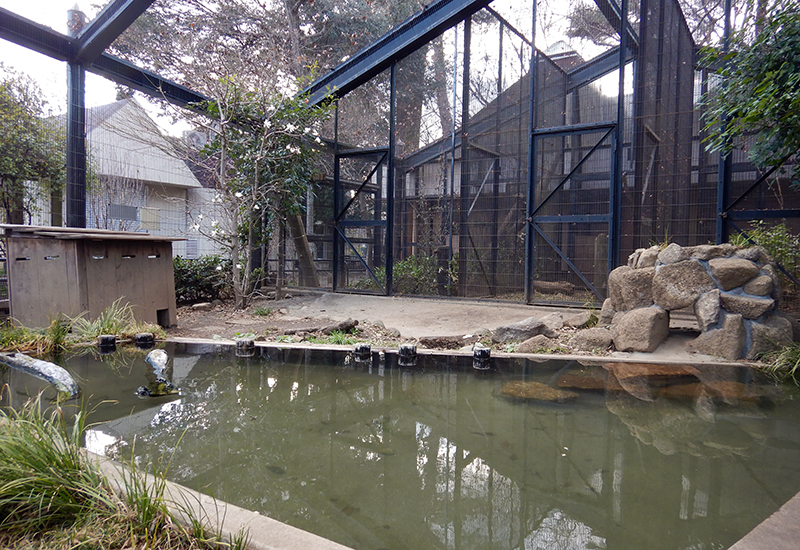
The wooden nest boxes were outdated and were replaced two years ago (we now have new otter nest boxes!), but the rock-built nest boxes also presented challenges.
First, there was the leak that could be seen on days with heavy rain. The rain wasn't falling directly on the otter, but the cement holding the rocks in place had become old and had gaps, allowing the rain to trickle down the surface of the rocks inside.
Additionally, the entrance to the burrow was narrow, so once the otter entered it was completely hidden, making it impossible to tell that the otter was there. This was another issue, as it was difficult for both visitors and staff to check on the otter's health from outside the exhibit.
Renovation of the nest hole
So in February of last year, we carried out renovations to the rock-built burrows. During the renovations, we focused not only on making it easier to observe, but also on ensuring the otters' comfort.
Specifically, the larger the burrow entrance, the easier it is for visitors to find it, but if the entrance is too wide, it becomes difficult to shelter from the wind and rain. The otters may feel uneasy and stop using the burrow. We aimed for an exquisite balance: not too narrow, not too wide.
So the new nest was completed without any problems, and it has been almost a year since then.
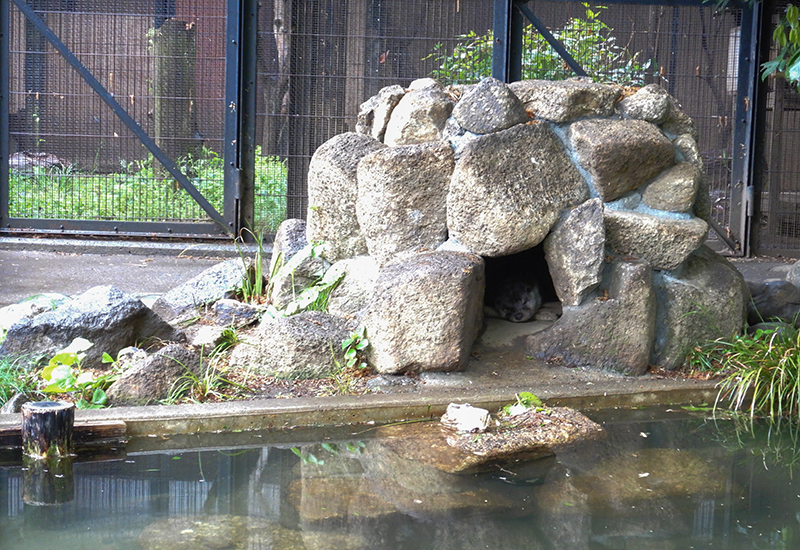
How otters use their burrows
Over the past year, the way the otters use their rock-built dens has changed with the changing seasons. At first, they seemed wary and we didn't see them using them very often, but after a month they started using them more and more.
The stones are especially cool and refreshing during the hot summer months, so I started using them almost every day, which was a relief. Now that winter has arrived, I can observe the birds gathering nesting materials as they do every year.
Winter only! Check out the fluffy beds
Otters can be seen gathering nesting material all year round, bringing dead leaves, grass, and other plants to their resting areas, but in winter the speed at which they add plants increases dramatically, and before you know it, a thick winter bed is created.
This year, unusually, they started making beds in the wooden nest boxes, but since then they have been busy making beds in the rock-built nest holes.
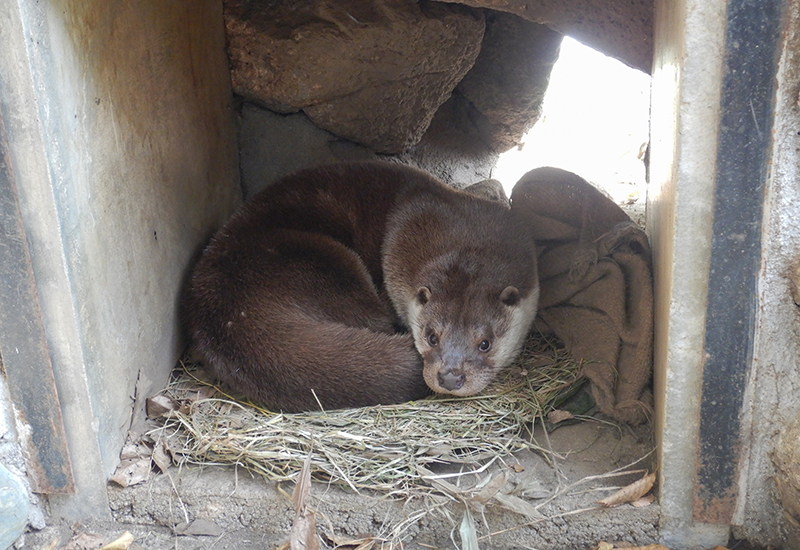
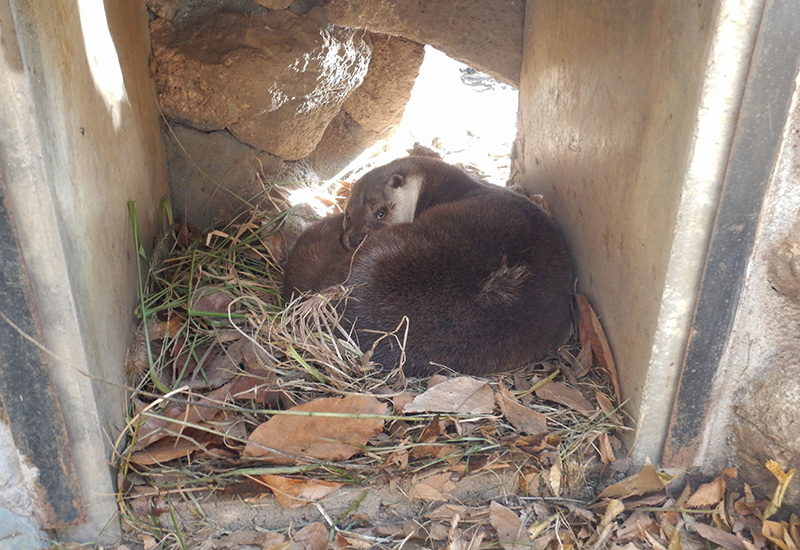
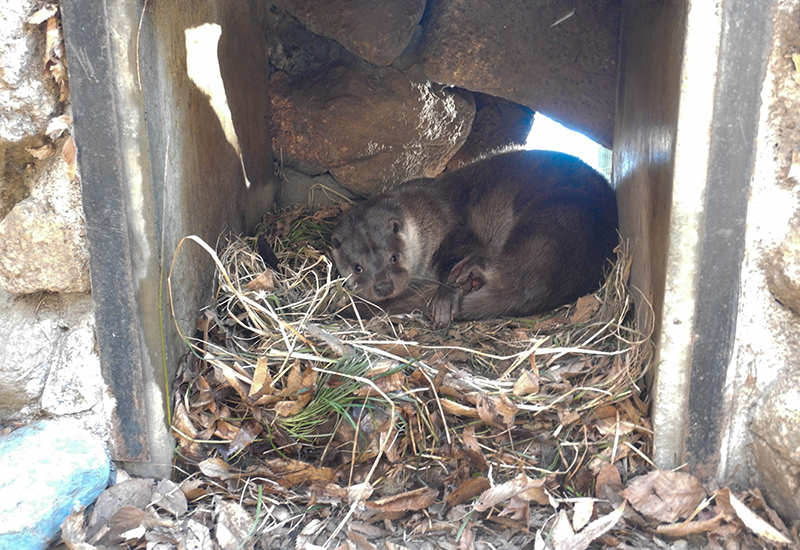
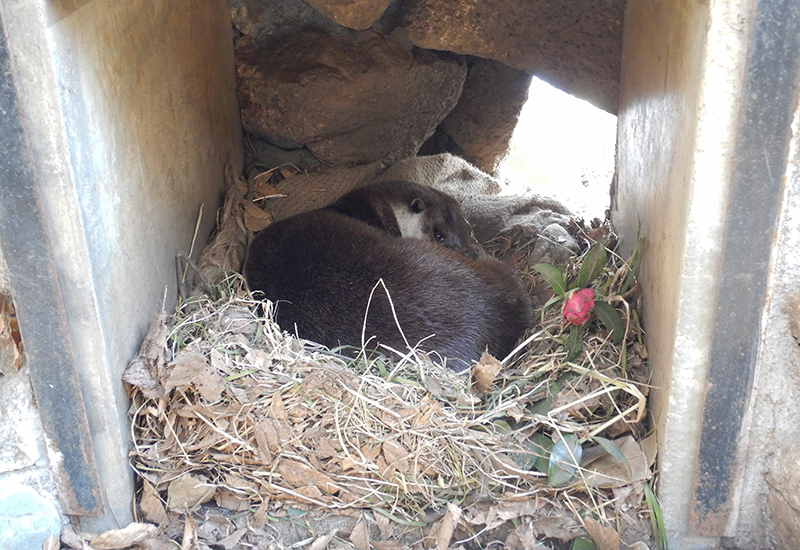
You can see the inside of the wooden nest box through the acrylic, so be sure to observe what is going on inside. The rock nest box is a little farther away from the viewing path, but it is not completely empty, and you may be able to see plants brought in by the otters protruding from it or silhouettes (recently, the beds have become so thick that you may only be able to see plants!) ).
) When you visit the park, please pay attention not only to the otters, but also to the inside of their nests.
Inokashira Park Zoo
Related articles
(January 30, 2026)