

Zoo Stock Species and the Red List
Zoo Stock Species and the Red List
Zoo Stock
This indicates that the species is included in the Second Zoo Stock Plan, which was formulated by the Tokyo Metropolitan Government in 2018. The plan sets goals for the next 10 years in three areas: "species conservation," "contribution to wildlife conservation," and "environmental education and conservation awareness." 124 animal species are included.
What is the Red List?
Based on scientific research, this is a list of wildlife classified by rank (category) indicating the degree of risk of extinction.
Livng Things Encyclopedia shows the categories (mainland and islands) assessed by the IUCN (International Union for Conservation of Nature) at the global level, the Ministry of the Environment for Japan, and the Tokyo Metropolitan Government for Tokyo.
The higher the category in each table, the higher the risk of extinction, and CR, EN, and VU are the three categories known as "endangered species." In Tokyo, species that are not at the NT (near threatened) level but are relatively rare are considered "species of concern."
|
IUCN categories |
|
|---|---|
|
EX |
extinction |
|
EW |
Extinction in the wild |
|
CR+EN |
— |
|
CR |
Serious crisis |
|
EN |
crisis |
|
VU |
emergency |
|
NT |
Near Threatened |
|
LC・○ |
Low Concern |
|
DD |
Data shortage |
|
LP |
— |
|
Japan (Ministry of the Environment) Category |
|
|---|---|
|
EX |
extinction |
|
EW |
Extinction in the wild |
|
CR+EN |
Endangered species |
|
CR |
Critically Endangered |
|
EN |
Endangered species |
|
VU |
Endangered species |
|
NT |
Near Threatened |
|
LC・○ |
— |
|
DD |
Lack of information |
|
LP |
Endangered |
|
Tokyo Category |
|
|---|---|
|
EX |
extinction |
|
EW |
Extinction in the wild |
|
CR+EN |
Endangered species |
|
CR |
Critically Endangered |
|
EN |
Endangered species |
|
VU |
Endangered species |
|
NT |
Near Threatened |
|
LC・○ |
Unranked |
|
DD |
Lack of information |
|
LP |
Endangered |
Creatures at Inokashira Park Zoo
Creatures at Inokashira Park Zoo
Sika Deer
Subspecies: Yaku Is Sika Deer
Sika Deer
Subspecies: Yaku Is Sika DeerCervus nippon yakushimae
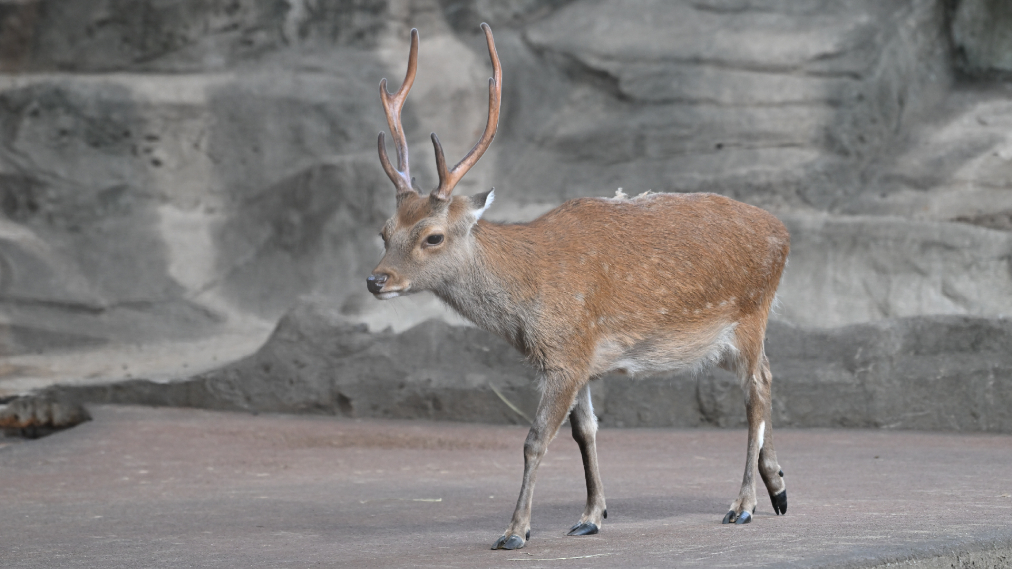
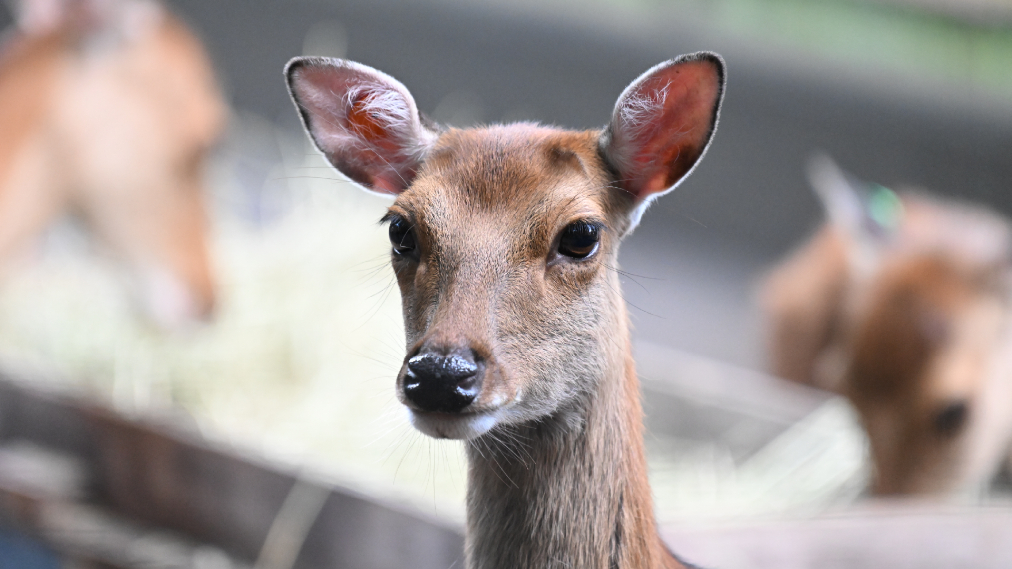
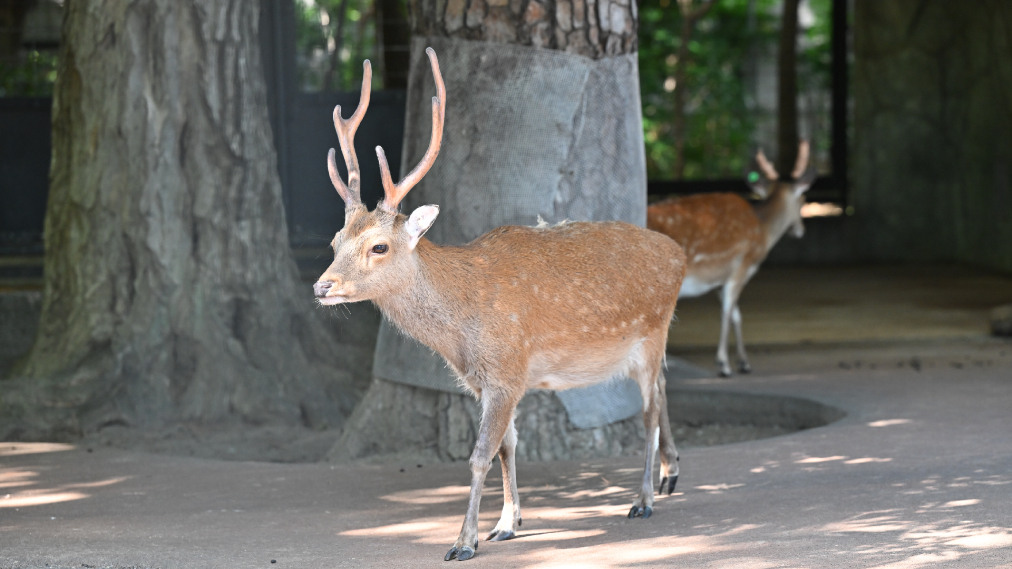
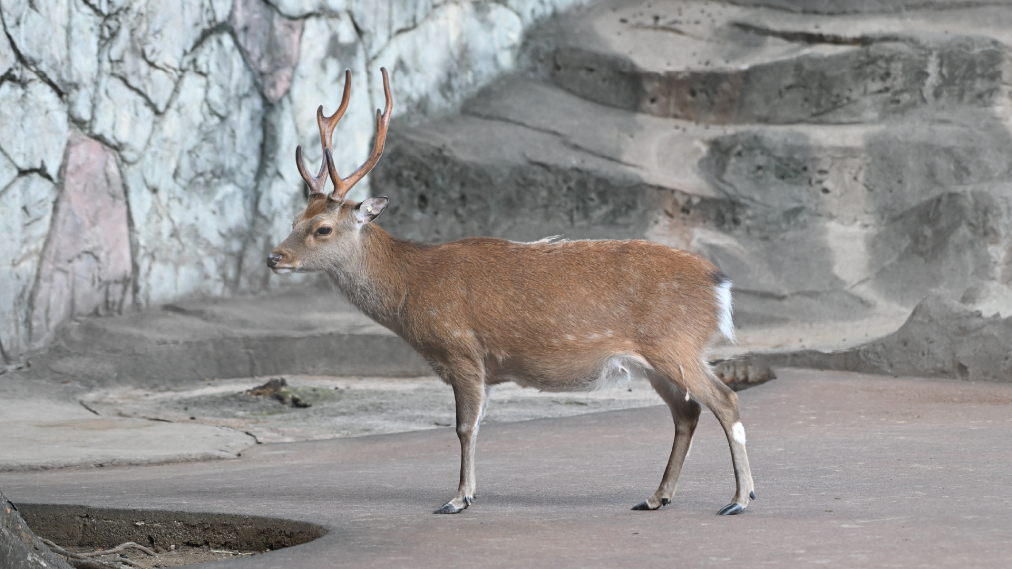
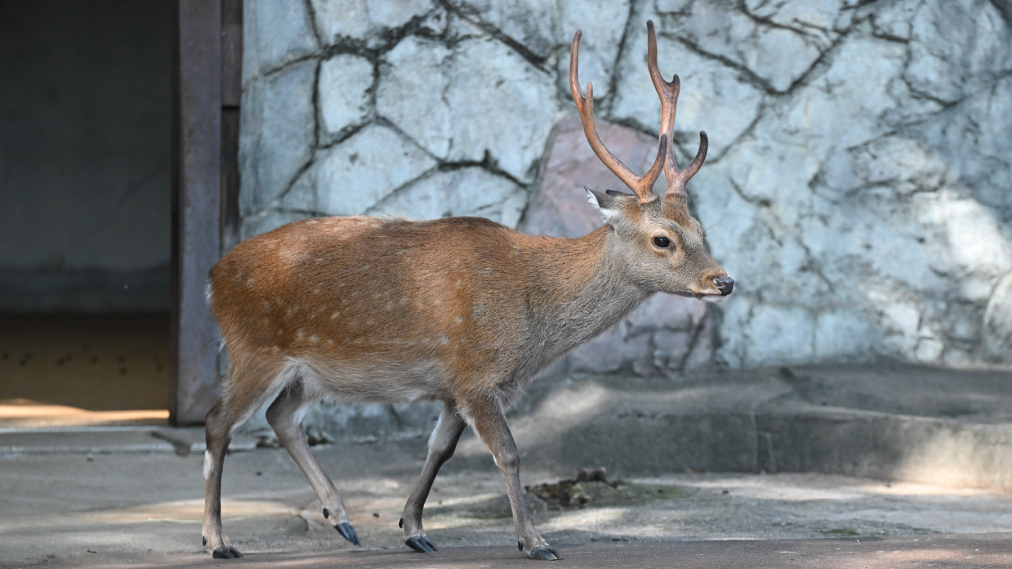
The smallest of Sika Deer species living in Japan are Yaku Is Sika Deer that live on Yakushima and Kuchinoerabujima in Kagoshima. Compared to Sika Deer of Honshu, their legs are shorter for their body size. One reason for this is that they live on islands with no natural predators, so they have not needed to have a large body to fight off predators or long legs to escape.
| classification | Mammalia, Artiodactyla, Cervidae |
|---|---|
| English name | Yaku Is Sika Deer |
| distribution | Japan (Yakushima, Kuchinoerabujima) |
| Residence | mountain forests |
| Size |
Head torso length: 1~1.5m
|
| food | Leaves, bark, buds, branches, grass, fallen leaves |
| Red List |
IUCN: LC (Least Concern)
|
How's your body?
The fur of Yaku Is Sika Deer deer changes from a light brown with white spots in the summer, blending in with the lush forest trees, to a dark brown in the winter, camouflaged against the bare trees. What did Yaku Is Sika Deer you saw look like?
Horns that change with the seasons
Only males have antlers, which grow back every year. When the old antlers fall off in the spring, new antlers covered with soft skin quickly grow. The antlers continue to grow during the summer, when the skin around the antlers peels off, revealing the hard, bony antlers underneath. Then, during the mating season in the fall, males compete for females in a strength contest, clashing their antlers.