

Zoo Stock Species and the Red List
Zoo Stock Species and the Red List
Zoo Stock

This indicates that the species is included in the Second Zoo Stock Plan, which was formulated by the Tokyo Metropolitan Government in 2018. The plan sets goals for the next 10 years in three areas: "species conservation," "contribution to wildlife conservation," and "environmental education and conservation awareness." 124 animal species are included.
What is the Red List?
Based on scientific research, this is a list of wildlife classified by rank (category) indicating the degree of risk of extinction.
Livng Things Encyclopedia shows the categories (mainland and islands) assessed by the IUCN (International Union for Conservation of Nature) at the global level, the Ministry of the Environment for Japan, and the Tokyo Metropolitan Government for Tokyo.
The higher the category in each table, the higher the risk of extinction, and CR, EN, and VU are the three categories known as "endangered species." In Tokyo, species that are not at the NT (near threatened) level but are relatively rare are considered "species of concern."
|
IUCN categories |
|
|---|---|
|
EX |
extinction |
|
EW |
Extinction in the wild |
|
CR+EN |
— |
|
CR |
Serious crisis |
|
EN |
crisis |
|
VU |
emergency |
|
NT |
Near Threatened |
|
LC・○ |
Low Concern |
|
DD |
Data shortage |
|
LP |
— |
|
Japan (Ministry of the Environment) Category |
|
|---|---|
|
EX |
extinction |
|
EW |
Extinction in the wild |
|
CR+EN |
Endangered species |
|
CR |
Critically Endangered |
|
EN |
Endangered species |
|
VU |
Endangered species |
|
NT |
Near Threatened |
|
LC・○ |
— |
|
DD |
Lack of information |
|
LP |
Endangered |
|
Tokyo Category |
|
|---|---|
|
EX |
extinction |
|
EW |
Extinction in the wild |
|
CR+EN |
Endangered species |
|
CR |
Critically Endangered |
|
EN |
Endangered species |
|
VU |
Endangered species |
|
NT |
Near Threatened |
|
LC・○ |
Unranked |
|
DD |
Lack of information |
|
LP |
Endangered |
Creatures at Inokashira Park Zoo
Creatures at Inokashira Park Zoo

Tsushima Leopard Cat
Tsushima population of Amur Leopard Cat Leopard Cat
Tsushima Leopard Cat
Tsushima population of Amur Leopard Cat Leopard CatPrionailurus bengalensis euptilurus
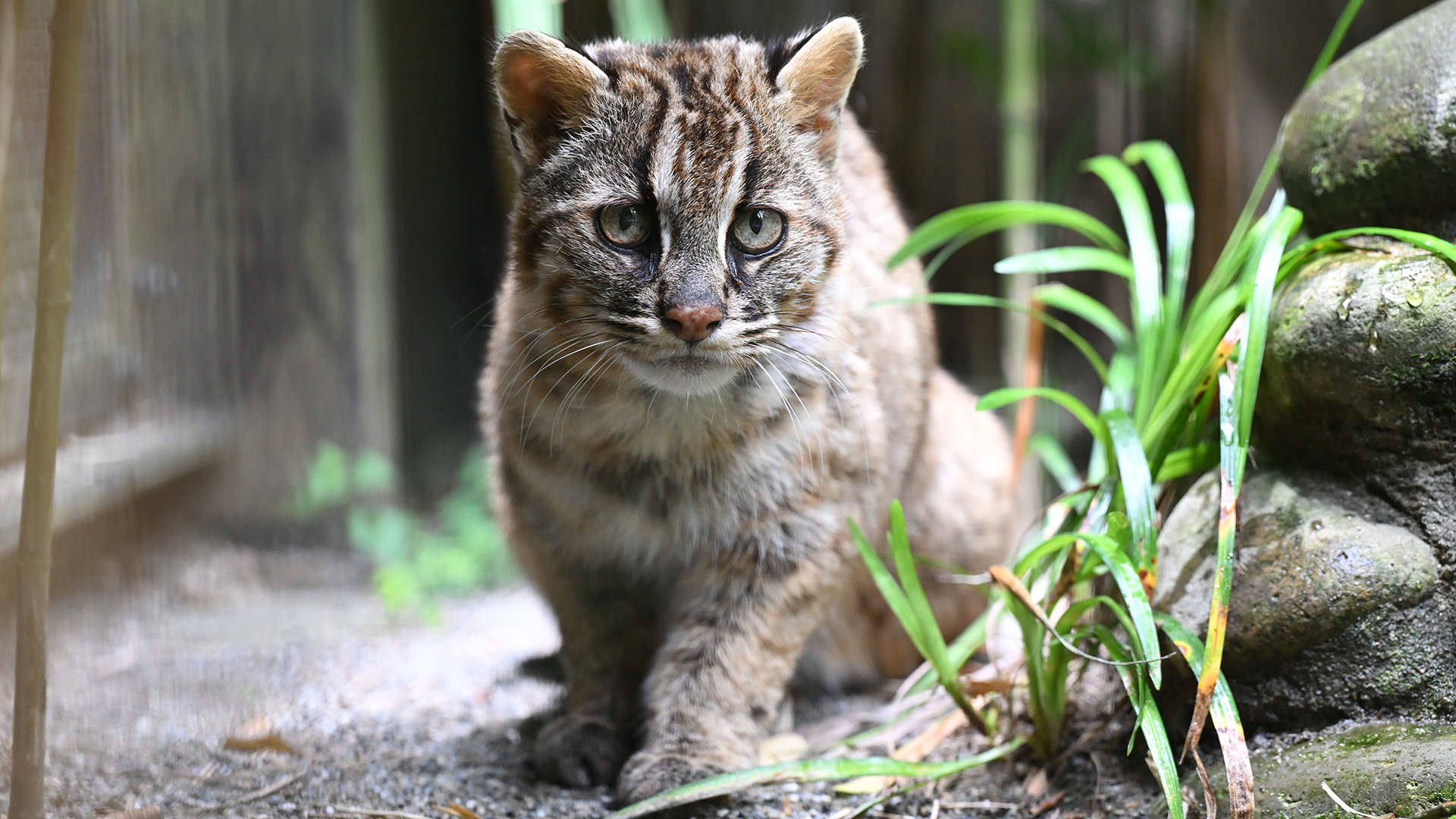
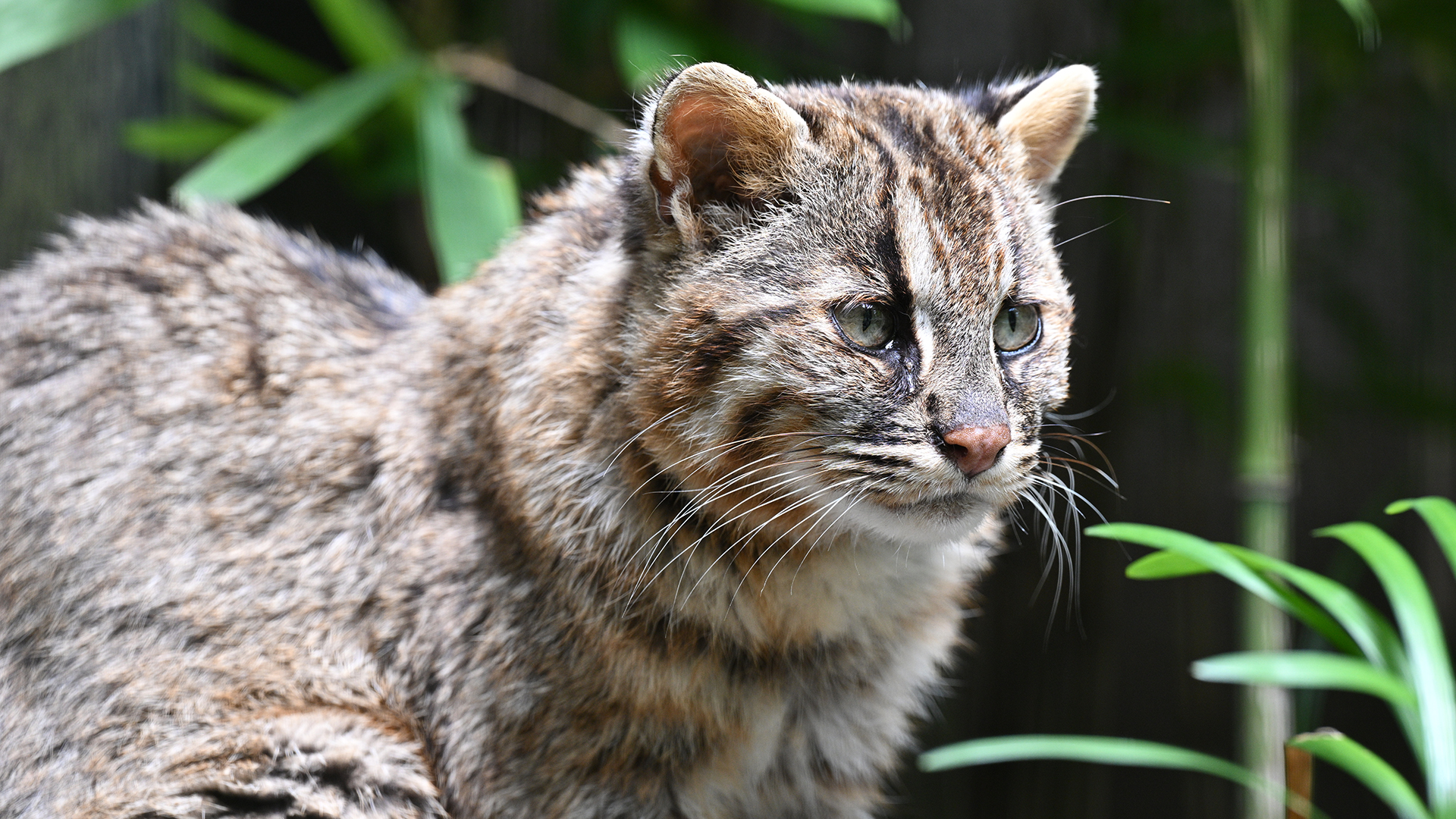
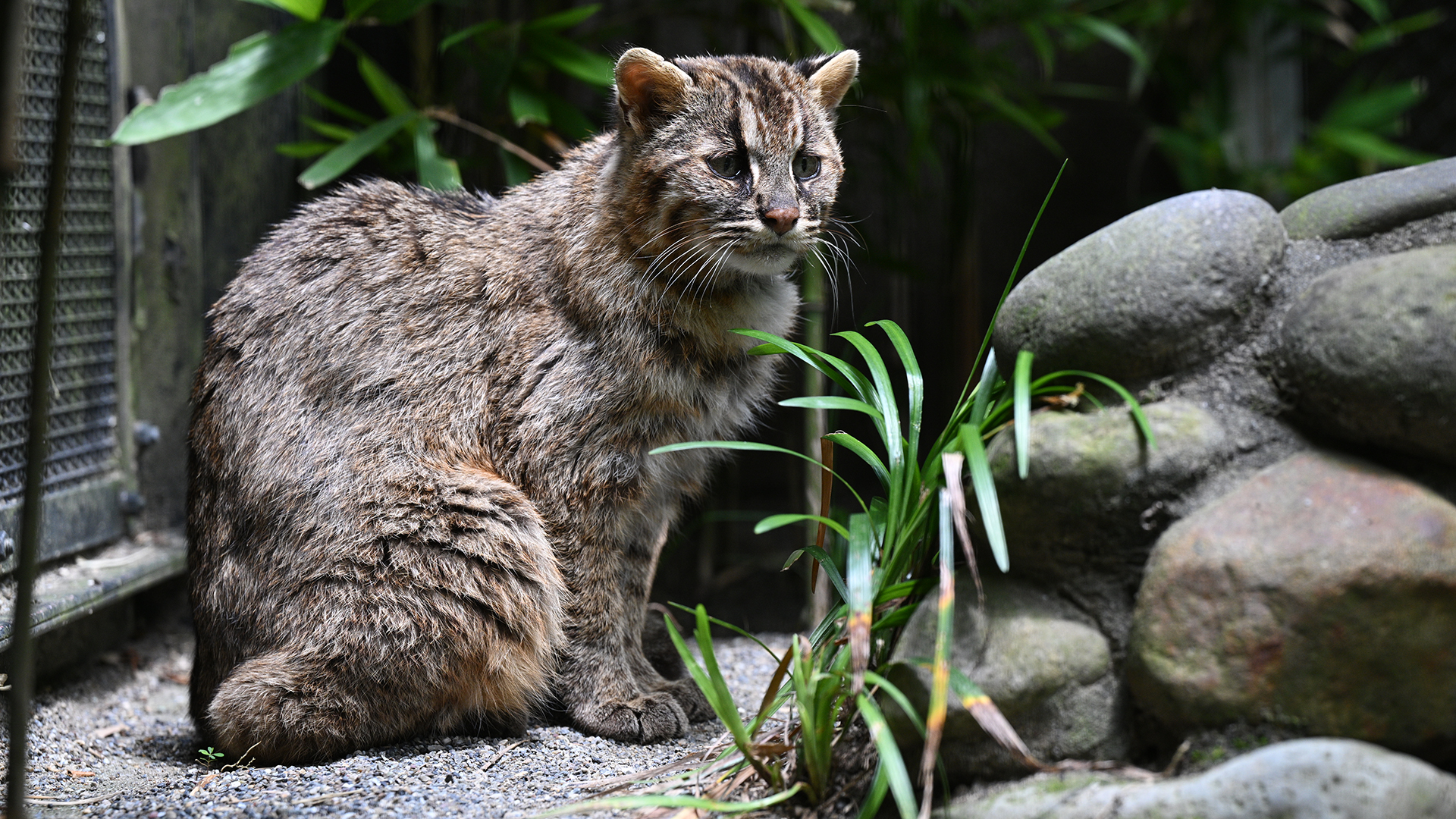
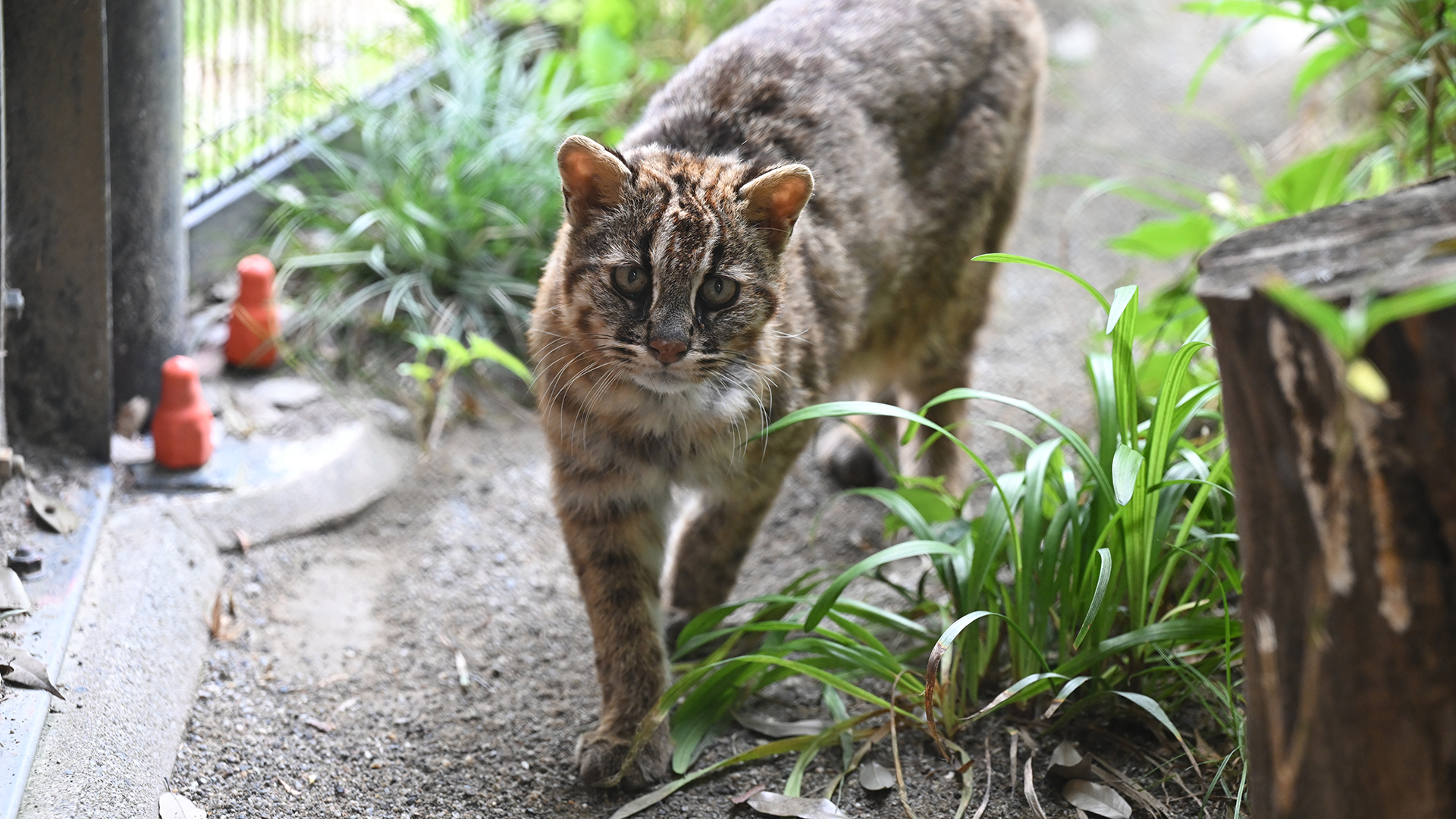
Among Amur Leopard Cat, a subspecies of the Leopard Cat, those that live on Tsushima Island in Nagasaki Prefecture are called Tsushima Leopard Cat wildcats. It is believed that their ancestors migrated from the Eurasian continent, which was connected to the island by land, about 100,000 years ago. Their numbers have been declining due to factors such as a deterioration in their habitat, and it is estimated that only about 100 wild Tsushima Leopard Cat remain today, down from about 2,000 in the Meiji era.
| classification | Mammalia, Carnivora, Felidae |
|---|---|
| English name | Tsushima Leopard Cat |
| distribution | Tsushima Island, Nagasaki Prefecture |
| Residence | Broadleaf forests, rice fields and farmland |
| Size |
Head torso length: 50cm to 60cm
|
| food | Mice, small birds, moles, frogs, snakes, insects, etc. |
| Red List |
IUCN: LC (Least Concern)
Japan: CR (Critically Endangered) |