

Zoo Stock Species and the Red List
Zoo Stock Species and the Red List
Zoo Stock
This indicates that the species is included in the Second Zoo Stock Plan, which was formulated by the Tokyo Metropolitan Government in 2018. The plan sets goals for the next 10 years in three areas: "species conservation," "contribution to wildlife conservation," and "environmental education and conservation awareness." 124 animal species are included.
What is the Red List?
Based on scientific research, this is a list of wildlife classified by rank (category) indicating the degree of risk of extinction.
Livng Things Encyclopedia shows the categories (mainland and islands) assessed by the IUCN (International Union for Conservation of Nature) at the global level, the Ministry of the Environment for Japan, and the Tokyo Metropolitan Government for Tokyo.
The higher the category in each table, the higher the risk of extinction, and CR, EN, and VU are the three categories known as "endangered species." In Tokyo, species that are not at the NT (near threatened) level but are relatively rare are considered "species of concern."
|
IUCN categories |
|
|---|---|
|
EX |
extinction |
|
EW |
Extinction in the wild |
|
CR+EN |
— |
|
CR |
Serious crisis |
|
EN |
crisis |
|
VU |
emergency |
|
NT |
Near Threatened |
|
LC・○ |
Low Concern |
|
DD |
Data shortage |
|
LP |
— |
|
Japan (Ministry of the Environment) Category |
|
|---|---|
|
EX |
extinction |
|
EW |
Extinction in the wild |
|
CR+EN |
Endangered species |
|
CR |
Critically Endangered |
|
EN |
Endangered species |
|
VU |
Endangered species |
|
NT |
Near Threatened |
|
LC・○ |
— |
|
DD |
Lack of information |
|
LP |
Endangered |
|
Tokyo Category |
|
|---|---|
|
EX |
extinction |
|
EW |
Extinction in the wild |
|
CR+EN |
Endangered species |
|
CR |
Critically Endangered |
|
EN |
Endangered species |
|
VU |
Endangered species |
|
NT |
Near Threatened |
|
LC・○ |
Unranked |
|
DD |
Lack of information |
|
LP |
Endangered |
Creatures at Inokashira Park Zoo
Creatures at Inokashira Park Zoo
Rhesus Monkey
Rhesus Monkey
Macaca mulatta
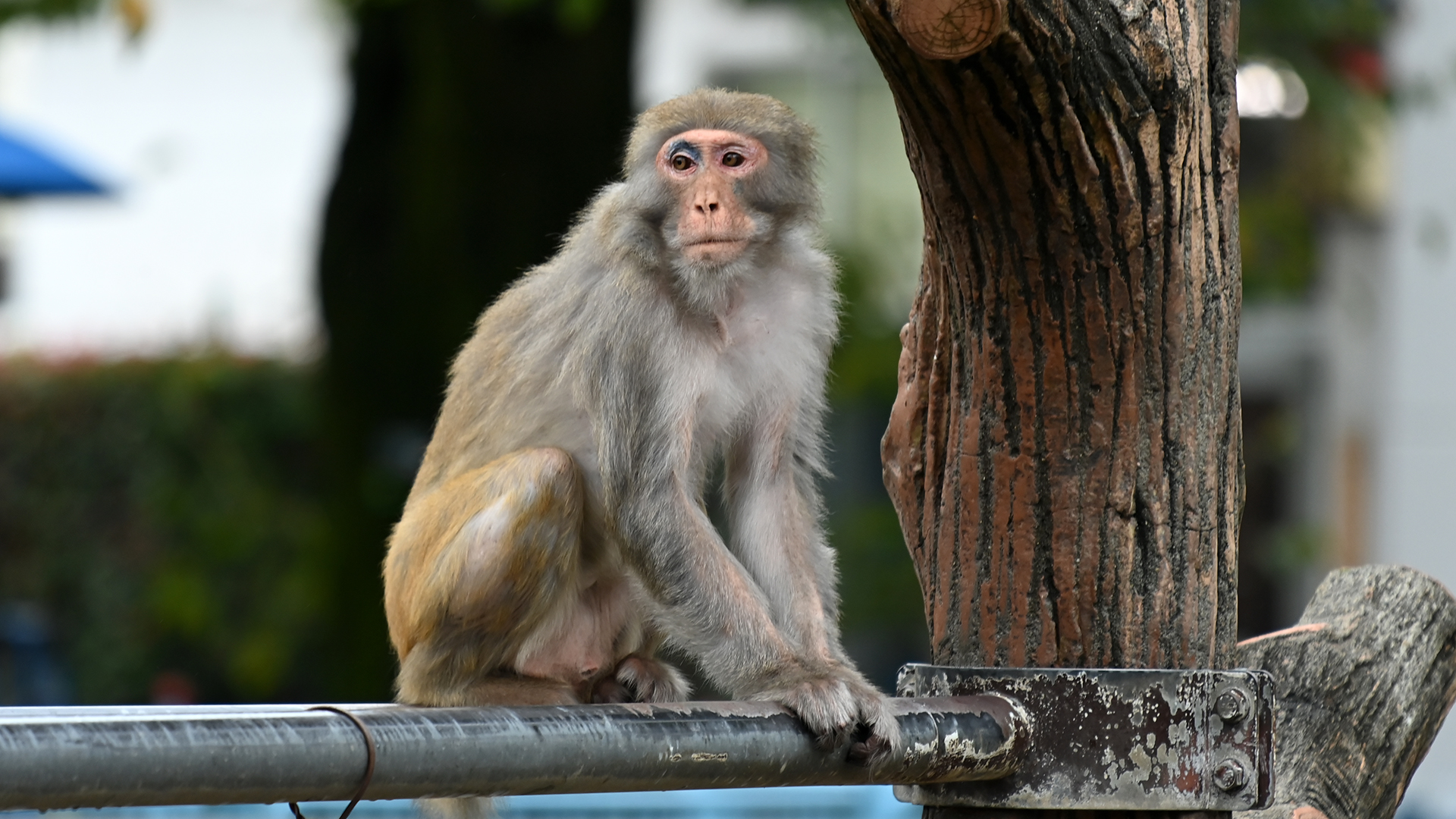
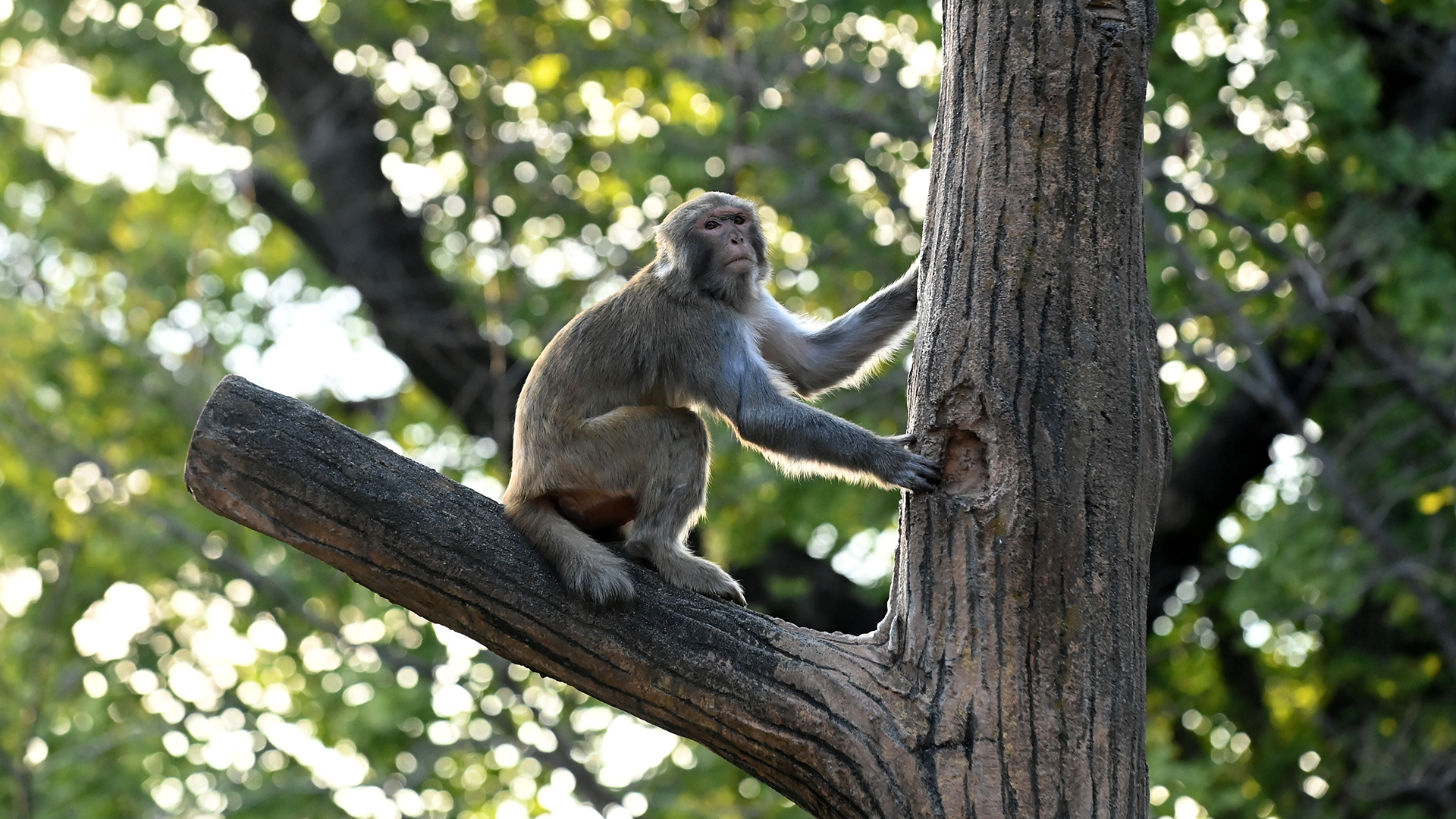
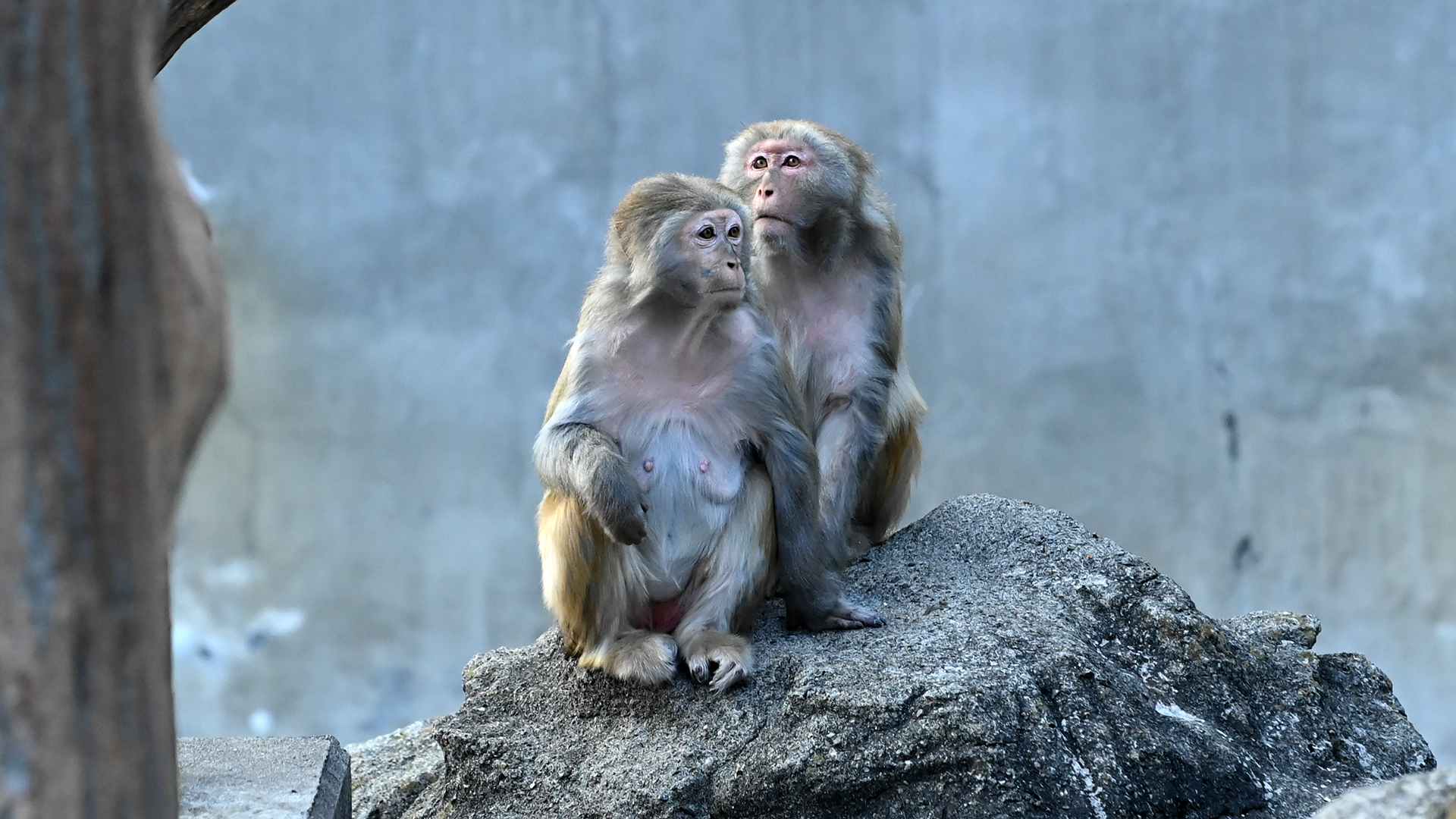
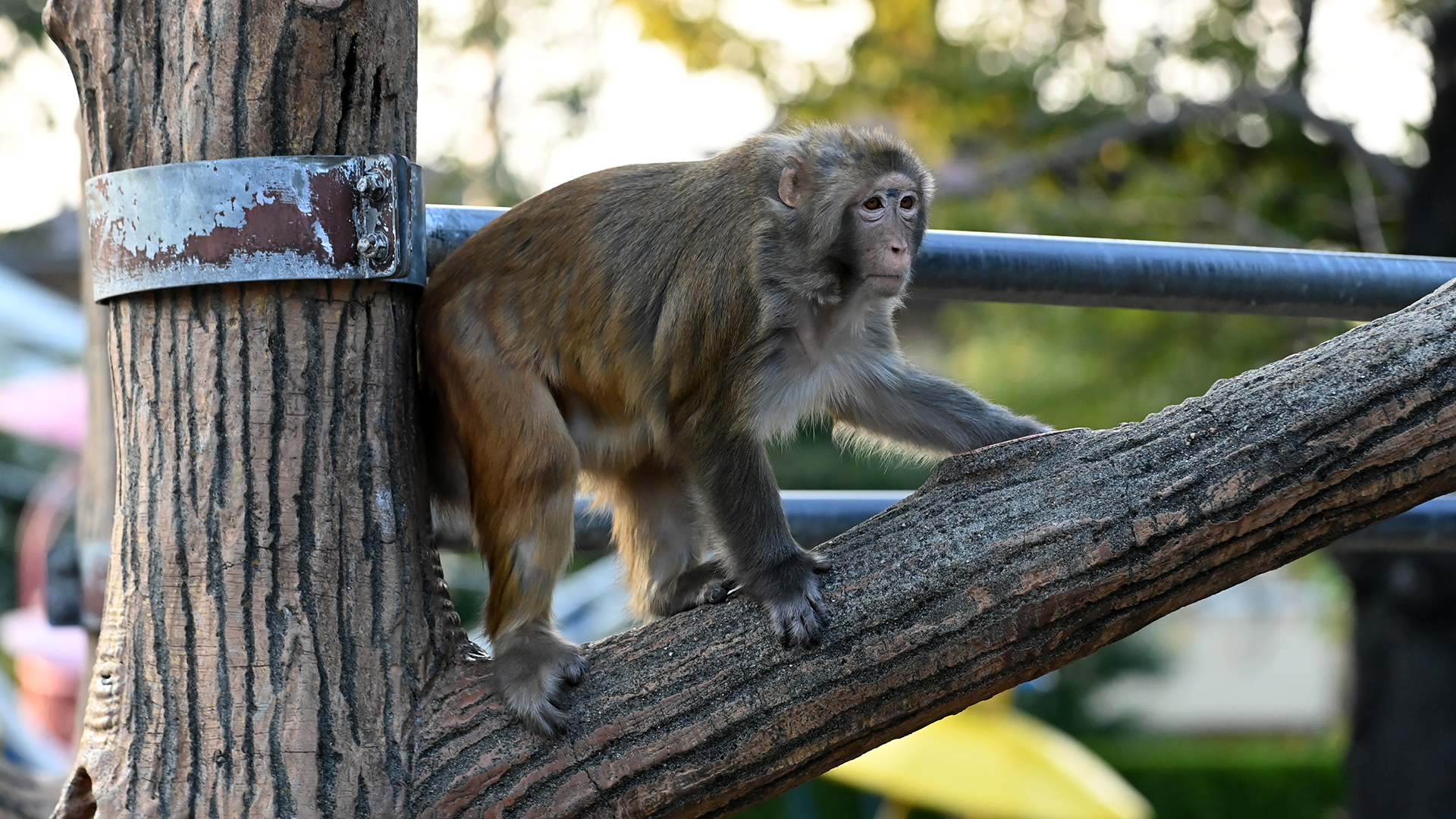
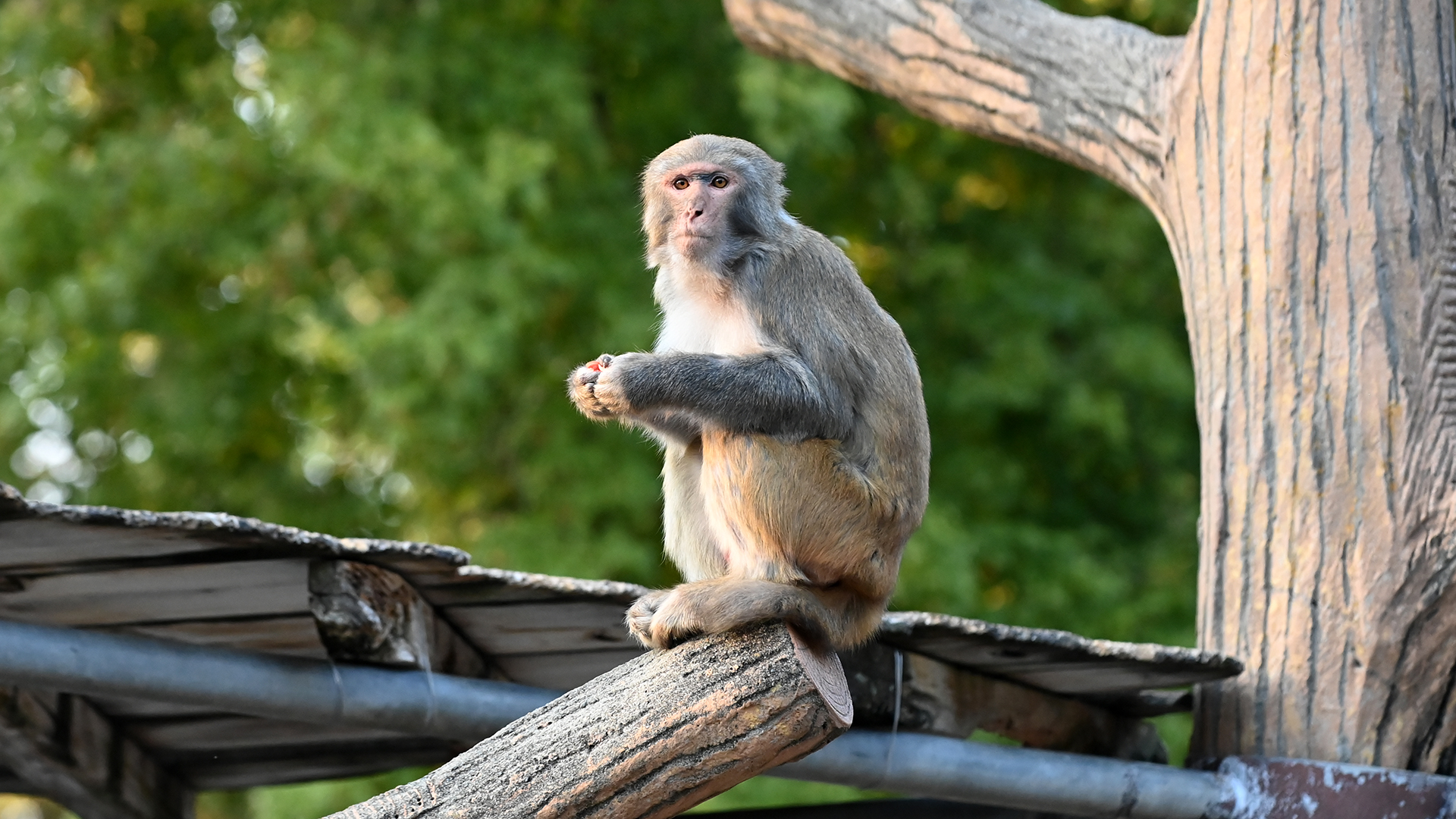
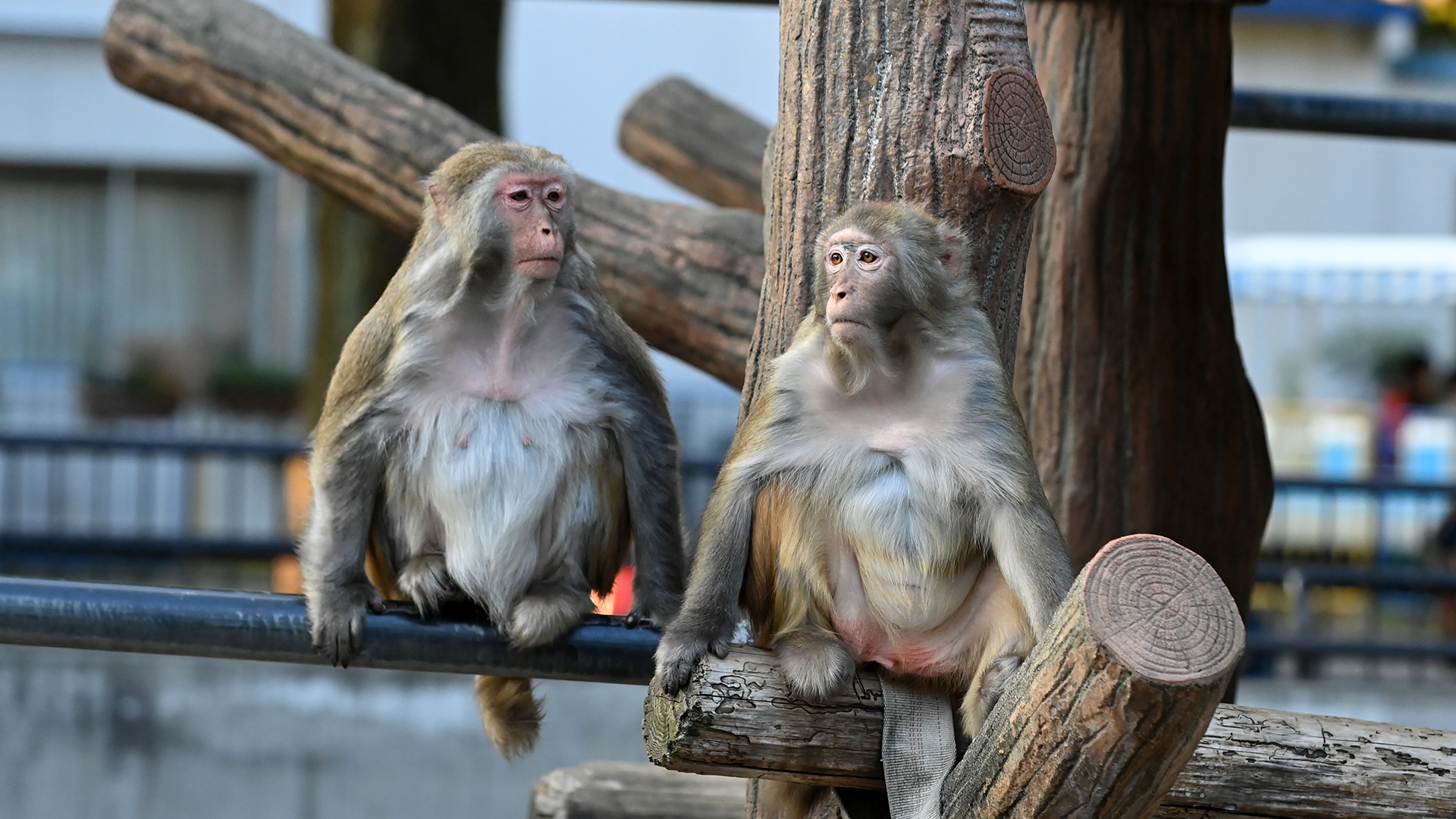
They are a type of monkey that live in forests and woodlands in groups of 10 to 100 individuals. Their bodies are about the same size as Japanese Macaque Japanese Macaque, but their tails are longer and, as their name suggests, they have reddish-brown hair on their backs and hips. They move around the forest, eating small creatures such as leaves, flowers, fruit, nuts, mushrooms and insects both in the trees and on the ground. They can also store food in their cheek pouches.
| classification | Mammalia, Primates, Azure-winged Magpie |
|---|---|
| English name | Rhesus Monkey |
| distribution | South Asia, Southeast Asia, Central Asia |
| Residence | Grasslands and forests |
| Size |
Head torso length: 45-65cm
|
| food | Leaves, grass, flowers, roots, fruits, seeds, insects and other small animals |
| Red List |
IUCN: LC (Least Concern)
|
It is the females who take over the herd
Rhesus Monkey group consists of several males, females, and their children. Males leave the group at around 3 to 5 years old and live alone or join other groups, but females generally stay in the group they were born into for the rest of their lives. Among the females who remain in the group, the children of high-ranking females inherit their mother's rank and are ranked higher than the other females.