

Zoo Stock Species and the Red List
Zoo Stock Species and the Red List
Zoo Stock
This indicates that the species is included in the Second Zoo Stock Plan, which was formulated by the Tokyo Metropolitan Government in 2018. The plan sets goals for the next 10 years in three areas: "species conservation," "contribution to wildlife conservation," and "environmental education and conservation awareness." 124 animal species are included.
What is the Red List?
Based on scientific research, this is a list of wildlife classified by rank (category) indicating the degree of risk of extinction.
Livng Things Encyclopedia shows the categories (mainland and islands) assessed by the IUCN (International Union for Conservation of Nature) at the global level, the Ministry of the Environment for Japan, and the Tokyo Metropolitan Government for Tokyo.
The higher the category in each table, the higher the risk of extinction, and CR, EN, and VU are the three categories known as "endangered species." In Tokyo, species that are not at the NT (near threatened) level but are relatively rare are considered "species of concern."
|
IUCN categories |
|
|---|---|
|
EX |
extinction |
|
EW |
Extinction in the wild |
|
CR+EN |
— |
|
CR |
Serious crisis |
|
EN |
crisis |
|
VU |
emergency |
|
NT |
Near Threatened |
|
LC・○ |
Low Concern |
|
DD |
Data shortage |
|
LP |
— |
|
Japan (Ministry of the Environment) Category |
|
|---|---|
|
EX |
extinction |
|
EW |
Extinction in the wild |
|
CR+EN |
Endangered species |
|
CR |
Critically Endangered |
|
EN |
Endangered species |
|
VU |
Endangered species |
|
NT |
Near Threatened |
|
LC・○ |
— |
|
DD |
Lack of information |
|
LP |
Endangered |
|
Tokyo Category |
|
|---|---|
|
EX |
extinction |
|
EW |
Extinction in the wild |
|
CR+EN |
Endangered species |
|
CR |
Critically Endangered |
|
EN |
Endangered species |
|
VU |
Endangered species |
|
NT |
Near Threatened |
|
LC・○ |
Unranked |
|
DD |
Lack of information |
|
LP |
Endangered |
Creatures at Inokashira Park Zoo
Creatures at Inokashira Park Zoo
Japanese Squirrel
Japanese Squirrel
Sciurus lis
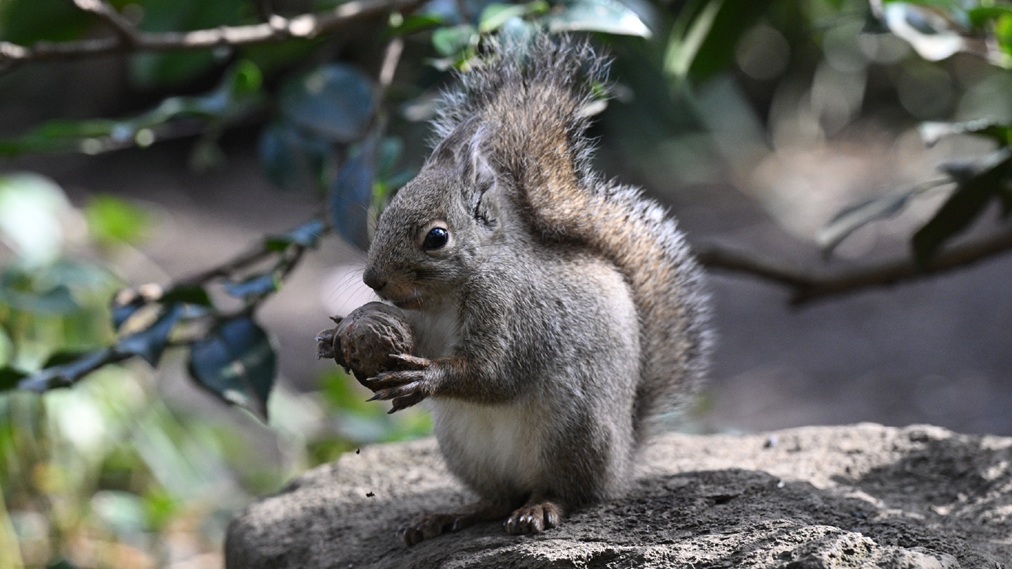
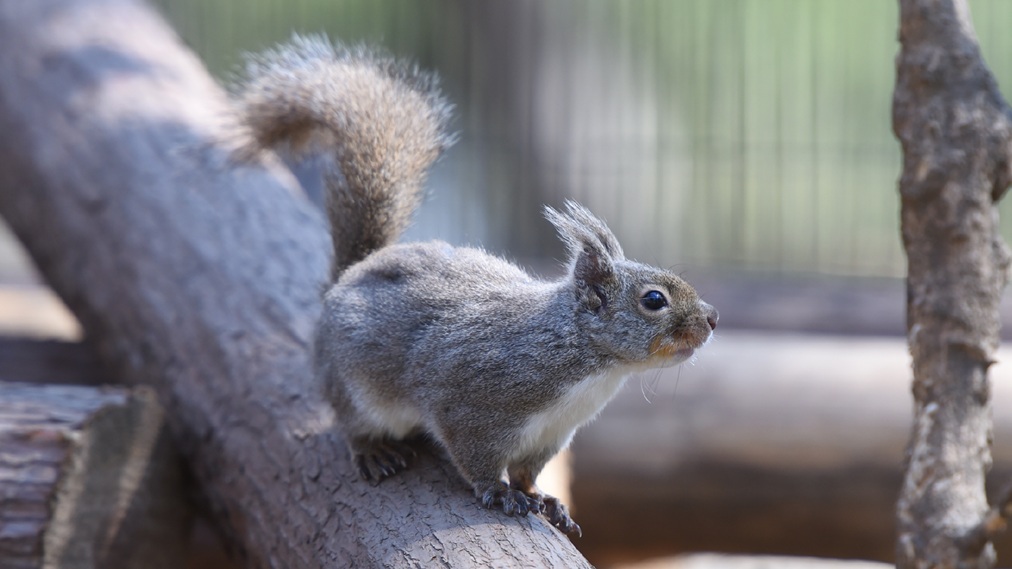
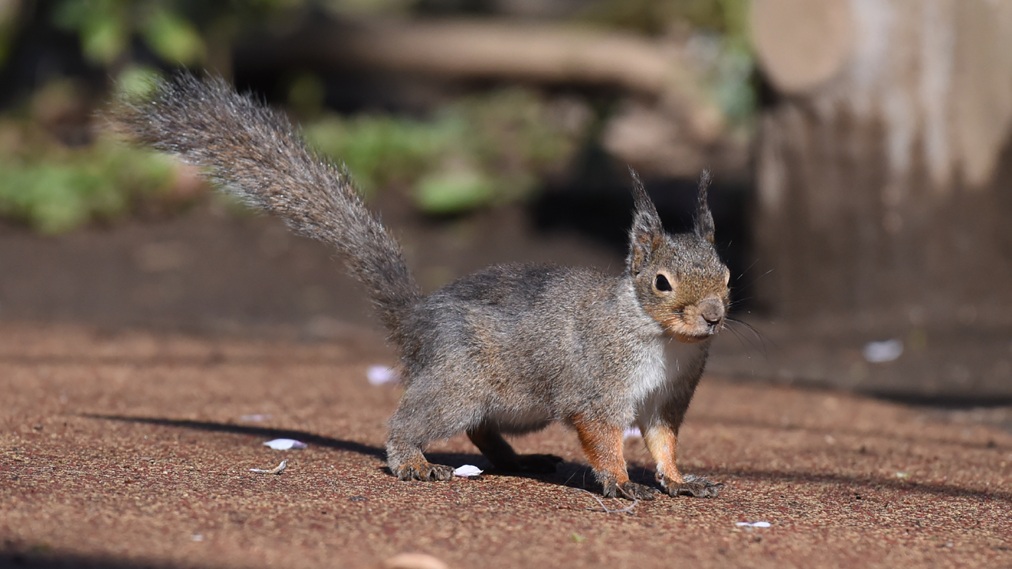
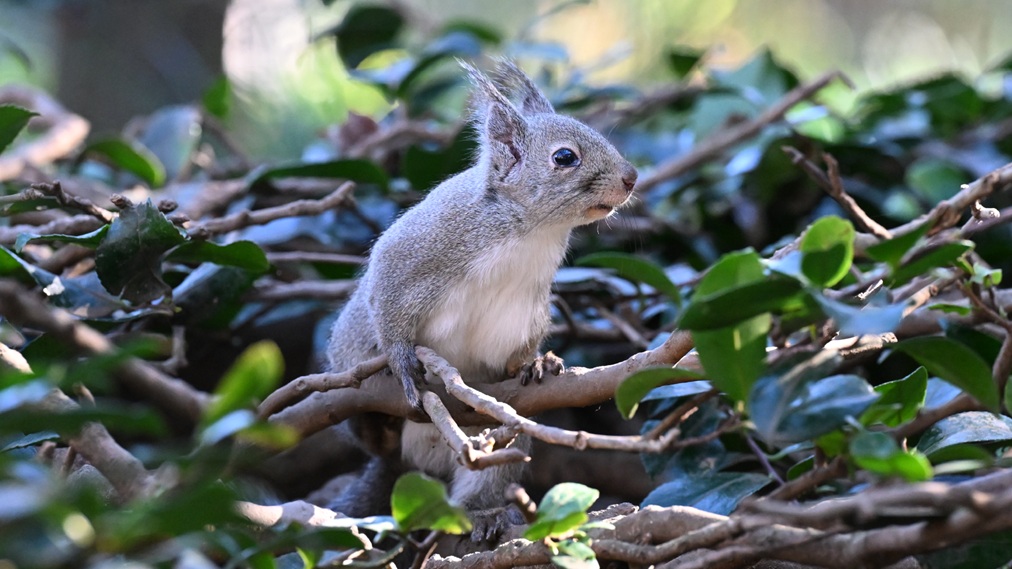
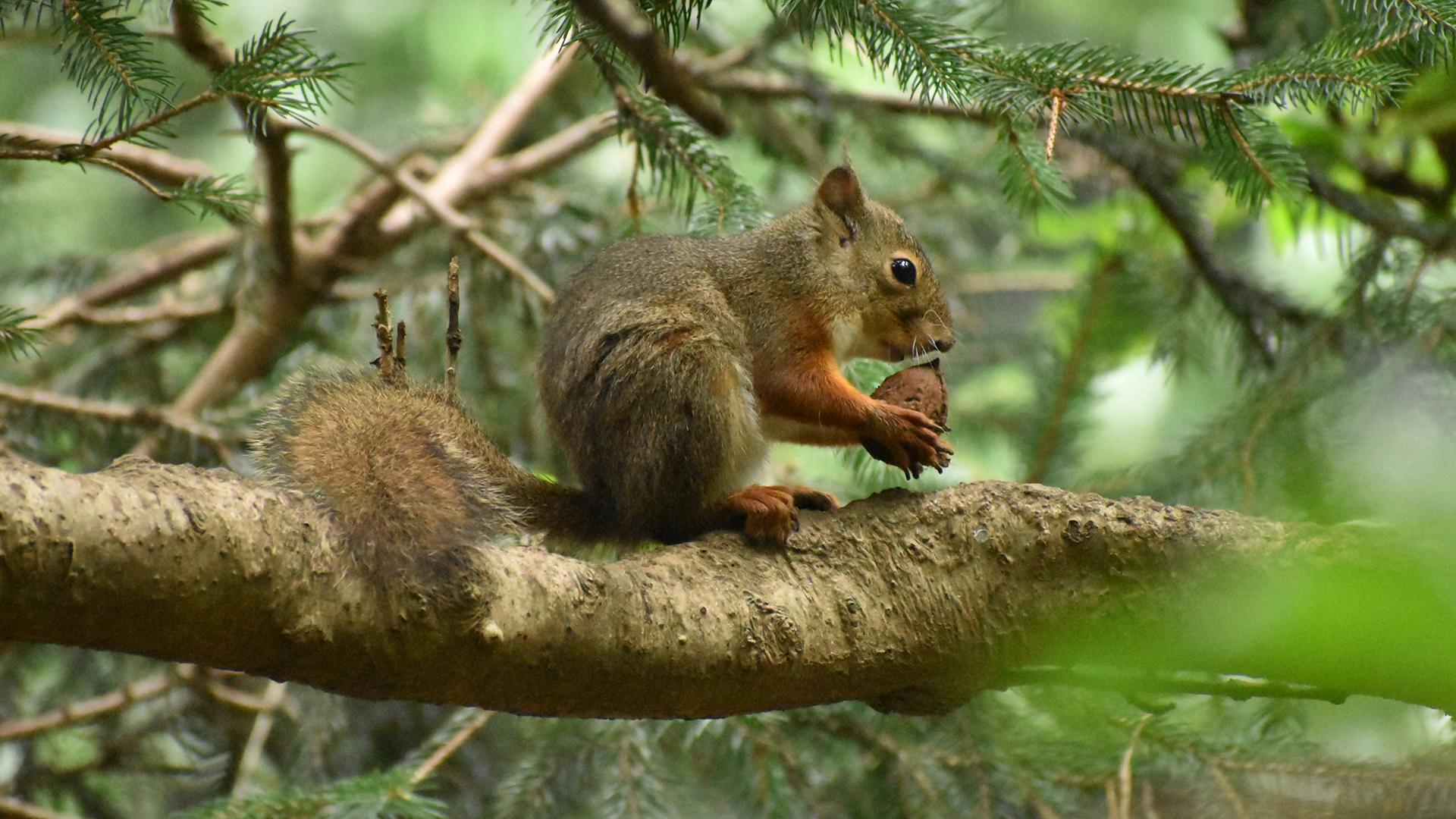
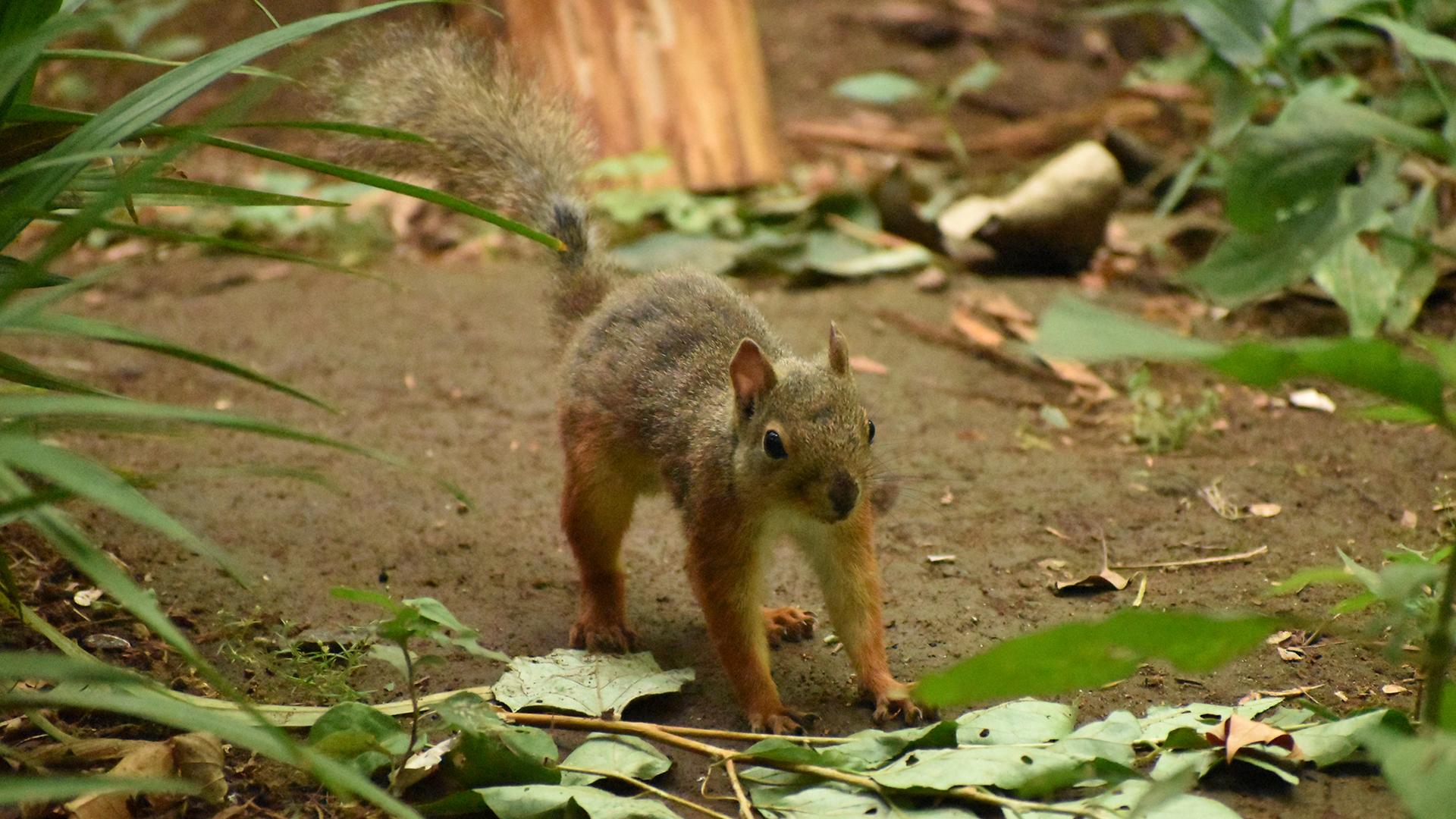
This species is endemic to Japan and lives in the forests of Honshu and Shikoku. It was once found in Kyushu as well, but there have been no reliable records of it in recent years, and it is at risk of extinction. It does not hibernate and is active all year round. To ensure food for the winter, it engages in a behavior known as "food hoarding," where it buries food in the ground and stores it there. Its fur changes with the seasons; in summer it is reddish-brown, and in winter it is grayish-brown with long fur growing on the tips of its ears.
| classification | Mammalia, Rodentia, Sciuridae |
|---|---|
| English name | Japanese Squirrel |
| distribution | Japan (Honshu, Shikoku) |
| Residence | forest |
| Size |
Head torso length: approx. 20cm
Tail length: Approximately 15 cm |
| food | Nuts such as walnuts, seeds, fruits, mushrooms, insects and other small animals |
| Red List |
IUCN: LC (Least Concern)
Japan: LP (Local Population at Risk of Extinction) Tokyo: ○ (not ranked) |
What are you doing with your tail?
They have long, fluffy tails. When they're sitting still, they tuck it in at their backs. However, when they're exercising, they stretch it out straight behind them. By using their tails to keep themselves balanced, they can climb up and down trees with ease.
Find the shell of a walnut
If you see a walnut shell split in two on the ground, it means that a squirrel has cracked it open and eaten the inside. It goes all the way around, gnawing on it with its teeth and splitting it neatly in two.