

Zoo Stock Species and the Red List
Zoo Stock Species and the Red List
Zoo Stock
This indicates that the species is included in the Second Zoo Stock Plan, which was formulated by the Tokyo Metropolitan Government in 2018. The plan sets goals for the next 10 years in three areas: "species conservation," "contribution to wildlife conservation," and "environmental education and conservation awareness." 124 animal species are included.
What is the Red List?
Based on scientific research, this is a list of wildlife classified by rank (category) indicating the degree of risk of extinction.
Livng Things Encyclopedia shows the categories (mainland and islands) assessed by the IUCN (International Union for Conservation of Nature) at the global level, the Ministry of the Environment for Japan, and the Tokyo Metropolitan Government for Tokyo.
The higher the category in each table, the higher the risk of extinction, and CR, EN, and VU are the three categories known as "endangered species." In Tokyo, species that are not at the NT (near threatened) level but are relatively rare are considered "species of concern."
|
IUCN categories |
|
|---|---|
|
EX |
extinction |
|
EW |
Extinction in the wild |
|
CR+EN |
— |
|
CR |
Serious crisis |
|
EN |
crisis |
|
VU |
emergency |
|
NT |
Near Threatened |
|
LC・○ |
Low Concern |
|
DD |
Data shortage |
|
LP |
— |
|
Japan (Ministry of the Environment) Category |
|
|---|---|
|
EX |
extinction |
|
EW |
Extinction in the wild |
|
CR+EN |
Endangered species |
|
CR |
Critically Endangered |
|
EN |
Endangered species |
|
VU |
Endangered species |
|
NT |
Near Threatened |
|
LC・○ |
— |
|
DD |
Lack of information |
|
LP |
Endangered |
|
Tokyo Category |
|
|---|---|
|
EX |
extinction |
|
EW |
Extinction in the wild |
|
CR+EN |
Endangered species |
|
CR |
Critically Endangered |
|
EN |
Endangered species |
|
VU |
Endangered species |
|
NT |
Near Threatened |
|
LC・○ |
Unranked |
|
DD |
Lack of information |
|
LP |
Endangered |
Creatures at Inokashira Park Zoo
Creatures at Inokashira Park Zoo
Japanese Quail
livestock
Japanese Quail
livestockCoturnix japonica
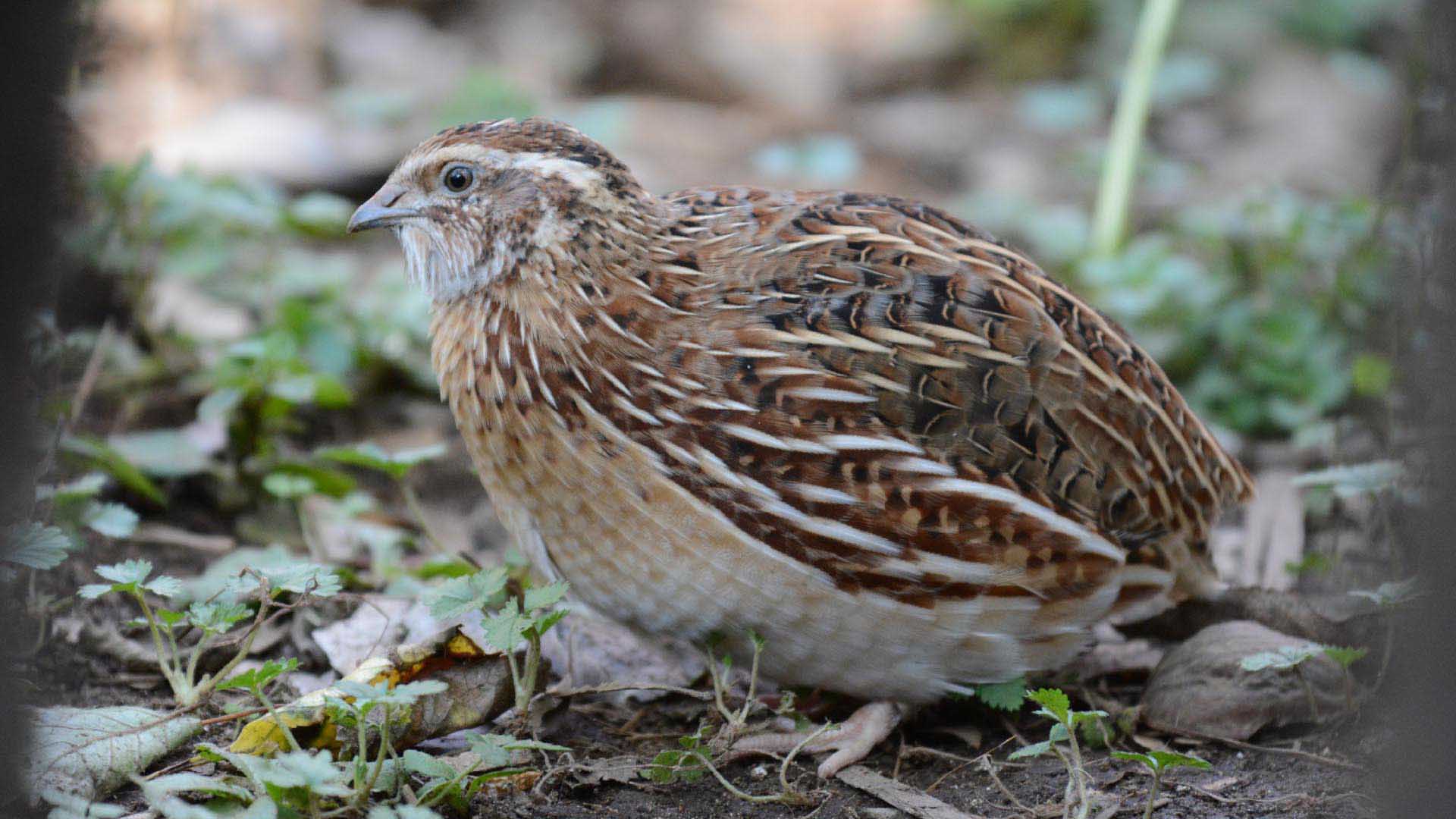
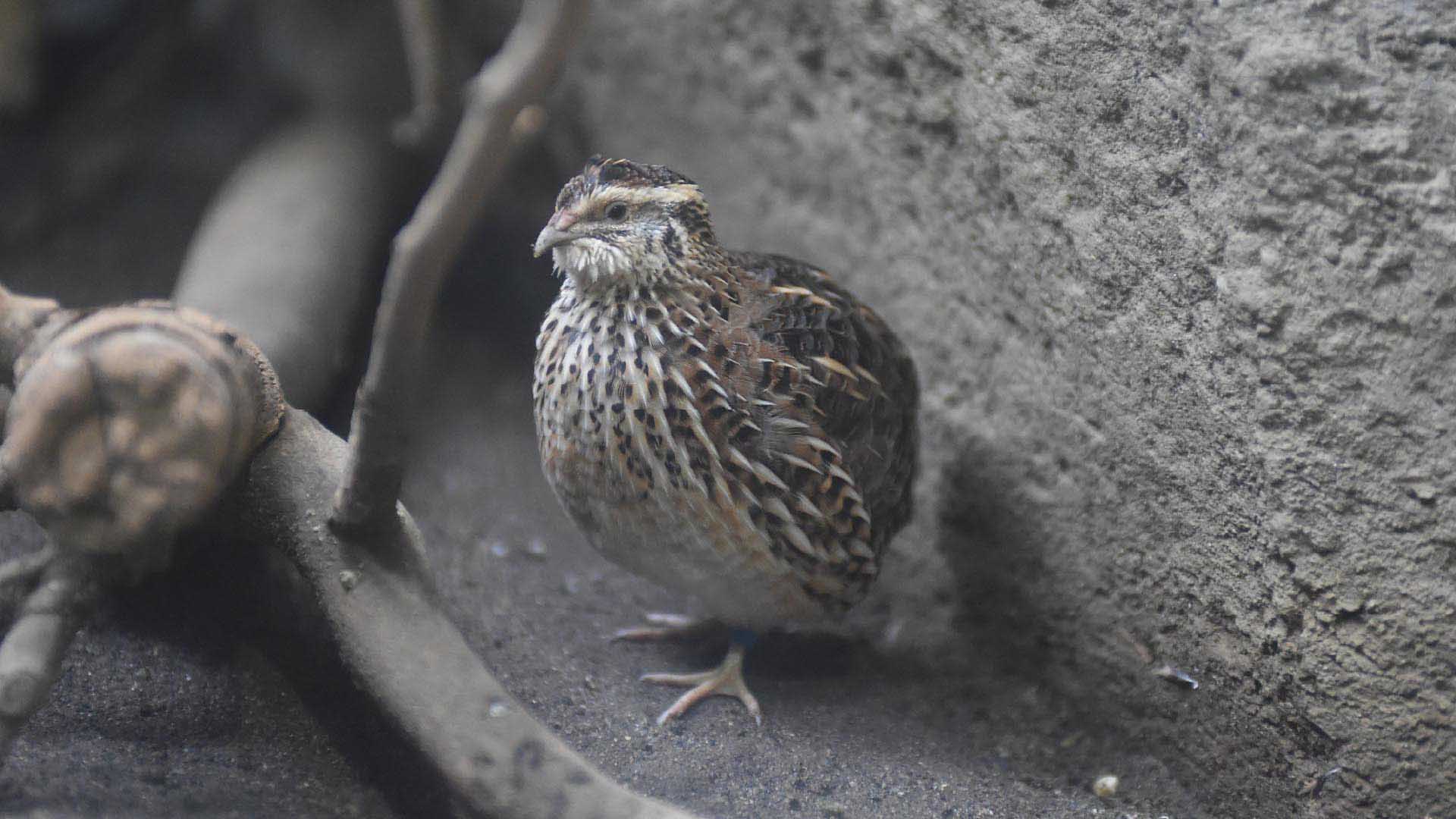
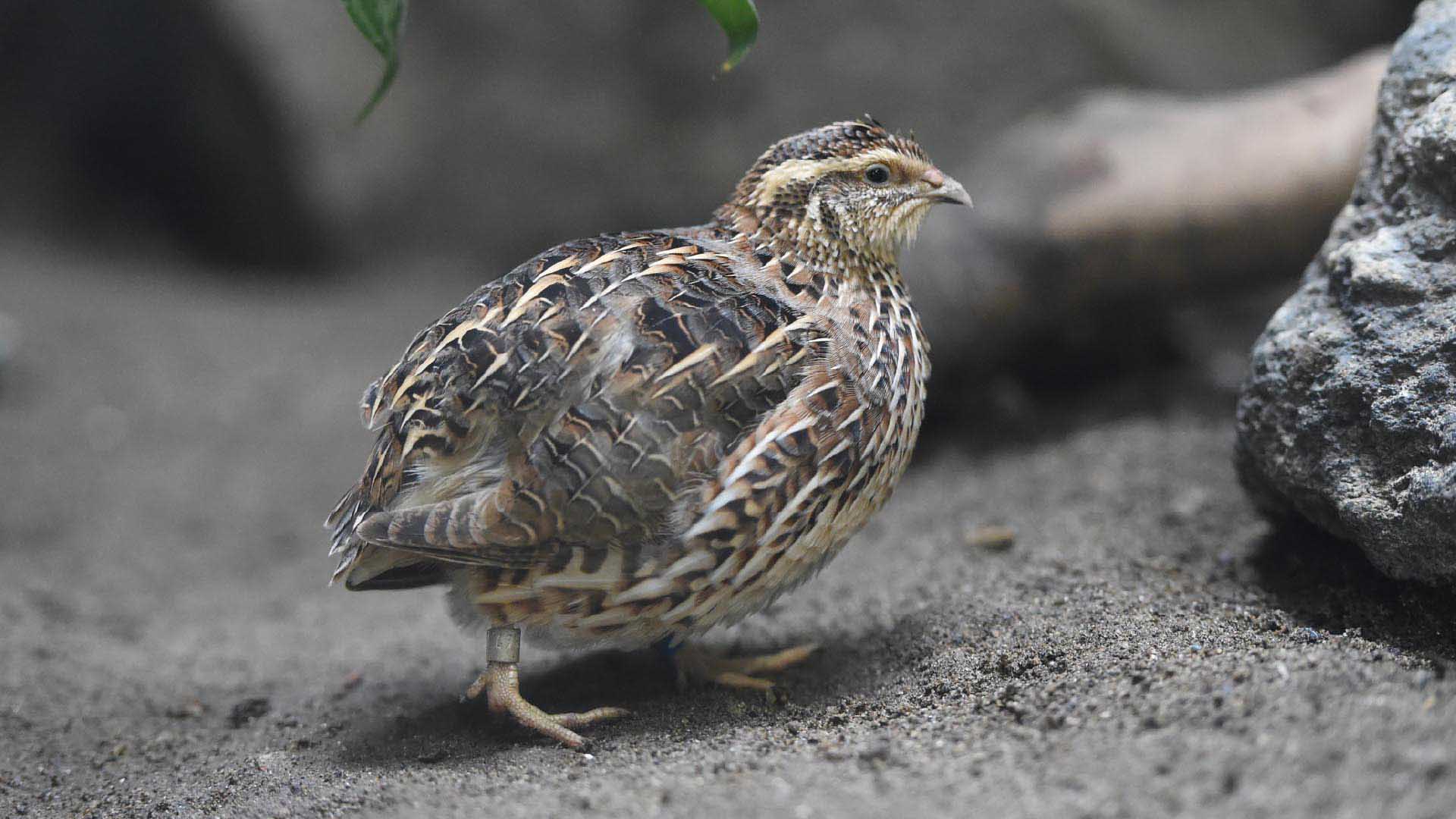
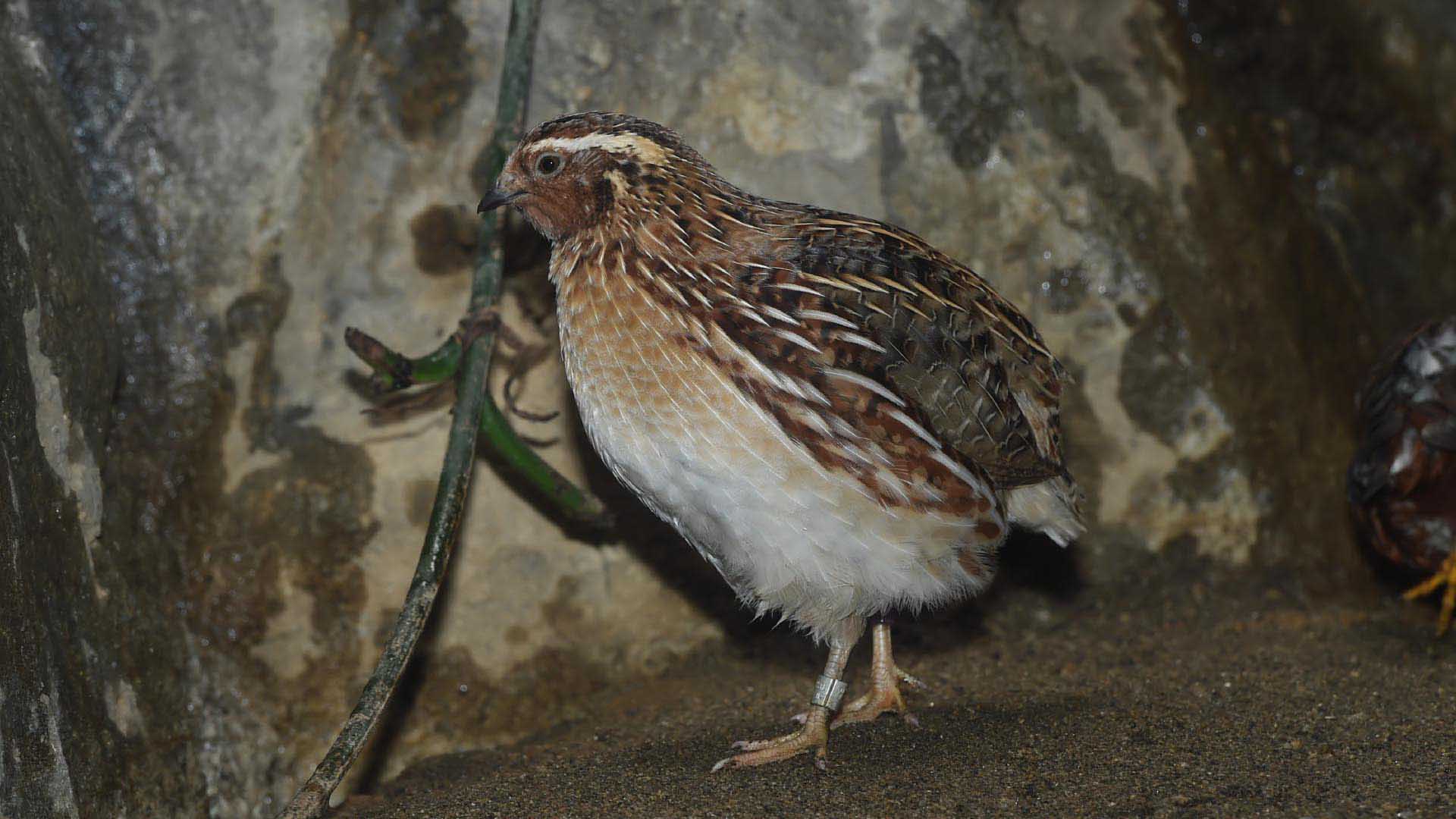
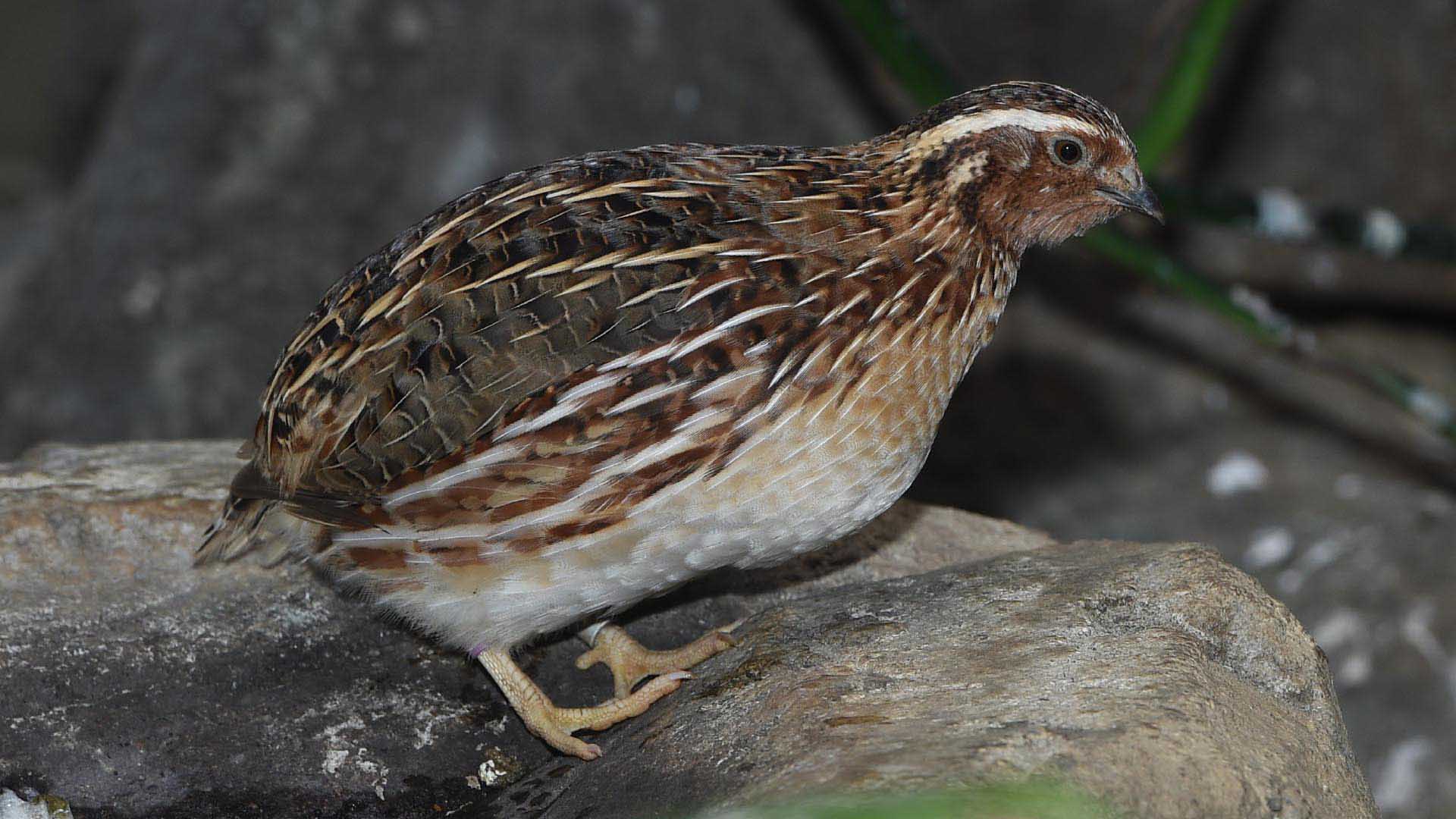
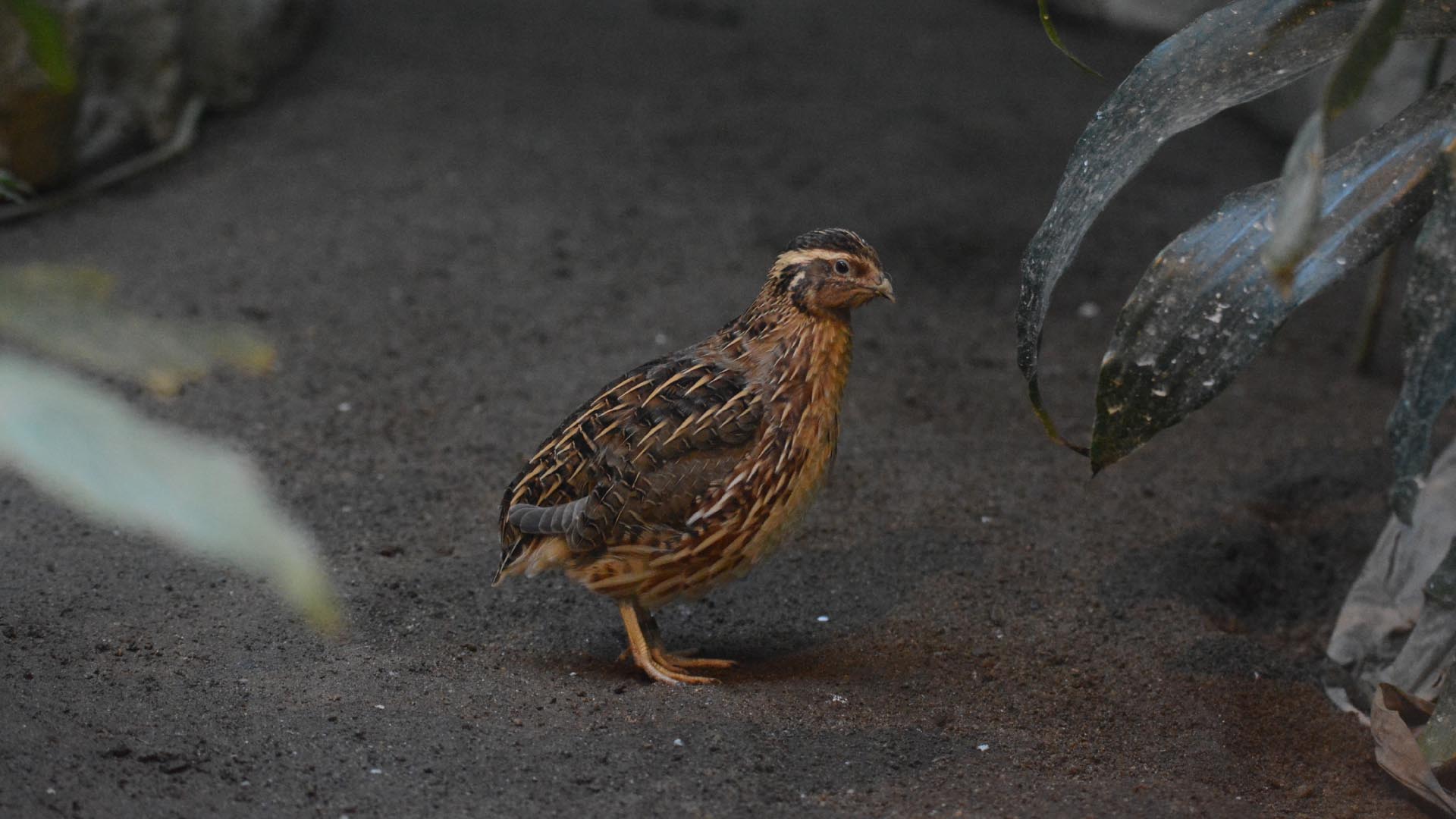
They live in grasslands, with small, round bodies that allow them to easily hide in the shade. They are migratory birds that raise their young in cooler regions such as Japan (Hokkaido and eastern Japan), Mongolia, and northern China from spring to summer, and then migrate to warmer regions such as Japan (south of the Kanto region), southern China, and Southeast Asia in winter. They build their nests by digging shallow holes in the ground and covering them with dried grass, and both the eggs and chicks have an inconspicuous mottled pattern.
| classification | Aves, Galliformes, Phasianidae |
|---|---|
| English name | Japanese Quail |
| distribution | Japan, East Asia, Southeast Asia |
| Residence | grassland |
| Size |
Total length: approx. 20cm
|
| food | Seeds, insects, etc. |
| Red List |
Not rated for livestock
|
The relationship between Japanese Quail and the people of Japan
Japanese Quail have been familiar birds in Japan since ancient times, appearing in poems from the Kokin Wakashu and Manyoshu. During the Muromachi period, the distinctive cry of males during the breeding season was considered auspicious and became popular among samurai, and people began to keep them as pets to enjoy their sounds. After that, around 1900, breeding efforts were made to produce eggs.